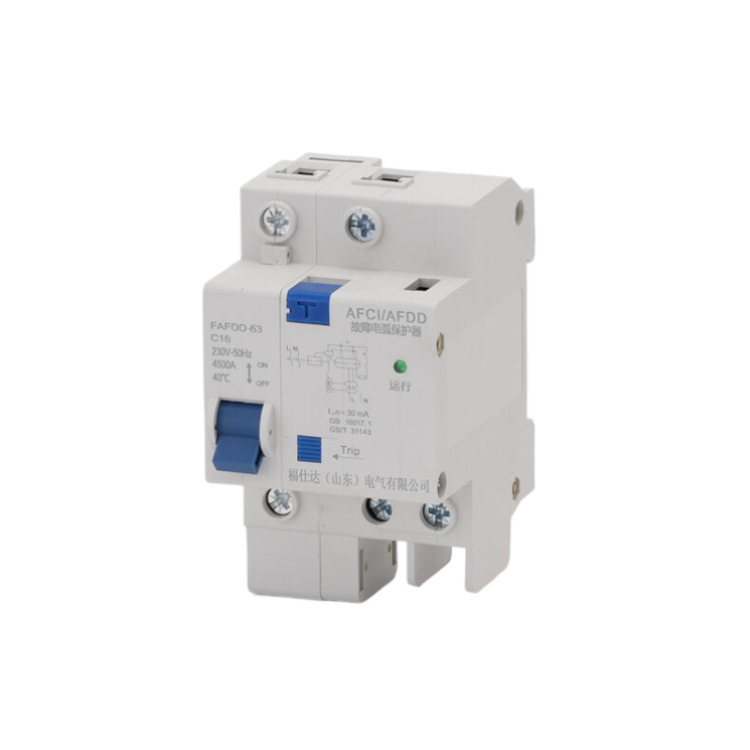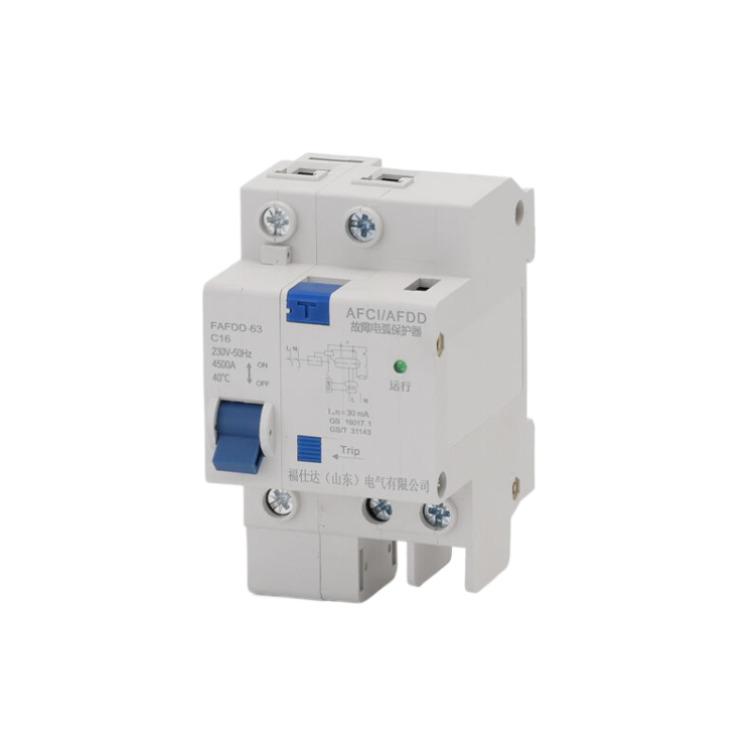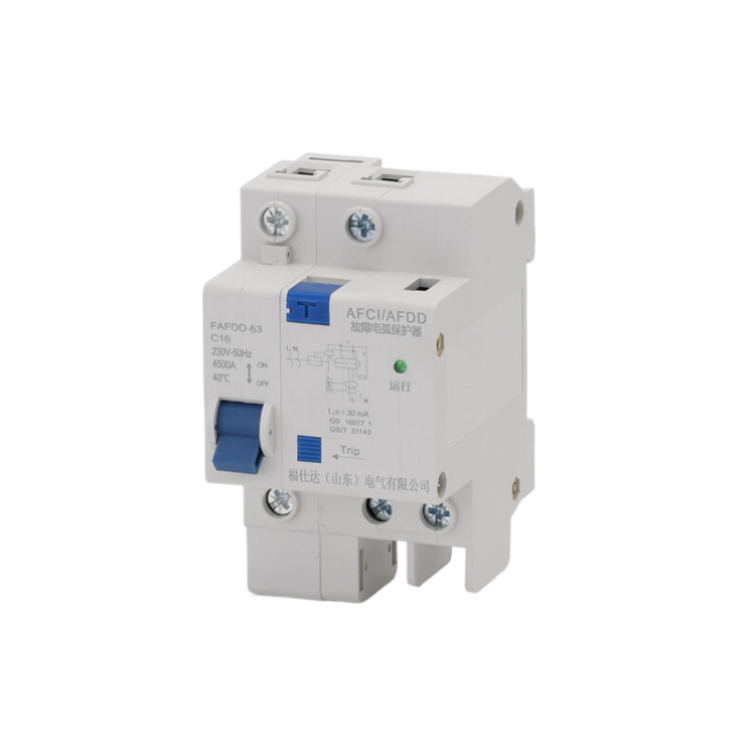

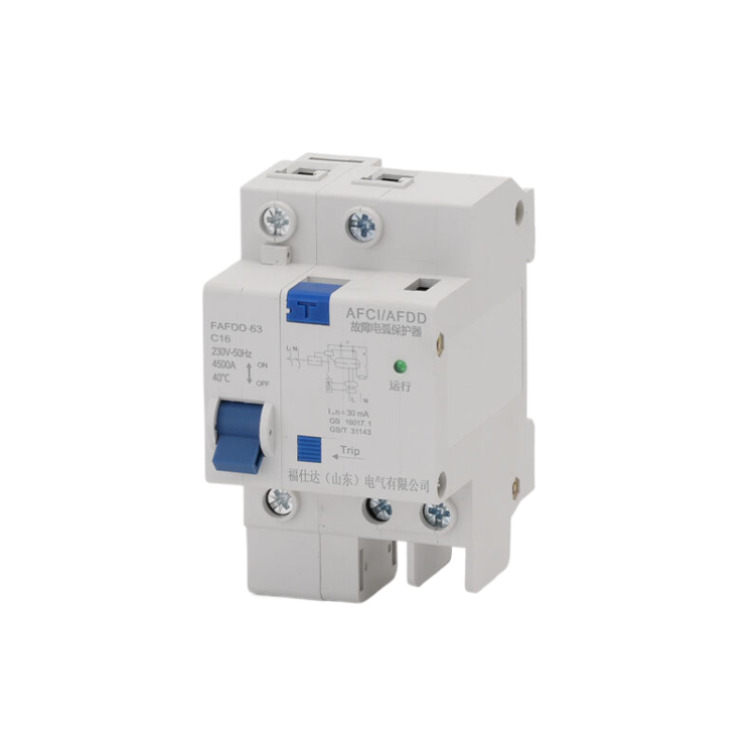
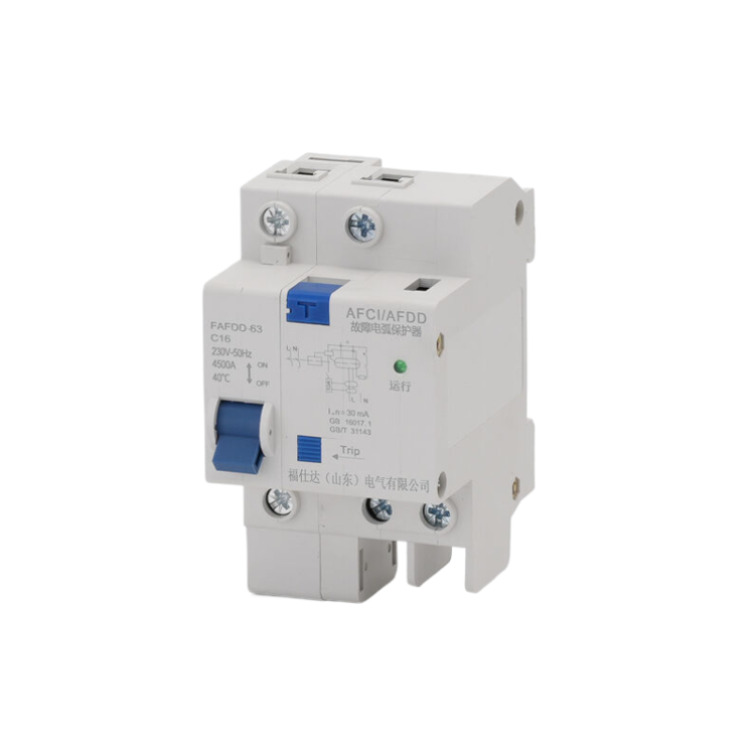
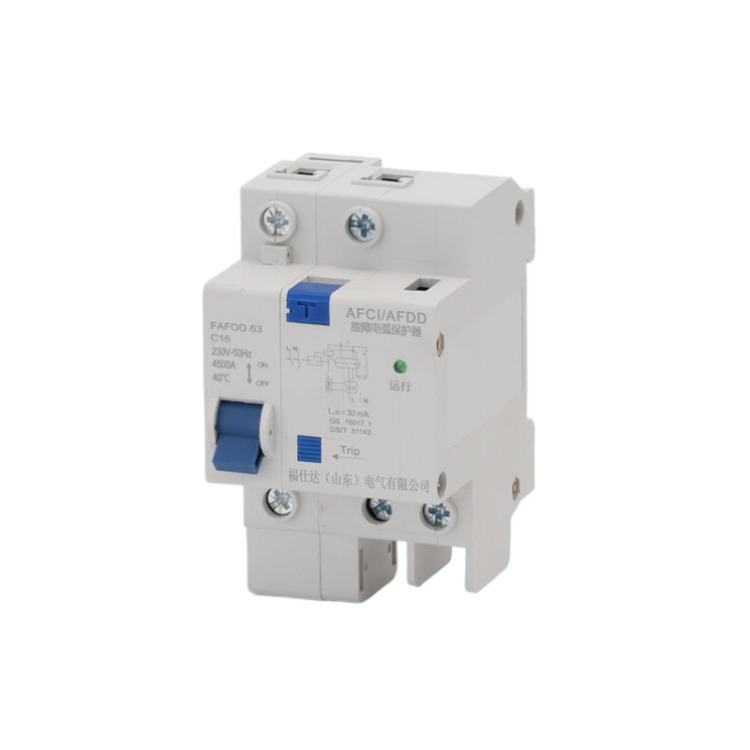









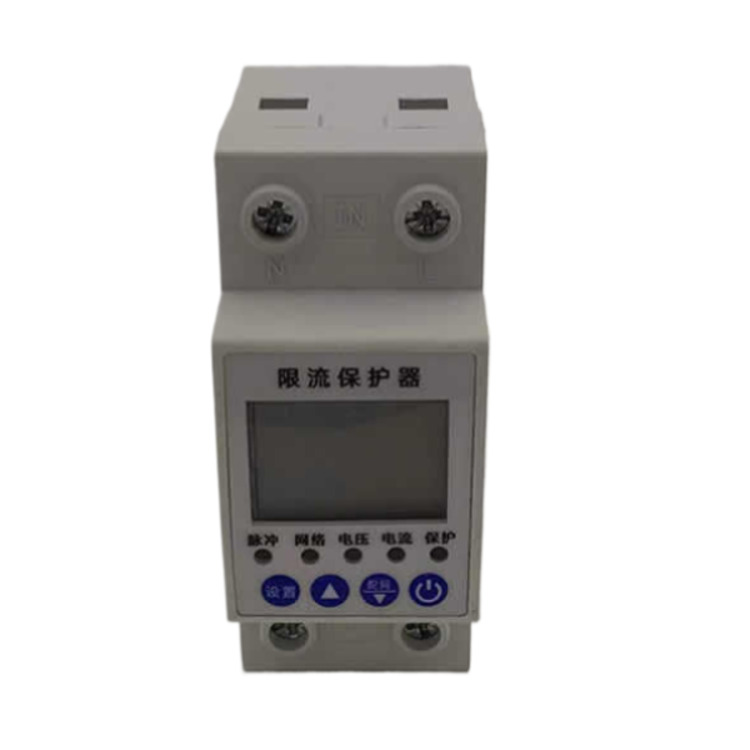
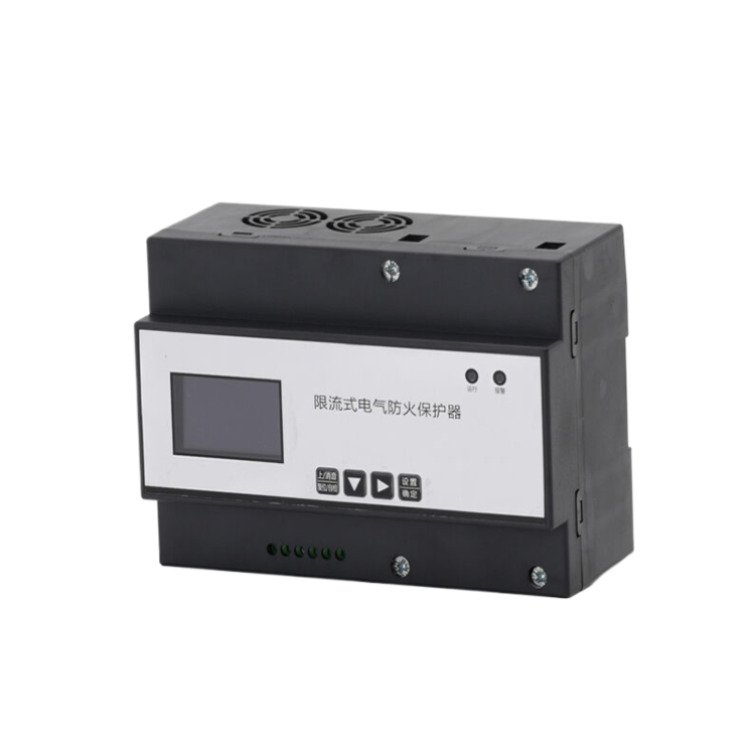
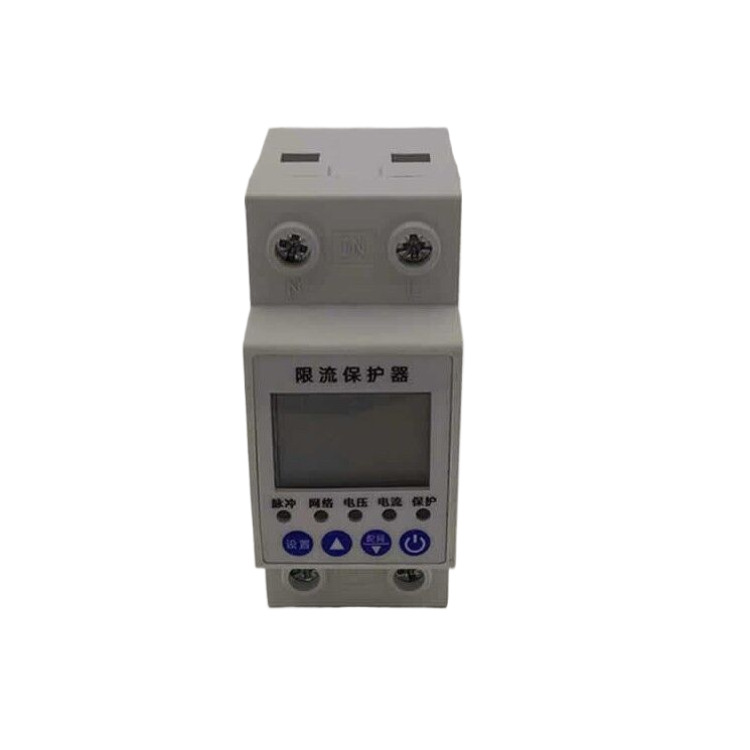
The AFDD-63 Arc Fault Circuit Interrupter (AFCI, also known as AFDD Arc Fault Detector) technology is a new circuit protection product. Its primary function is to detect and differentiate dangerous ground arc faults, parallel arc faults, and series arc faults, and promptly activate devices to interrupt the current to prevent electrical fires. In the event of an arc fault, due to the relatively low current strength, which is below the set values of overcurrent protection widely installed in the power system, especially in the low-voltage distribution field, installing an AFCI arc fault circuit interrupter at the distribution line terminal can promptly detect the arc and cut off the circuit, effectively reducing the losses caused by the arc.
The AFDD Fault Arc Circuit Breaker is an intelligent circuit protector featuring an integrated MCB and RCCB design. It can detect and identify fault arcs and normal arcs in the circuit. It prevents fire hazards caused by faulty arcs such as poor contact and insulation in electrical lines. It combines fault arc protection, overload protection, short-circuit protection, overvoltage protection, surge suppression, and leakage protection into one unit.

Fields and Applications
AFCI fault arc circuit breakers and AFDD fault arc detectors are primarily installed in distribution boxes of terminal power distribution systems. They can also be installed at various control points such as homes, offices, large supermarkets, department stores, airports, textile factories, warehouses, oil depots, refineries, hotels, and oil transportation pipelines. The device can be installed and used wherever electricity is used, and is widely employed in electrical fire prevention.
Product Features
The AFDD Fault Arc Detector employs an embedded system digital circuit for control and an innovative arc characteristic recognition algorithm. It is compact yet powerful, enabling automatic monitoring and protection of fault arcs, effectively ensuring the safety of low-voltage distribution lines, electrical equipment, and personal safety.
Utilizing a comprehensive arc fault detection method that combines time-domain characteristic detection with frequency-domain FFT, simultaneous localization in both the time and frequency domains is achieved.
◆Its specific features and functions are as follows:
(1) Features automatic and manual control functions;
(2) Features the ability to detect and differentiate dangerous ground fault arcs, parallel arc faults, and series arc faults.
(3) Features a mechanism with timely actuation to disconnect the current, preventing electrical fires.
(4) Features include overcurrent, short-circuit, and overvoltage detection.
(5) Features fault memory function for easy fault inquiry and analysis.
(6) Features indicator light alarm function
(7) Features with multiple rated currents and voltages
(8) Single-pole rated make and break function
(9) Function to display fault results
(10) Free Release Function
(11) Rustproof, moisture-resistant, and electric shock protection features
Compared to systems composed of discrete component electronics, it features self-matching control and protection characteristics.
The AFDD Fault Arc Detector combines control and protection functions, equivalent to an arc detection identifier + circuit breaker. It effectively resolves the matching issue between the protection and control characteristics of discrete components, making the collaboration between them more rational.
Arc detection and protection features compared to circuit breakers and fuses
Conventional short-circuit protection mechanisms based on circuit breakers and fuses can only provide equipment function protection in very low capacity power grids. During arc faults, due to the relatively low current strength, which is below the current protection setting values commonly installed in the power system, especially in the low-voltage distribution sector, they are unable to protect against arc faults.
Compared to arc detection devices with sensors, it possesses detection characteristics.
Due to the necessity of installing the AFDD fault arc detector sensor at the location where the fault arc occurs for detecting arc parameters, it poses an inconvenience for detecting fault arcs in power supply lines. However, the AFDD effectively resolves this issue.
◆ More real-time compared to residual current devices (RCD)
During series and parallel arc faults, the fault impedance reduces the load current, causing it to fall below the RCD's trip value, thereby preventing the RCD from tripping quickly and promptly.
Product Advantages
● With built-in leakage protection, it enhances the reliability of electrical safety.
● Technically improved electromagnetic mechanisms, treated in materials, processes, and electronic circuits, avoiding the previous issues of long-term operation causing overheating and excessive temperatures in electromagnets. This significantly reduces the working temperature of the electromagnets, thereby extending their lifespan.
● Suitable for various types of loads, with high stability.
● The fault arc circuit breaker has a rated working current as high as 63A.
● Designed with high-performance microcontrollers for the system, achieving digital control.
● Dedicated electromagnetic detent mechanism, enhancing the accuracy of overcurrent protection.
When an arc fault occurs, the MCU internally performs multiple judgments, and only when all features match will the disengagement action be initiated.
● Wide application range for products, suitable for residents, enterprises, schools, and research institutions.
Integrated: Combines short-circuit protection, leakage protection, and arc protection into one
Stable: Not affected by suppressive load or EMI load shielding in its detection ability.
● Multi-domain detection: Time domain, Frequency domain
Flexible installation methods: plug-in, bolted, and rail-mounted installations.
Main Structure
Subject: The AFCI Arc Fault Circuit Breaker primarily consists of components such as the breaker module, leakage module, power module, signal conditioning module, release module, and communication interface module.
◆ Power Module: Supplies power to relevant components within the AFDD (Arc Fault Detection Device).
Signal Conditioning Module: The current signal in the main circuit is transmitted through a signal conditioning module via a line current transformer. The module amplifies, rectifies, and filters the signal before sending it to the microcontroller for processing.
◆ Detent Module: The electromagnetic structure of the detent module in AFCI circuit breakers utilizes a new energy-saving technology, reducing the core loss and short-circuit loss of the switching electromagnetic system, thereby conserving energy. A cushioning device has been added to minimize the energy impact on the electromagnetic system, improving the switch's closing performance and extending its service life. The operating mechanism of the detent module can receive fault signals detected by the main control chip MCU, and by controlling the contacts, it interrupts the coil circuit, with the electromagnetic mechanism breaking the main circuit. After fault resolution, the operation button is pressed to reset.
Communication Interface Module: This module enables real-time transmission of data such as current, voltage, current phase, and arc signals to the terminal computer, allowing for remote monitoring. The figure below shows the current data information sent by the MCU to the host computer during a series arc occurrence. The Data Processing Module utilizes a self-developed AFDD fault arc detector host computer development platform for data analysis and feature parameter extraction. A PC simulator is established to pre-simulate the algorithms on the PC, with the execution language and microprocessor being universally compatible.
Working Principle
The MCU main control chip of AFCI fault arc circuit breakers detects the current signal in the main circuit in real-time. Upon detecting a fault arc in the main circuit, the microcontroller emits an unlatching signal, which triggers the unlatching circuit to perform the unlatching operation.
Overload and other protection: The main control chip MCU of the AFCI fault arc circuit breaker also detects real-time faults such as overload, leakage, under-voltage, over-voltage, and overcurrent in the main circuit, and sends fault signals to the release mechanism to disconnect the circuit, thus achieving protective operation.