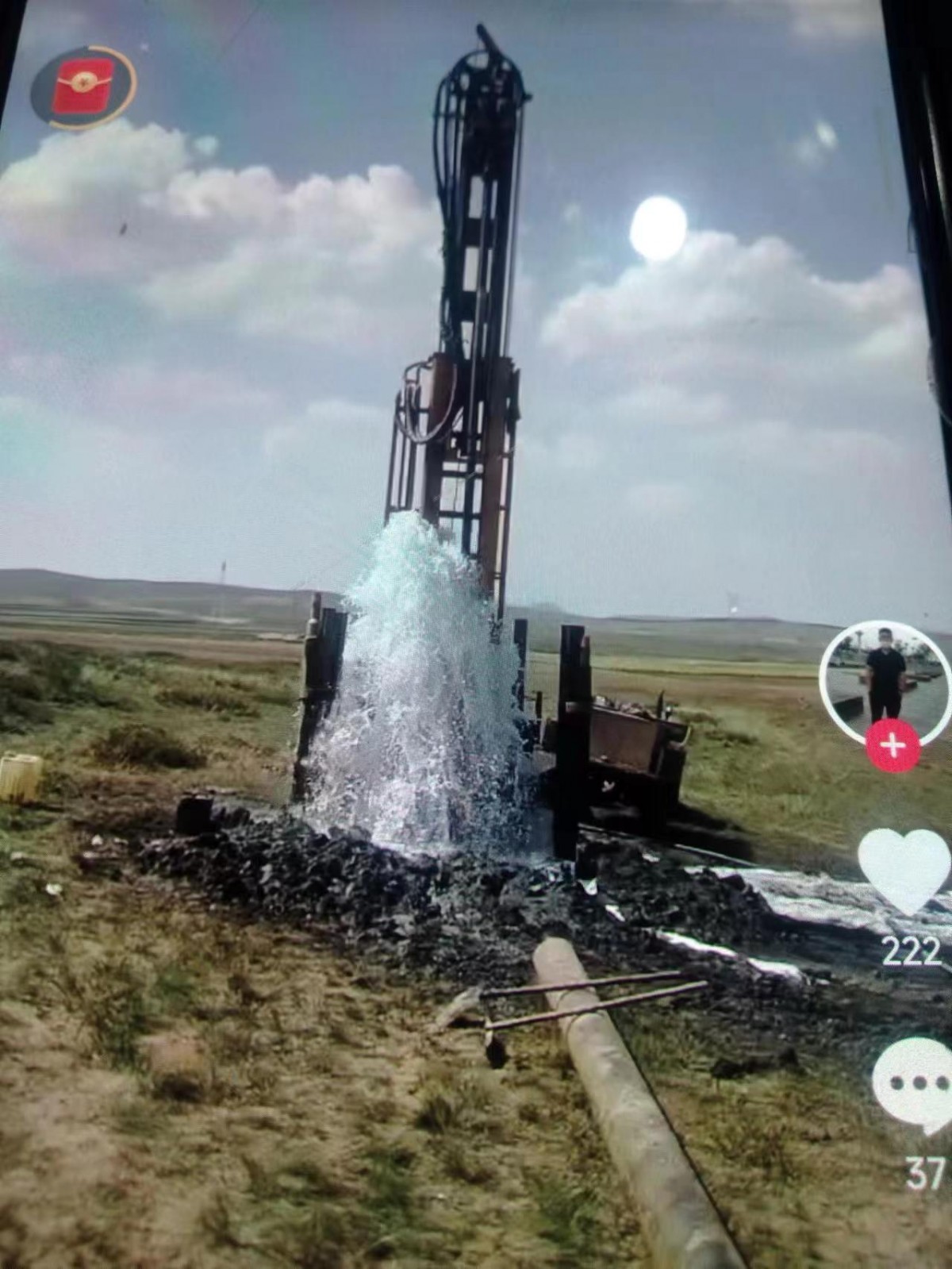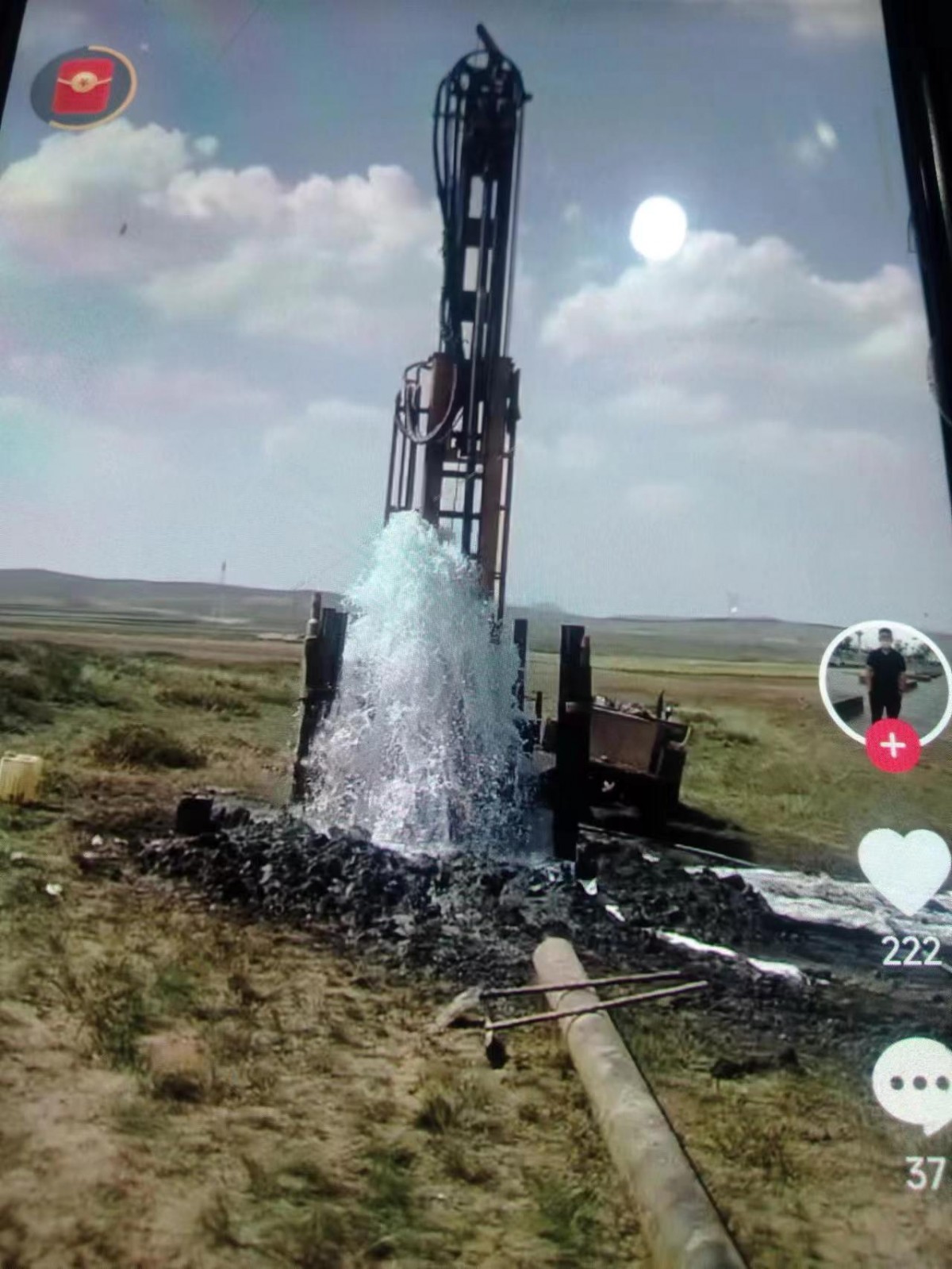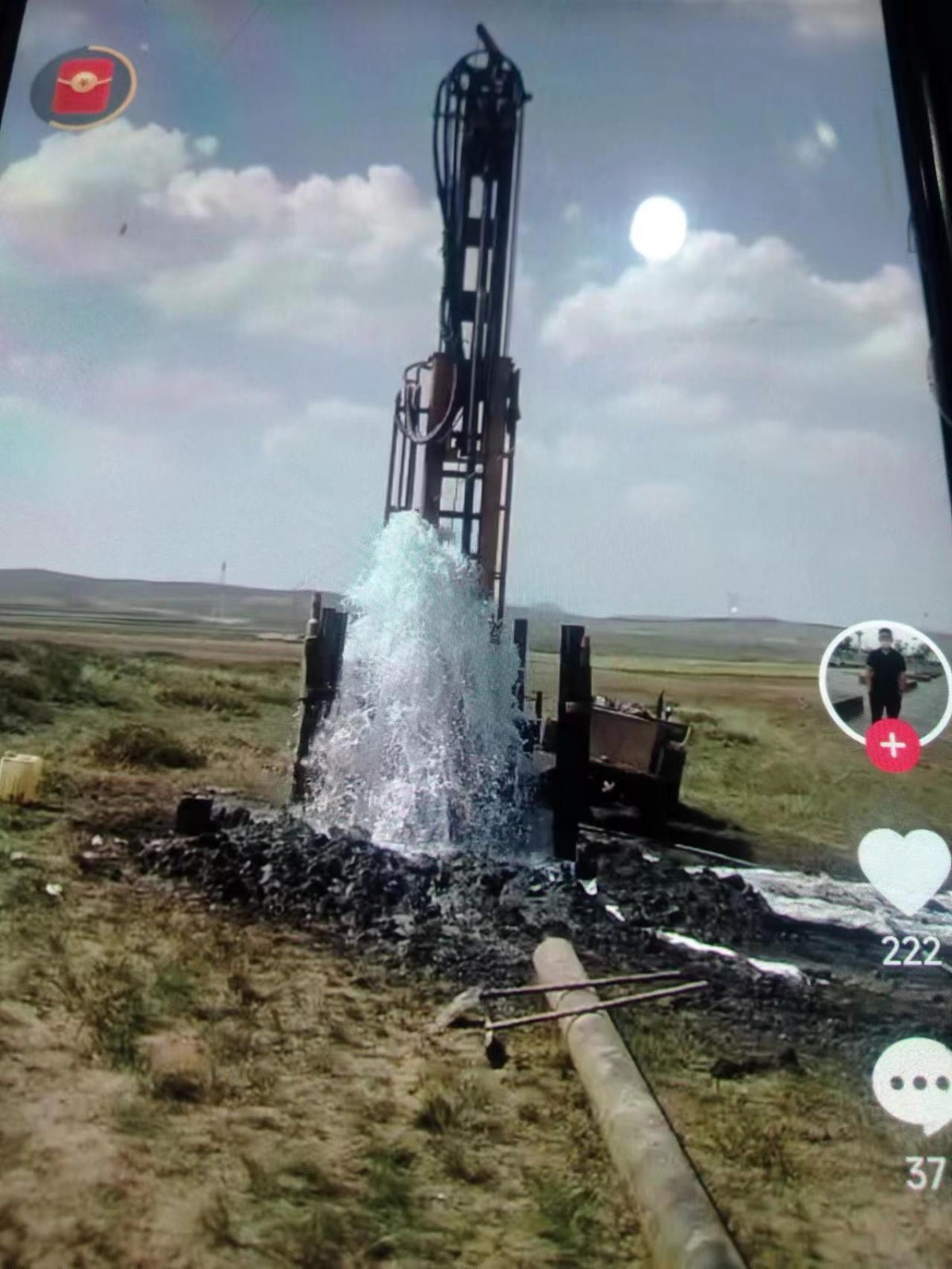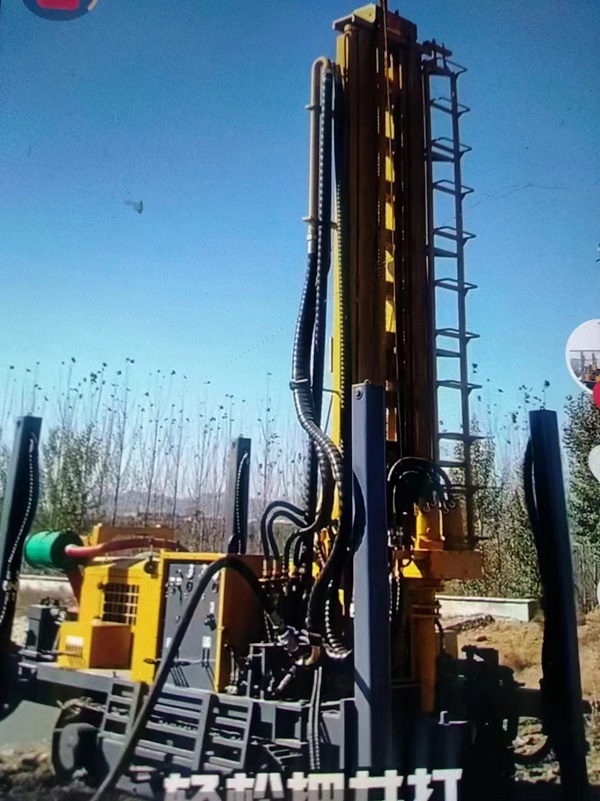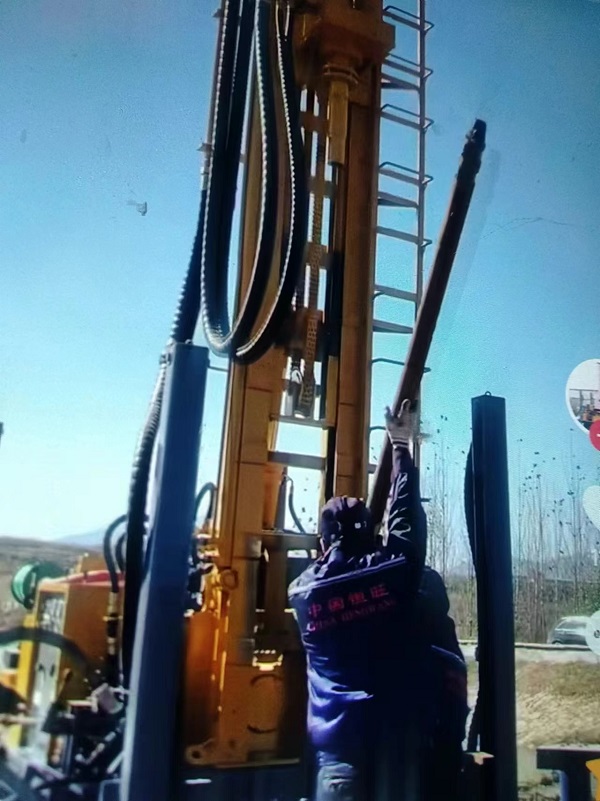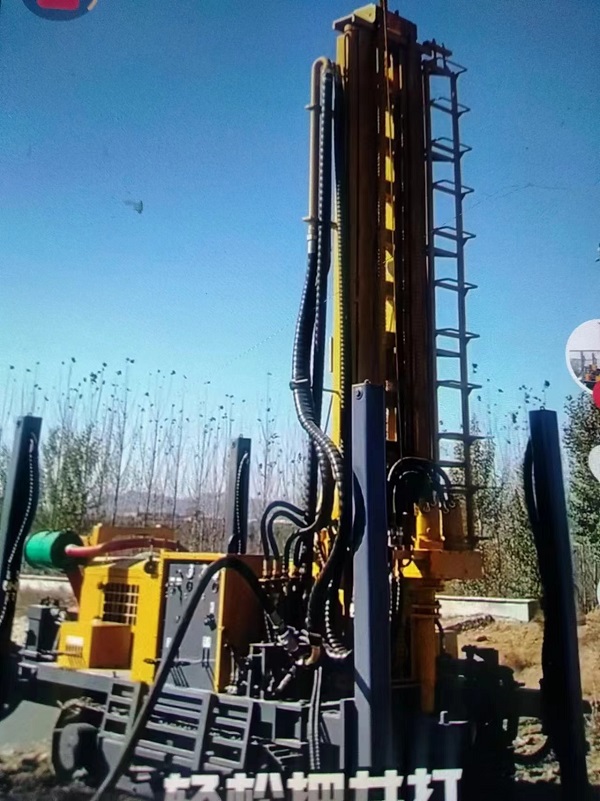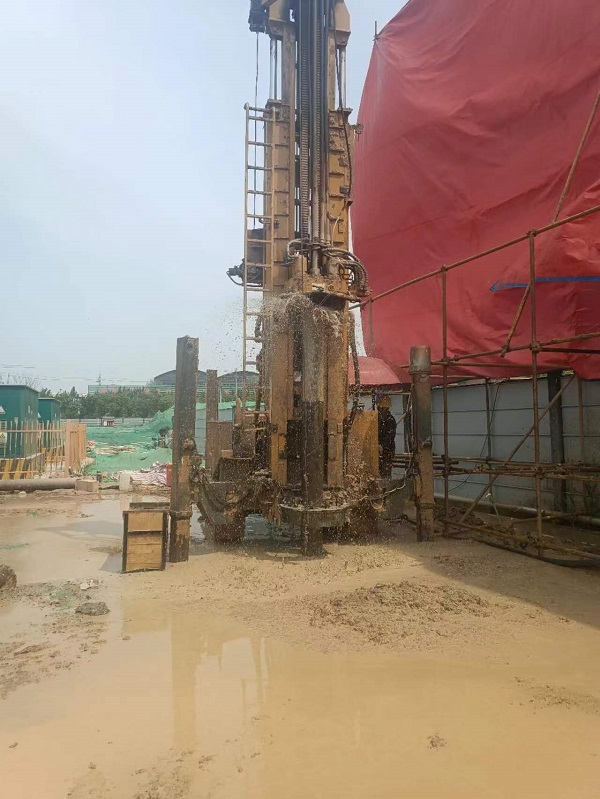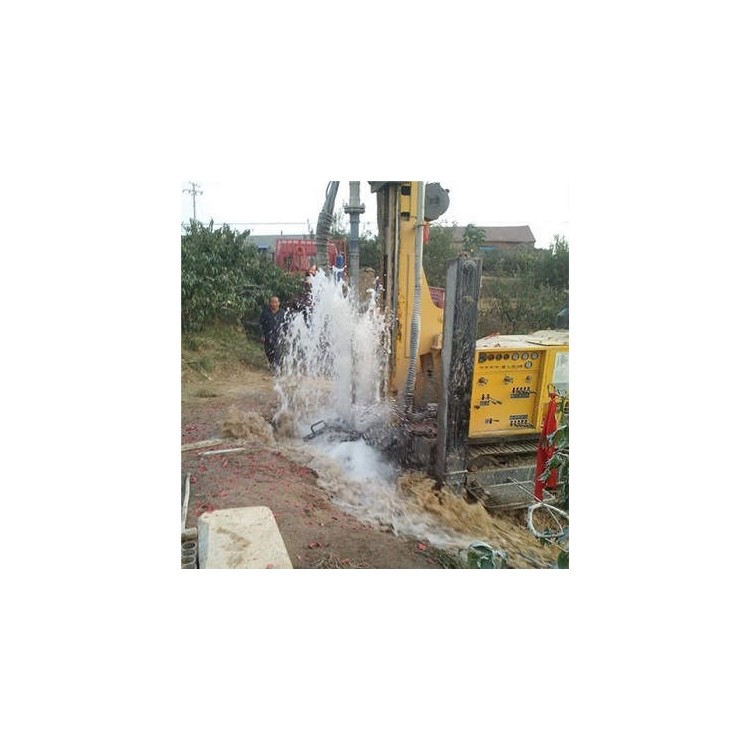

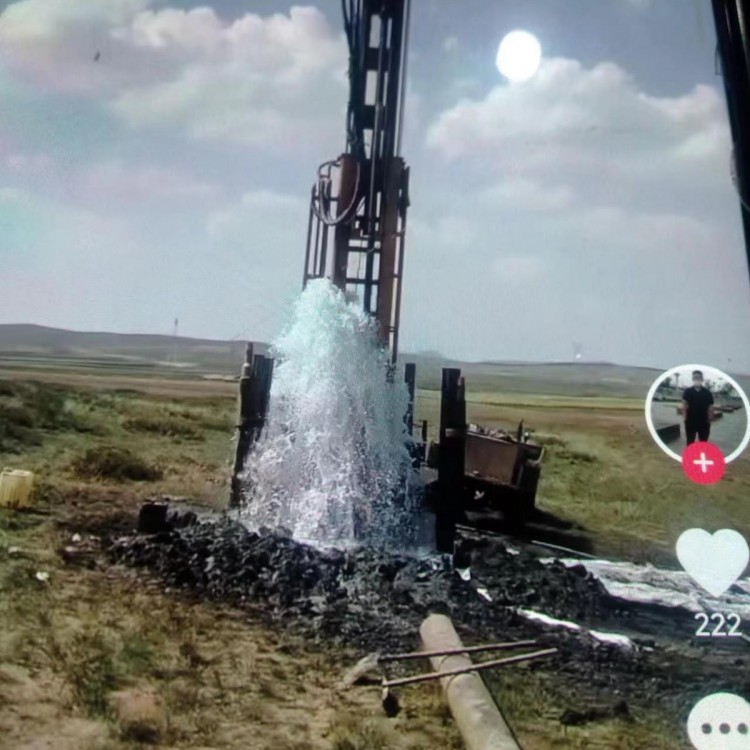




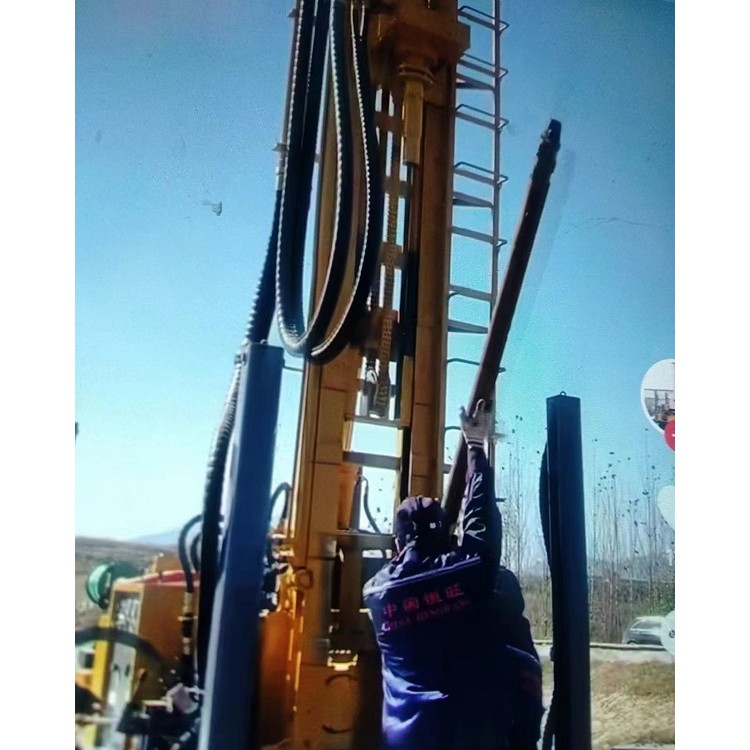
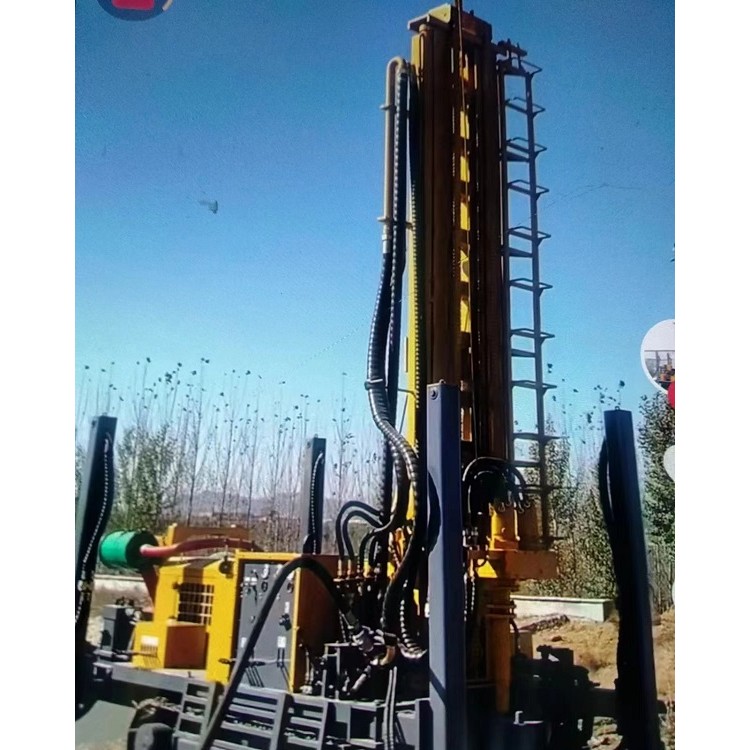
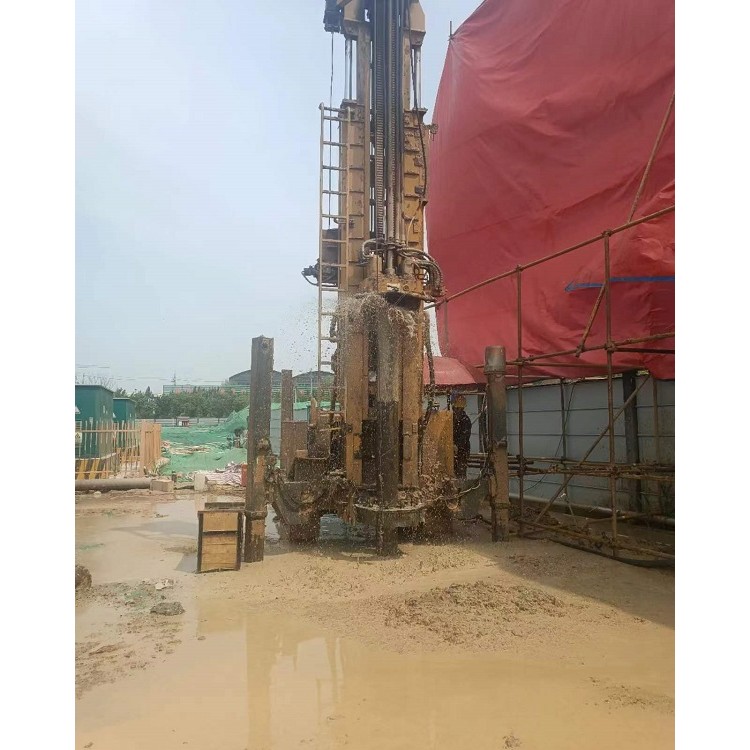





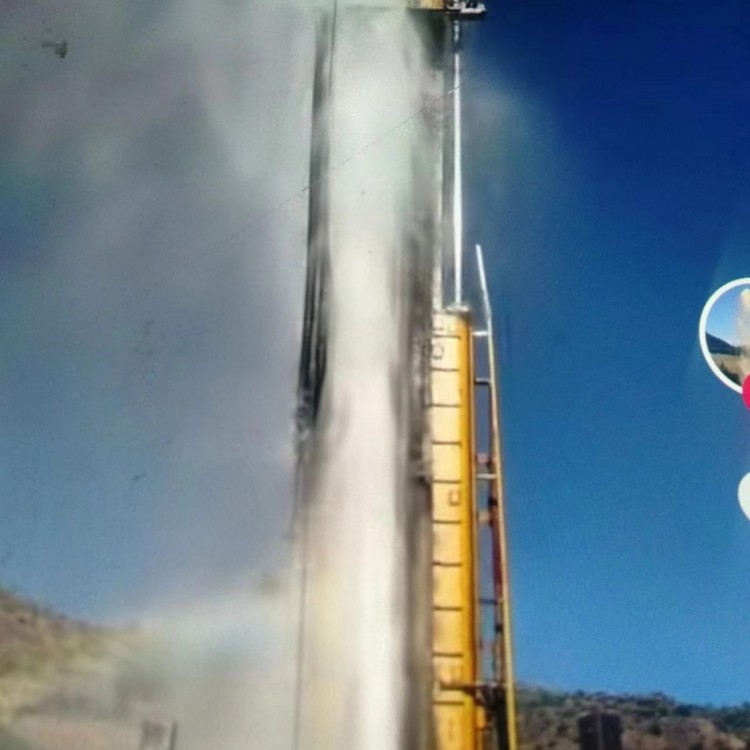
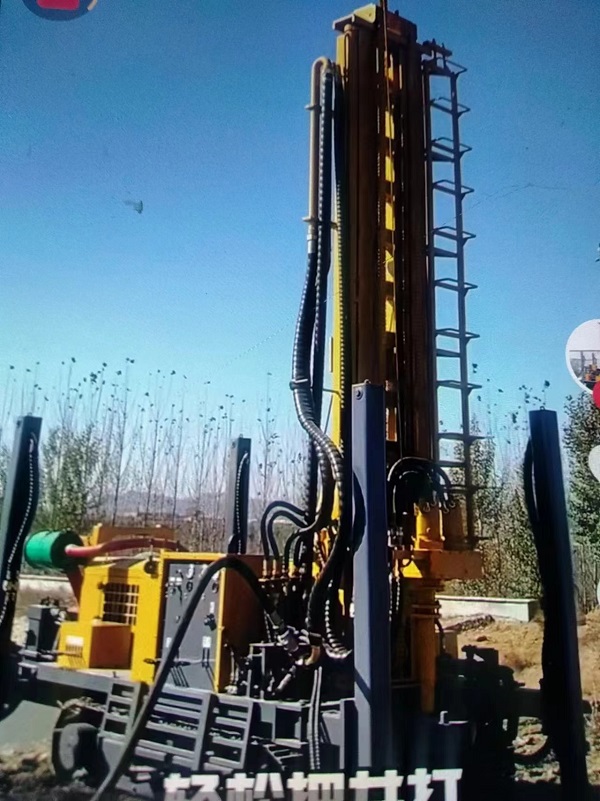
What is drilling mud? It is used to reinforce and support the drilling well wall to address challenges like sand layers during the drilling process, preventing cave-ins and other issues. Drilling mud is often synonymous with drilling fluid and is primarily applied in drilling operations for oil and other substances.
Drilling mud, widely recognized as the "blood" of oilfield drilling, plays a crucial role in drilling operations. Typically containing a large amount of suspended matter, it can be water-based, oil-based, or gas-based, and is classified into water-based drilling mud, oil-based drilling mud, and gas-based drilling mud. Drilling mud can severely pollute the soil, surface water, and groundwater in the surrounding environment, making environmental treatment of waste mud an absolute necessity.
How to properly dispose of sludge, achieving the goals of reduction, non-hazardous treatment, stabilization, resource utilization, and industrialization, has become an urgent issue that the relevant departments need to address.
What are the treatment methods for drilling mud?
1. Dewatering Treatment: The powdered sludge particles after dehydration vary in size, some as fine as dust, others as large as green beans, with a dry texture.
2. Dewatering and Drying: Converts slurry with an original water content over 80% into a product with less than 60% water content, thereby reducing environmental pollution and achieving comprehensive utilization of resources in the later stage.
Treated sludge can be used as the primary raw material in brick factories, as fill for road construction, and for combating desertification. Additionally, after being tested by relevant authorities, the sediment separated from wastewater can be recycled as fertilizer.