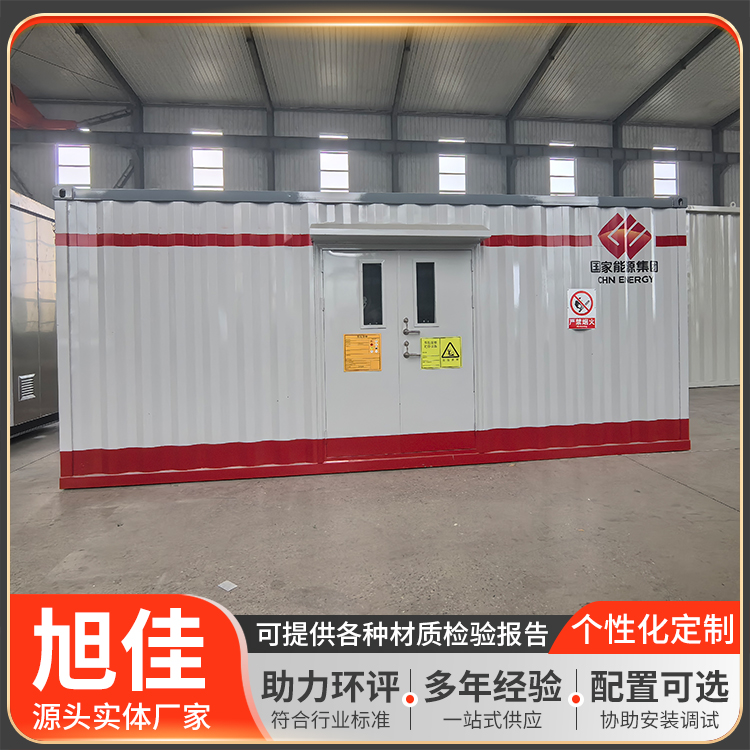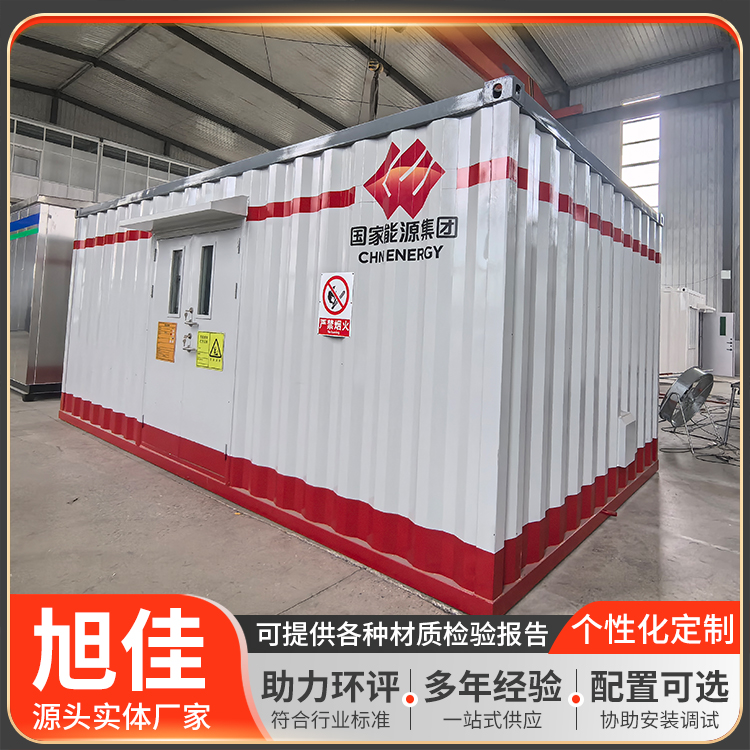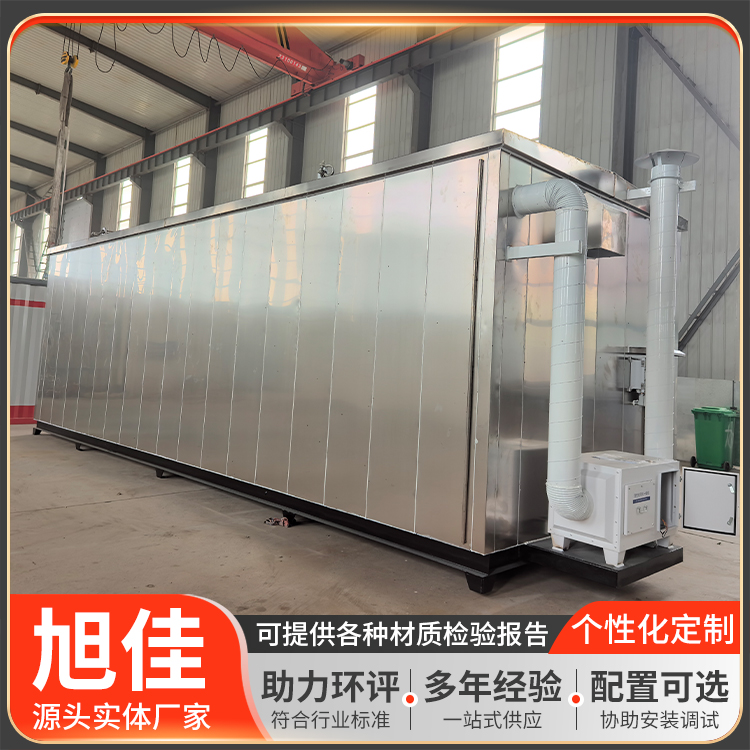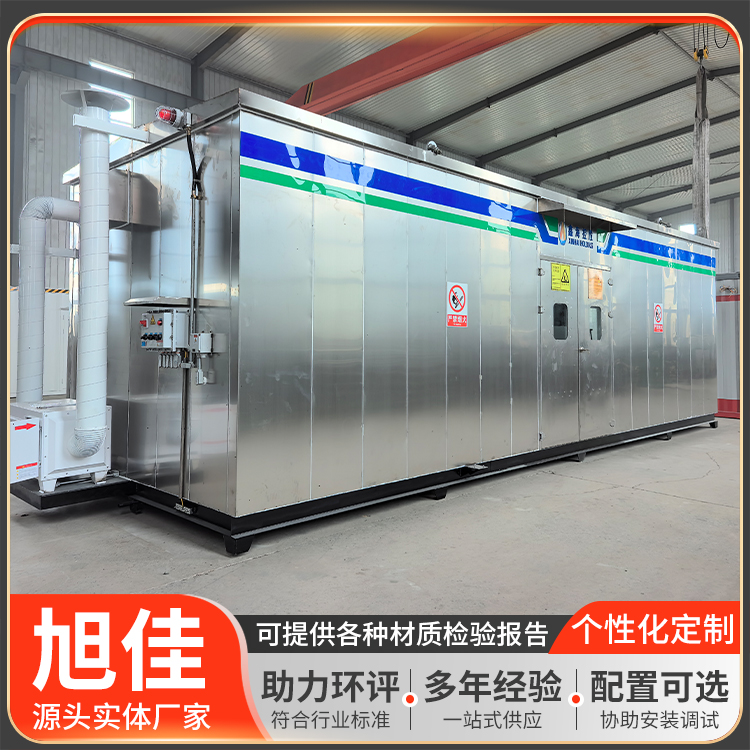







Organic solid waste, after high-temperature aerobic fermentation, is processed into organic fertilizer. The fermentation process eliminates toxic and harmful substances, enriching it with a variety of beneficial components, including multiple organic acids, peptides, and abundant nutrients such as nitrogen, phosphorus, and potassium. It not only provides nutrition to crops but also has a long-lasting effect, enhancing and renewing soil organic matter, promoting microbial growth, and improving soil physical and chemical properties and biological activity, making it a primary nutrient for green food production. For large-scale organic waste fermentation treatment, the aeration section serves as a crucial part of the process. How to conveniently construct and install it, as well as reduce investment and construction costs, holds significant importance.
The composting process involves various types of microorganisms, with their numbers fluctuating due to changes in raw materials and conditions. No single microorganism consistently dominates throughout the composting process. Each environment hosts its unique microbial community, and the diversity of microorganisms ensures the system's stability even when external conditions change. Microorganisms are the primary agents in the composting process, with two main sources: a large number of microorganisms originally present in organic waste and artificial microbial inoculants added. These strains are highly effective at decomposing certain organic waste under specific conditions, characterized by strong activity, rapid reproduction, and swift decomposition of organic matter, which accelerates the composting reaction and shortens the reaction time. Composting is generally categorized into aerobic and anaerobic types. Aerobic composting is the decomposition of organic materials in the presence of oxygen, with metabolic products mainly being carbon dioxide, water, and heat. Anaerobic composting, on the other hand, is the decomposition of organic materials in the absence of oxygen, producing carbon dioxide and many low-molecular-weight intermediate products, such as organic acids.
Since then, China's animal husbandry and poultry industry has developed rapidly, with many suburban areas establishing large and medium-sized intensive breeding farms. The rapid increase in livestock and poultry numbers has enriched the supply of animal products and by-products for urban and rural residents, improving their living standards. At the same time, the production of animal waste has also been rapidly increasing. Animal waste contains a large amount of nitrogen, phosphorus, suspended solids, pathogenic bacteria, and high concentrations of organic pollutants. If not properly managed, it can cause serious harm to the atmosphere, water bodies, soil, and ecosystems. To protect and optimize the natural ecological environment and control the pollution caused by animal waste, one important approach is to treat and recycle animal waste safely, thereby preventing and eliminating the pollution from breeding farms, protecting the natural ecological environment, and promoting the sustainable development of agriculture in the face of large amounts of waste. In the past, even though breeding farms had related treatment measures, the treatment level was mostly still at the primitive level of composting and returning to the fields. This outdated method of composting has the drawbacks of large waste volume, strong odor, and unsanitary conditions.

Compost primarily utilizes the action of various microorganisms to mineralize, humify, and render harmless organic residues, converting complex organic nutrients into soluble nutrients and humus. Simultaneously, it takes advantage of the high temperatures (60-70°C) generated during the composting process to kill pathogens, worm eggs, and weed seeds present in the raw materials, achieving the goal of harmlessness. Therefore, to produce compost, creating optimal conditions for the microorganisms' life activities during the composting process is crucial for accelerating the compost's maturation and enhancing its fertilizer efficacy.
In accordance with the national organic fertilizer standards NY525-2012:
Organic matter content (on a dry basis) ≥45%, total nutrient content (N+P2O5+K2O) (on a dry basis) ≥5%, moisture content (free moisture) ≤30%, pH value 5.5-8.0, heavy metal content in organic fertilizers, nematode egg rate, and E. coli values should meet the requirements of GB-8172.
Although the standard does not explicitly require a specific level of compost maturity for organic fertilizer, to prevent farmer losses, damage to the organic fertilizer market, and unnecessary claims, organic fertilizer must still be thoroughly composted for an extended period before it can be sold.
Waste organic matter, after high-temperature aerobic fermentation, achieves sterilization, eliminating pathogens such as Ascaris eggs and E. coli. Weed seeds are also deactivated and degraded. Organic matter is also decomposed, preventing secondary decomposition in soil, which could lead to excessive heat, scorching plants, and the proliferation of flies and pests. In production, some raw materials have low nutrient content and require appropriate addition during the organic fertilizer packaging production stage, or specific components for soil testing and fertilization. Organic fertilizer equipment needs to be equipped with a batching system, allowing for the online addition of various ingredients.
WeChat Official Account

Scan to follow Official Account