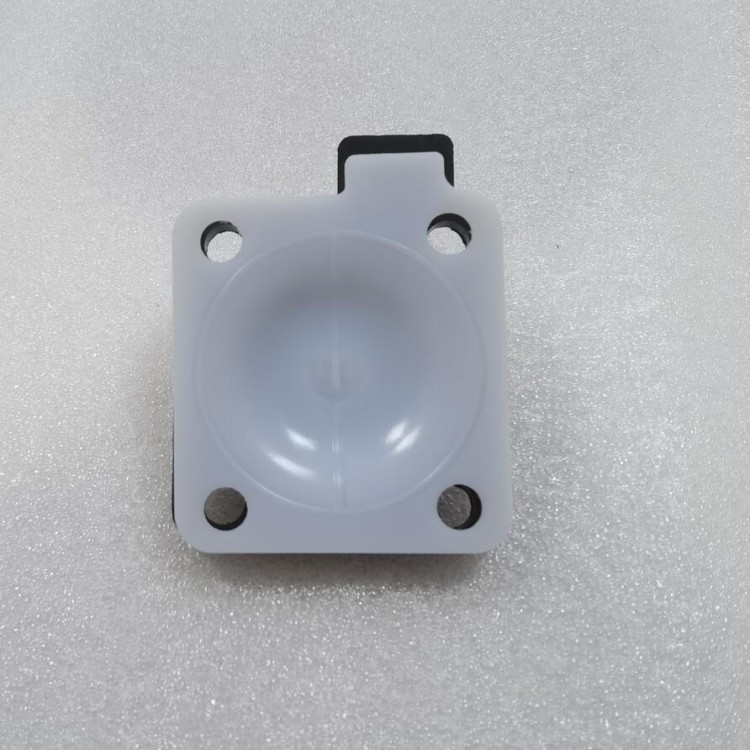

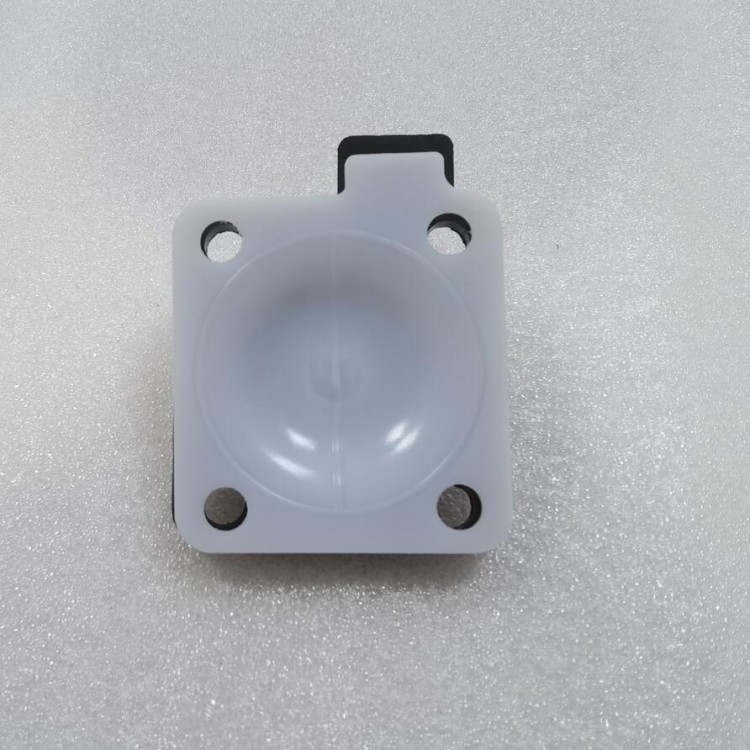
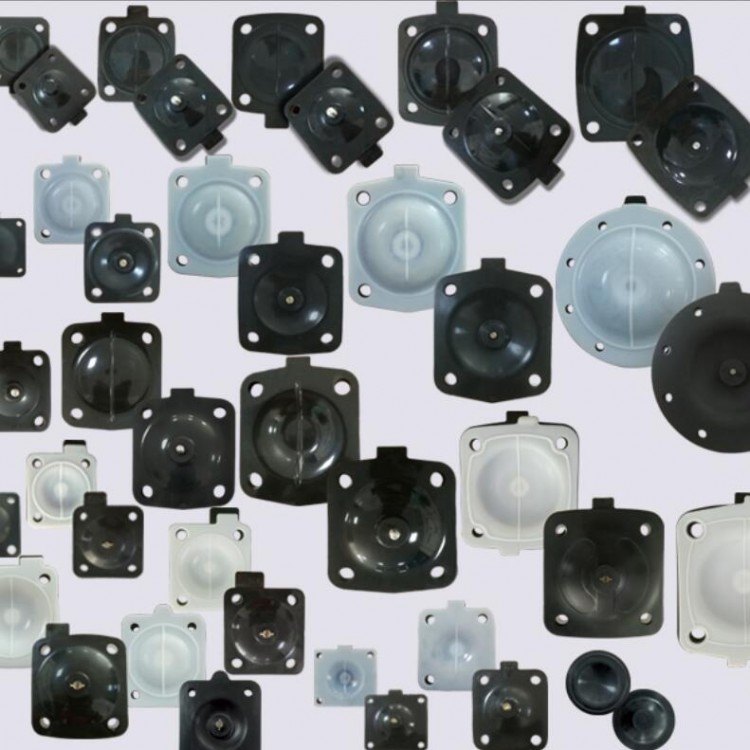
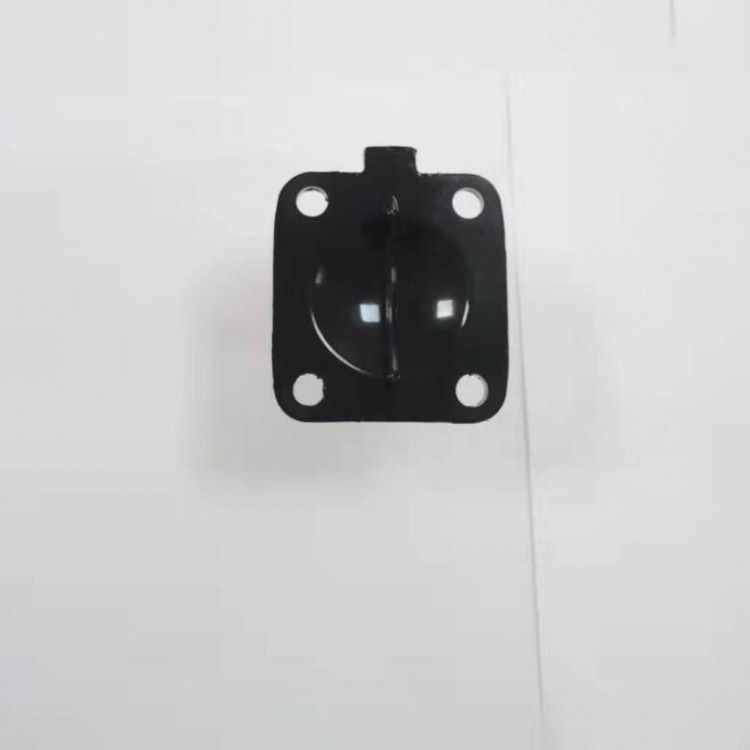











Isolate high and low pressure gas chambers
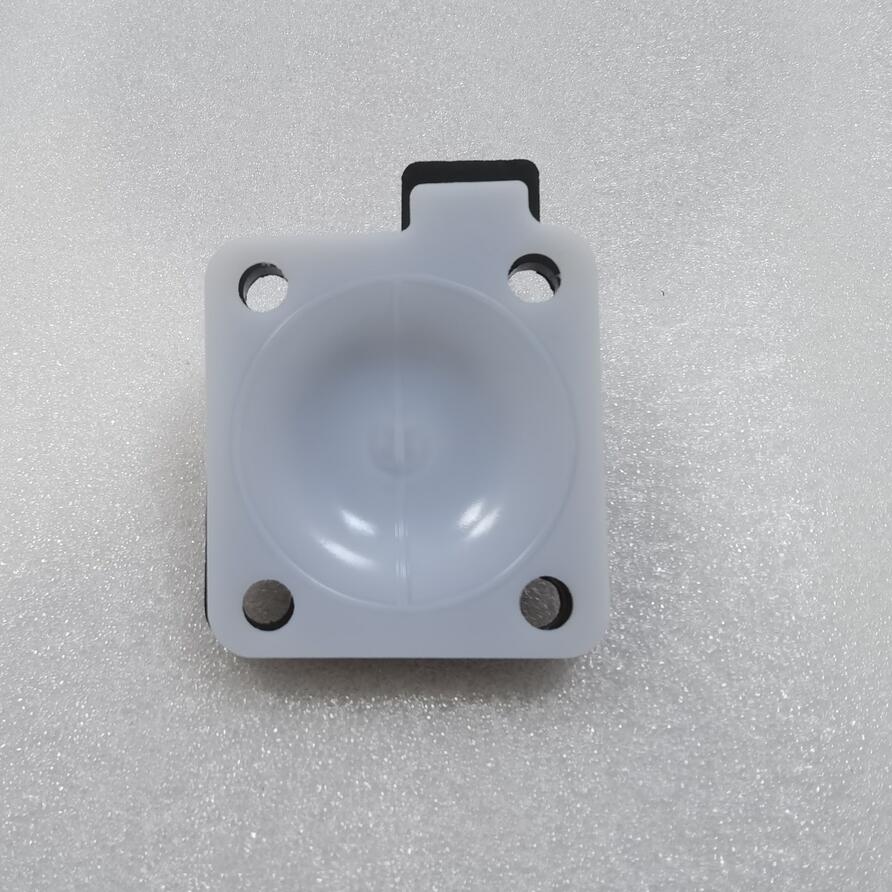
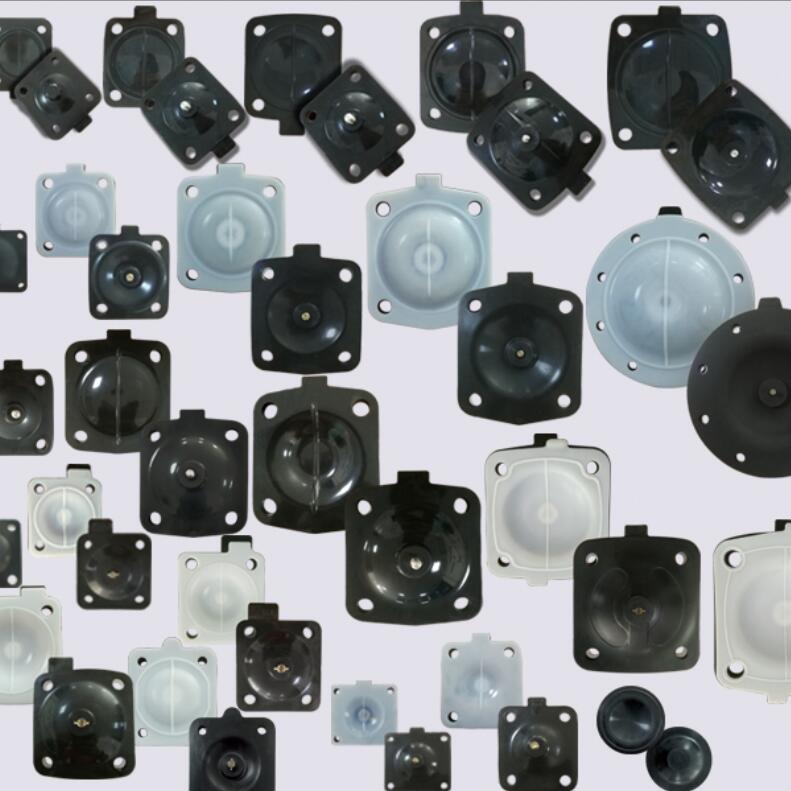
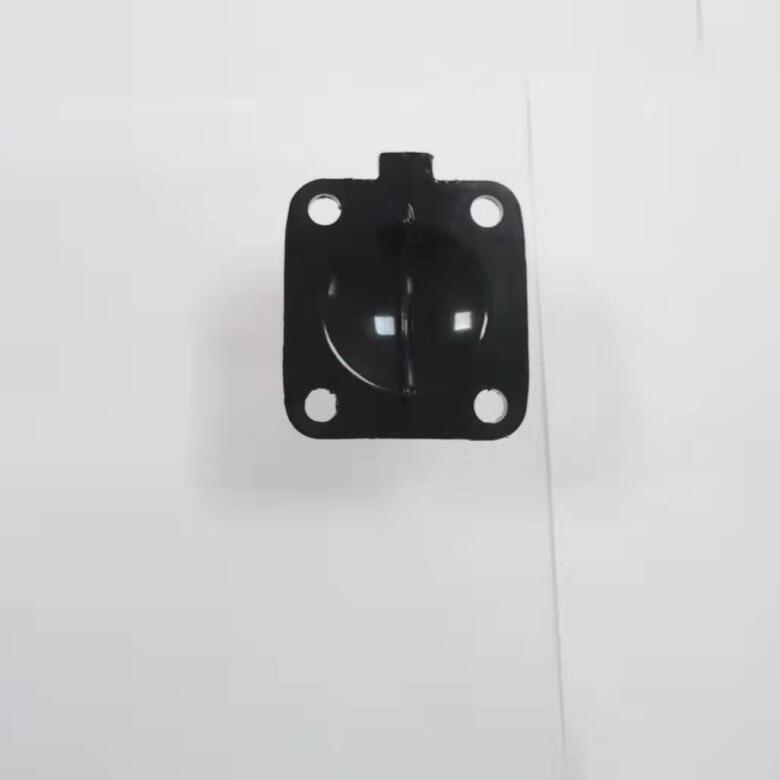
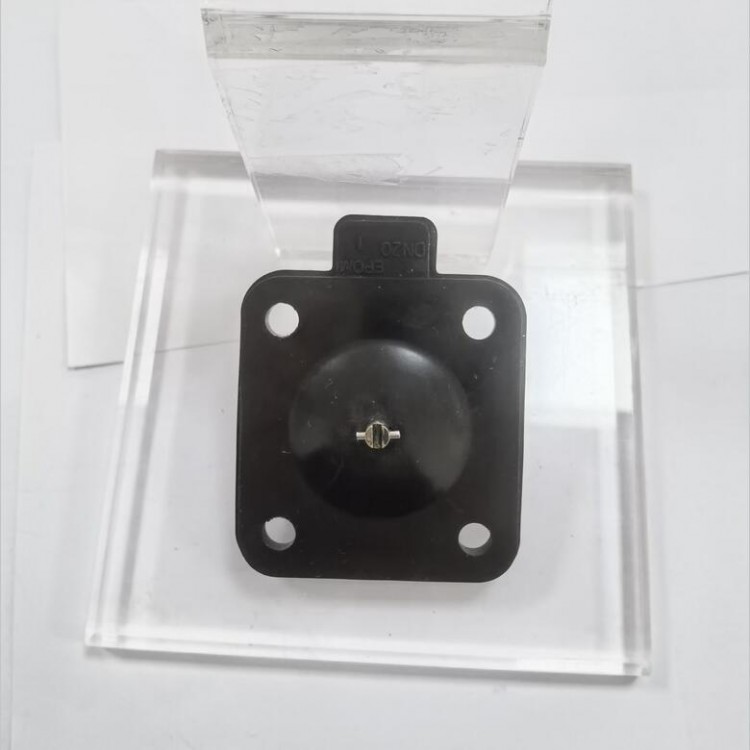
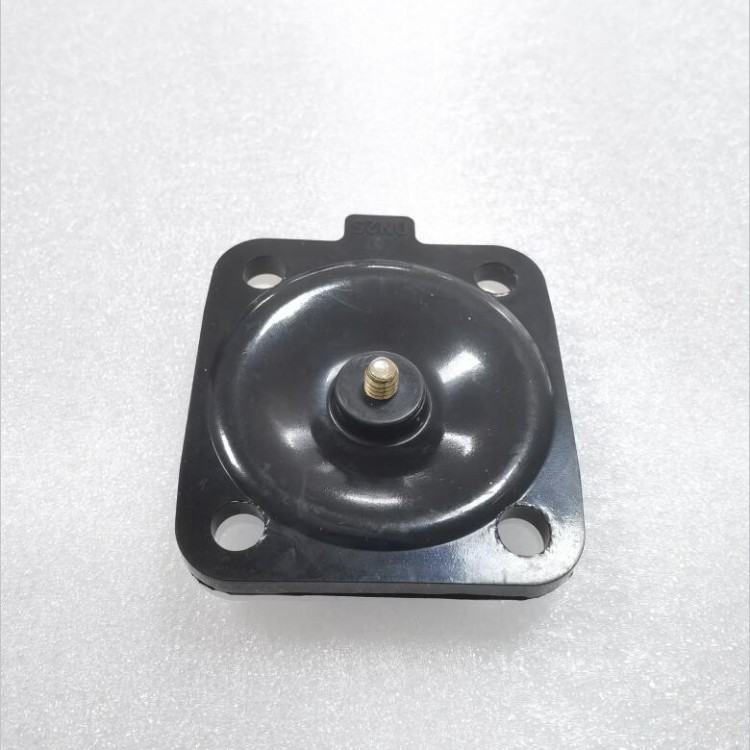
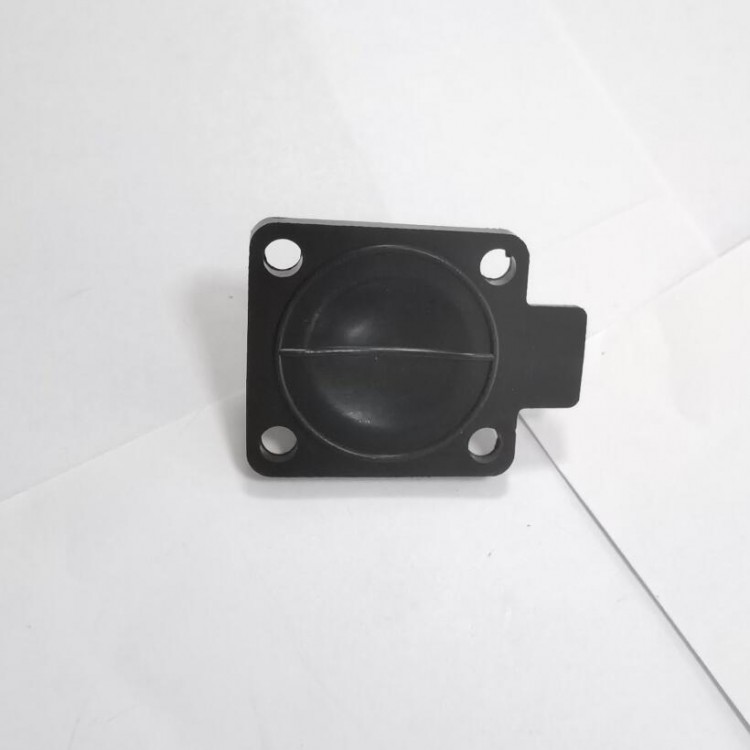
The primary function of the diaphragm gasket in an air pressure reducing valve is to isolate the high-pressure and low-pressure chambers, ensuring that there is no gas leakage between the two chambers even when there is a significant pressure difference between the high-pressure and low-pressure chambers.
2. Automatic adjustment of gas flow
Another key function of the diaphragm gasket in pneumatic pressure reducing valves is to automatically regulate the gas flow, achieving the pressure reducing effect.
As gas flows through the valve body into the high-pressure gas chamber, due to the smaller area of the valve guide hole compared to the diaphragm gasket, the pressure in the high-pressure gas chamber is exerted on the diaphragm gasket. The diaphragm pad then moves downward, diverting the gas flow through the valve mechanism on the valve seat to the low-pressure gas chamber. This regulates the gas flow and achieves the effect of pressure reduction.