












Detailed Description
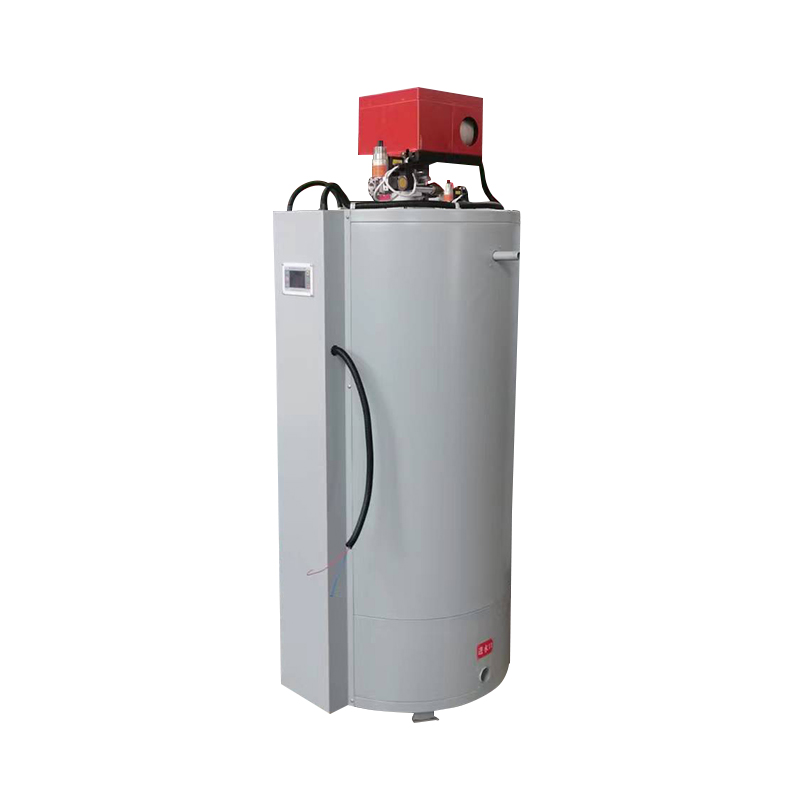
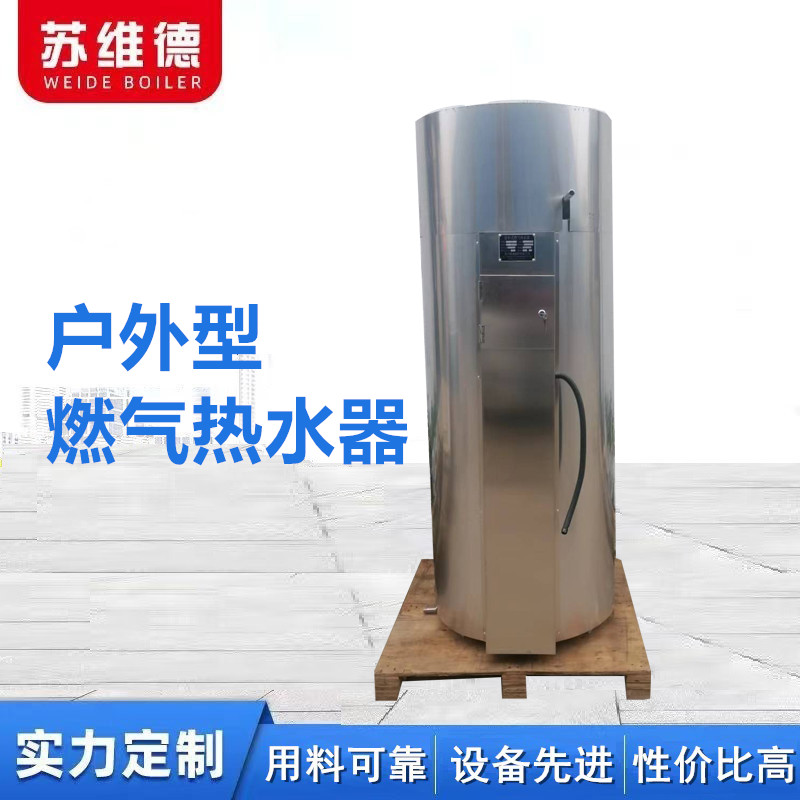
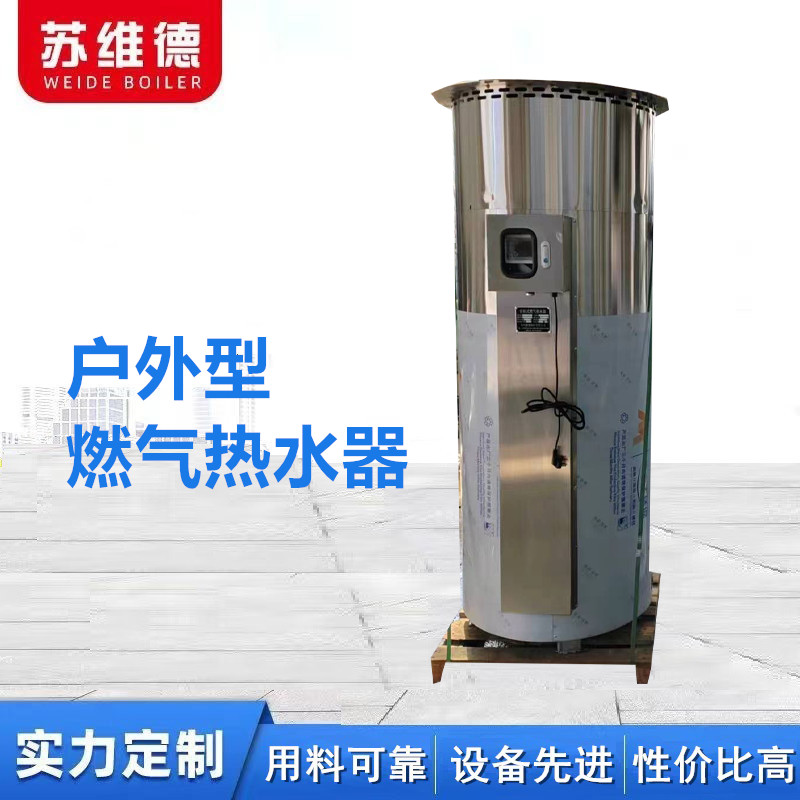
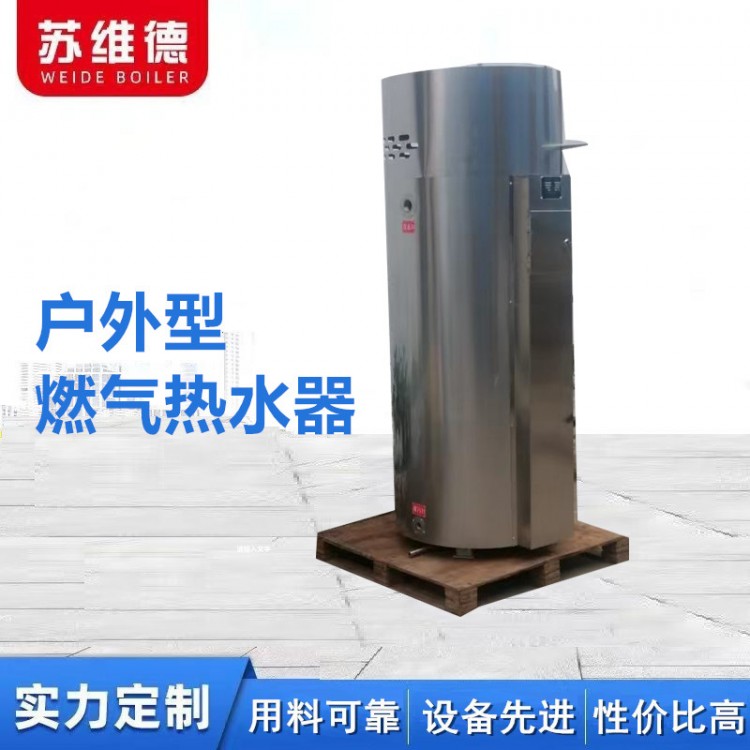
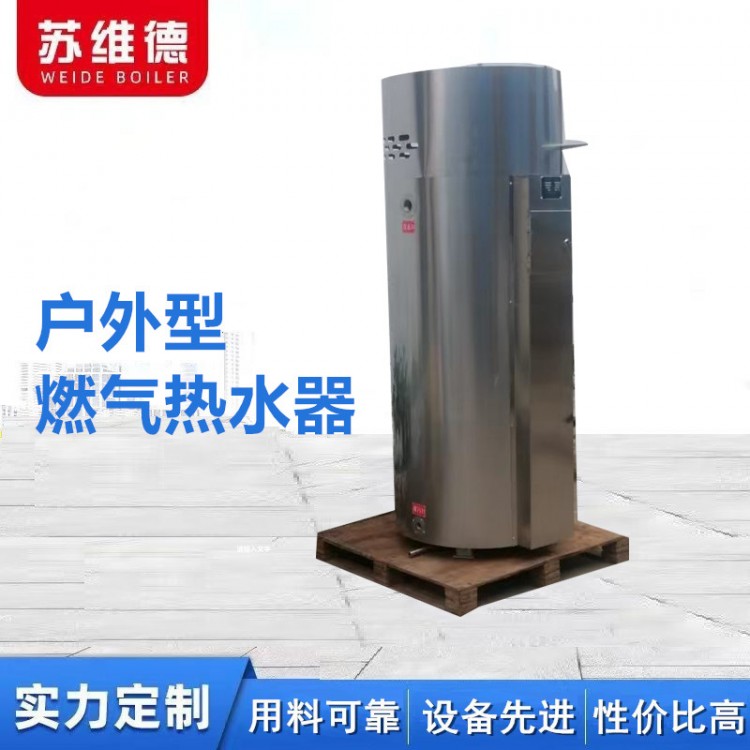
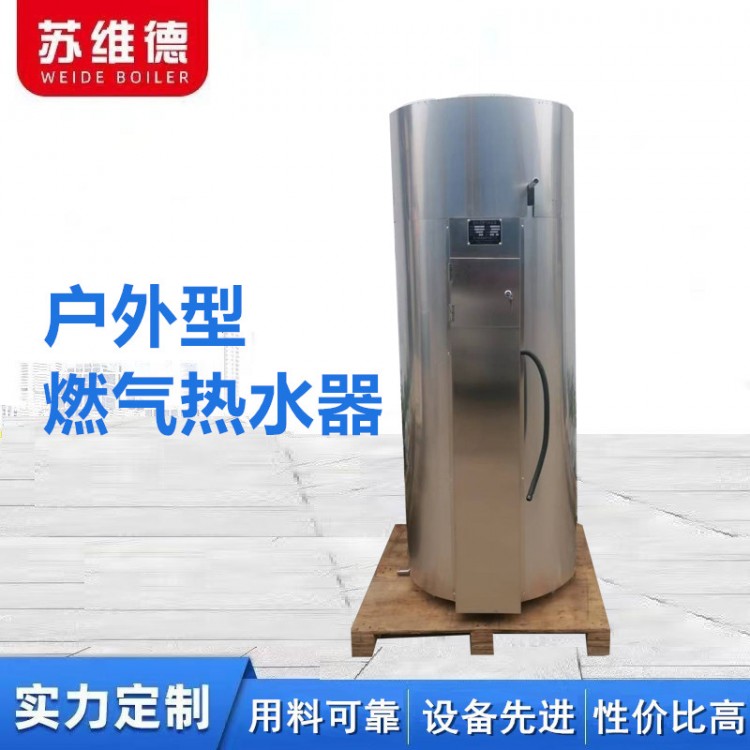
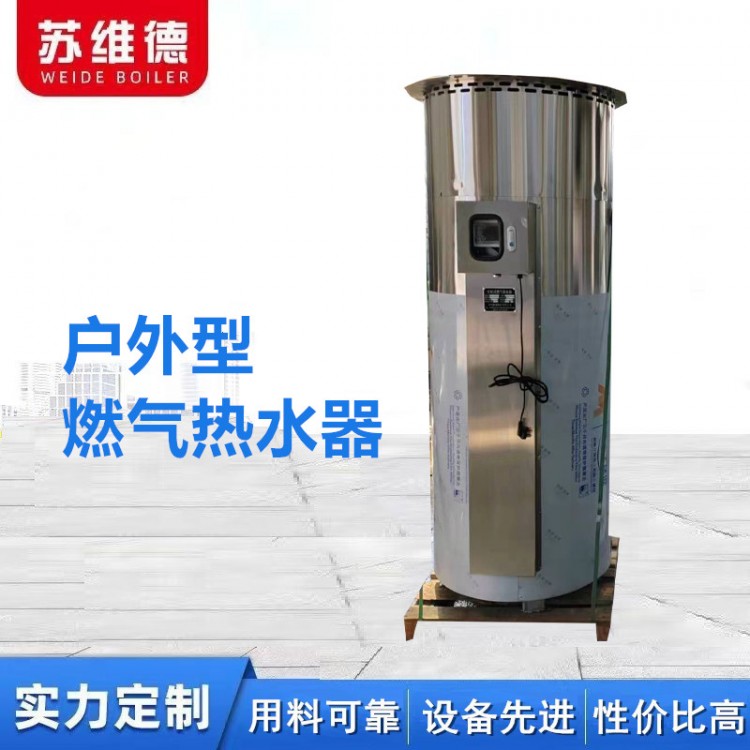
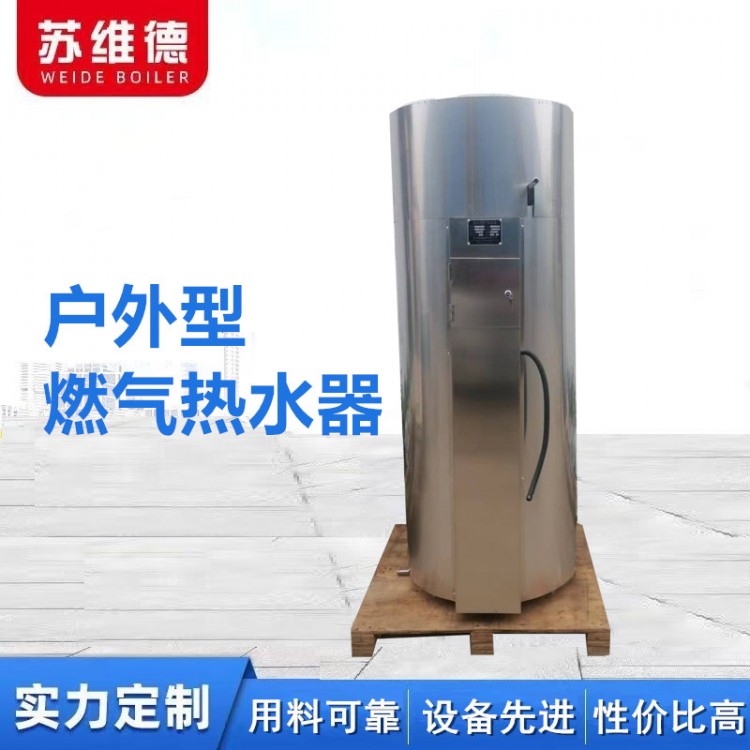
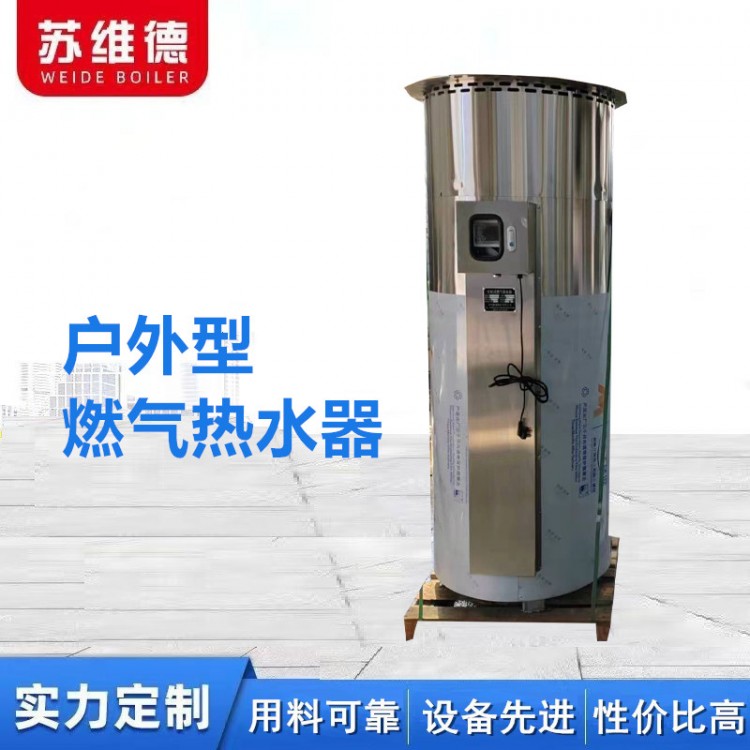
Volumetric Gas Water Heaters: BTR (BTRO) Series Commercial Condensing Low Nitrogen Volumetric Gas Water Heaters
All-new condensation design, efficiency up to 105%
In traditional gas appliances, the latent heat of vaporization from the steam in the high-temperature flue gases produced by combustion is not utilized. However, with the condensing容积式 gas water heaters, advanced condensing technology is employed to cool the flue gases to 40-80°C, thus fully utilizing the latent heat of vaporization of the steam, resulting in a heat output increase of about 15% under the same input load.
Performance Features
High-efficiency energy-saving
Top-mounted fully premixed combustion, significantly enhancing combustion efficiency; unique spiral heat exchanger, fully absorbing the latent heat of vaporization of water vapor in flue gas, achieving a thermal efficiency of up to 106.5%.
Easy to install
Two models (indoor unit, outdoor unit), compact in size; can be connected for balanced exhaust ventilation, without consuming indoor air.
Safe and Reliable
Electrical spark ignition, low-load start-up; featuring a four-level protection system including a temperature controller, high-temperature limit, over-temperature protection, and temperature-pressure safety valve, ensuring safe operation; pressure-bearing capacity up to 1.1 MPa.
Easily manage fluctuations in pipeline water pressure.
Long service life
Optional 1: 316L stainless steel inner lining, 316L furnace tube, 304 outer casing. Food-grade stainless steel quality ensures long-lasting protection for the inner lining.
Optional Two: Whole host vitrified enameling, resistant to acidic and alkaline water quality, especially anti-corrosion and anti-scale, extending the overall service life.
Option 3: Full-body hot-dip galvanized treatment for the main unit. The galvanizing process is mature and stable, cost-effective, with high performance-to-cost ratio.
Low Nitrogen Environmental Protection
Two emission options: standard and low NOx. The low NOx model emits less than 30mg/m³ of NOx, meets environmental standards, and is more environmentally friendly.

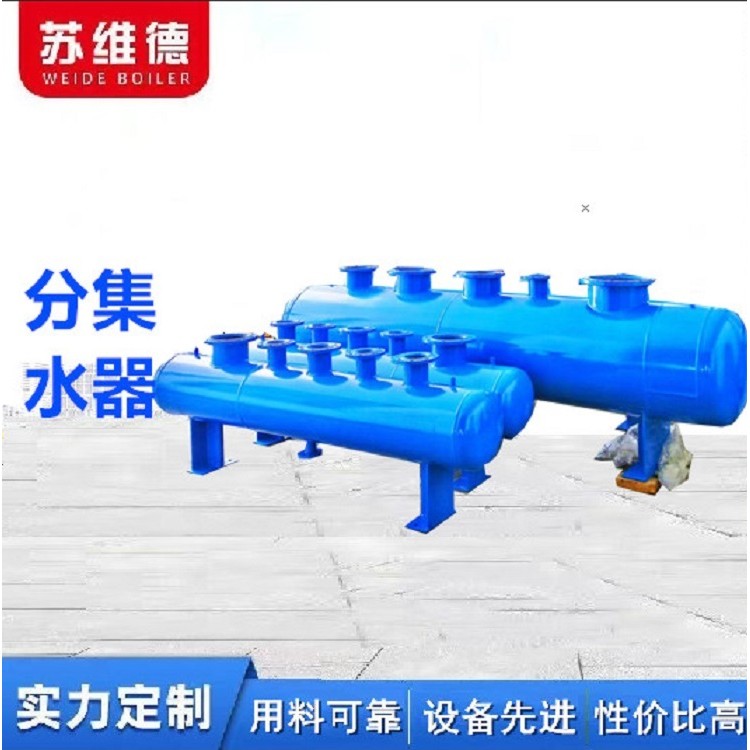
The Function and Principle of Air Conditioning Distributing Water Meters
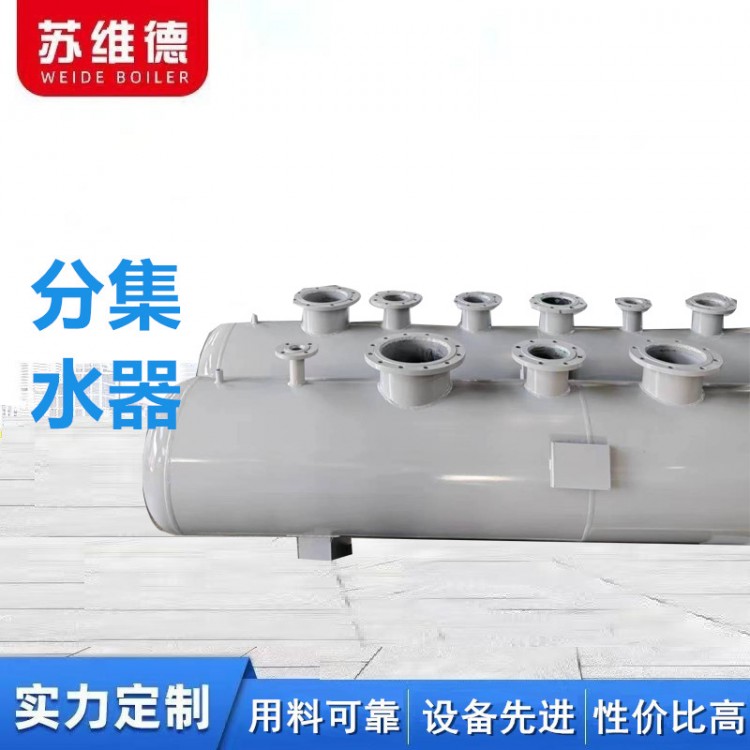
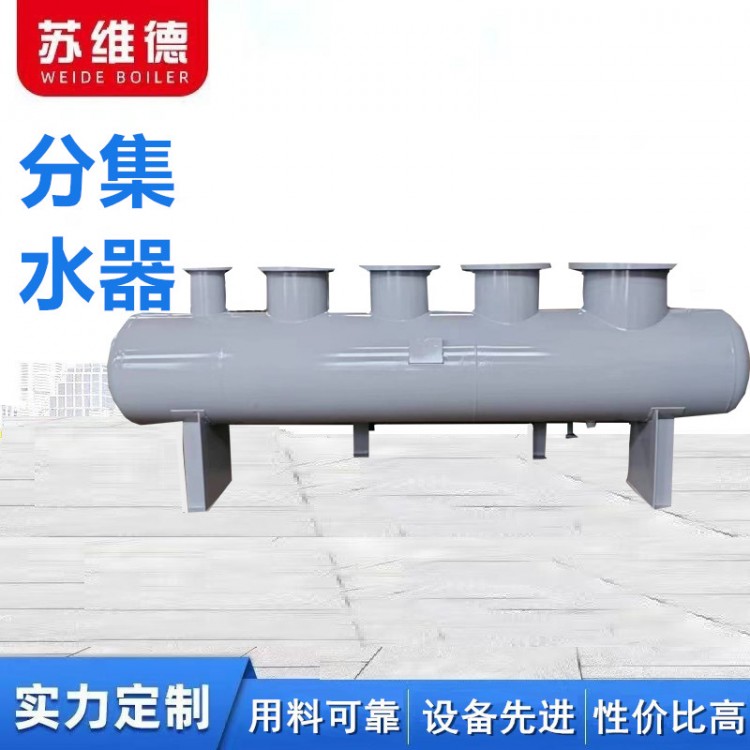
The function of the air conditioner condensate separator is to分流 and collect the condensate or wastewater generated by the indoor air conditioner unit, and then discharge it. It works by designing a special structure that allows water vapor or droplets to adhere to the separator's surface and guide the water flow into the lower drain pipes, preventing drops from falling inside and causing unnecessary environmental pollution and damage. Below, I will detail the function and principle of the air conditioner condensate separator.
Firstly, the function of the air conditioner condensate collector is to分流 and collect condensate or waste water generated by the indoor unit of an air conditioner, and then discharge it. When the air conditioner is operating, the indoor unit absorbs moisture from the indoor air through the air circulation system. The moisture in the air condenses into water droplets during the cooling process, which are then drained out through the drainage pipes; or when there is a significant temperature difference between the inside and outside of the air conditioner, dew points form inside the unit, resulting in condensate. These water droplets or condensate will enter the condensate collector through the drainage pipes.
Next, the principle of the water separator is mainly achieved through the design of special structures and materials, which分流and collect condensate or water droplets produced by the indoor unit. Generally, the water separator consists of two parts: the collection section and the drainage section.
The water collection section is typically a concave structure. Its surface is usually coated with a special material or coated with a superhydrophilic finish, allowing water droplets or condensation to quickly spread out on it, increasing the contact area between water and the surface. This enables water droplets or condensation to rapidly adhere to the water collector. As a result, the water droplets or condensation will not fall inside, achieving the effect of preventing water droplets from dripping down.
The drainage section involves directing water droplets or condensate from the surface of the collector into the lower drainage pipe. The drainage section typically consists of one or more water channels or gutters, designed with specific shapes and inclinations to guide the water droplets or condensate into the drainage pipe. Some collectors may also be equipped with filter screens to trap impurities and debris in the water, preventing clogs in the drainage pipes.
In summary, the function of an air conditioner condensate separator is to分流 and collect condensate or wastewater from the indoor unit of an air conditioner. Its principle involves designing special structures and materials to adhere water vapor or droplets to the separator's surface, then channeling the water flow into the lower drainage pipes, preventing water droplets from falling inside and causing unnecessary environmental pollution and damage. By properly utilizing the air conditioner condensate separator, one can maintain clean and dry indoor air, enhancing the comfort of the indoor environment.