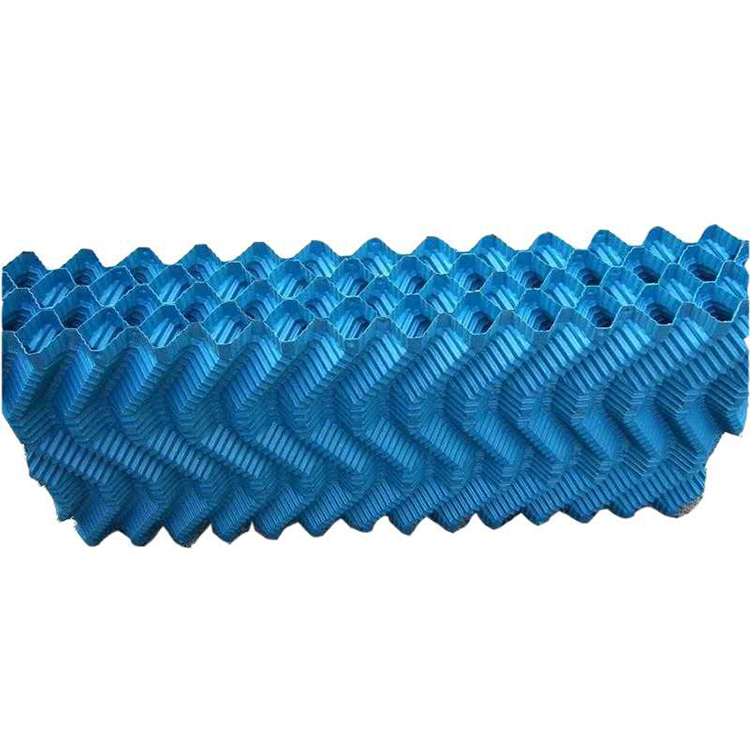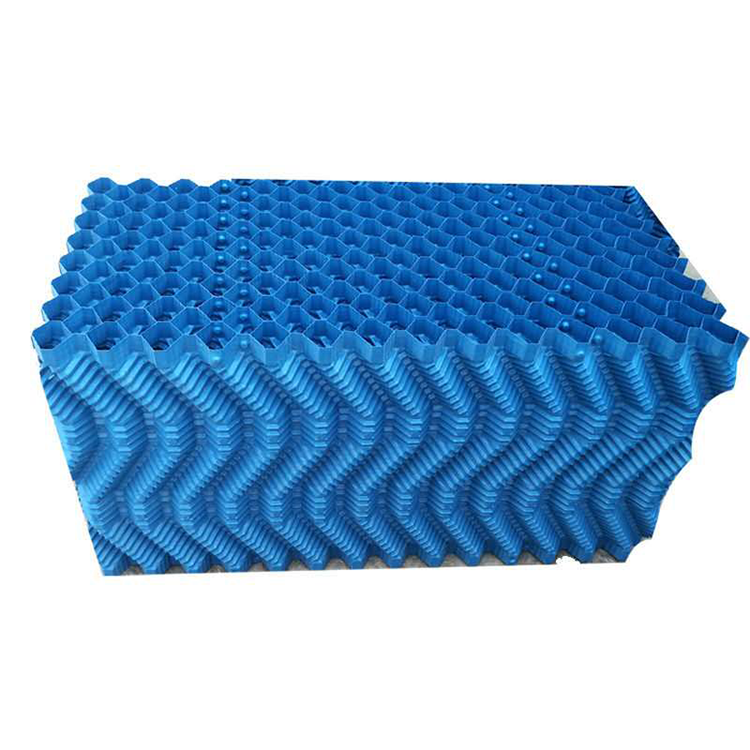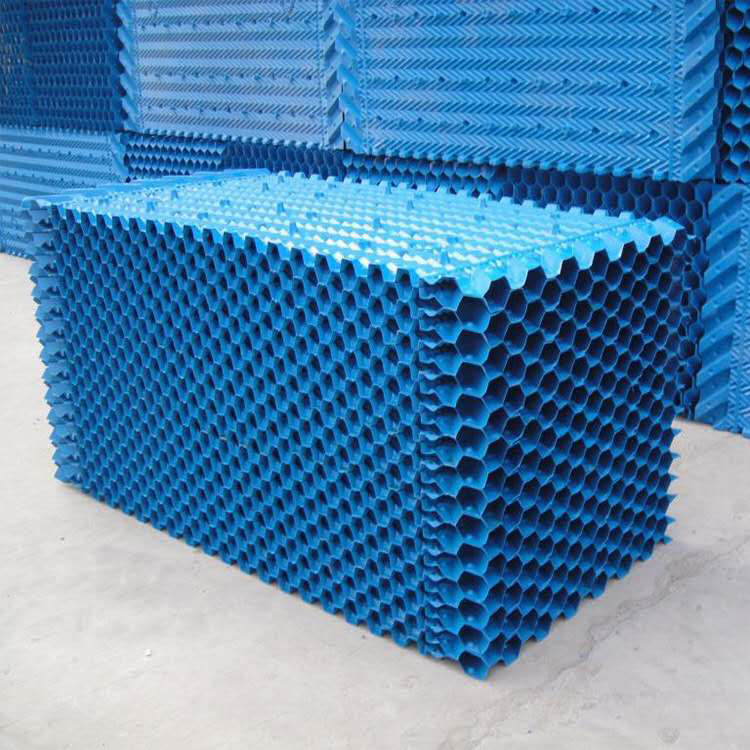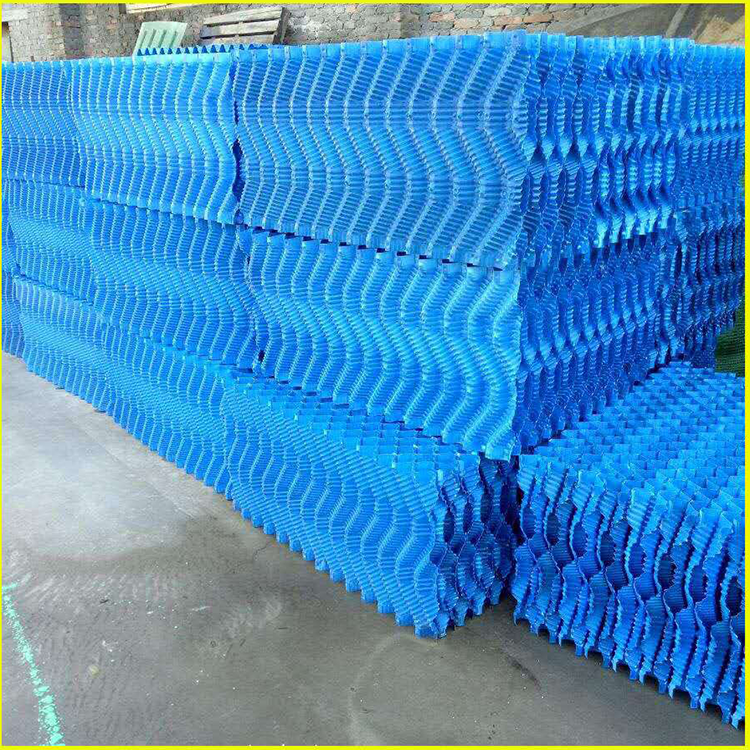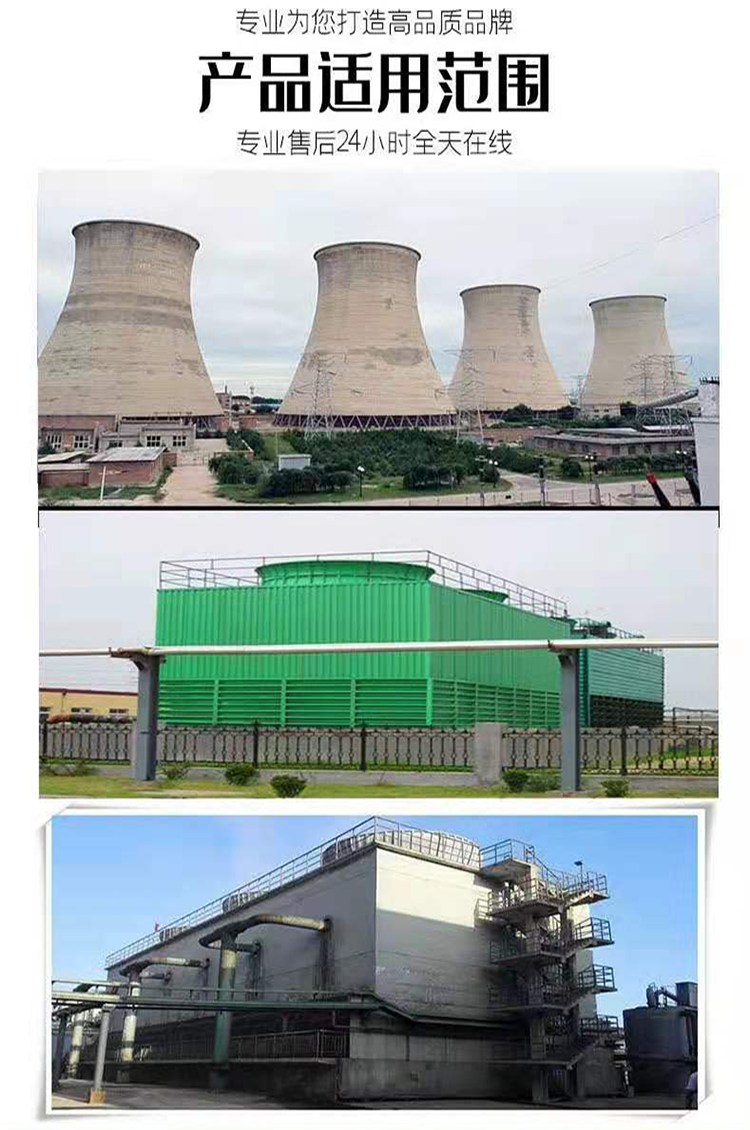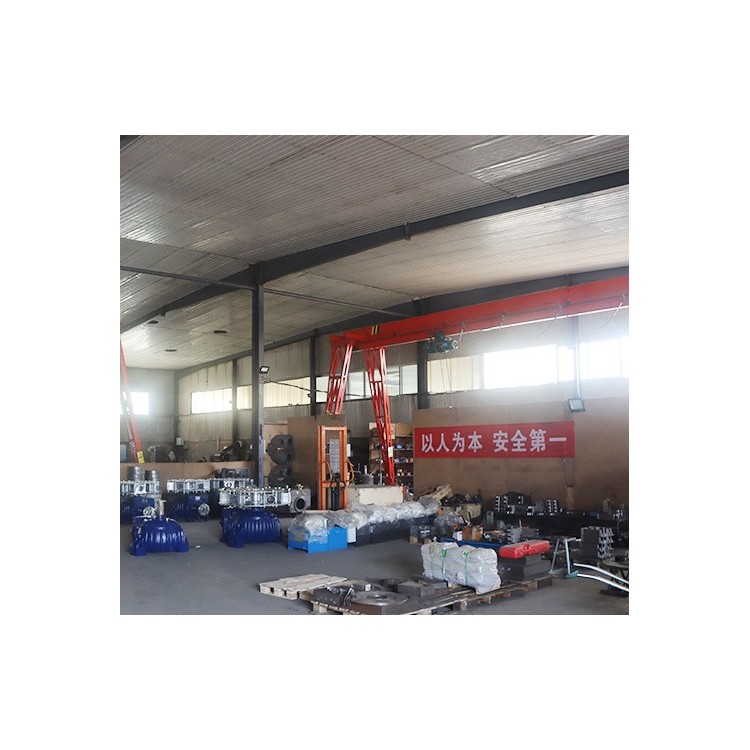














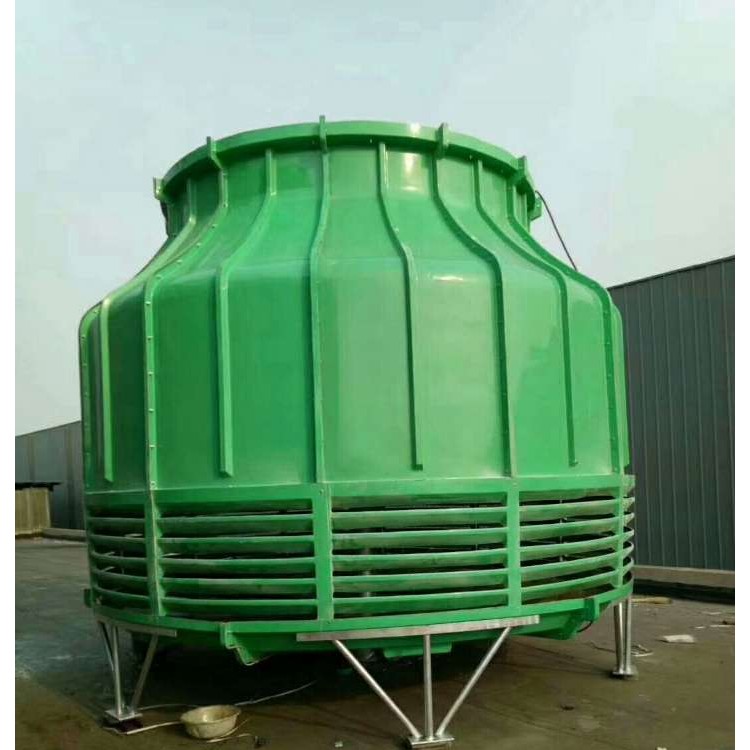
Texas Zhuojian Environmental Protection Equipment Co., Ltd. specializes in the production of various cooling tower fillers. Cooling towers serve as the primary core for circulating water heat dissipation in industrial production, affecting both the cost and efficiency of China's industrial production. Improper use of cooling towers in industrial production can lead to inadequate heat dissipation, production halts, and risks of excessively high water temperatures. The cooling tower packing is a key factor in promoting water and heat circulation.
We all know that the performance of a conventional cooling tower often relies on the use of spray fillers. Studies have shown that the heat dissipation capacity of spray fillers can reach over 70% of that of conventional cooling towers, making the choice of fillers crucial. The factors influencing the selection of fillers are multifaceted and require a comprehensive consideration of the cooling tower type, thermal characteristics, cooling tasks, quality of circulating cooling water, ventilation conditions, thermal resistance properties of the fillers, the support method of the fillers, and the cost of the fillers, among others.Phone: 158-2006-8780
How can you choose the right spray filling material? Below are some suggestions for your reference.
According toCooling Water QualityChoose
When in waterPossibility of leakageRaw oil or water containing fibers or a suspended matter concentration of cooling water greater thanAt 100mg/L, it is advisable to choose drip-type filling material.When there is no leakage and the water quality is well-controlled, or when the suspended solids concentration of the cooling water is less than 50 mg/L, it is advisable to use film-type packing.When space is limited and there's a potential for leakage of raw oil pollutants or suspended cooling water particles into the water.The optimal choice is a drip film mixed-type packing material when the concentration is between 50mg/L to 100mg/L.。
According toCooling Tower TypeSelect
The packing of counterflow cooling towers is typically positioned above the tower's inlet wind section. Utilizing film or microfilm packing can reduce the total height of the tower and lower construction costs, making it a preferred choice in general engineering design.The fill height of the crossflow cooling tower is the same as the tower's inlet height, facilitating the use of large-sized drop fillings. Of course, drop film or film fillings are not restricted by height and can also be employed.But the depth of packing (diameter depth) has a direct impact on the overall dimensions of the tower. Therefore, the packing should be compared with the height of the tower body. Generally speaking, the ratio of the filling height to the diameter depth of the spray packing is between 2.0 and 2.5.。
According toIn-tower Water TemperatureChoose
None provided for translation.Please provide the Chinese content to be translated.It's known that fillers of different materials have varying applicable temperatures.In fact, even with the same material but different varieties, there can be significant differences in temperature resistance and physical properties.As currently widely used plastic materials in cooling towers:Modified Polyvinyl Chloride (PVC), Chlorinated Polyvinyl Chloride (CPVC), and Polypropylene (PP). Research indicates that Modified Polyvinyl Chloride (PVC) performs best at temperatures not exceeding 45℃ in the tower water. Chlorinated Polyvinyl Chloride (CPVC) has lower hydrophilicity and poorer heat dissipation than Modified Polyvinyl Chloride (PVC). Polypropylene (PP) exhibits poor aging resistance and flammability in low-temperature environments.When the incoming tower water temperature exceeds 45°C, the temperature resistance of polyvinyl chloride (CPVC) and polypropylene (PP) fillers is significantly better than that of modified polyvinyl chloride (PVC), making them the preferable choice.When the water temperature entering the tower exceeds 60°C, polypropylene (PP) is chosen for its superior temperature resistance and better performance.When the incoming water temperature exceeds 70℃ or higher, the aforementioned three plastics are no longer suitable. Consider using other high-temperature-resistant materials such as aluminum alloys.Looking forward to your call: 15820068780 13355342018