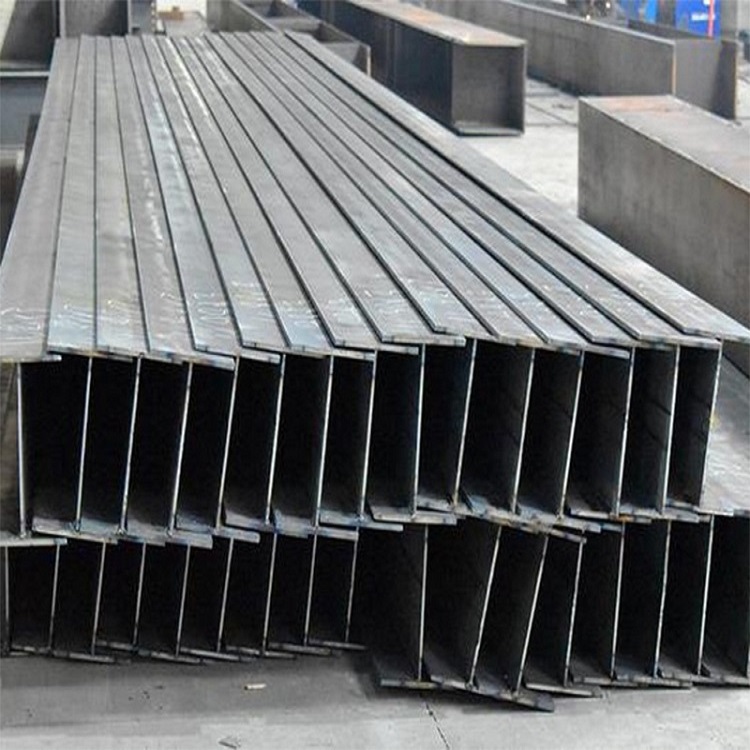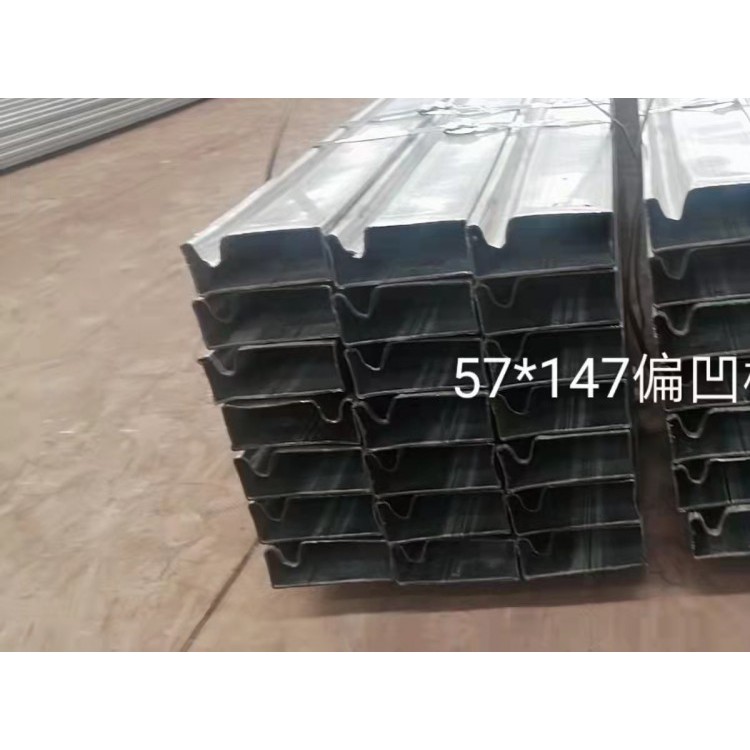

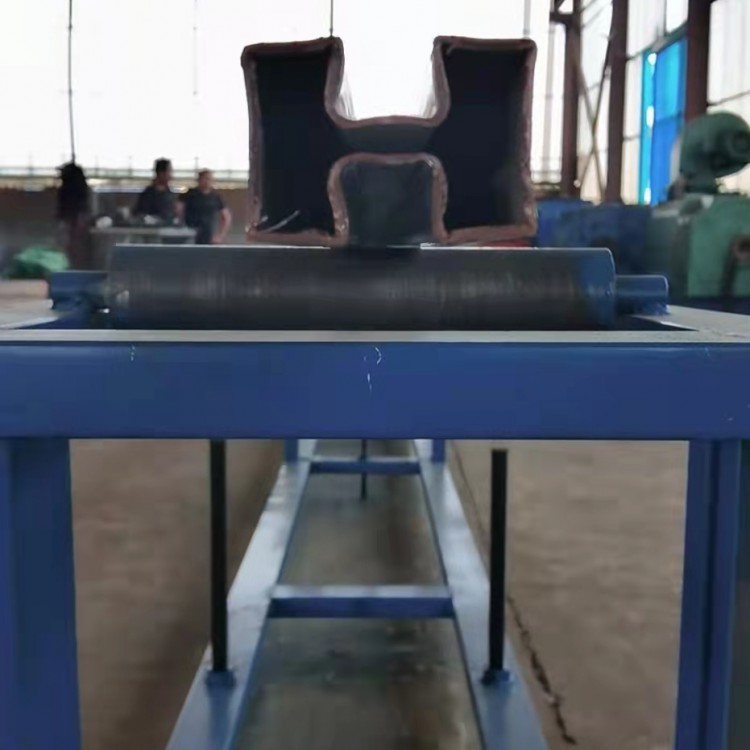












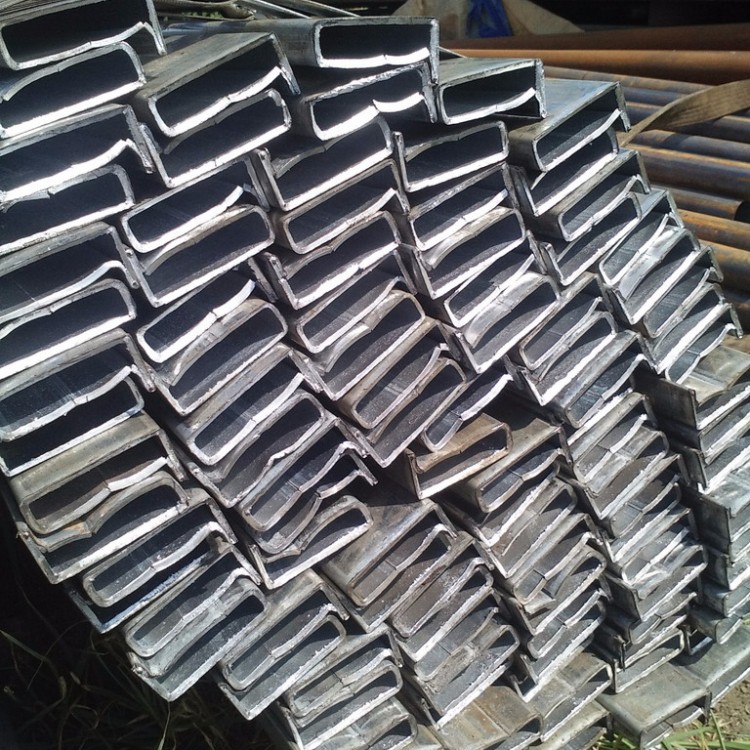




 Introduction to 40*80 Off-set Groove Welded Elliptical Pipes and Galvanized Grooved Steel Pipes:
1. **40*80 Off-set Groove Welded Elliptical Pipe**:
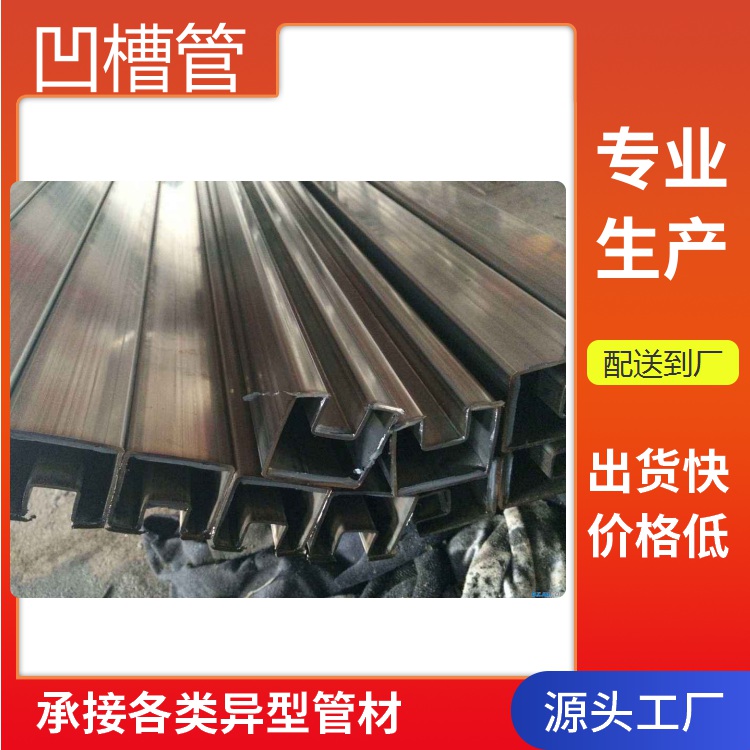
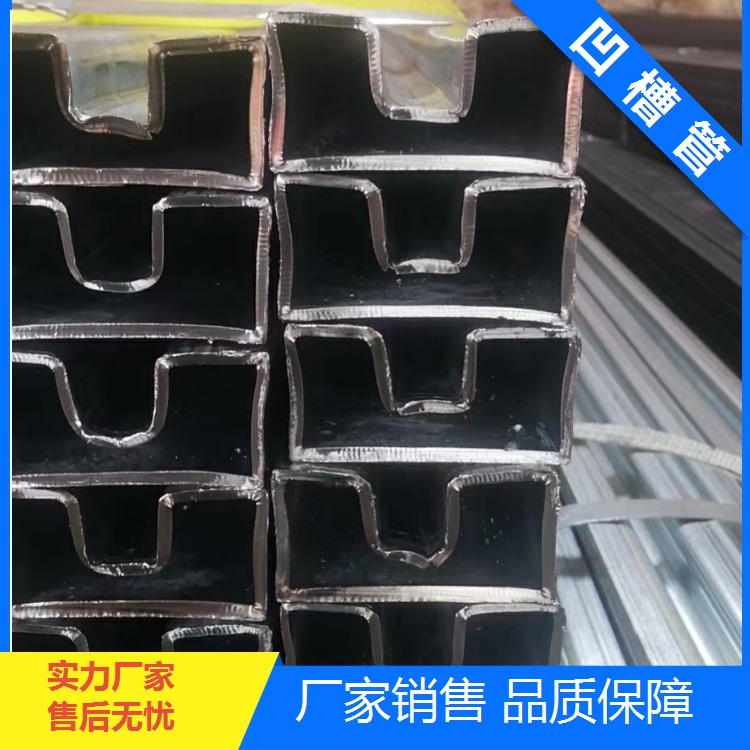
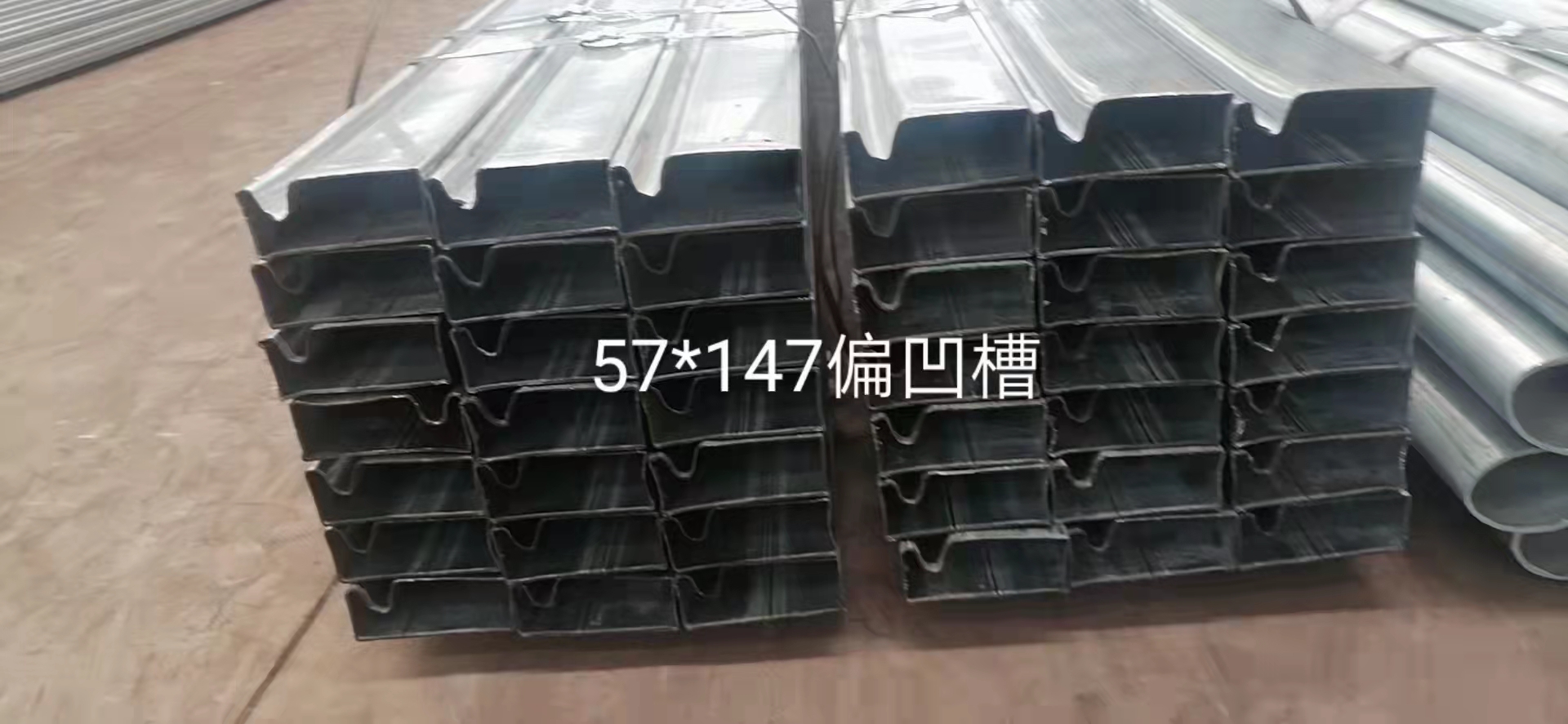
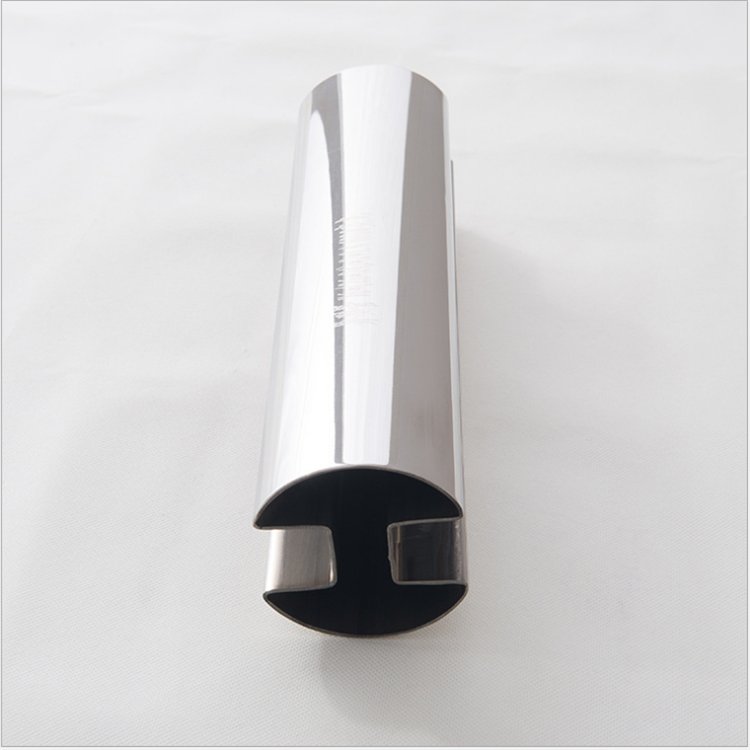
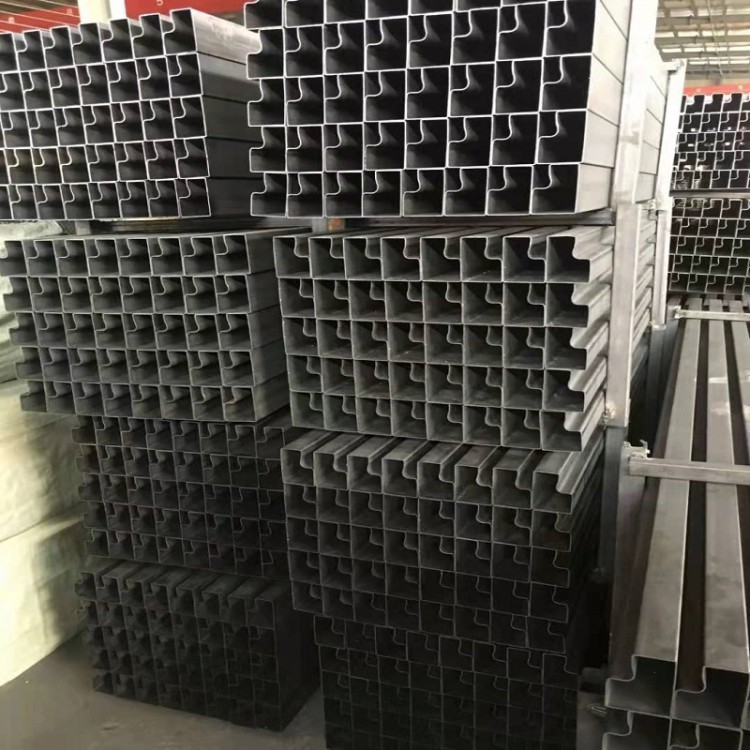
- **Definition**: This type of welded pipe features an elliptical cross-section, but with an off-set groove design. An off-set groove refers to a槽-shaped structure with indentations or protrusions at certain locations on the elliptical tube, which alters the shape and properties of the pipe.
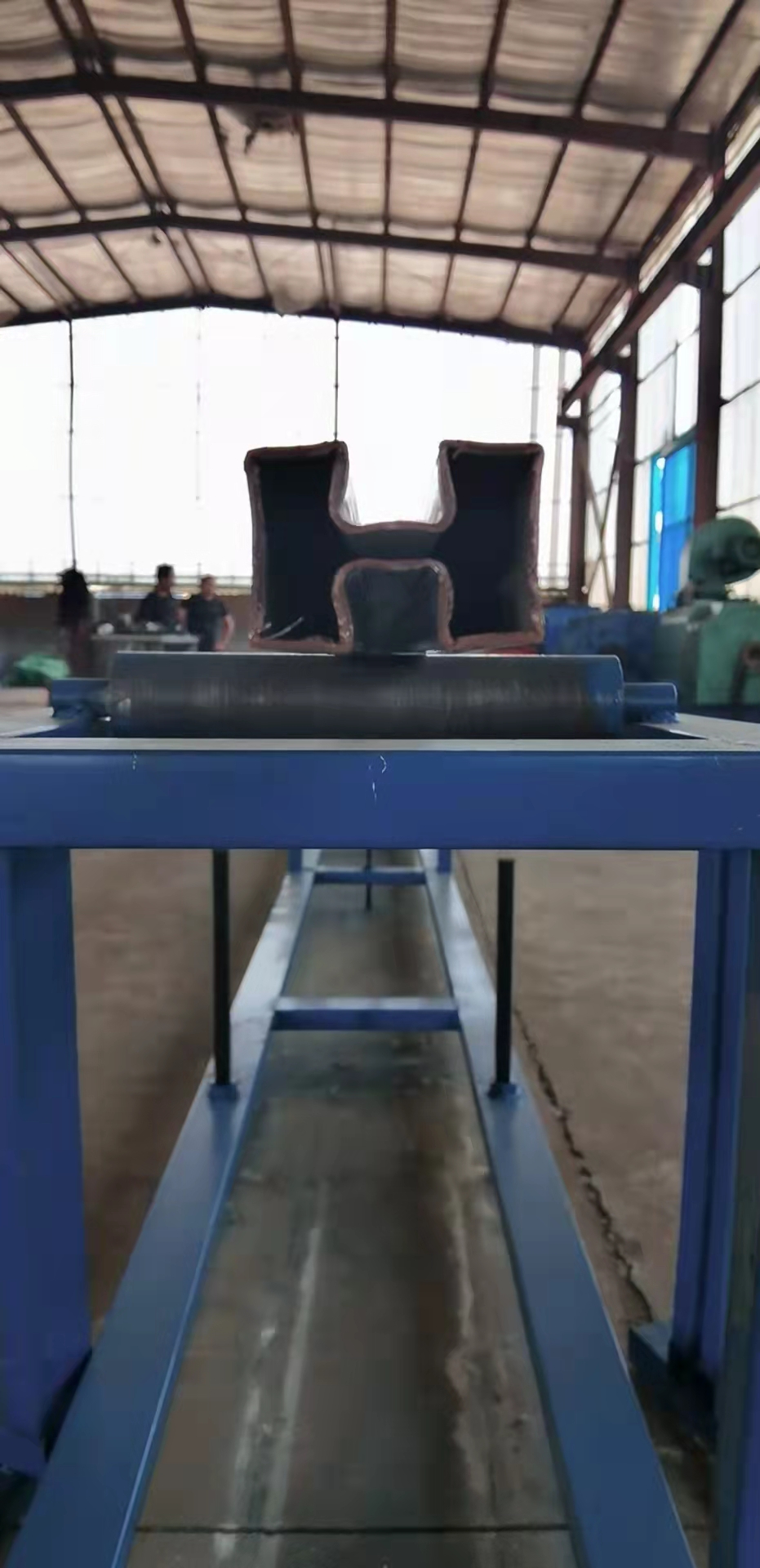
- **Manufacturing Process**: The pipe is formed by rolling and welding steel plates or strips into shape. The steel is first processed into an elliptical shape, then slots are cut at specific positions, and finally, the joints are焊接 together.
- **Applications**: Due to its unique shape and structure, the 40*80 off-set groove welded elliptical pipe offers bending and torsional strength, suitable for applications with specific requirements for pipe shape and strength. For instance, in the construction industry, it can be used for building frames and decorative structures; in mechanical manufacturing, for parts and conveying pipelines; and in furniture making, as frames or decorative lines for tables and chairs.
2. **Galvanized Grooved Steel Pipe**:
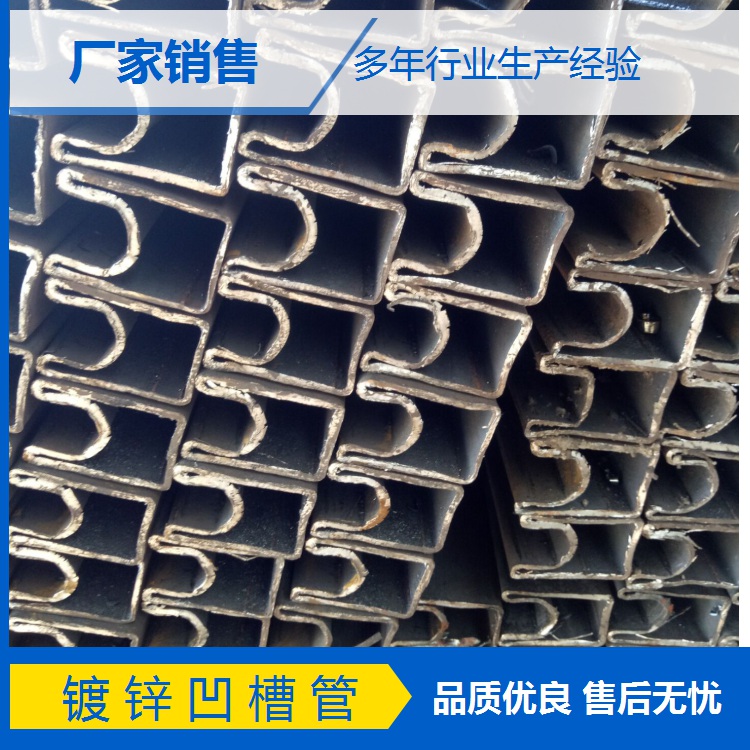
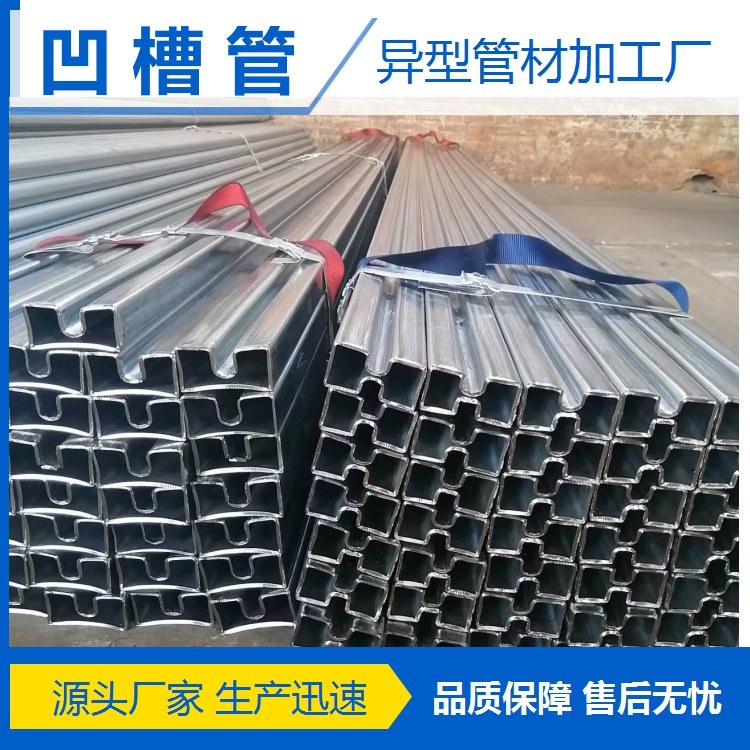
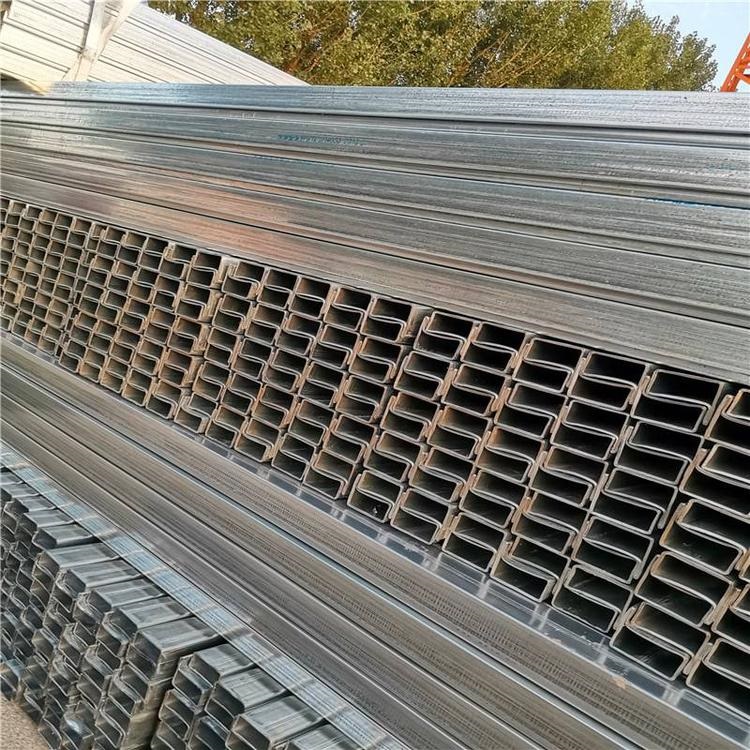
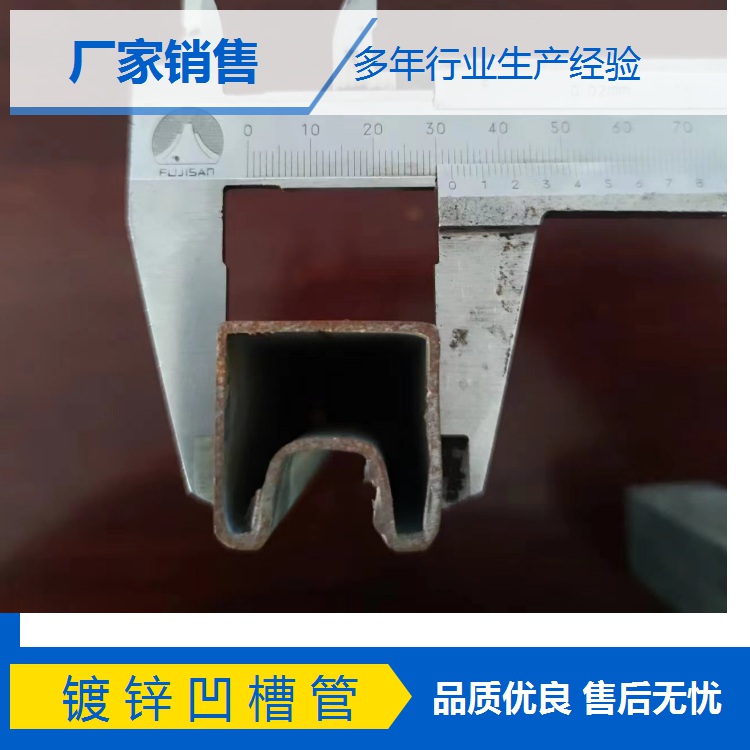
- **Definition**: It is a standard steel pipe that has been zinc-coated to form a zinc layer on the surface and features grooved structures. Zinc coating enhances the corrosion resistance and extends the service life of the pipe, while the grooves increase the functionality and versatility of the material.
- **Manufacturing Process**: The steel strip or plate is first shaped into a pipe, then zinc-coated. There are two methods of zinc coating: hot-dip galvanizing and cold-dip galvanizing, with hot-dip galvanizing offering better corrosion resistance but a more complex process; cold-dip galvanizing is simpler but has slightly lower corrosion resistance. Grooves can be machined onto the pipe after shaping, either through mechanical processing or die stamping.
- **Applications**: Widely used in construction, chemicals, machinery, and power industries. In construction, it can be used for structural components, guardrails, and handrails; in the chemical industry, for pipelines conveying corrosive substances; and in mechanical manufacturing, for parts and structural components.
Introduction to 40*80 Off-set Groove Welded Elliptical Pipes and Galvanized Grooved Steel Pipes:
1. **40*80 Off-set Groove Welded Elliptical Pipe**:
- **Definition**: This type of welded pipe features an elliptical cross-section, but with an off-set groove design. An off-set groove refers to a槽-shaped structure with indentations or protrusions at certain locations on the elliptical tube, which alters the shape and properties of the pipe.
- **Manufacturing Process**: The pipe is formed by rolling and welding steel plates or strips into shape. The steel is first processed into an elliptical shape, then slots are cut at specific positions, and finally, the joints are焊接 together.
- **Applications**: Due to its unique shape and structure, the 40*80 off-set groove welded elliptical pipe offers bending and torsional strength, suitable for applications with specific requirements for pipe shape and strength. For instance, in the construction industry, it can be used for building frames and decorative structures; in mechanical manufacturing, for parts and conveying pipelines; and in furniture making, as frames or decorative lines for tables and chairs.
2. **Galvanized Grooved Steel Pipe**:
- **Definition**: It is a standard steel pipe that has been zinc-coated to form a zinc layer on the surface and features grooved structures. Zinc coating enhances the corrosion resistance and extends the service life of the pipe, while the grooves increase the functionality and versatility of the material.
- **Manufacturing Process**: The steel strip or plate is first shaped into a pipe, then zinc-coated. There are two methods of zinc coating: hot-dip galvanizing and cold-dip galvanizing, with hot-dip galvanizing offering better corrosion resistance but a more complex process; cold-dip galvanizing is simpler but has slightly lower corrosion resistance. Grooves can be machined onto the pipe after shaping, either through mechanical processing or die stamping.
- **Applications**: Widely used in construction, chemicals, machinery, and power industries. In construction, it can be used for structural components, guardrails, and handrails; in the chemical industry, for pipelines conveying corrosive substances; and in mechanical manufacturing, for parts and structural components.