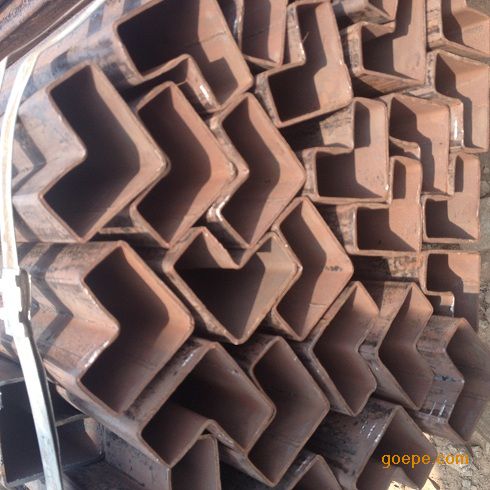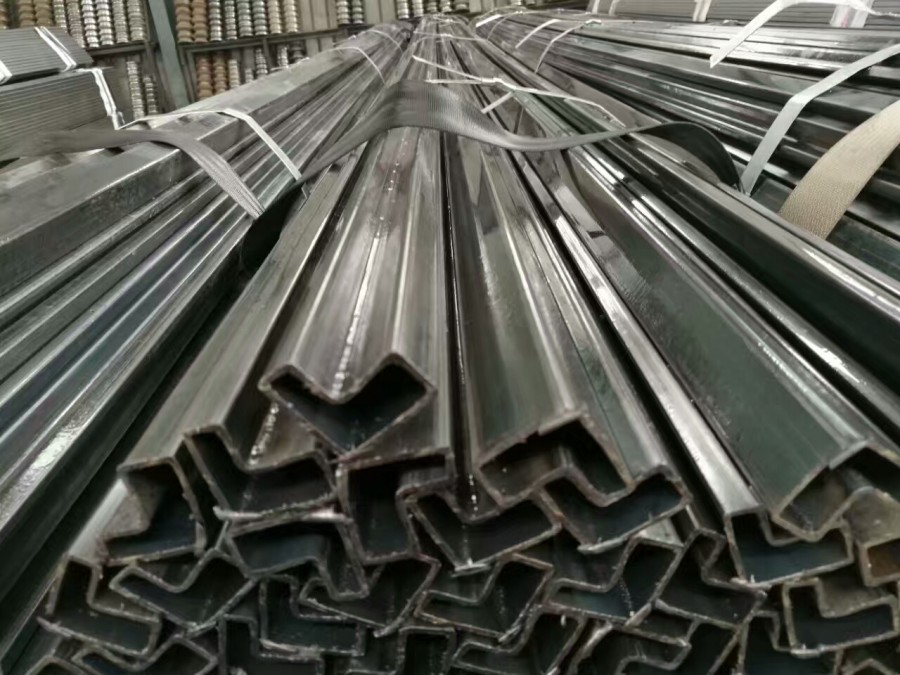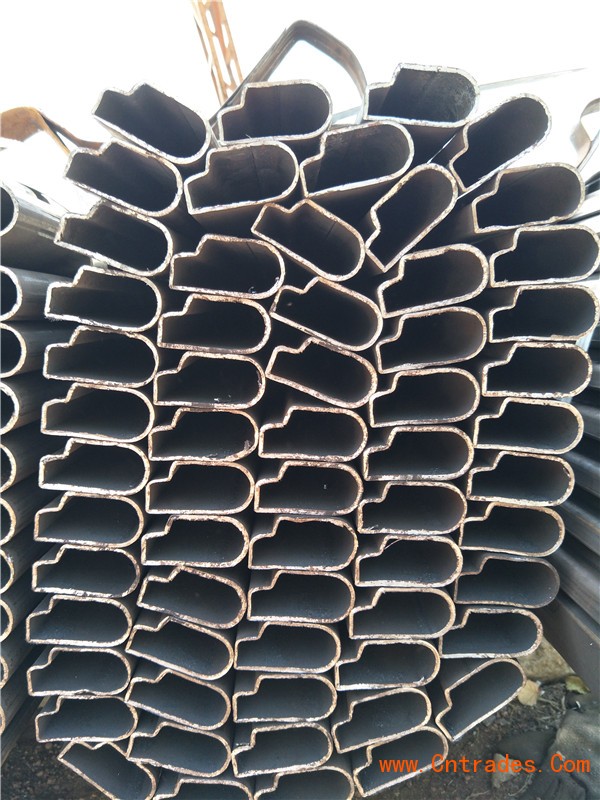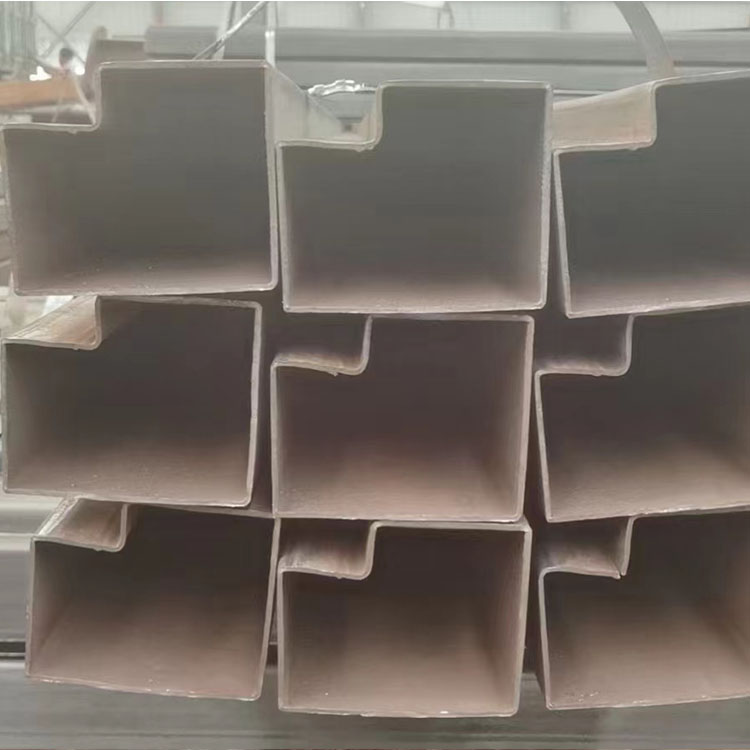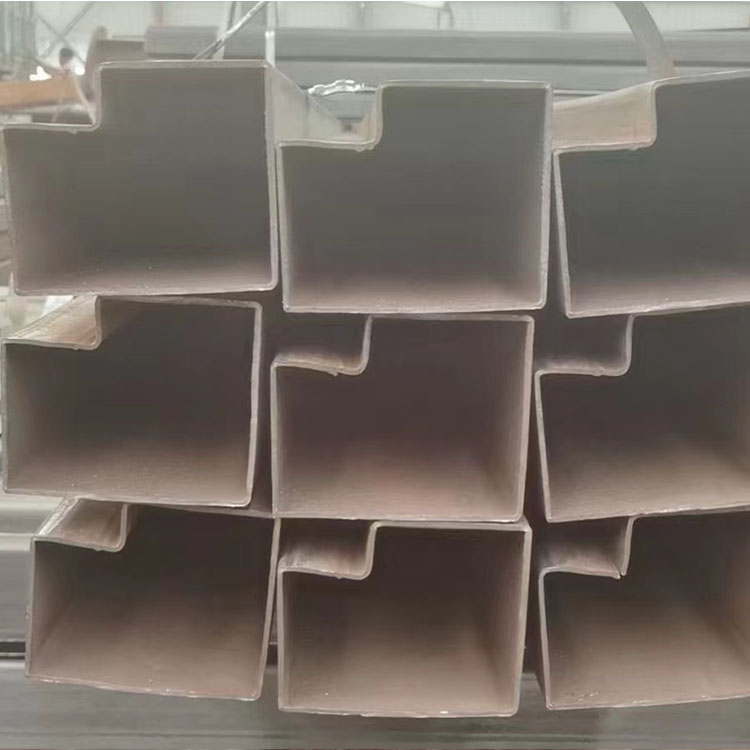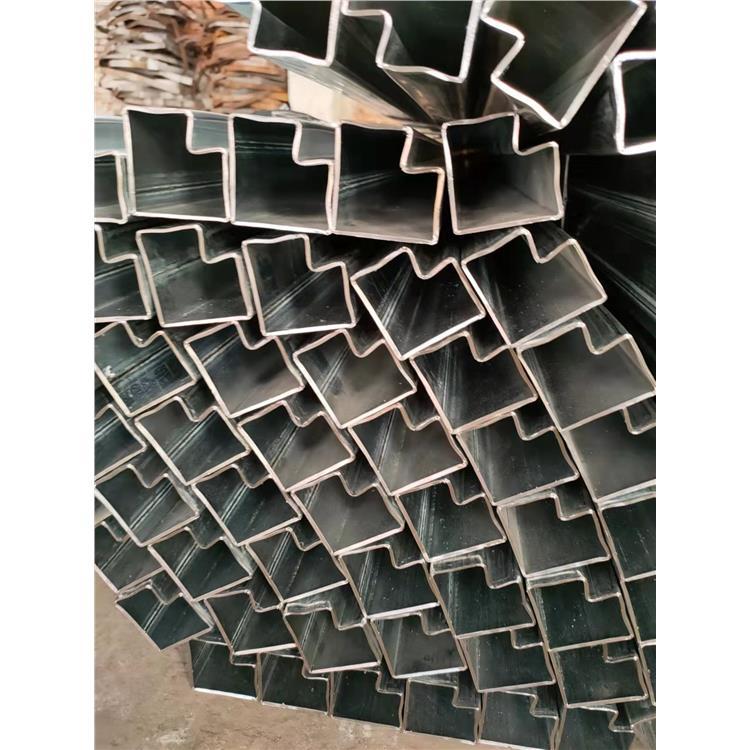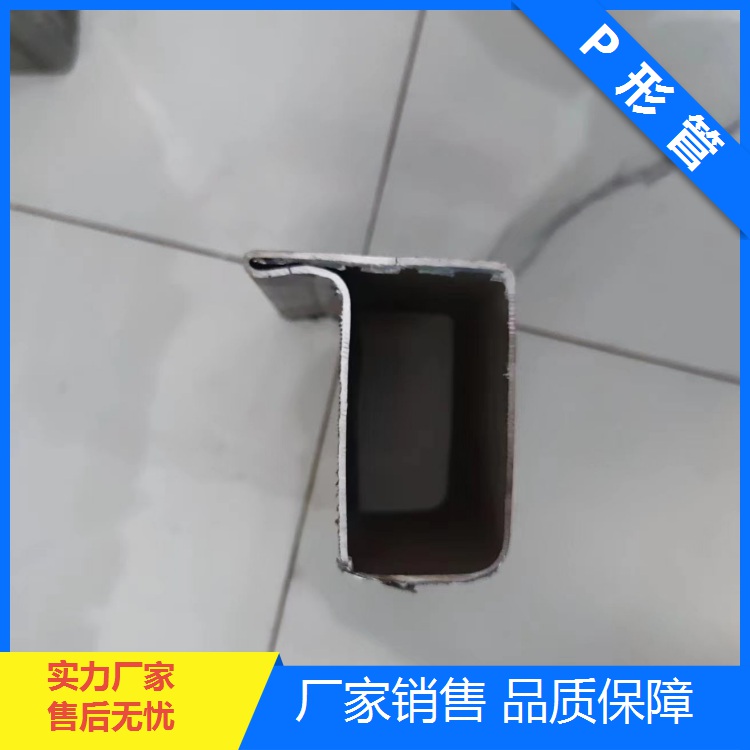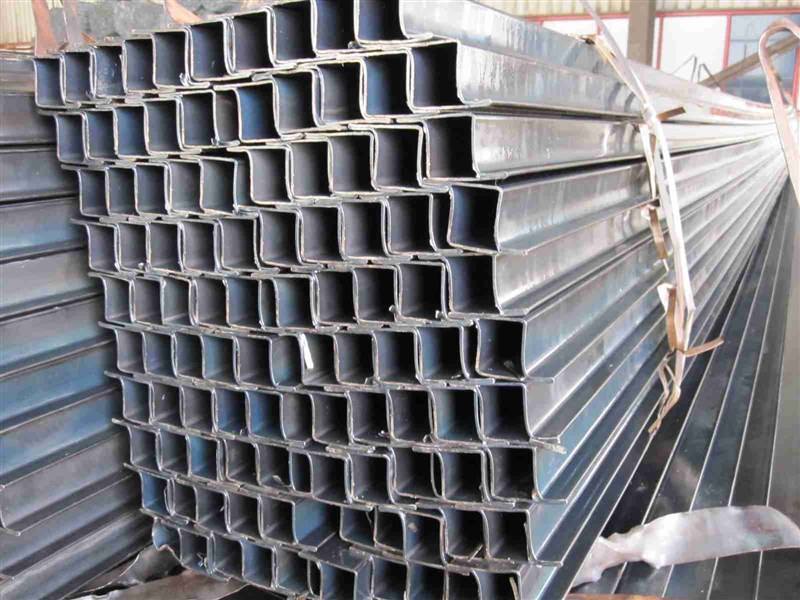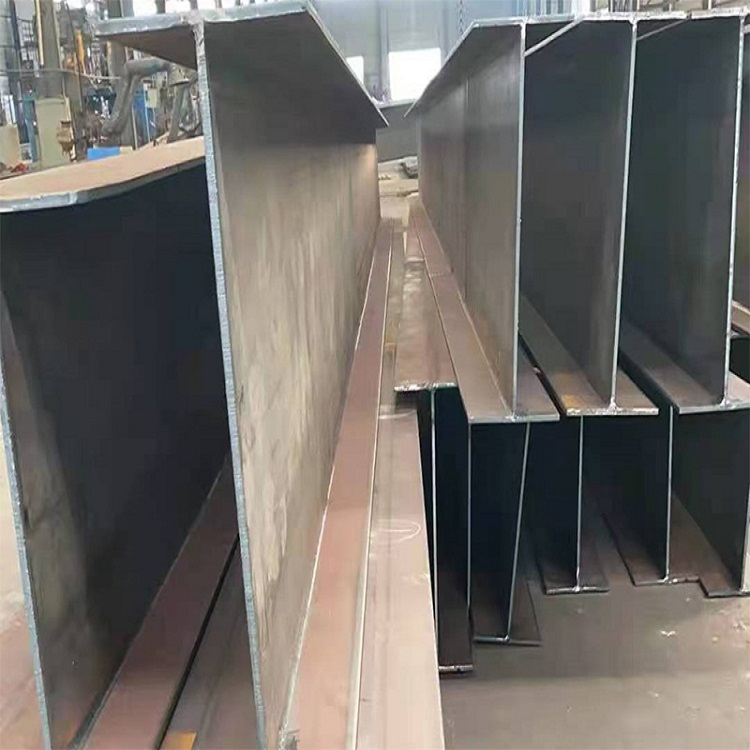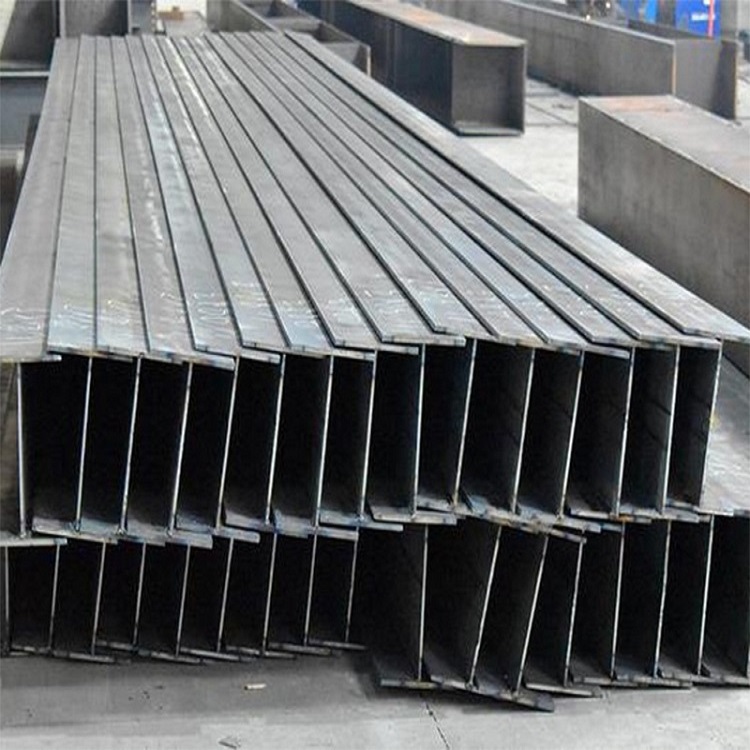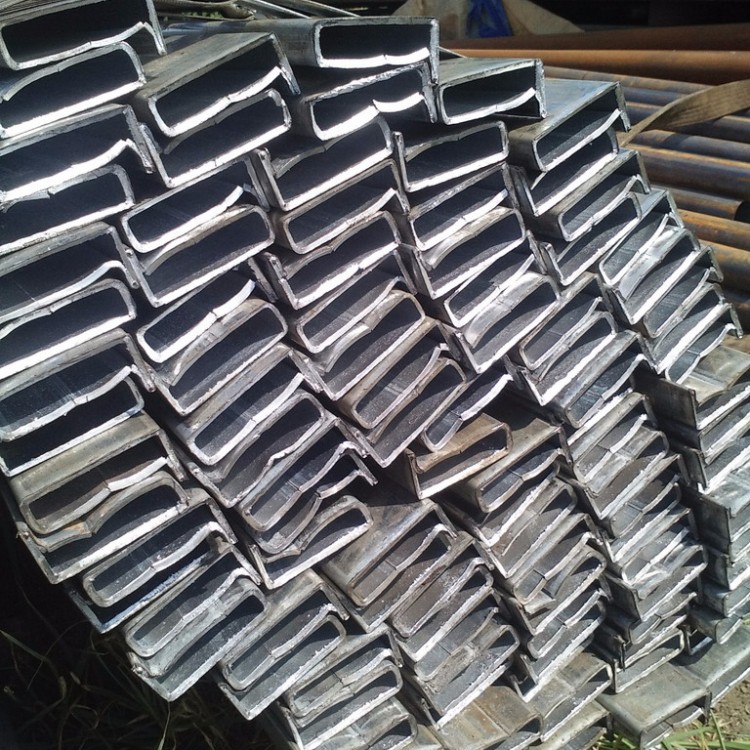
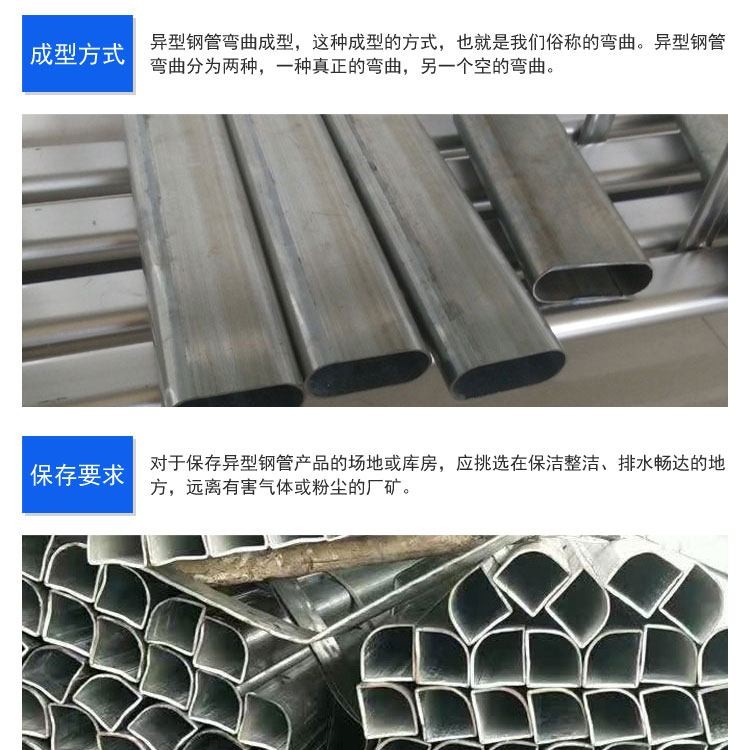
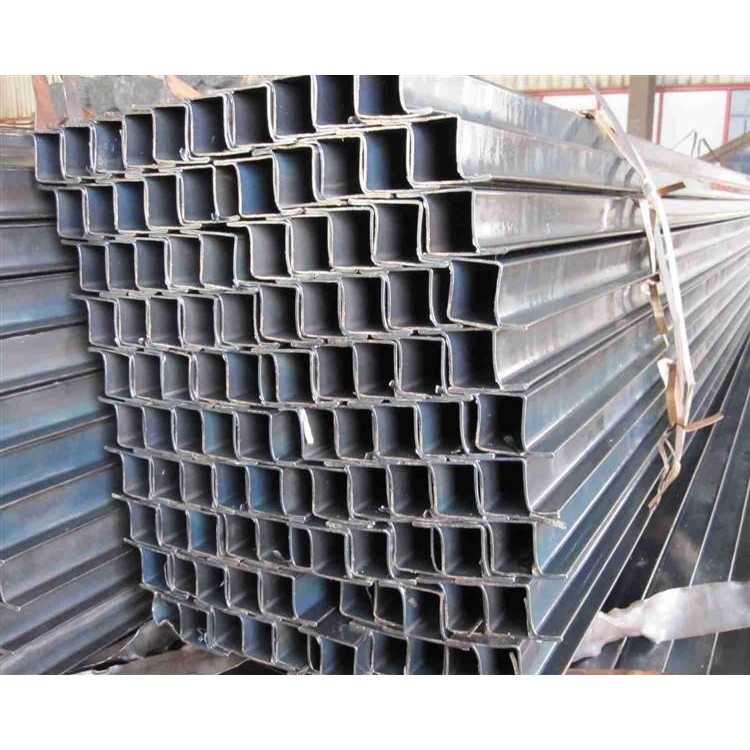














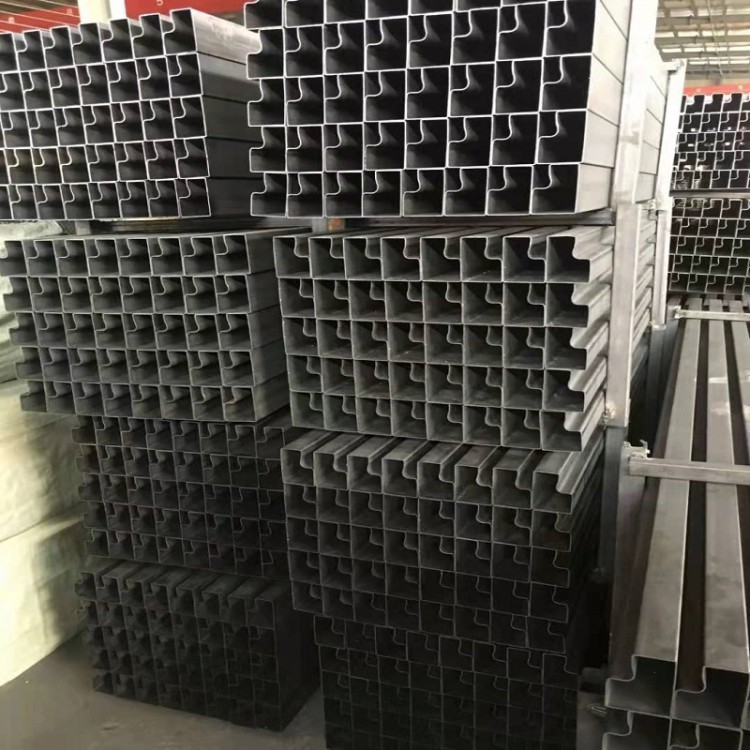
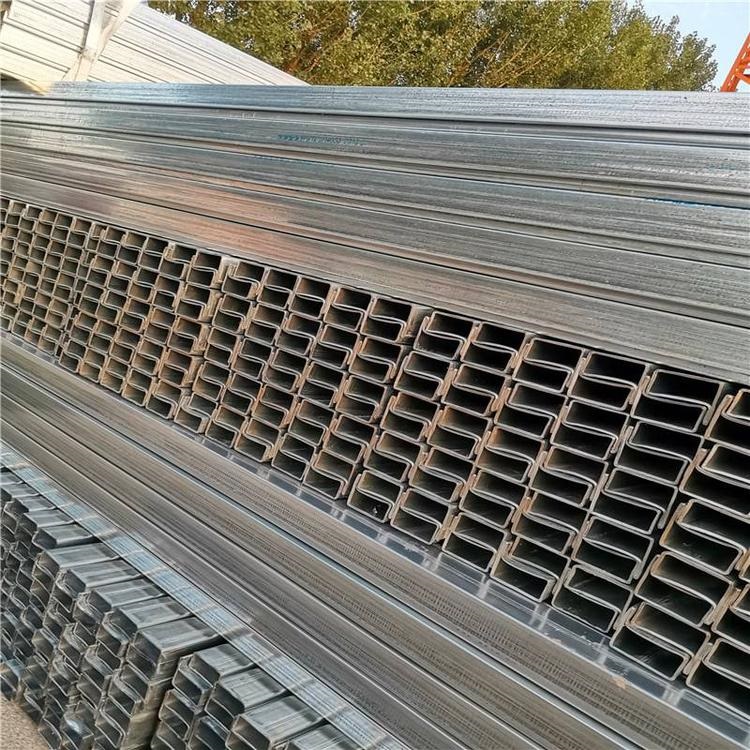
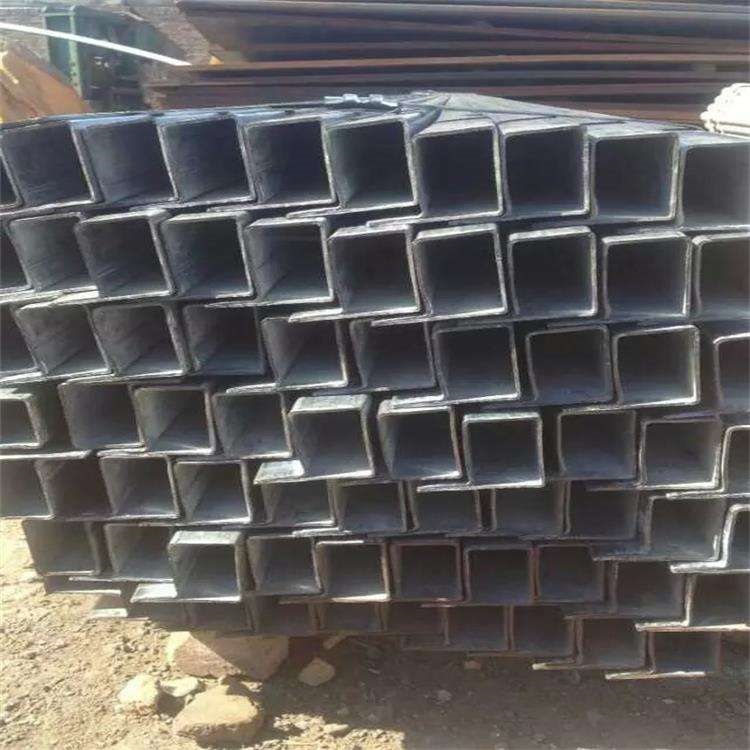
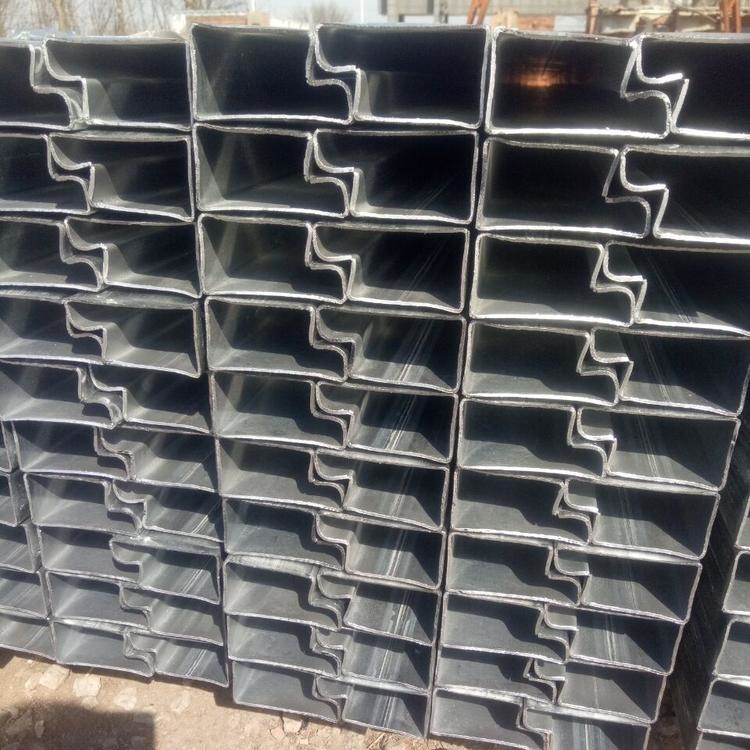
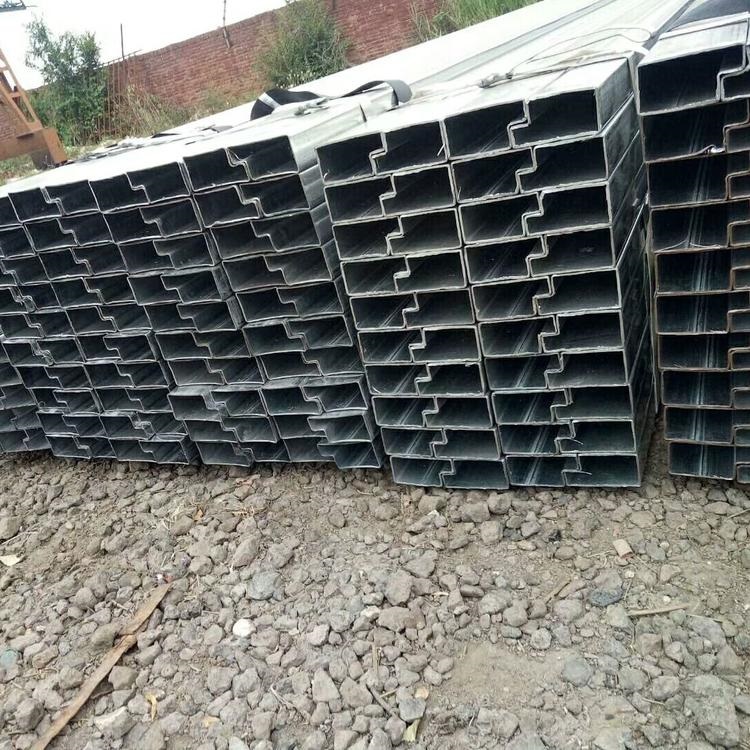
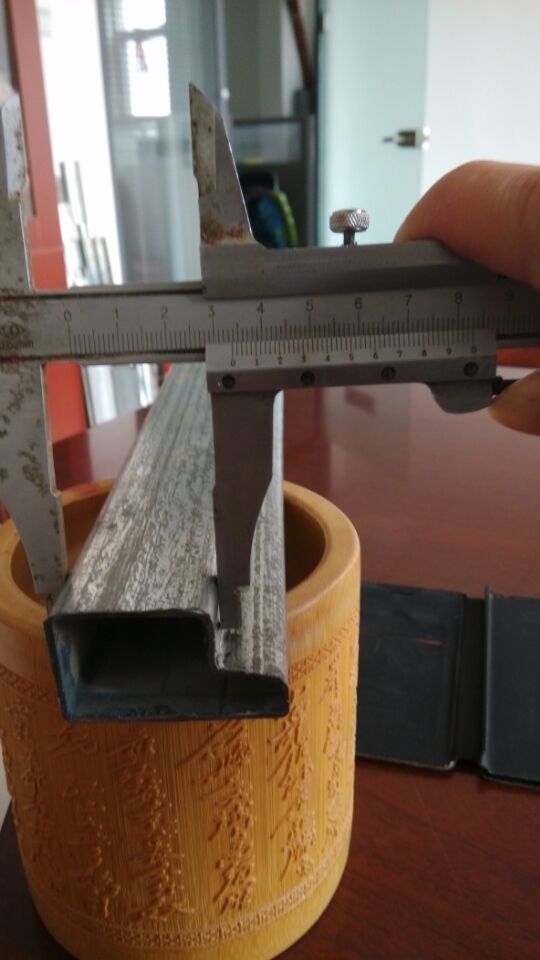
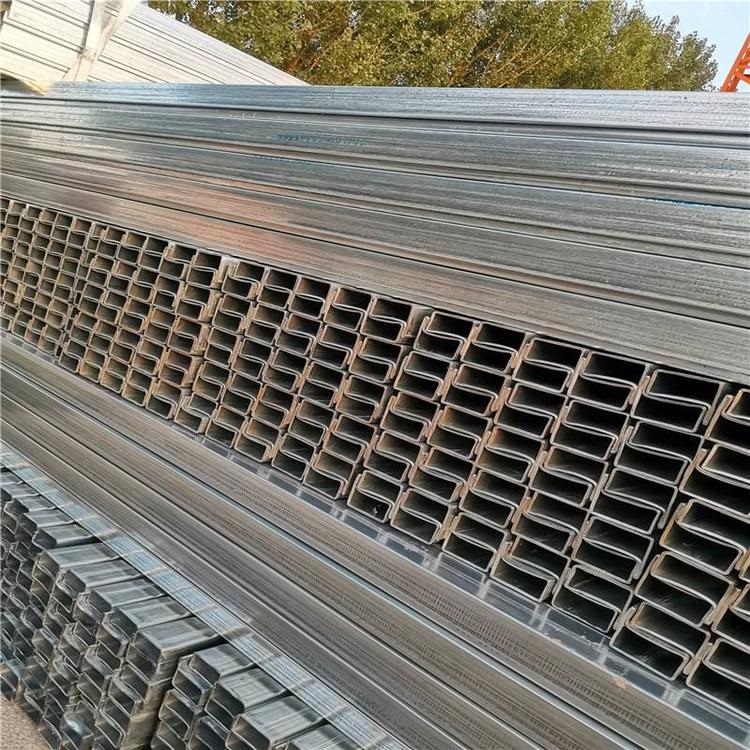
 1. **Characteristics of 10*15 Small P-Type Pipe** - **Dimensional Characteristics**: - **Sectional Size**: The 10*15 small P-type pipe, where 10mm typically refers to the width of the P-type pipe and 15mm to the height. This small-sized P-type pipe has unique applications in furniture making, being compact and delicate, suitable for small furniture or intricate furniture parts. - **Groove (if present)**: If grooves are present, their width may be between 3-5mm, and depth around 5-8mm, which can be used for installing small decorative strips, wires, or other small accessories. - **Wall Thickness Characteristics**: - **Wall Thickness Range**: The wall thickness usually ranges from 0.5-1.0mm. The thinner wall thickness makes the pipe lighter, facilitating processing and assembly in furniture making without adding excessive weight to the furniture, making it suitable for lightweight furniture. - **Material Characteristics**: - **Material Selection**: The 10*15 small P-type pipes used for furniture are usually made of carbon structural steel or stainless steel. Carbon structural steel is relatively inexpensive and, after appropriate surface treatment (such as galvanizing, spraying paint, etc.), offers good corrosion resistance and decorative properties; stainless steel (such as 304 stainless steel) has inherent corrosion resistance, maintains good appearance and performance without additional surface treatment, and is often used for furniture with high quality and durability requirements.
2. **Application Advantages of P-Type Pipes for Furniture** - **Decorative Advantages**: - **Aesthetic Shape**: The shape of P-type pipes inherently has decorative value and can be used as decorative borders in furniture making. For instance, using 10*15 small P-type pipes around the edges of a small display cabinet can enhance the line and three-dimensionality of the furniture, making it look more refined. - **Diverse Styles**: Different surface treatments can be used to meet the needs of various furniture styles. For example, using antique bronze surface treatment can create a retro-style furniture, while color spraying can accommodate modern minimalist styles or children's furniture and other styles. - **Functional Advantages**: - **Structural Support**: Despite their small size, P-type pipes can play a crucial supporting role in some local furniture structures. For example, in the armrests or back structures of small chairs, 10*15 small P-type pipes can provide stable support, ensuring the functionality of the furniture. - **Concealed Functional Parts**: The grooves in P-type pipes can be used to conceal functional parts of the furniture, such as wires and small hinges. When making furniture with electronic devices (such as lamps, charging ports, etc.), P-type pipes can cleverly hide the wires, making the furniture appearance neater.
3. **Processing and Installation Tips** - **Processing Tips**: - **Cutting Precision**: Due to their small size, high precision is required when cutting 10*15 small P-type pipes. The cutting equipment should be able to control the cutting length with an error generally within ±1mm to ensure that the pipe parts can be properly connected during furniture assembly. - **Bending and Shaping**: When bending the P-type pipe is necessary, attention must be paid to controlling the bending radius and angle. Since the wall is thin, the bending radius should generally not be too small to avoid deformation or cracking of the pipe material. Typically, the small bending radius should not be less than 3-5 times the outer diameter of the pipe material. - **Installation Tips**: - **Connection Methods**: Furniture-specific 10*15 small P-type pipes can be connected using various methods, such as welding, bolt connection, or specialized pipe connectors. When welding, it is important to control the welding heat to avoid deformation of the pipe material due to overheating; bolt connection requires selecting the appropriate bolt specifications to ensure the tightness of the connection. - **Coordination with Other Parts**: During installation, ensure that the P-type pipe is tightly coordinated with other furniture parts (such as wood, glass, leather, etc.). For example, when coordinating with wood, the installation position of the P-type pipe should be adjusted to ensure the flatness and stability of the wood; when coordinating with glass, attention must be given to protect the glass surface while ensuring that the P-type pipe provides good fixation and support for the glass.
1. **Characteristics of 10*15 Small P-Type Pipe** - **Dimensional Characteristics**: - **Sectional Size**: The 10*15 small P-type pipe, where 10mm typically refers to the width of the P-type pipe and 15mm to the height. This small-sized P-type pipe has unique applications in furniture making, being compact and delicate, suitable for small furniture or intricate furniture parts. - **Groove (if present)**: If grooves are present, their width may be between 3-5mm, and depth around 5-8mm, which can be used for installing small decorative strips, wires, or other small accessories. - **Wall Thickness Characteristics**: - **Wall Thickness Range**: The wall thickness usually ranges from 0.5-1.0mm. The thinner wall thickness makes the pipe lighter, facilitating processing and assembly in furniture making without adding excessive weight to the furniture, making it suitable for lightweight furniture. - **Material Characteristics**: - **Material Selection**: The 10*15 small P-type pipes used for furniture are usually made of carbon structural steel or stainless steel. Carbon structural steel is relatively inexpensive and, after appropriate surface treatment (such as galvanizing, spraying paint, etc.), offers good corrosion resistance and decorative properties; stainless steel (such as 304 stainless steel) has inherent corrosion resistance, maintains good appearance and performance without additional surface treatment, and is often used for furniture with high quality and durability requirements.
2. **Application Advantages of P-Type Pipes for Furniture** - **Decorative Advantages**: - **Aesthetic Shape**: The shape of P-type pipes inherently has decorative value and can be used as decorative borders in furniture making. For instance, using 10*15 small P-type pipes around the edges of a small display cabinet can enhance the line and three-dimensionality of the furniture, making it look more refined. - **Diverse Styles**: Different surface treatments can be used to meet the needs of various furniture styles. For example, using antique bronze surface treatment can create a retro-style furniture, while color spraying can accommodate modern minimalist styles or children's furniture and other styles. - **Functional Advantages**: - **Structural Support**: Despite their small size, P-type pipes can play a crucial supporting role in some local furniture structures. For example, in the armrests or back structures of small chairs, 10*15 small P-type pipes can provide stable support, ensuring the functionality of the furniture. - **Concealed Functional Parts**: The grooves in P-type pipes can be used to conceal functional parts of the furniture, such as wires and small hinges. When making furniture with electronic devices (such as lamps, charging ports, etc.), P-type pipes can cleverly hide the wires, making the furniture appearance neater.
3. **Processing and Installation Tips** - **Processing Tips**: - **Cutting Precision**: Due to their small size, high precision is required when cutting 10*15 small P-type pipes. The cutting equipment should be able to control the cutting length with an error generally within ±1mm to ensure that the pipe parts can be properly connected during furniture assembly. - **Bending and Shaping**: When bending the P-type pipe is necessary, attention must be paid to controlling the bending radius and angle. Since the wall is thin, the bending radius should generally not be too small to avoid deformation or cracking of the pipe material. Typically, the small bending radius should not be less than 3-5 times the outer diameter of the pipe material. - **Installation Tips**: - **Connection Methods**: Furniture-specific 10*15 small P-type pipes can be connected using various methods, such as welding, bolt connection, or specialized pipe connectors. When welding, it is important to control the welding heat to avoid deformation of the pipe material due to overheating; bolt connection requires selecting the appropriate bolt specifications to ensure the tightness of the connection. - **Coordination with Other Parts**: During installation, ensure that the P-type pipe is tightly coordinated with other furniture parts (such as wood, glass, leather, etc.). For example, when coordinating with wood, the installation position of the P-type pipe should be adjusted to ensure the flatness and stability of the wood; when coordinating with glass, attention must be given to protect the glass surface while ensuring that the P-type pipe provides good fixation and support for the glass.