











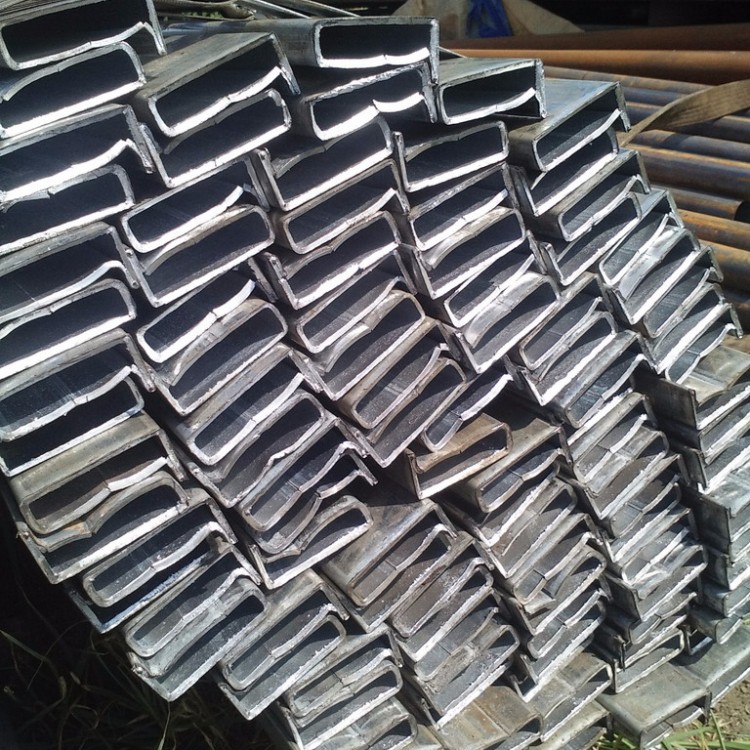


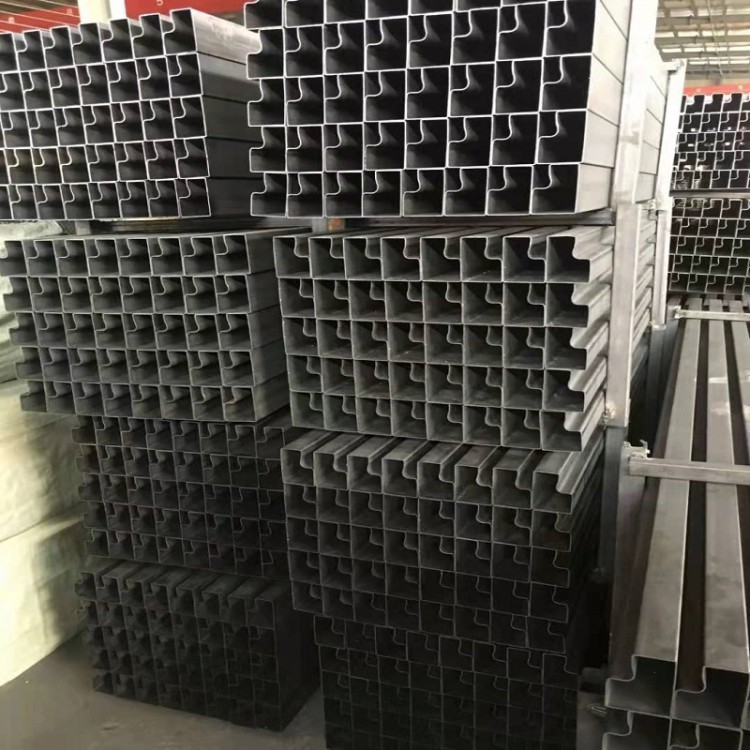
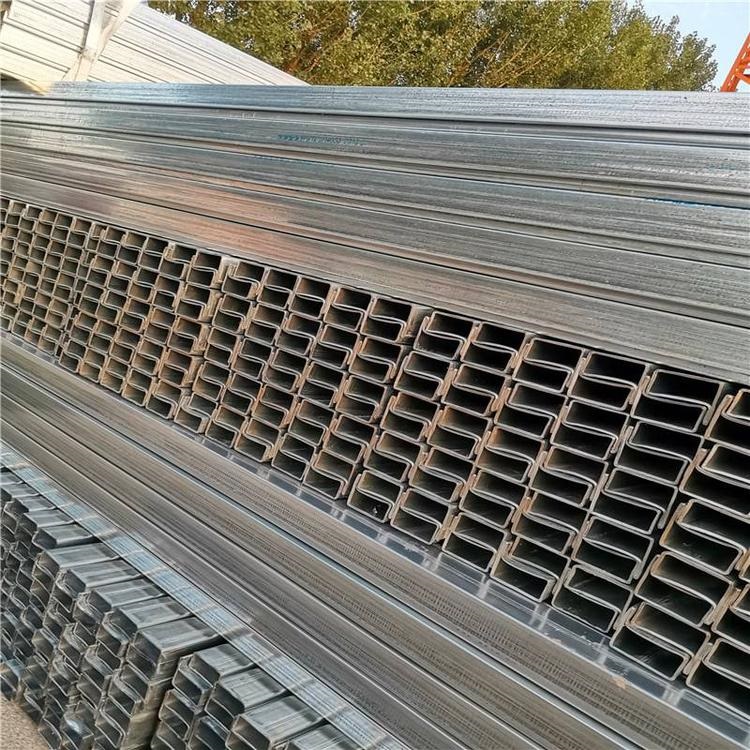

 ### 1. Dimensional Representation of Slanting Concave Groove Steel Pipes
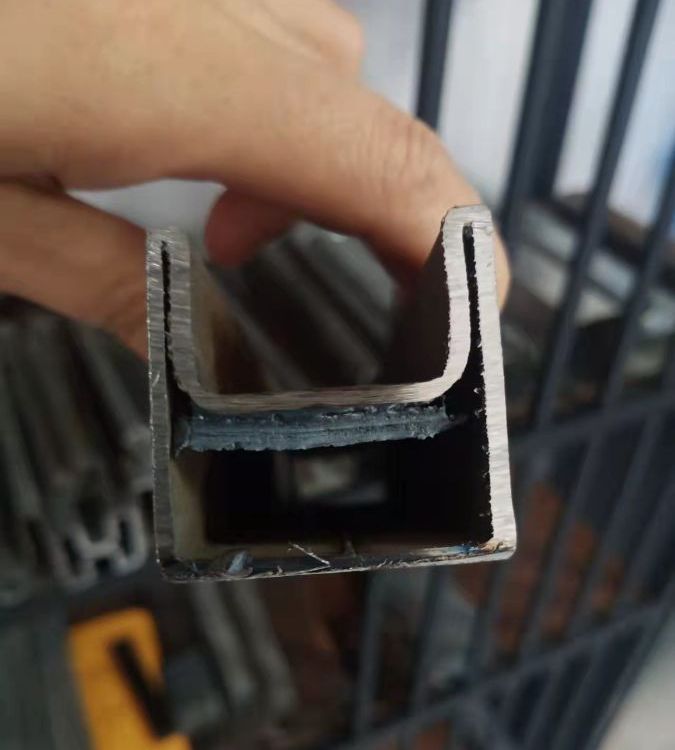
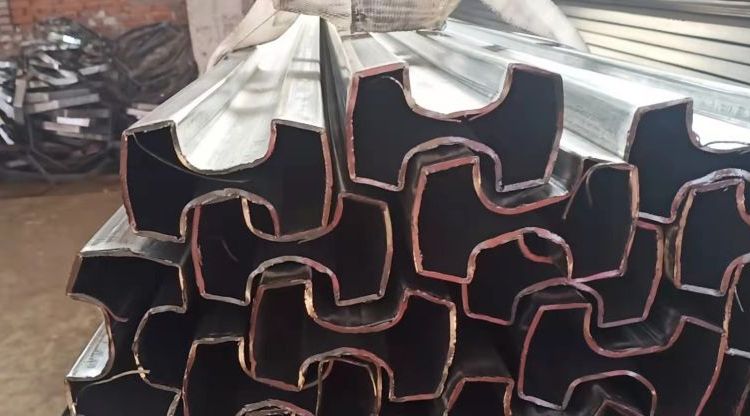
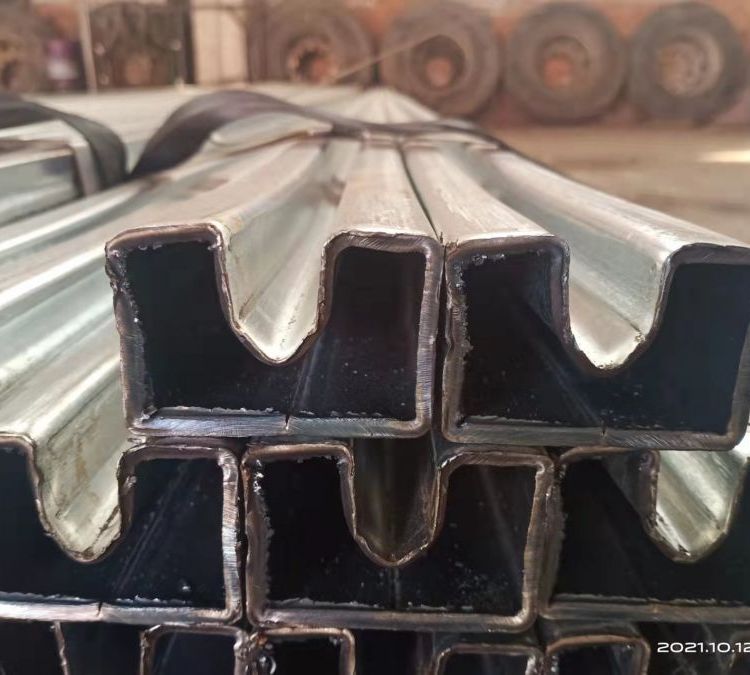
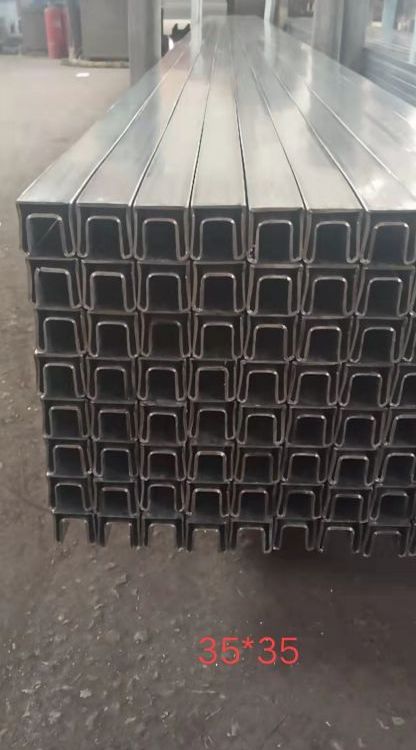
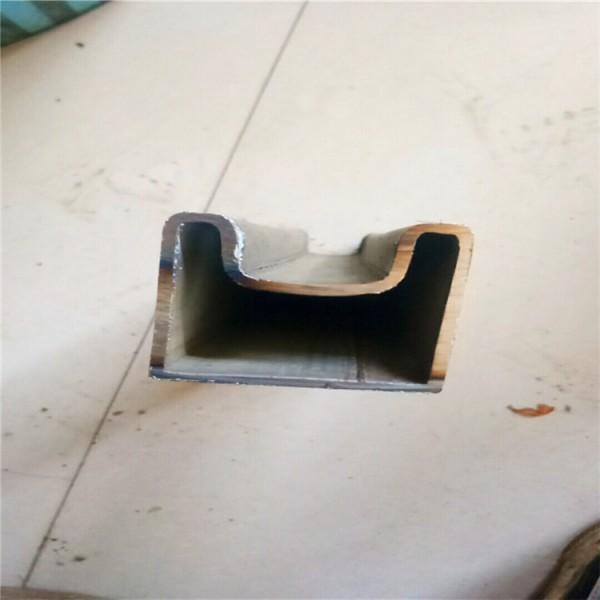
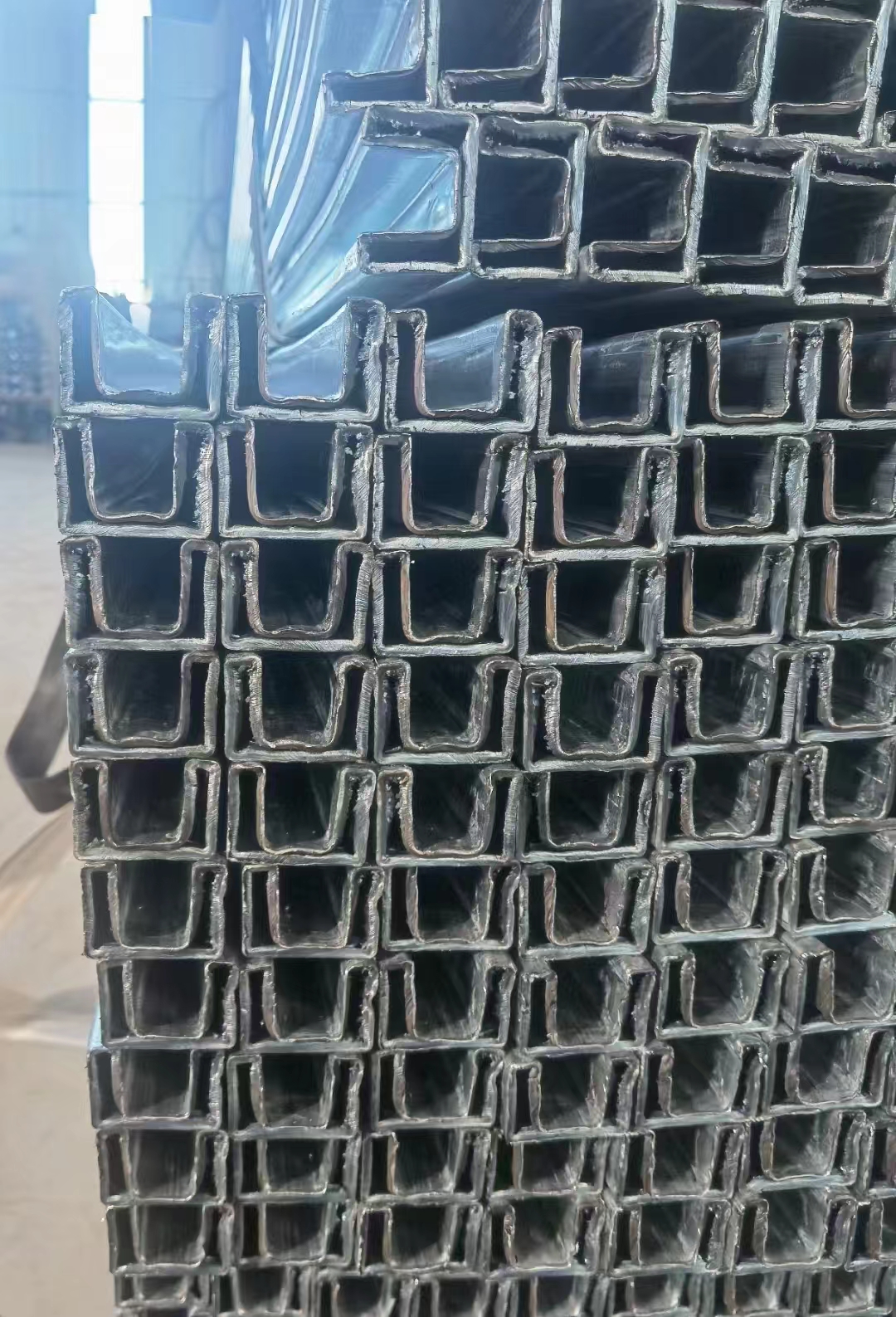
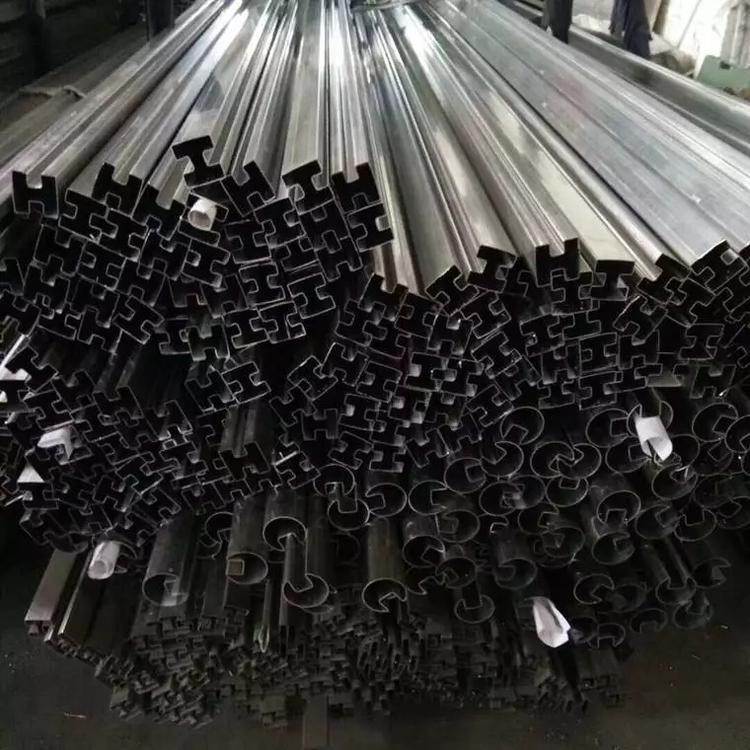
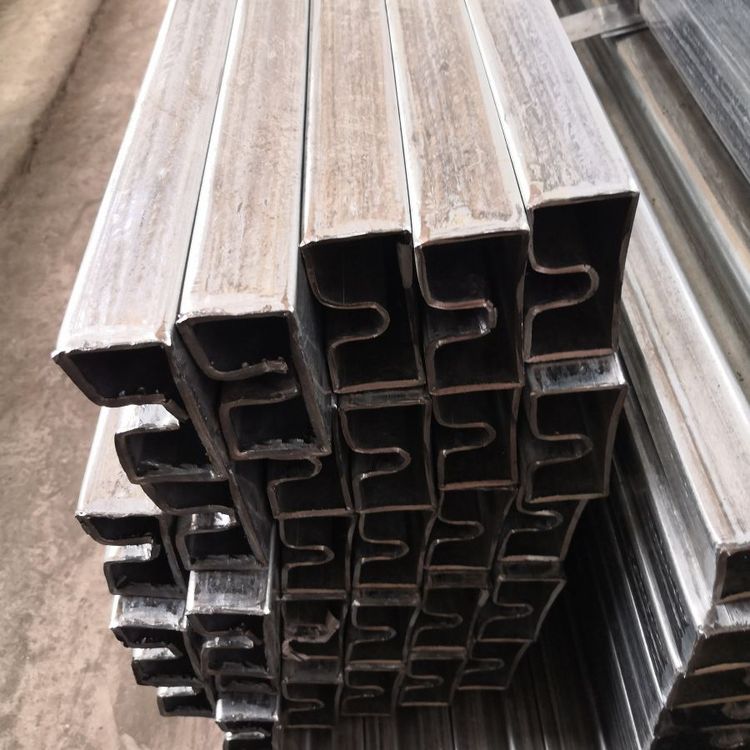
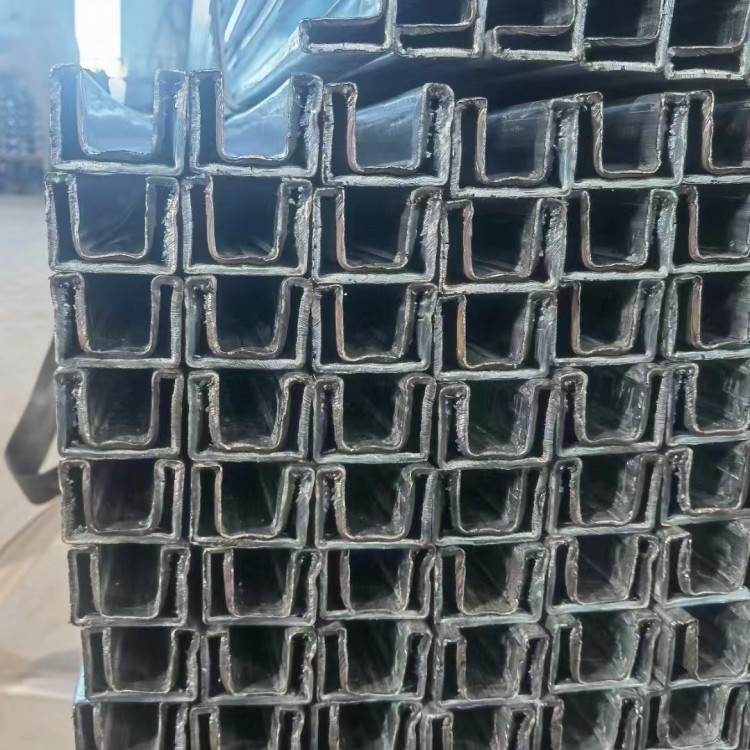
- The dimensions of slanting concave groove steel pipes are typically represented by multiple parameters. First, the outer diameter or side length of the pipe depends on the cross-sectional shape (round, square, etc.). For round slanting concave groove steel pipes, the diameter might be used, with common ranges from 20mm to 200mm.
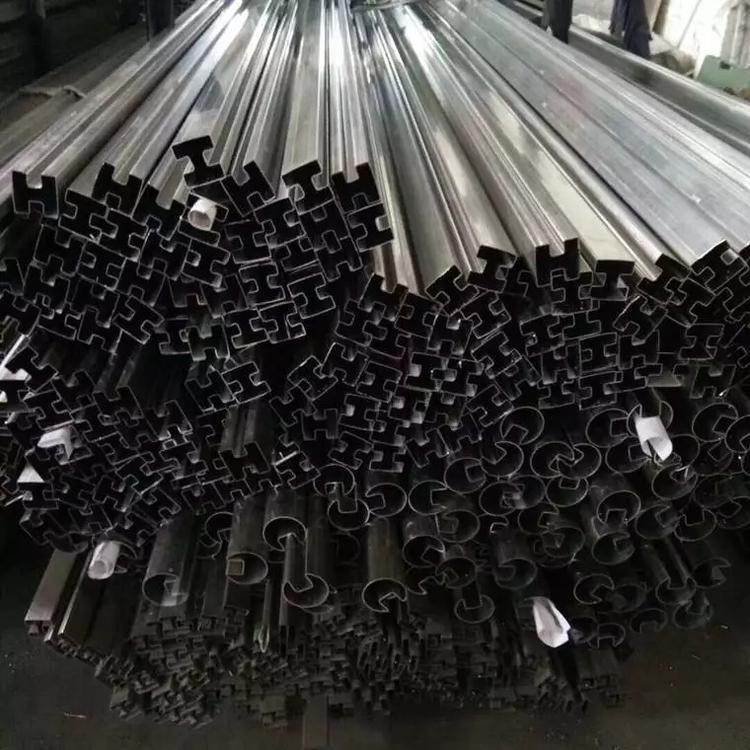
- Next, the dimensions of the groove include depth, width, and spacing. The groove depth can range from 5mm to 30mm, width from 3mm to 15mm, and spacing varies according to specific design requirements, typically between 10mm to 50mm.
- In cases with a slant, the angle and length of the slant must also be considered. Common slant angles include 30°, 45°, and 60°, with slant length determined by the overall size of the pipe and design purpose.
### 2. Factors Affecting Dimensions
- **Application Needs**: If used as decorative components in building structures, there may be a higher requirement for the aesthetic quality and dimensional accuracy of the grooves, which would be determined by the architectural style. For mechanical manufacturing, the focus might be more on the impact of the slant and grooves on the pipe's mechanical properties, with dimensions designed based on the loads and stresses it will bear.
- **Production Process**: Different production processes can also limit the dimensions of the steel pipes. For instance, cold drawing processes yield high dimensional accuracy but may struggle with larger sizes or complex shapes. Hot rolling can produce larger pipes but with lower dimensional accuracy. Their 100-slot welded pipes have reliable quality and meet relevant standards. They pay attention to the quality of raw materials during production, using steel for welding.
- **Company Quality Management System**: The company has a comprehensive quality management system that can strictly monitor all stages of the production process, ensuring the dimensional accuracy and welding quality of the double-slot welded pipes. The products are widely used in industries such as construction, machinery, and chemicals.
### 1. Dimensional Representation of Slanting Concave Groove Steel Pipes
- The dimensions of slanting concave groove steel pipes are typically represented by multiple parameters. First, the outer diameter or side length of the pipe depends on the cross-sectional shape (round, square, etc.). For round slanting concave groove steel pipes, the diameter might be used, with common ranges from 20mm to 200mm.
- Next, the dimensions of the groove include depth, width, and spacing. The groove depth can range from 5mm to 30mm, width from 3mm to 15mm, and spacing varies according to specific design requirements, typically between 10mm to 50mm.
- In cases with a slant, the angle and length of the slant must also be considered. Common slant angles include 30°, 45°, and 60°, with slant length determined by the overall size of the pipe and design purpose.
### 2. Factors Affecting Dimensions
- **Application Needs**: If used as decorative components in building structures, there may be a higher requirement for the aesthetic quality and dimensional accuracy of the grooves, which would be determined by the architectural style. For mechanical manufacturing, the focus might be more on the impact of the slant and grooves on the pipe's mechanical properties, with dimensions designed based on the loads and stresses it will bear.
- **Production Process**: Different production processes can also limit the dimensions of the steel pipes. For instance, cold drawing processes yield high dimensional accuracy but may struggle with larger sizes or complex shapes. Hot rolling can produce larger pipes but with lower dimensional accuracy. Their 100-slot welded pipes have reliable quality and meet relevant standards. They pay attention to the quality of raw materials during production, using steel for welding.
- **Company Quality Management System**: The company has a comprehensive quality management system that can strictly monitor all stages of the production process, ensuring the dimensional accuracy and welding quality of the double-slot welded pipes. The products are widely used in industries such as construction, machinery, and chemicals.
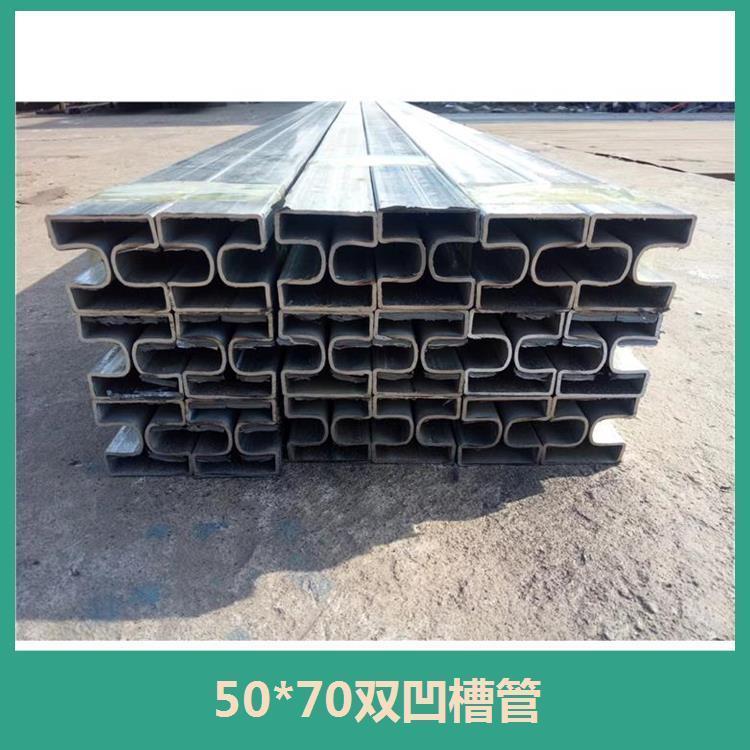
.jpg)