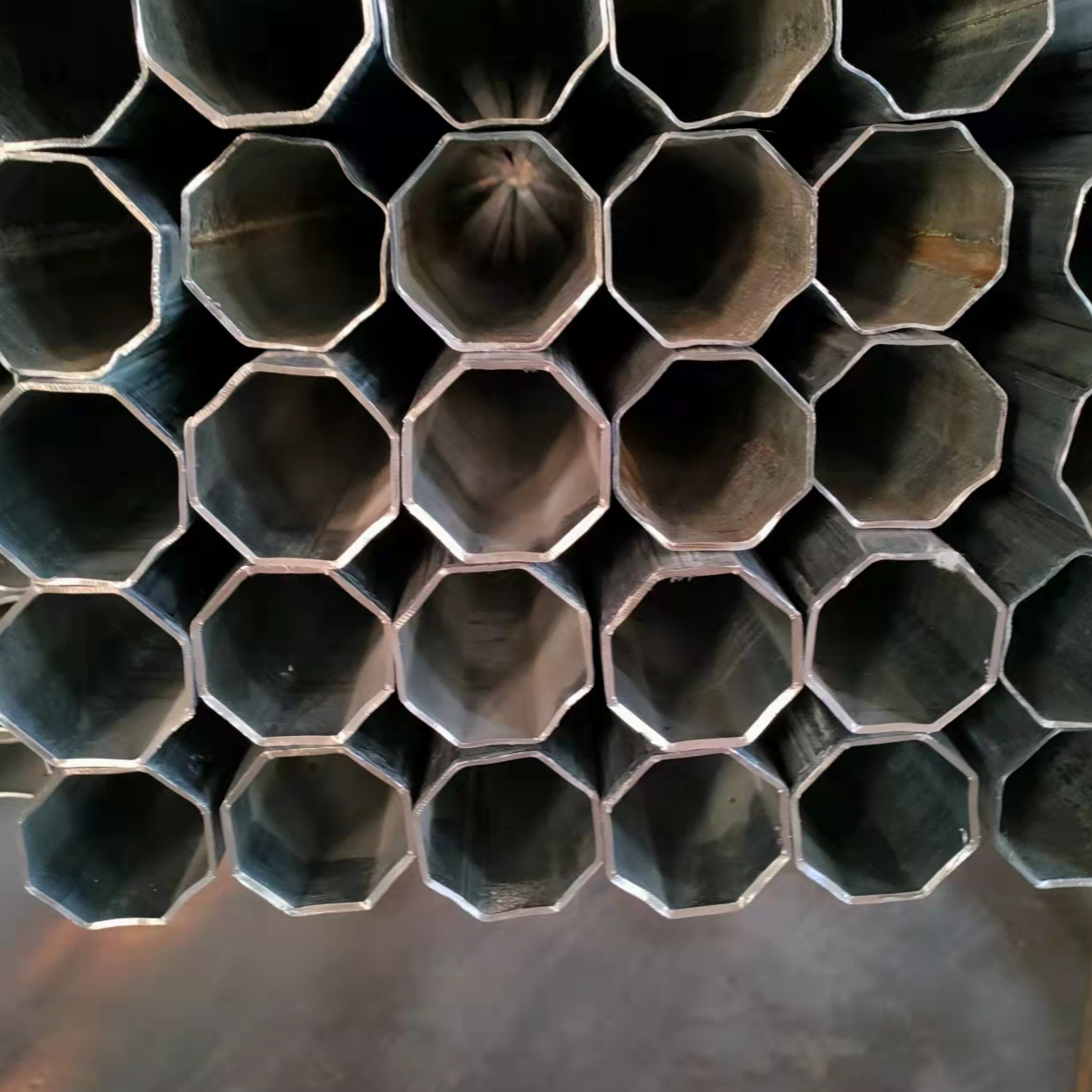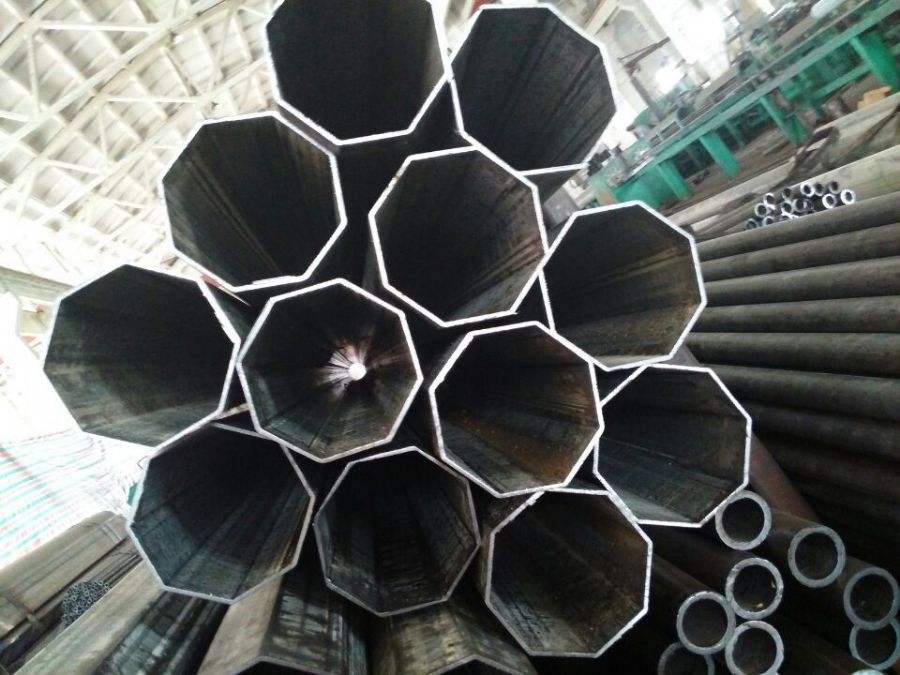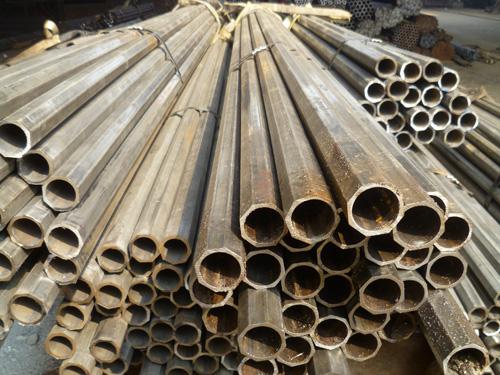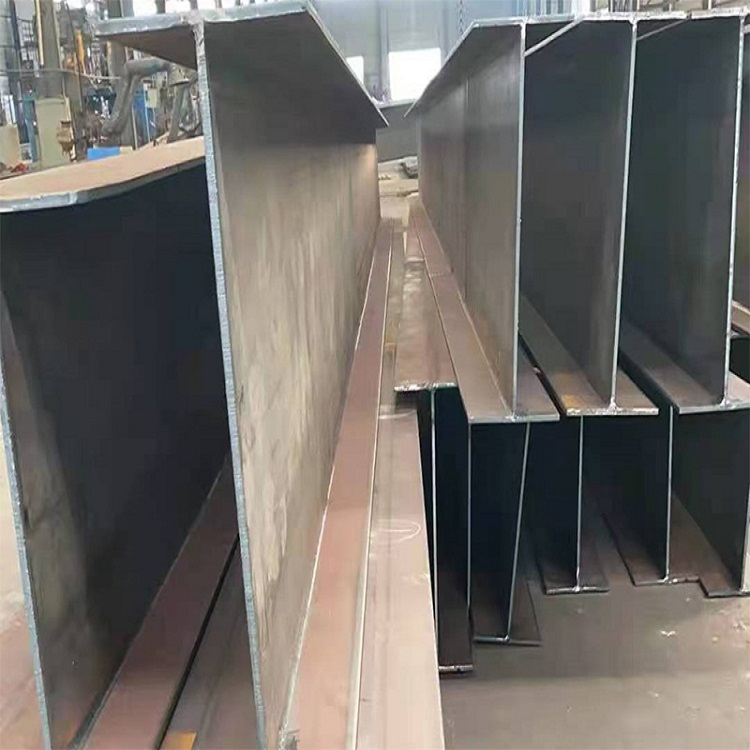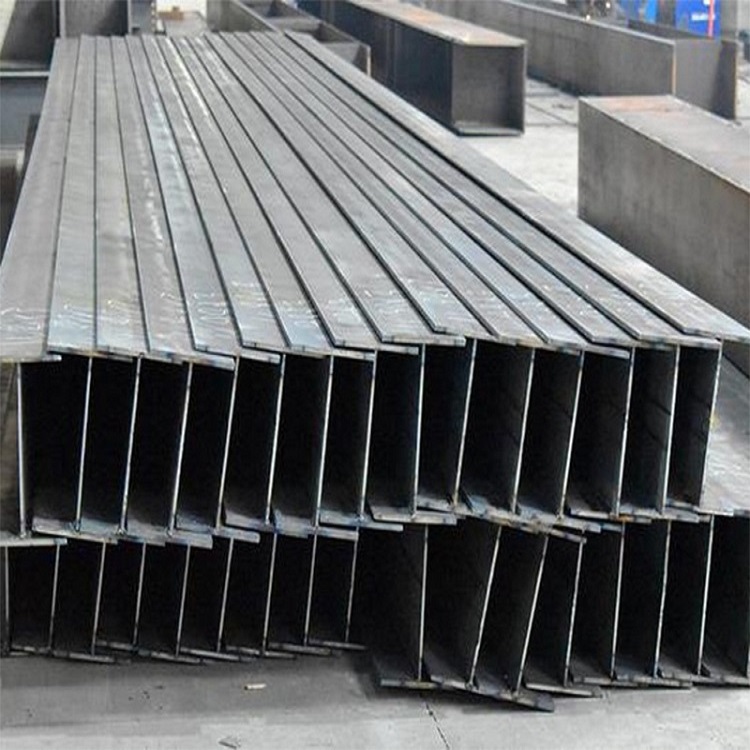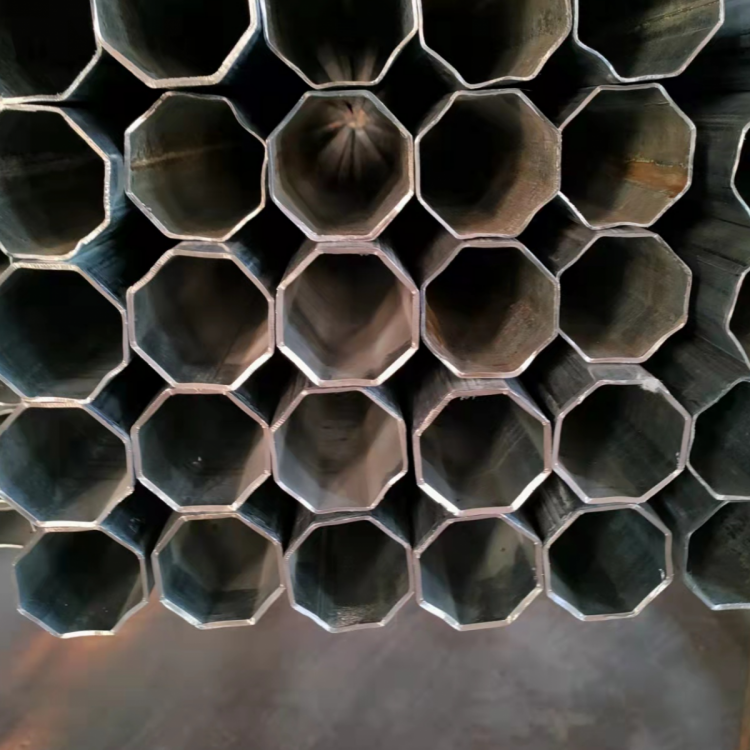

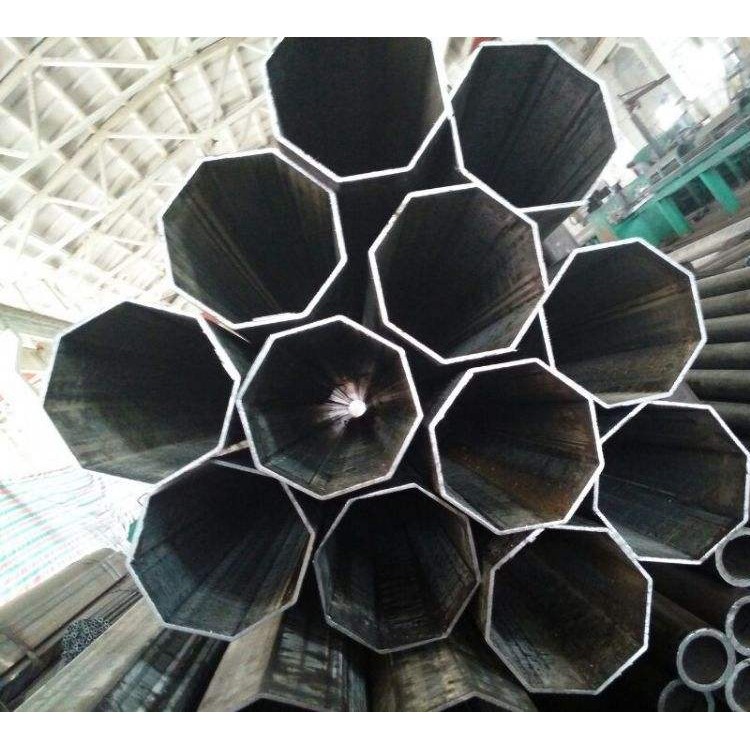














Galvanized八角shaped strip
Galvanized Special Section Tubing
Galvanized Non-Standard Pipe

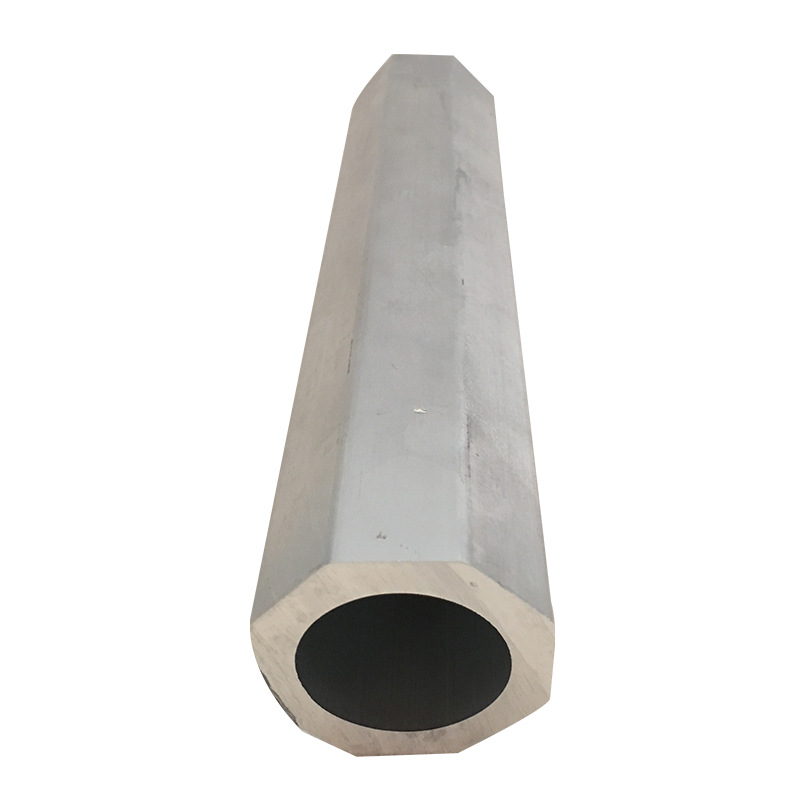
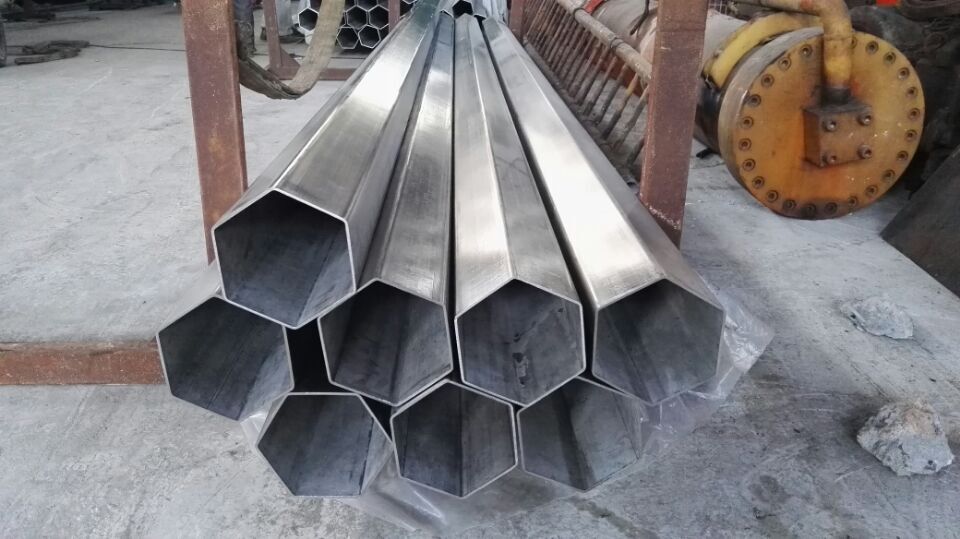
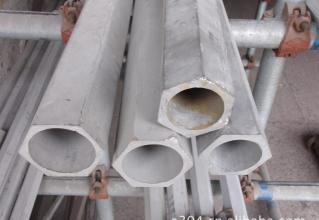

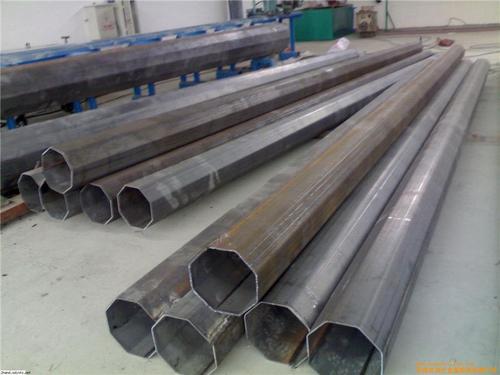
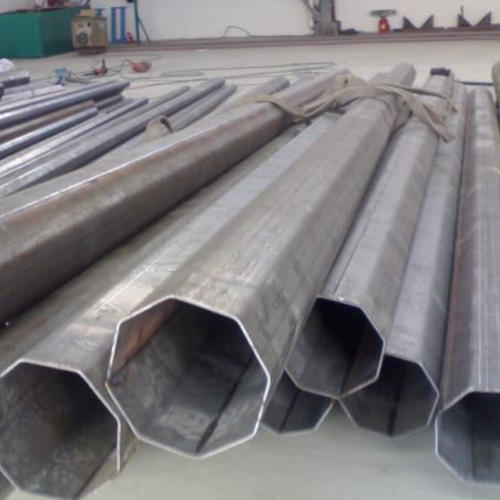
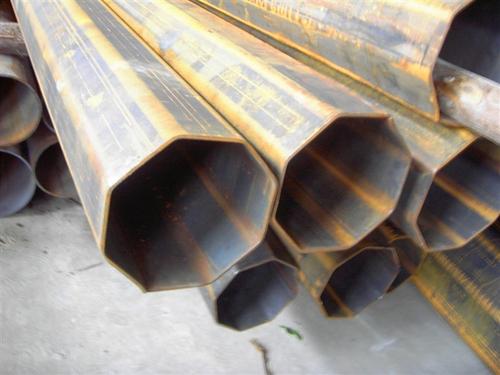
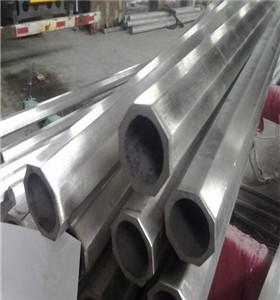
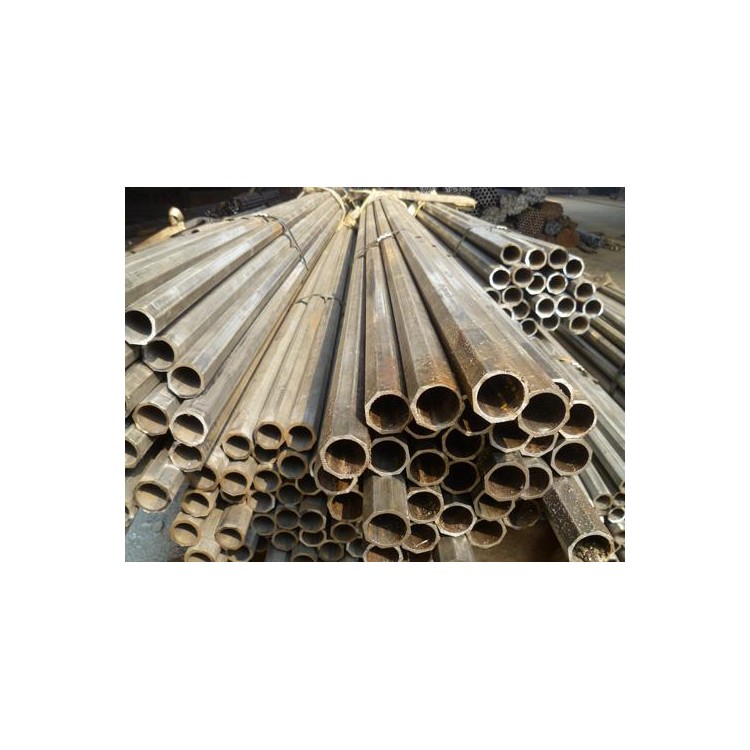
Galvanized八角管
Definition and FeaturesGalvanized octagonal steel tube is a steel tube with an octagonal cross-section, coated with a layer of zinc on its surface. It combines the unique mechanical properties of the octagonal structure, such as high stability and anti-torsion capabilities, with the excellent corrosion resistance provided by the galvanized layer, effectively resisting external environmental erosion and extending its service life.
Production ProcessThe steel strip is typically coiled into octagonal billets using specific molding dies, then welded into shape through high-frequency welding processes, followed by galvanizing. Galvanizing methods include hot-dip galvanizing and electro-galvanizing, with hot-dip galvanizing offering a thicker zinc layer for better corrosion resistance; electro-galvanizing, on the other hand, provides a more even and smooth surface, suitable for applications where appearance is a priority.
Specs and dimensionsStandard sizes range from 20mm to 100mm in length, with thickness typically between 1.0mm and 3.0mm. Custom sizes are available to meet specific application requirements.
Application FieldsBroadly used in the construction industry, serving as decorative lines in octagonal shapes for facade ornamentation, enhancing unique geometric aesthetics; also utilized in mechanical manufacturing for components requiring high stability and torsional resistance, such as robotic arms and drive shafts; in addition, finds application in furniture manufacturing and the construction of agricultural greenhouses.
Galvanized Non-standard Pipe
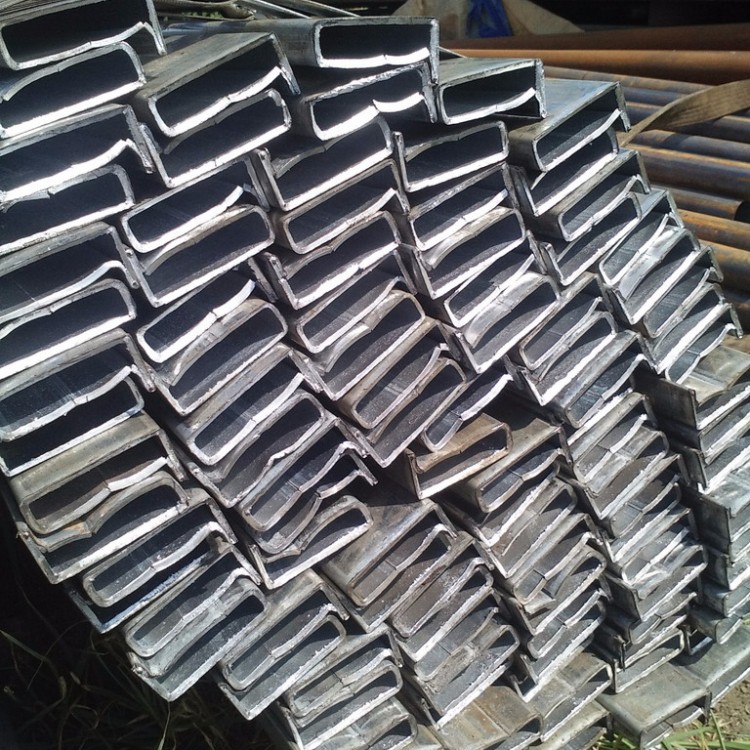
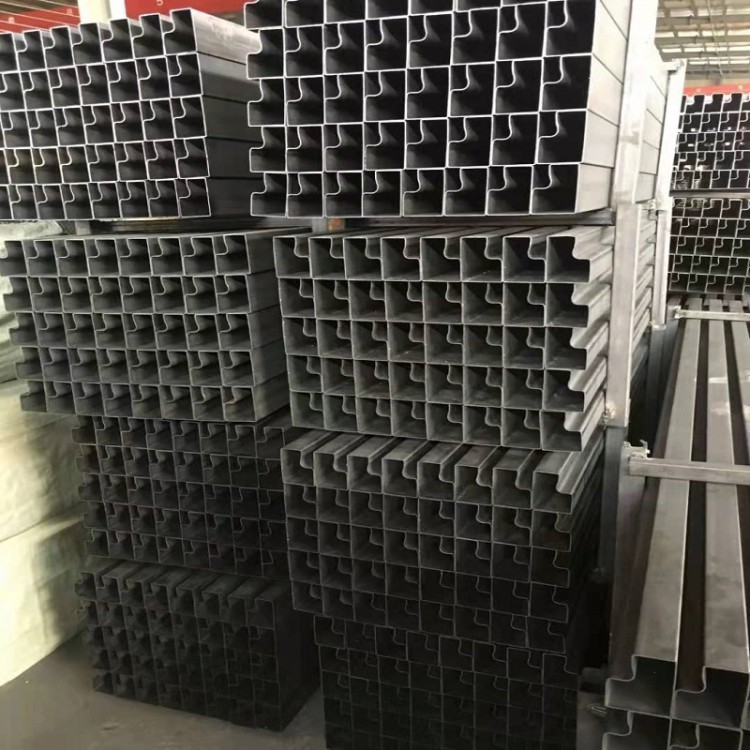
Definition and FeaturesGalvanized special-shaped steel pipes refer to zinc-coated steel pipes that come in shapes other than the common circular, square, and rectangular forms. They offer a diverse range of shapes to meet various special design requirements and, with their zinc coating, provide excellent corrosion and rust resistance, making them suitable for different harsh environments.
Production ProcessThe production process is relatively complex, requiring the design and manufacture of specialized moldings for different non-standard shapes. The steel strip is gradually processed into the required non-standard tube shape through the mold, followed by welding and galvanizing. Due to the unique shape of the non-standard tubes, high precision is required for production equipment and processes.
Common Types and Applications:
Oval tubeIts shape is elliptical, featuring excellent fluid dynamics and aesthetics, commonly used in decoration, furniture manufacturing, fitness equipment, and other fields. For instance, some furniture frames use elliptical tubes to enhance their unique造型 aesthetics.
Semicircular tubeThe semi-circular cross-section offers excellent bending resistance, commonly used in architectural curved structure supports and bridge railings, better conforming to the design requirements of curved shapes and providing stable support.
Hexagonal tubeAs previously mentioned, hexagonal tubes offer high stability and spatial efficiency. Besides being used in mechanical manufacturing and architectural structures, they are also applied in specialized industrial equipment, such as conveyance pipelines in the chemical and food processing industries. Their unique shape helps to minimize material residue within the pipes.
Other complex non-standard pipesThese non-standard pipes, such as sector pipes and trapezoidal pipes, cater to more personalized and specialized design requirements. They are commonly used in creative and artistic architectural decorations and landscape designs, providing designers with greater creative space.
Galvanized Non-Standard Pipe
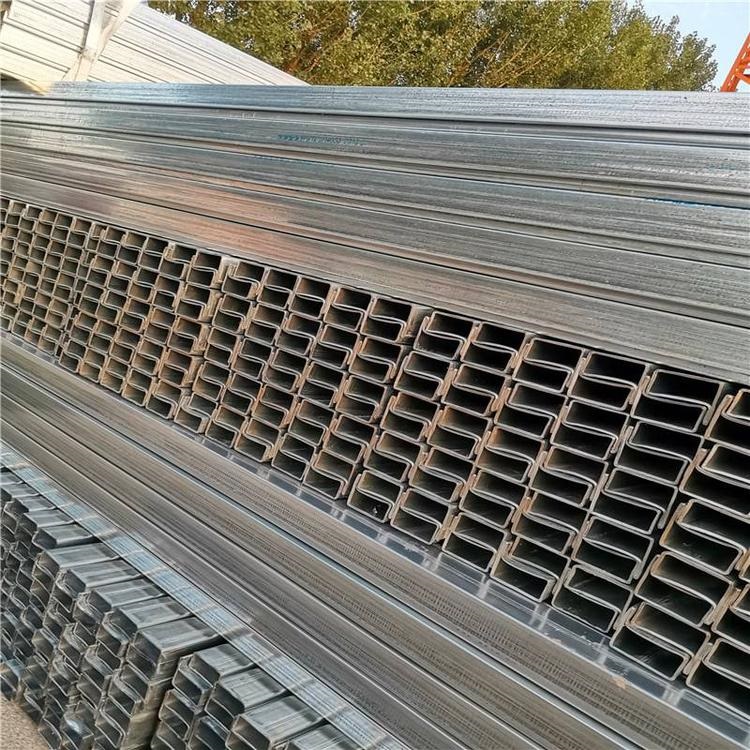
Definition and CharacteristicsGalvanized non-standard pipes refer to zinc-coated steel pipes that do not meet national standard dimensions and specifications. They are custom-manufactured to meet the specific requirements of individual customers. Their key feature is the ability to accommodate various non-standard sizes, shapes, materials, and other requirements, offering strong specificity and adaptability. However, as non-standard products, they typically have smaller production volumes and higher costs.
Production ProcessThe production process requires specialized design and manufacturing based on the detailed specifications and technical requirements provided by the customer. First, suitable raw materials and production techniques must be determined, followed by the creation of corresponding molds or the use of special processing methods to produce non-standard pipes that meet the requirements. Finally, zinc plating is applied to ensure their corrosion resistance.
Application FieldsWidely used in special engineering projects, such as the renovation and maintenance of old buildings, where the existing pipeline systems may have non-standard specifications, zinc-plated non-standard pipes are required for matching replacements; in the manufacturing of customized industrial equipment, zinc-plated non-standard pipes are also customized to meet specific process flow and spatial layout requirements as conveying pipelines or structural components; in addition, in creative projects like artistic sculptures and landscape decorations, zinc-plated non-standard pipes can be customized according to the designer's unique concepts to achieve various unique shapes and functions.