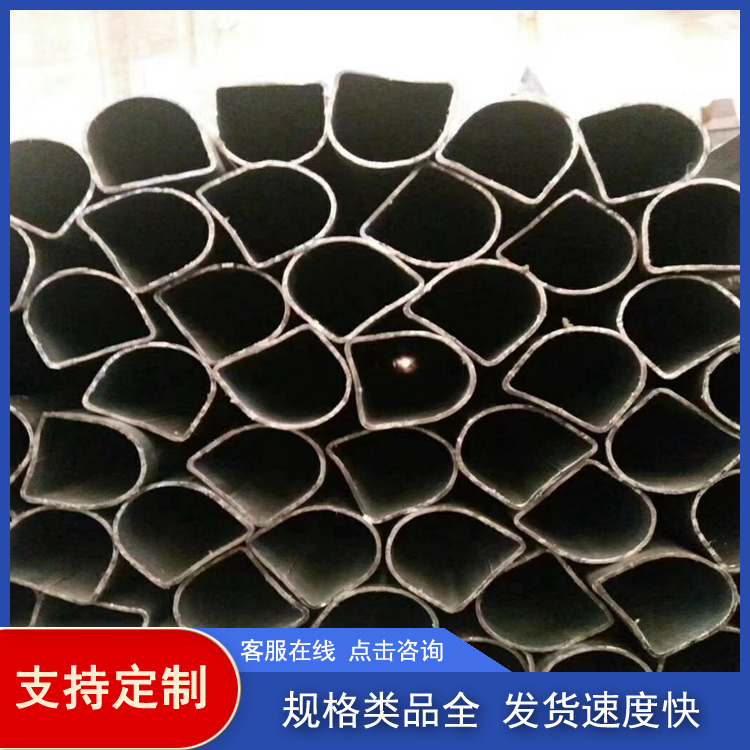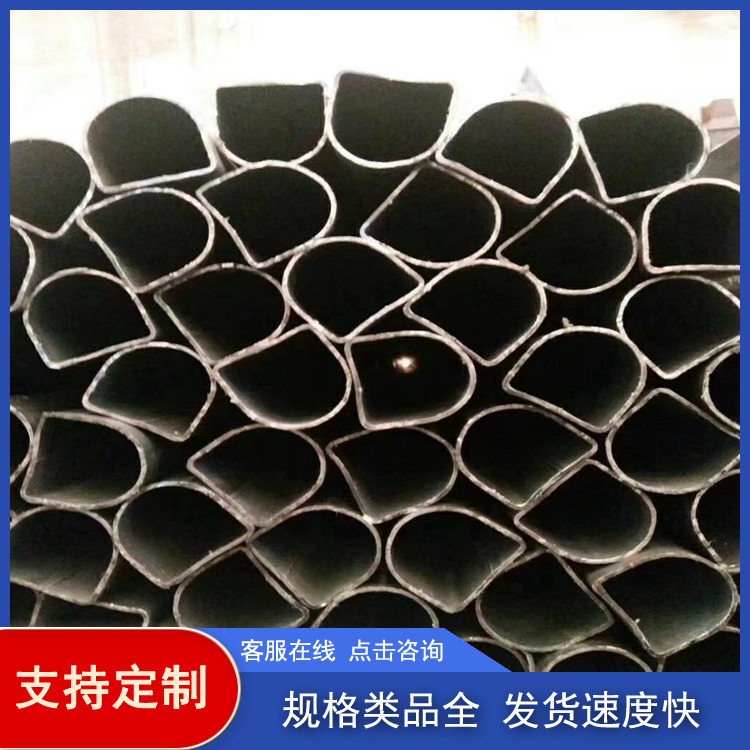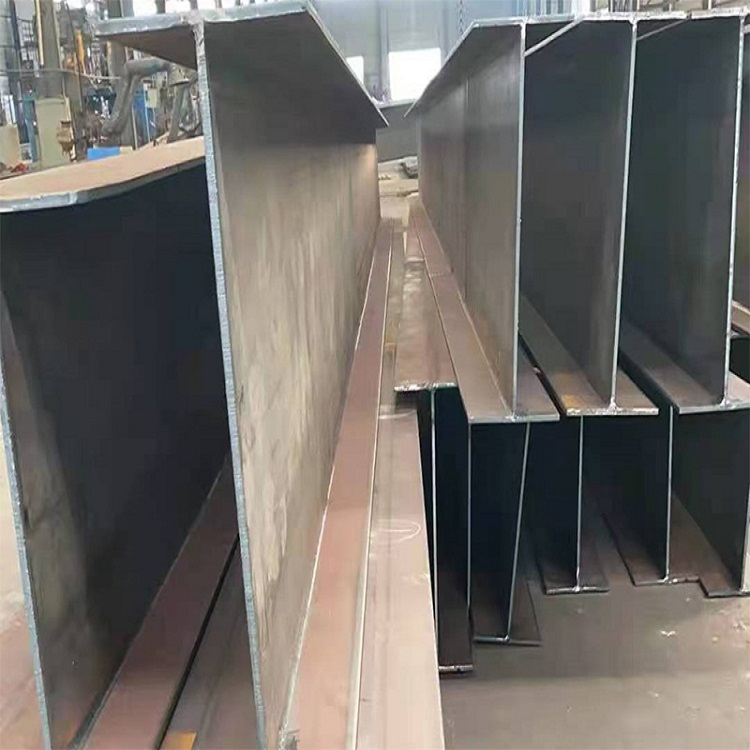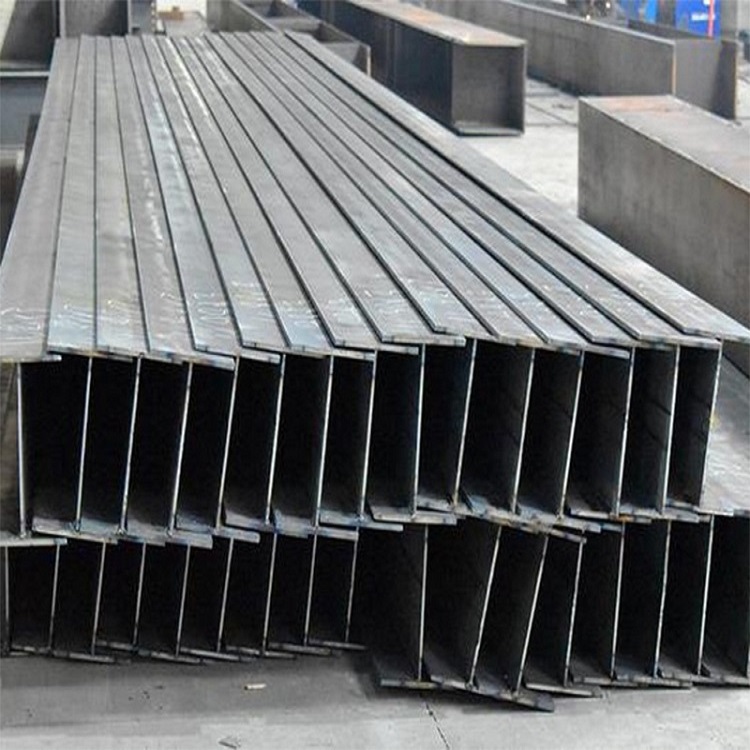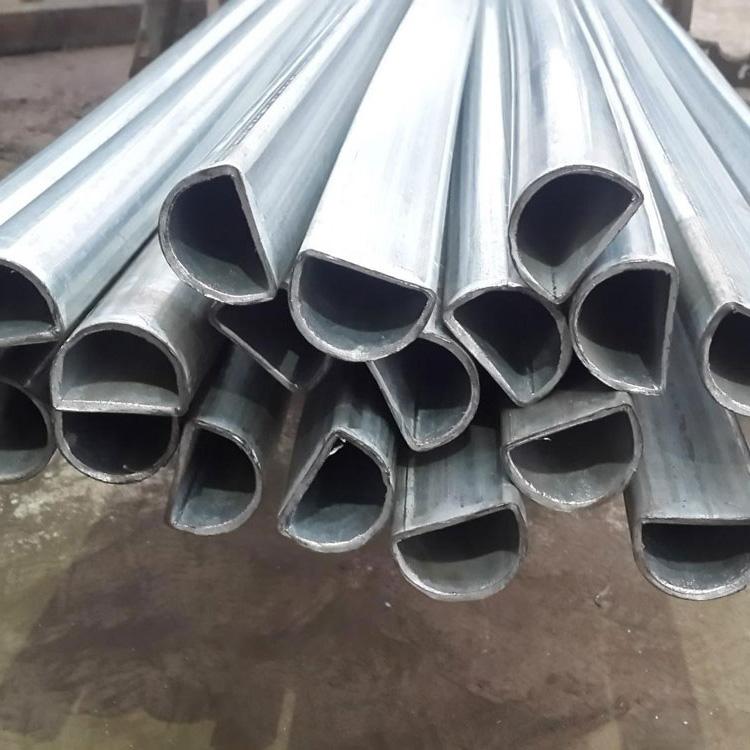

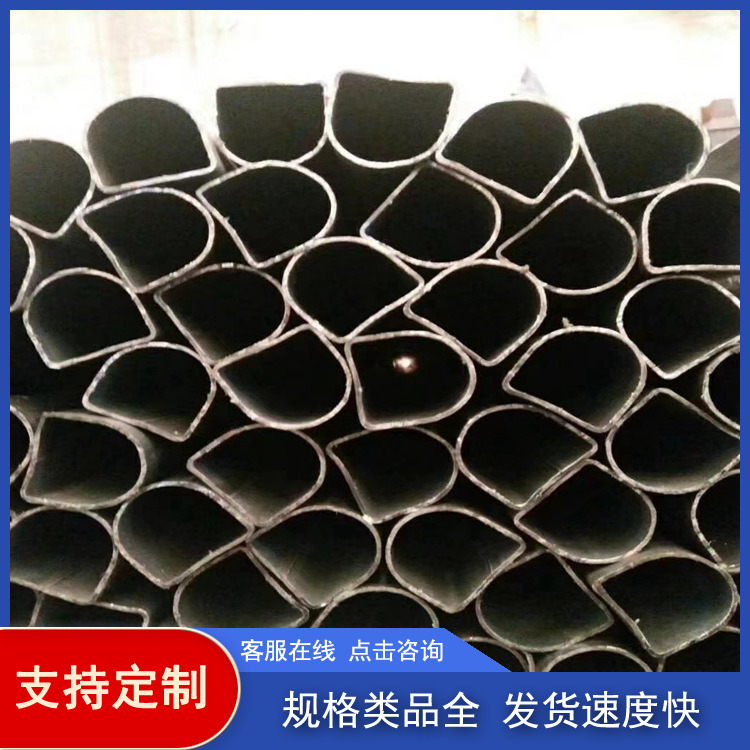














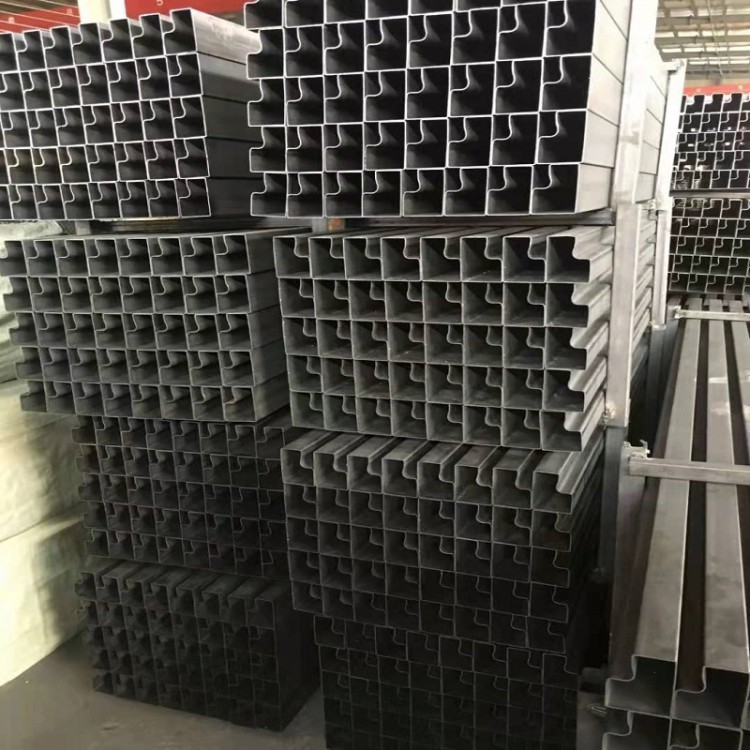
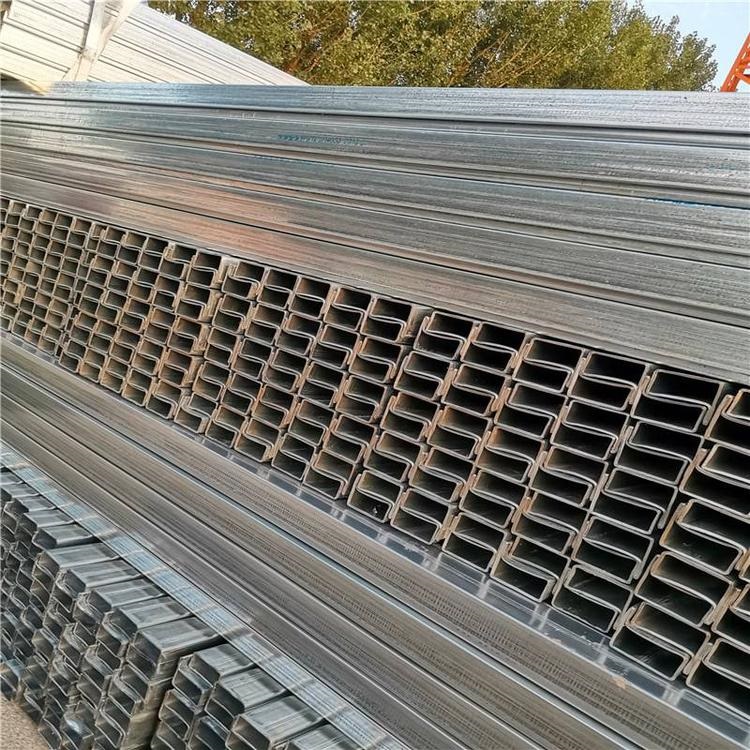
Galvanized Pipe
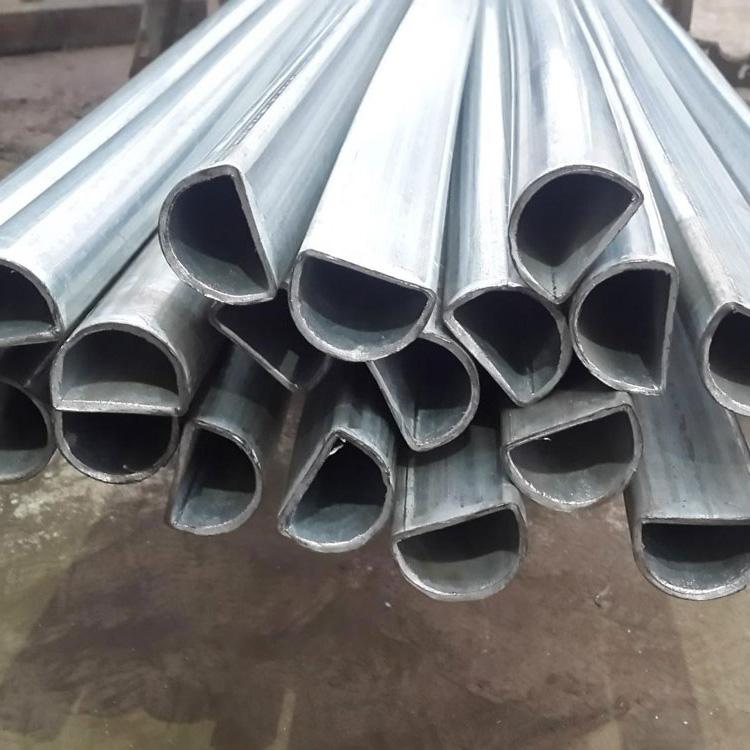
Hot-Dip Galvanized Pipe
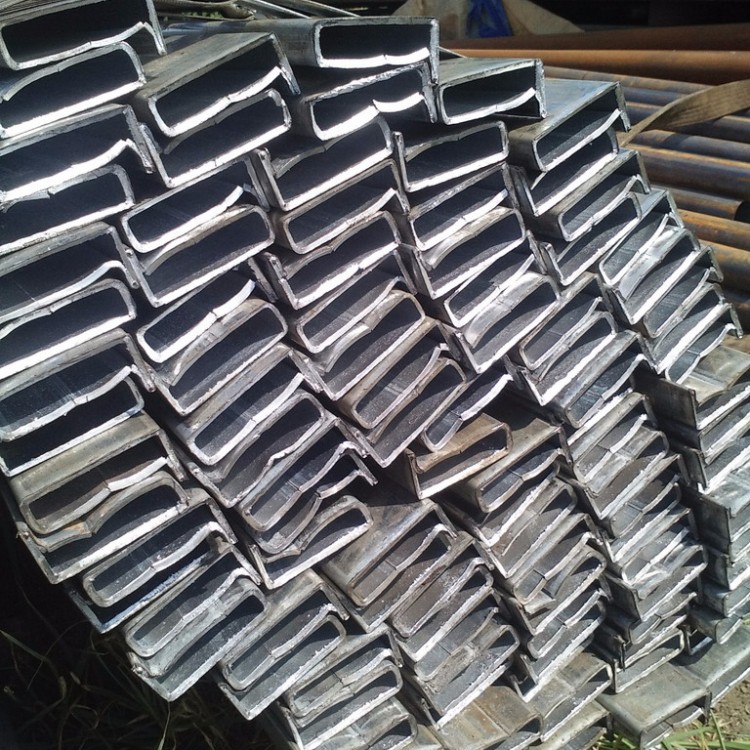
Galvanized Steel Strip Coils
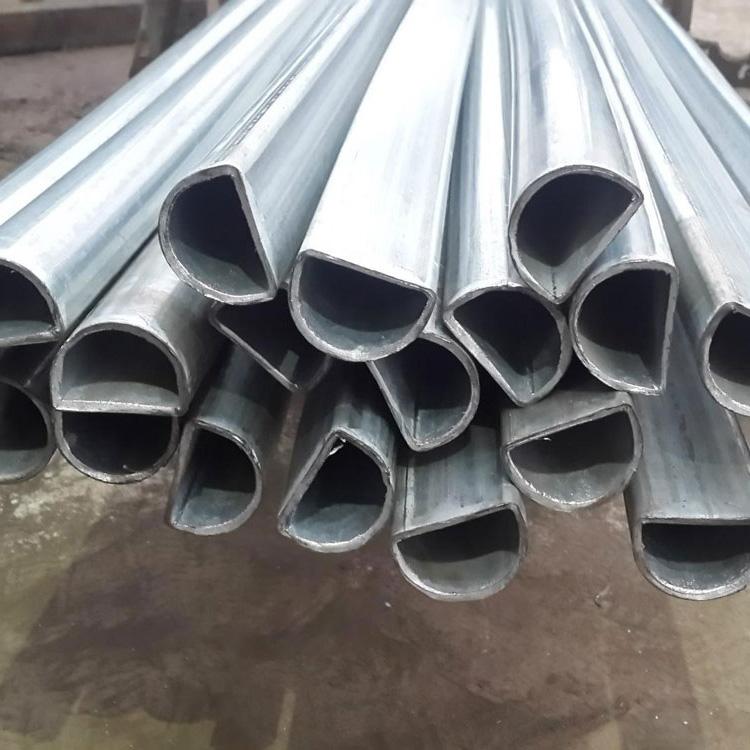 The following is a detailed introduction to galvanized steel pipes, hot-dip galvanized steel pipes, and galvanized strip pipes:
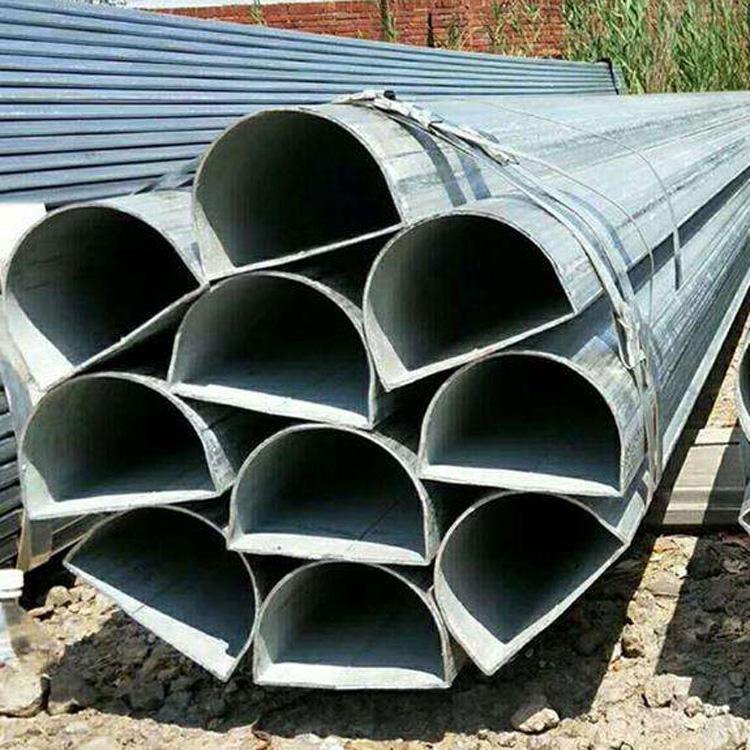
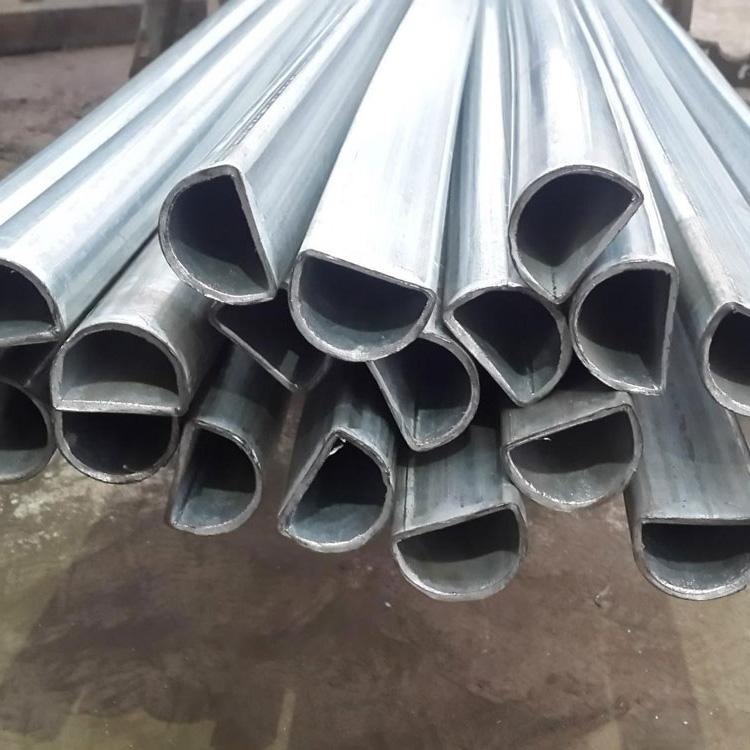
### Galvanized Steel Pipes - **Definition**: Galvanized steel pipes are steel pipes with a layer of zinc applied to the surface. The galvanizing process effectively prevents corrosion of the steel pipes, extending their service life. - **Features**: - **Corrosion Resistance**: The zinc layer forms a dense protective film on the surface of the steel pipes, isolating them from external corrosive media such as air and moisture, slowing down the corrosion rate, and enhancing durability. - **Aesthetically Pleasing**: The galvanized layer gives the steel pipes a silver-gray metallic luster, making them visually appealing with some decorative value, suitable for occasions with appearance requirements. - **Good Processing Properties**: Galvanized steel pipes retain some of the good processing properties of steel pipes, such as bendability and weldability, making them easy to process and install according to different usage needs. - **Application Fields**: Widely used in various industries such as construction, mechanical manufacturing, automotive manufacturing, power, and communication, including water supply and drainage pipes in construction, structural components and guardrails in mechanical manufacturing, and exhaust pipes in automotive manufacturing.
### Hot-Dip Galvanized Steel Pipes - **Definition**: Hot-dip galvanized steel pipes are steel pipes made by a galvanizing process that causes the molten metal to react with the iron substrate to form an alloy layer, thereby combining the substrate and the galvanized layer. - **Features**: - **Enhanced Corrosion Resistance**: The alloy layer formed between the hot-dip galvanized layer and the steel pipe substrate makes the galvanized layer more firmly bonded to the steel pipe, less likely to peel off, and provides superior corrosion resistance compared to ordinary galvanized steel pipes, enabling long-term use in harsh environments. - **Thicker Galvanized Layer**: The hot-dip galvanizing process can produce a relatively thick galvanized layer, further enhancing the corrosion resistance and service life of the steel pipes. Typically, the galvanized layer thickness of hot-dip galvanized steel pipes can reach several tens of micrometers or even over a hundred micrometers. - **Wide Environmental Adaptability**: Due to its excellent corrosion resistance, hot-dip galvanized steel pipes can adapt to various natural and industrial environments, such as humid coastal areas, acidic or alkaline corrosive chemical facilities, etc. - **Application Fields**: Mainly used in situations requiring corrosion resistance, such as the construction of outdoor large facilities like oil and gas pipelines, bridge structures, power transmission towers, and communication base stations, as well as industrial pipeline systems that are long-term exposed to harsh environments.
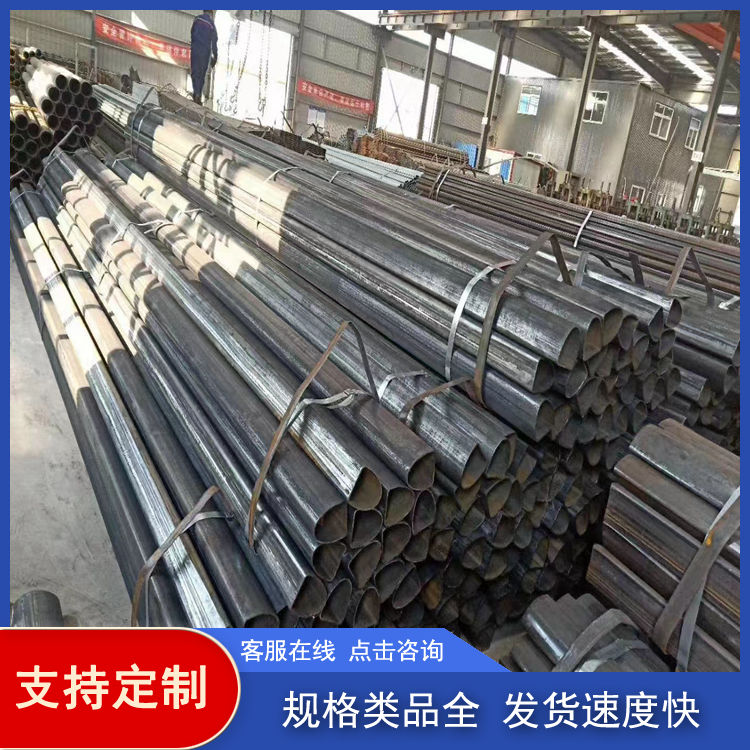
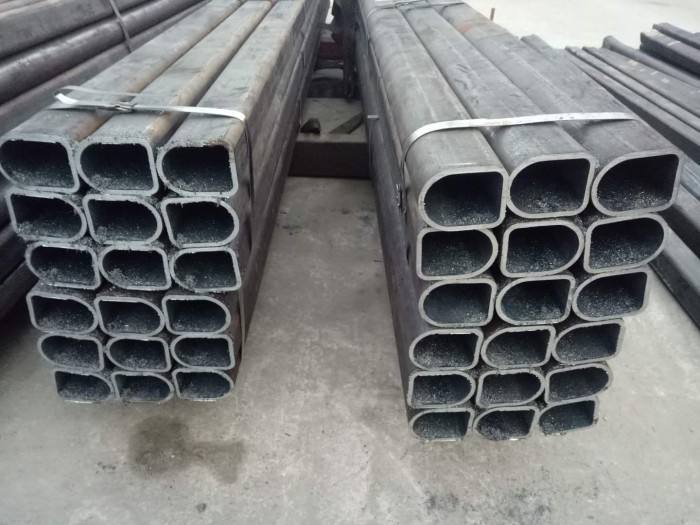
### Galvanized Strip Pipes - **Definition**: Galvanized strip pipes are steel pipes produced by a continuous galvanizing process after cold-rolling or hot-rolling steel strips, also known as galvanized strip steel pipes. - **Features**: - **Cost-Effective Production**: The production process of galvanized strip pipes is relatively simple, with high production efficiency, and the cost of steel strip raw materials is relatively low, making the production cost lower than that of hot-dip galvanized pipes, offering some cost advantage. - **Good Surface Quality**: The continuous galvanizing process ensures a uniform and smooth galvanized layer on the surface of the steel pipes, resulting in good surface quality with no obvious zinc nodules or burrs, and a visually appealing appearance. - **High Dimensional Accuracy**: Through rolling and galvanizing control during production, galvanized strip pipes can achieve high dimensional accuracy, which is beneficial for improving the assembly and usage performance of the steel pipes. - **Application Fields**: Suitable for situations where corrosion resistance is not particularly strict but cost control is sensitive, such as temporary guardrails in construction, the frames of agricultural greenhouses, and ordinary wiring pipes, etc.
Galvanized steel pipes, hot-dip galvanized steel pipes, and galvanized strip pipes differ in terms of corrosion resistance, production cost, and application fields. Users should consider specific usage environments, engineering requirements, and budget factors when selecting the appropriate pipe material.
The following is a detailed introduction to galvanized steel pipes, hot-dip galvanized steel pipes, and galvanized strip pipes:
### Galvanized Steel Pipes - **Definition**: Galvanized steel pipes are steel pipes with a layer of zinc applied to the surface. The galvanizing process effectively prevents corrosion of the steel pipes, extending their service life. - **Features**: - **Corrosion Resistance**: The zinc layer forms a dense protective film on the surface of the steel pipes, isolating them from external corrosive media such as air and moisture, slowing down the corrosion rate, and enhancing durability. - **Aesthetically Pleasing**: The galvanized layer gives the steel pipes a silver-gray metallic luster, making them visually appealing with some decorative value, suitable for occasions with appearance requirements. - **Good Processing Properties**: Galvanized steel pipes retain some of the good processing properties of steel pipes, such as bendability and weldability, making them easy to process and install according to different usage needs. - **Application Fields**: Widely used in various industries such as construction, mechanical manufacturing, automotive manufacturing, power, and communication, including water supply and drainage pipes in construction, structural components and guardrails in mechanical manufacturing, and exhaust pipes in automotive manufacturing.
### Hot-Dip Galvanized Steel Pipes - **Definition**: Hot-dip galvanized steel pipes are steel pipes made by a galvanizing process that causes the molten metal to react with the iron substrate to form an alloy layer, thereby combining the substrate and the galvanized layer. - **Features**: - **Enhanced Corrosion Resistance**: The alloy layer formed between the hot-dip galvanized layer and the steel pipe substrate makes the galvanized layer more firmly bonded to the steel pipe, less likely to peel off, and provides superior corrosion resistance compared to ordinary galvanized steel pipes, enabling long-term use in harsh environments. - **Thicker Galvanized Layer**: The hot-dip galvanizing process can produce a relatively thick galvanized layer, further enhancing the corrosion resistance and service life of the steel pipes. Typically, the galvanized layer thickness of hot-dip galvanized steel pipes can reach several tens of micrometers or even over a hundred micrometers. - **Wide Environmental Adaptability**: Due to its excellent corrosion resistance, hot-dip galvanized steel pipes can adapt to various natural and industrial environments, such as humid coastal areas, acidic or alkaline corrosive chemical facilities, etc. - **Application Fields**: Mainly used in situations requiring corrosion resistance, such as the construction of outdoor large facilities like oil and gas pipelines, bridge structures, power transmission towers, and communication base stations, as well as industrial pipeline systems that are long-term exposed to harsh environments.
### Galvanized Strip Pipes - **Definition**: Galvanized strip pipes are steel pipes produced by a continuous galvanizing process after cold-rolling or hot-rolling steel strips, also known as galvanized strip steel pipes. - **Features**: - **Cost-Effective Production**: The production process of galvanized strip pipes is relatively simple, with high production efficiency, and the cost of steel strip raw materials is relatively low, making the production cost lower than that of hot-dip galvanized pipes, offering some cost advantage. - **Good Surface Quality**: The continuous galvanizing process ensures a uniform and smooth galvanized layer on the surface of the steel pipes, resulting in good surface quality with no obvious zinc nodules or burrs, and a visually appealing appearance. - **High Dimensional Accuracy**: Through rolling and galvanizing control during production, galvanized strip pipes can achieve high dimensional accuracy, which is beneficial for improving the assembly and usage performance of the steel pipes. - **Application Fields**: Suitable for situations where corrosion resistance is not particularly strict but cost control is sensitive, such as temporary guardrails in construction, the frames of agricultural greenhouses, and ordinary wiring pipes, etc.
Galvanized steel pipes, hot-dip galvanized steel pipes, and galvanized strip pipes differ in terms of corrosion resistance, production cost, and application fields. Users should consider specific usage environments, engineering requirements, and budget factors when selecting the appropriate pipe material.