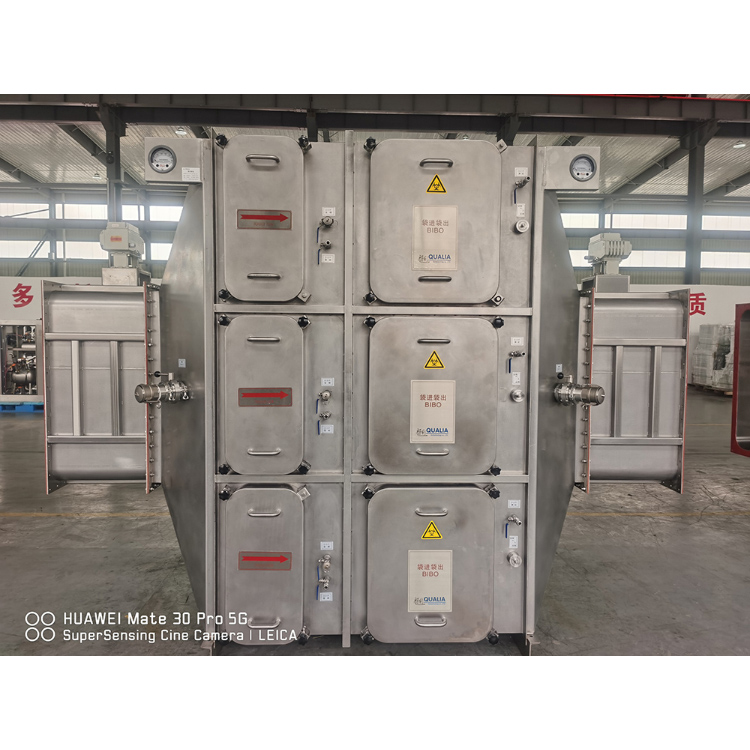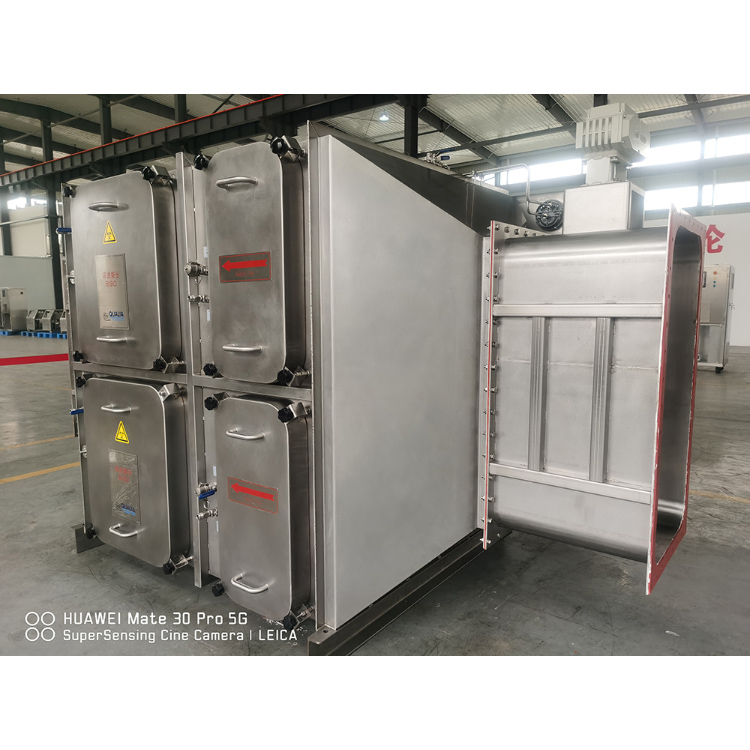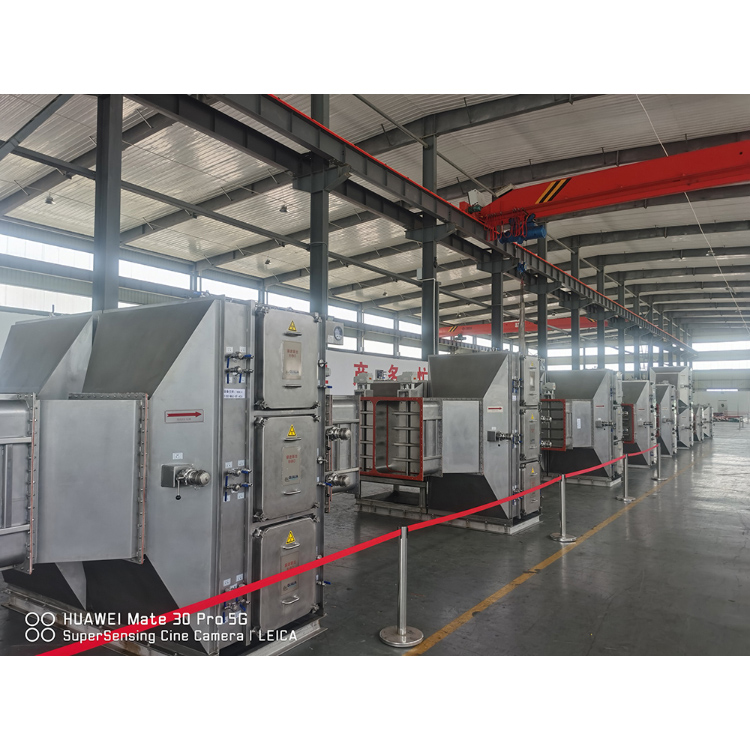











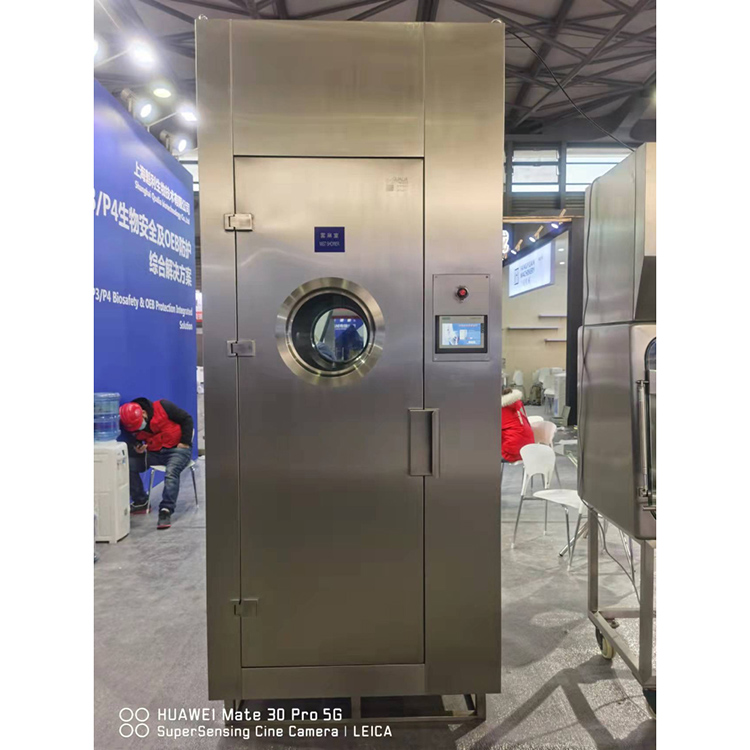

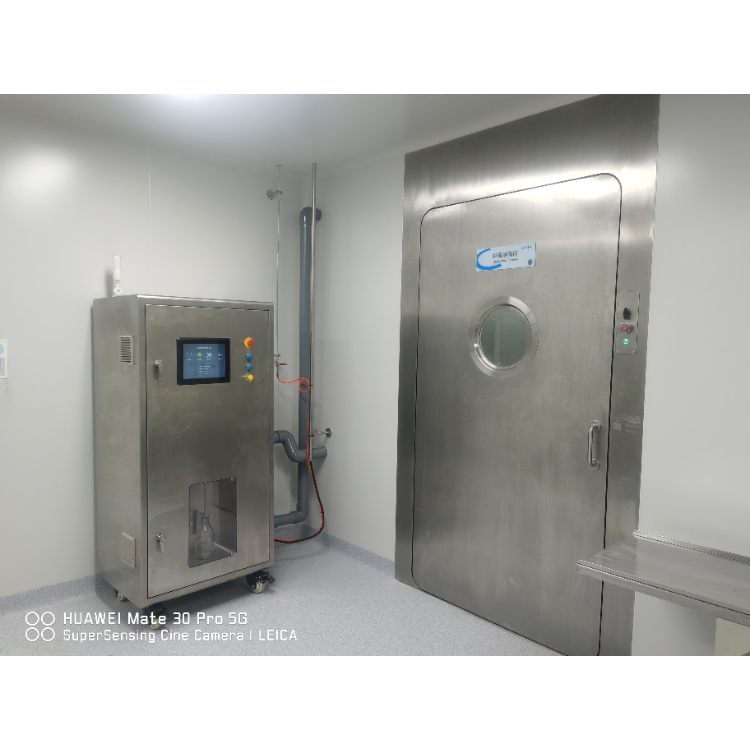
Kweili Co. produces bag-in-bag-out systems, primarily used for: chemical and biological (CB) protection, P3/P4 laboratories, etc.
The bag-in-bag-out filter features include installation, replacement, and inspection of the filter all being carried out under the protection of a PVC bag (or a high-temperature bag), ensuring that the filter unit does not come into contact with external air. This guarantees safety for both personnel and the environment, making the replacement process convenient.
Product Features
The product features a compact structure, exquisite design, and includes a single, double filtration, and room air outlet BIBO system.
2. All equipment must undergo testing prior to shipment, including a leak-tightness test (pressure test) to ensure there are no leaks before dispatch.
3. The product features a modular design that can be stacked for use, ensuring a robust structure.
4. BIBO accessories include sampling rings, sampling holes, manual/automatic scanning segments, differential pressure sensors, and mechanical heat-sealing plastic machines with sealed valves.
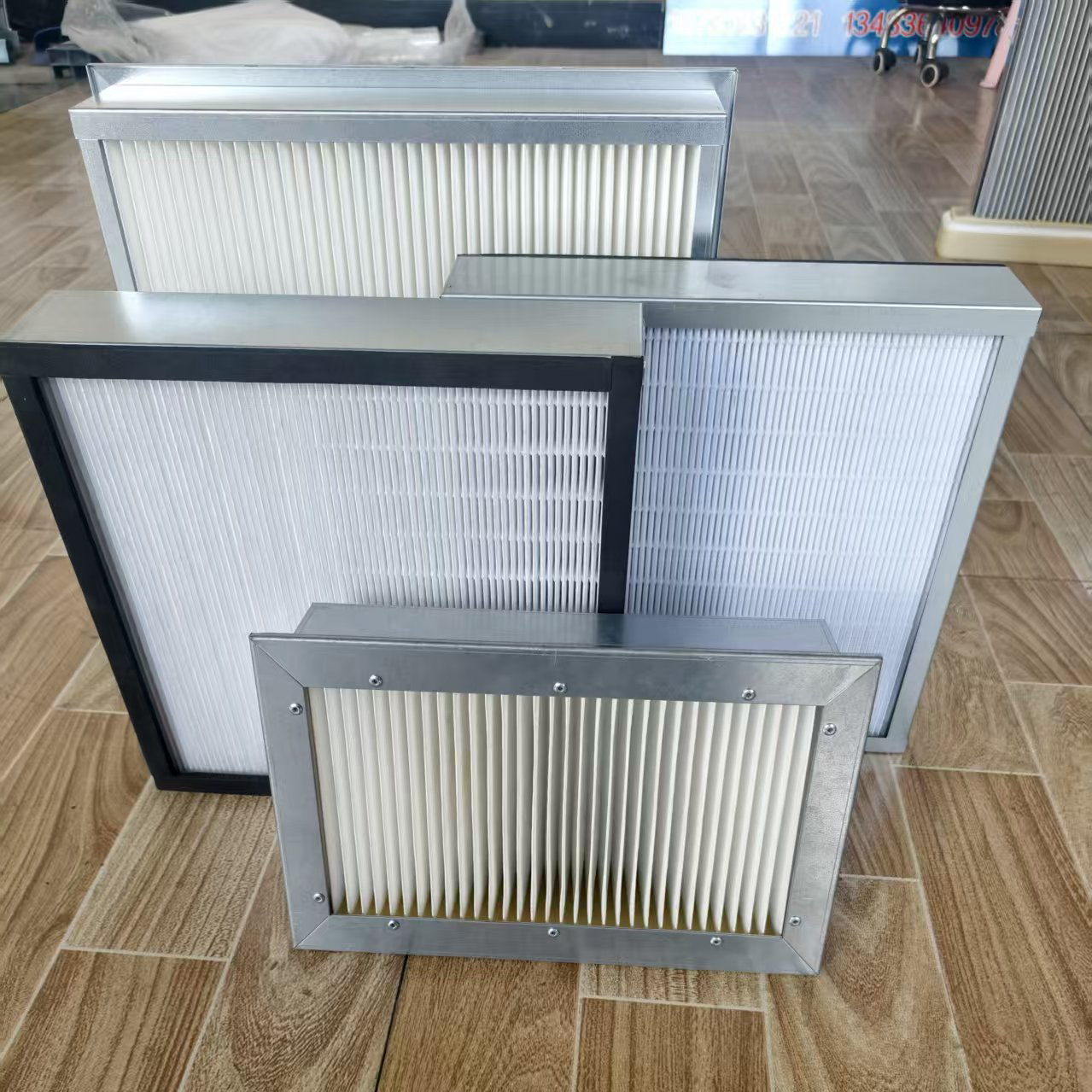
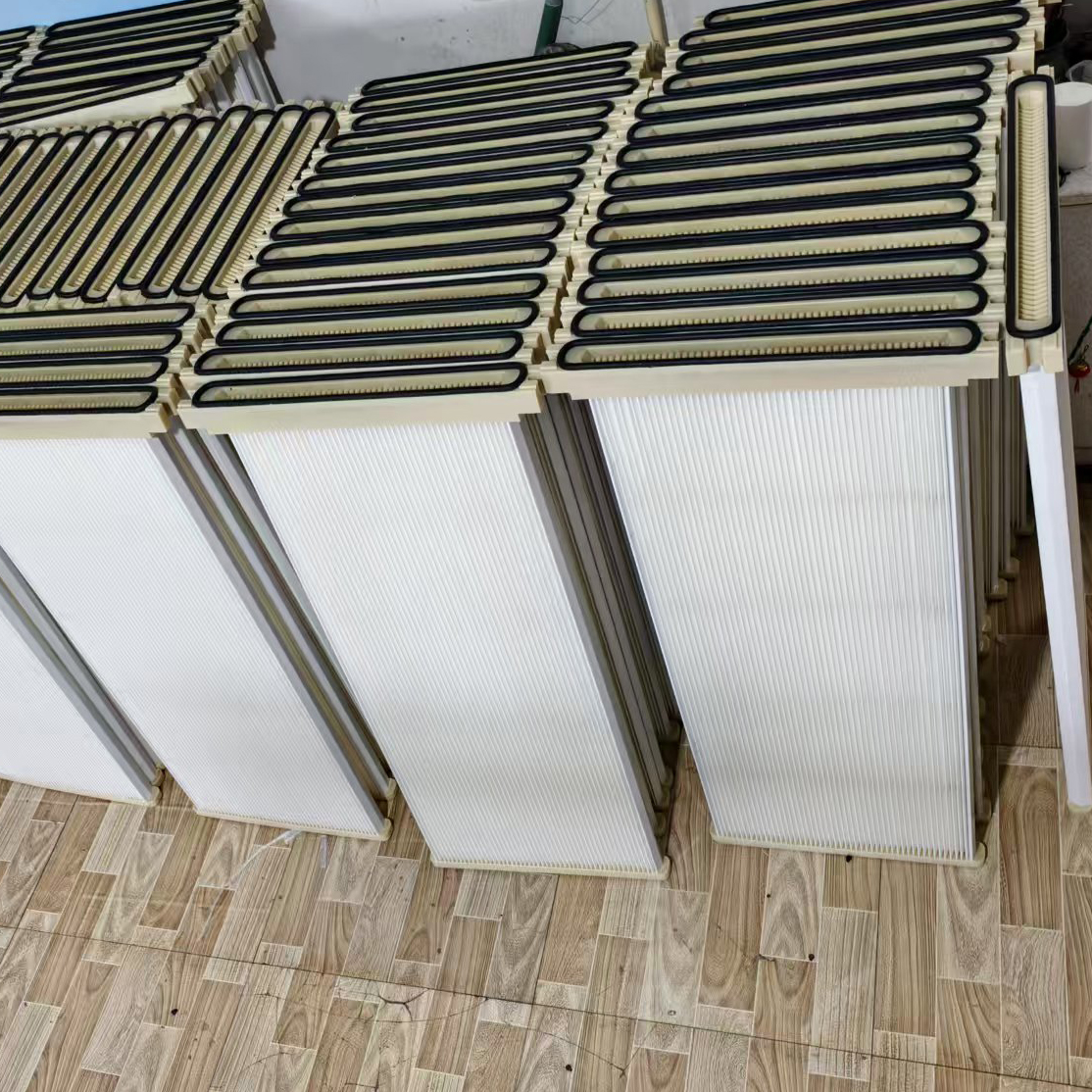
The BIBO bag-in/bag-out safety filter change box can be used simultaneously in both vertical and horizontal flow environments. The BIBO filter box can be installed individually, as a modular system, or in parallel, and can accommodate either a single HEPA high-efficiency filter or a HEPA high-efficiency filter with a pre-filter.
Technical Parameters Introduction
1. Utilizing high-density EPDM (Ethylene Propylene Diene Monomer) sealing strips, offering strong sealing performance.
2. The overall structure is fully welded with stainless steel.
3. Full stainless steel frame high-efficiency filter clamping and replacement mechanism.
4. Unique online scanner (linear and fixed-point scanner options available) approved technology
Equipment Usage Instructions
Work Environment: -30℃ to -60℃
Electrical shut-off valves with configurable ends
Airflow Selection: 1700 m³/s, 3500 m³/s.
Stackable and combinable
Filter Efficiency: H13, H14
Airtightness Test: At positive and negative pressure of 2000Pa, the minute leakage rate does not exceed 0.1% of the device's net volume; under positive and negative pressure of 5000Pa, the structure does not deform.