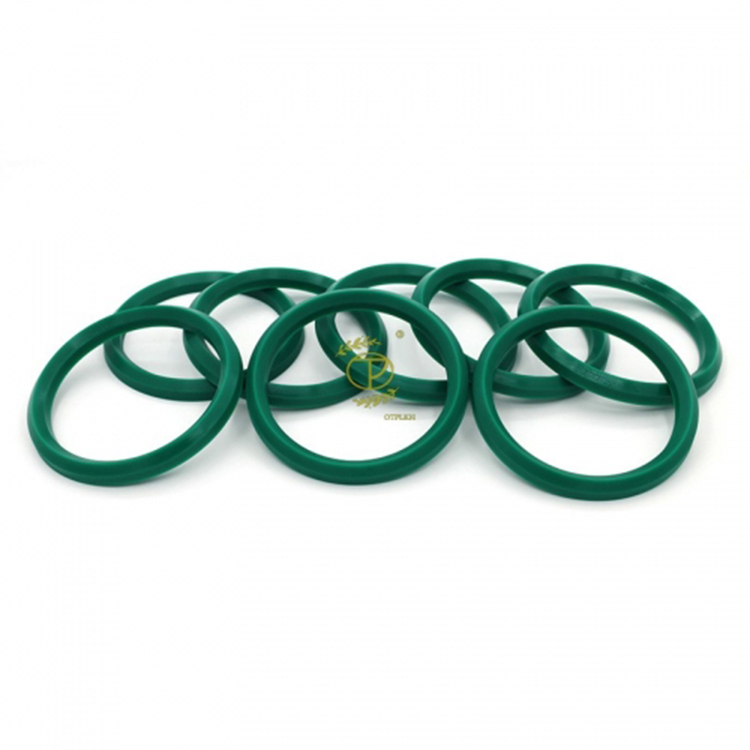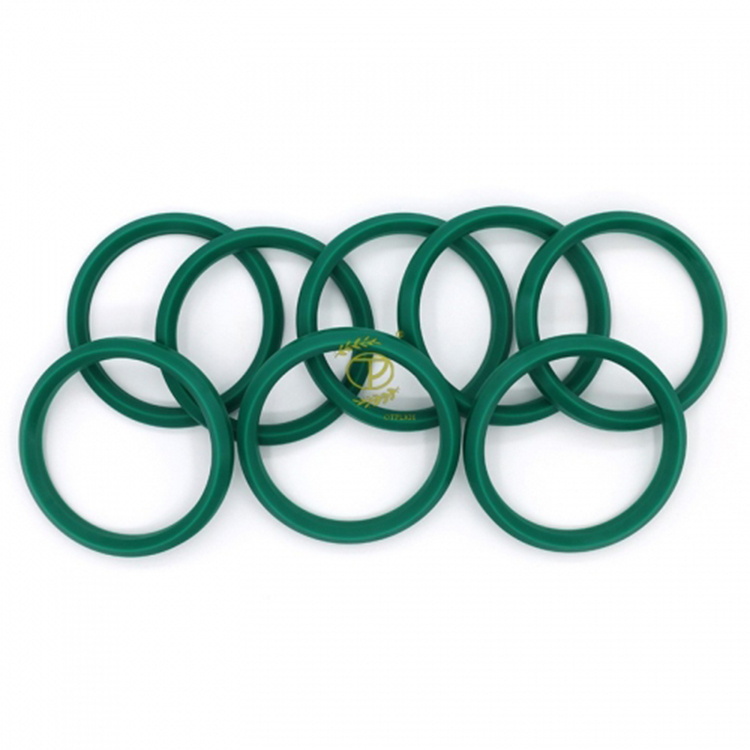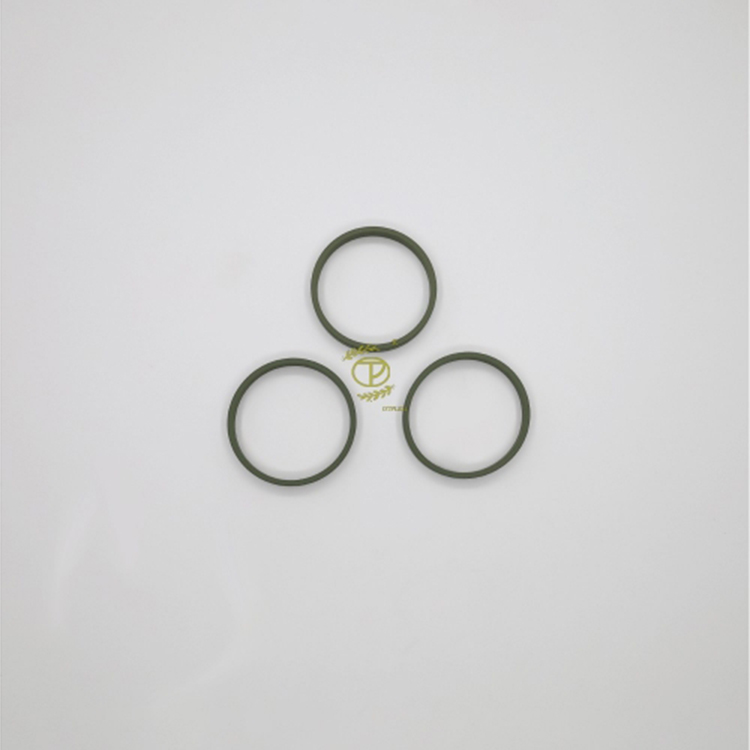

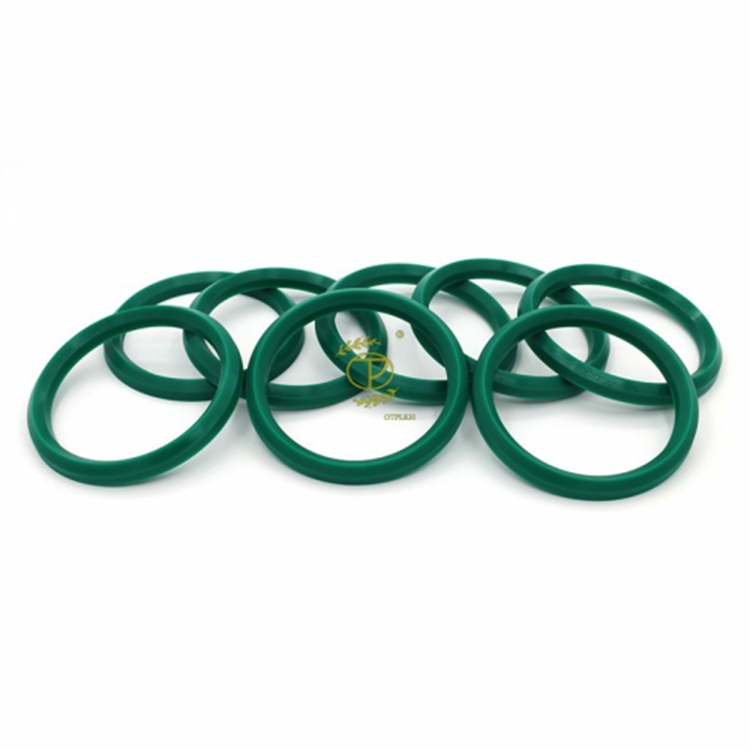

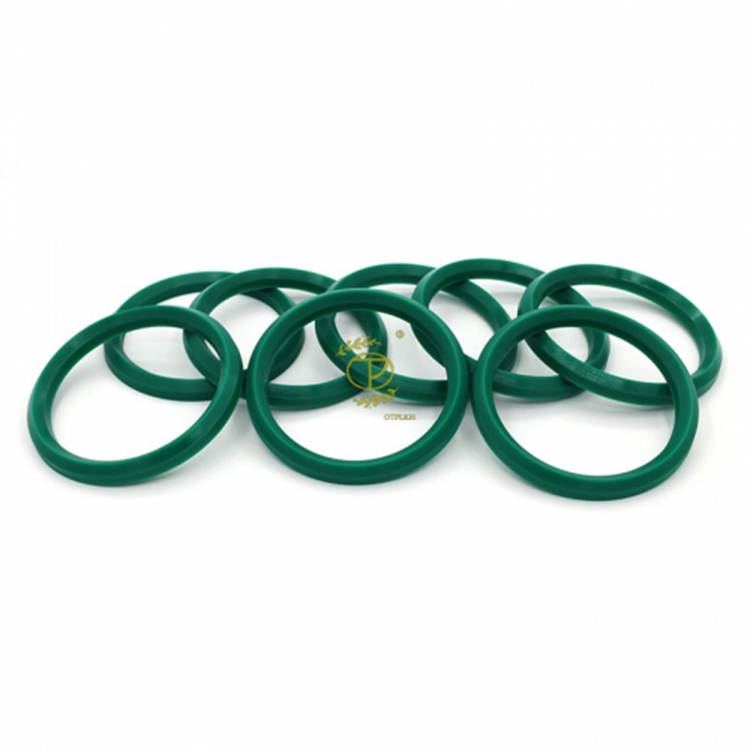








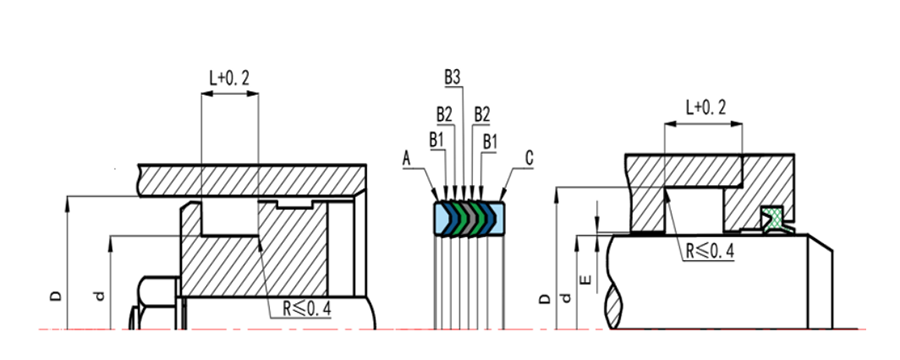
V-seal ring structure
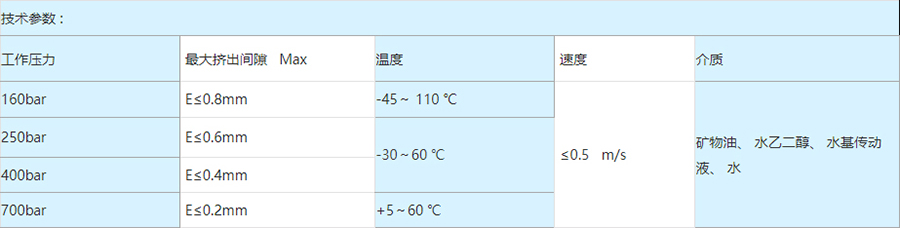
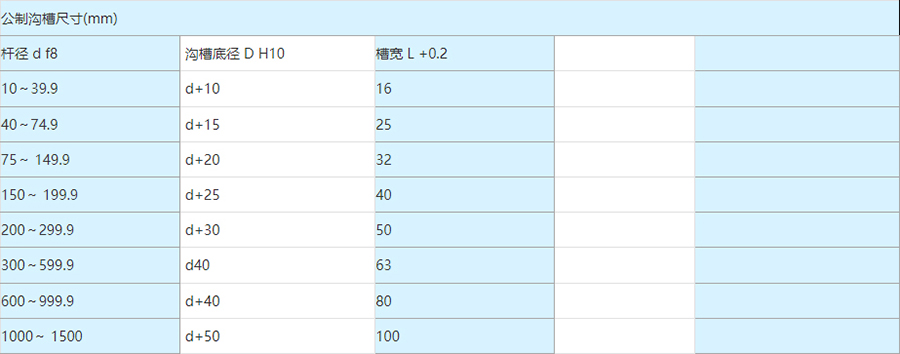
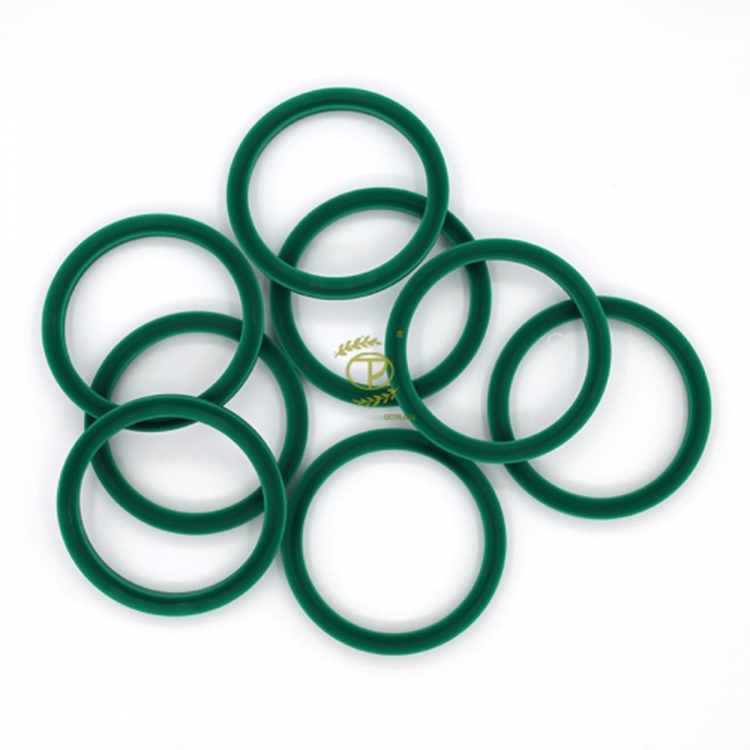
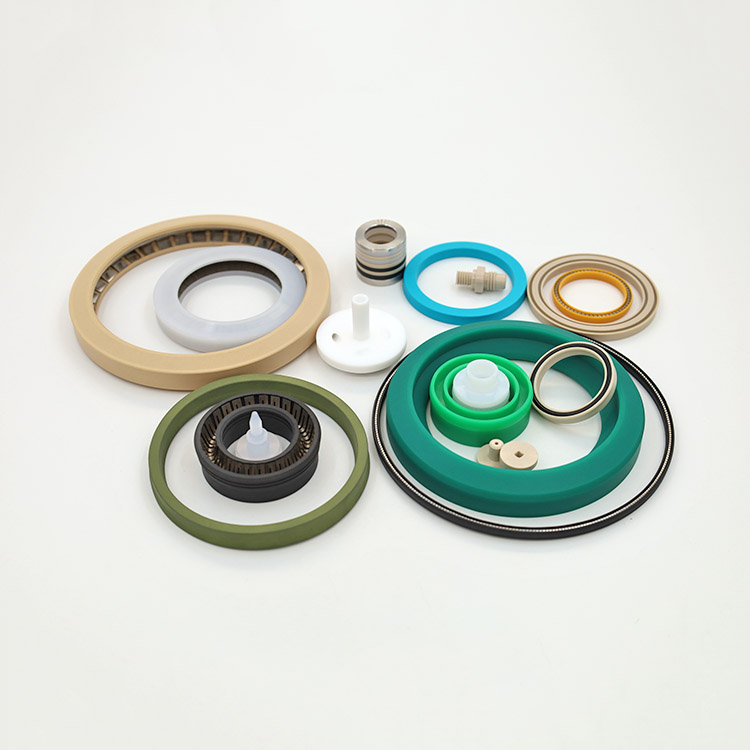
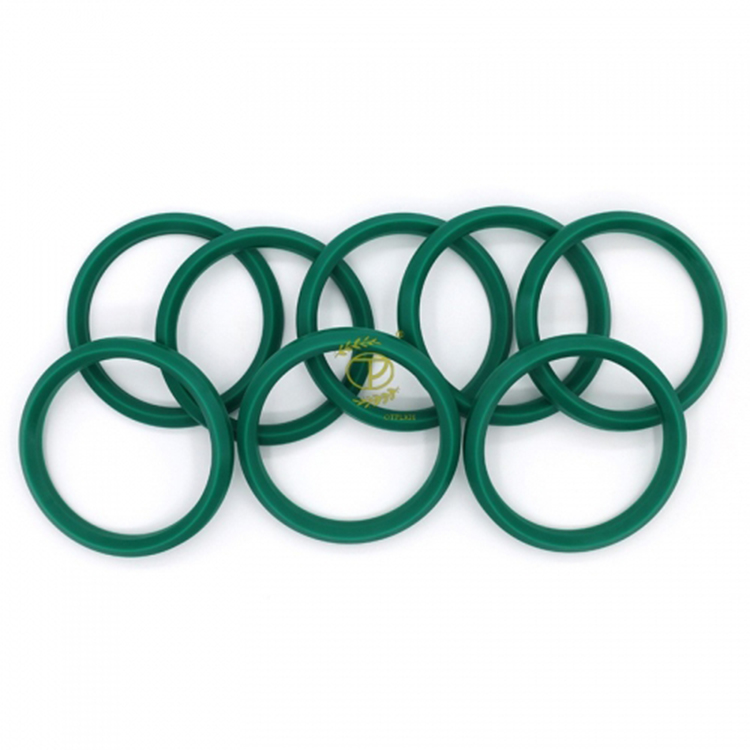
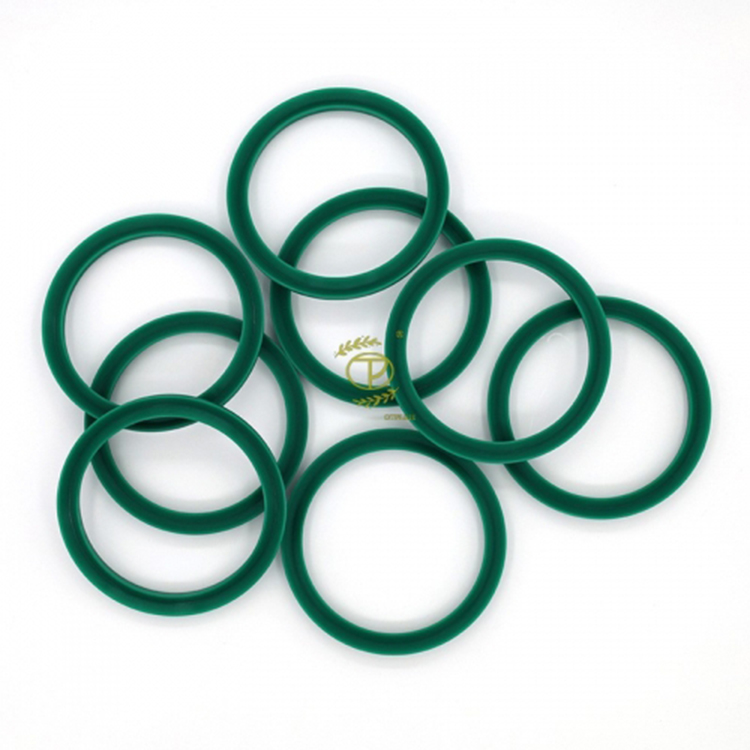
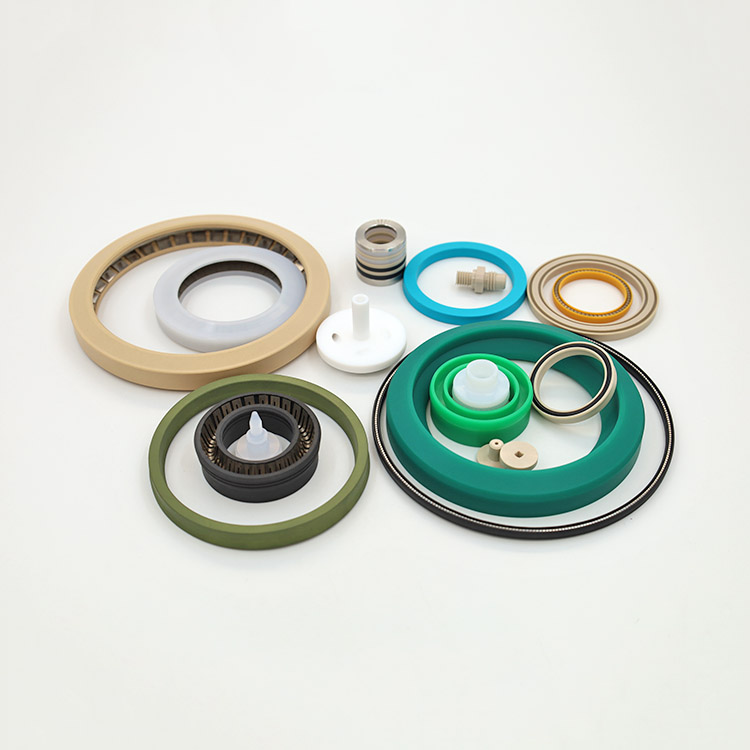
The purpose of the pressure ring is to provide an initial compression to the V-seal, ensuring full contact with the sealed surface and allowing for adjustable compression of the V-seal. The V-seal assembly consists of three components: the support ring, the seal, and the pressure ring. The standard included angle of the V-seal is 90°, with 60° also used in special applications. The support ring is a critical component for supporting the V-seal, featuring a thick and sturdy cross-section, precise dimensions, and a concave angle that matches or slightly exceeds the V-seal's angle (90°), ensuring stable placement of the seal.
Sealing Principle:
In its free state, the outer diameter of the V-seal lip is greater than the inner diameter of the stuffing box, while the inner diameter of the lip is smaller than the outer diameter of the piston rod. This results in a certain amount of deformation upon assembly. Due to the action of the support ring, this deformation occurs only at the tip of the lip, generating pressure at the contact points even without applying clamping force, allowing the lip to seal a certain internal pressure. With its "self-sealing" function, as the working pressure of the medium increases, the tip of the lip alters the contact shape and increases the contact stress, fitting the lip more tightly against the sealing surface to achieve the sealing effect. The contact stress rises accordingly with the increase in medium pressure.
Sealing characteristics:
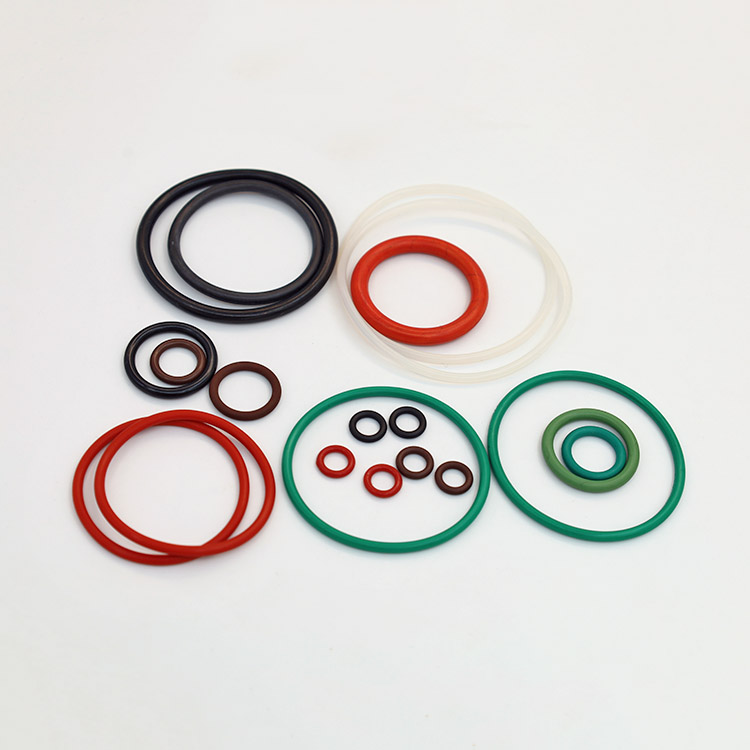
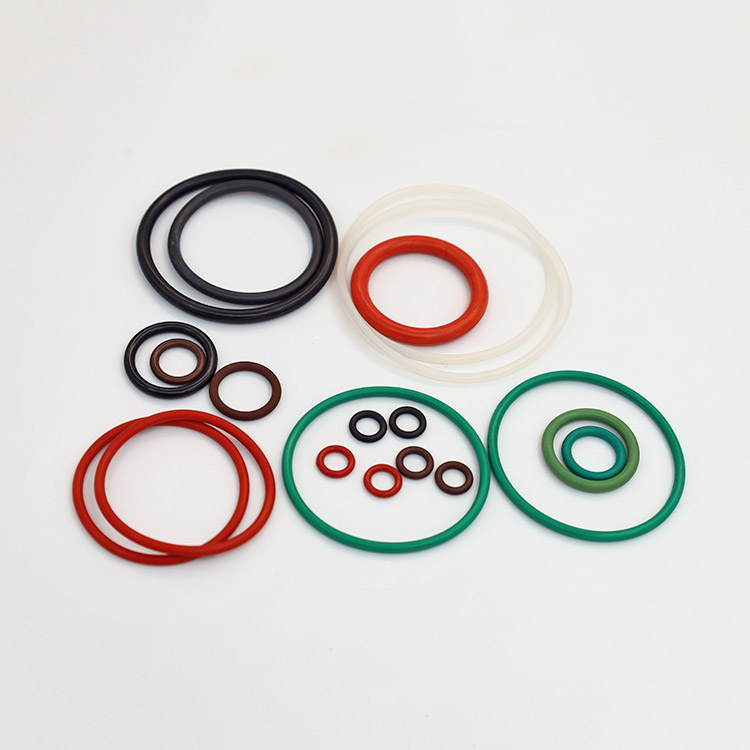
V-seal materials commonly use nitrile rubber and chloroprene rubber, with natural rubber for water and air sealing, butyl rubber for non-flammable hydraulic oils and phosphate-based hydraulic oils. Chlorine rubber is used for various chemicals and high temperatures. Polyurethane rubber is used for wear resistance. Fabric-reinforced rubber is also a common material for V-seals, characterized by enhancing the seal's rigidity and strength, preventing material extrusion and gasket bite, making it suitable for high pressure applications. During wear, the rubber wears before the fabric, so when the contact pressure expands, the overall wear of the sealing surface becomes more even, while friction remains unchanged. However, the lip of the fabric-reinforced rubber seal is prone to scraping off the oil film on the sliding surface, thus having poor lubricity. The pressure ring and support ring are generally made of harder rubber sheet, and the support ring is sometimes made of hard plastic.