









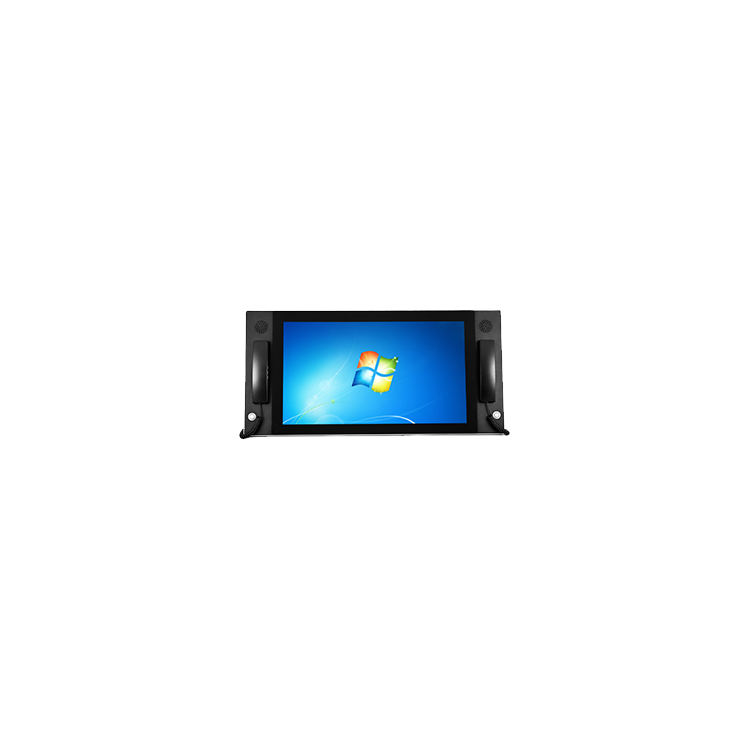
Product Overview
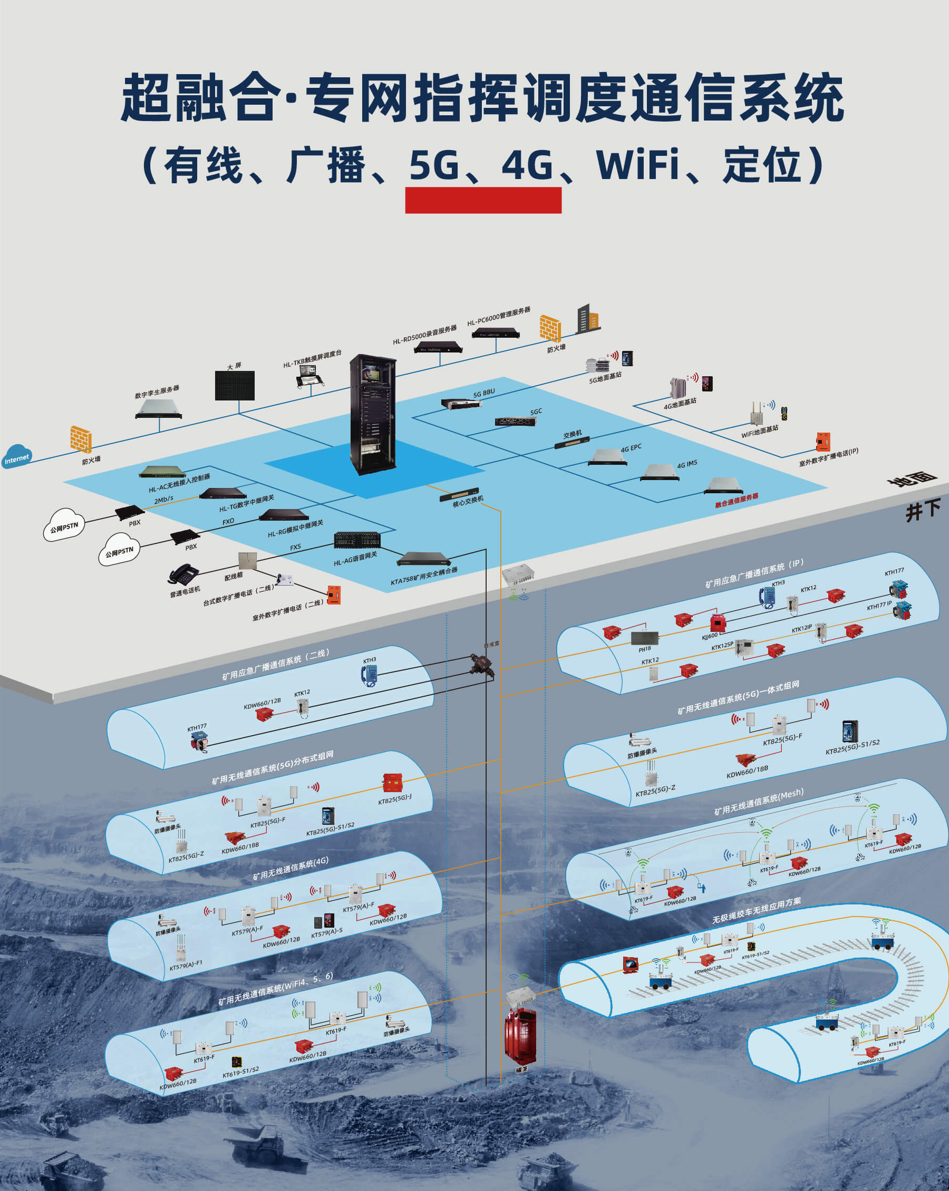
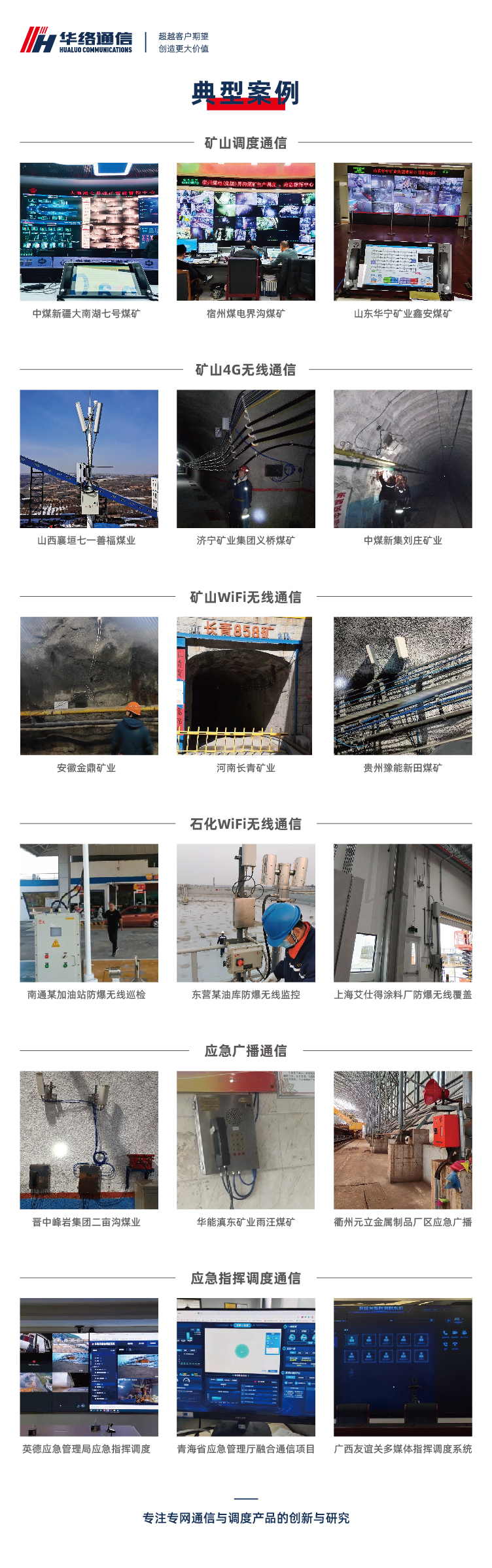
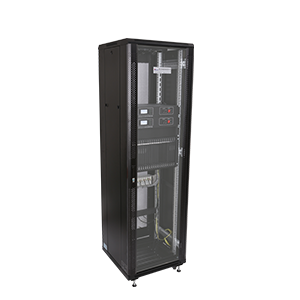
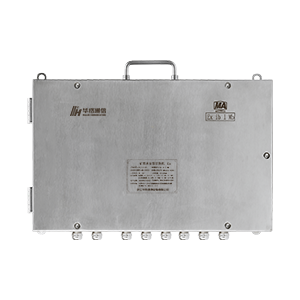
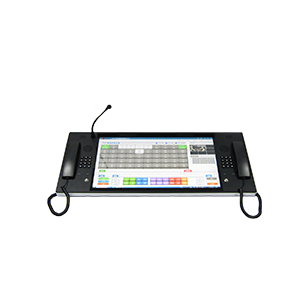
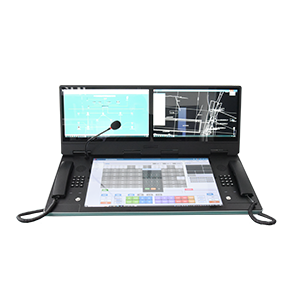
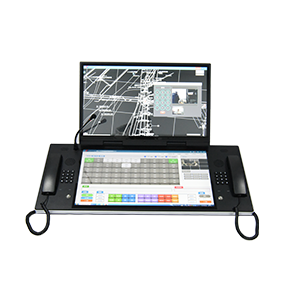
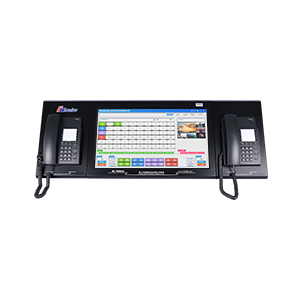
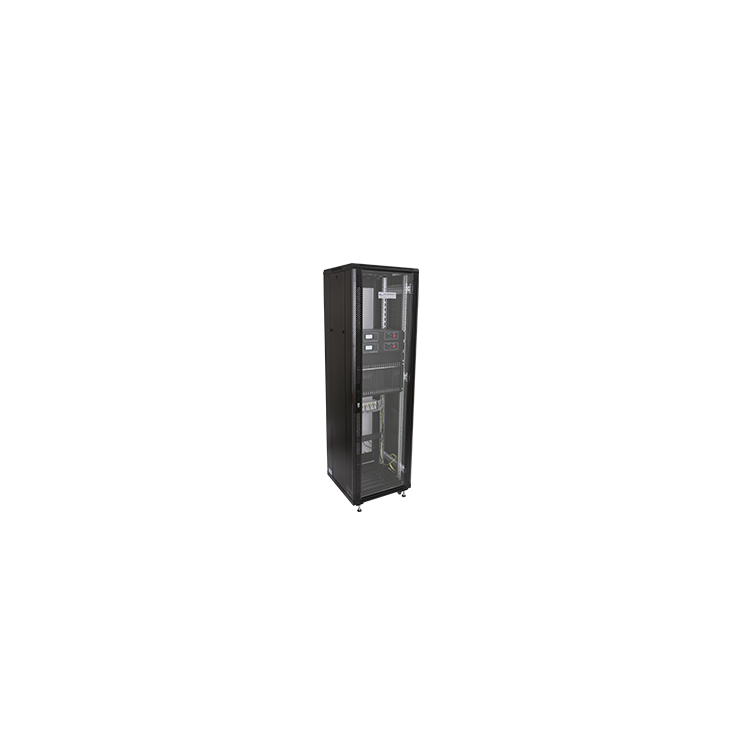
The KTJ102 Digital Programmed Dispatching Machine is the core equipment for emergency dispatching and command management. It is designed to build an emergency command system for modern enterprises, aiming to enhance the safety and efficiency of production, and improve the rapid response capability to emergencies. It boosts the efficiency of emergency response and the allocation of emergency resources during emergencies, and facilitates coordinated disaster relief efforts among production and rescue departments. The KTJ102 features a low-power, high-speed ARM processor, enhancing system performance and increasing capacity. This model has passed the national Ministry of Industry and Information Technology's network access certification and is a customized dispatching communication device for enterprises and institutions.
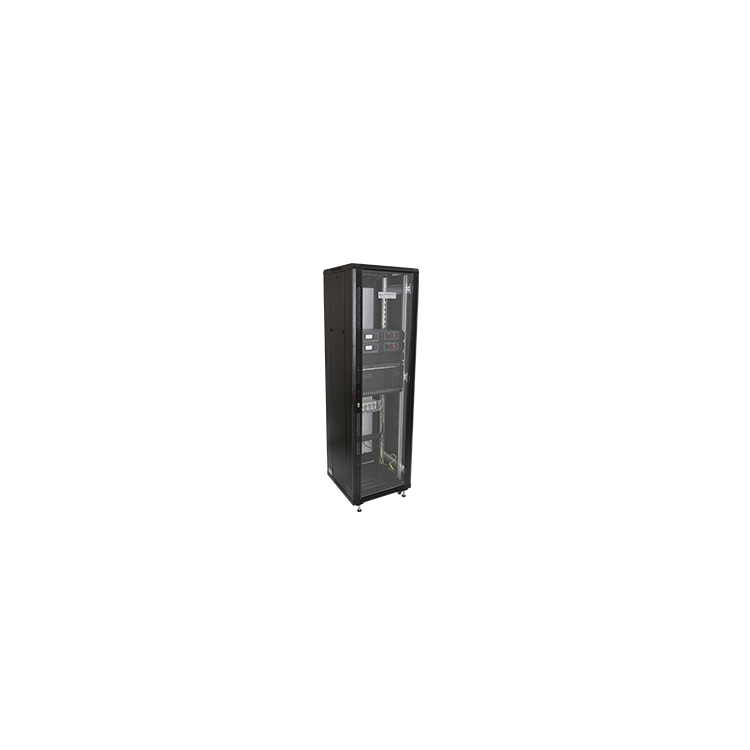
The KTJ102 digital programmable dispatching machine's common components (such as the main control board and power supply) are all equipped with hot dual backups. Various user ports (such as analog users, loop trunks, and digital trunks) can be flexibly configured according to user needs. When the system detects a fault in a port, it automatically switches to the backup port, while the host emits an alarm indication.
The KTJ102 digital program control scheduler utilizes a combination of a high-speed time-division multiplexed PCM bus and a high-speed serial control bus. The PCM bus speed is 8.192M (commonly 2.048M), thereby reducing the wiring of backup boards while increasing system capacity, further enhancing system reliability.
The KTJ102 digital programmable scheduler is an implementation of a high-capacity programmable device using time-division multiplexing, featuring integration and reliability. The system includes an exchange network, conference bridge, clock generator, and communication controllers for sub-panels/frames. Integrated with a single FPGA chip, it offers reliability. It not only achieves a high degree of system integration and enhances reliability but also overcomes the deficiencies in performance of dedicated chips.