

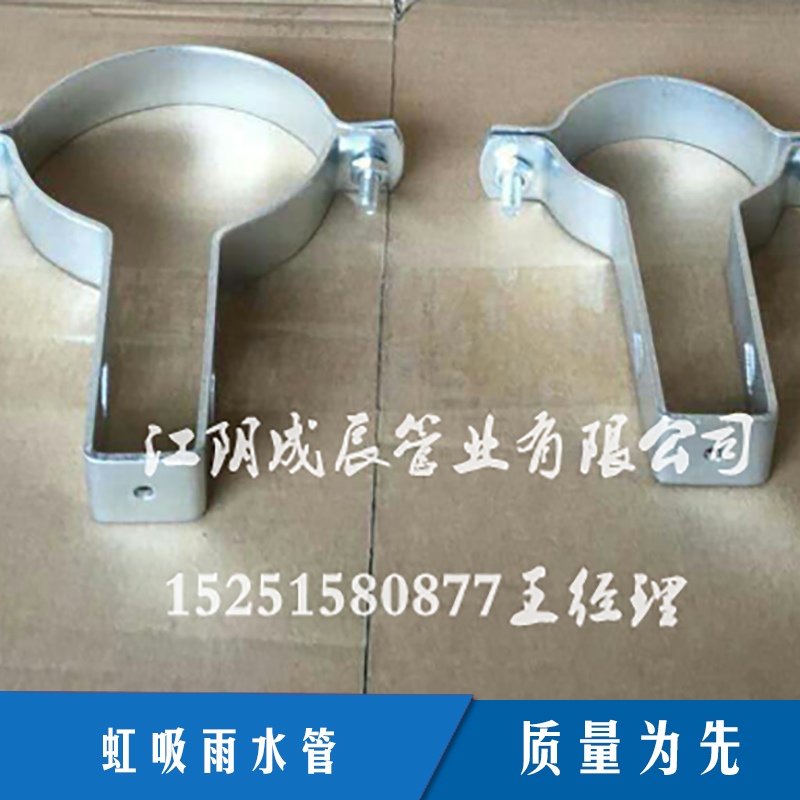
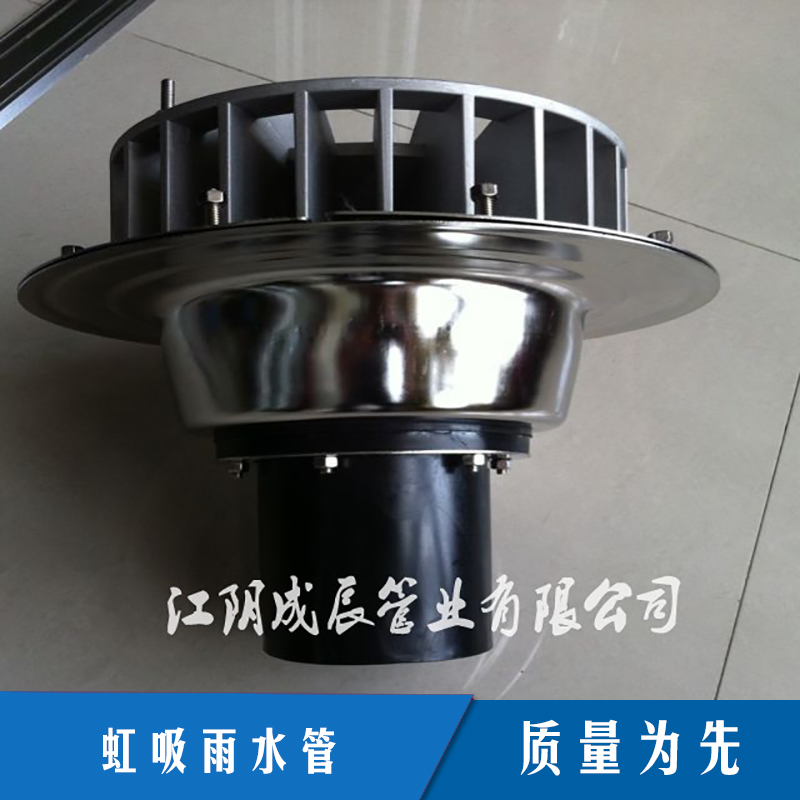










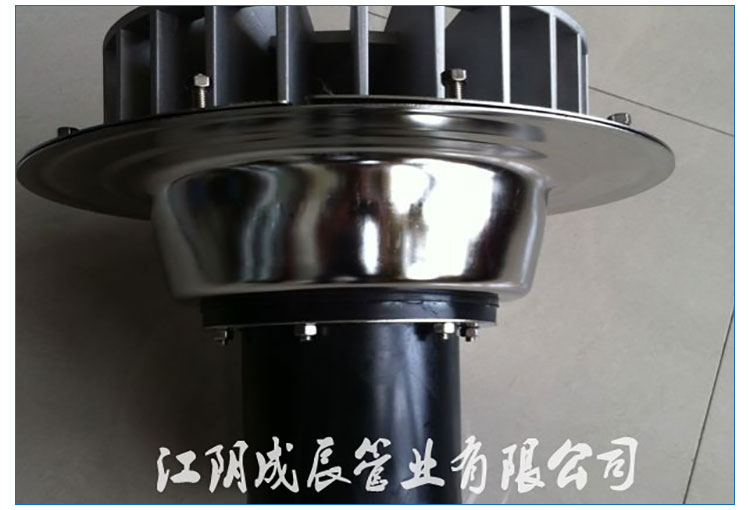

The principle of the siphon roof rainwater system relies on the design of special rain heads to separate air from water, ensuring the vertical pipes are full. When the water in the vertical pipes reaches a certain capacity, the siphon effect is initiated. During rainfall, due to the continuous siphon action, the entire system can astonishingly quickly drain rainwater from the roof.
Pipes are the most critical component of the siphon rainwater drainage system for roofs, necessitating a secure, reliable, and efficient operation. As a specialized drainage system, the pipes in an siphon system must ensure complete sealing and comprehensive fire prevention measures, while also minimizing noise, absorbing vibrations, withstanding impact forces, and accommodating temperature changes to the maximum extent possible.
Complete impermeability of the pipeline does not guarantee system integrity. Generally, leakage tolerance is acceptable as long as there are remedial measures in place. However, leaks in siphon systems are often hard to detect. In the event of sudden heavy rainfall, the entire system may collapse immediately. This could lead to roof collapse due to the inability to timely discharge roof rainwater, exceeding the roof's load-bearing capacity.
Of course, slight non-sealing doesn't necessarily lead to leakage, but it's enough to cause air leakage. Once an air mass forms in the drainage pipes, the efficiency of siphon drainage is immediately greatly reduced, and in severe cases, it can even disrupt the siphon action.
Due to the siphon system's use of negative pressure drainage, the pipe walls must have adequate pressure-bearing capacity. However, they are not completely rigid. Because the negative pressure in the siphon system generally does not exceed-0.08 Mpa. Excessive negative pressure can cause the water flow inside the pipe to be too fast, leading to cavitation, which can cause significant damage to metal pipes or metal connections (-0.09 Mpa is close to the critical value for cavitation). Additionally, overly high negative pressure can also cause considerable vibration in the system, reducing its service life.
Pipes and fittings must meet flame-retardant requirements. In the event of a fire in one part of the building, the system can prevent the fire from quickly spreading to other areas. Therefore, the inherent flame-retardant properties of the material are not the most crucial; the overall fire spread resistance of the pipeline system is the key to minimizing disaster losses.
Advantages of HDPE Pipes:Excellent pressure resistance; the pipe wall will not burst under external loads. It can withstand impact pressure, reduce water hammer shock damage, ensure safe system operation, and maintain the vacuum for siphon action.
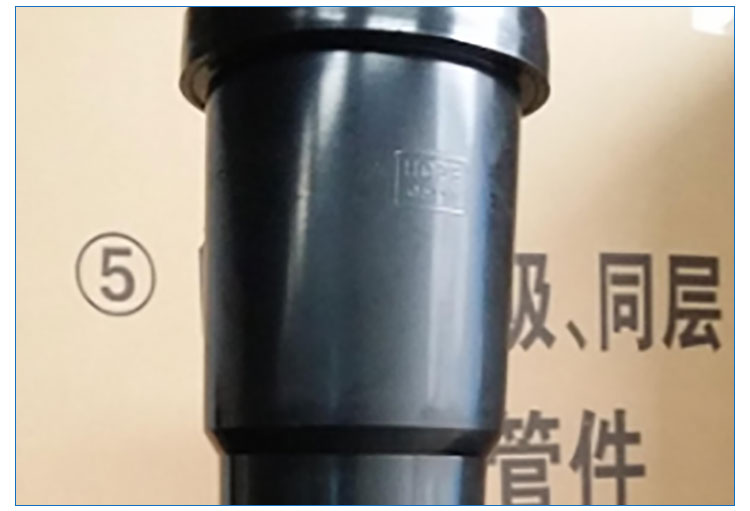
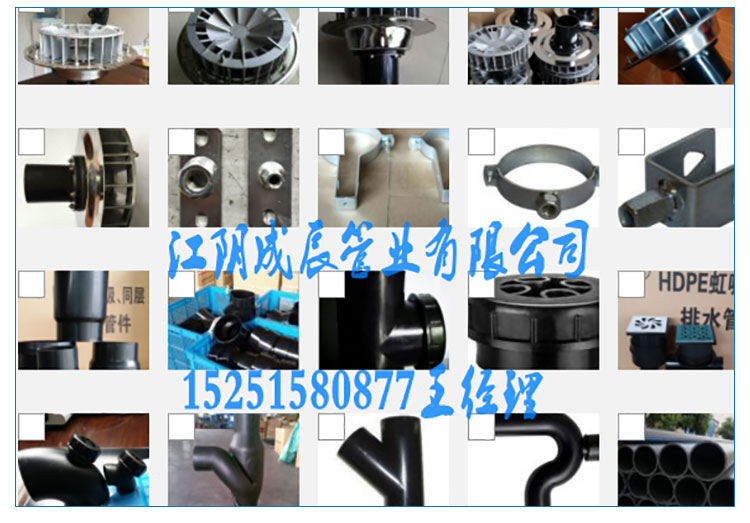
Our company producesHDPE Siphon Rainwater Pipes, available in sizes: De56/63/75/90/110/125/160/200/250/315,High-density polyethylene virgin materialAdd appropriate additivesManufactureAnd, Smooth inner and outer walls, high rigidity, good toughness, even wall thickness, all technical indicators meetThe CJ/T250-2007 standard is widely adopted by numerous large-scale building roof siphon drainage systems in China, earning an excellent reputation!