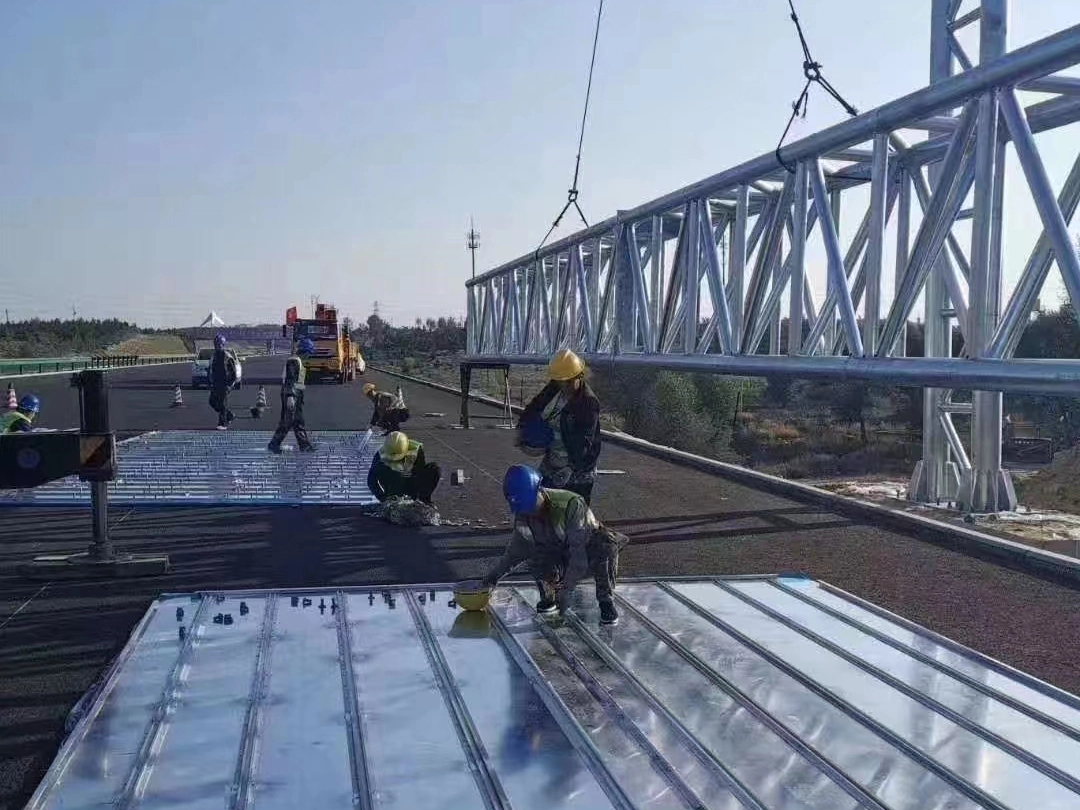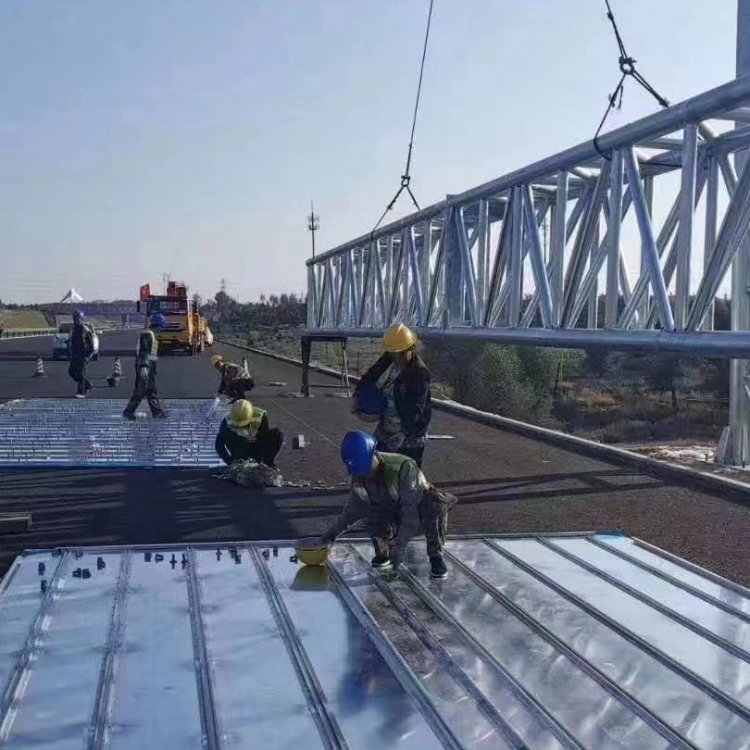







The asphalt surface treatment for asphalt pavement constructed by spraying method includes two types: asphalt surface treatment and asphalt penetration. The asphalt surface treatment involves laying a thin layer of pavement surface, no more than 3cm thick, composed of asphalt and fine aggregate materials in layers. It is typically constructed using the layering method, and can be classified into three types based on the number of layers of asphalt spraying and aggregate spreading: single-layer, double-layer, and triple-layer. The single-layer and double-layer are part of the triple-layer construction.
The construction process for three-layer surface treatment is:
Clean the subgrade before surface construction. The road subgrade should be swept clean, exposing most of the aggregate and keeping it dry; if the overall strength of the subgrade is insufficient, it should be reinforced first.
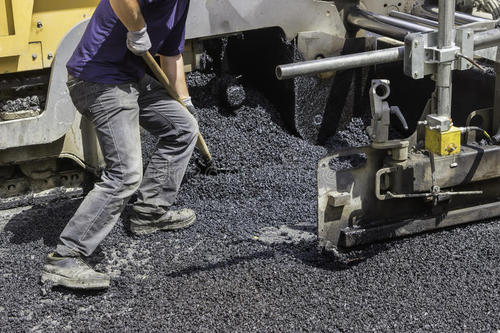
Thoroughly applied asphalt (or adhesive layer) asphalt, asphalt spreading layer asphalt. The asphalt must be evenly distributed. If there are blank areas or missing edges after spreading, they should be immediately topped up by hand. Accumulations should be scraped off immediately. During construction, use an asphalt sprayer to apply asphalt, ensuring the spraying length matches the mineral material spreading capacity. The asphalt spreading temperature should be determined based on the construction temperature and asphalt grade. Generally, petroleum asphalt should be around 130℃ to 170℃, and asphalt emulsion should be spread at room temperature.
Broadcasting mineral material: After applying the main asphalt layer, the mineral material should be immediately broadcast using a mineral撒布机 or manually. The material must be evenly distributed to achieve full coverage, consistent thickness, without overlapping mineral material, and without exposing asphalt. In case of local shortages or excesses, appropriate replenishment or removal should be made.
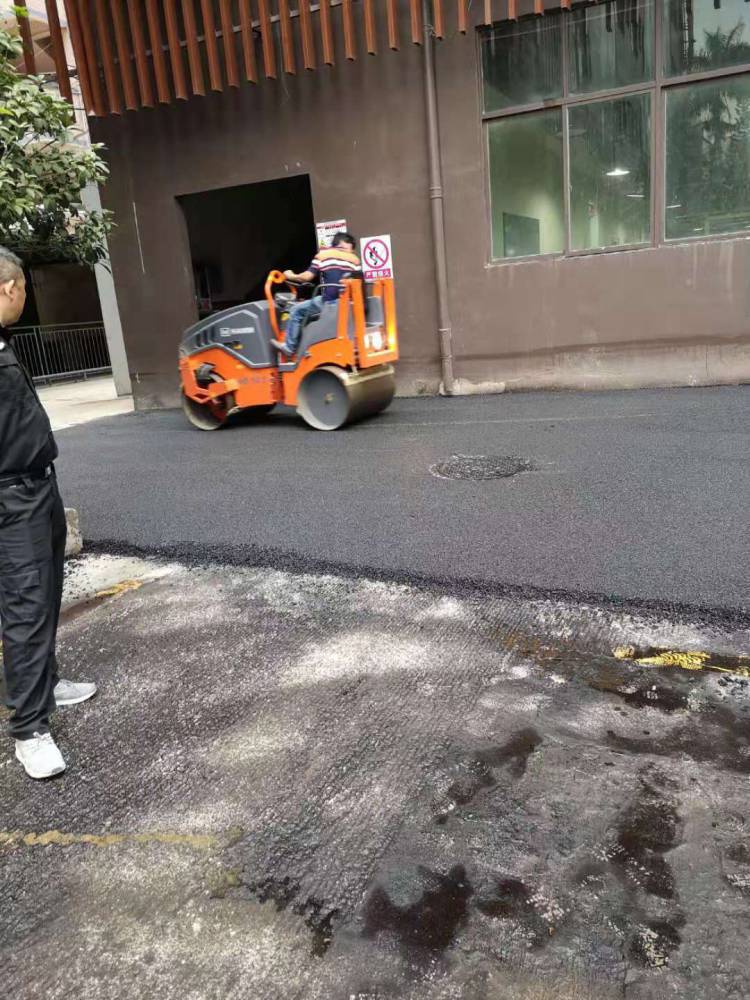
Crush: After spreading a layer of mineral material, use a 60-80kN two-wheeled roller to crush. During the crushing process, start from one side of the road edge and press towards the center. It is recommended to crush 3-4 times, with the initial speed not exceeding 2km/h, and can be appropriately increased later.
Apply two layers of asphalt, spread two layers of aggregate, compact, then apply three layers of asphalt, spread three layers of aggregate, compact.
Initial Maintenance: After asphalt surface treatment, initial maintenance should be conducted. When oil sheen is found, sprinkle the same-sized asphalt emulsions as the next layer evenly over the sheen areas; when there is excessive loose aggregate, sweep it away from the road; and when other damage occurs, repair it promptly.
Bituminous penetration road surfaces are porous structures. To prevent water intrusion into the road surface and enhance the water stability of the road, the upper layer of the surface should be covered with a sealing material or an additional asphalt mix layer. When the asphalt penetration layer is used as a bonding layer, surface sealing material does not need to be applied. Bituminous penetration road surfaces are suitable for secondary and lower-grade highways, with a thickness of 4 to 8 cm. However, for emulsified asphalt penetration road surfaces, the thickness should not exceed 5 cm. When a mix layer is added above the penetration layer, the total thickness should be 6 to 10 cm, with the mix layer thickness being 2 to 4 cm.
The construction process for asphalt penetration pavement includes: sweeping the subgrade → applying penetration or adhesive asphalt (emulsified asphalt penetration or asphalt penetration less than 5cm thick) → spreading the main layer aggregate → compacting → applying asphalt uniformly → spreading joint filling material → compacting → applying asphalt for the second time → spreading joint filling material for the second time → compacting → applying asphalt for the third time → spreading sealing material → compacting → initial maintenance.
Construction of hot mix asphalt pavement can be divided into two stages: the mixing and transportation of asphalt mixtures, and the on-site paving.
Before mixing asphalt concrete, samples should be tested according to the determined mix ratio. During the trial mixing, strict measurements should be taken for all types of aggregates and asphalt. After testing the asphalt concrete samples, the construction mix ratio can then be selected.