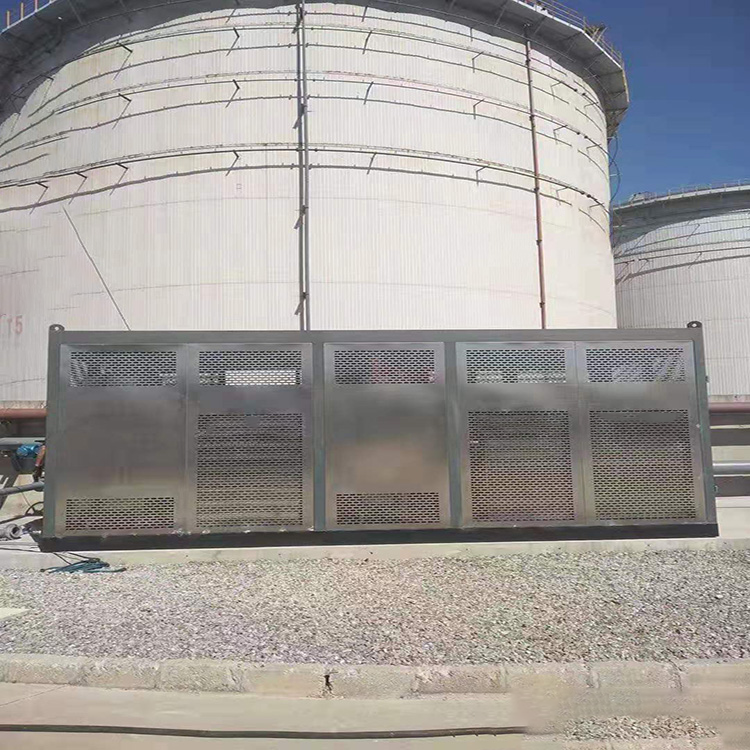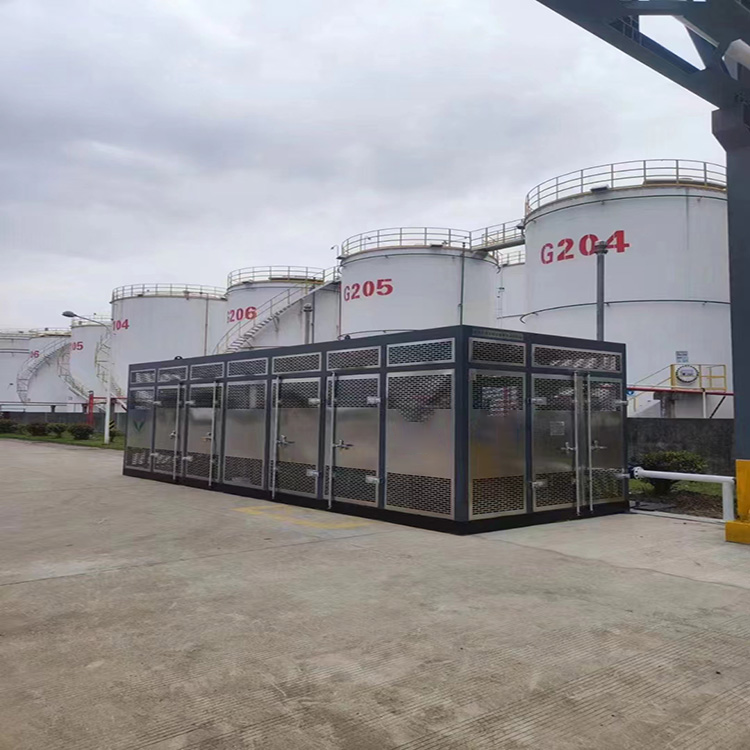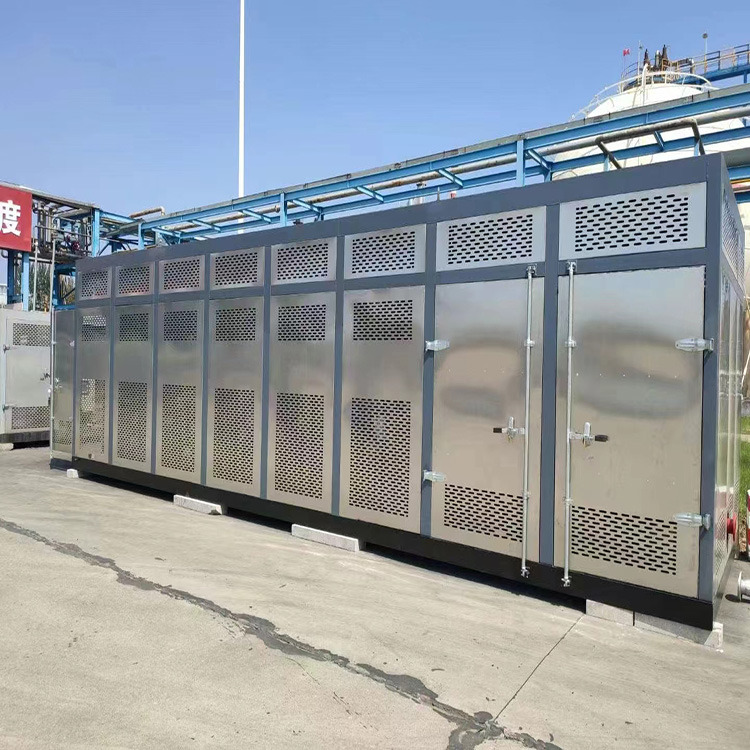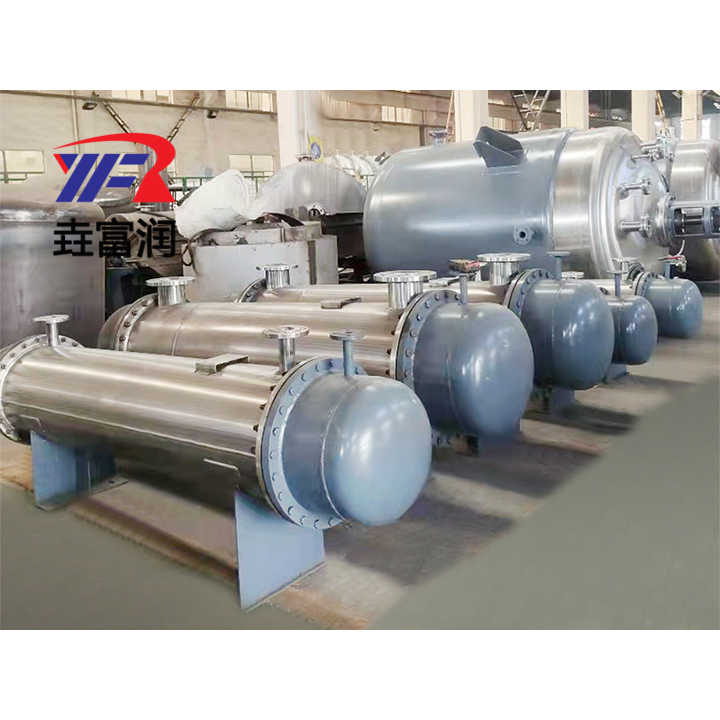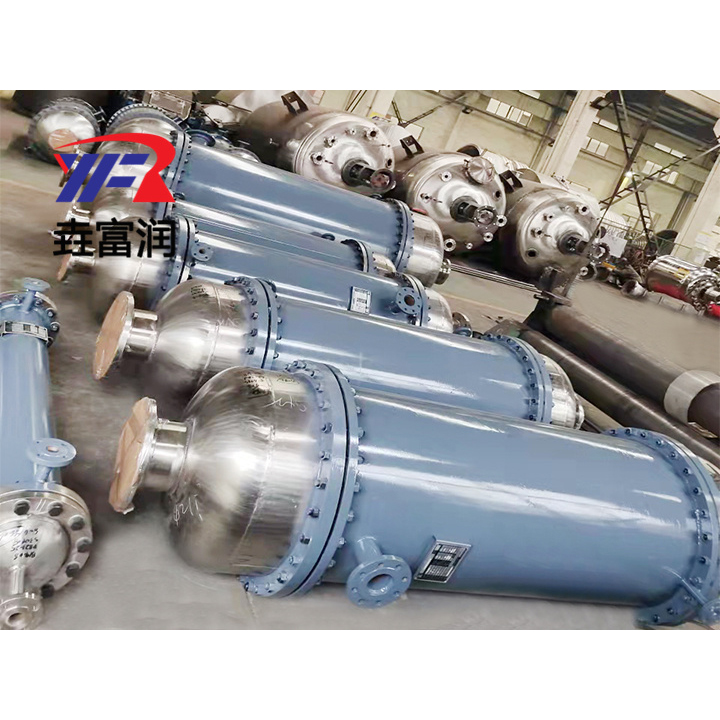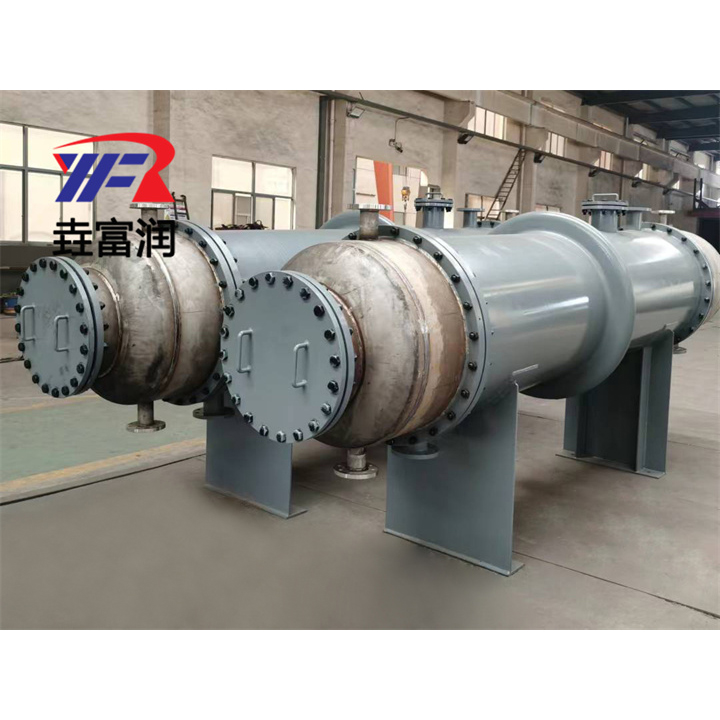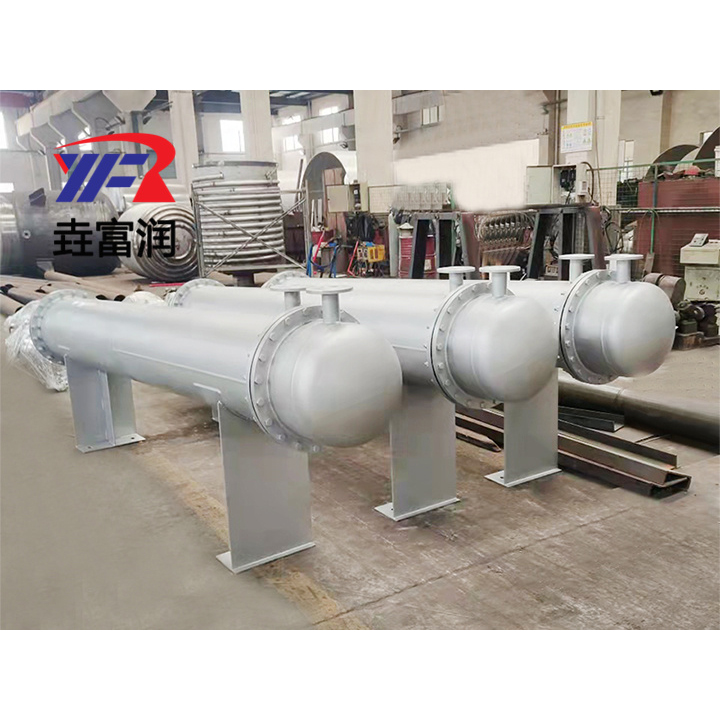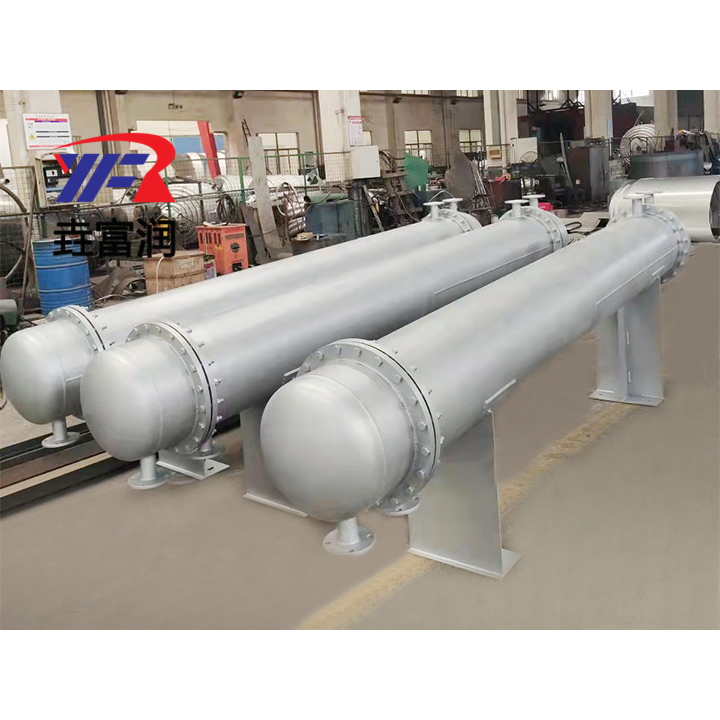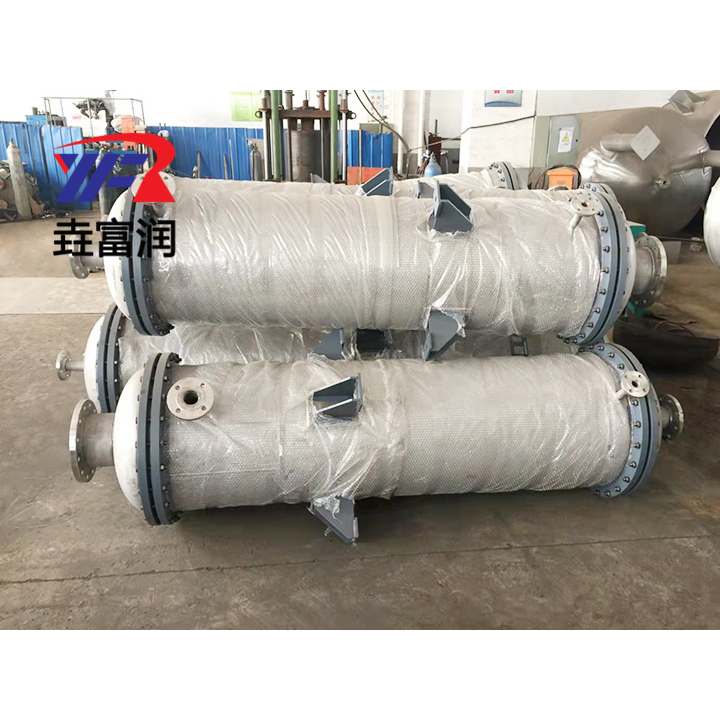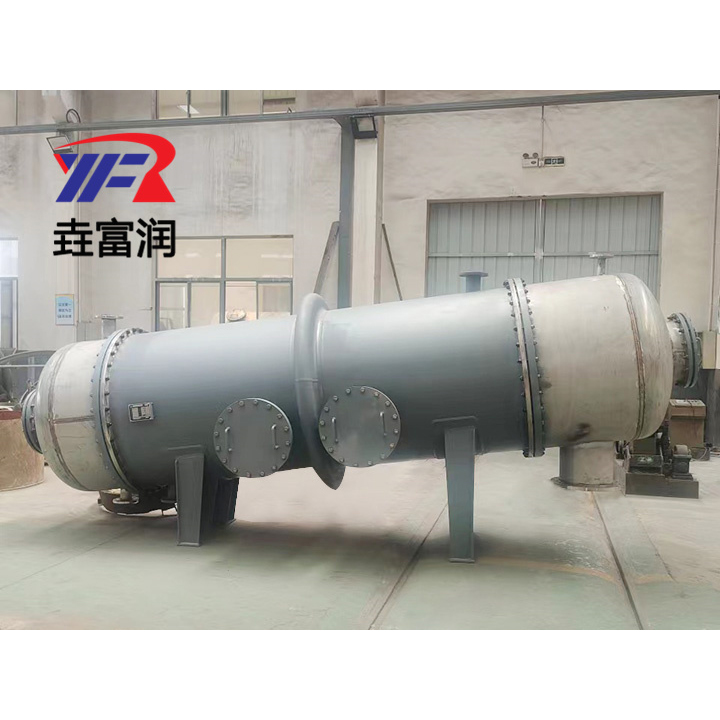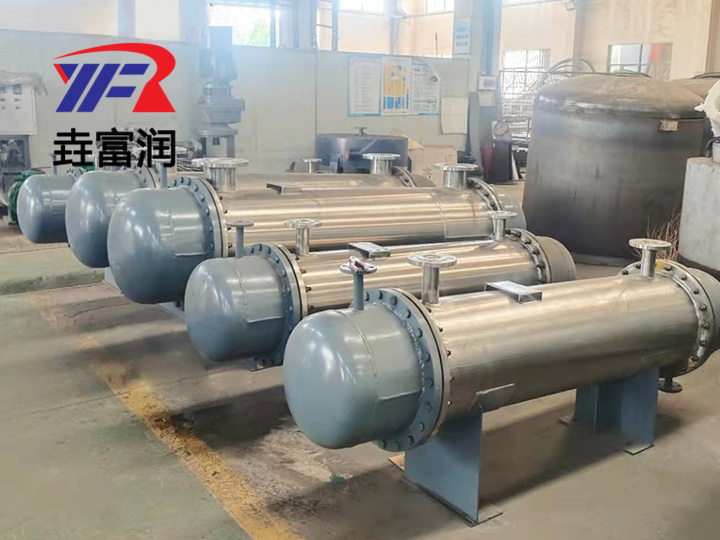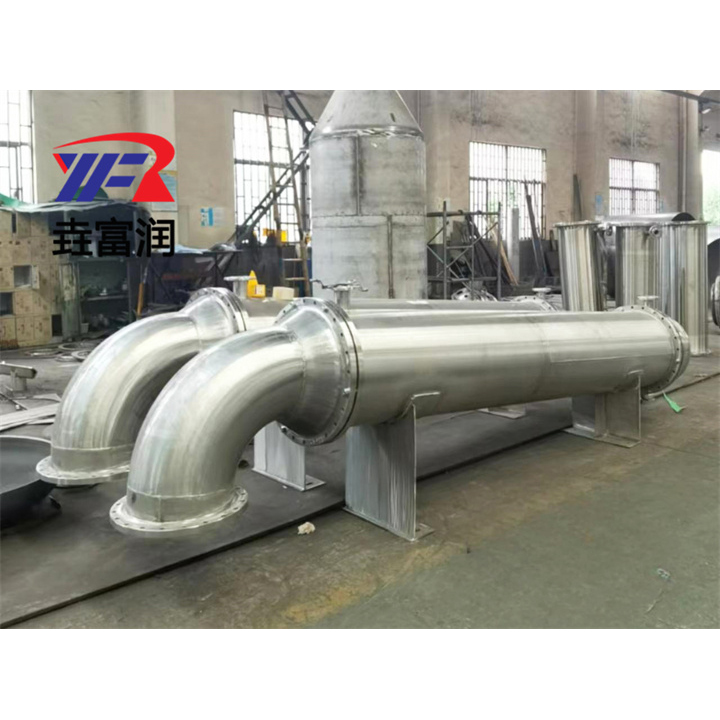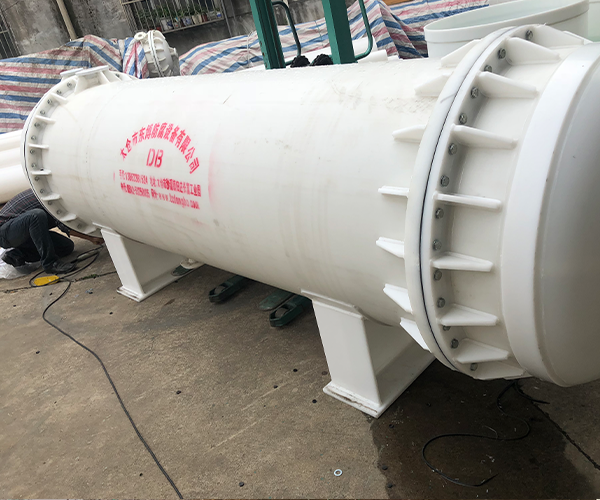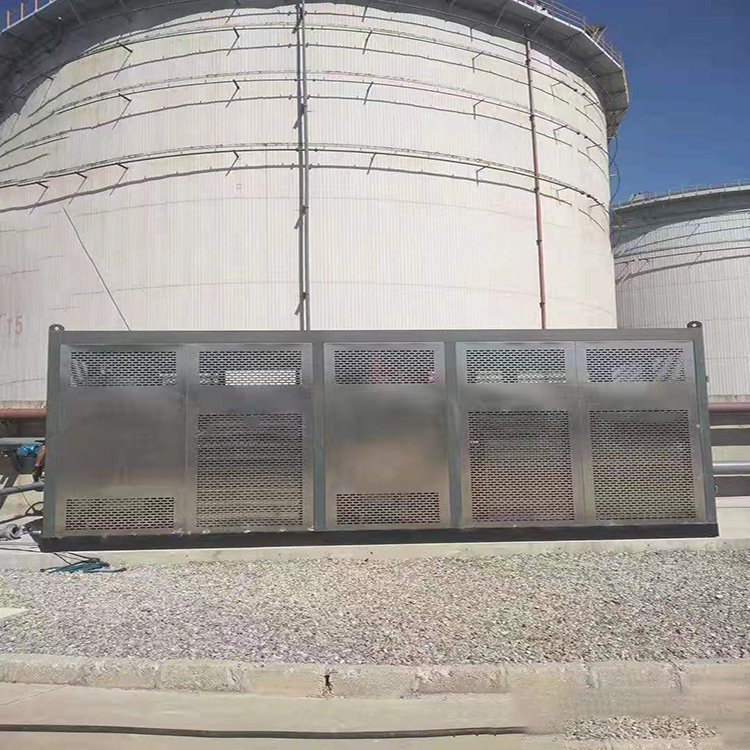


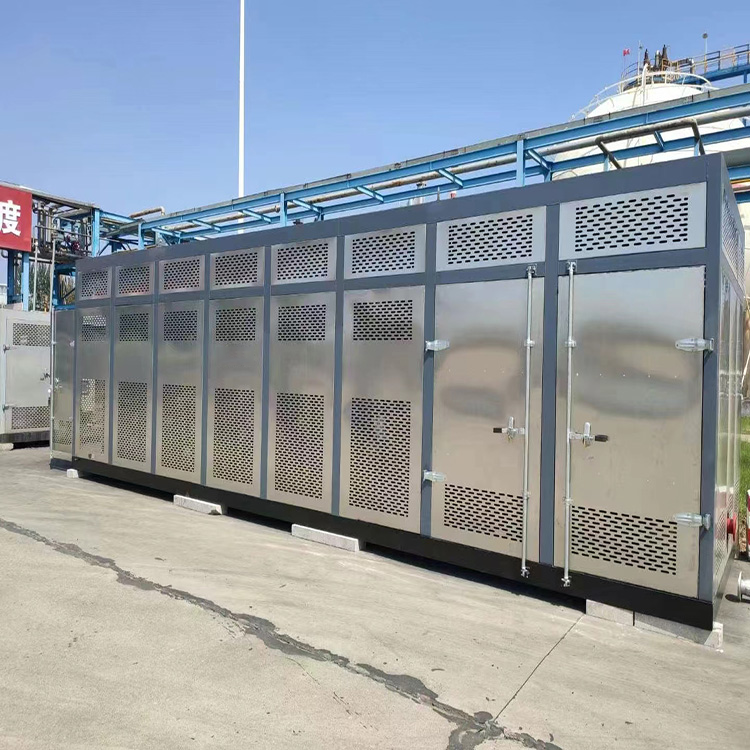


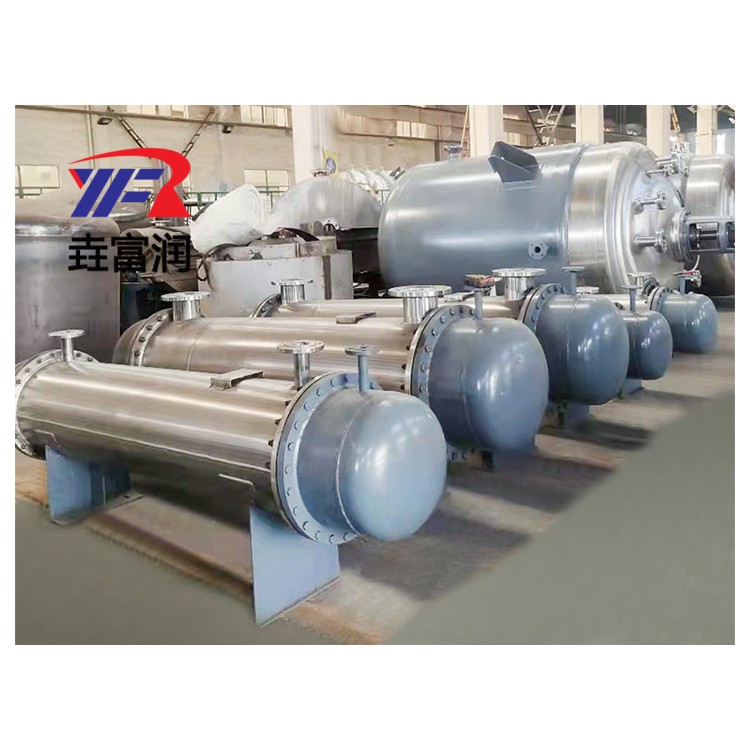
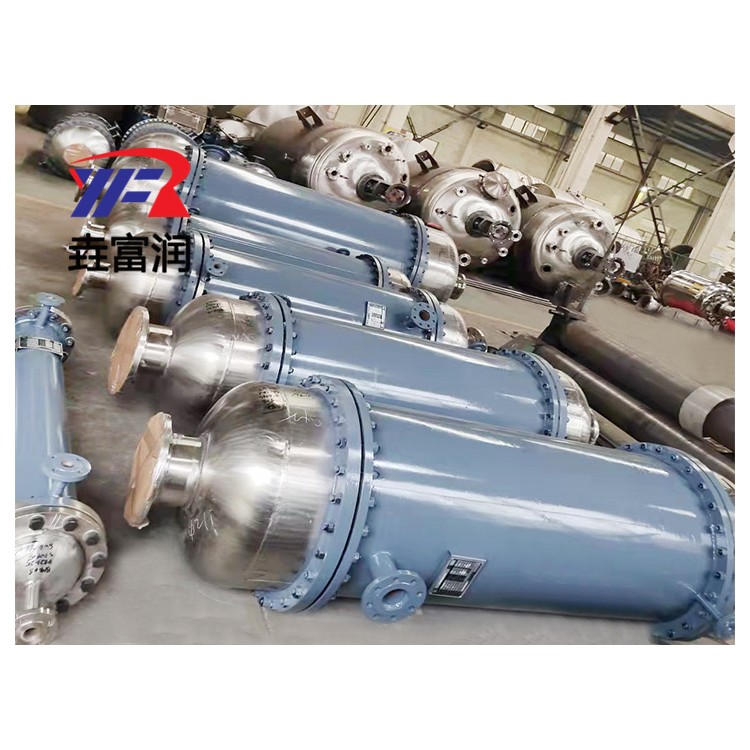
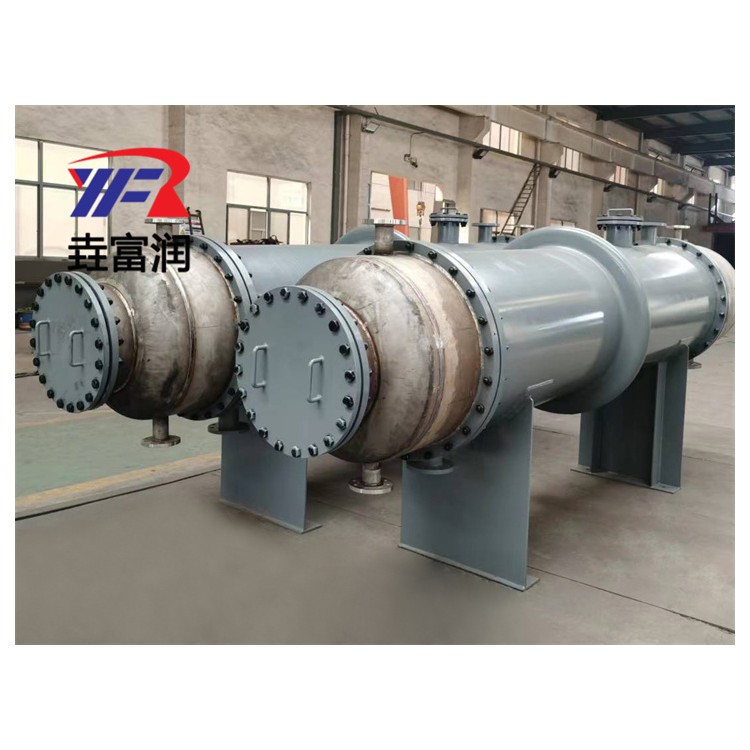
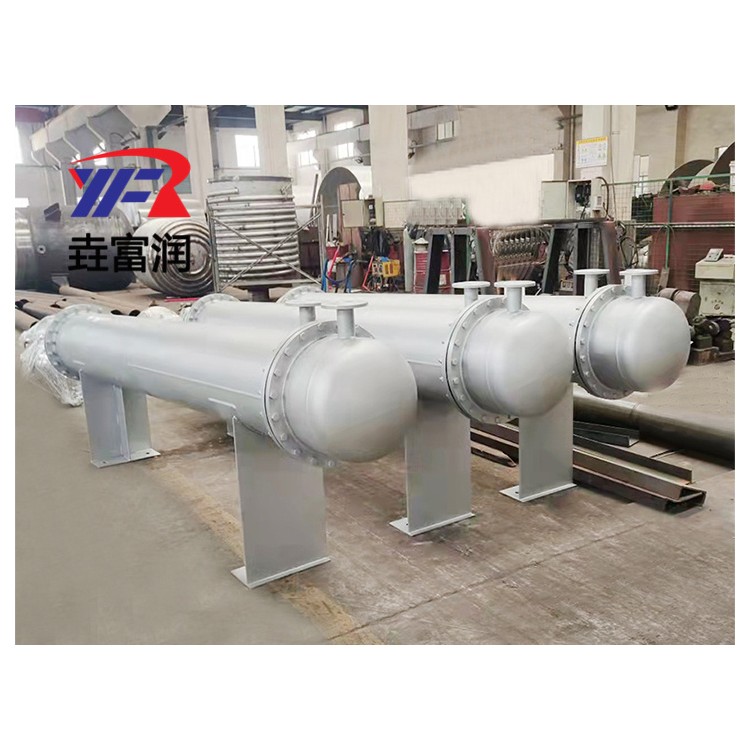
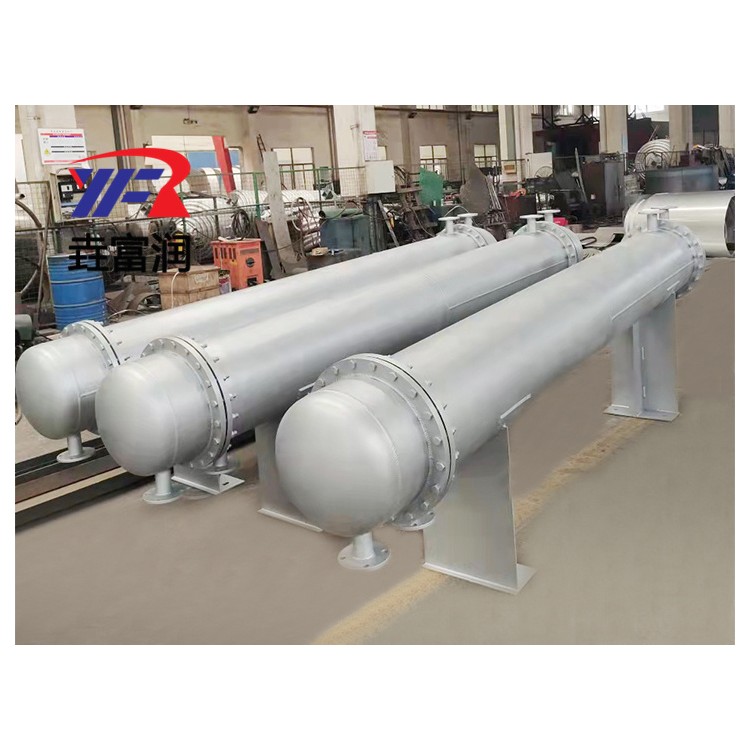





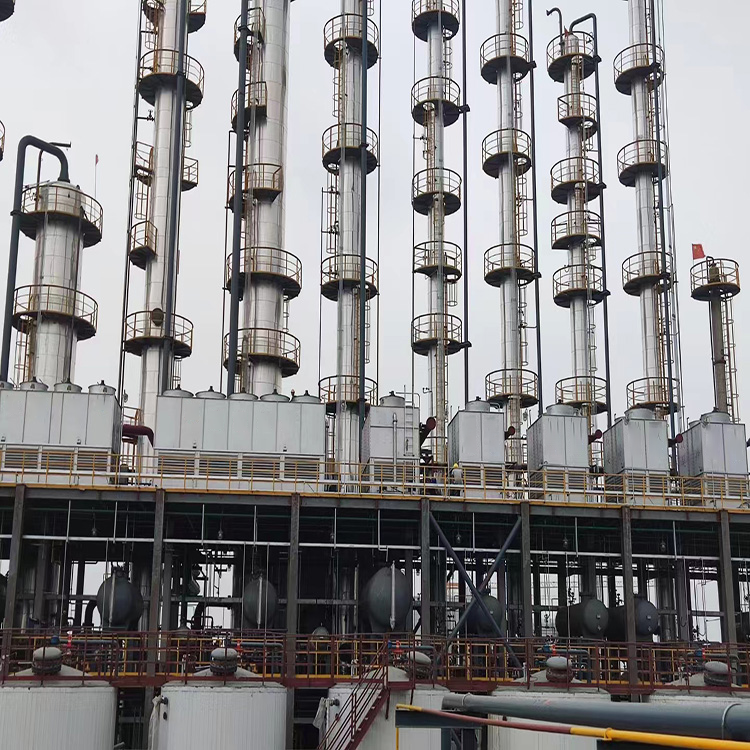
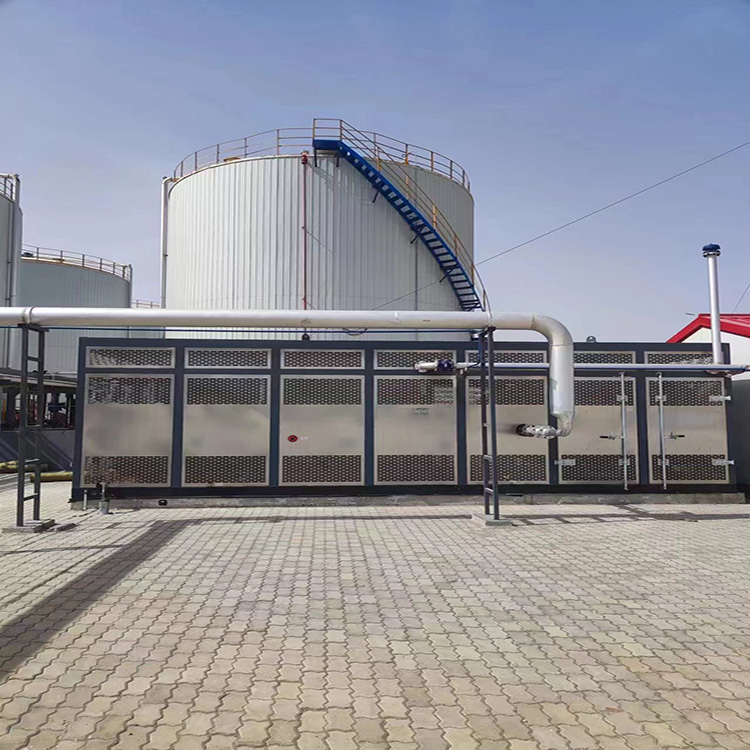
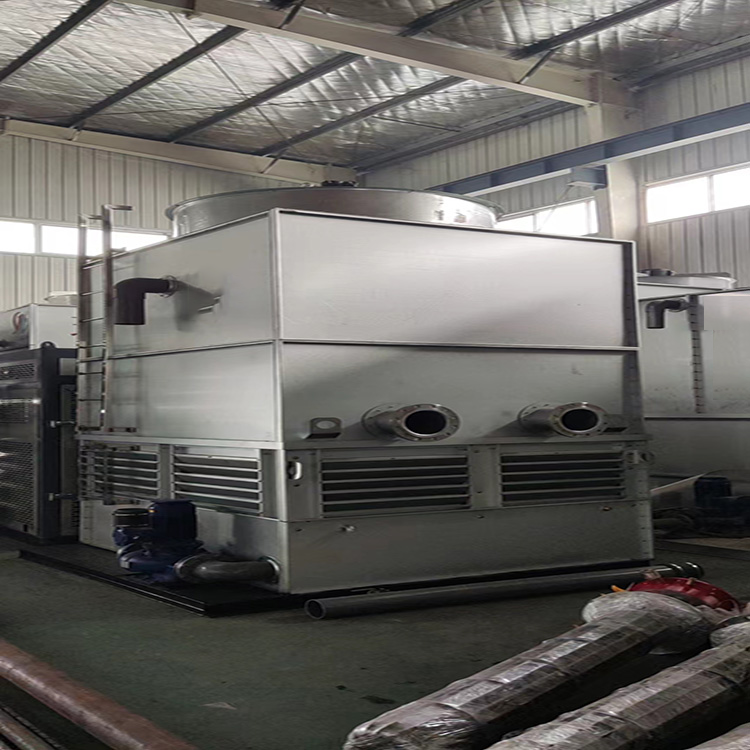
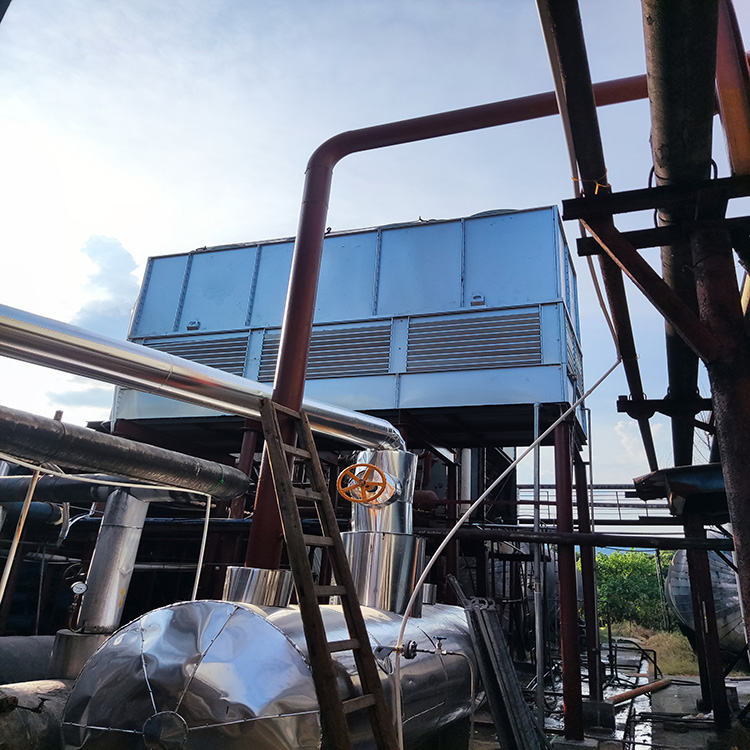
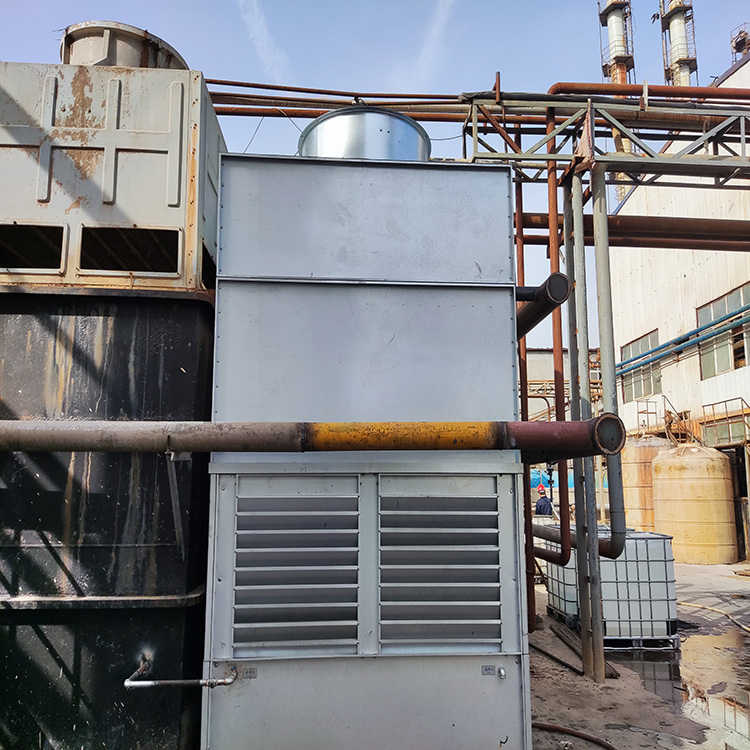
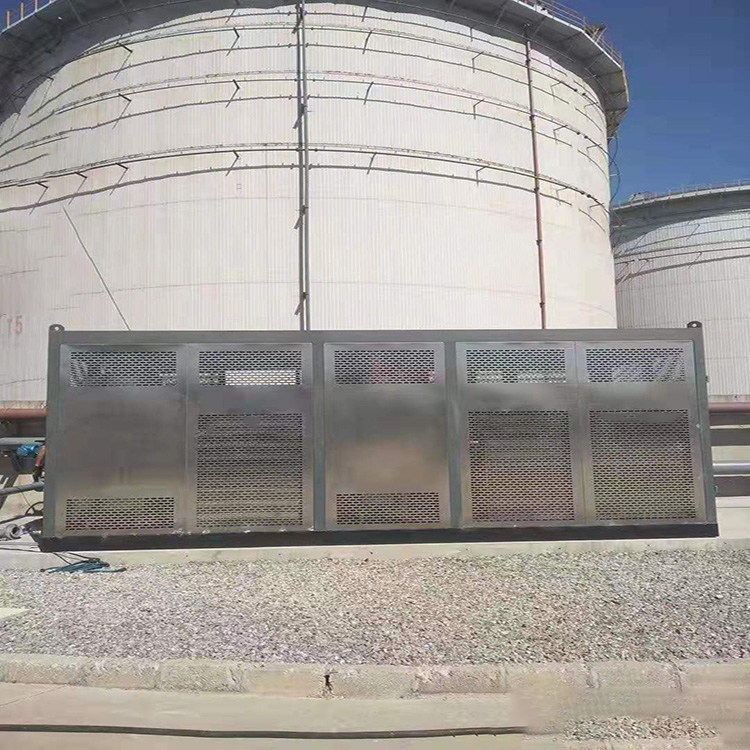
An evaporative condenser is a device used for treating industrial exhaust gases, primarily operating by allowing hot exhaust or steam to come into contact with a cooling medium (usually water), releasing heat during evaporation and condensing into a liquid, thereby collecting and treating the exhaust gases.
Specifically, evaporative condensers typically include the following steps:
Hot waste gas conduction: Introduce hot waste gas or steam into the evaporator interior.
Coolant Medium Contact: Utilizes a coolant medium (such as water) to cool hot exhaust gas or steam, promoting the condensation of steam into a liquid state.
Collection and processing: Collect the condensed liquid substances and further process them, such as recycling or safe disposal.
Evaporative condensers are widely used in many industrial fields, particularly in the chemical and refining industries, for handling high-temperature waste gases or steam. By effectively collecting and treating waste gases, evaporative condensers contribute to environmental protection, reduce energy waste, and minimize pollutant emissions.