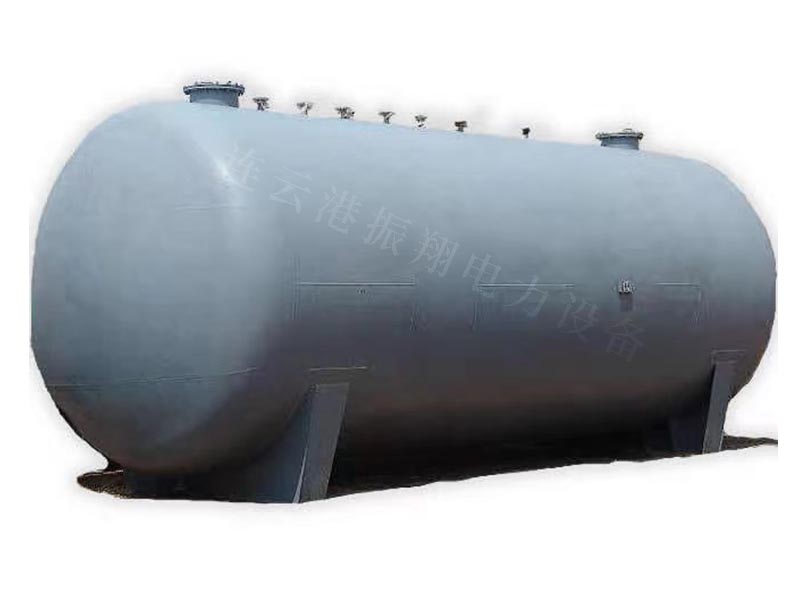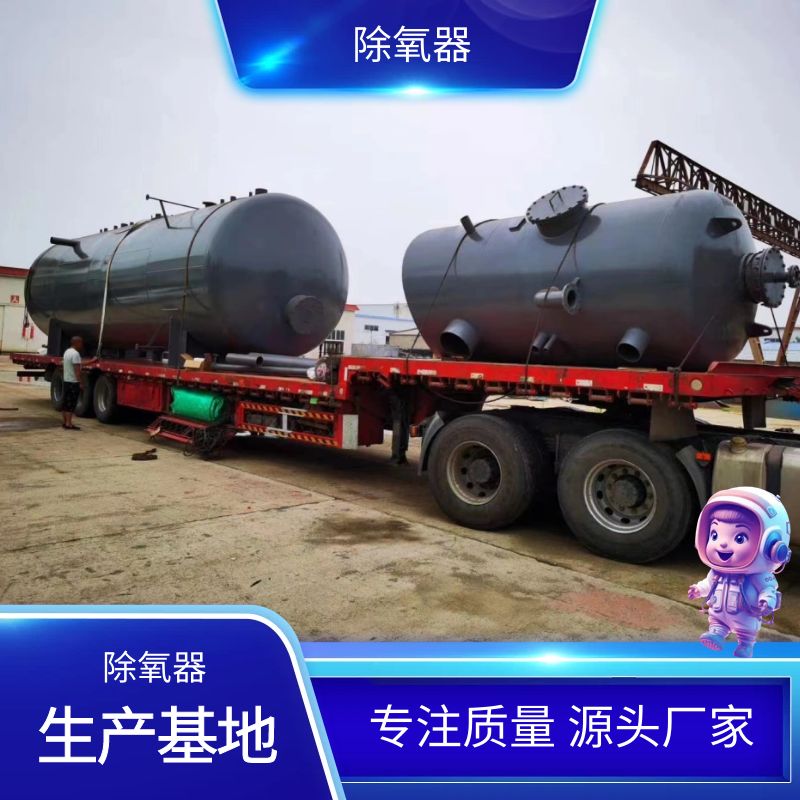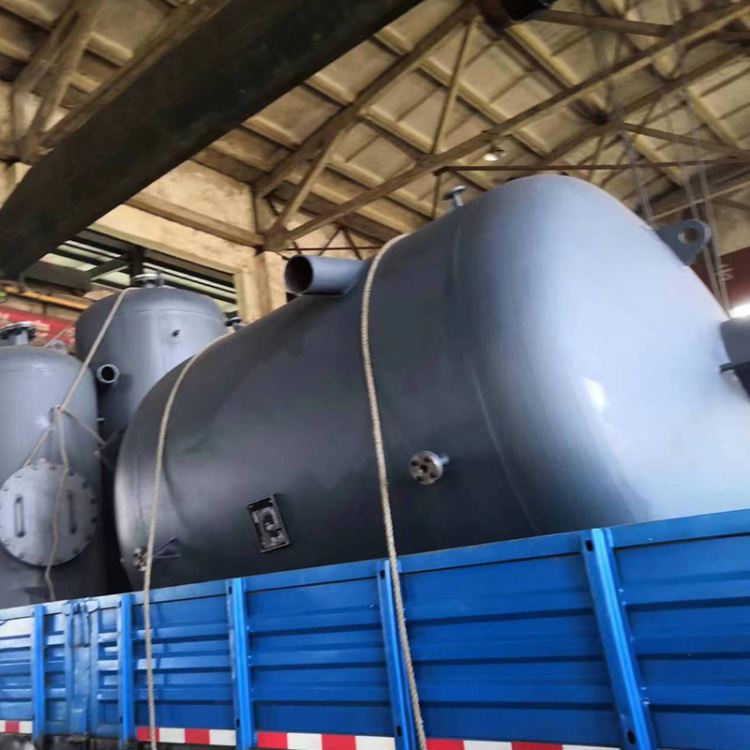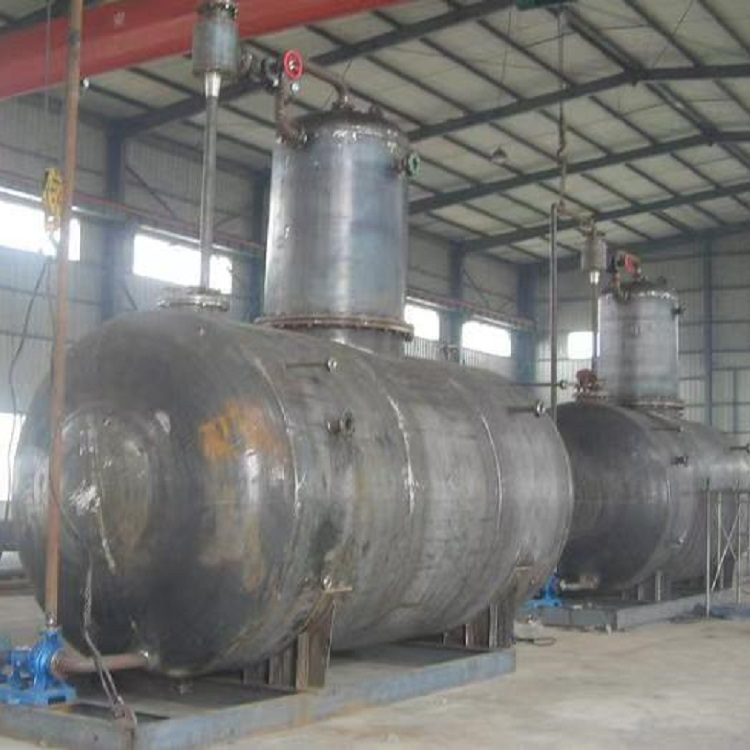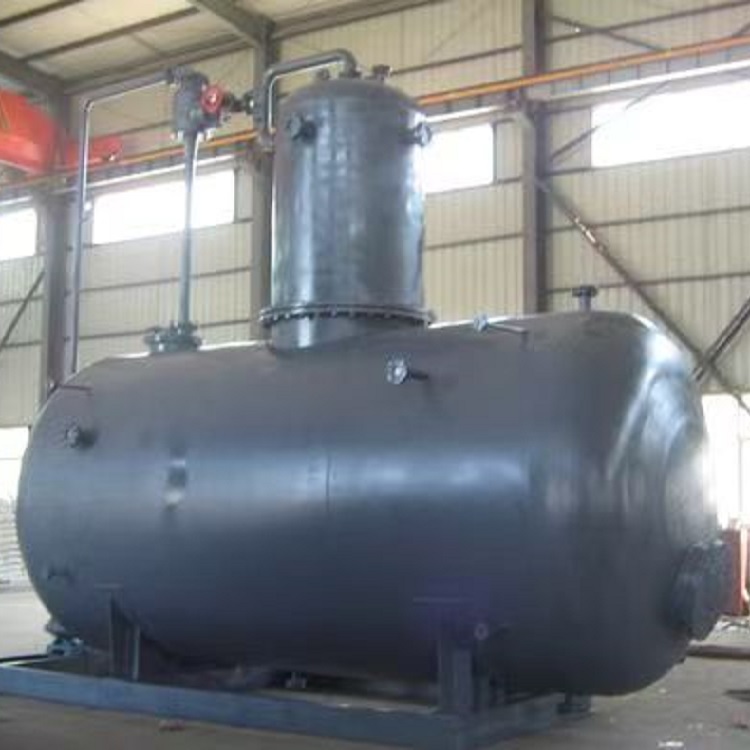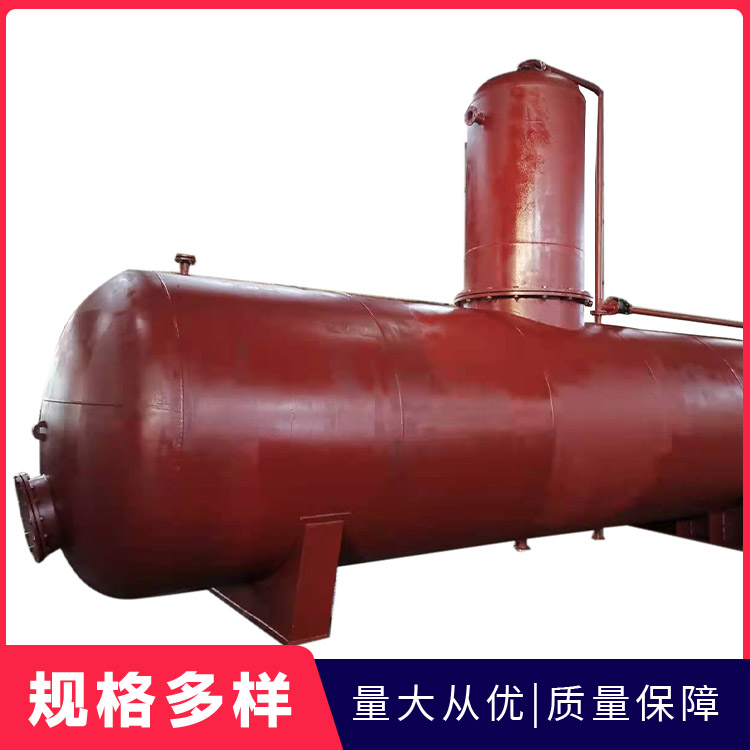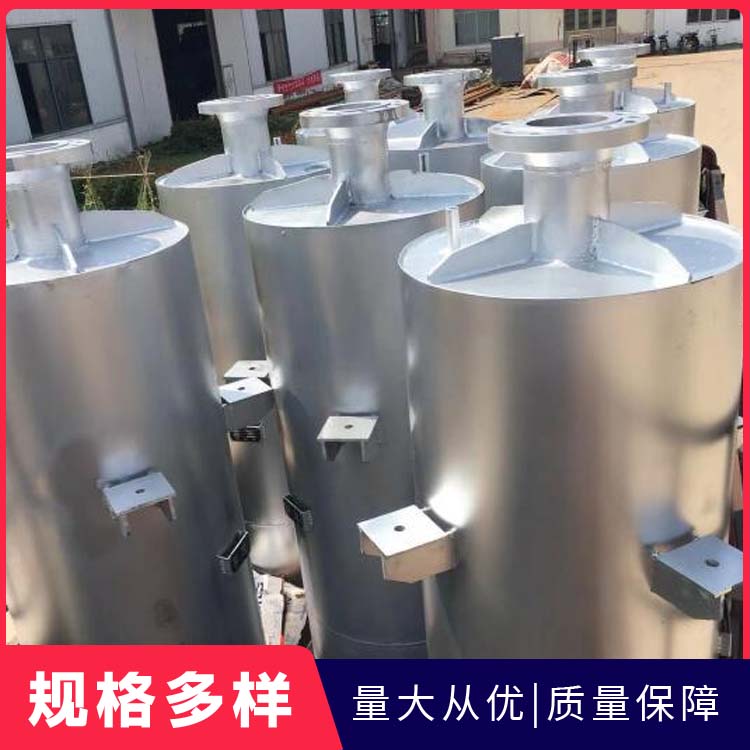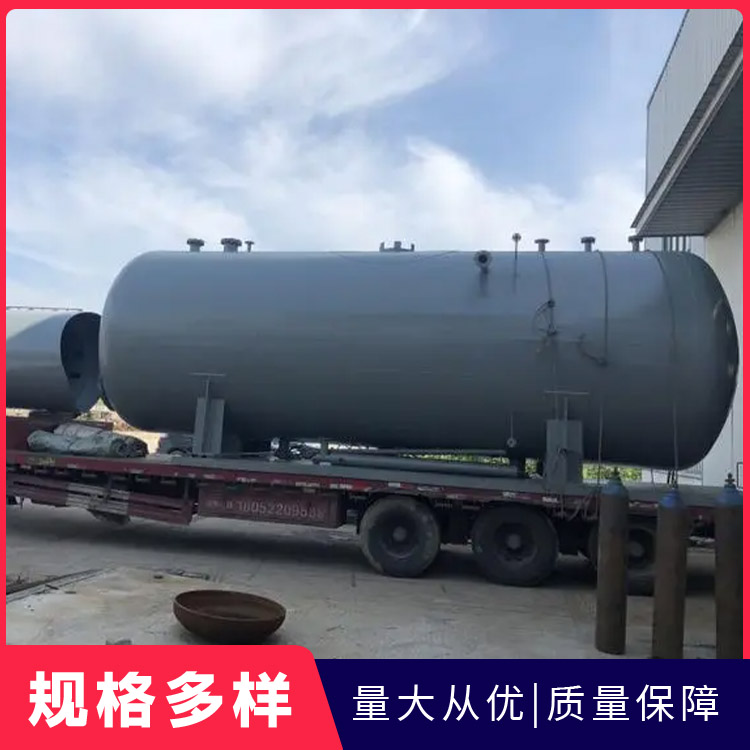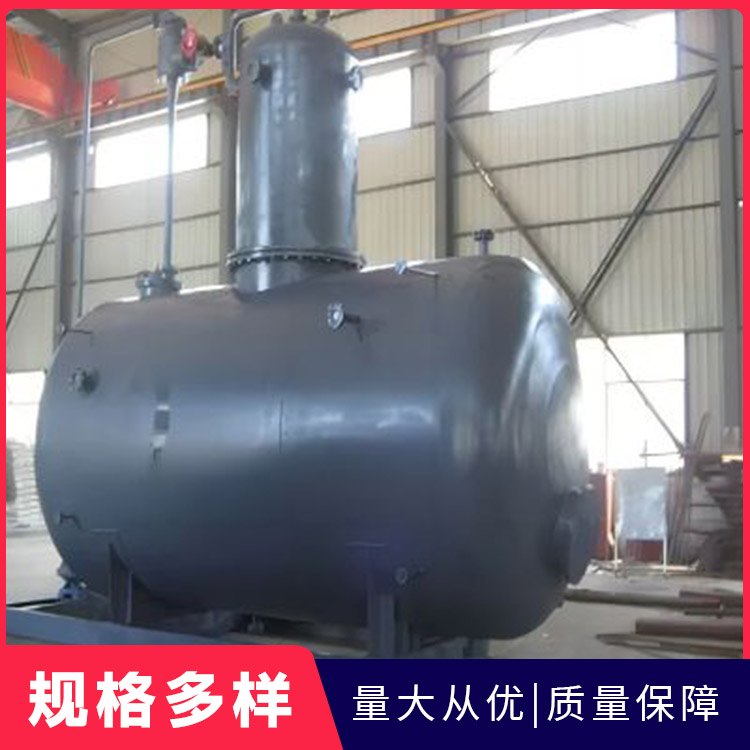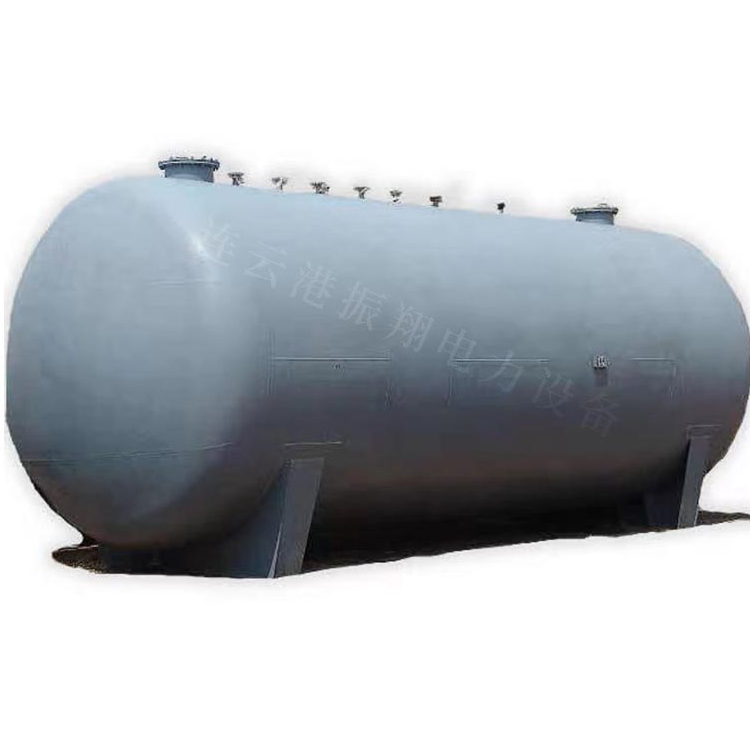


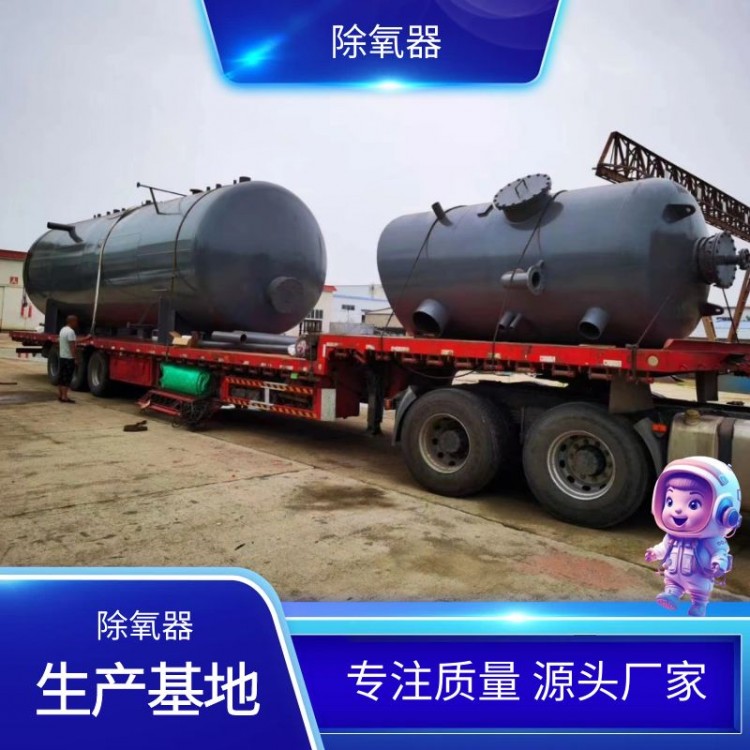
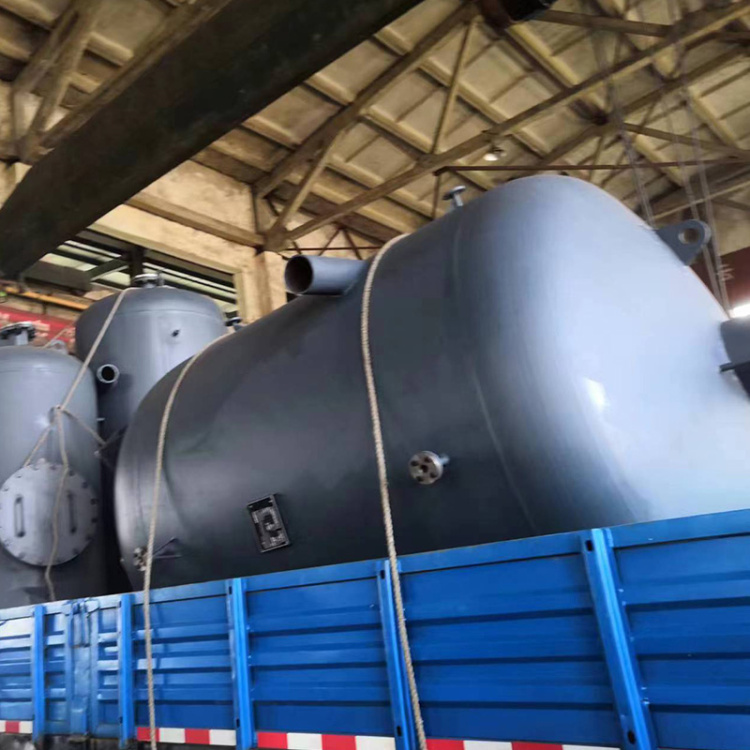


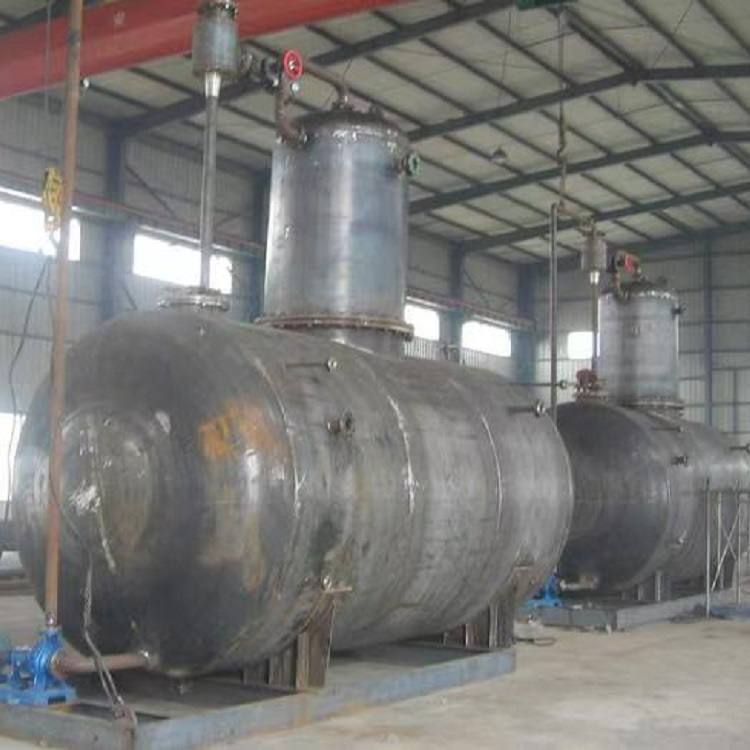
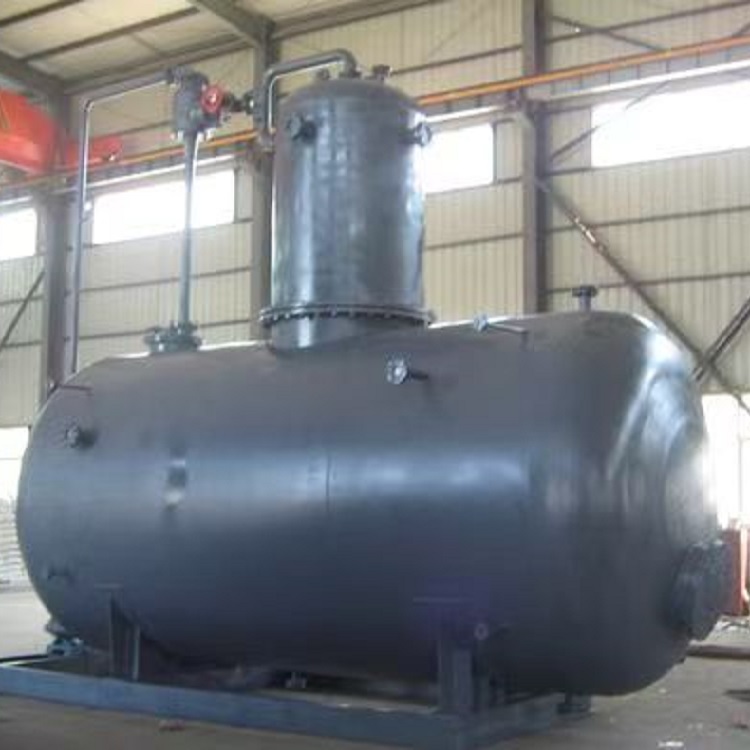








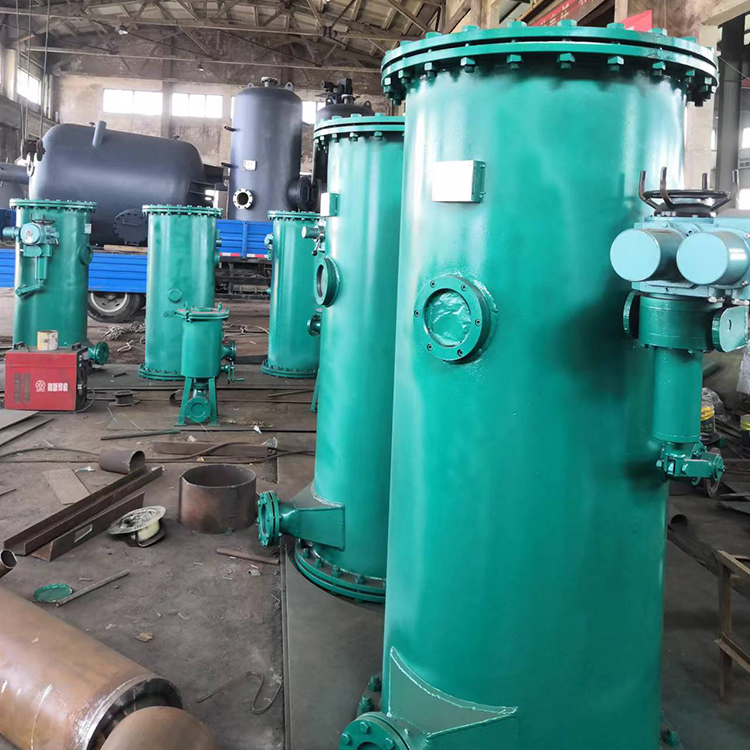
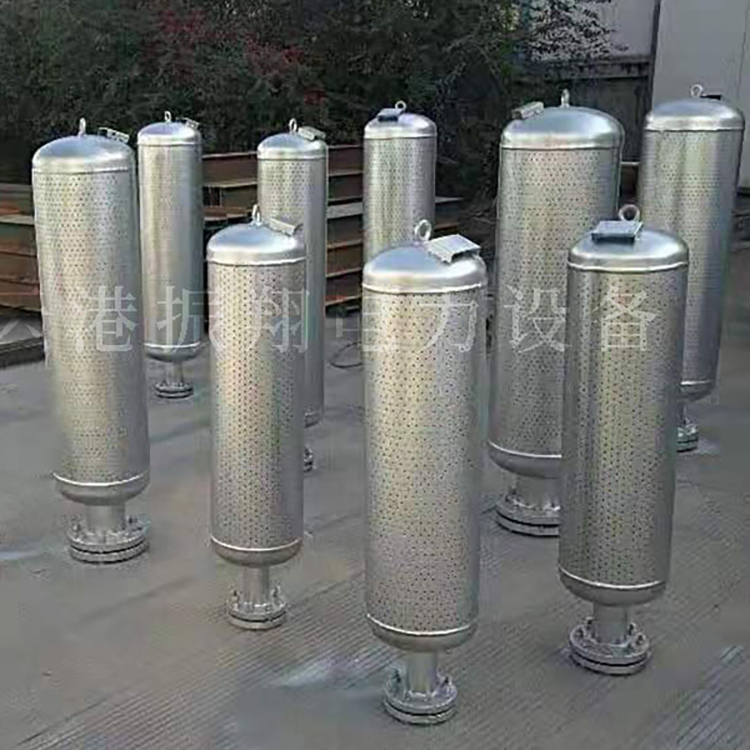
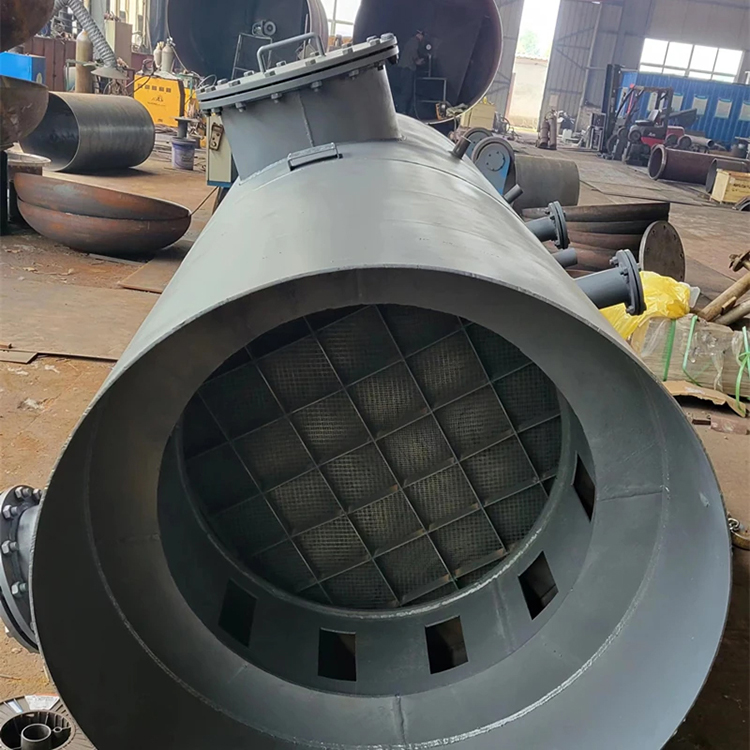
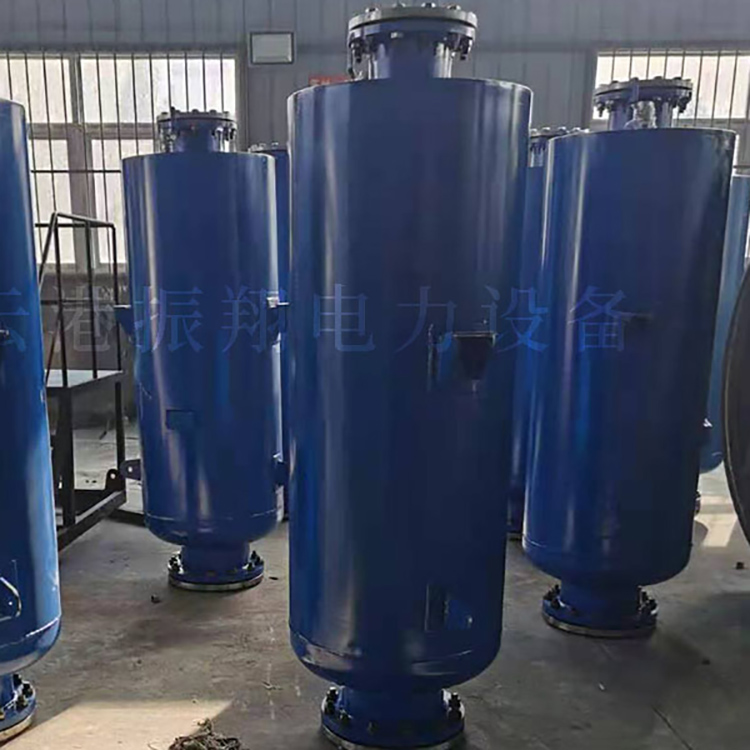
The working principle of the oxygen removal unit without head is: oxygen removal in water can be achieved through two methods: chemical and physical. Chemical oxygen removal can completely remove oxygen but can only eliminate one type of gas, requiring expensive dosing costs and producing salts, hence it is rarely used alone in power plants. Physical oxygen removal, or thermal oxygen removal, uses heating methods to remove most gases from water. For subcritical pressure units, thermal oxygen removal can generally meet the requirements; for supercritical pressure units, additional chemical oxygen removal is performed on top of thermal removal to minimize dosing and salt production, with minimal impact.
When water boils, the partial pressure of vapor at the water surface approaches the total pressure of the mixture of gases, while the partial pressure of other gases is nearly zero, thus nearly all other gases dissolved in the water are expelled from the surface. However, the expulsion of gases to the surface requires a path and time, and the gases at the surface must be expelled to a location away from the surface promptly. Moreover, only gases that can form larger bubbles can escape the surface, while the residual molecular gases in the water require a stronger driving force to be expelled.