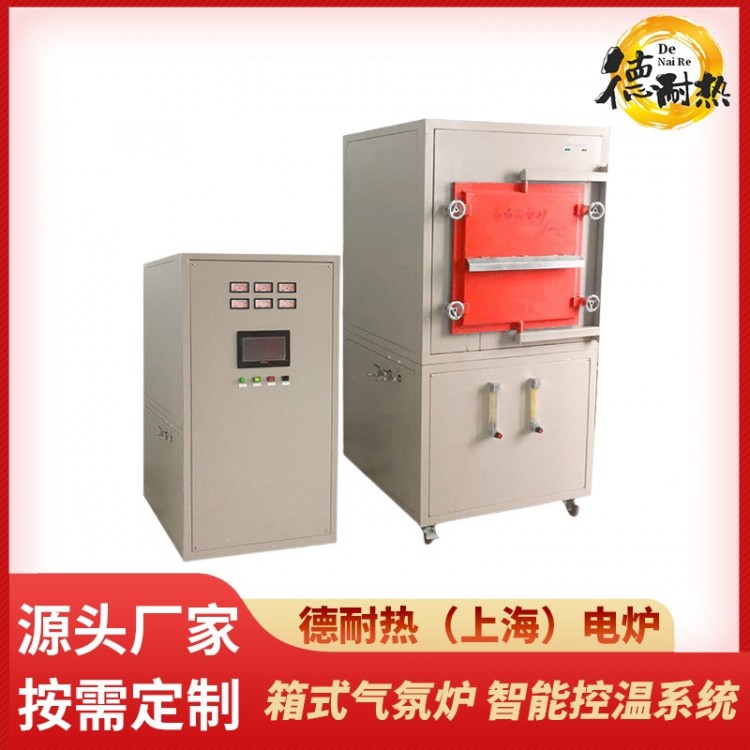
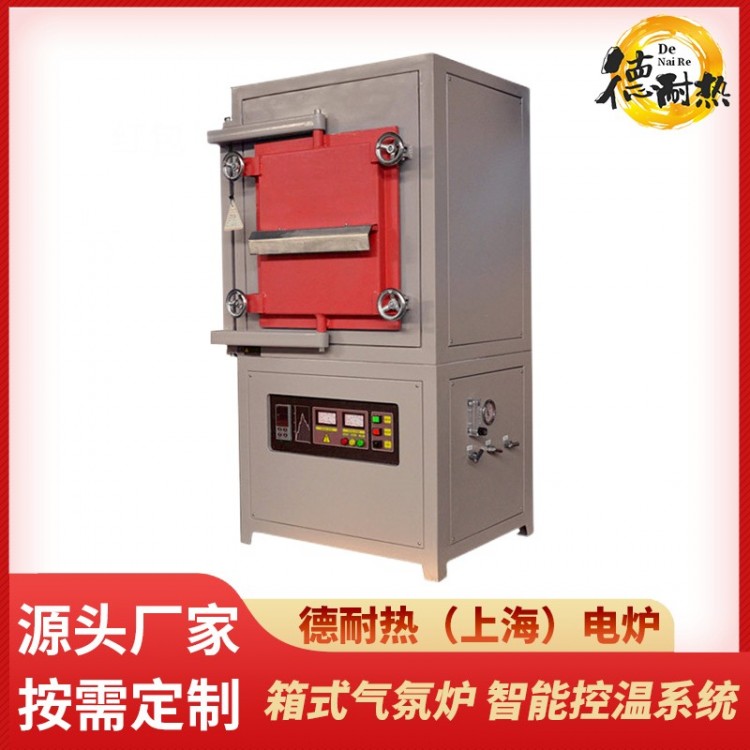
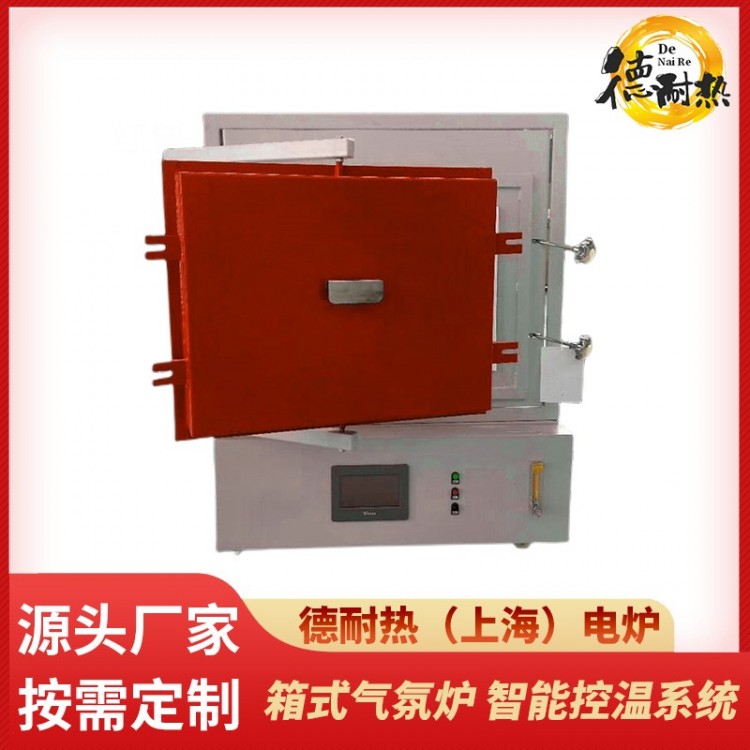
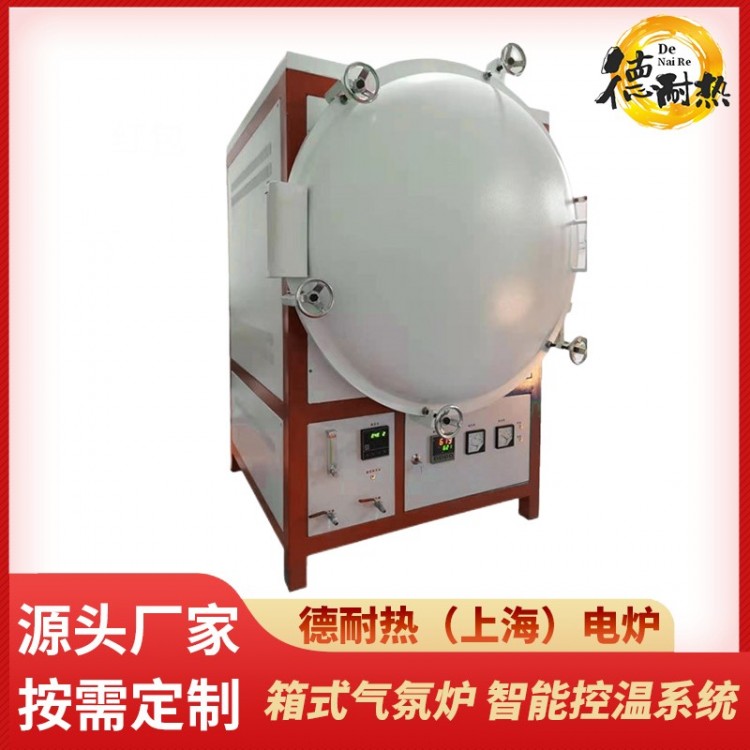
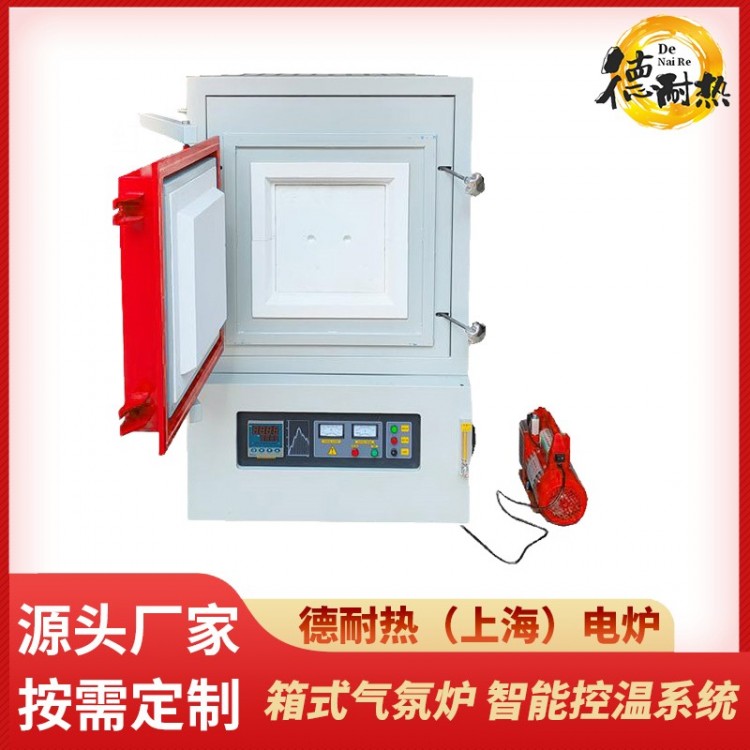
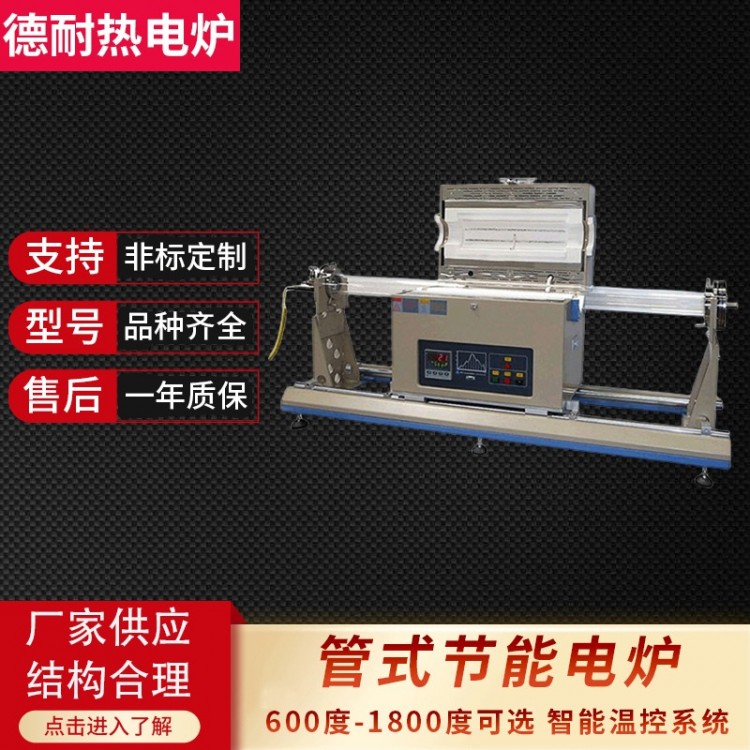
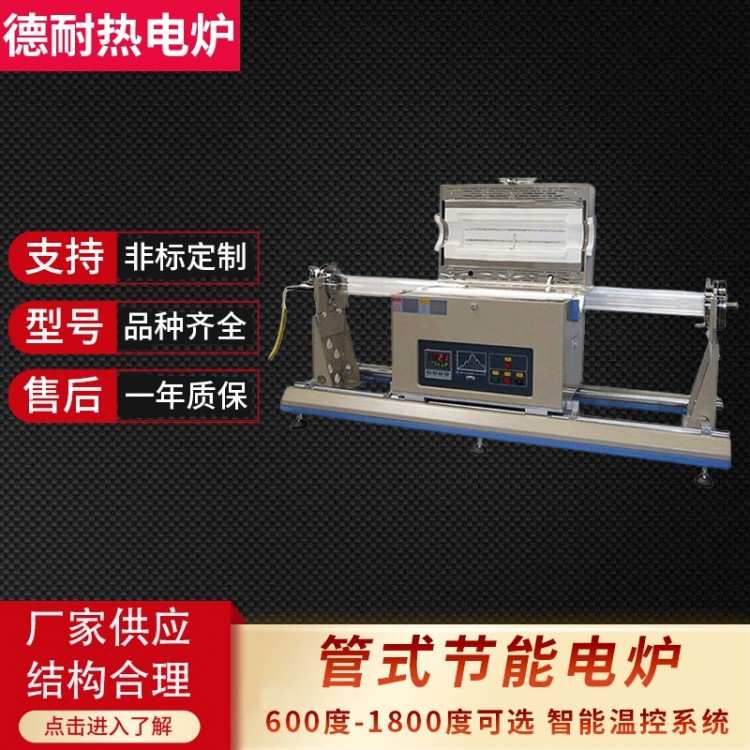
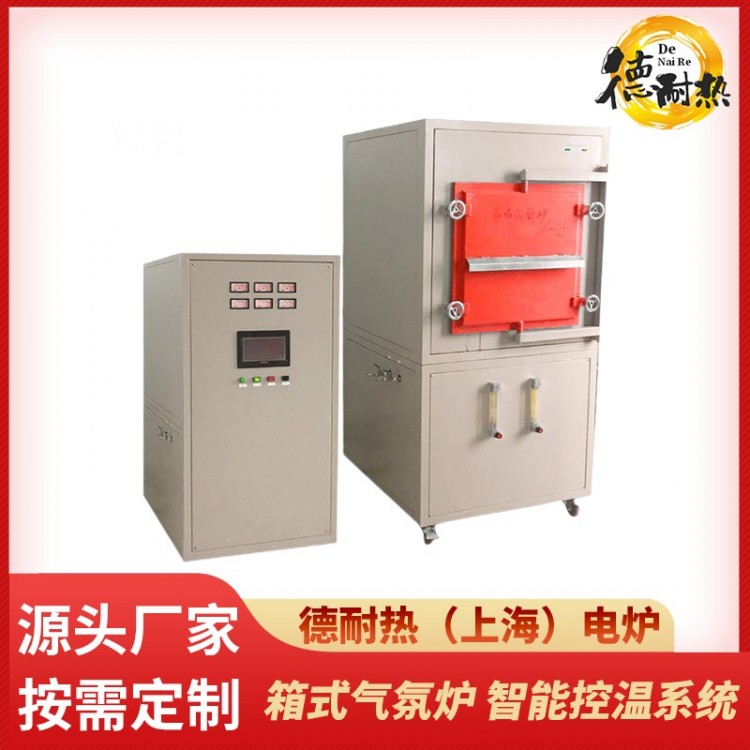
Since that technological upgrade, our 1400-degree atmosphere sintering furnace, atmosphere-protected vacuum tempering furnace, and box-type atmosphere furnace have shown unprecedented performance advantages. To meet the ever-growing market demand, we have decided to further develop these three equipment to new technical heights.
Firstly, for the 1400°C atmosphere sintering furnace, we plan to introduce an intelligent temperature control system. With precise sensors and advanced algorithms, this system can monitor the internal furnace temperature in real-time and automatically adjust the power of the heating elements to ensure temperature stability and uniformity. This will significantly enhance the degree and efficiency of the sintering process, while reducing energy consumption and production costs.
For the atmosphere protection vacuum tempering furnace, we will focus on enhancing its vacuum performance and atmosphere control capabilities. By optimizing the vacuum pump and sealing structure, we can achieve a higher vacuum level, effectively preventing oxidation and contamination of materials during the tempering process. Additionally, we will develop more advanced atmosphere control systems to ensure the purity and stability of the furnace atmosphere, further improving the properties and quality of the materials.
In box-type atmosphere furnaces, we will focus on structural design and energy-saving performance. By utilizing new materials and optimizing structural design, we can reduce heat loss of the furnace body and enhance thermal efficiency. Moreover, we will develop even more advanced solutions.
Heating elements and control systems for a faster, more even heating process, further shortening production cycles and improving efficiency.

Here are some advantages of the 1400°C atmosphere sintering furnace, atmosphere-protected vacuum tempering furnace, and box-type atmosphere furnace:
Create a specific atmosphere environment:
The ability to control the gas composition and pressure inside the furnace meets the processing requirements of different materials under specific atmospheres. For instance, during the sintering process of carbides, by introducing a specific ratio of inert and reducing gases, oxidation can be effectively prevented and the progression of chemical reactions promoted.
For metals prone to oxidation, such as titanium alloys, heat treatment in a reducing atmosphere ensures their properties remain undamaged.
2. Vacuum Processing Capacity
Vacuum environments can reduce the collision frequency of gas molecules, minimizing the impact of impurities and gases, thereby enhancing material purity and performance. For instance, in the preparation of semiconductor materials, vacuum annealing can remove impurities and improve crystal structure.
For high-precision parts with stringent requirements, vacuum treatment can prevent surface oxidation and decarburization, enhancing part accuracy and lifespan.
3. High Precision Temperature Control:
Can achieve temperatures up to 1400°C with precise control within an error range. For instance, in the sintering of ceramics, precise high-temperature control ensures the ceramic material achieves ideal crystallinity and microstructure, resulting in excellent physical properties.
Advanced temperature sensors and control systems can quickly respond to temperature changes, ensuring stable temperature control.
Even heating and cooling
A rational distribution of heating elements and thermal conduction design ensures uniform temperature distribution within the furnace, preventing localized overheating or underheating of materials. In the tempering process of metals, uniform temperature aids in achieving consistent hardness and toughness.
An optimized cooling system achieves rapid and even cooling, enhancing production efficiency while minimizing the impact of thermal stress on materials.
5. Multi-functional integration:
Integrating sintering, tempering, and more into one, it meets the needs of various process stages, reducing equipment investment and site occupancy.
For the development of new materials, different heat treatment steps can be completed in the same furnace, facilitating optimization and improvement of the process.
6. Secure and Reliable
Equipped with comprehensive safety protection devices such as over-temperature alarms, pressure protection, and power failure protection, ensuring the safety of operators and the stable operation of the equipment.
Robust sealing design and anti-leakage measures prevent harmful gas leakage, ensuring a safe working environment.
7. Enhance product quality:
Atmospheric control, temperature control, and uniform heat fields significantly enhance product quality and consistency. For instance, in the production of high-performance alloys, box-type atmosphere furnaces ensure uniform distribution of alloy composition and excellent mechanical properties.
Enhances production of products with higher precision, superior performance, and extended lifespan, thereby bolstering the company's market competitiveness.
8. Energy-saving and environmentally friendly
Insulated materials and energy-efficient heating methods are used to reduce energy consumption. Additionally, effective treatment and emission control of waste gases are implemented to minimize environmental pollution.
Under the premise of meeting production requirements, achieve the goal of sustainable development.
Looking ahead, we will continue to focus on the research and innovation of these three devices. We believe that, driven by ongoing technological advancements and market demands, our products will demonstrate even better performance and broad application prospects.