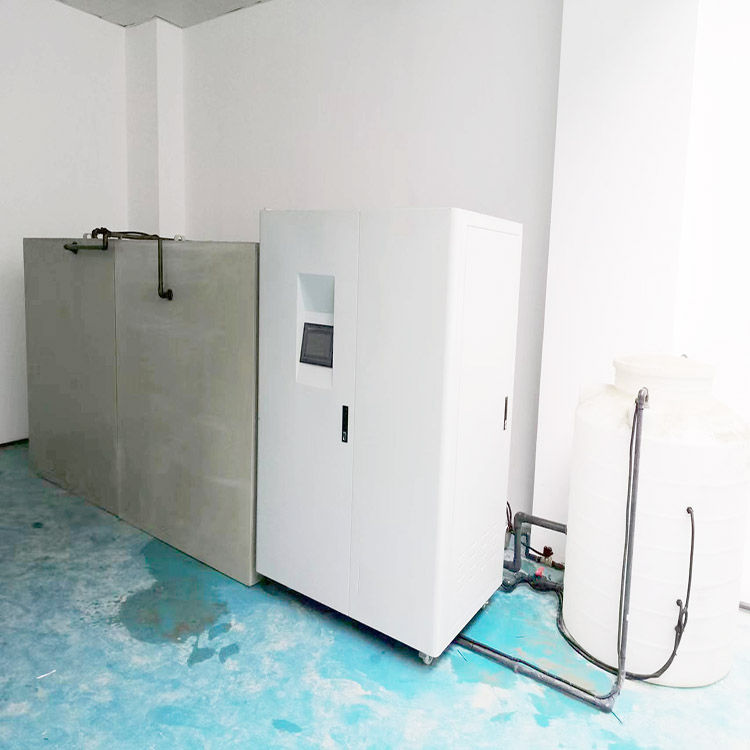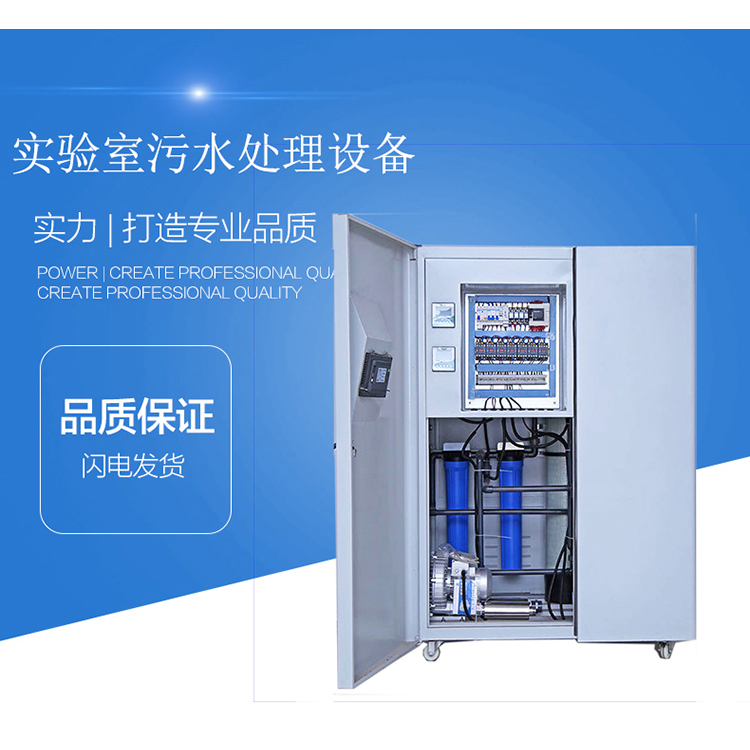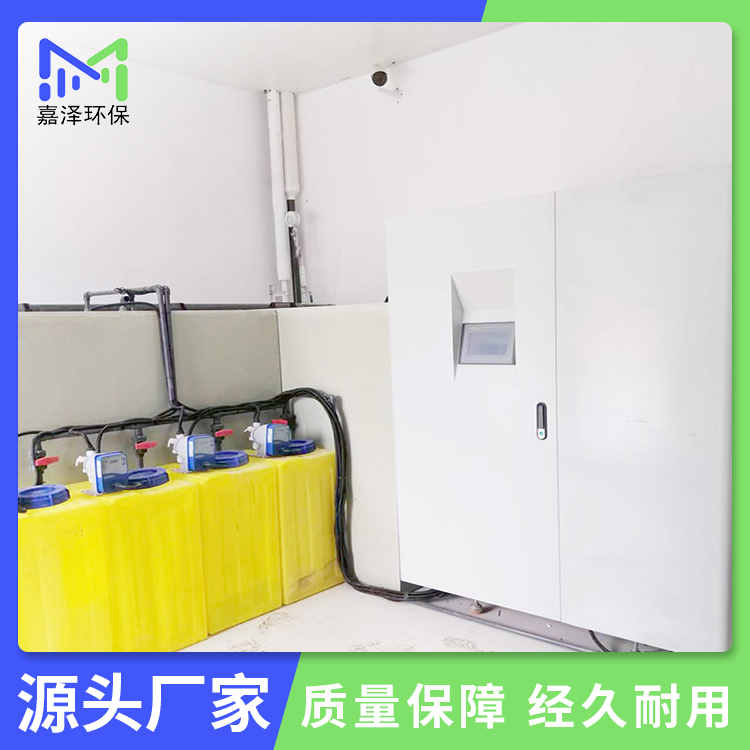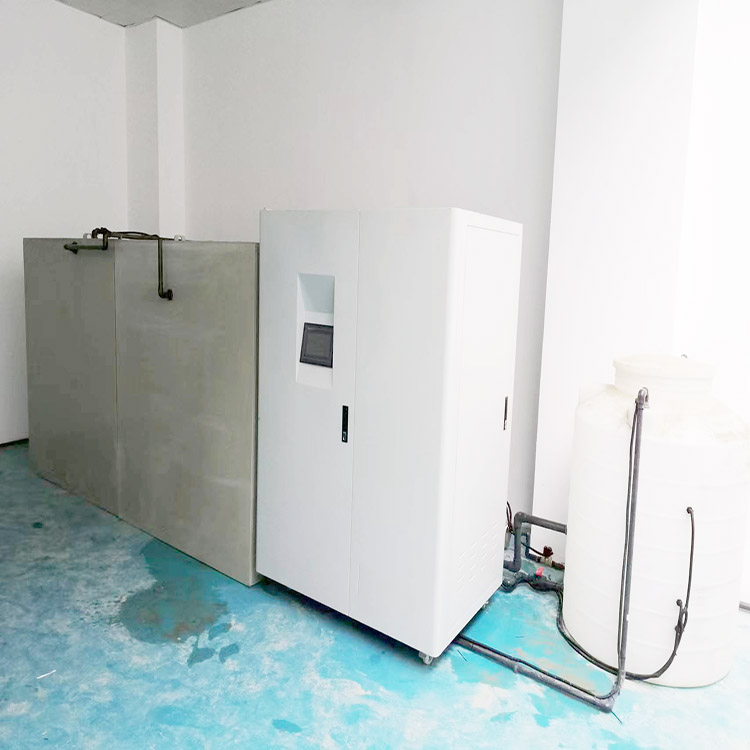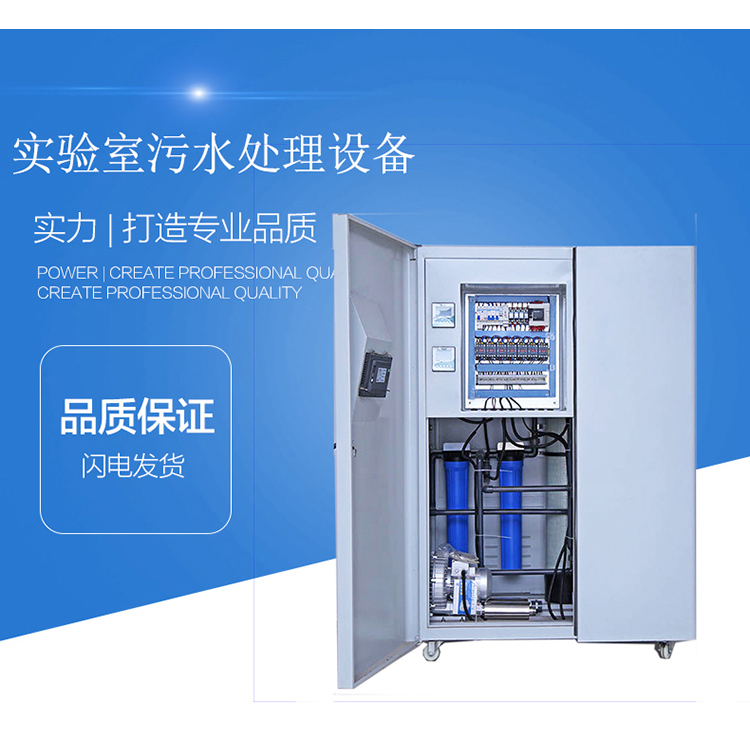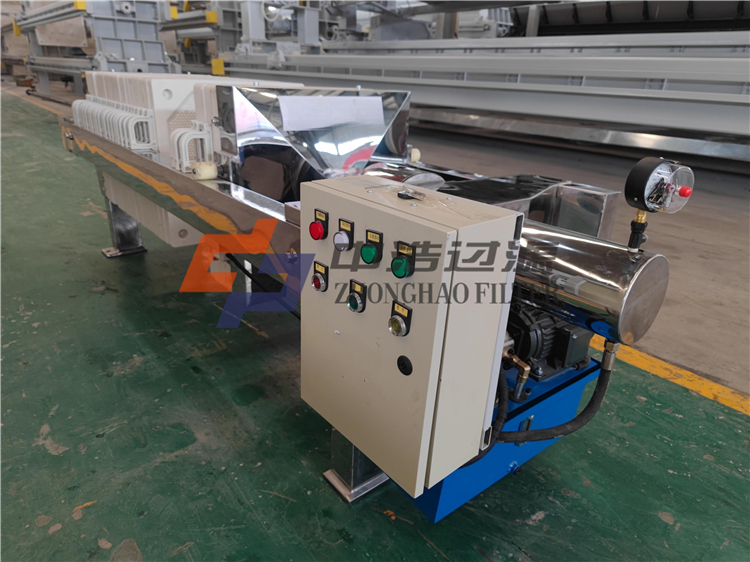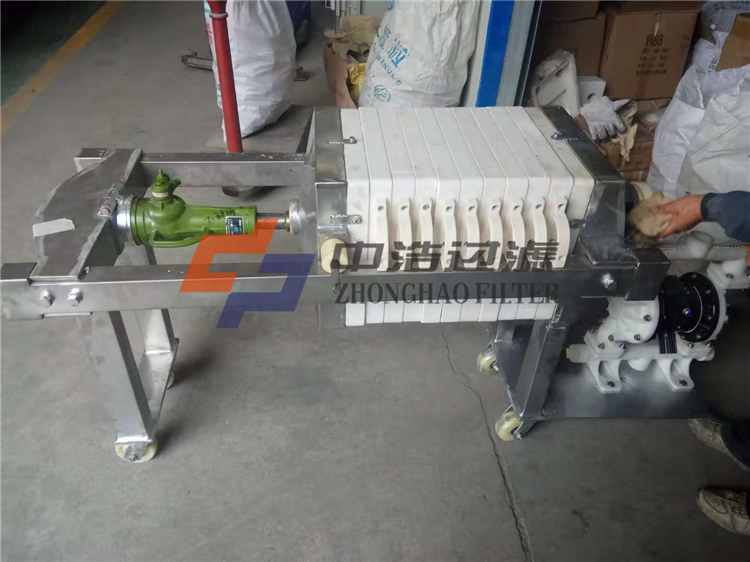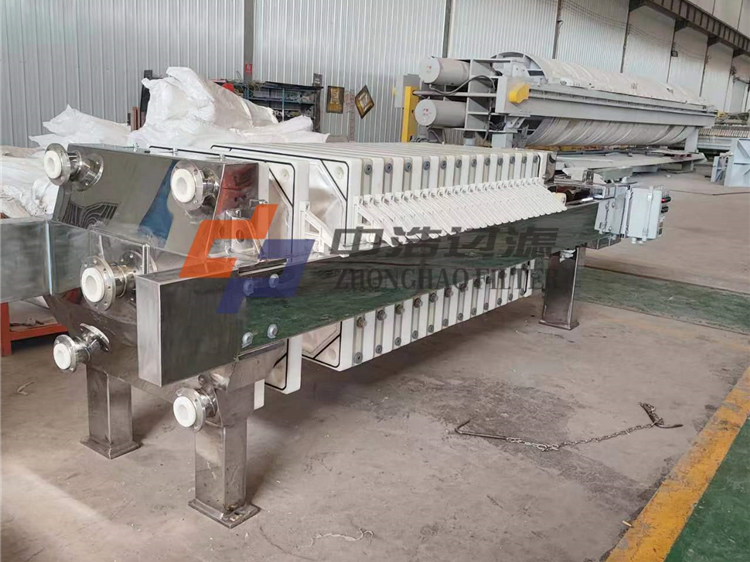


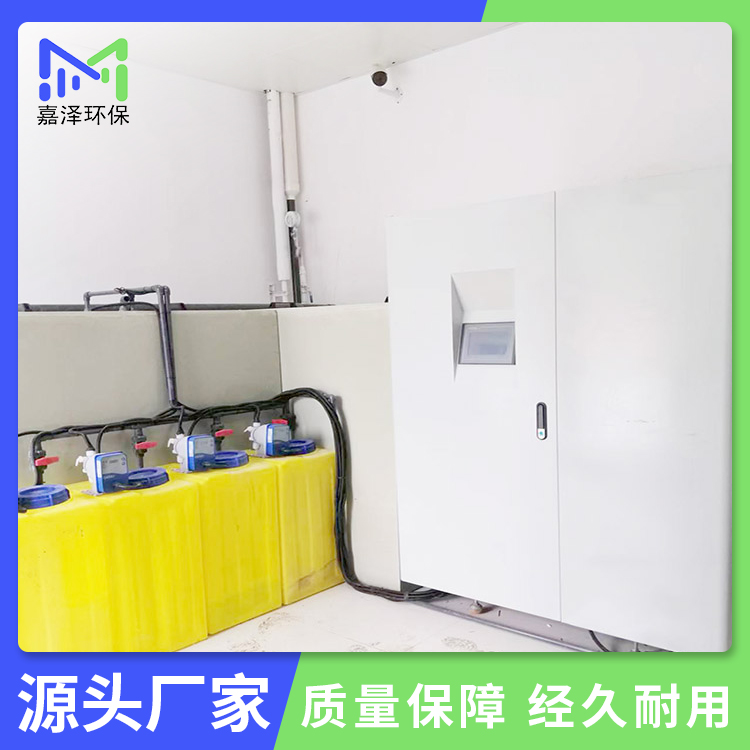
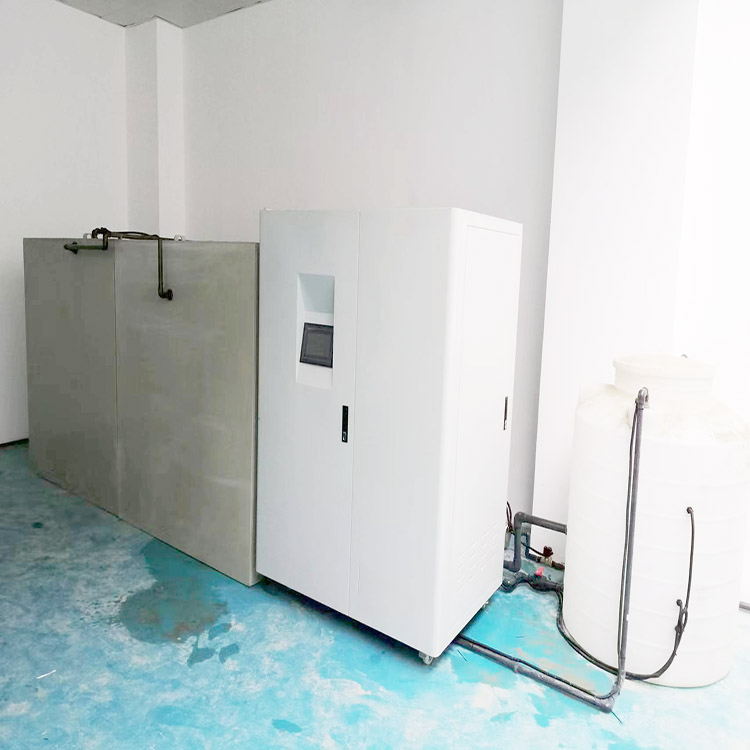
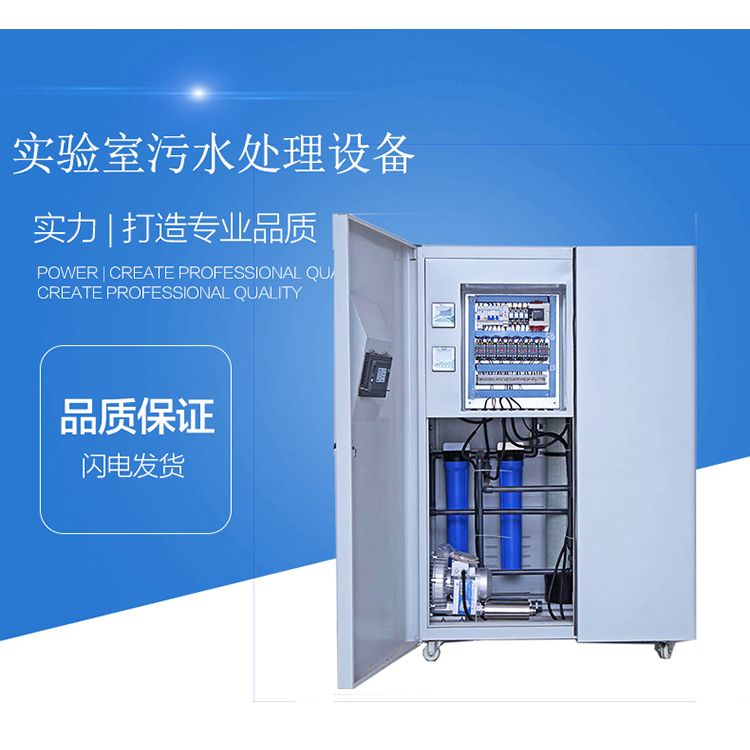


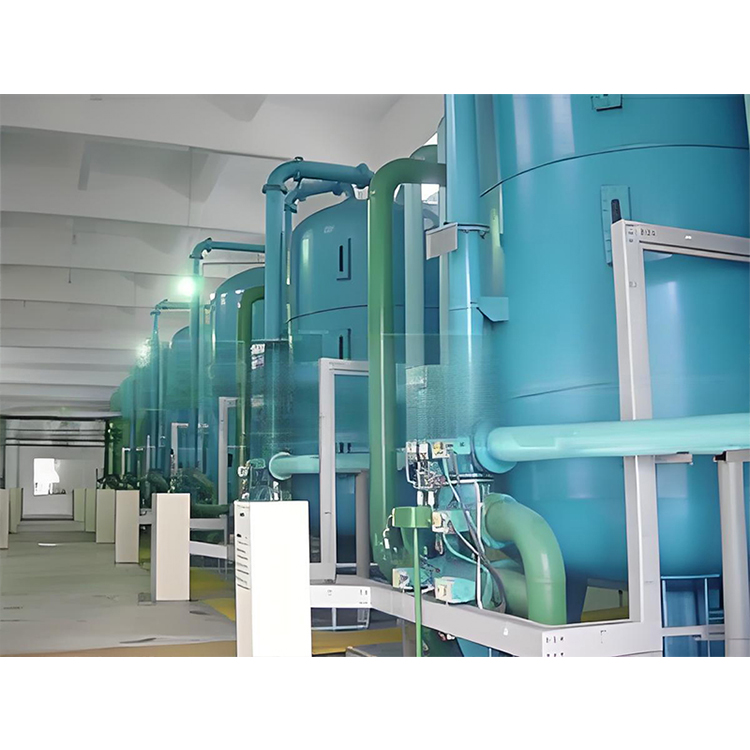
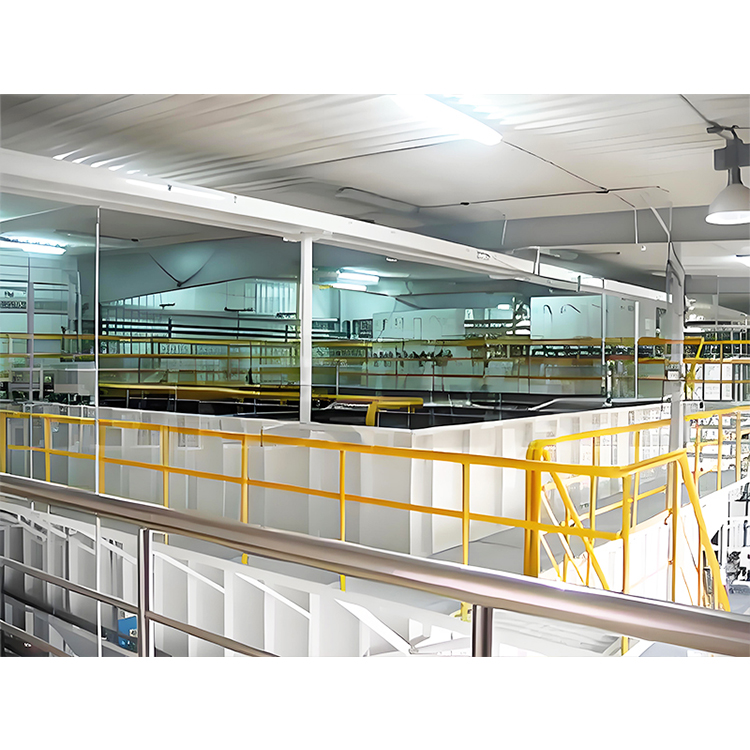
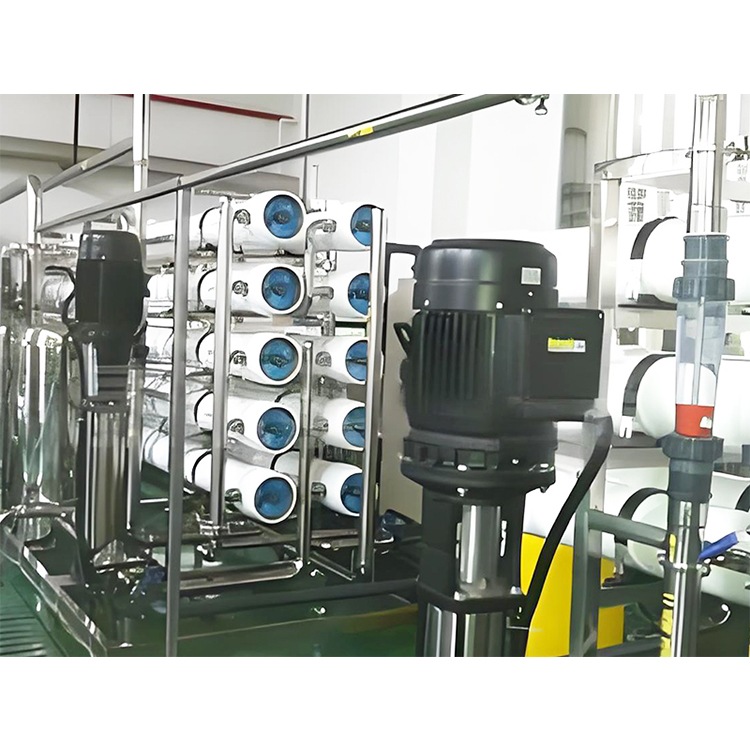
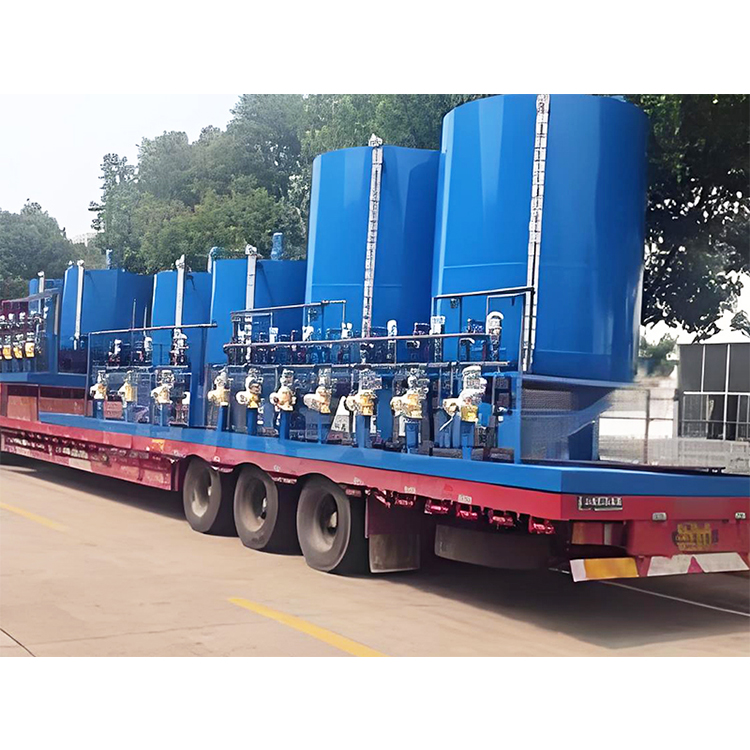
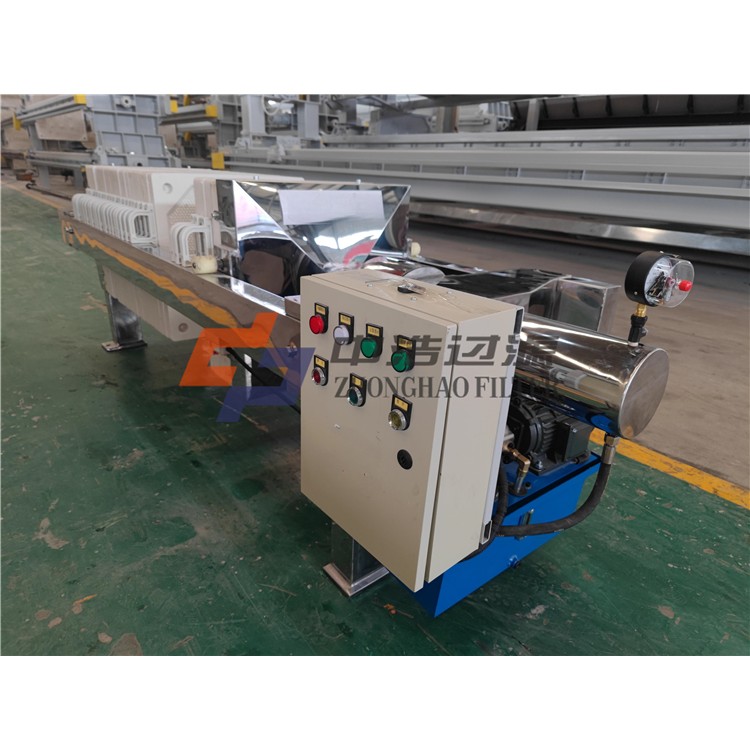





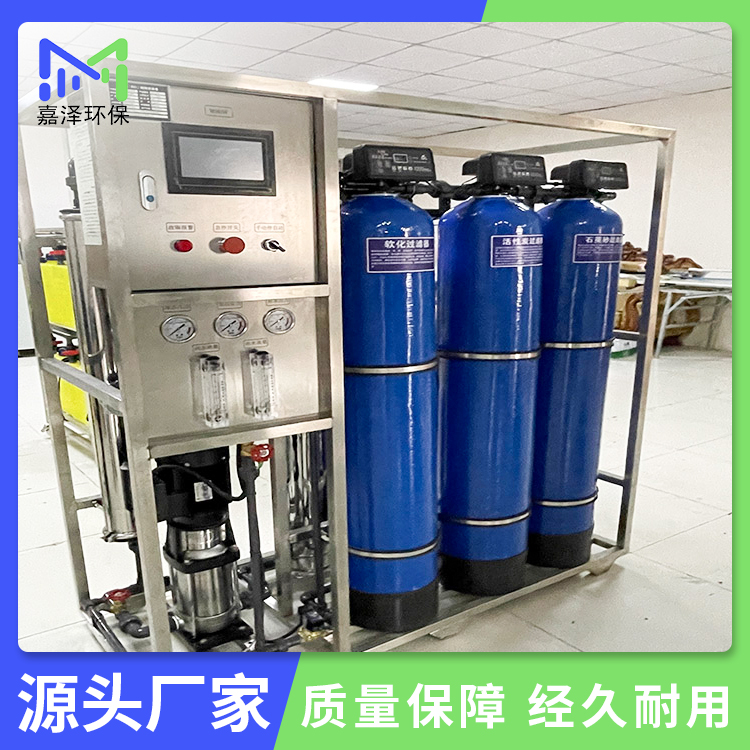
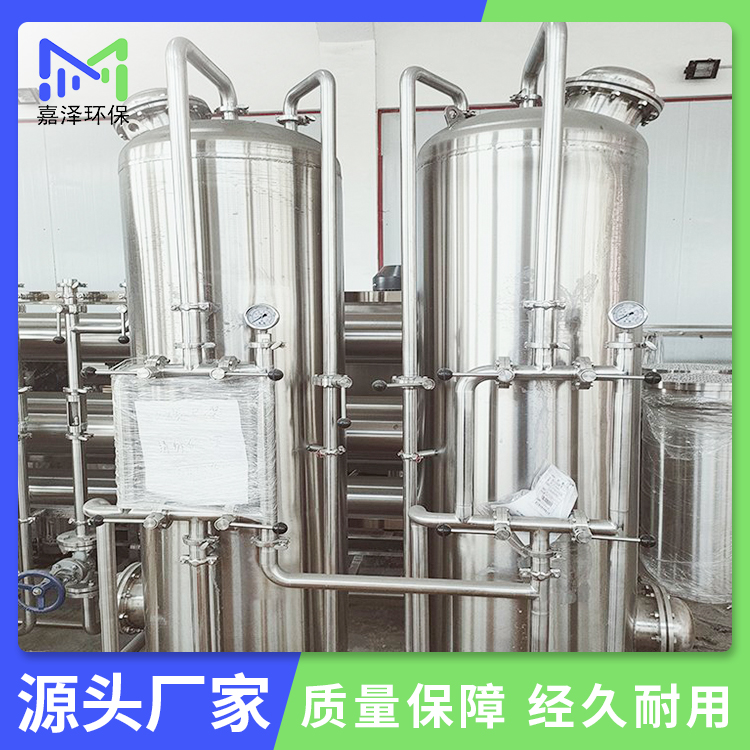
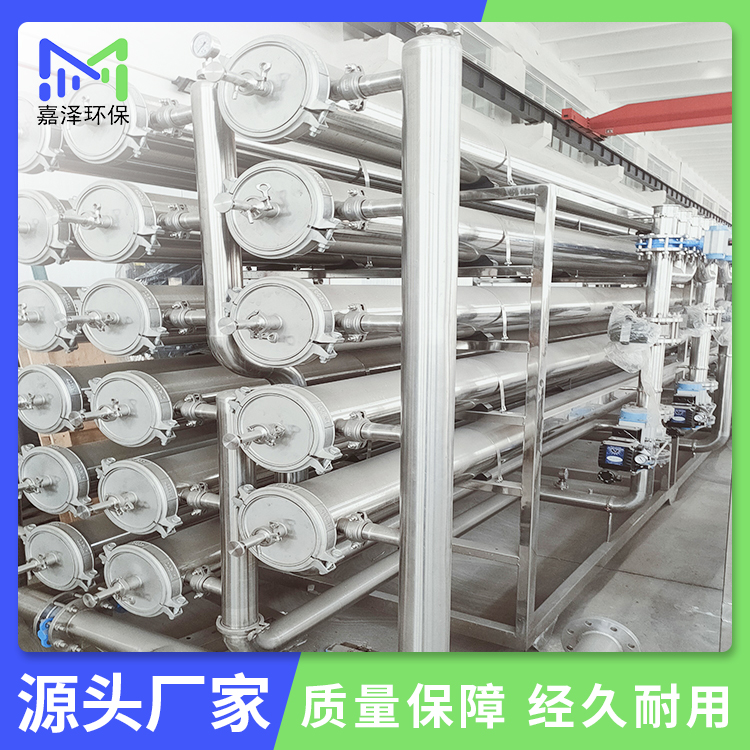

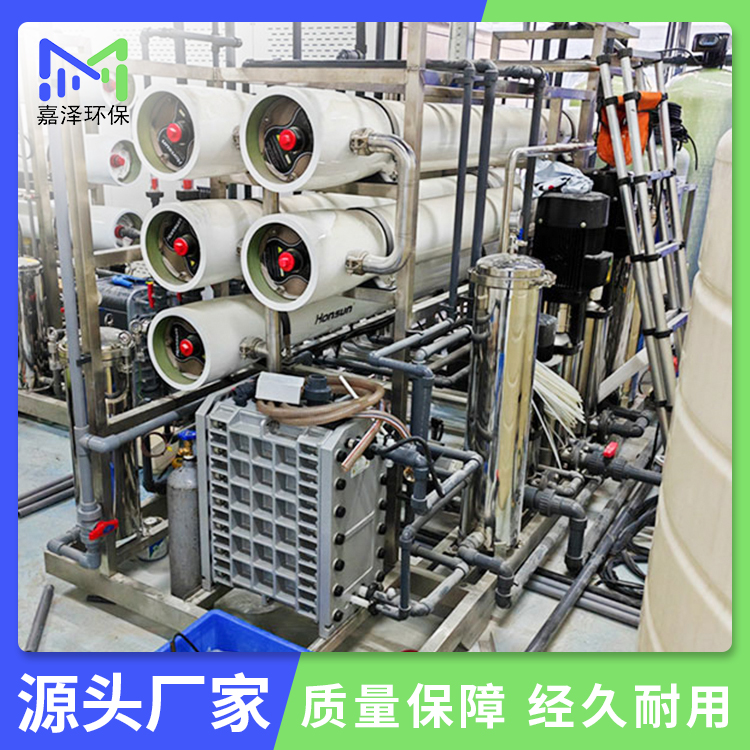
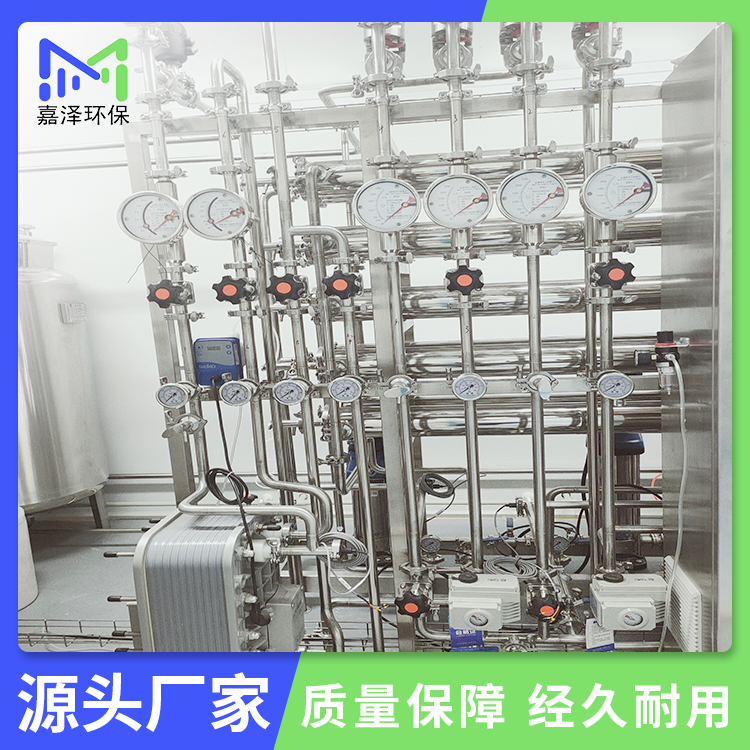
The equipment utilizes a process flow of "collection box → homogenization of water quality → micro-electrolysis → screen filtration → pH adjustment → flocculation → heavy metal capture → sedimentation → filtration → chemical oxidation → COD degradation → compliant discharge" to treat laboratory wastewater. It is a technologically advanced, highly automated, and effective treatment system with minimal land use, simple operation and management, and does not require dedicated staff. This comprehensive wastewater treatment equipment for laboratories is widely used in various industries at home and abroad, including universities, research institutions, food and drug inspections, product quality testing, disease control centers, environmental monitoring, agricultural product quality testing, inspection and quarantine, grain and oil testing, animal disease control, blood stations, animal husbandry, medical institutions, hospitals, biopharmaceuticals, petrochemicals, and corporate laboratories and testing rooms.
Equipment Features:
Small footprint, easy installation
2. Automated operation, simplified operation, no need for dedicated system management.
3. The system processing is stable and reliable.
4. Attractive appearance, compact structure, easy to move
5. Reduce subsequent operational costs
1. Collection Pool: Under the functions of wastewater collection and water quality balance, the wastewater first neutralizes each other, reducing the amount of acid and alkali needed for pH adjustment, making it more environmentally friendly.
2. pH Adjustment: Removes acidic and alkaline contaminants from water while ensuring the effectiveness of subsequent treatment.
3. Concrete Pools: Incorporate the third-generation heavy metal chelating and solidifying agent with strong chelating ability and environmental friendliness, effectively removing heavy metals, colloids, suspended particles, and other pollutants.
4. Ozone Oxidation Pool: Utilizes the oxidation treatment technology of ozone oxidation, mainly used for water disinfection, removal of pollutants such as phenol and cyanide in water, water de-coloring, removal of metal ions like iron and manganese, and elimination of odors and bad smells. Its advantages include fast reaction, simple process, and no secondary pollution.
5. Catalytic Microelectrolysis: A type of oxidation treatment technology. Utilizing new catalytic microelectrolysis fillers, it can effectively remove COD, reduce color intensity, enhance biochemical properties, ensure stable treatment performance, and prevent issues such as filler passivation and caking during operation.