









Capacitor Assembly Cleaning Wastewater Small-Scale Test Report
Trial Time:2022Year4Month16Date: Today, Presenter: Zhang Junlong
1,Main components of wastewater
Lubricating oil, ethylene glycol, ammonium formate, ammonium oxalate, detergent (surfactant), sodium hydroxide. Sample waste waterCODConcentration12500
2,Pilot Project: Low Temperature Evaporation
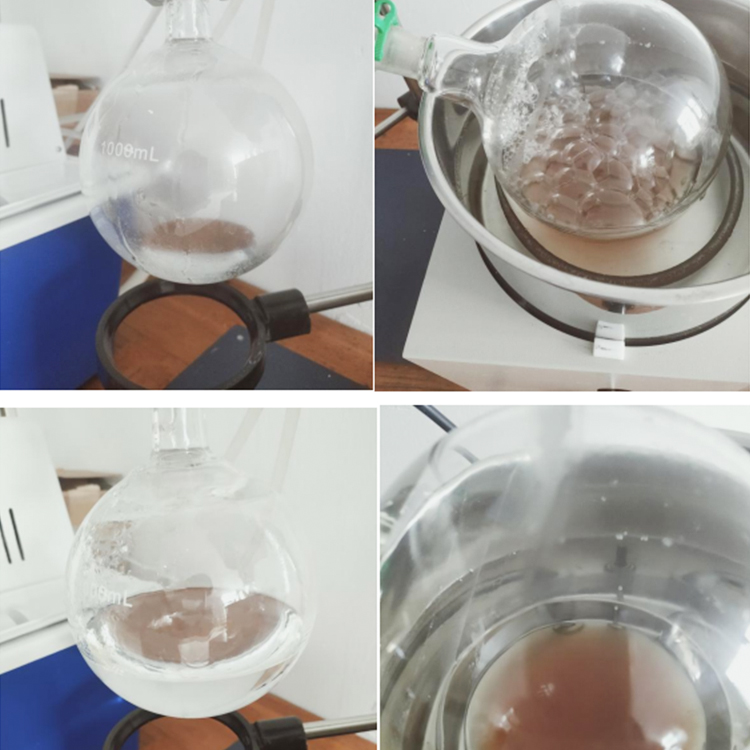
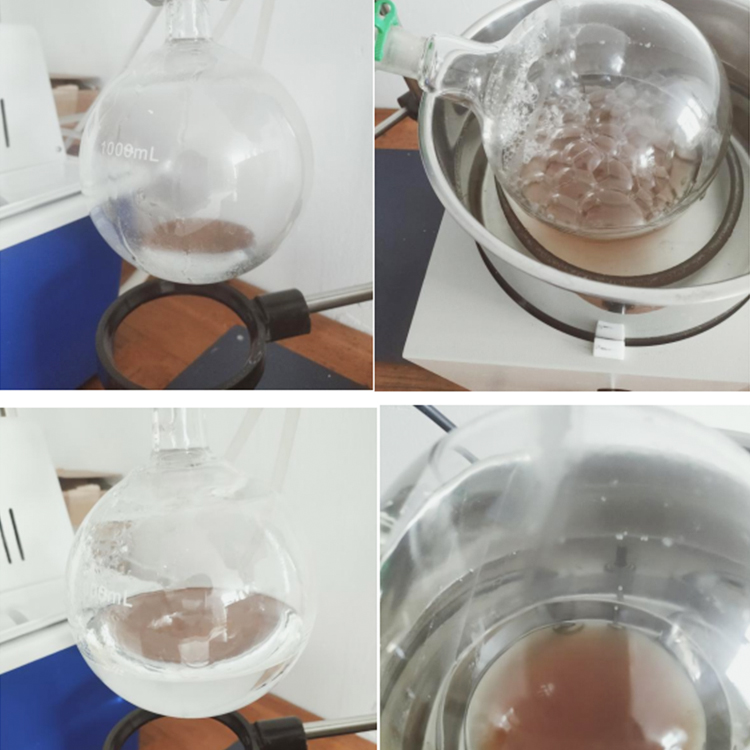
(1)Equipment for Initial Trial Selection:1000mlRotary Evaporation Equipment
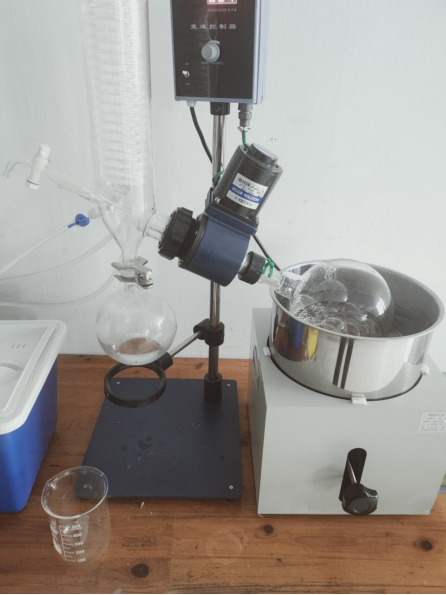
(2)Adopt500mlWaste liquid samples are processed for evaporation and concentration (crystallization) tests.
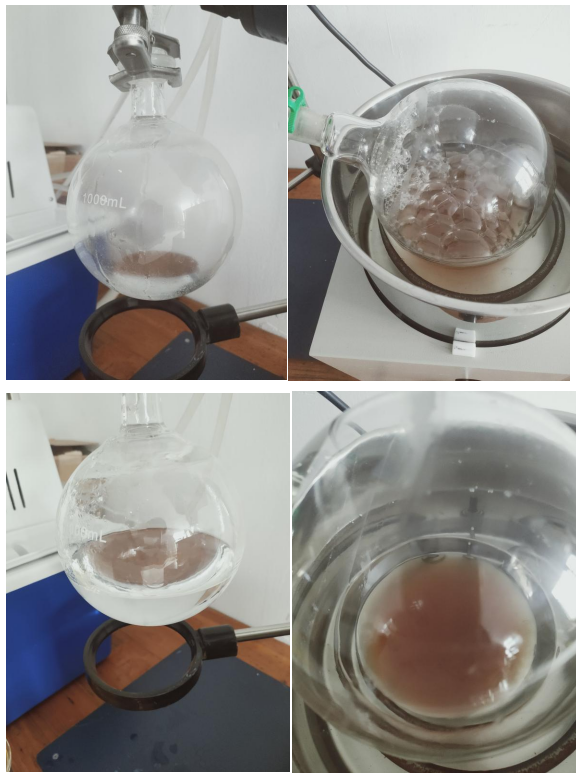
(3)Testing Process
(4)Test Results
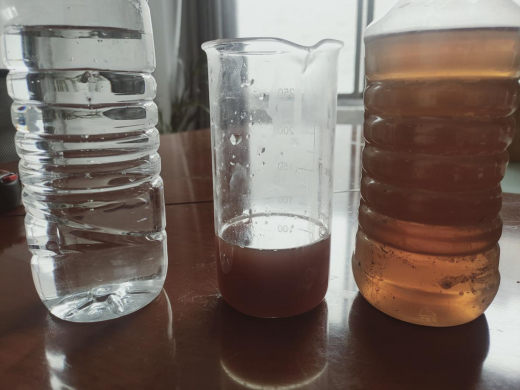
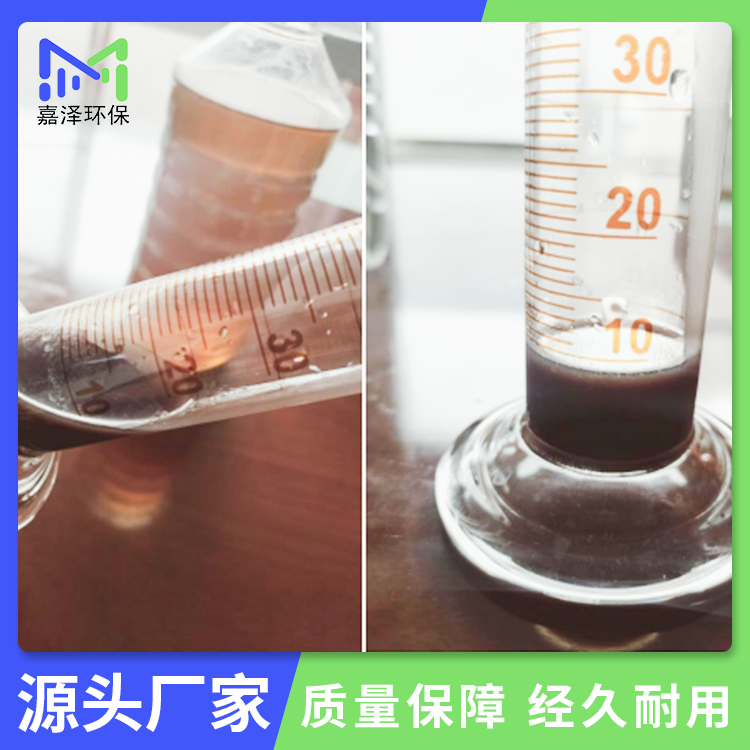
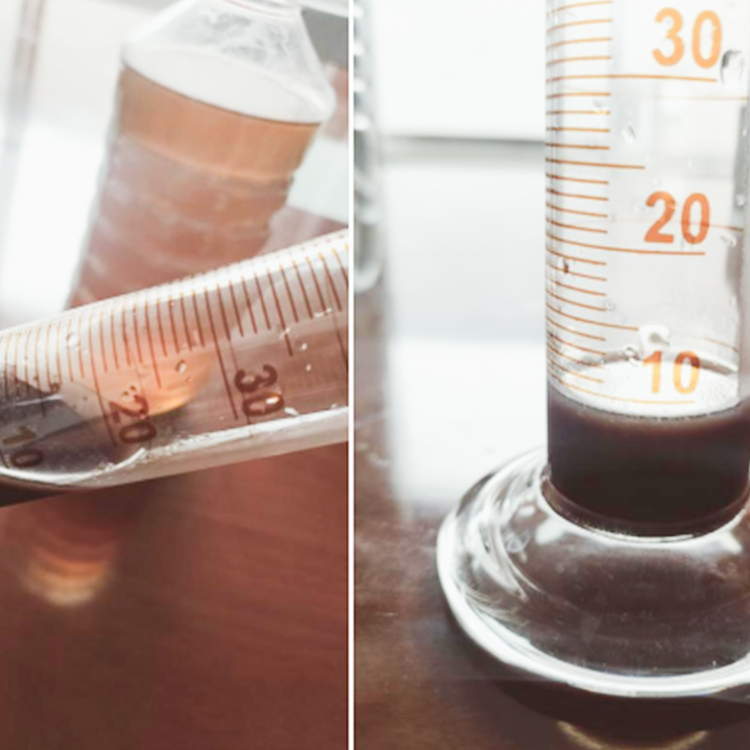
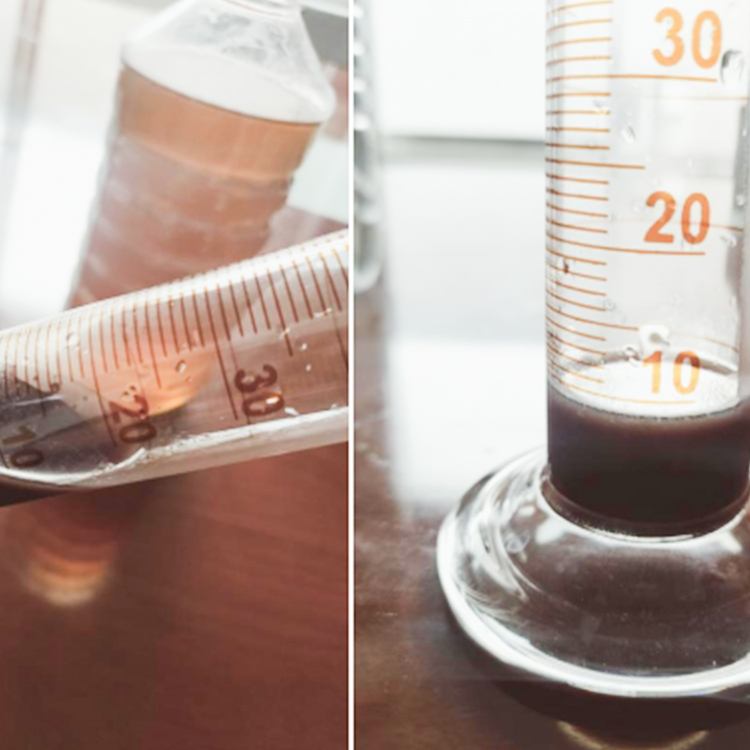
A,Concentrate85%After, compare the clear liquid (left), concentrate (middle), and original waste liquid (right).
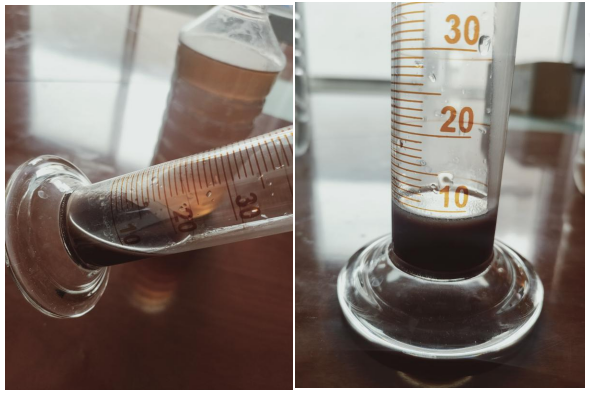
B,Concentrate98.5%Concentration liquid status.
3,A preliminary analysis
(1)Customer-supplied wastewater sampleCannot be concentrated to crystalline effect.
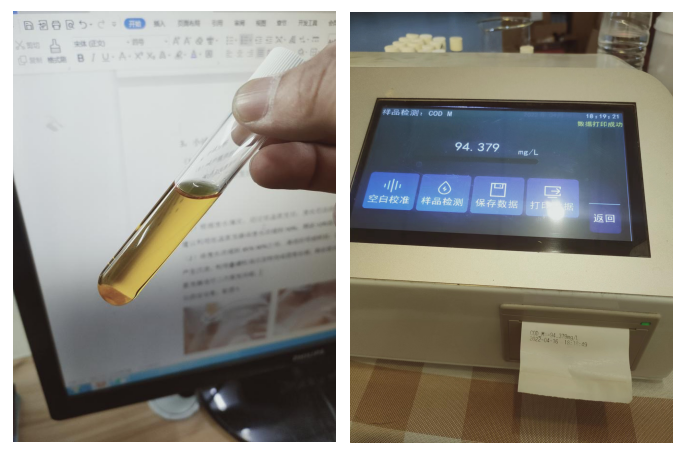
(2)Wastewater has been low-temperature evaporated, resulting in the original liquid.CODFrom the original12500mg/l, down to94.4mg/L。
4,Suggestion
(1)Based on the wastewater conditions, after low-temperature evaporation, the wastewater cannot be concentrated to a crystalline state. It is recommended to use a low-temperature evaporator to concentrate the wastewater to90%Reclaimed or discharged clear liquid, residual concentrate10%Collect waste liquids for outsourced disposal.
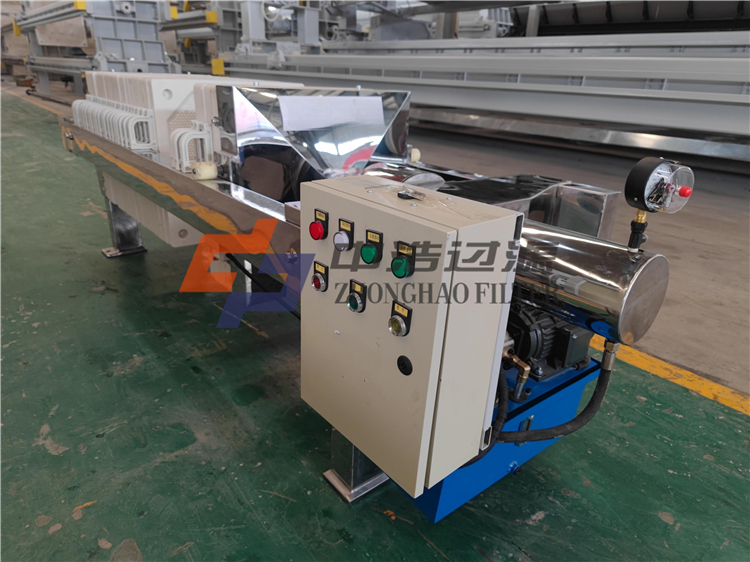
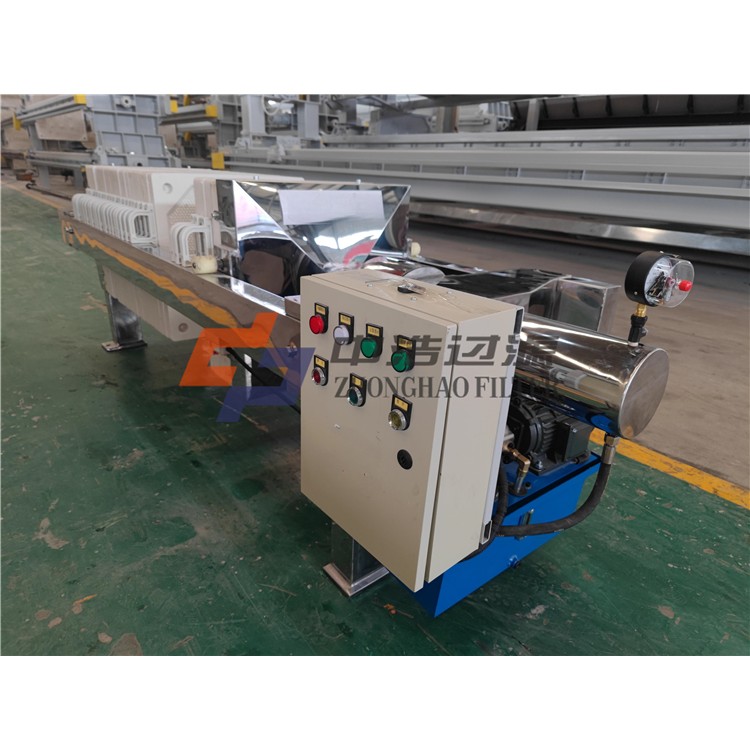
(2)Concentrate wastewater to85%-90%Between processes, clear liquid is reused or discharged, while concentrated liquid is treated by adding chemicals to form sludge. The sludge is then converted into solid waste by using a screw press. The remaining wastewater is further concentrated by a low-temperature evaporator for secondary evaporation.
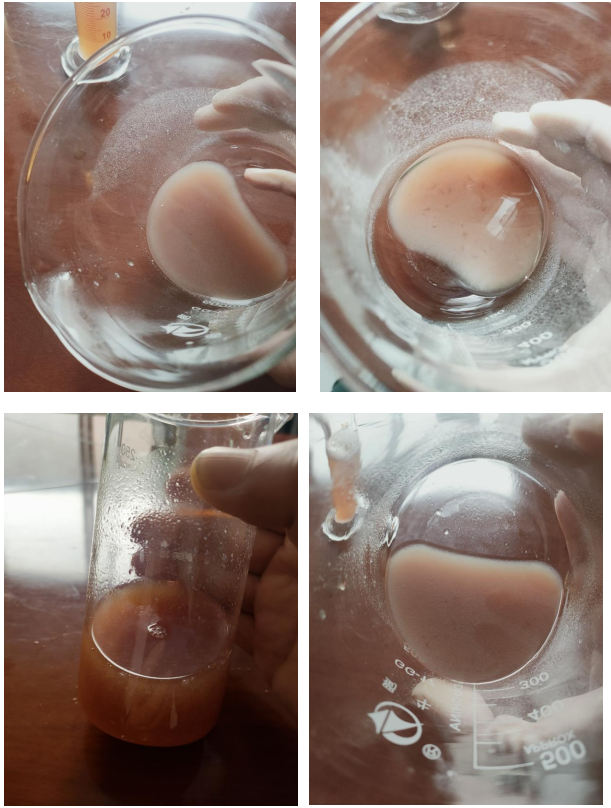
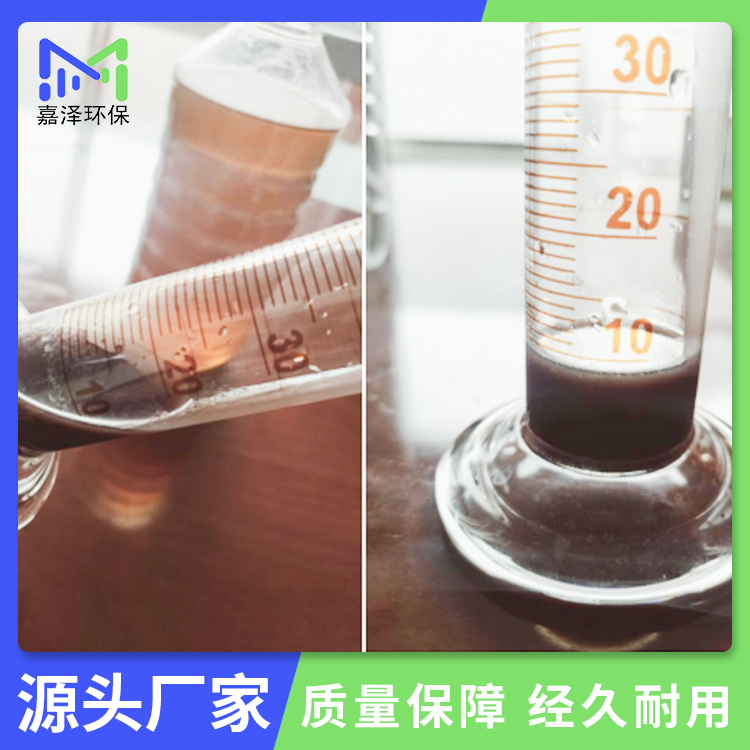
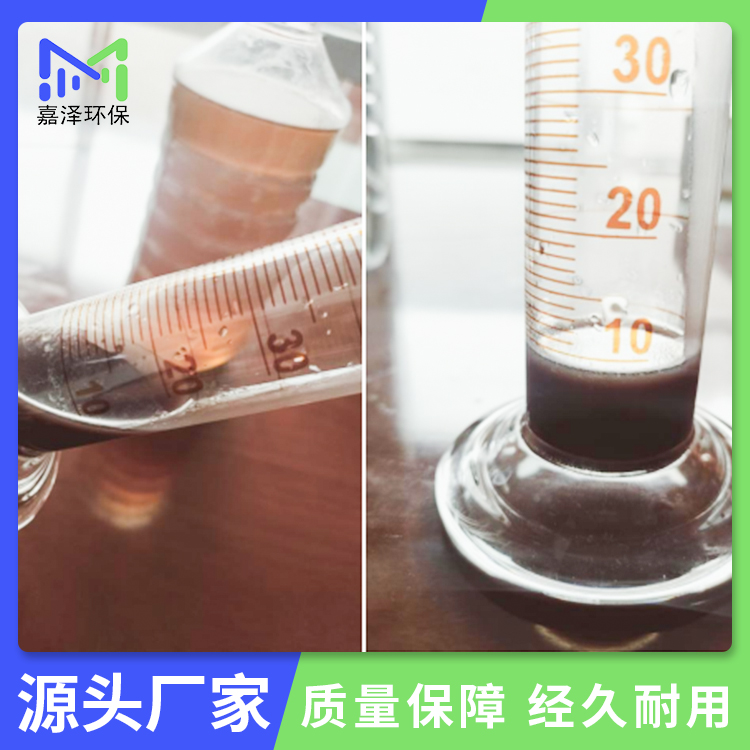
Raw Material Concentrate85%Post-addition effect