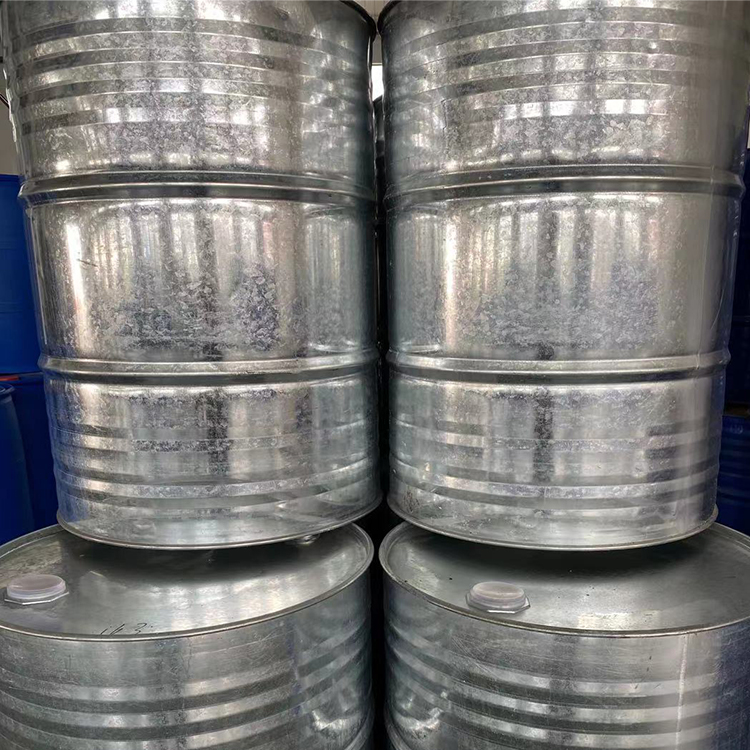
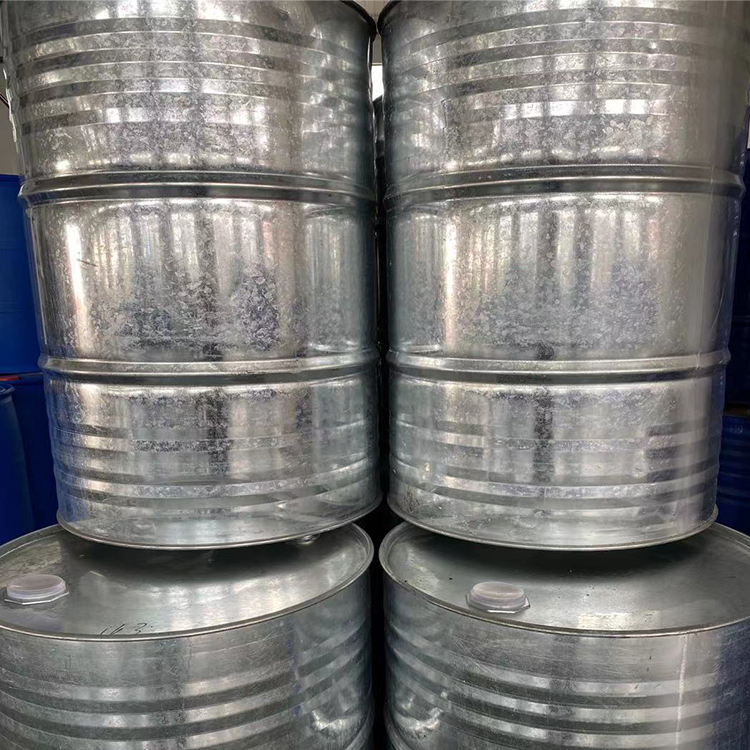









Oligomers of isomaltose are rarely found in a free state in nature, but they are present in small amounts as part of amylose or polysaccharides in certain fermented foods, such as soy sauce, yellow rice wine, or enzymatic syrups. The industrial production of oligomaltose from starch requires an enzyme called alpha-galactosidase, also known as glycosyltransferase, abbreviated as alpha-galactosidase. It can cleave the alpha-1,6-glycosidic bond in the structure of maltose and maltose oligomers, and transfer one sugar residue from a free maltose molecule to another sugar molecule or maltose or maltotriose, etc., forming isomaltose, isomaltotriose, isomaltotetrose, isomaltopentose, and panose, among others. Oligomaltose vibration sieve, oligomaltose sieve powder machine.
Oligomaltose, primarily composed of isomaltose, panose, isomaltotriose, and isomaltotetrose linked by α-1,6 glycosidic bonds, constitutes over 50% of the total sugars. To control the sugar content as much as possible, it is crucial to strictly regulate the process conditions of continuous jet liquefaction, ensuring complete dextrinization while controlling the degree of starch hydrolysis (lower DE value).
Oligomaltose contains sugar molecules with reducing ends, which, when heated with proteins or amino acids, undergo a Maillard reaction to produce browning and coloring. The intensity of the coloring is related to the sugar concentration and also depends on the type of protein or amino acid, pH, heating temperature, and duration. Therefore, when processing various food products with oligomaltose, it is important to consider the coordination of these factors.
Oligomaltose syrup is heat and acid-resistant. A 50% concentration syrup will not decompose under long-term heating at 120°C and pH 3. It can maintain its original properties and functions when applied in beverages, canned goods, high-temperature processing, or low pH food.
Many years of practical application have demonstrated the numerous functions of bifidobacteria, and naturally, oligosaccharides, as promoters of bifidobacteria, have garnered people's attention.
WeChat Official Account

Scan to follow Official Account