









I. Application Scope
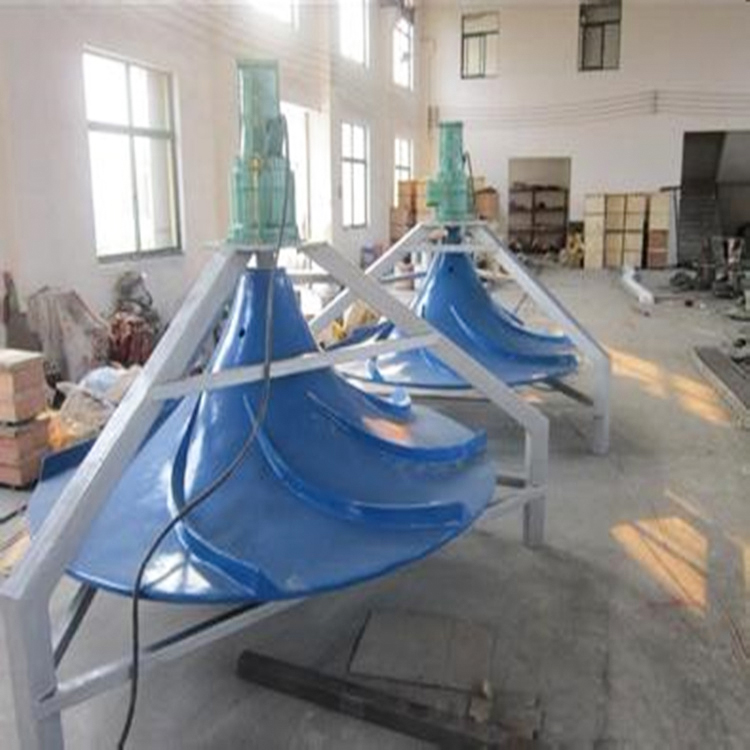
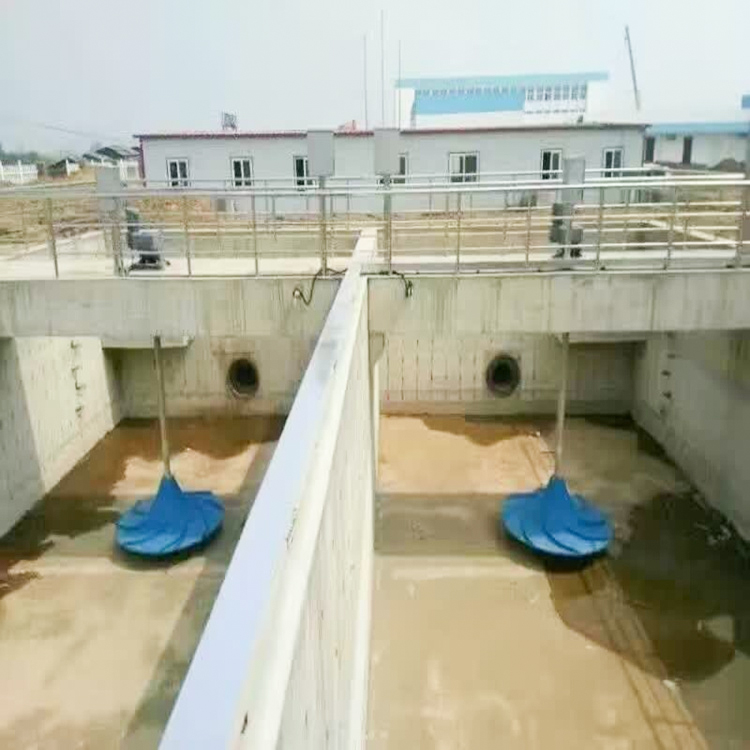
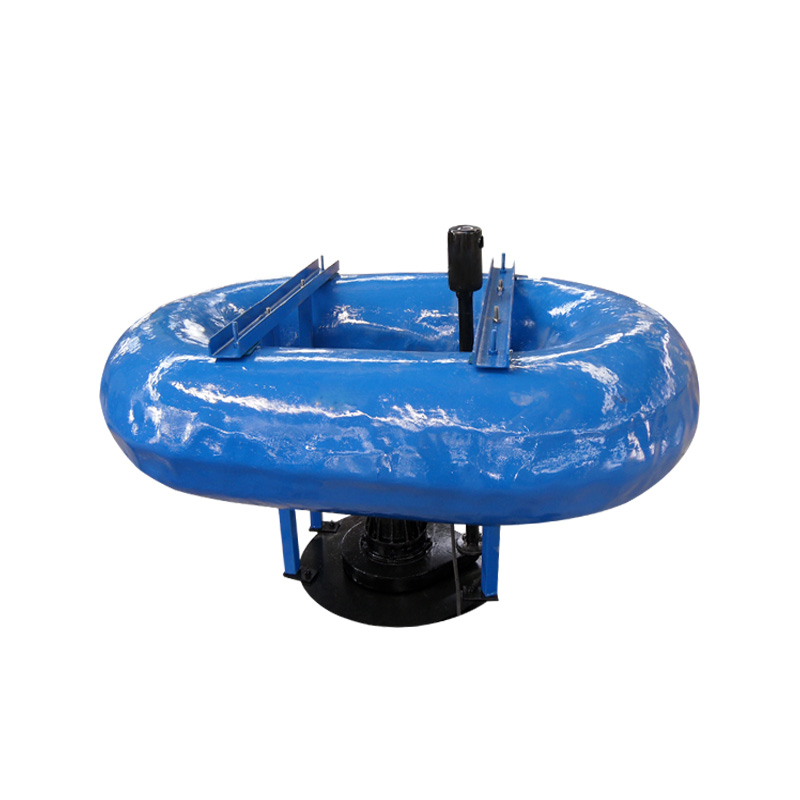
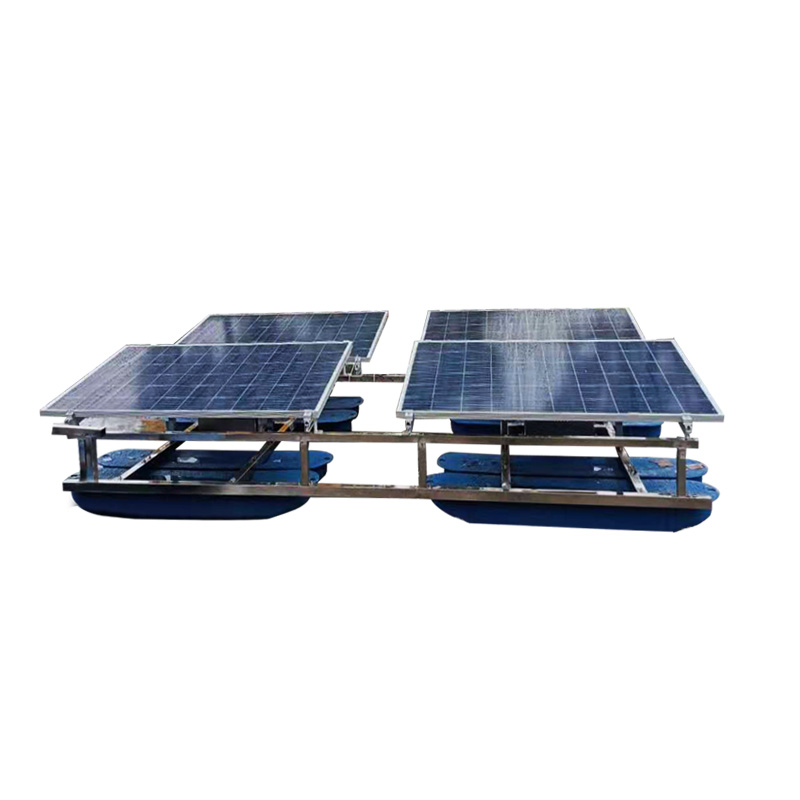
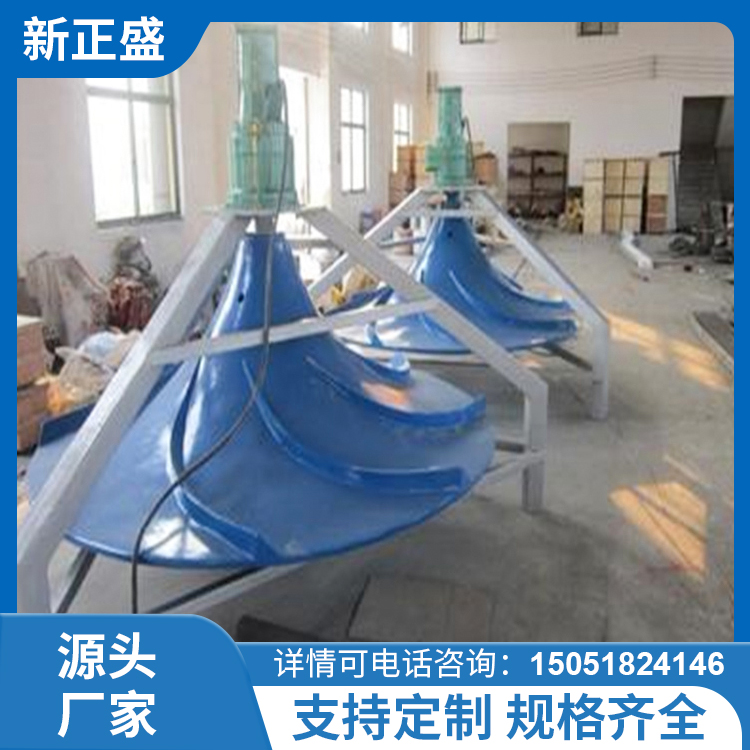
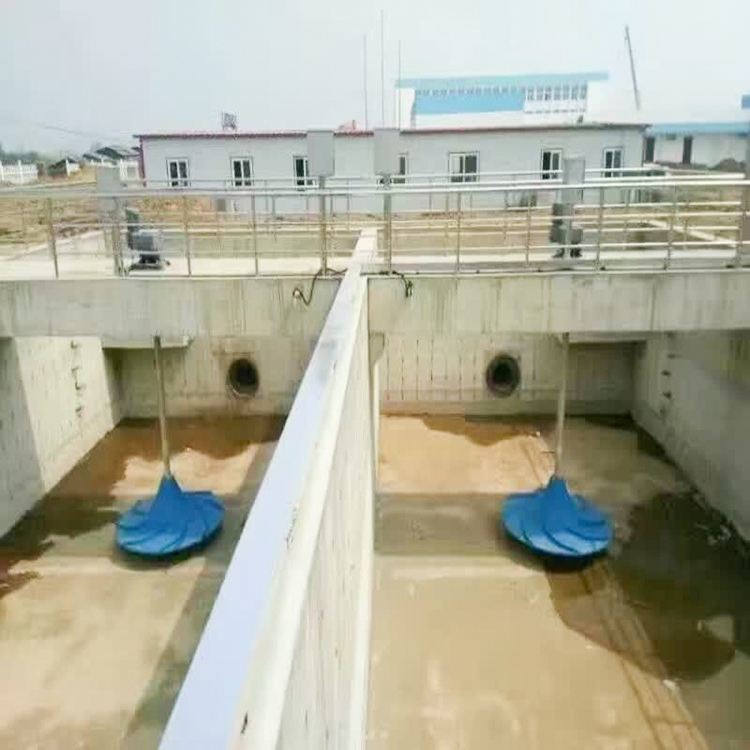
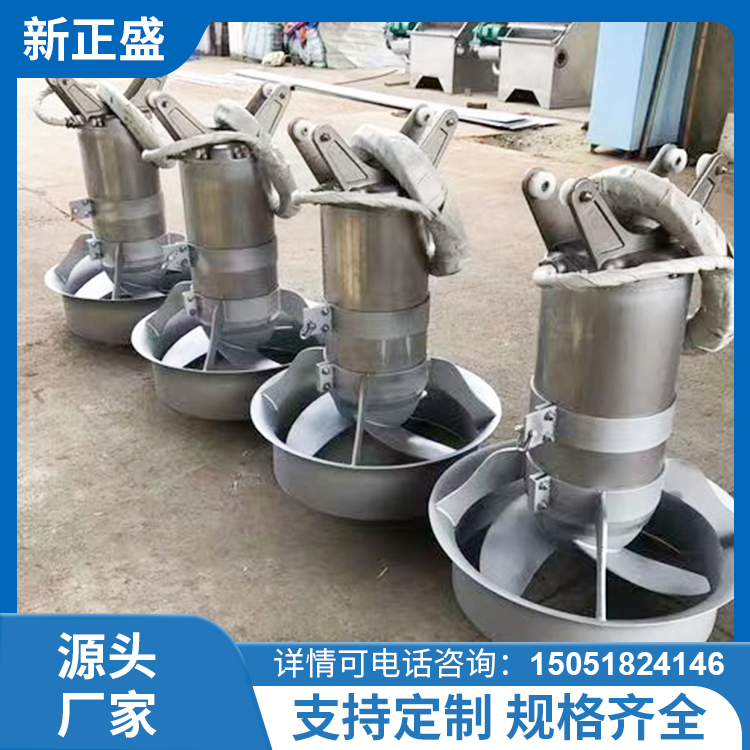
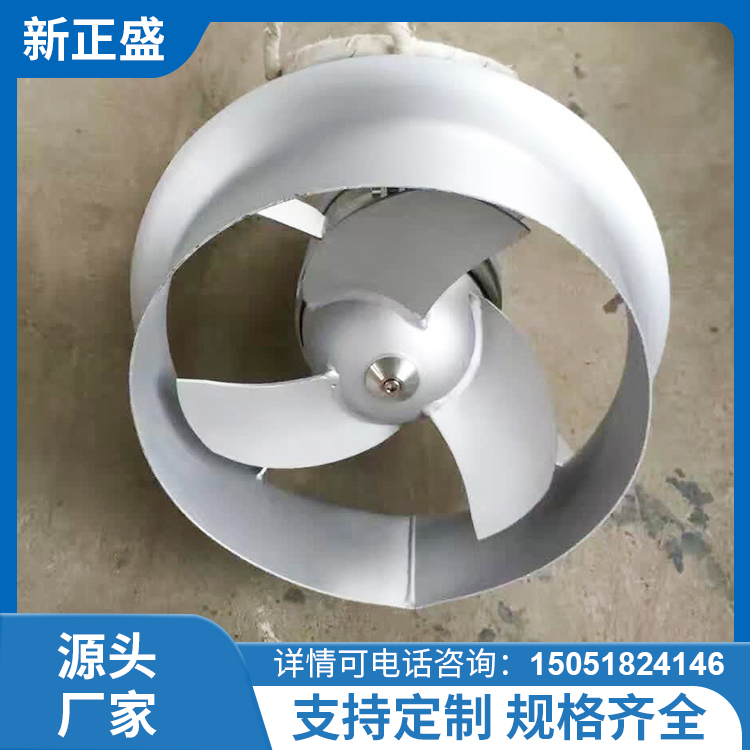
GSJ/QSJThe Series Double-Surface Mixer is our newly developed product. It is widely used in industries such as environmental protection, chemicals, energy, and light industry, where solid-liquid-gas exchange of liquids is required. It is particularly suitable for mixing and blending in wastewater treatment processes, including coagulation tanks, adjustment tanks, anaerobic tanks, aeration tanks, nitrification and denitrification tanks, and various abrasive, high-temperature media.
II. Structural Overview
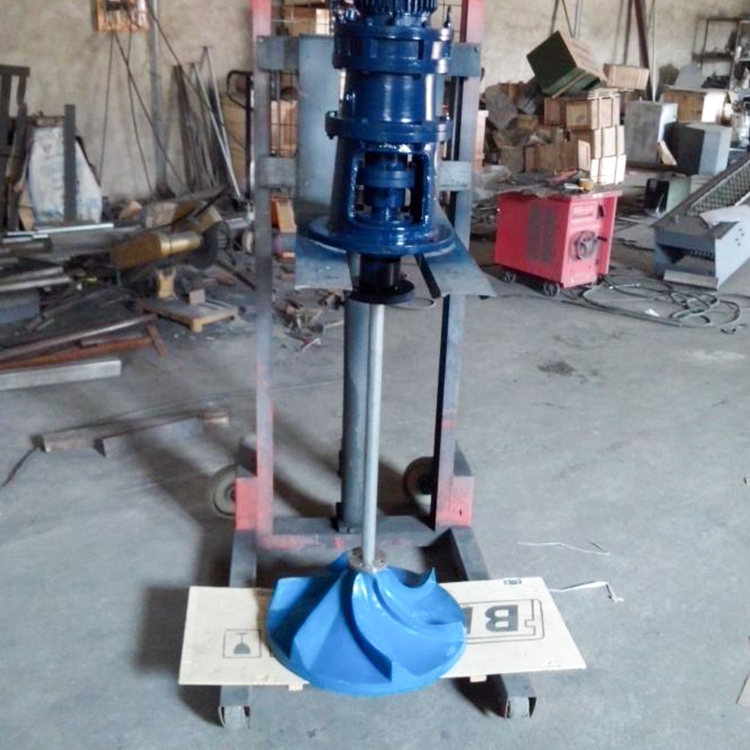
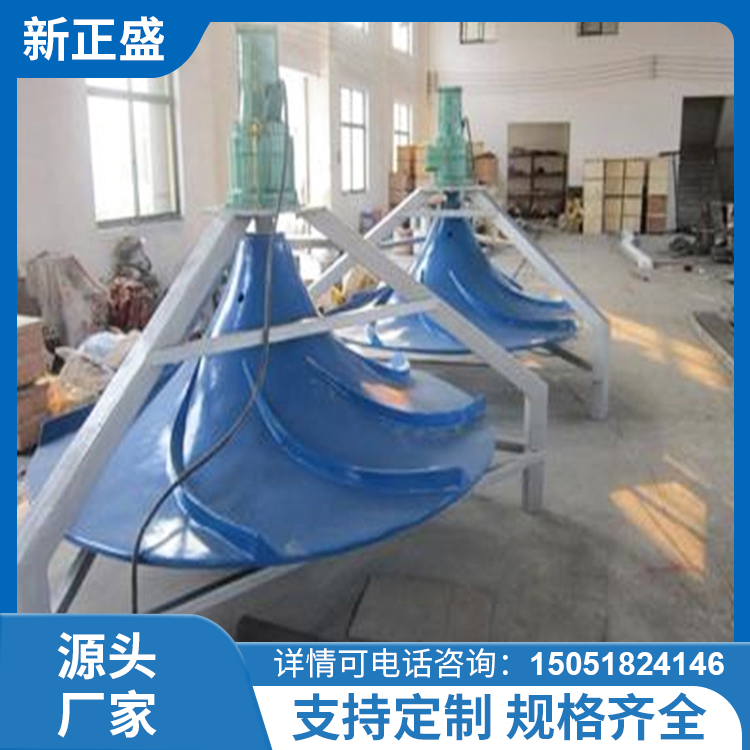
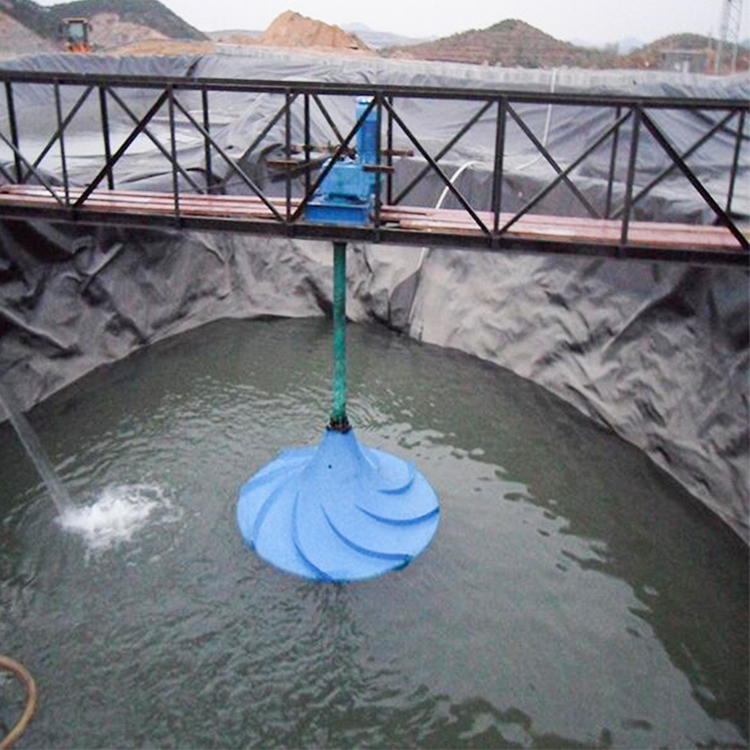
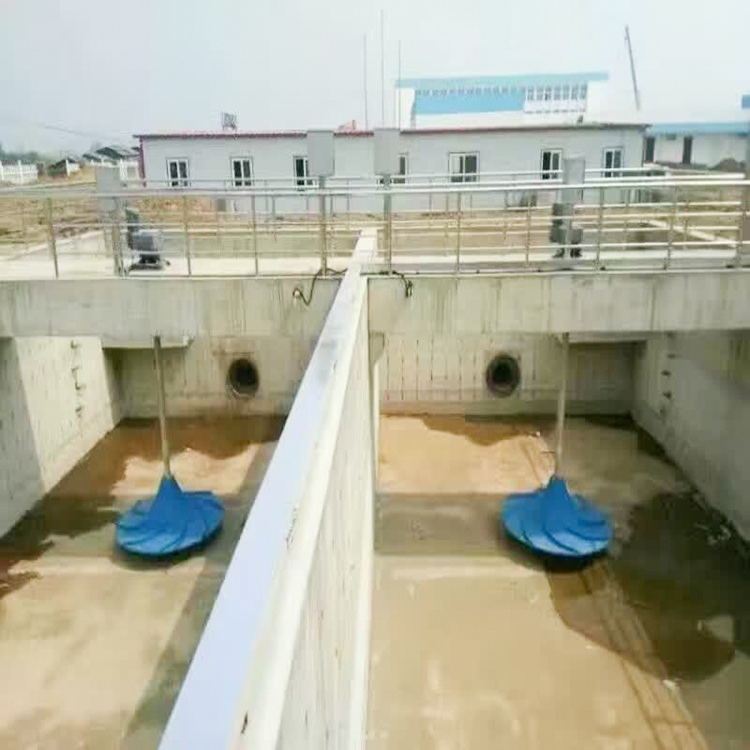
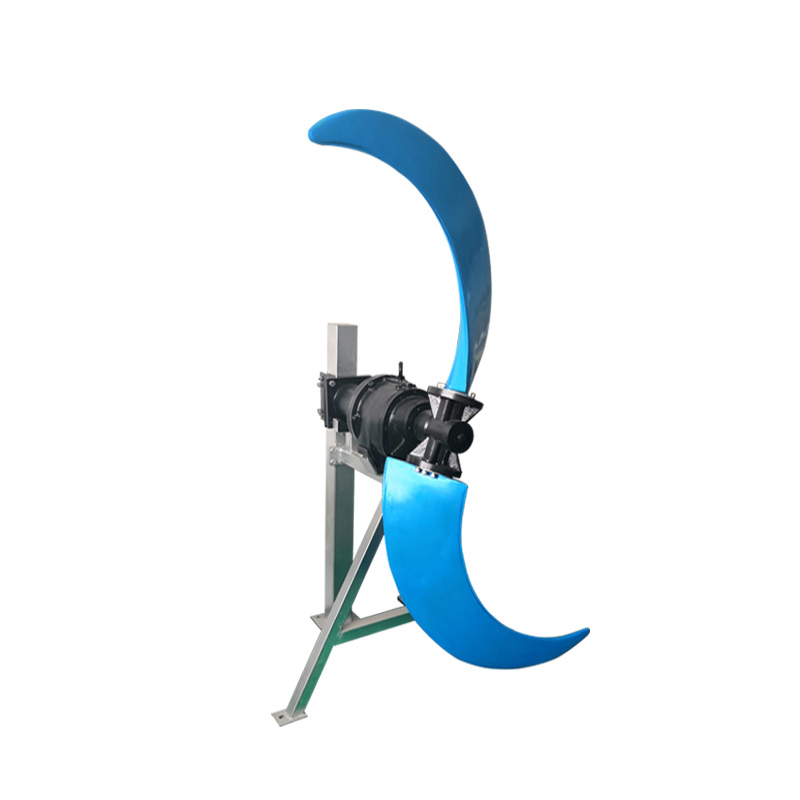
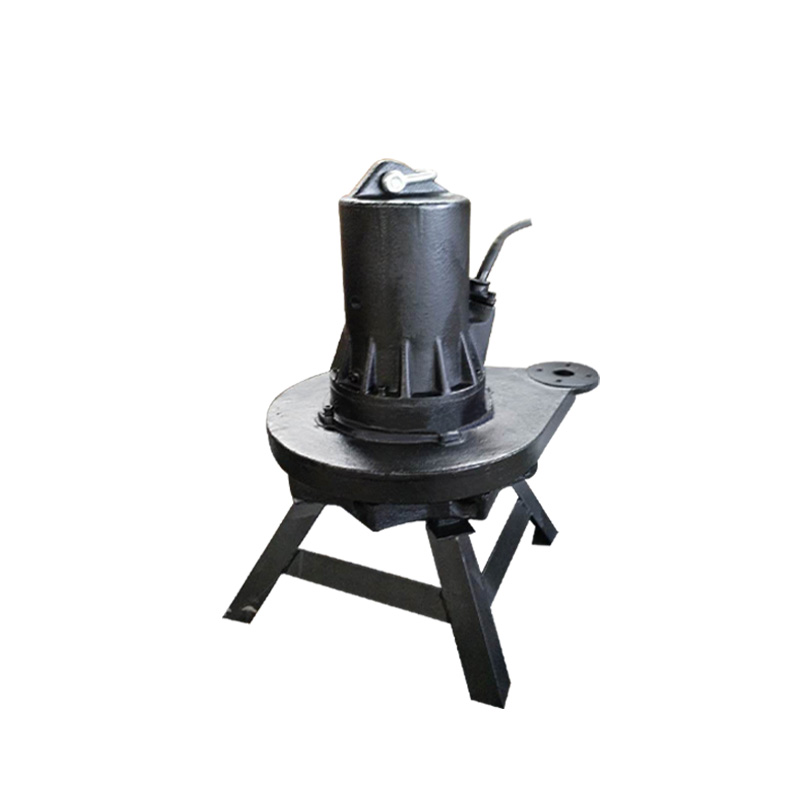
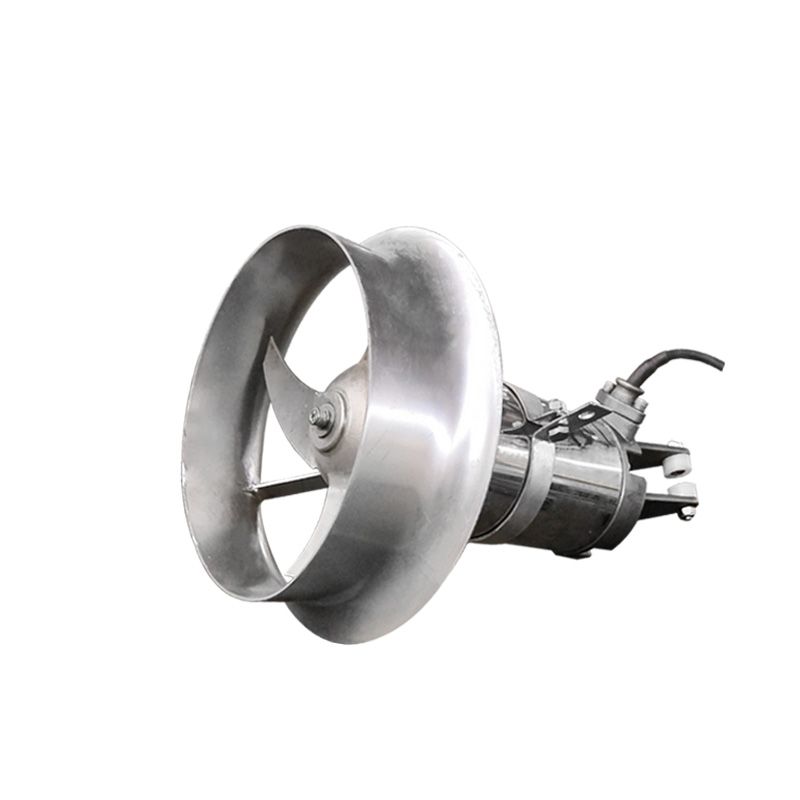
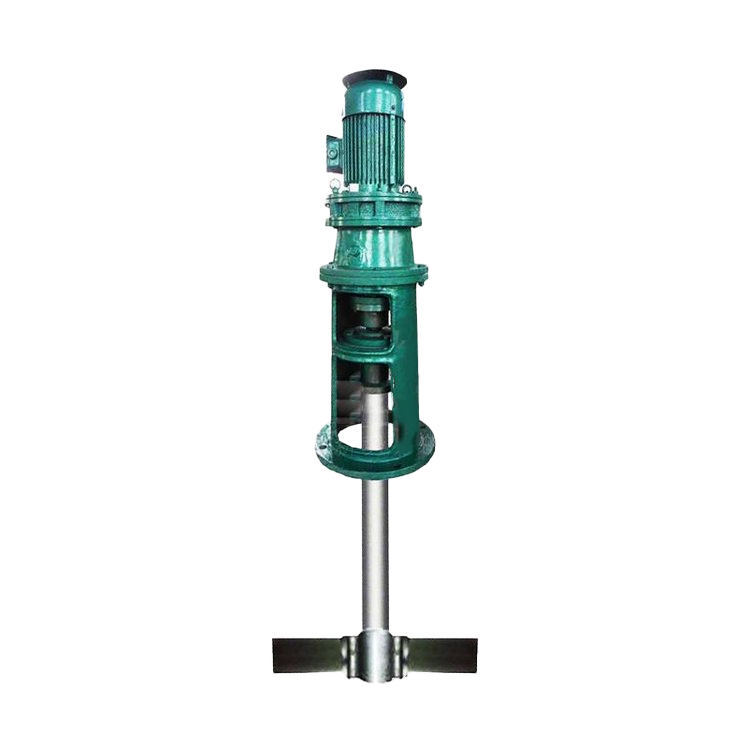
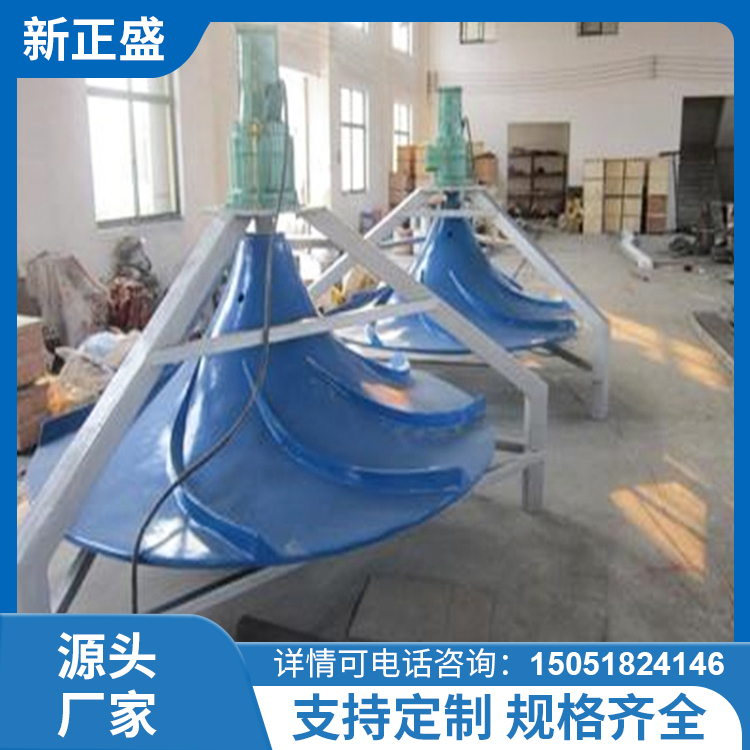
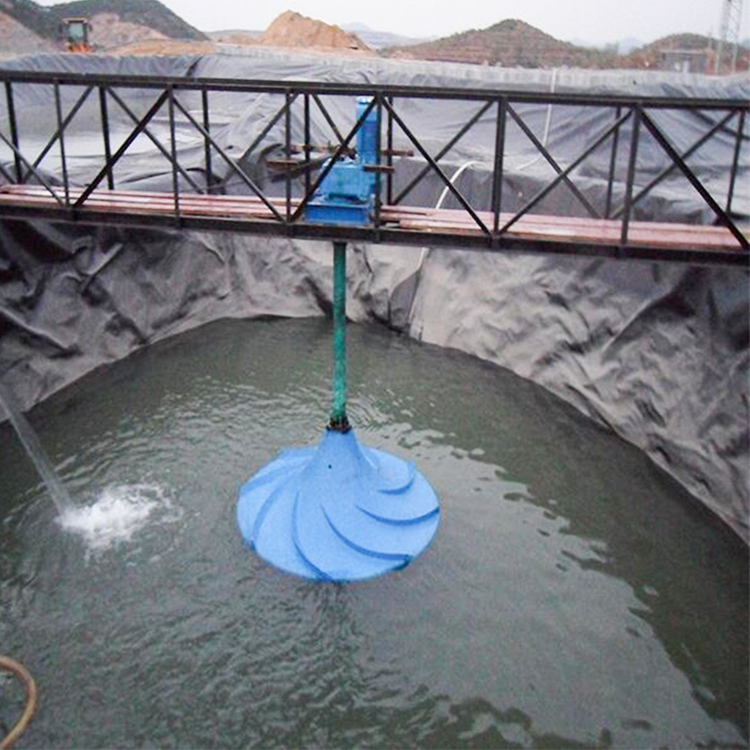
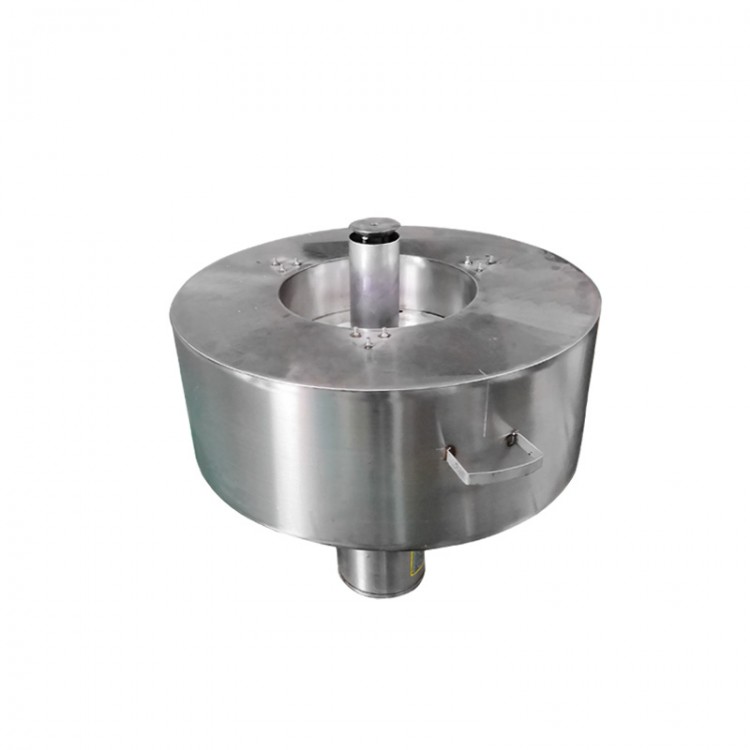
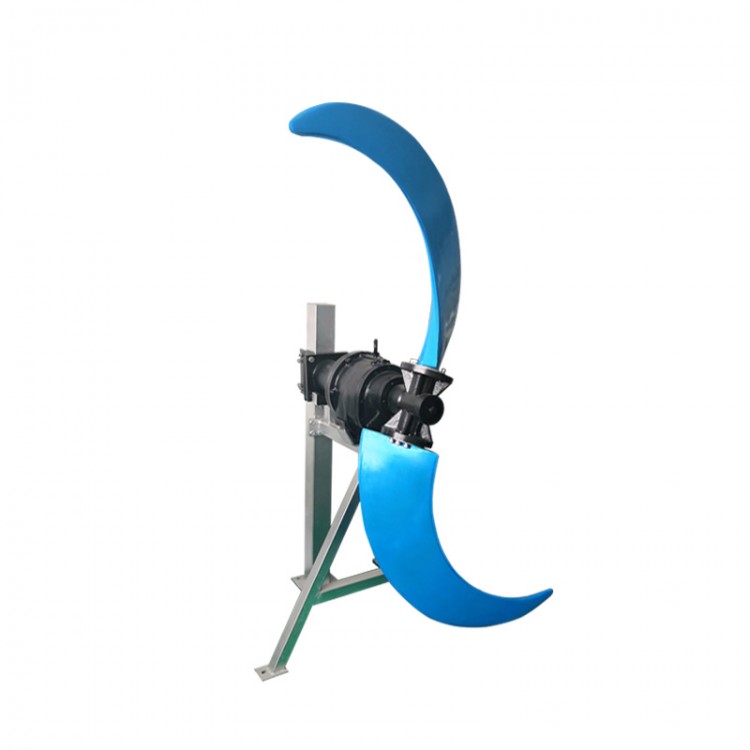
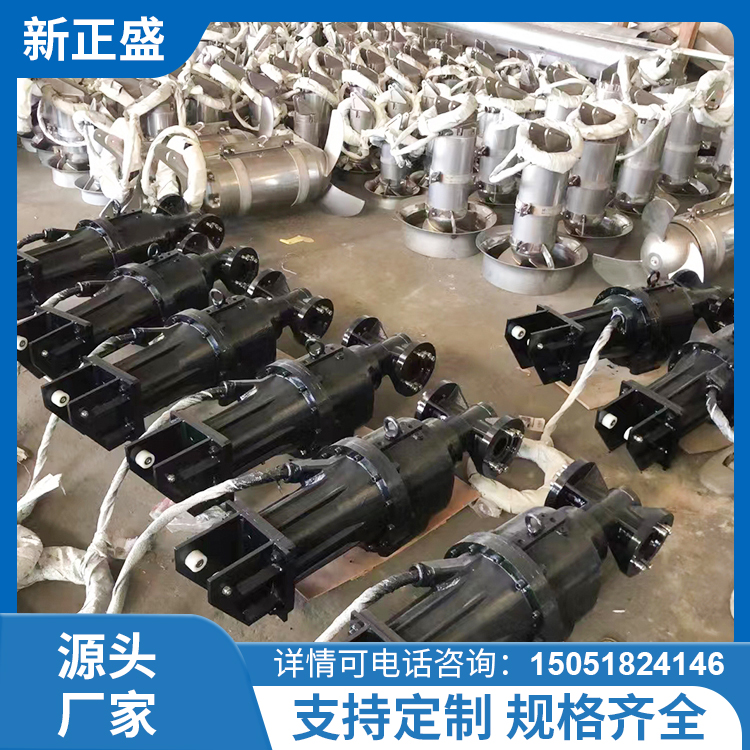
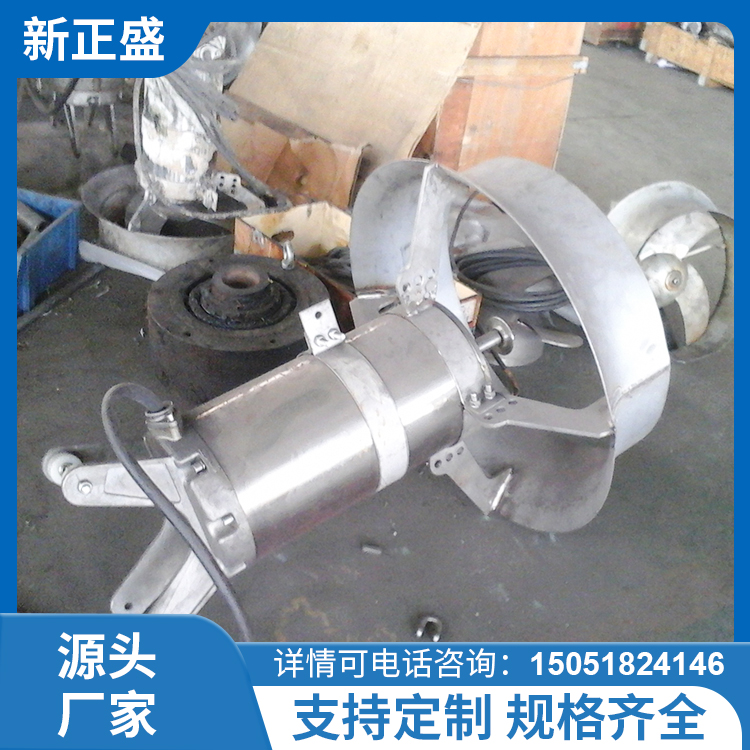
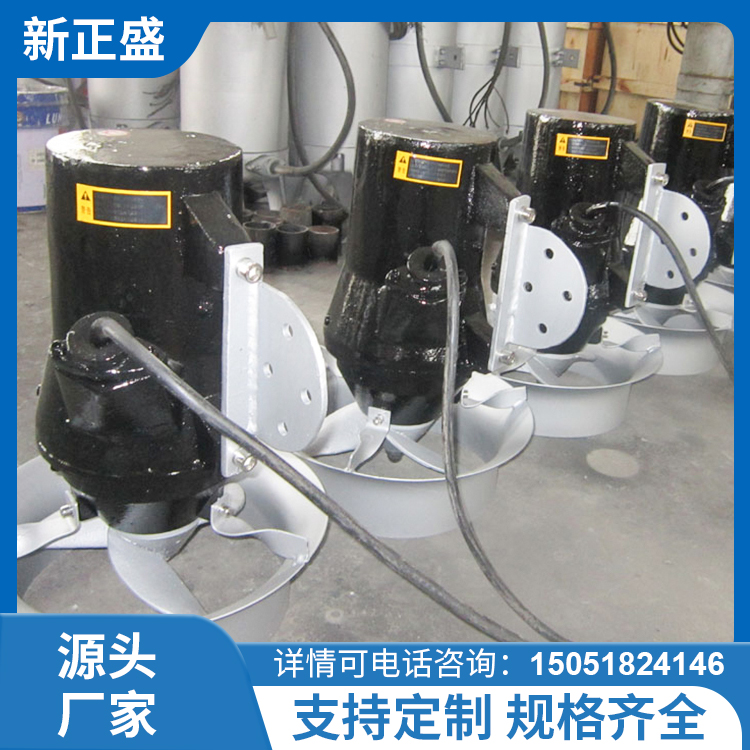
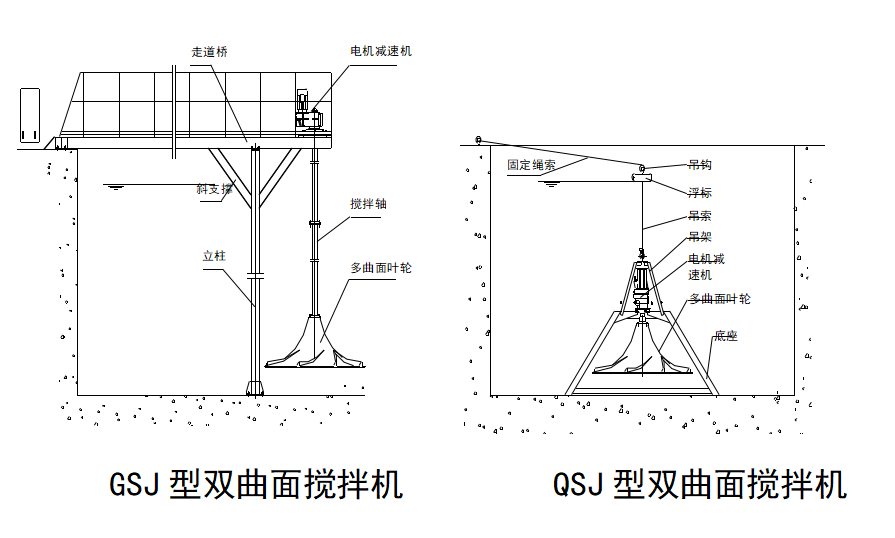
Duo-curved mixer can be categorized by the installation method.GSJType(Dry)AndQSJTwo types available.
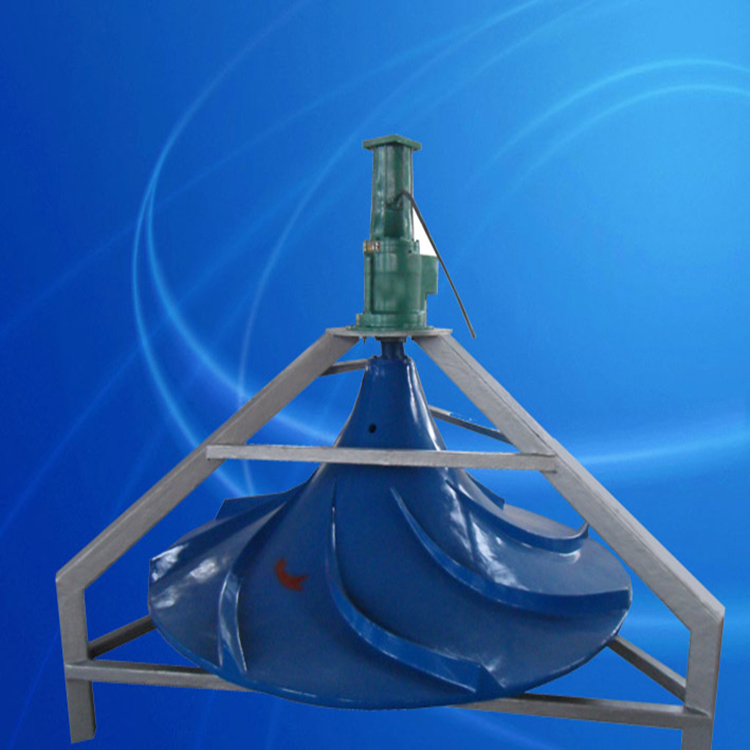
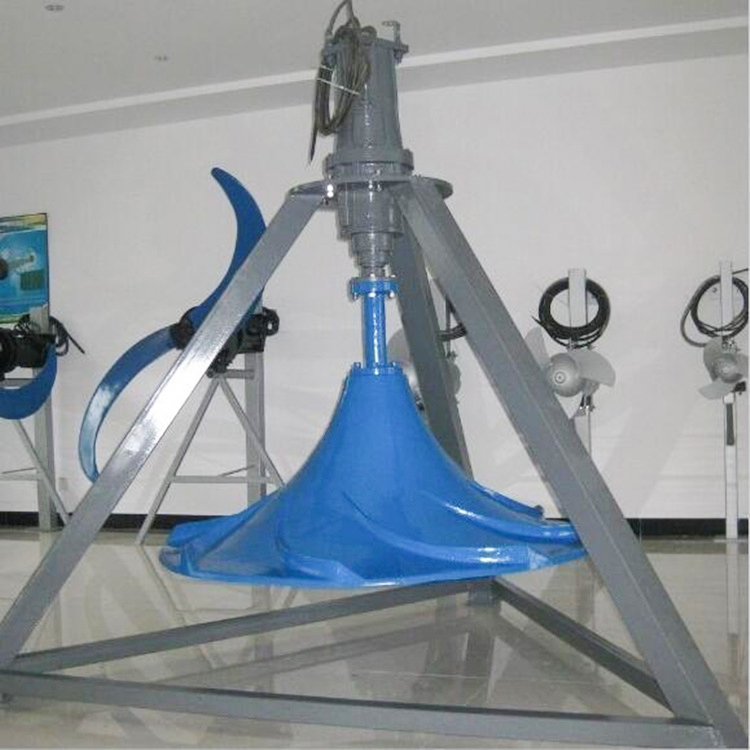
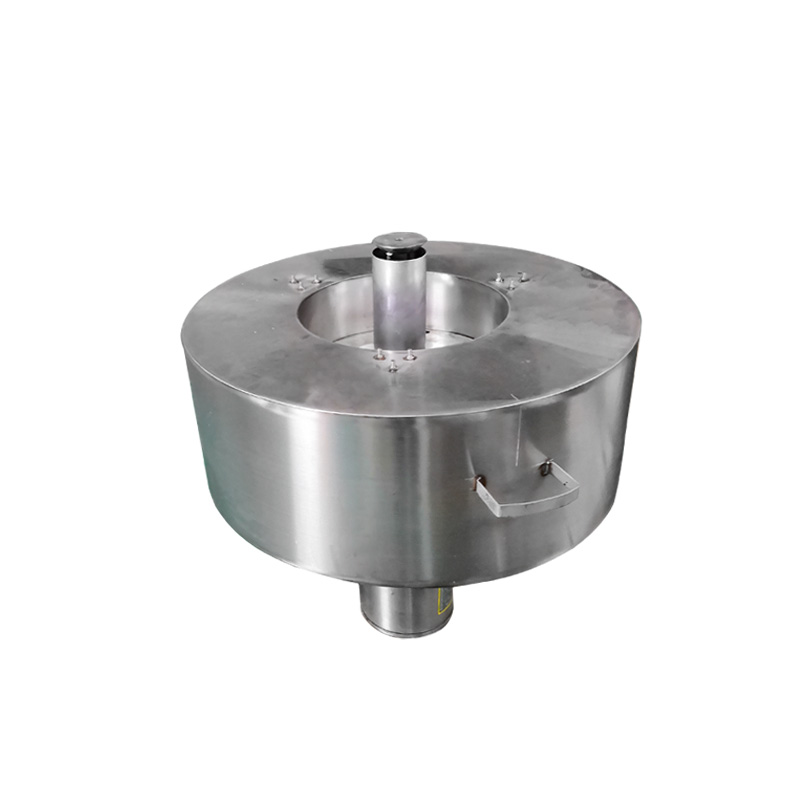
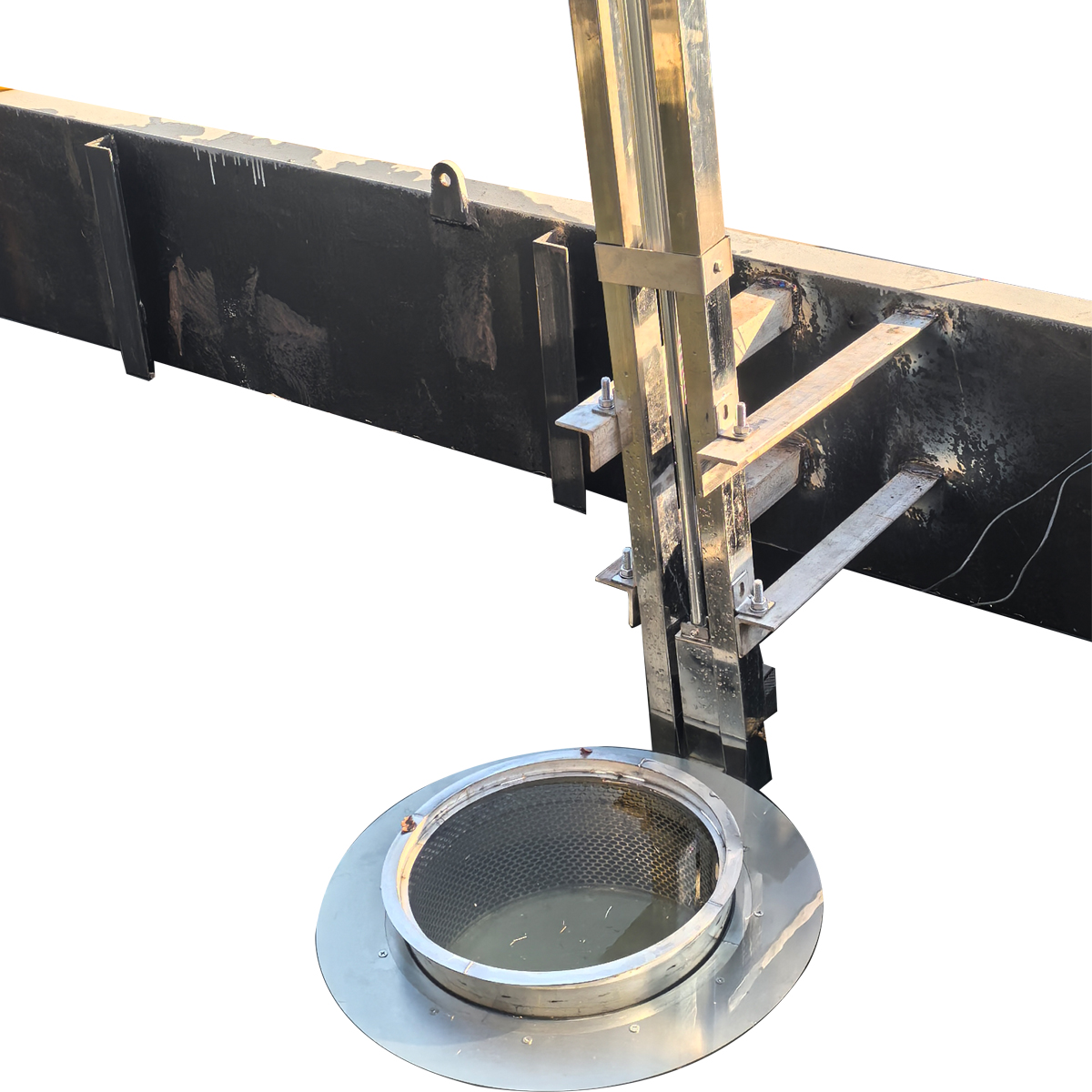
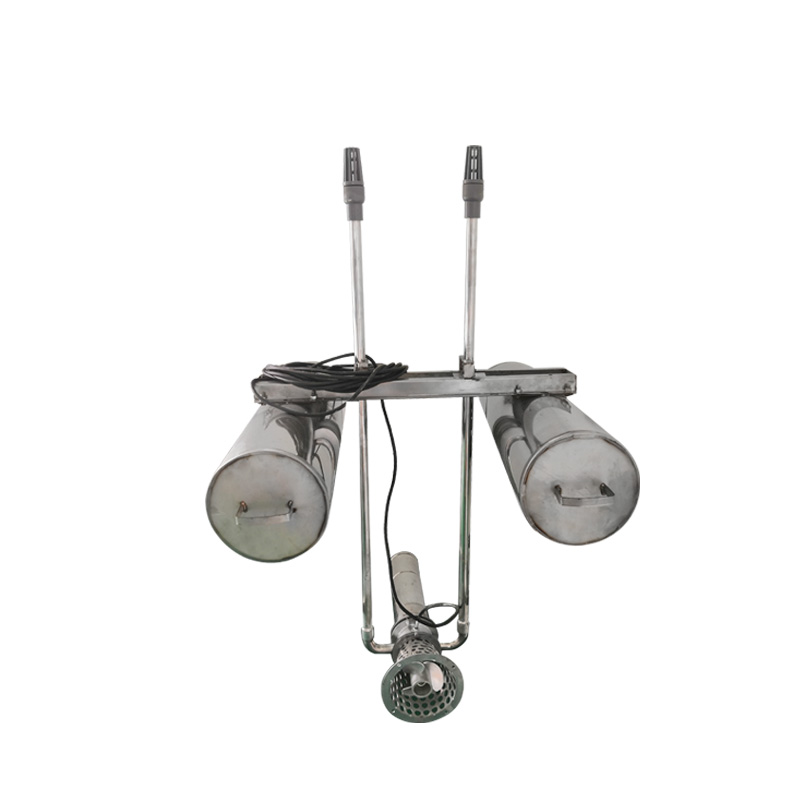
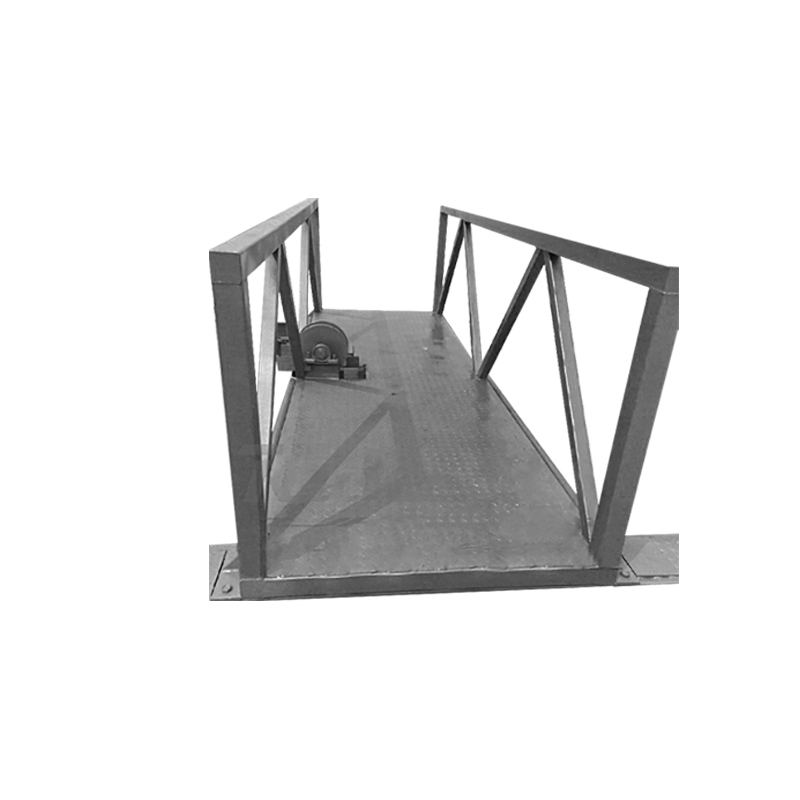
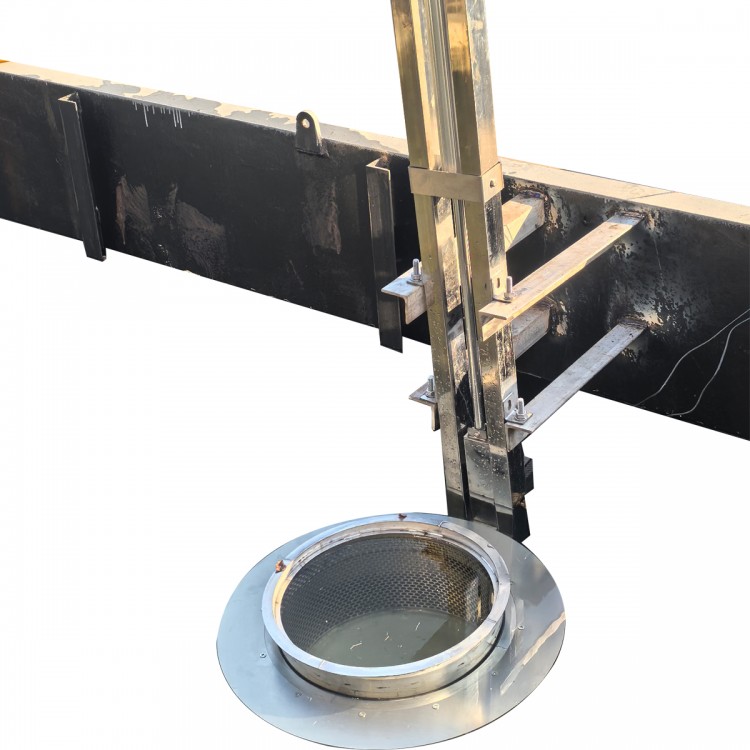
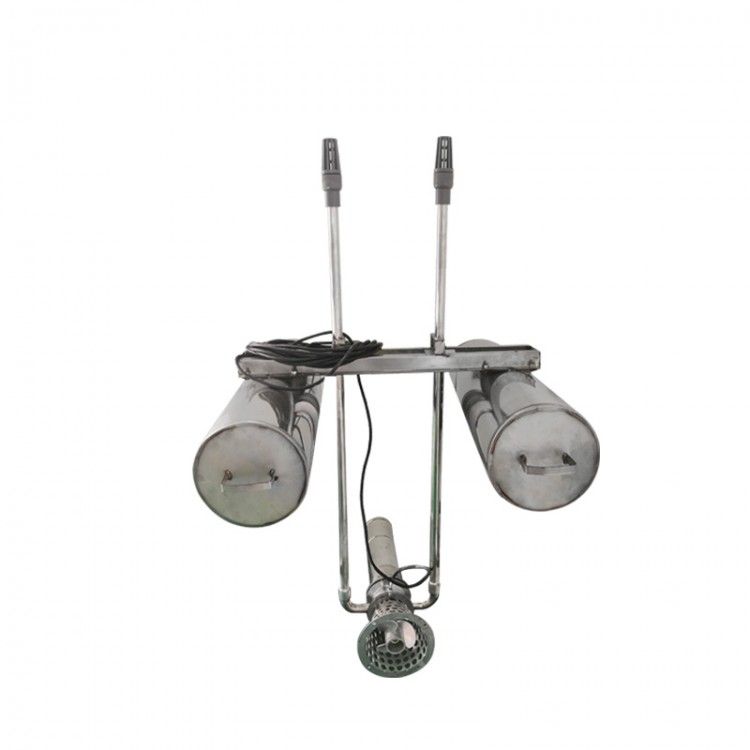
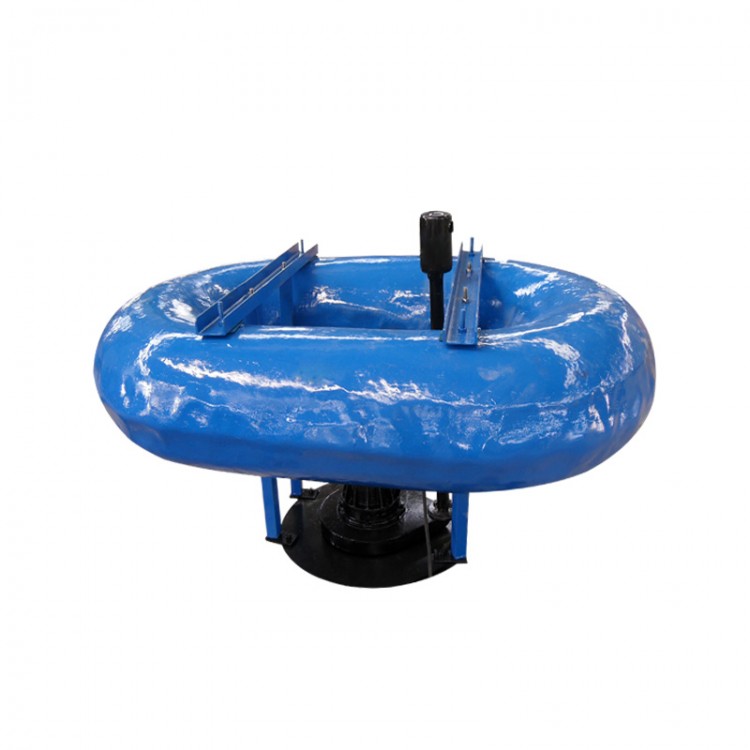
GSJThe twin-surface mixer consists of a reduction motor, vibration isolation base, mixing shaft, twin-surface impeller, electrical control box, and bridge架(user-provided optional).QSJThe twin-surface mixer consists of a frame, lifting steel rope, main unit, twin-surface impeller, and electrical control box, etc.
As shown in the following figure:
III. Transportation and Storage
1During transportation, the agitator shaft and impeller must not be pressed or collided. They should be loaded and unloaded using lifting equipment, and the impeller surface should be protected from scratches.
2Avoid high temperatures and high-temperature environments during long-term storage. The stirrer shaft should be suspended vertically, and the impeller should be placed on a flat surface to prevent deformation.
4. Installation
GSJSeries Installation Steps
1The bridge should be leveled, and the half-bridge uprights should be plumb. The base bolts and connection points should be sturdy and reliable.
2Place the shock absorber bracket flat in the specified location on the bridge, level it, and then connect and secure it to the bridge.
3The decelerating motor is mounted on the vibration-damping bracket and securely connected.
4Connect and tighten the impeller to the mixing shaft flange with bolts.
5Place the impeller and stirrer shaft into the pool, connect and secure the stirrer shaft to the reducer output shaft. In the presence of water, first connect the shaft and impeller, then immerse them in water, and finally connect the shaft to the reducer.
6After installation, the stirrer shaft must be perpendicular to the horizontal plane. The vertical deviation should be less than1/1000。
7After installation, remove the motor rear cover, manually rotate the fan blades, and check if the agitator rotates smoothly and normally. The swing deviation of the agitator shaft should be less than3/1000。
8After powering on, press the button to observe the rotation direction of the stirrer shaft. The correct rotation direction, viewed from top to bottom, is counterclockwise. If not, switch the rotation direction at any time.2Root power line position.
9Electrical equipment installation must be conducted in accordance with national regulations and safety procedures.
QSJSeries Installation Steps
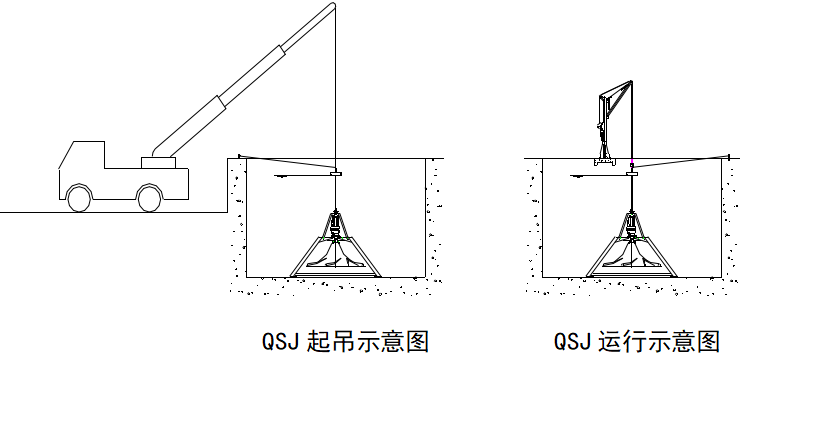
1Observe the impeller's rotation direction briefly onshore; when viewed from top to bottom, the correct rotation is counterclockwise. If not, switch the orientation at will.2Root power line position.
2Ensure the motor cable and hoisting rope are separately secured; never tie the cable rope together. Prevent the rope and cable from being wound into the impeller.
3Hoist the double-curved surface with a crane and gently lower it into the designated position in the pool, ensuring not to collide with the pool walls.
4Secure one end of the fixed rope to the shore, and connect the cable to the control cabinet.
V. Operation
After equipment installation is completed, a trial operation must be conducted. Prior to the trial operation, it is necessary to inject approximately the volume of the pool into the pond.70%Do not operate the equipment without water. Failure to do so may cause the stirrer shaft to bend due to uneven force distribution. After the trial operation, please check:
1Are there any abnormal noises or temperature rise in the decelerating motor?
2Is the motor current within the rated value range (short-term overcurrent during startup is normal)?
3Agitation shaft swing condition.
4Is there any debris in the pool?
In any of the aforementioned scenarios, if an abnormality occurs, the cause must be identified and corrected before use.
Six, Maintenance and Care
1New machine starts operation.20After 0 to 300 hours, replace the reducer's lubricating oil and clean the internal oil污. Thereafter, replacement can be done every six months to one year; for details on the use of the reducer motor, refer to the manufacturer's user maintenance manual.
2. Regularly inspect the lock nuts on the agitator shaft and all connecting bolts for looseness.
3. Regularly inspect the swing of the agitator shaft, and promptly remove any entanglements from the impeller and shaft.
4. Regularly inspect for any abnormal sounds or temperature increases in transit components.
5. Regularly inspect for any abnormal changes in current.
6. Before restarting the equipment after a long period of non-operation, inspect the motor's insulation and prevent sediment from accumulating for too long, which can cause difficulty in starting and potentially damage the motor and impeller.
7. Please keep a record of the above checks, and contact our company if any anomalies occur.