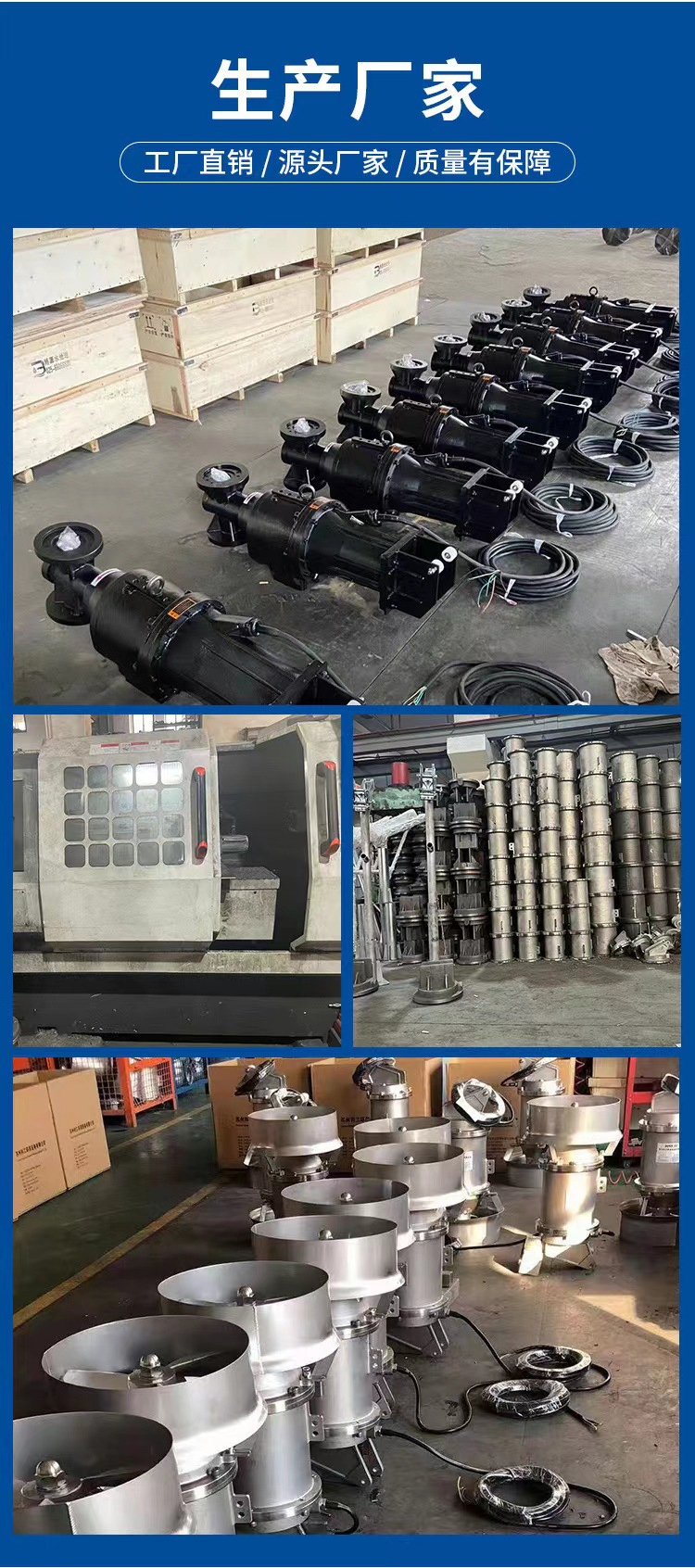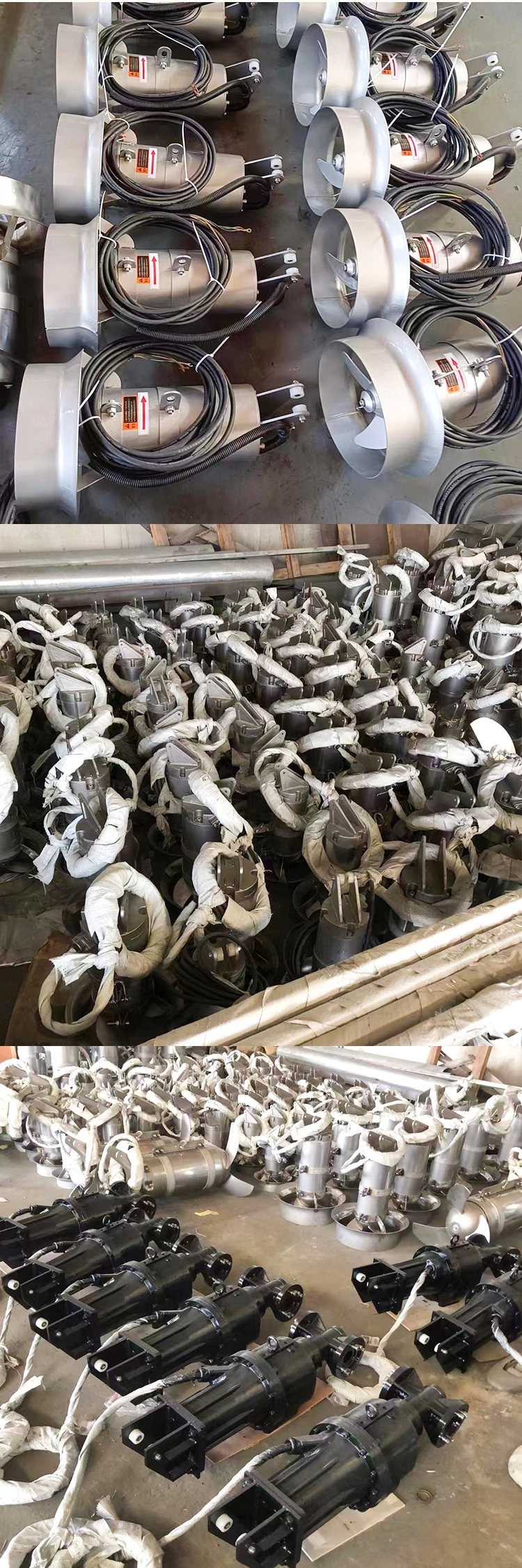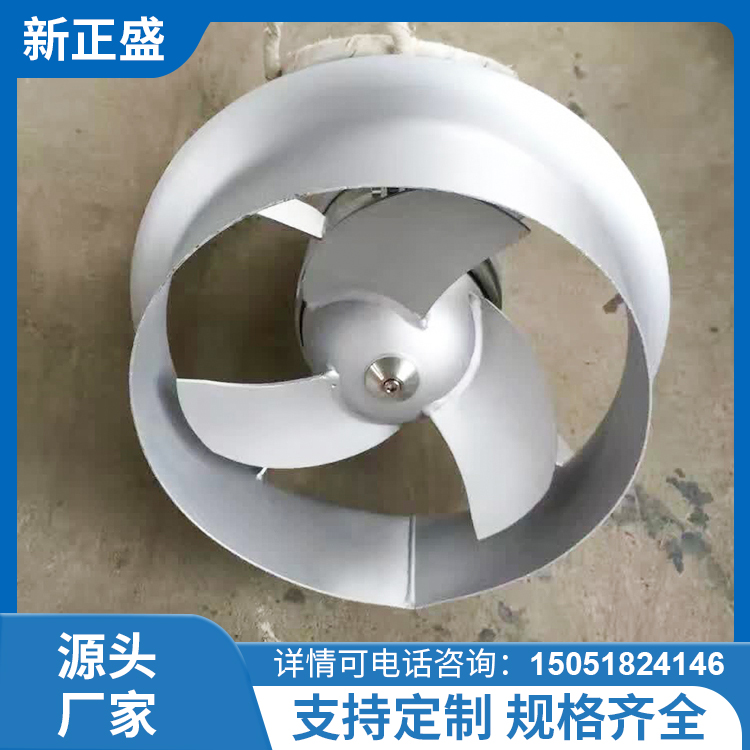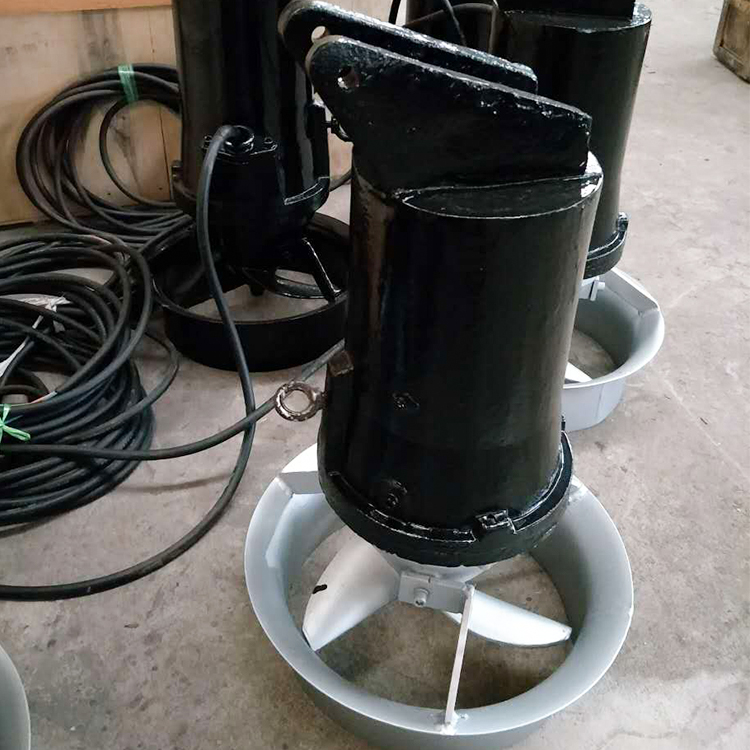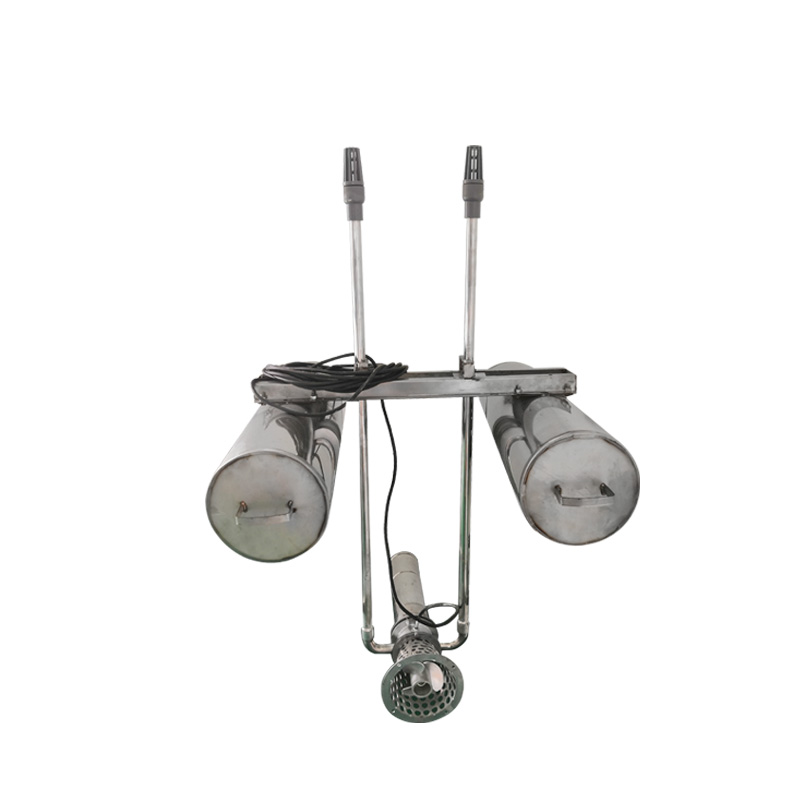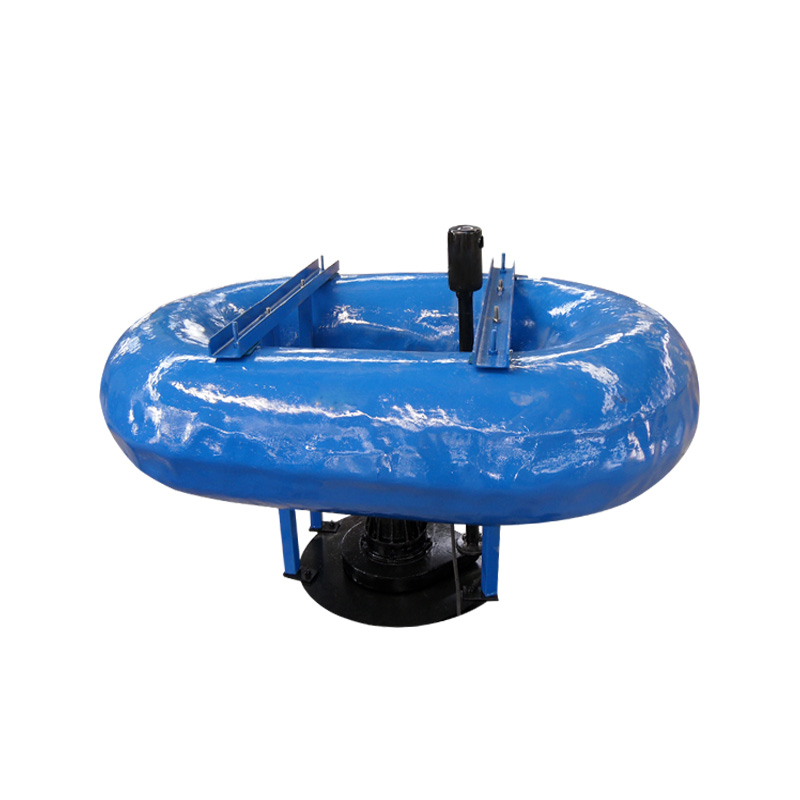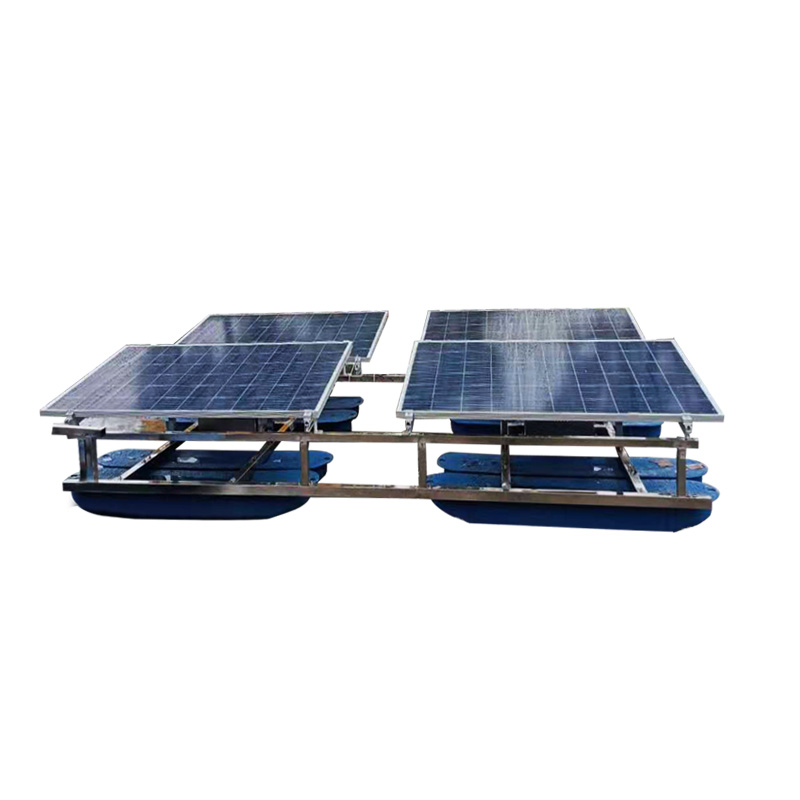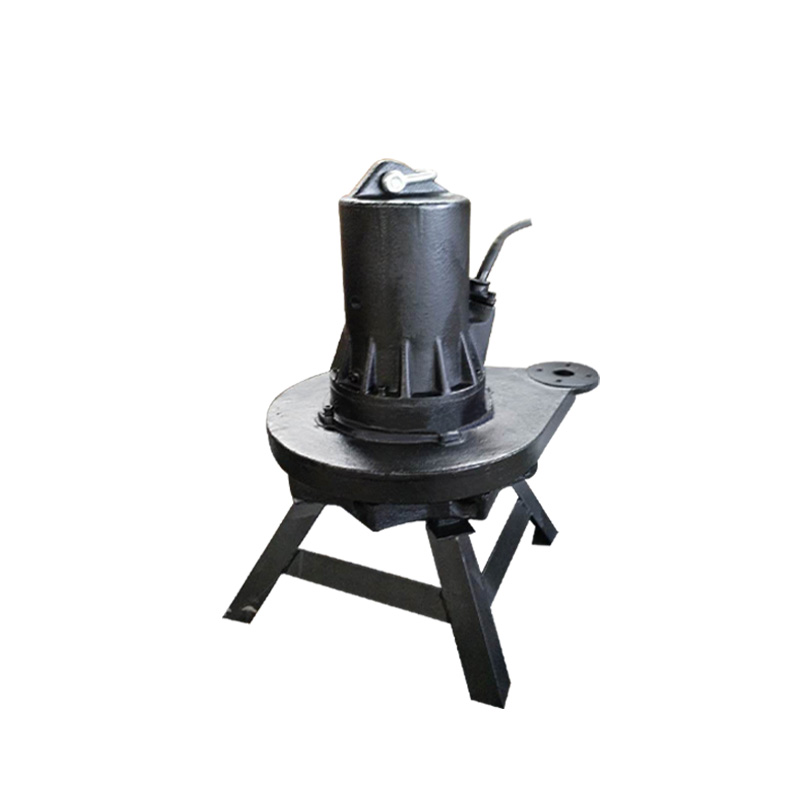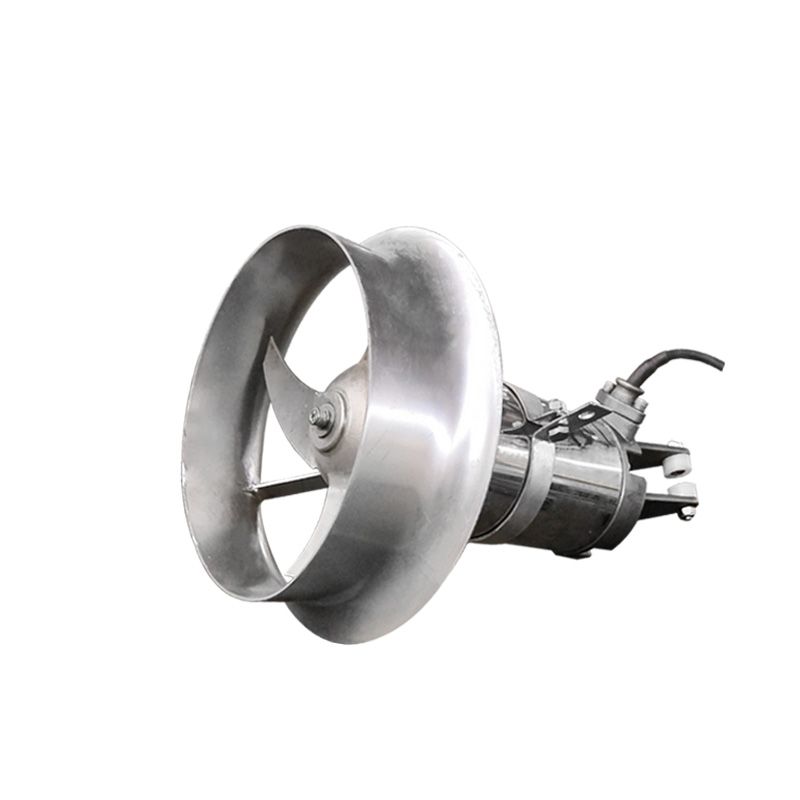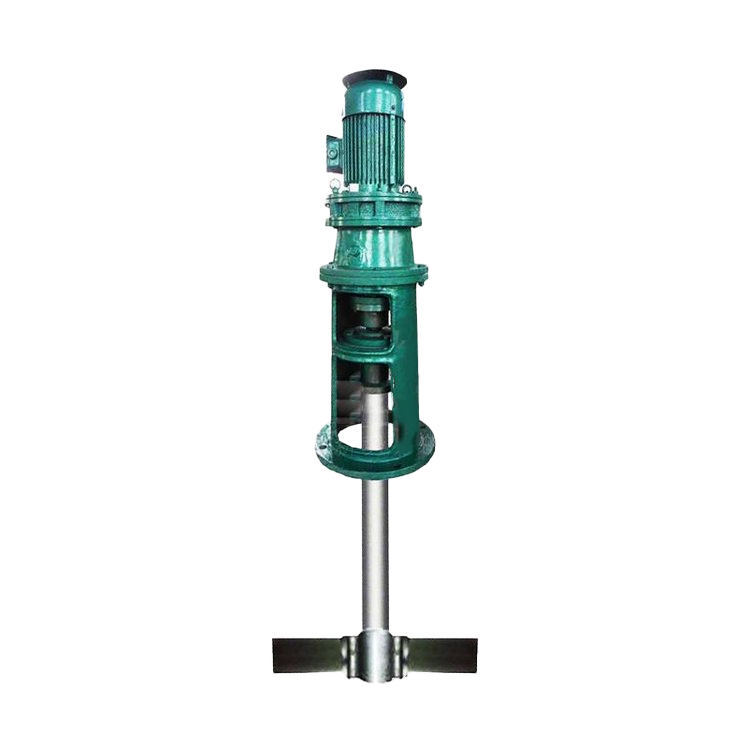

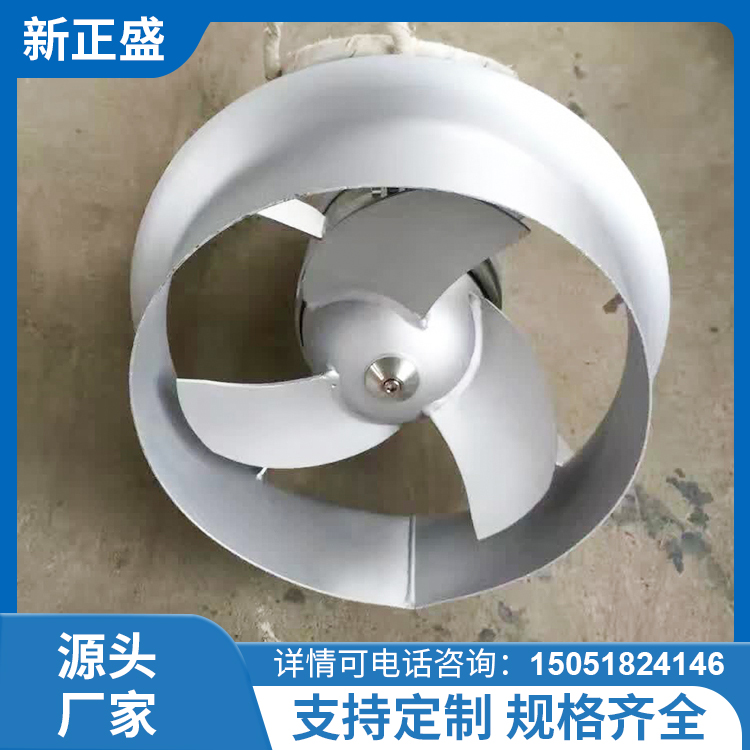

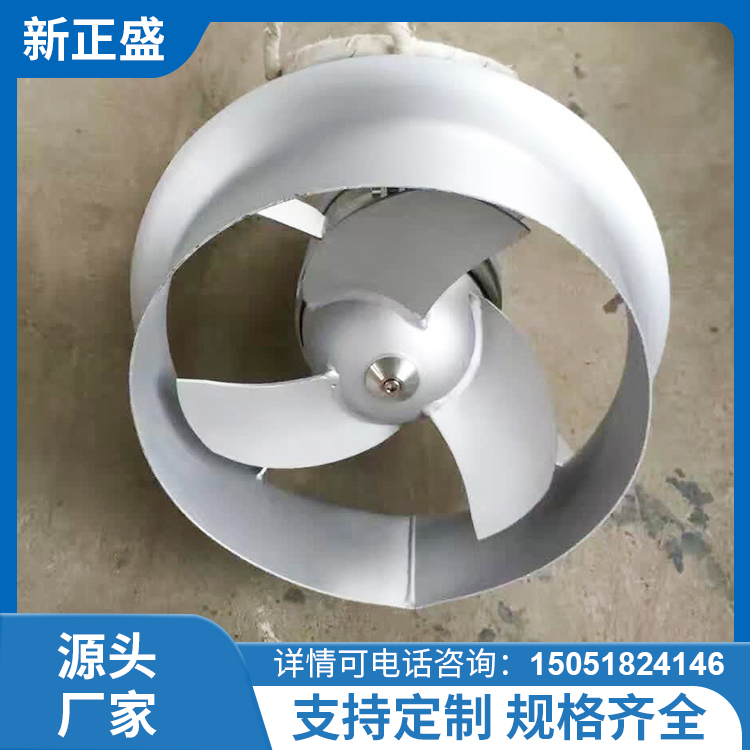
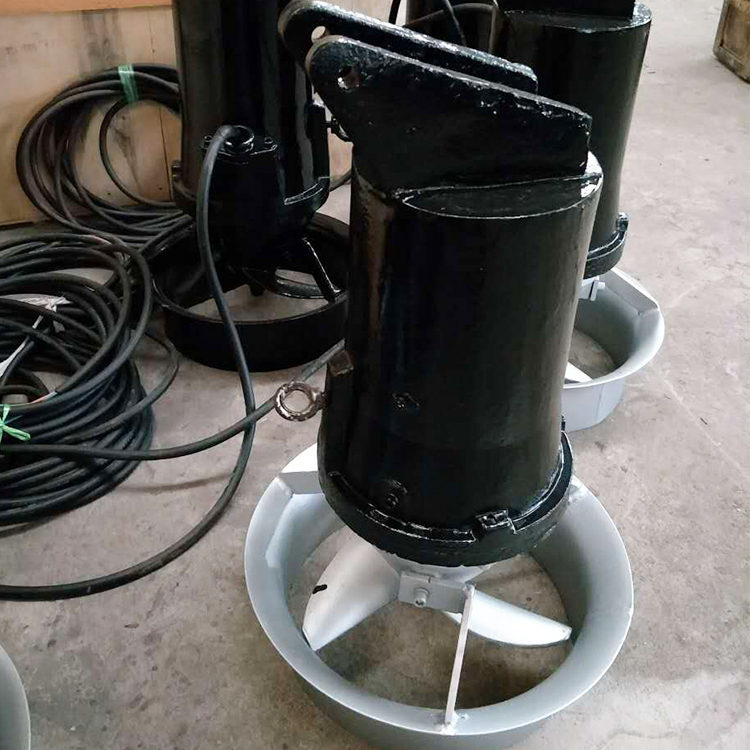


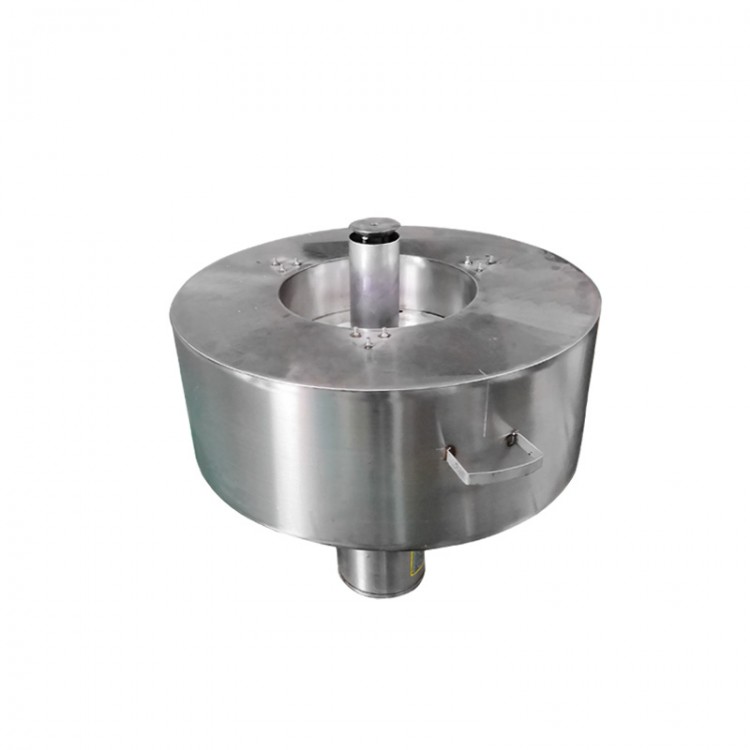






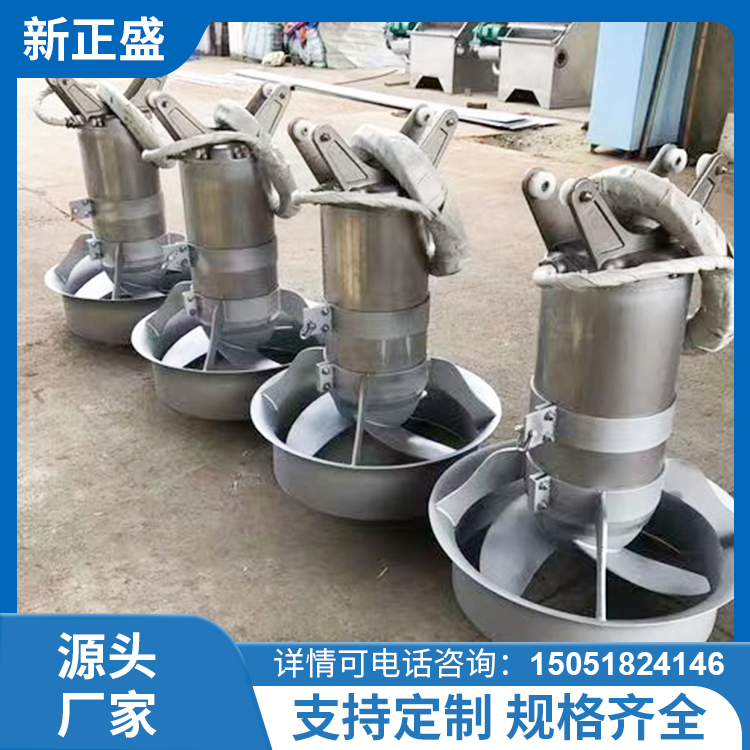
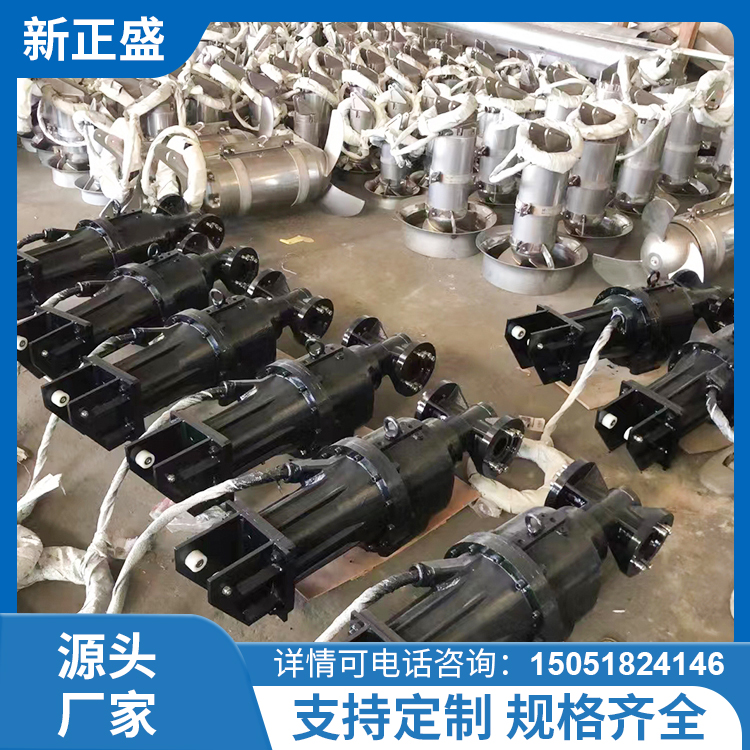
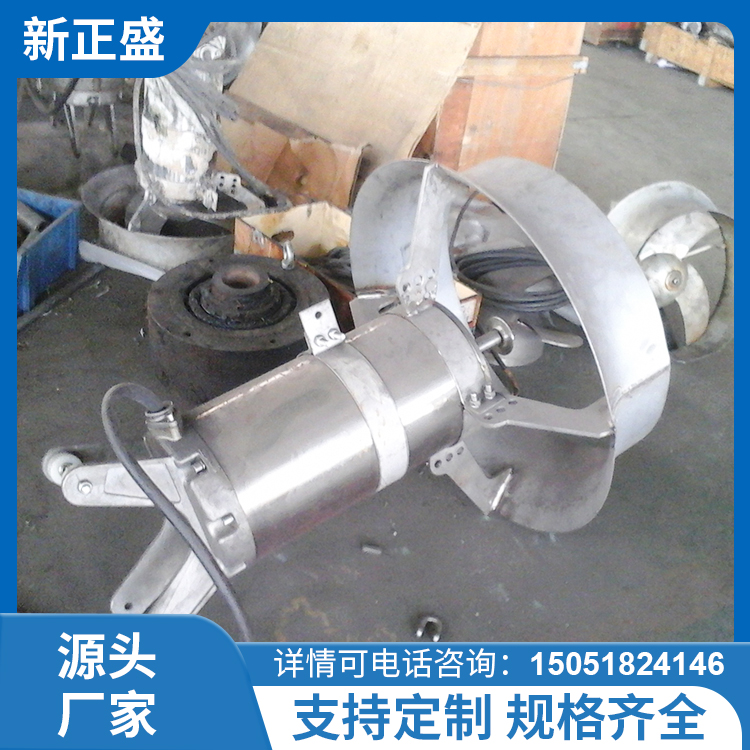
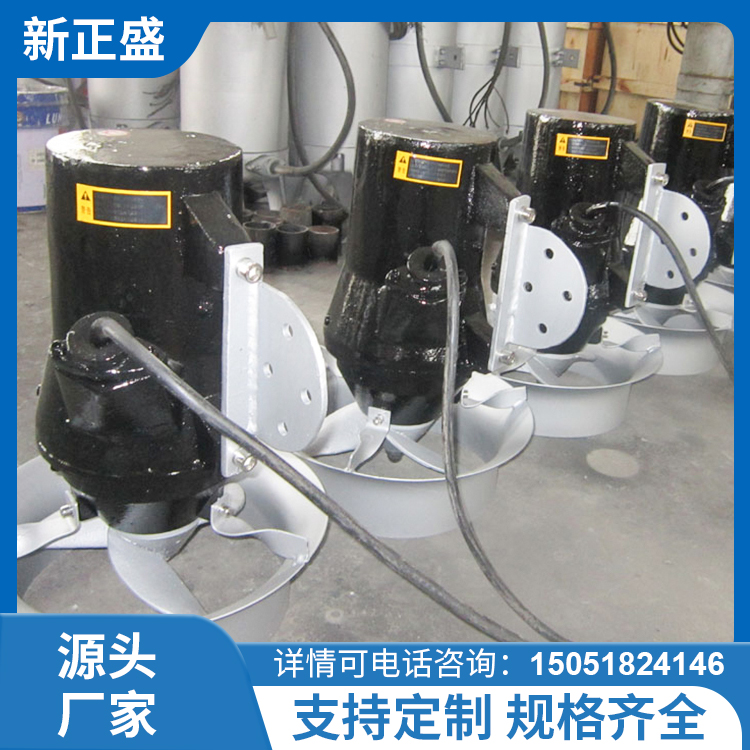
QJB Type Submersible Agitator Application:
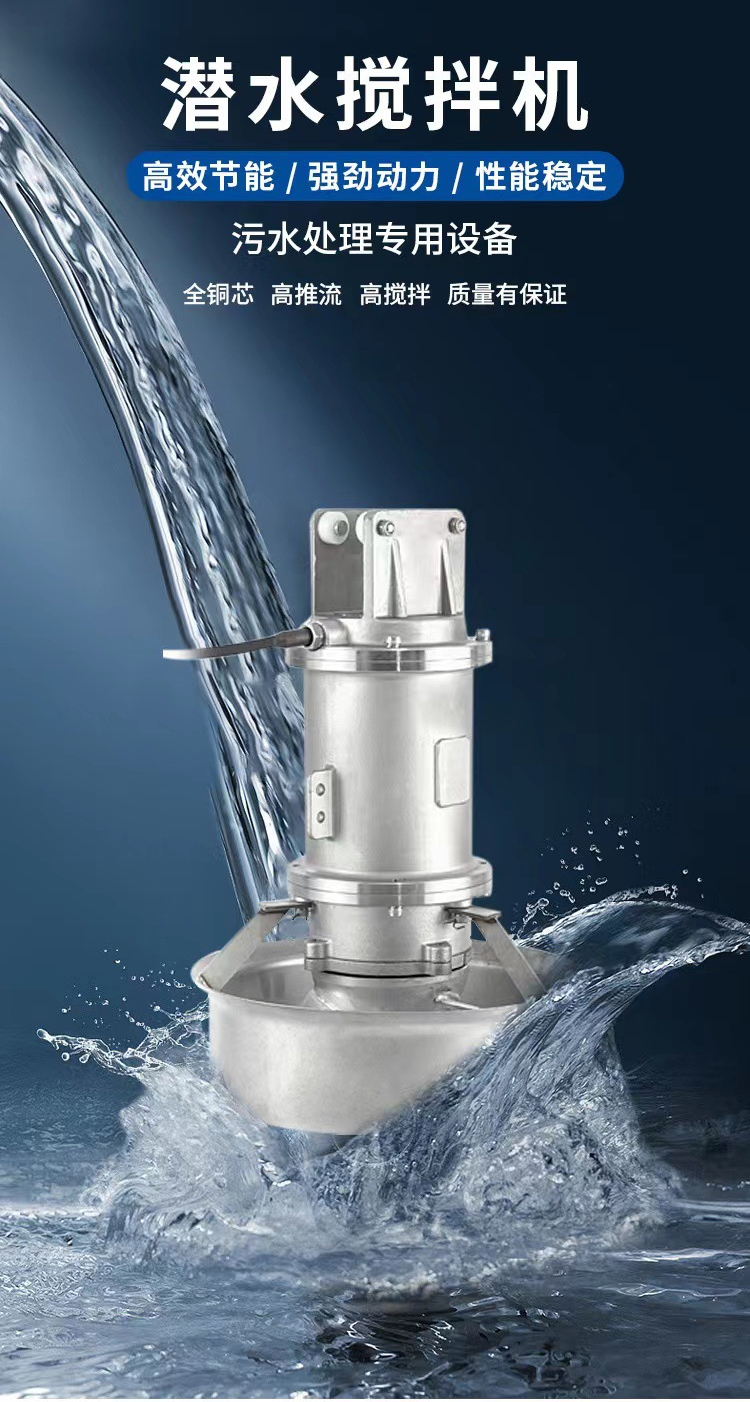
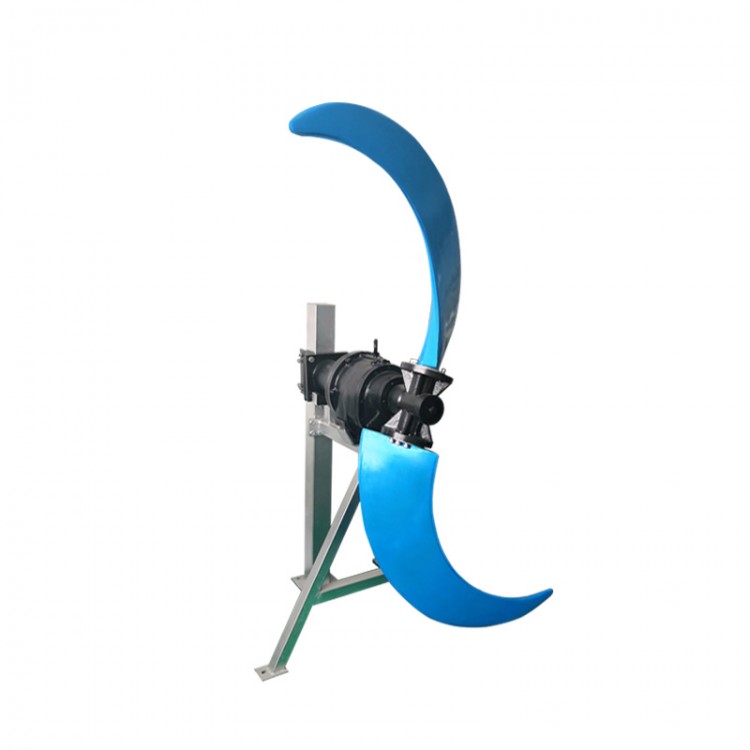
The QJB type submerged mixer is divided into two main series: mixing and low-speed propulsion.
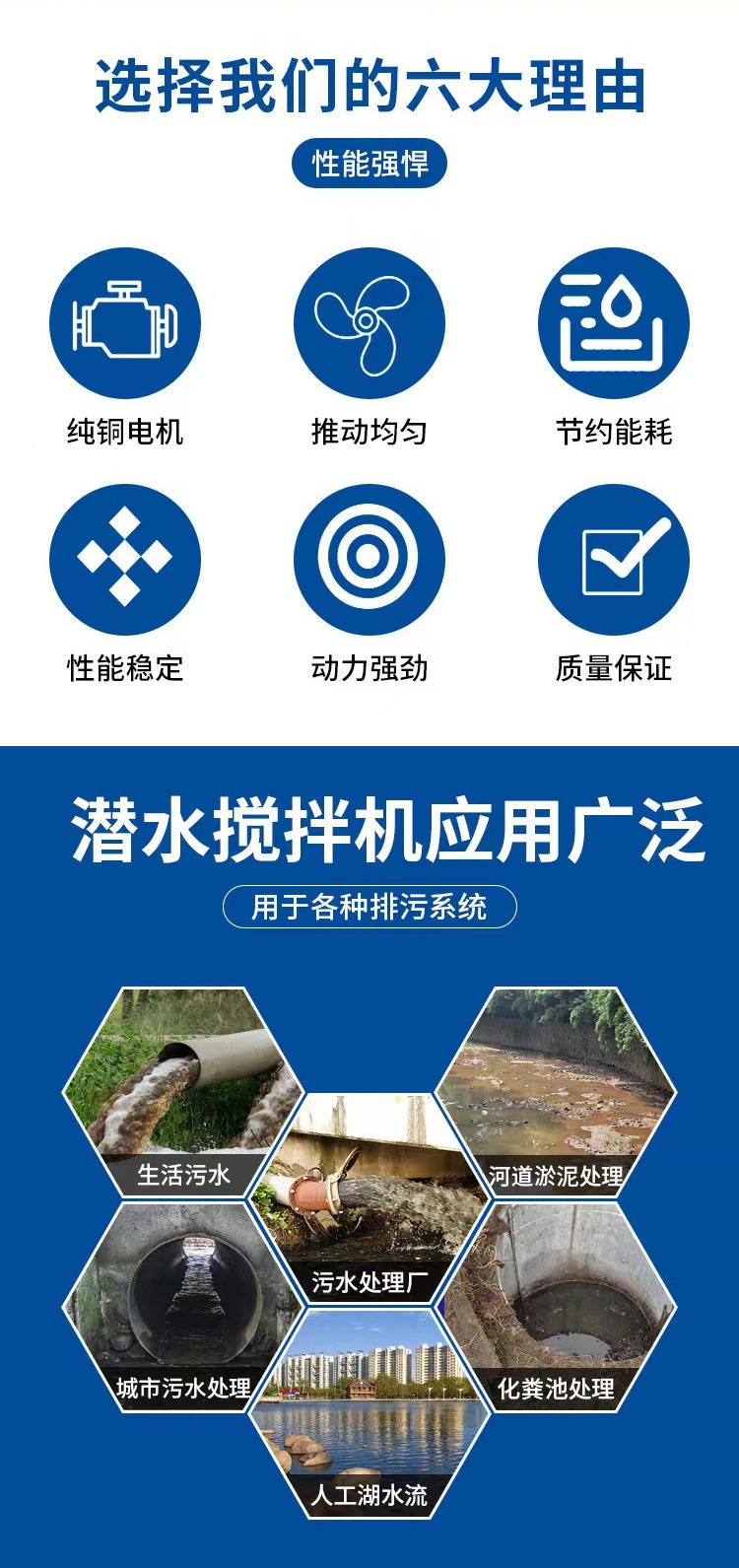
The Mixed Series Agitator is suitable for mixing suspended liquid in wastewater treatment plants and industrial processes.
Low-speed Turbulator Series Mixers are suitable for industrial and urban wastewater treatment plant aeration tanks, generating strong water currents with low tangential flow, which can be used to create water currents in the stages of circulation, nitrification, denitrification, and phosphorus removal.
QJB Type Submersible Agitator Performance Features
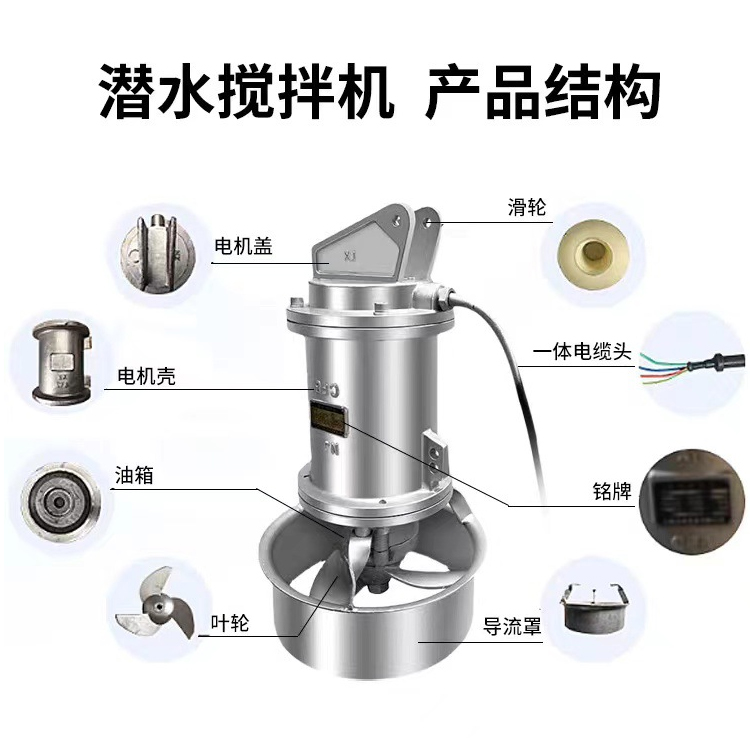
1. The QJB type submersible mixer features a compact structure, simple operation and maintenance, easy installation and repair, and a long service life.
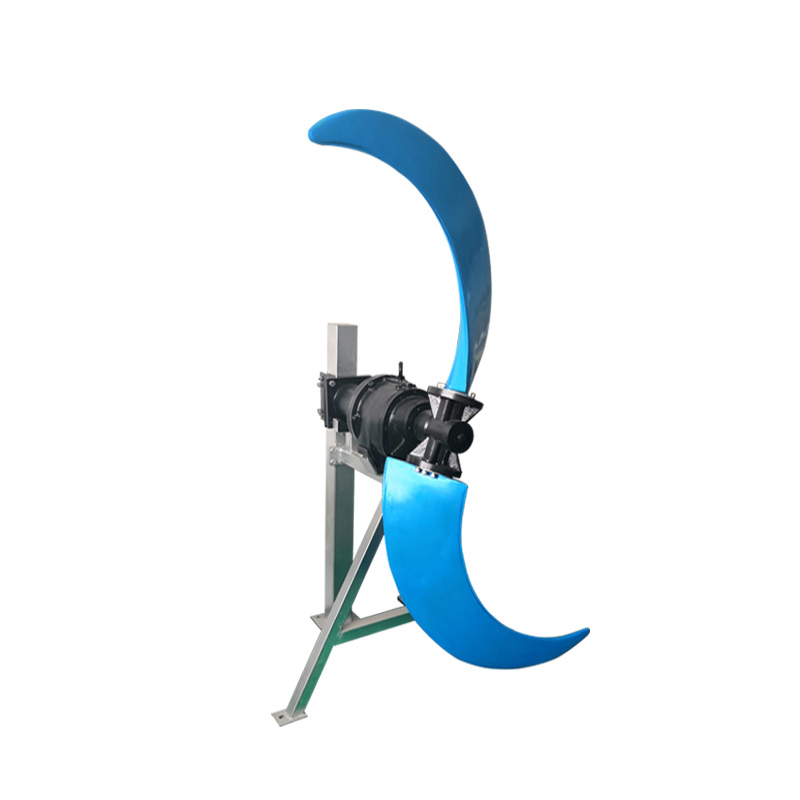
2. The impeller features a hydrodynamic design structure, offering high work efficiency. The swept-back blades have an auto-cleaning function, preventing debris entanglement and blockage.
3. Mixing with the aeration system can significantly reduce energy consumption, markedly increase oxygenation, and effectively prevent sedimentation.
4. The motor winding has an insulation grade of level, a protection grade of IP68, and is equipped with imported bearings and a patented anti-condensation device for the motor, ensuring enhanced safety and reliability in motor operation.
5. The two mechanical seals are made of tungsten carbide-tungsten carbide. All exposed fasteners are made of stainless steel.
QJB Type Submersible Mixers Application Range
The blender should be able to operate continuously under the following conditions.
1) The maximum medium temperature does not exceed 40°C.
2) The medium's pH value is between 5-9.
3) Liquid density not exceeding 1.15 kg/m³.
4) Long-term dive operations, with dive depths generally not exceeding 20 meters.
QJB Type Submersible Mixers Selection Considerations
Selecting a submersible mixer is a complex task, as the correctness of the selection directly affects the normal operation of the equipment. The principle of selection is to ensure that the mixer performs its mixing function fully within an appropriate volume, usually determined by flow rate. According to the different process requirements of wastewater treatment plants, the mixer flow rate should be maintained between 0.15~0.3 m/s. A flow rate below 0.15 m/s fails to achieve the desired plug flow mixing effect, while a flow rate above 0.3 m/s can affect the process efficiency and lead to waste. Therefore, before selecting, first determine the application of the QJB mixer, such as in sewage ponds, sludge ponds, or biochemical ponds; secondly, consider the medium parameters like suspended solids content, viscosity, temperature, and pH value; and finally, the shape and depth of the pond.
Key Points to Note:
Submersible mixers must be fully submerged in water for operation; they cannot be used in environments with flammable, explosive, or highly corrosive liquids. The steel expansion bolts must be securely fastened according to specifications, and the cables must be tightened and securely fastened after installation.
When selecting a submersible propeller, if the blade diameter exceeds 2M, it is recommended to use a gear box reducer.
The required matching power for a submersible mixer is determined by the volume size, the density of the mixing liquid, and the mixing depth. One or more mixers are used based on the specific circumstances.
QJB Submersible Mixers' Installation System
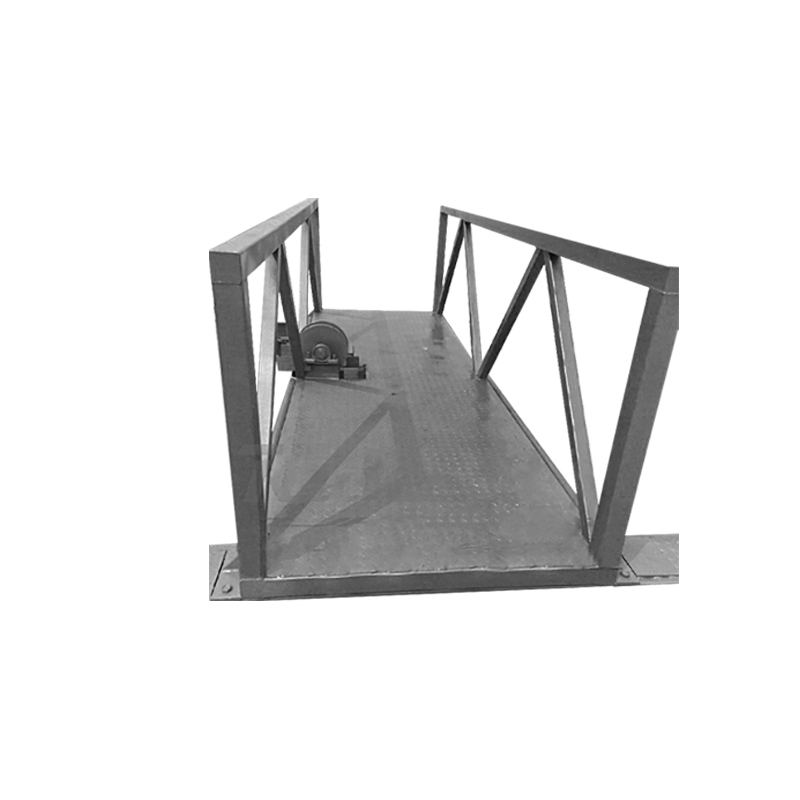
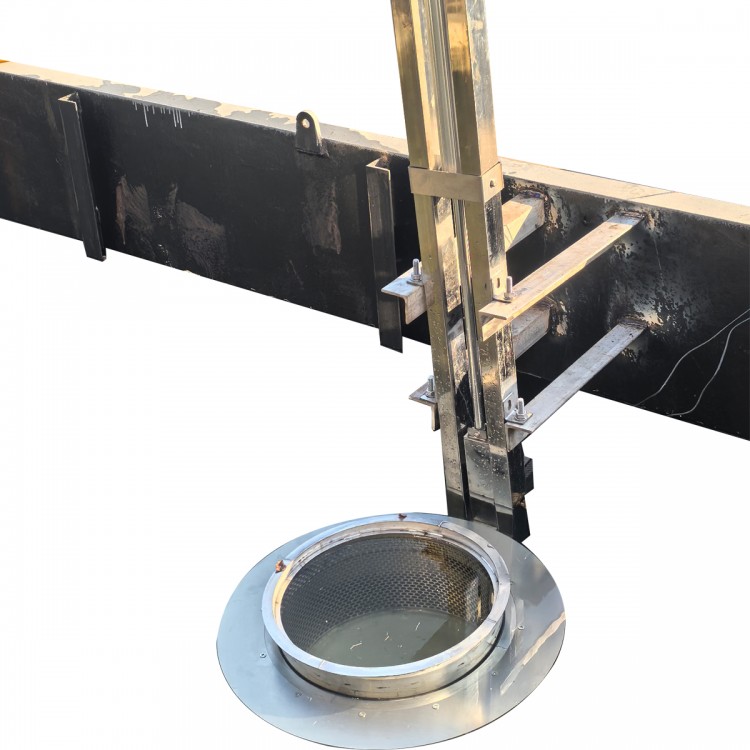
The dedicated installation system for submersible mixers allows for quick assembly and disassembly without the need to drain the pond's wastewater.
When the pool depth H is less than 4 meters, it is recommended to use System I. The submersible mixer's submersion depth can be adjusted vertically as needed, and the maximum rotation angle around the guide rod in the horizontal plane is ±60°. The base, support frame, and lower bracket of the hoisting system are all fixed with expansion bolts on the relevant connection surfaces of the pool, no need for pre-drilled holes.
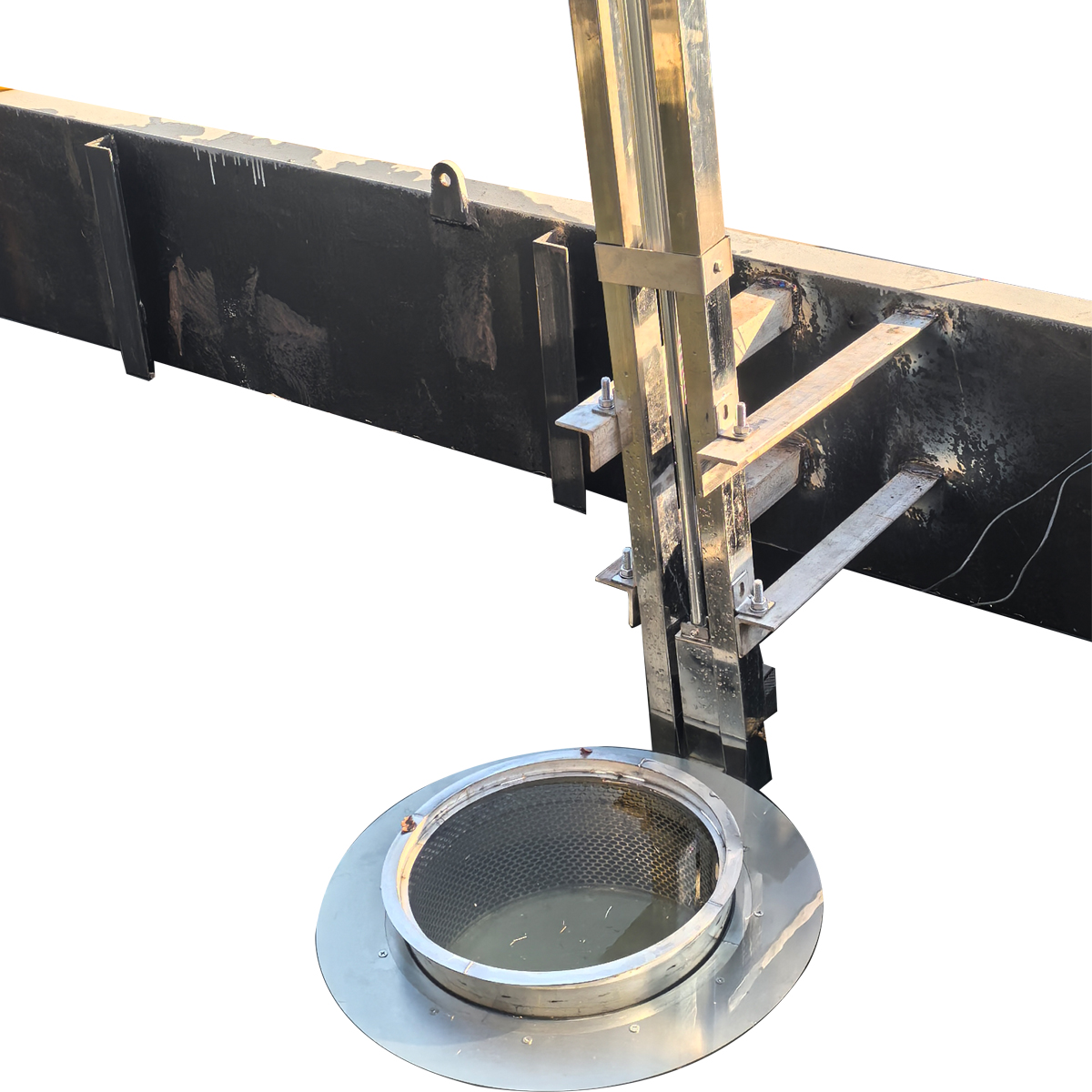
When the pool depth H is greater than 4 meters, it is recommended to use System II, which requires a concrete foundation (or a steel structure base) to be constructed at the bottom of the pool. The base of the hoisting system, the steel rope mounting frame, and the guide base are all fixed with expansion bolts, without the need for pre-drilled holes. System II uses guide steel ropes instead of guide rods, featuring convenient transportation and simple on-site installation. This system fundamentally avoids issues such as bending or deformation of guide rods during transportation, which can affect normal use. It also effectively improves situations where the pool is too deep, preventing abnormal lifting due to installation errors of the guide rods. The installation conditions with cantilevered pool tops (as shown) are even more convenient and reliable to operate.
When placing an order, please provide the pool depth H and pool type diagram so that the factory can determine the size of the guide rod or guide wire during processing. The material for the installation system is made of stainless steel (or carbon steel). In the installation system, multiple submersible mixers can share a single lifting device, excluding any special requirements from the customer.
The QJB mixer's dedicated installation system allows for quick assembly and disassembly of the submersible mixer without the need to drain the pond's wastewater.
Installation System I is applicable only for mixers with a pool depth of less than 4 meters, models QJB0.85/8-260/3-740C and QJB1.5/6-260/3-980C. Among them, I-1 can be adjusted in both horizontal and vertical directions.
Installation systems II, III, IV, and VI are suitable for pond depths of ≥4m. The guide rod can rotate horizontally around the axis of the guide rod, with a maximum rotation angle of -60° to +60°. When the pond depth exceeds 4 meters, an additional support frame should be added in the middle of the guide rod.
The support bracket and lower bracket are securely fastened to the pool wall and bottom with steel expansion bolts, no pre-drilled holes required.
The installation system of the submersible mixer is available in stainless steel and carbon steel with anti-corrosion options.
QJB Submersible Mixer Installation Diagram
The guide rod or guide wire should be perpendicular to the horizontal, and can be corrected using a plumb bob.
The hook should be inclined upwards by 5°-10° from the horizontal plane when lifting the submerged mixer with a propeller end.
By adjusting the chain on the lifting device, the submerged mixer slides down the guide rod or guide wire while the lifting hook and the lifting center of gravity of the submerged mixer align vertically.
Ordering Instructions for QJB Type Submersible Mixers:
Please provide the following detailed information: 1. Product name and model of the submersible mixer 2. Submersible mixer diameter (mm) 3. Submersible mixer head height (m) 4. Submersible mixer flow rate 5. Submersible mixer motor power (KW) 6. Submersible mixer speed (r/min) 7. Submersible mixer voltage [V] 8. Submersible mixer suction height (m) 9. Whether the submersible mixer comes with accessories, so we can select the correct model for you.
When the application is critical or the environment is complex, please provide design drawings and detailed specifications. Our technical experts will assist you in selecting and confirming the right option.
After-sales service
We will continue to provide technical services and support to our clients. The duration is generally not less than one week.
Section 2. During the equipment warranty period, in the event of a system failure, our company will dispatch a specialist to the equipment's location within 24 hours of receiving the customer's formal written notice. 24-hour issue resolution.
Section 3: Post-delivery of the equipment, after the initial installation and debugging are completed, and beyond the warranty period of our company, as long as there are issues with our equipment, regardless of their size, and upon the customer's request, our company will continue to provide service as usual. All spare parts required by the customer will be supplied at the factory price.
Section 4: Product Quality Warranty: 12 months. No warranty for damage caused by human error or unintentional damage. The start of after-sales service is from the day the equipment is delivered to the customer.