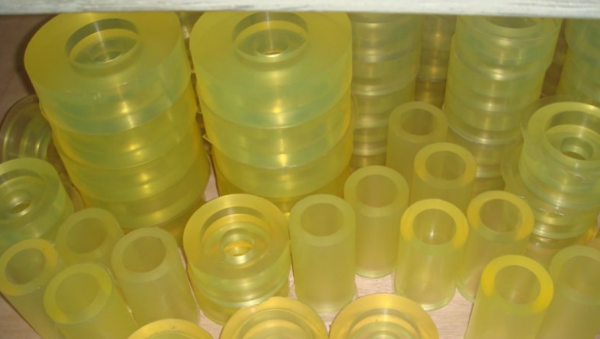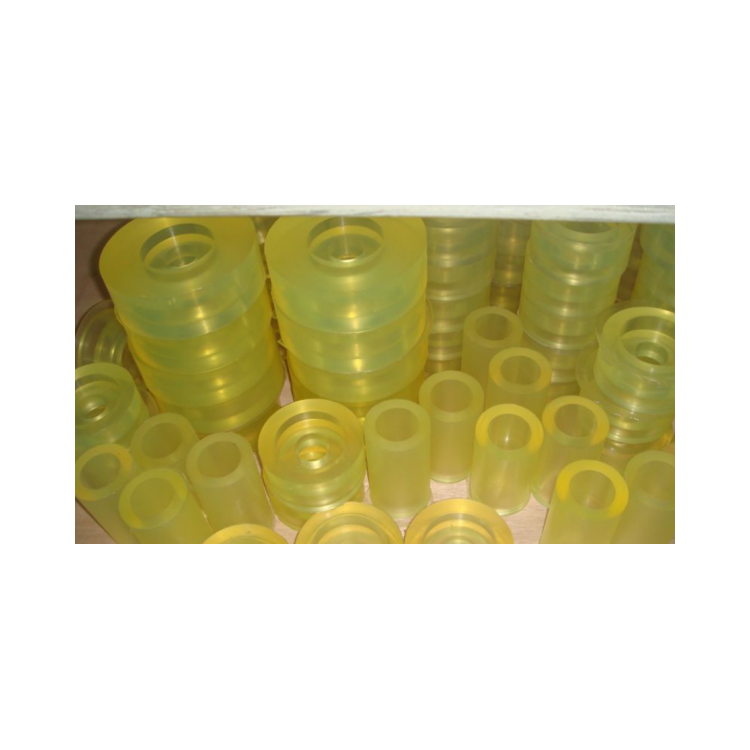








Polyurethane,简称PU, is primarily made from isocyanate (Material A) and polyether polyols (Material B), along with small amounts of additives and auxiliaries (foaming agents, catalysts, flame retardants, etc.). After high-speed mixing, the materials react in a fixed container to form a continuous foamed polymer. Depending on the raw materials and formulations, it can be produced in solid and expanded foam varieties, with the foamed types available in soft, semi-rigid, rigid, and special foam plastics. Currently, rigid polyurethane foam plastics are predominantly used for thermal insulation in building walls. Rigid foams include polyurethane foam (PUR) and polyisocyanurate foam (PIR).
Polyurethane Coatings - Main application fields include aircraft, ship, and vehicle painting; surface coatings for wood, plastic, rubber, and leather; building coatings; anticorrosive coatings, etc. Waterborne Polyurethane Coatings - Primarily use water as the medium, featuring low VOC content, low or no environmental pollution, and easy application, and are among the main alternatives to solvent-based coatings. They have been widely used in various fields such as: (1) furniture paint and wood floor paint; (2) paper coatings; (3) architectural coatings; (4) leather coatings; (5) fabric coatings, etc.
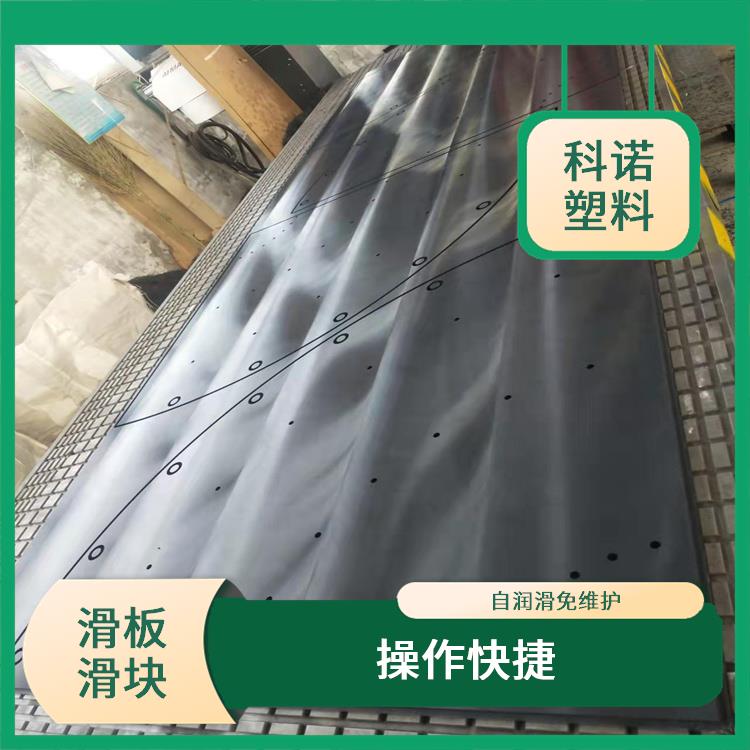
Application in mining and metallurgy industries - Screening plates, shaker tables, etc.
Applications in the machinery industry - rubber rolls, belts, seals, etc.
Applications in the automotive industry - tires, seals, etc.
Applications in light industry - Polyurethane shoe soles material, synthetic leather made of polyurethane, polyurethane fibers;
Applications in the construction industry - waterproofing materials, paving materials, potting materials, etc.
Polyurethane Adhesives (PU Adhesives) contain -NCO (isocyanate) and -NHCOO (group) groups with both physical and chemical reactivity, offering excellent chemical bonding with a variety of substrates, including foams, plastics, wood, leather, fabrics, paper, ceramics, and porous materials, as well as smooth surfaces like metals, glass, rubber, and plastics. They exhibit superior shear strength and impact resistance, making them suitable for structural bonding applications and possess excellent flexibility. Polyurethane adhesives have outstanding rubber-like properties, allowing them to bond substrates with different thermal expansion coefficients, forming a soft-hard transition layer between materials for strong adhesion and excellent shock absorption and vibration dampening capabilities. The low-temperature and high-temperature properties of polyurethane adhesives exceed those of all other types of adhesives. Waterborne Polyurethane Adhesives - Waterborne polyurethane adhesives are characterized by low VOC content, low or no environmental pollution, and non-flammability, making them a key development direction for polyurethane adhesives.
The temperature tolerance varies for different polyurethane materials.
1. TPU can withstand temperature differences of -20℃ to 80℃.
2. TPEE can withstand a temperature range of -70 to 200℃.
3. TPR can withstand temperature differences of -40℃ to 90℃.
4. TPV can withstand a temperature range of -40℃ to 150℃.
Due to its numerous superior properties, polyurethane boasts a wide range of applications.
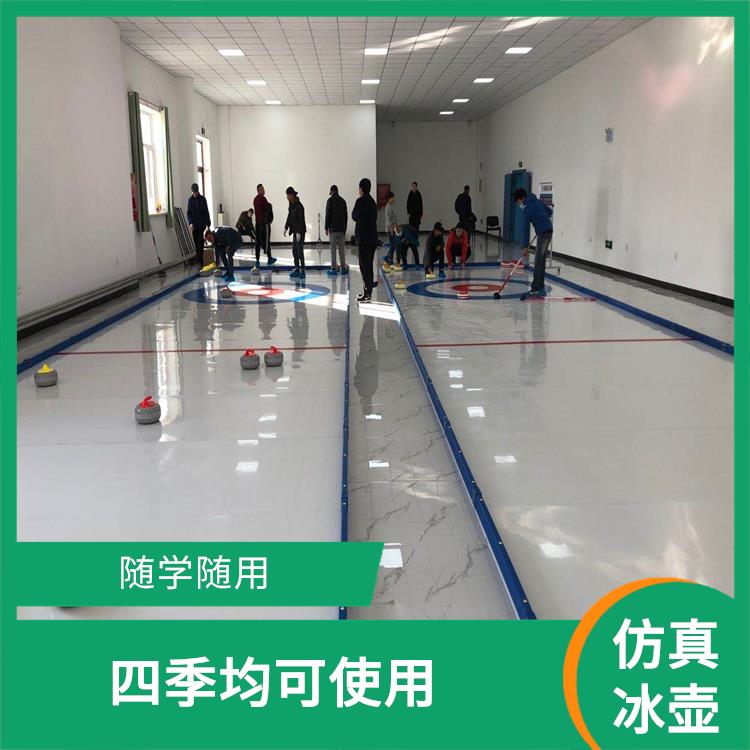
Polyurethane is primarily used in the production of synthetic leather, polyurethane foam plastics, coatings, adhesives, polyurethane rubber (elastomers), and polyurethane fibers. Additionally, polyurethane finds applications in civil engineering, ground drilling, mining, and oilfield operations, where it serves to seal water, stabilize buildings or roadbeds; as a paving material, it is used for track surfaces in sports fields and indoor flooring in buildings.
WeChat Official Account

Scan to follow Official Account