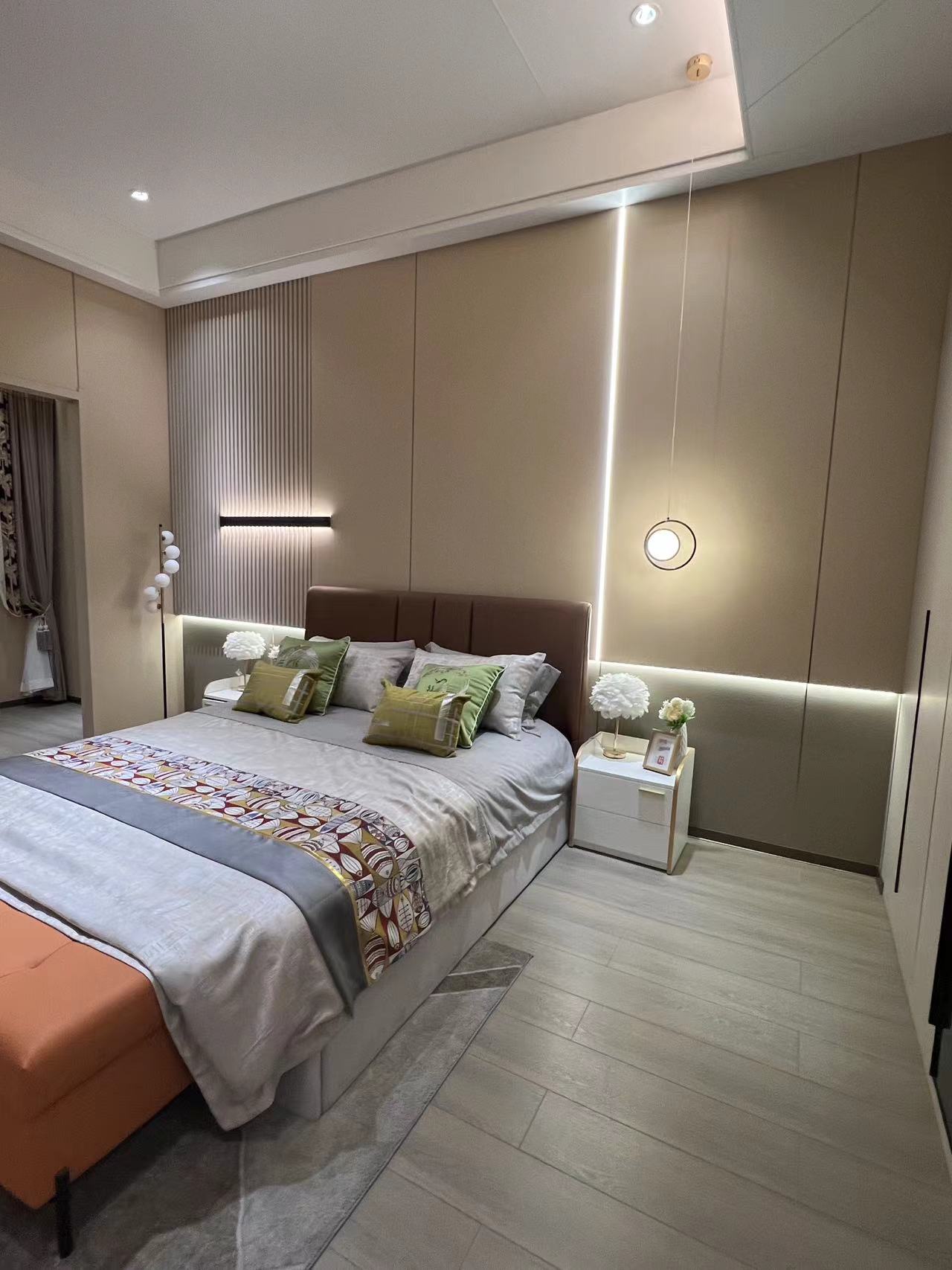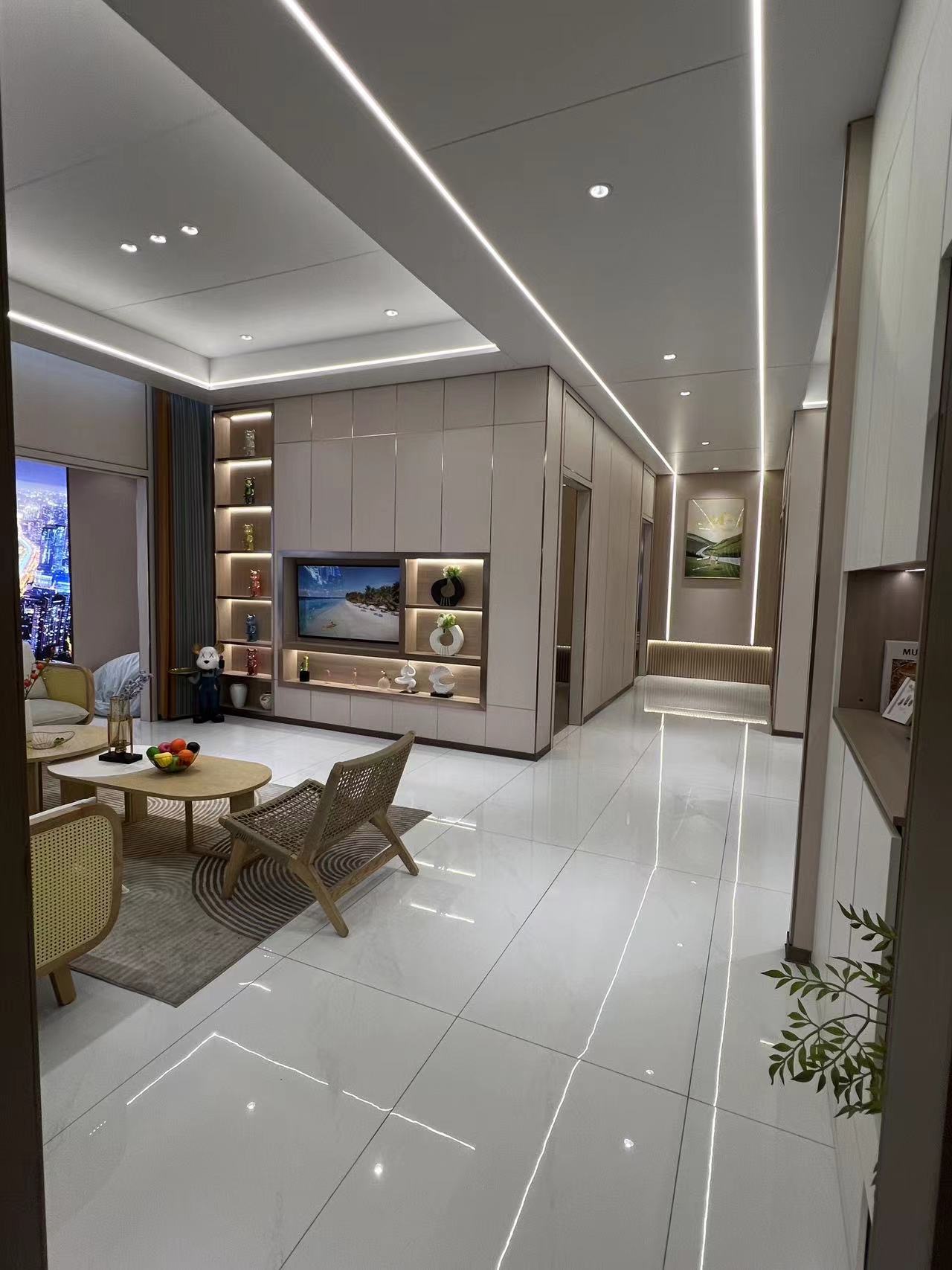


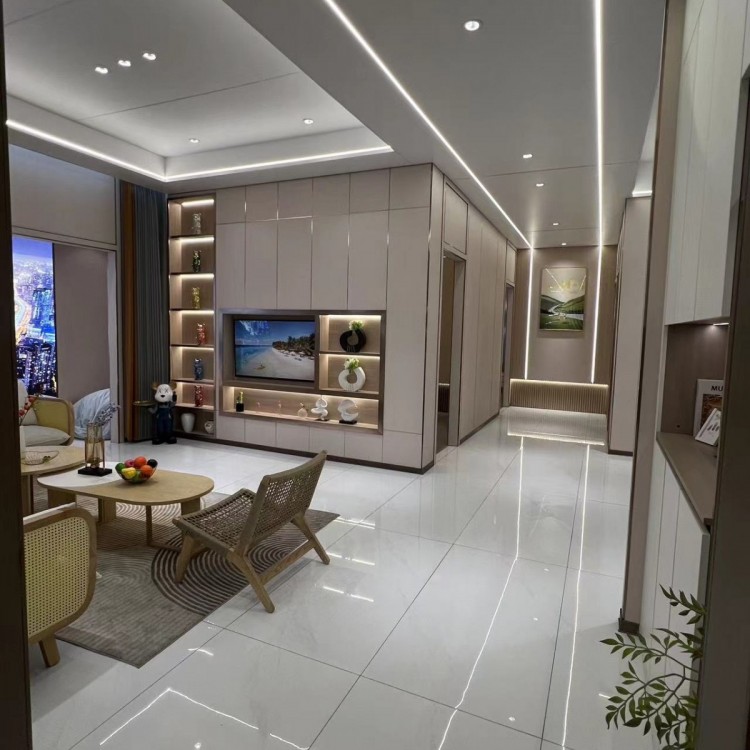









Comparison of Integrated Wall Panels vs. Traditional Building Materials
1. Easy and quick installation
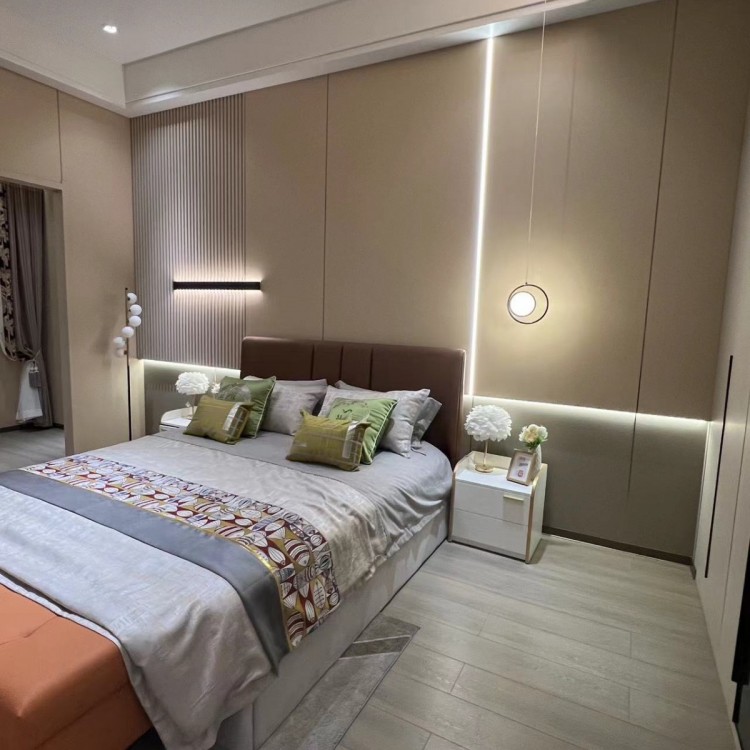
Traditional decoration, whether it's latex paint, wallpaper, or wall fabric, requires multiple steps like removing old wallpaper, applying joint compound, priming, and painting. In contrast, integrated wall panels have a single process and can be directly installed in a bare room, saving steps means saving time. This is especially beneficial for those in a hurry to move in or for hotels that need to start renovation operations quickly. The advantage of integrated wall panels in this aspect far outshines traditional home improvement materials.

2. Moisture-proof and anti-corrosive
The plum rain season in southern cities is a well-known phenomenon, with its humid weather often causing tiles in homes to bead with moisture and wallpaper or wall fabrics to mildew and rot. Integrated wall panels, due to their unique product characteristics, offer excellent moisture resistance, making them particularly suitable for home renovations in southern cities.
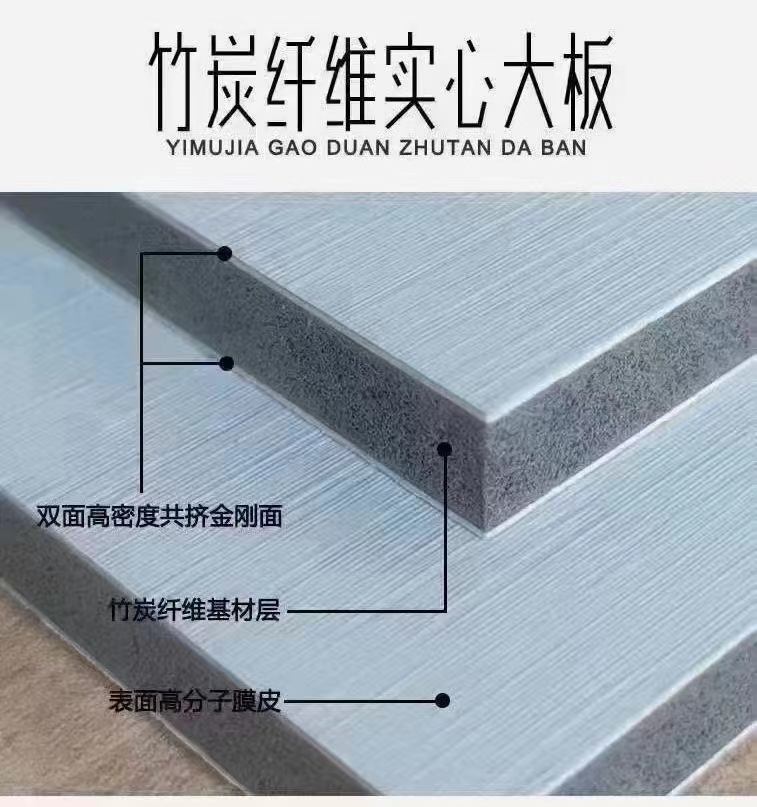
3. Eco-friendly, odorless
Integrated wall panels are made by high-temperature pressing of various base materials in a specific ratio, representing a new type of environmentally friendly material. They do not contain benzene compounds, which are a main component in traditional latex paints. Any paint must use benzene compounds as raw materials, just as there is always a certain amount in adhesives. There is no truly formaldehyde-free adhesive; there are only low-formaldehyde ones. The installation of wallpaper and wall panels requires adhesives, and in comparison, integrated wall panels are significantly more environmentally friendly.

I've only listed three main advantages of integrated wall panels here, but there are actually many more compared to traditional building materials. I won't go into detail. Please call me for professional home improvement material services.