










This paint is flammable and contains volatile flammable solvents; therefore, it must be kept away from sparks and open flames.
2. Smoking is strictly prohibited in the workplace, and effective measures should be taken to prevent sparks from occurring (such as using explosion-proof electrical equipment, eliminating static buildup, and avoiding metal impacts, etc.).
3. Construction sites should maintain good ventilation as much as possible. To eliminate potential explosion hazards during use, ensure sufficient ventilation to maintain a gas/air ratio not exceeding 10% of the lower explosive limit. Typically, 200 cubic meters of ventilation per kilogram of solvent (related to the type of solvent) is required to maintain a working environment with a lower explosive limit of 10%.
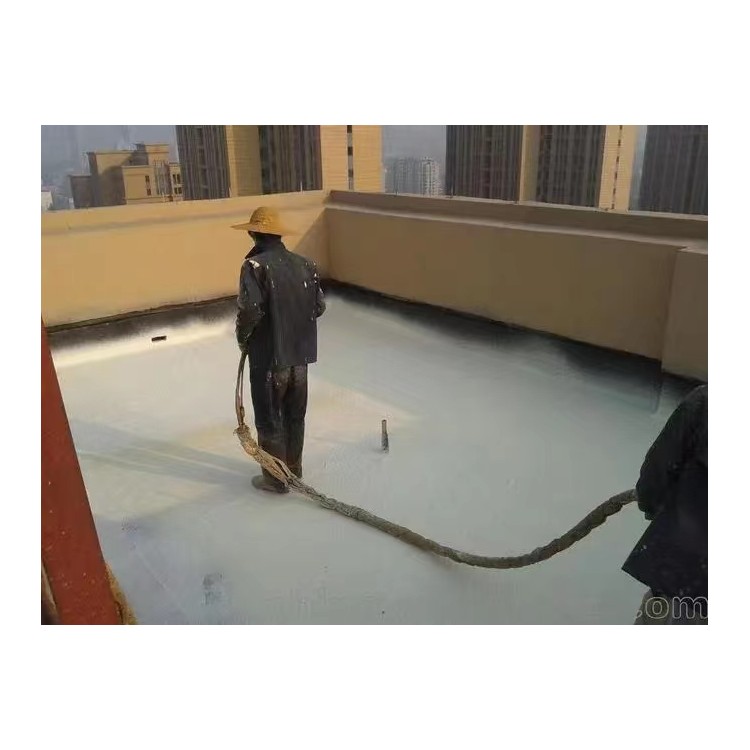
4. Take effective measures to prevent direct contact between skin and eyes with paint (such as using protective clothing, gloves, goggles, face masks, and applying protective oil). In case of accidental contact with skin, thoroughly wash the area with clean water and soap or an appropriate industrial cleaner; if eyes are contaminated, rinse with clean water for at least 10 minutes immediately and seek medical attention promptly.
5. During construction, it is recommended to wear a mask to avoid inhaling paint mist and harmful gases, especially in poorly ventilated environments. Exercise caution when handling old paint buckets to prevent environmental contamination.