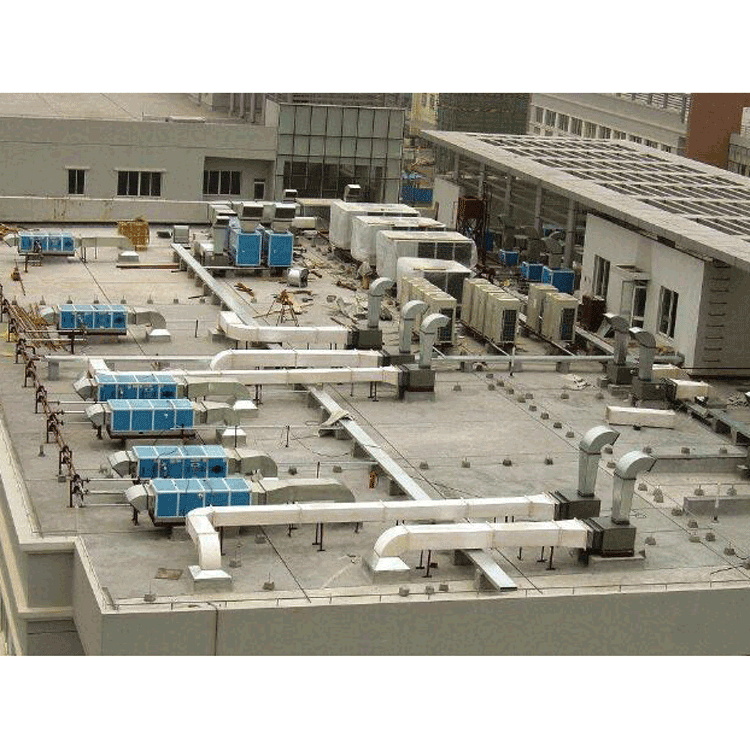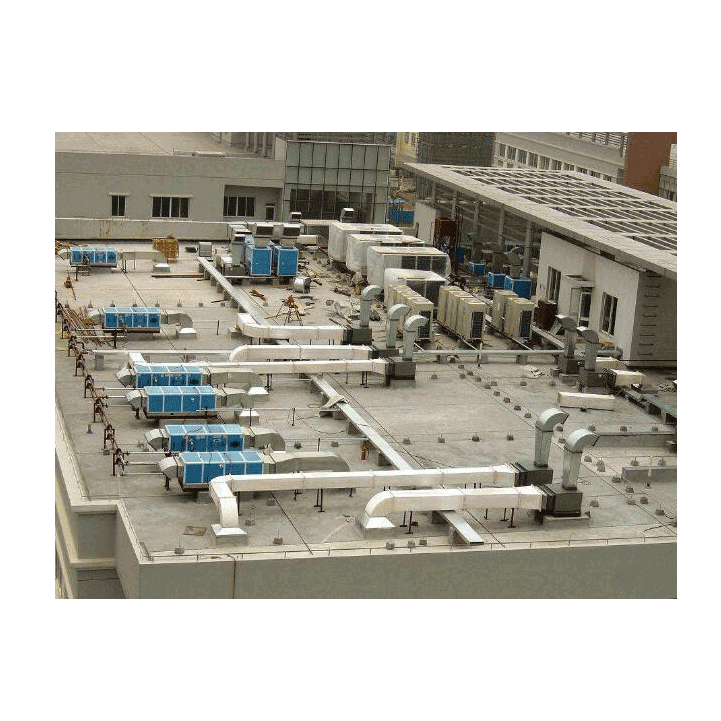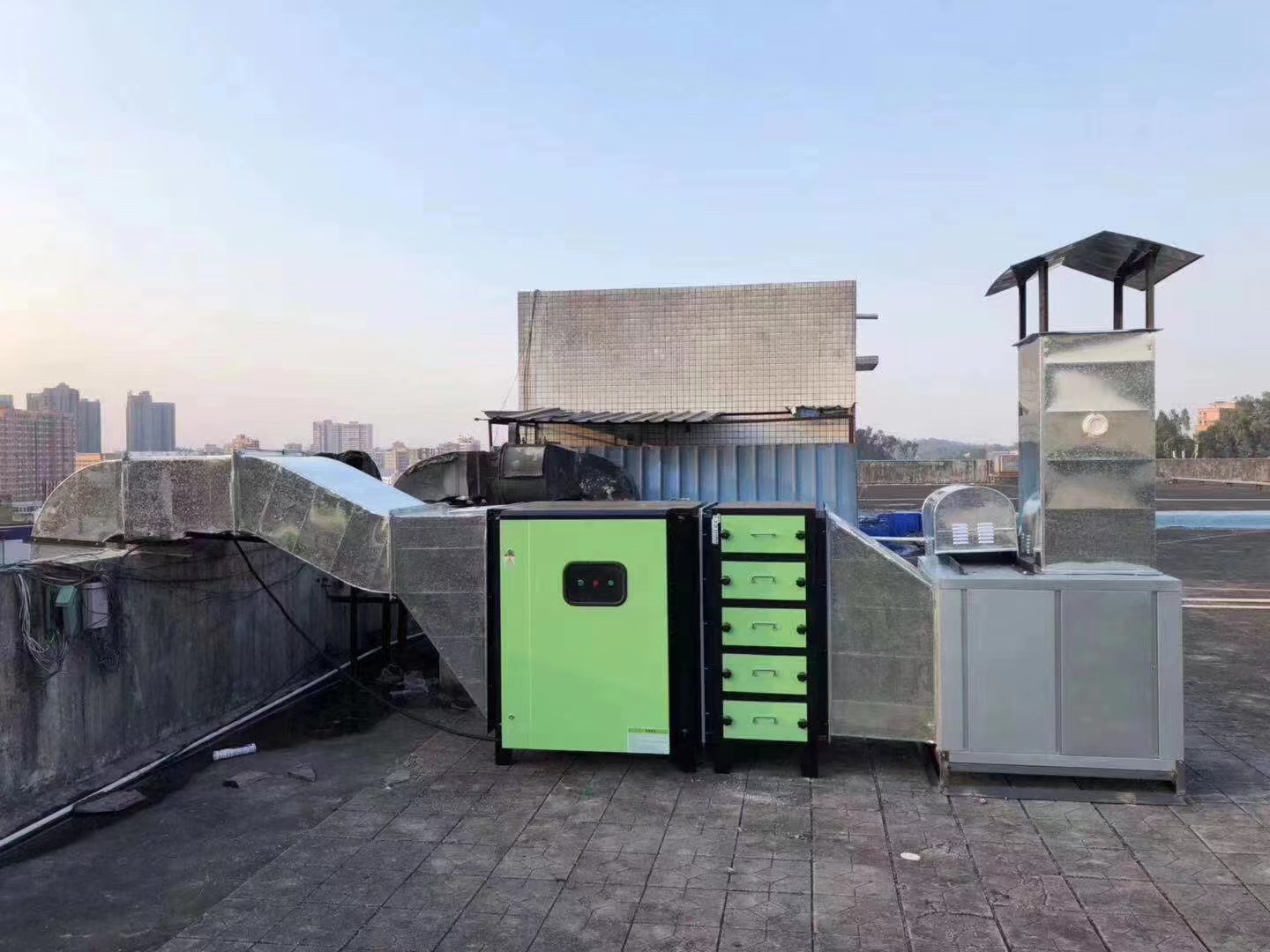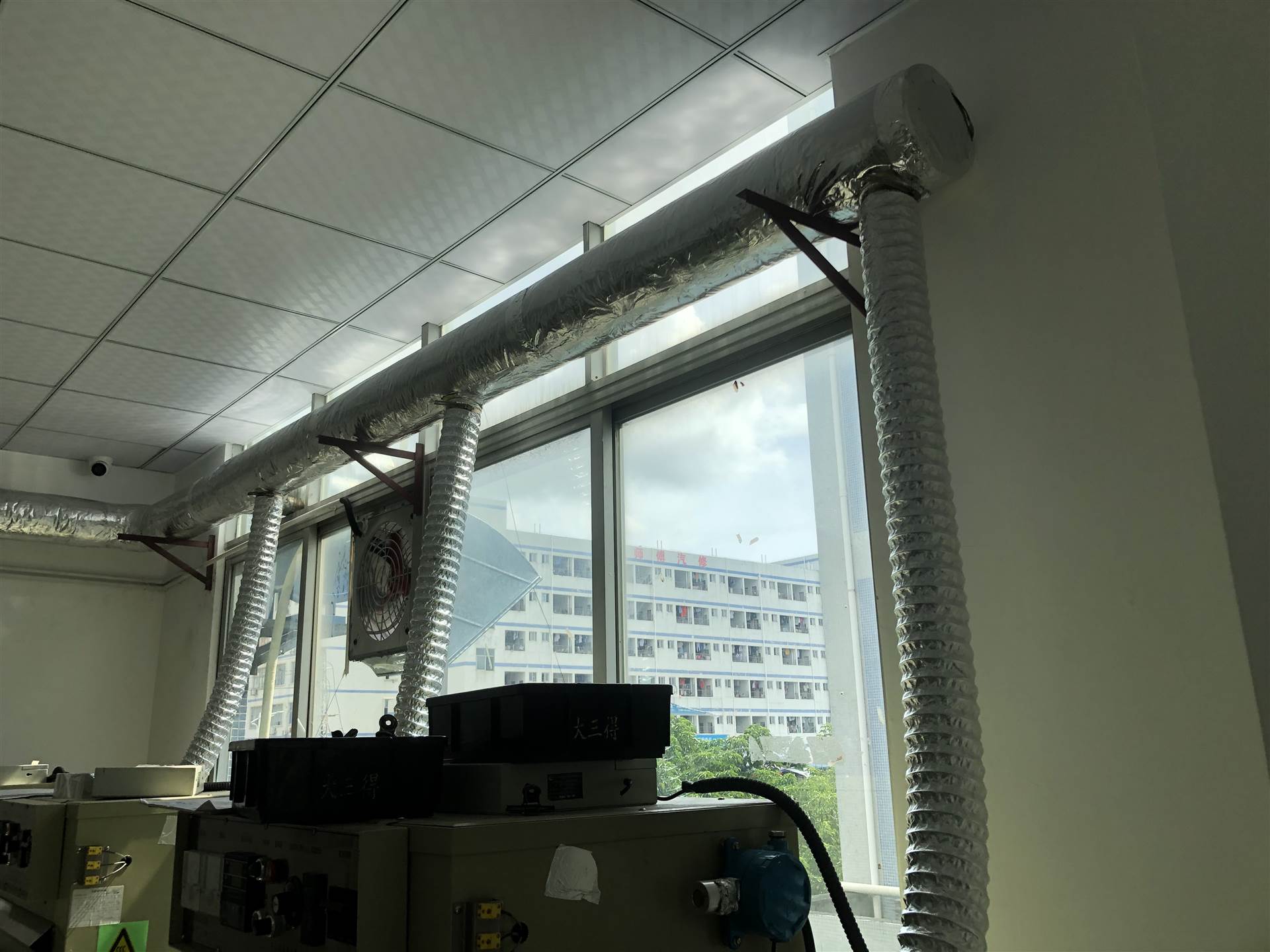










Laboratory Ventilation System

Deciphering Variable Air Volume (VAV) Systems: In large ventilation systems, to meet the variable air volume requirements at the end of ventilation equipment and the requirement for constant face velocity, further adjustment is needed. We apply variable frequency + variable air volume ventilation control to address this.
Ventilation Cabinet Airflow Control: As an essential primary protection equipment in chemical laboratories, various countries have strict requirements for the face velocity of ventilation cabinets. Typically, it is required to maintain a constant face velocity of 0.5m/s. Both excessively high and low face velocities can pose leakage risks.
Other Local Exhaust Control: Local exhaust facilities such as universal hoods, atomic absorption hoods, and reagent cabinets should be capable of continuous and efficient control, safely and quickly exhausting gases.
Room Pressure Control: It is generally required to maintain a negative pressure between the lab and the corridor at all times to prevent cross-contamination with surrounding office or production areas.
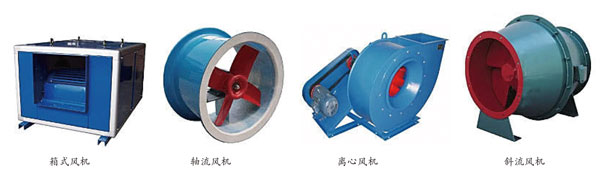
Fan classifications
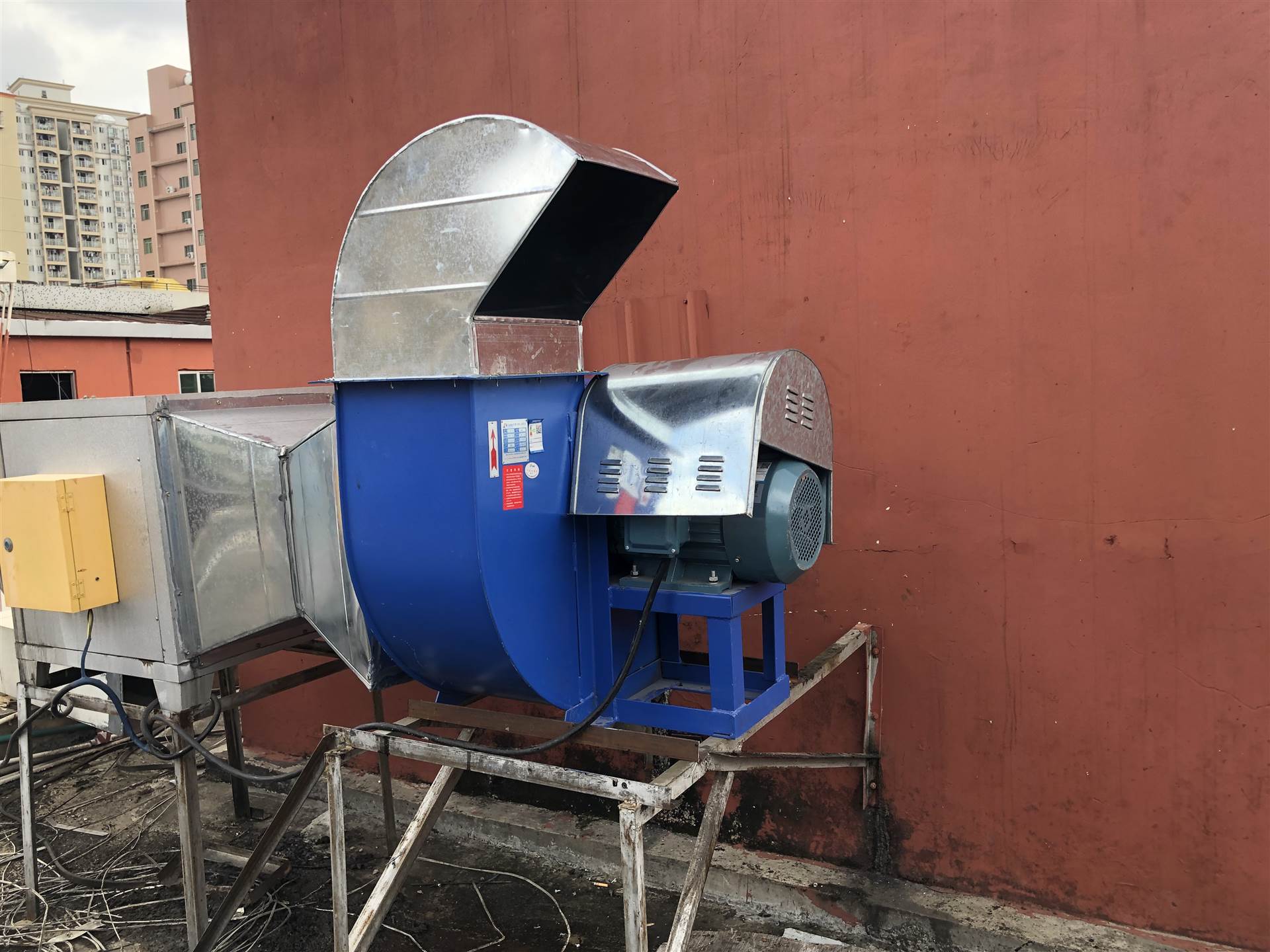
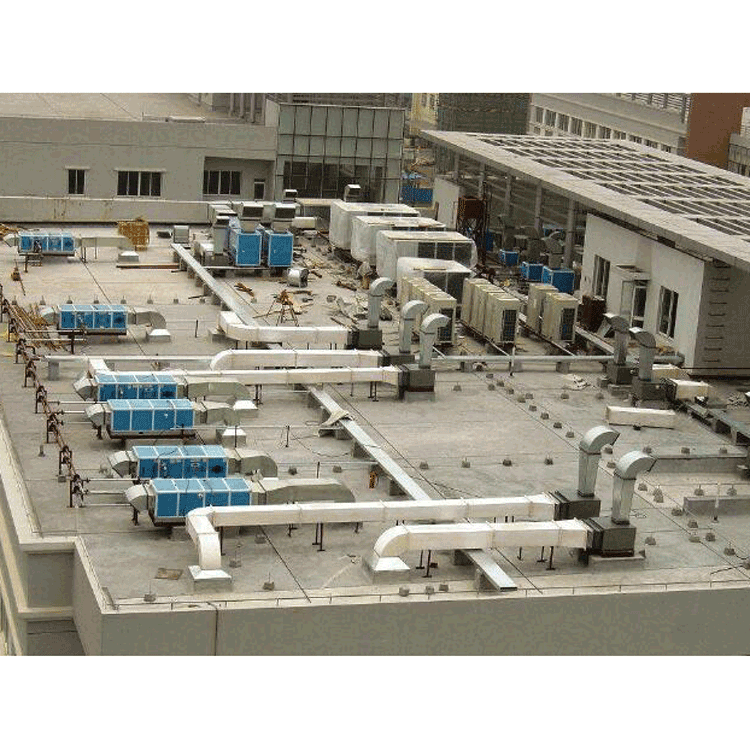
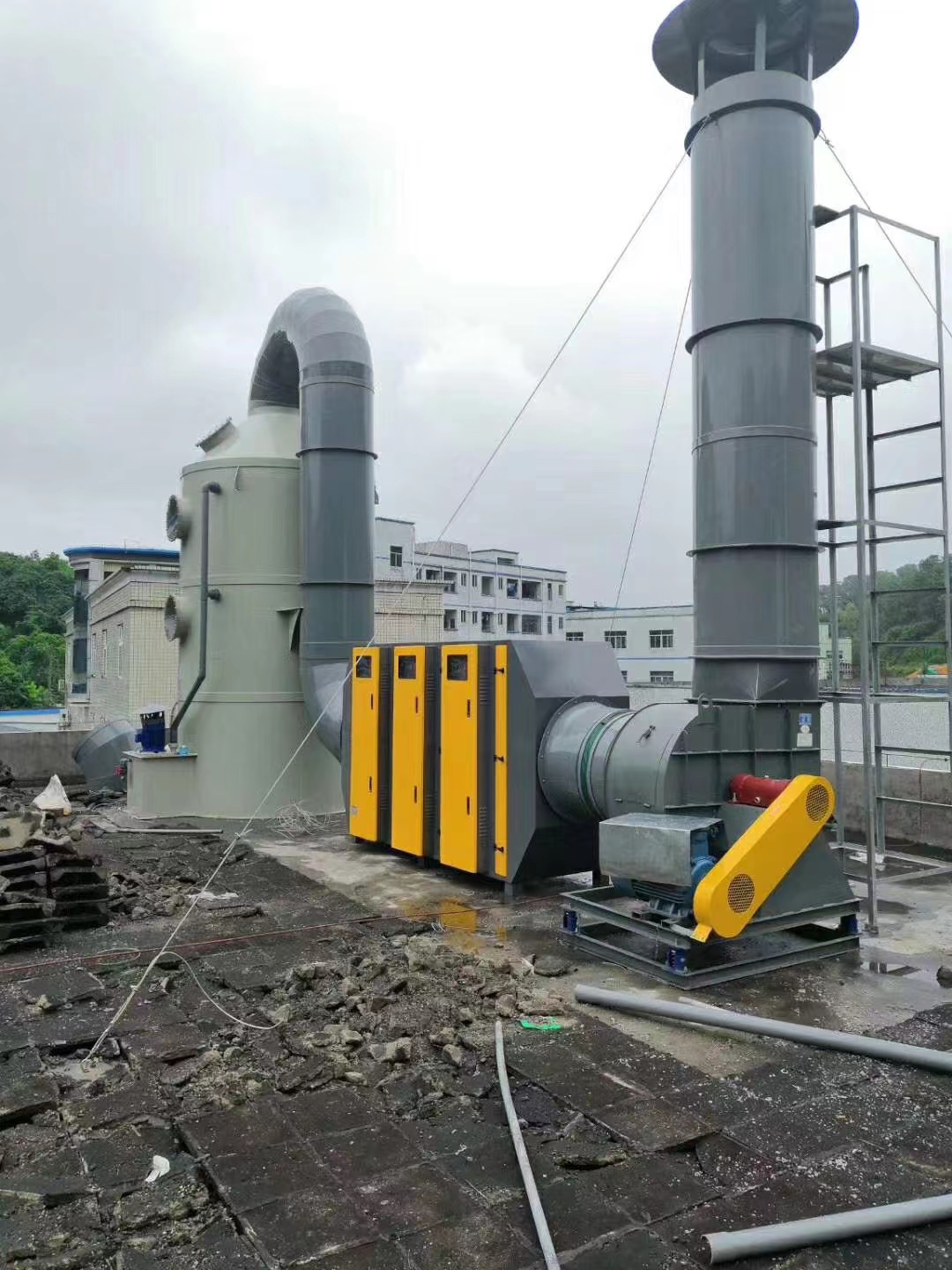
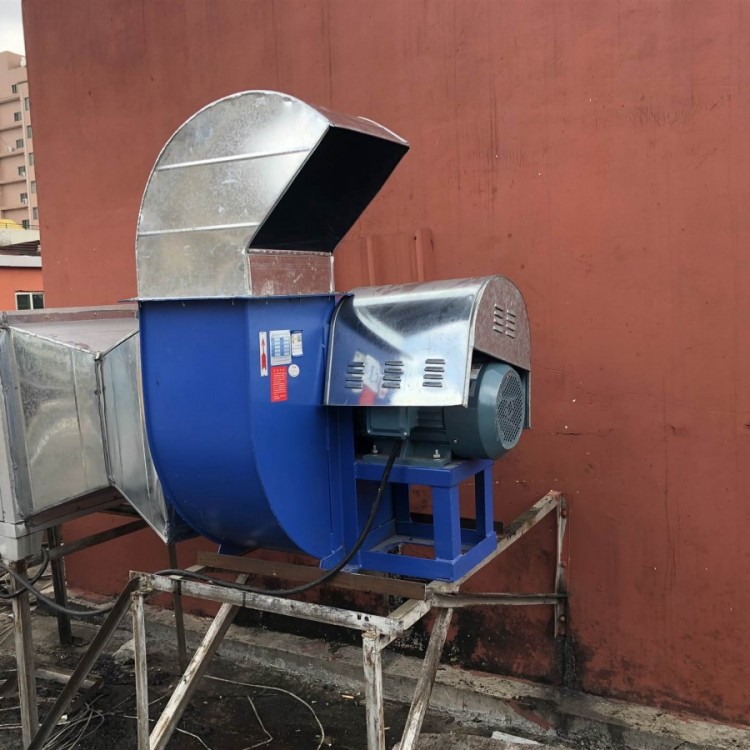
According to the airflow pattern, fans are categorized into three types: centrifugal (commonly placed outdoors), axial (commonly placed indoors), and mixed flow (diagonal flow) fans.
By material classification, fans primarily include ordinary steel fans, stainless steel fans, PP fans, and glass fiber reinforced plastic fans, among others.
Features of the fan:
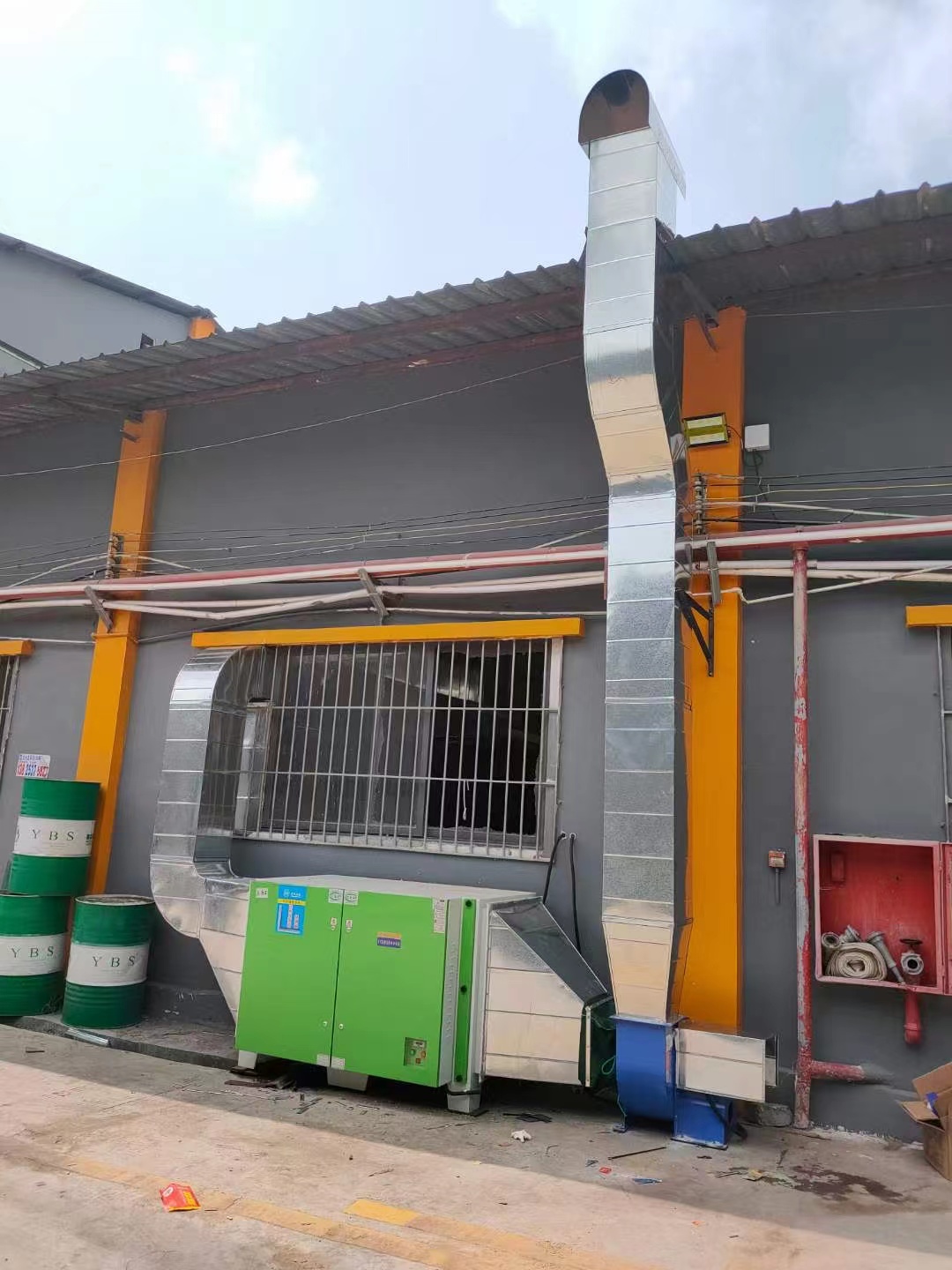
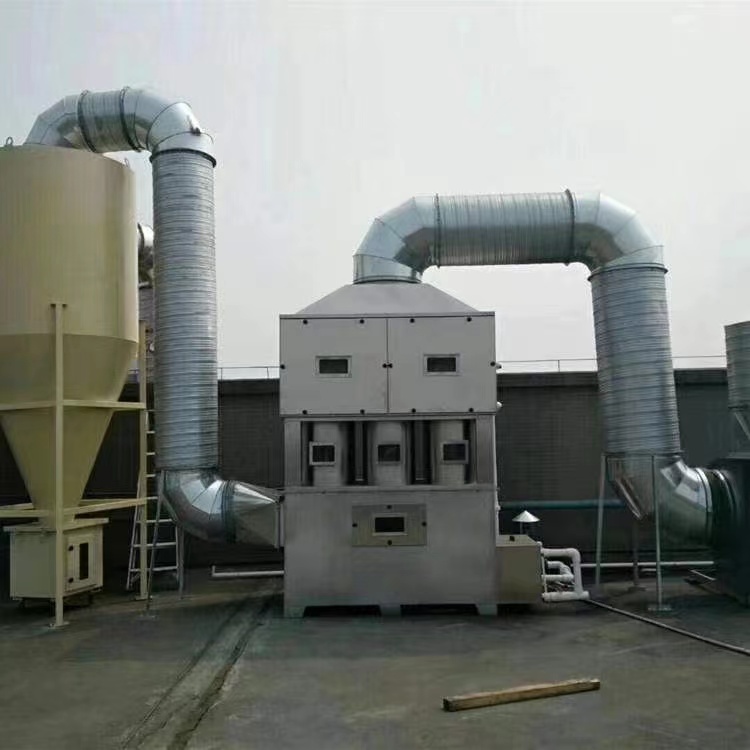
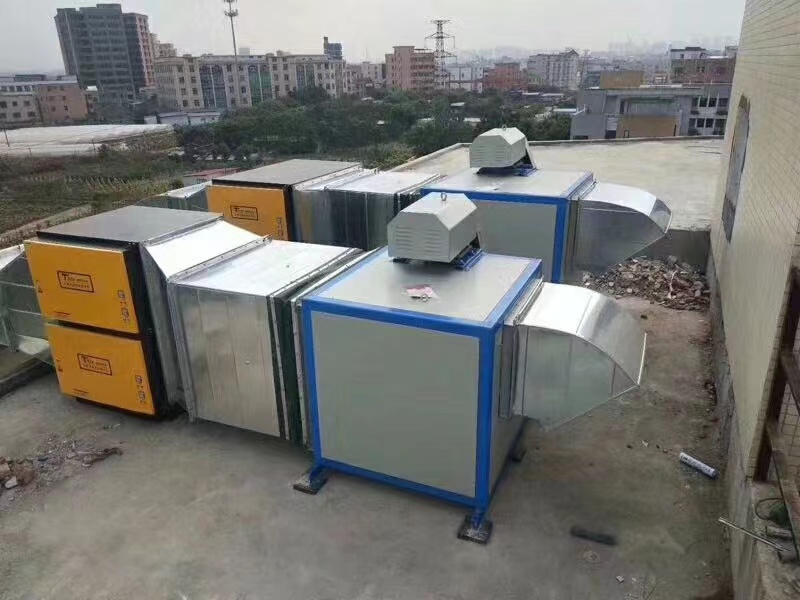
Centrifugal Fan Features: High energy consumption, higher operating costs, significant noise, high suction power (high wind pressure), suitable for complex systems, mainly installed outdoors or on rooftops.
Axial fans feature low power consumption and low operating costs, but high noise levels and low suction power (low wind pressure). They are suitable for simple systems and can generally be mounted on walls or pipes.
Tilt-blade fan features: Energy consumption, operating costs, and air extraction are between the two extremes, with lower noise levels. Suitable for simple systems, typically installed indoors.