










Antistatic Agent: Octadecyl Phosphate
【Spec】C1618P
Chemical Composition: Octadecyl Phosphate
Anion
Technical Specifications
Appearance: Colorless or pale yellow solid
Solids Content: ≥9 8%
Freezing Point: 56 ~62℃
Acidity Value: ≥210mgKOH/g
Performance and Applications
In fiber fabric spinning processing, phosphates serve as emulsifying stabilizers, particularly significant under high alkalinity conditions, and are an essential component of synthetic fiber oils.
2. Phosphates possess the function of preventing static buildup and promoting rapid static discharge in the paper, plastic, and leather industries, making them widely used as antistatic agents in high hydrophobic and hydrophilic systems. Additionally, phosphates exhibit broad resistance to acids, alkalis, and salts, enabling their use in chrome tanning or retanning processes in leather processing. This ensures a more uniform distribution of chrome salts within the leather and facilitates the bonding between chrome salts and the leather.
3. In energy and construction materials, phosphates act as additives in automotive and vehicle fuels to enhance fuel combustion value and reduce energy consumption. They serve as stabilizers in polymer materials, suitable for producing phosphate glass. Also used as coupling agents for treating fillers like calcium carbonate.
4. Phosphates are a versatile plastic processing additive in processing aids. Due to their excellent plasticizing, stability, heat resistance, antistatic, anti-pollution, and transparency properties, they are widely used in plastic products for construction, furniture, mines, conveyor belts, and transportation components.
5. Additionally, phosphates offer excellent lubricity, corrosion resistance, wear resistance, antistatic properties, low friction, emulsifying ability, and weld resistance. They can be used as cutting oils and drawing oils, and can also be formulated into oil-soluble and water-soluble emulsions, while providing corrosion inhibition.
Packaging and Storage
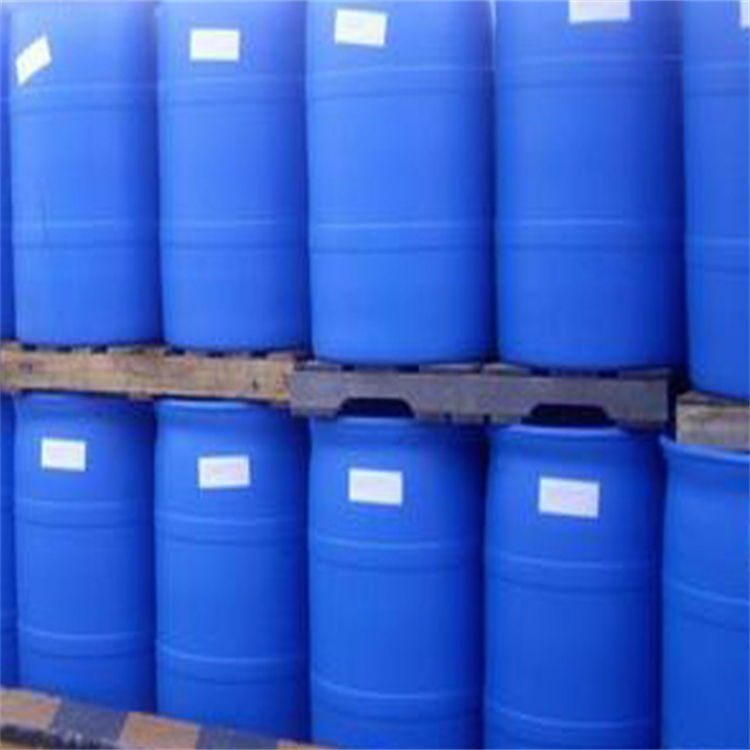
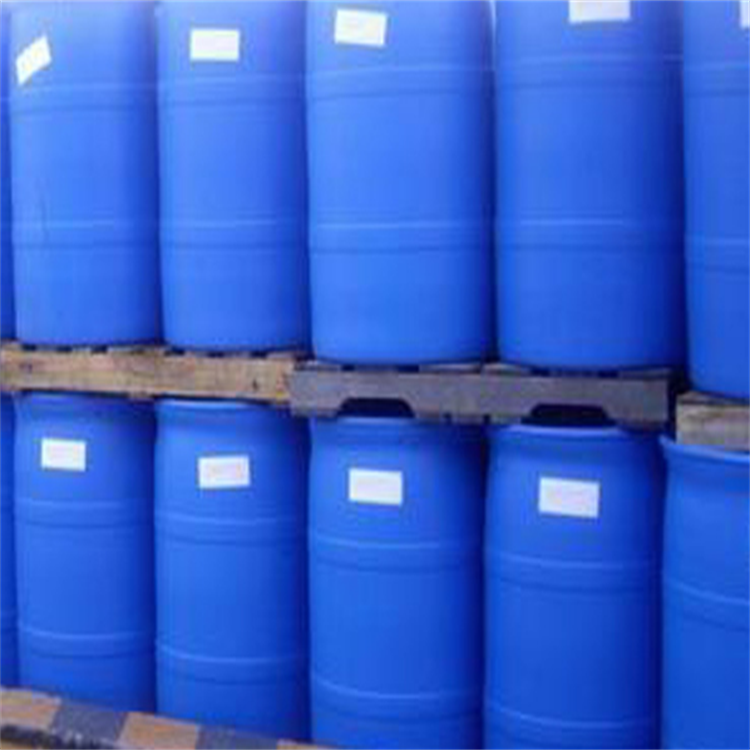
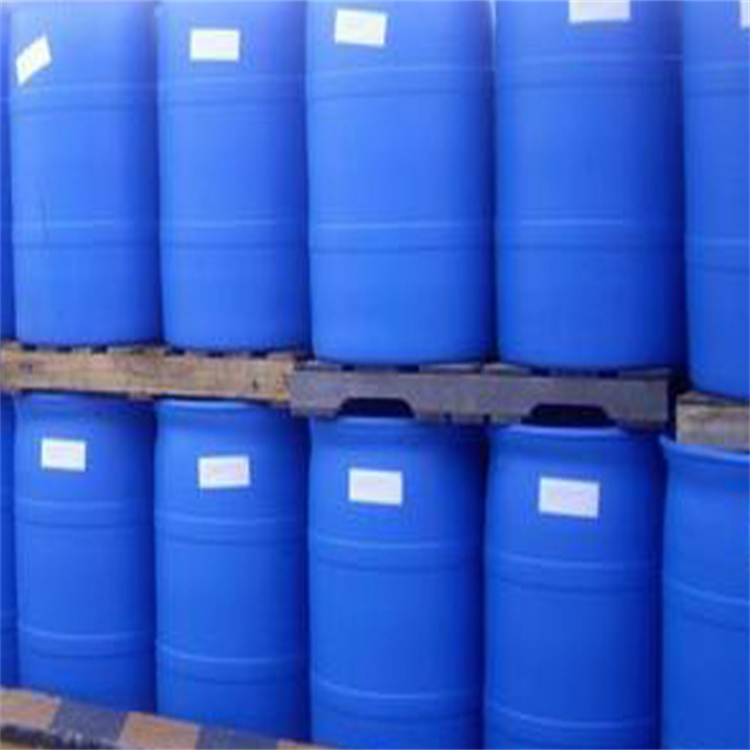
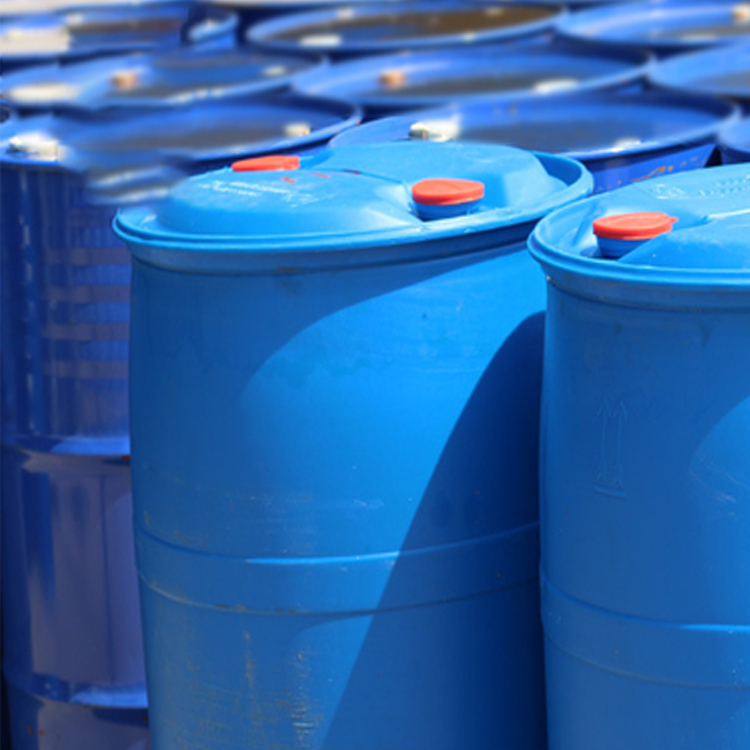
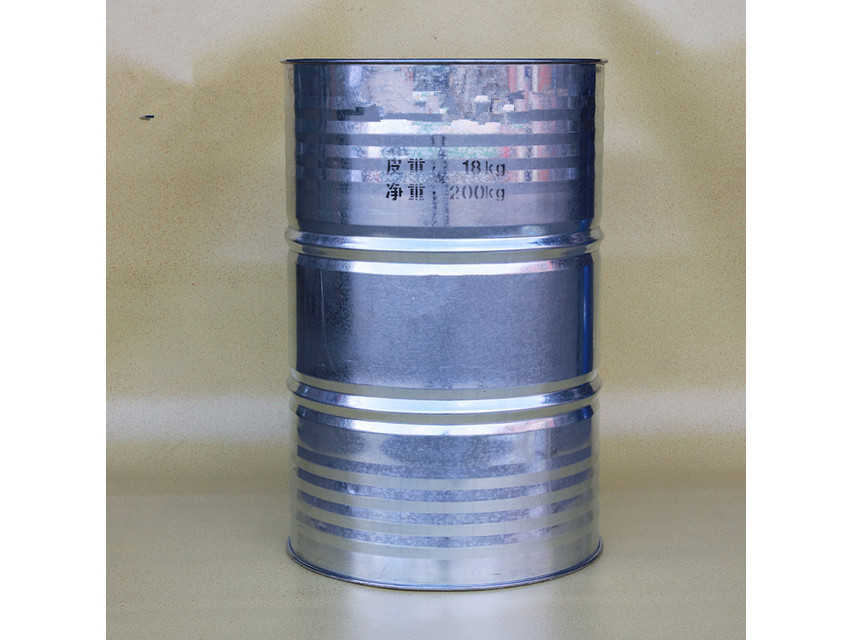
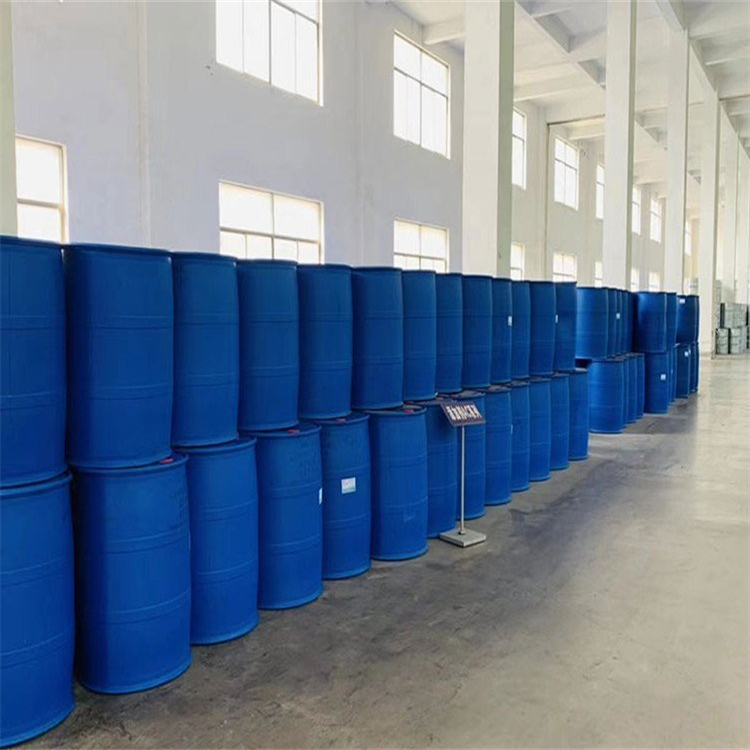
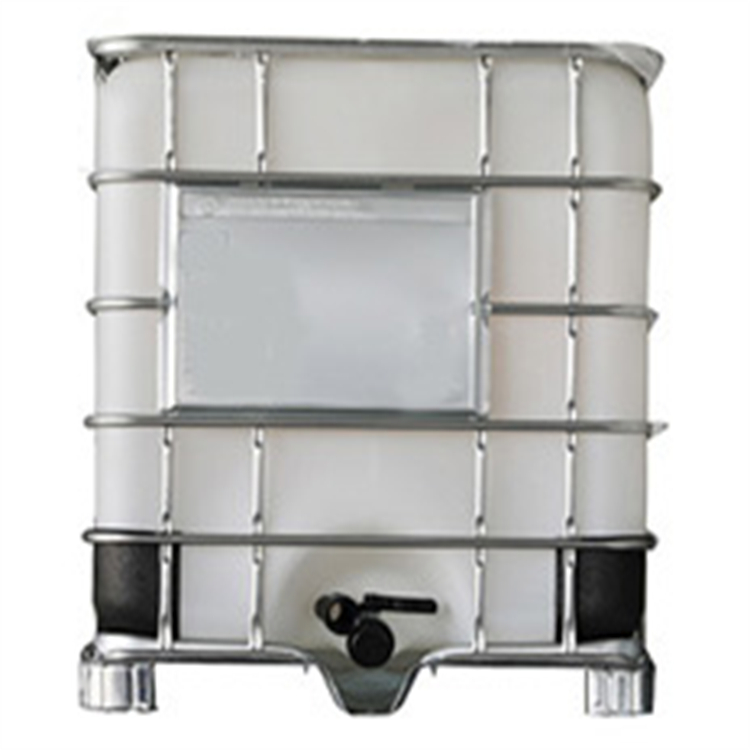
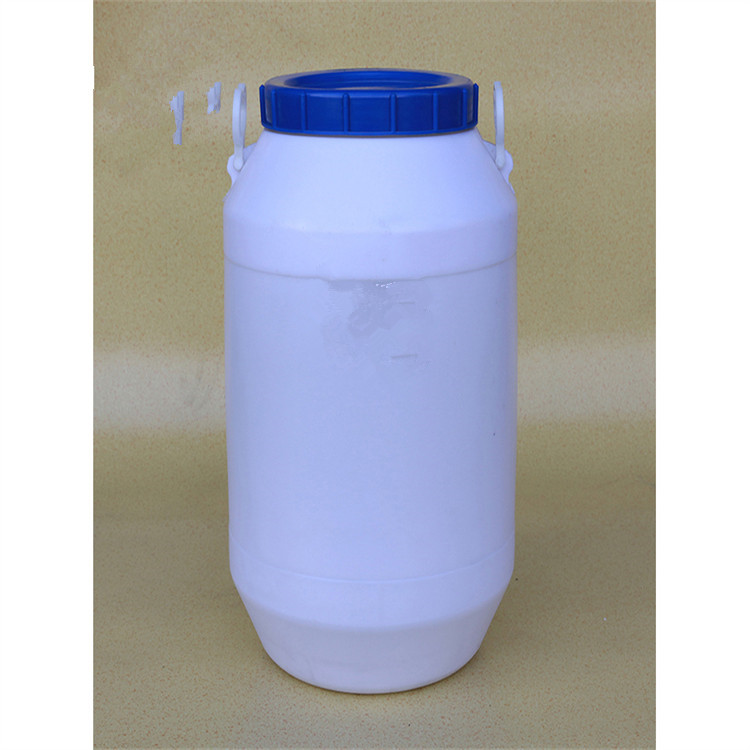
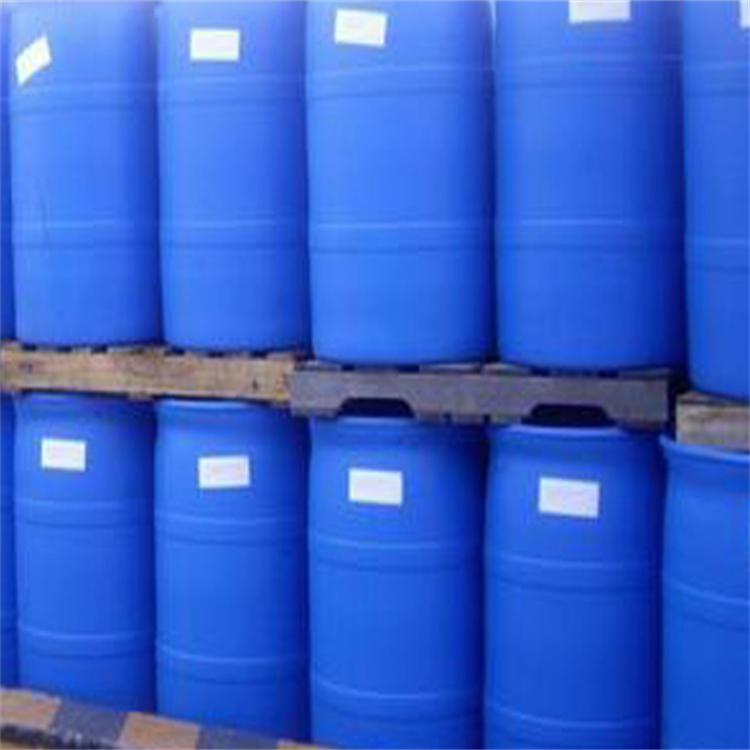
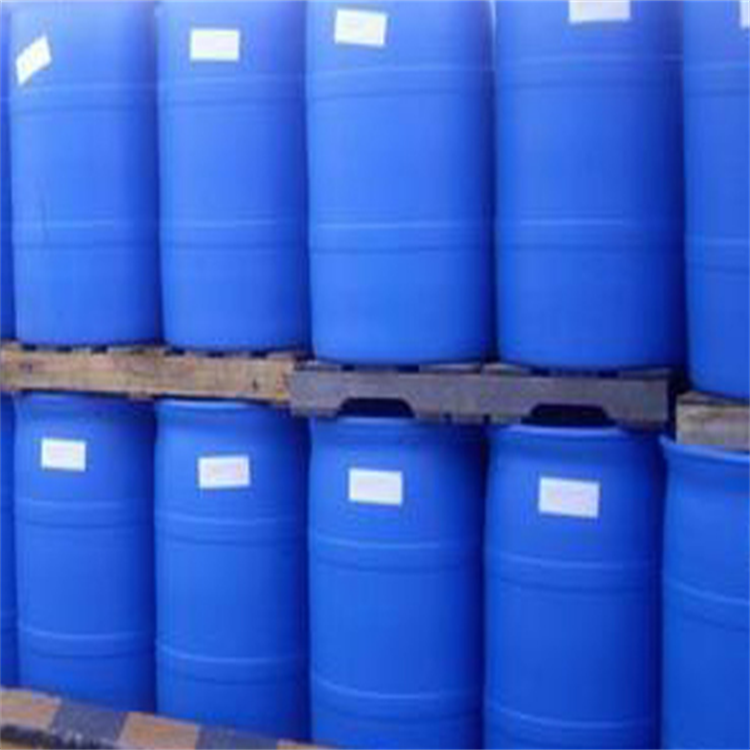
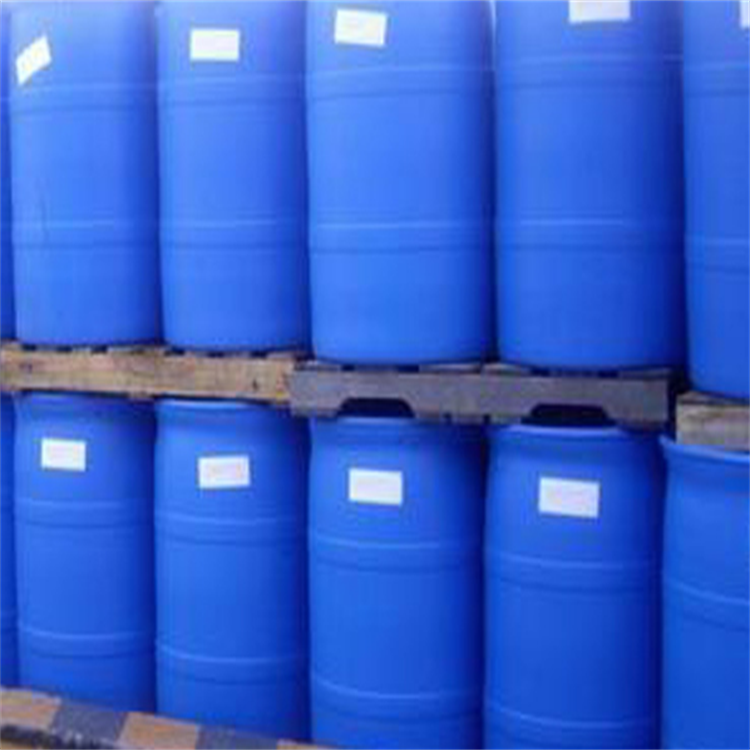
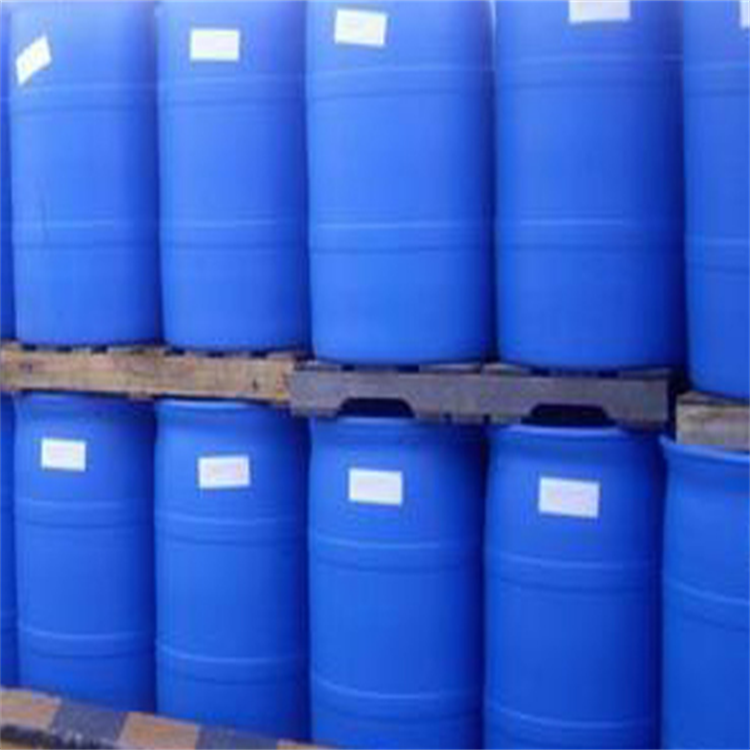
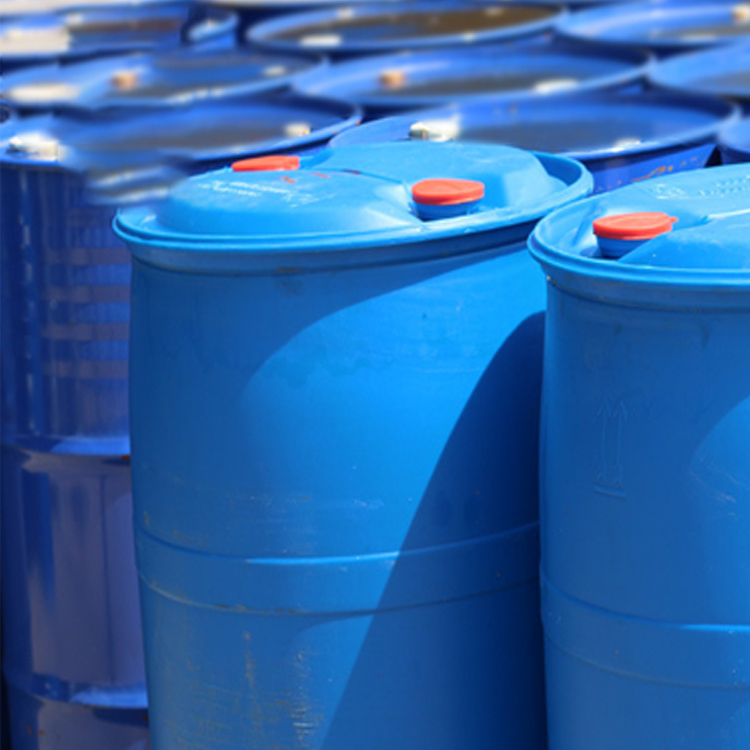
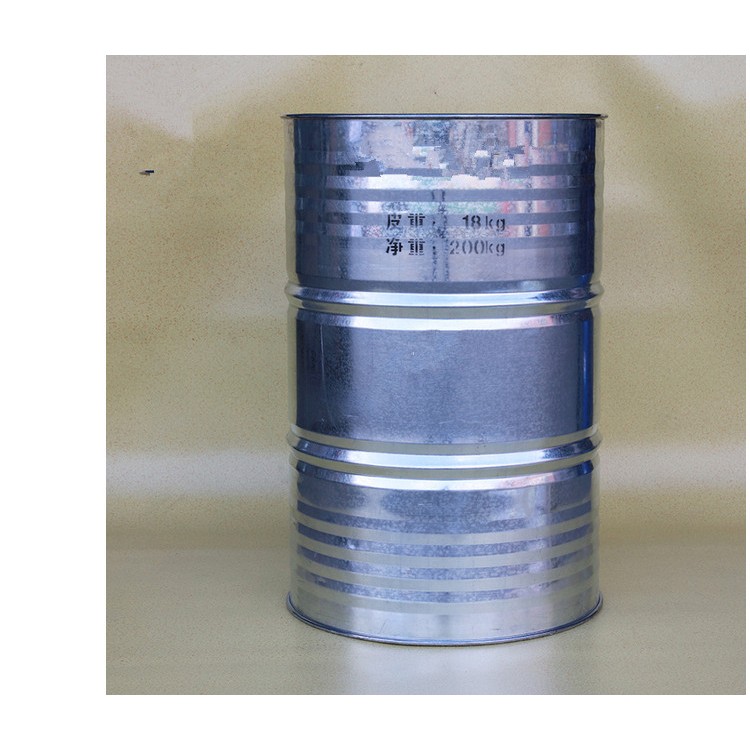
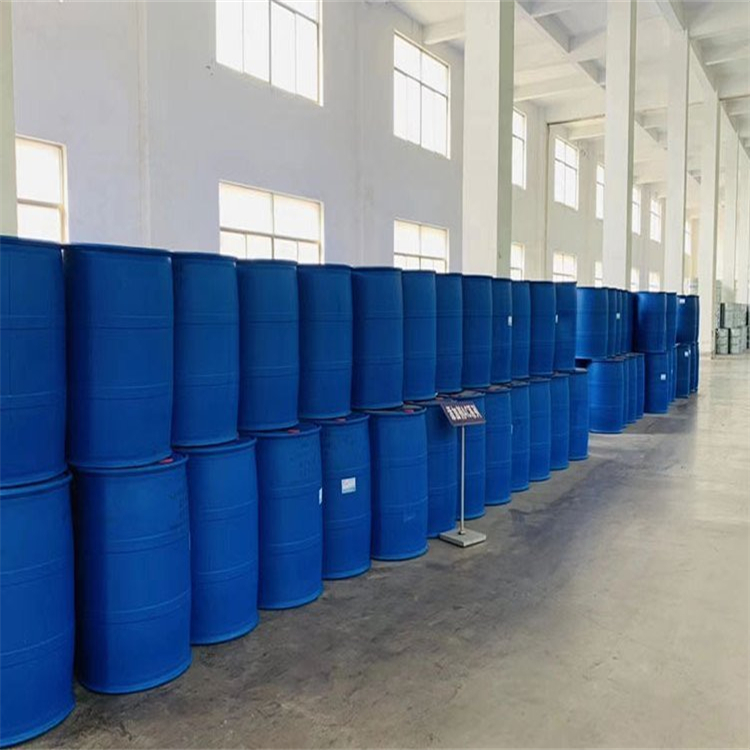
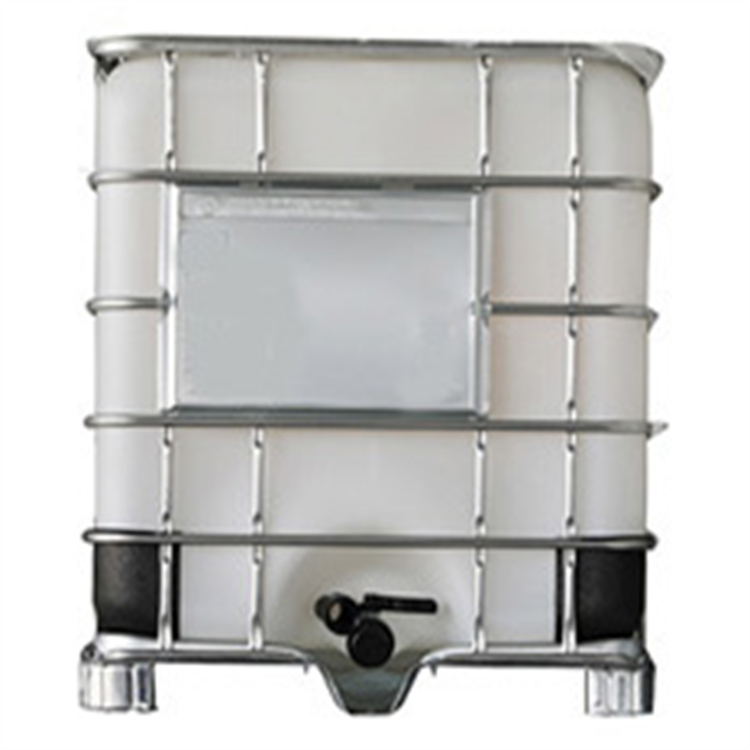
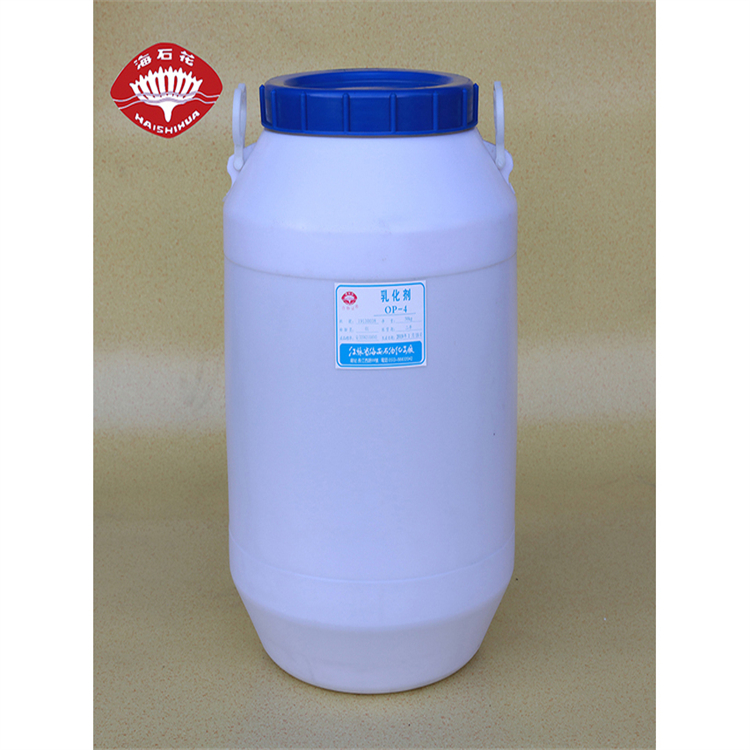
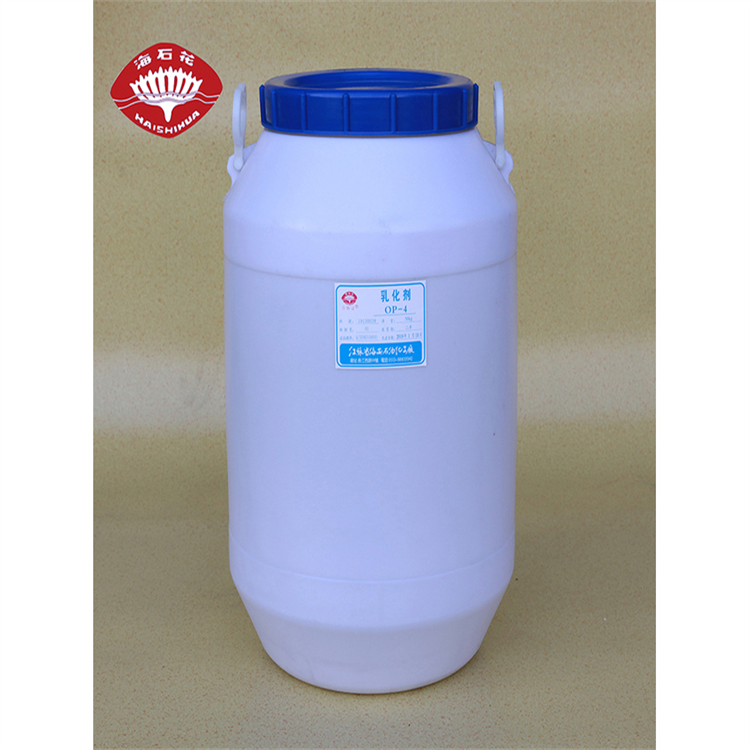
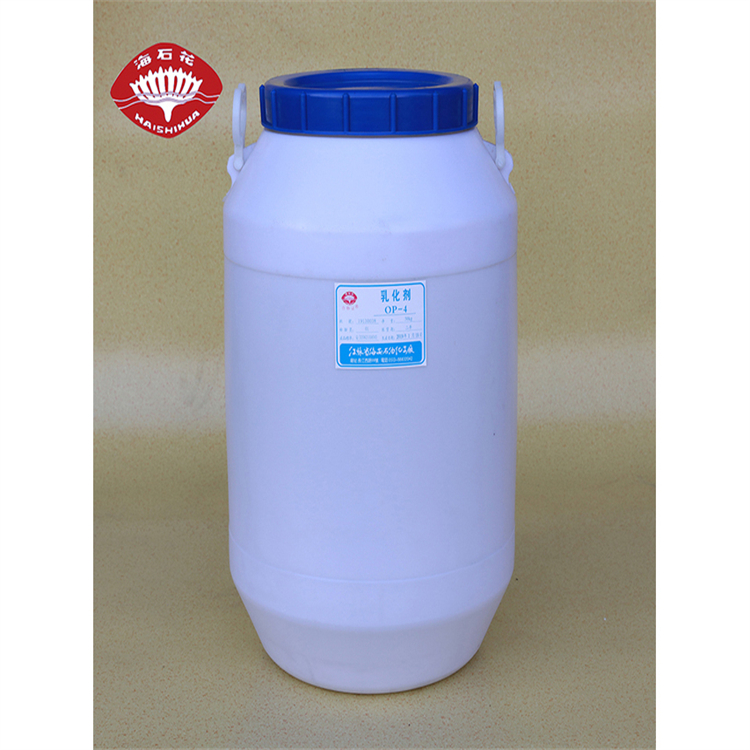
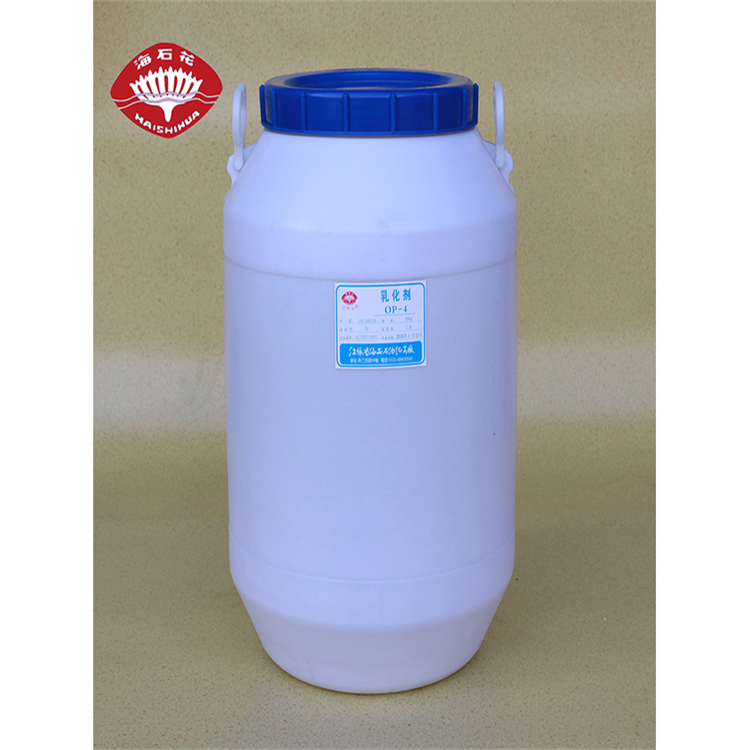
50kg plastic drum packaging. Stored and transported as general chemicals. Kept in a dry, well-ventilated area. Shelf life: 2 years.