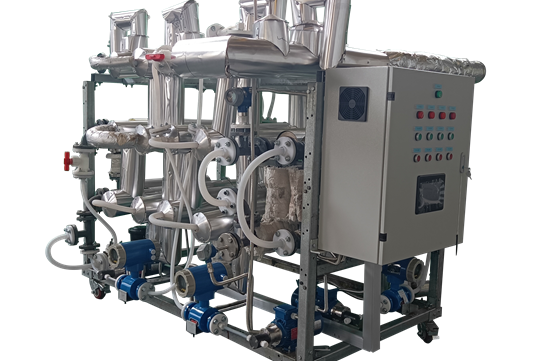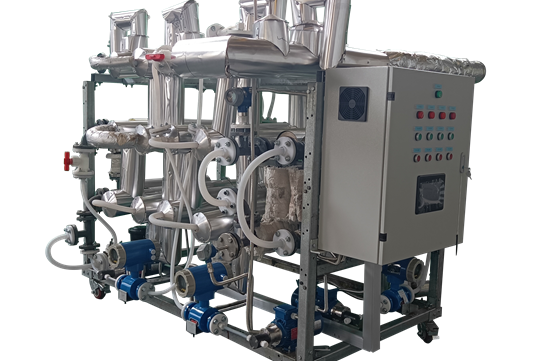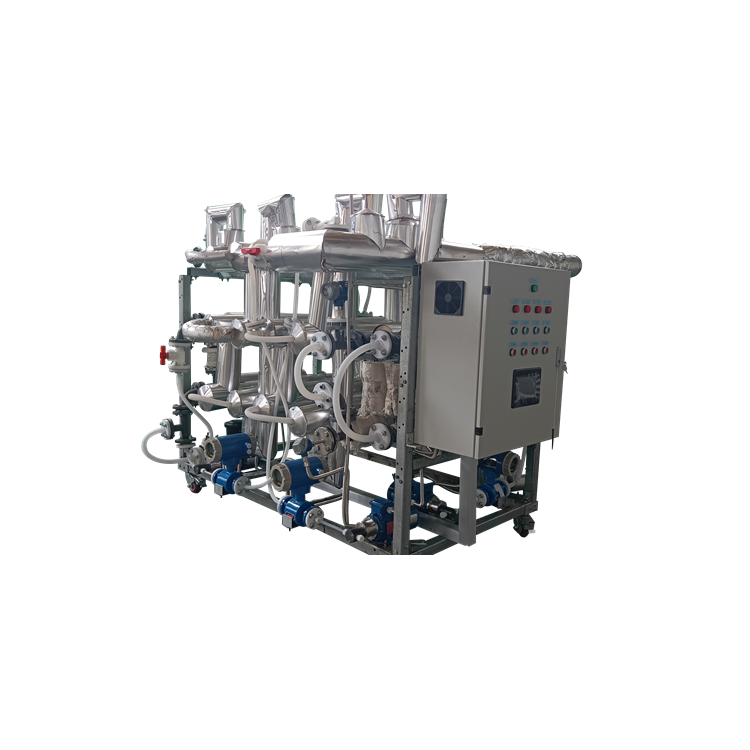

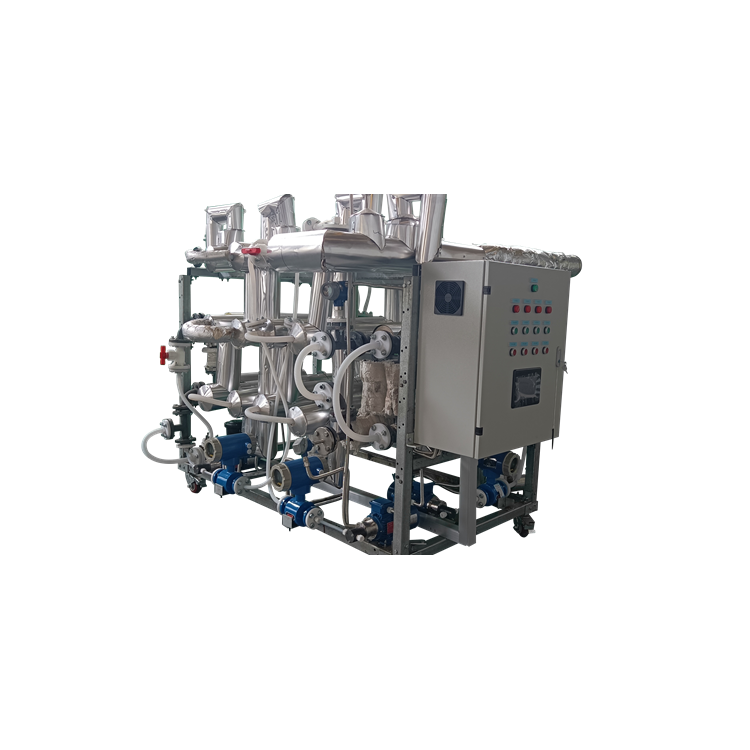
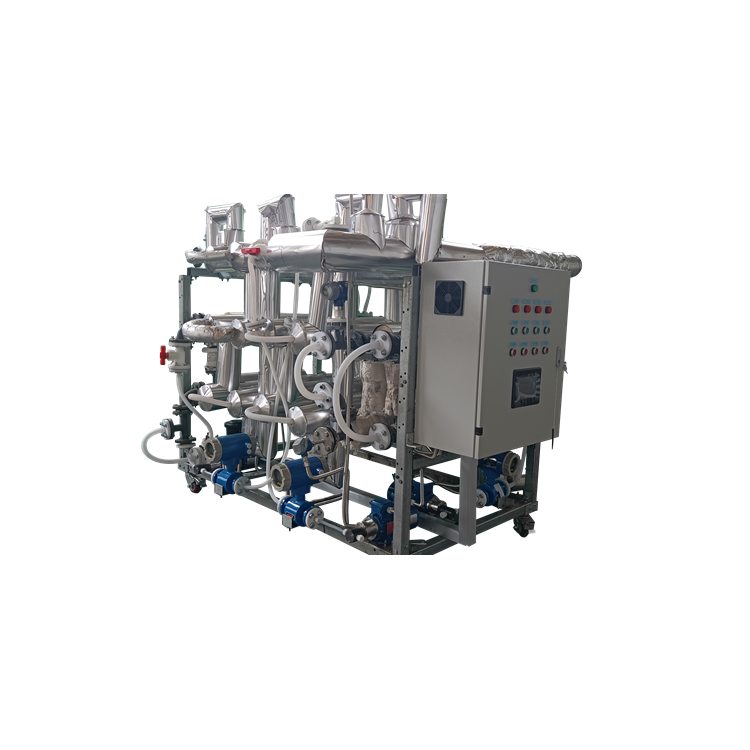
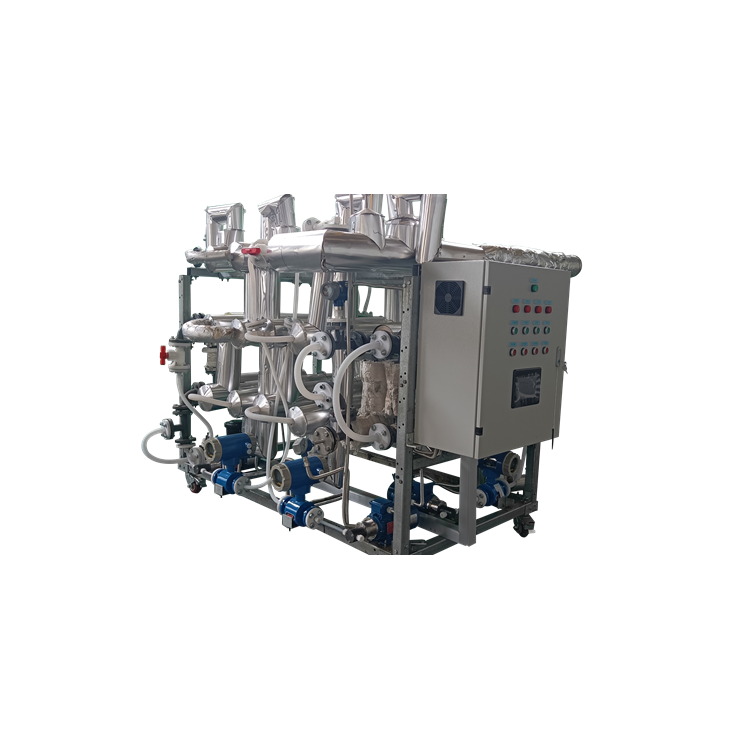










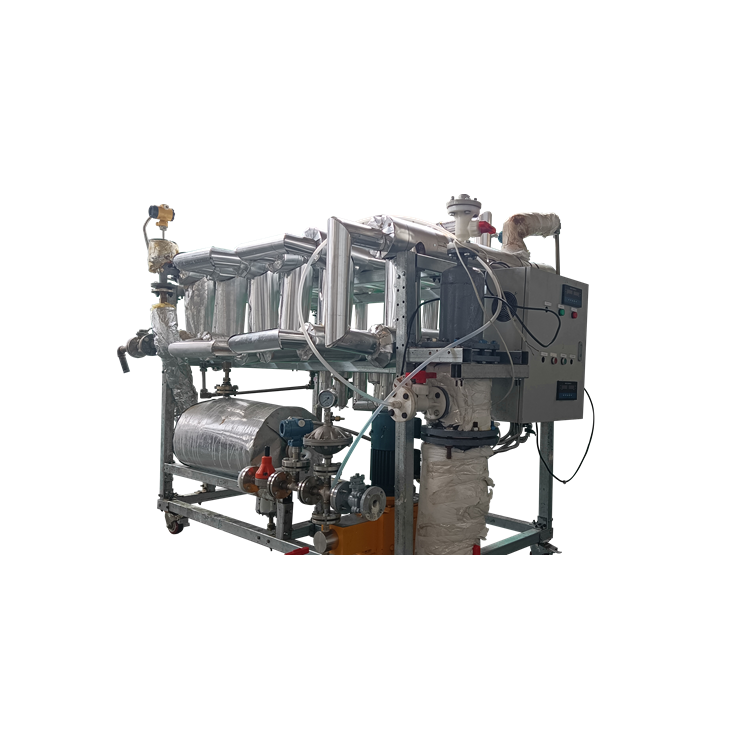
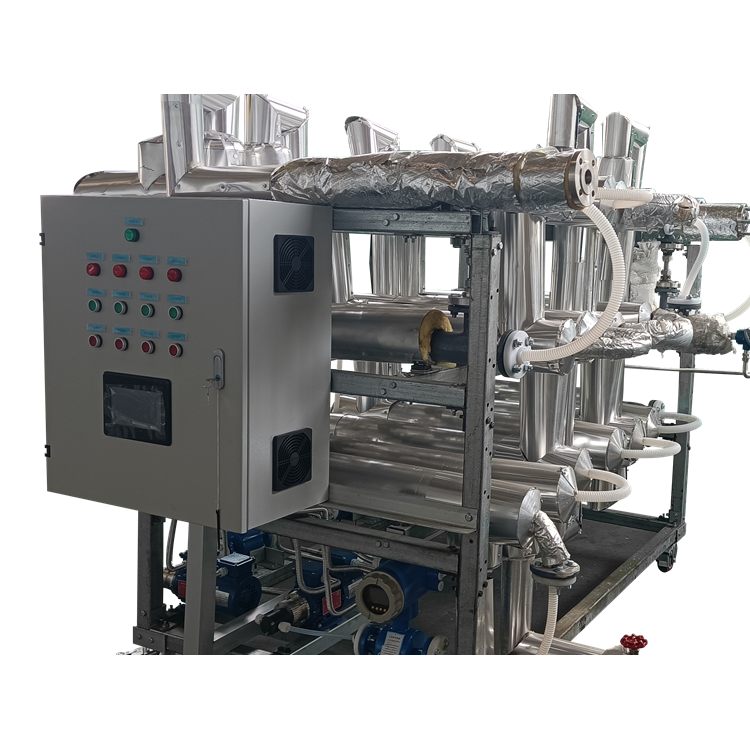
In high-pressure reactors, reaction vessels made from special materials are commonly used to withstand the reaction conditions under high pressure and high temperature. These vessels typically possess corrosion resistance, capable of withstanding the corrosion from reactants and products, ensuring the reactor operates stably over a long period. Heating devices usually provide the required high temperature conditions for the reaction through electric heating or external medium heating. During the reaction process, a mixing device is used to maintain a uniform mixture of reactants, promoting the reaction. Cooling devices are generally employed to lower the temperature of the reaction products post-reaction, facilitating separation and collection of the products.
Parameters such as temperature, pressure, and reagent concentration for the reactor reaction are adjusted to ensure safe and effective operation. Therefore, pressure switches, temperature probes, flowmeters, and other monitoring and control devices are usually equipped. These devices can monitor pressure and temperature changes inside the reactor in real-time, ensuring the reactor operates within a safe range.
The application range of high-pressure reactors is extremely wide, including synthesis of chemicals, catalytic reactions, polymerization reactions, and various other reactions such as high polymer synthesis. The operation of high-pressure reactors can effectively enhance reaction rates and product purity, reduce energy consumption in reactions, and achieve more efficient and cleaner chemical synthesis processes.
In summary, a high-pressure reactor is a specialized equipment designed for chemical reactions under high pressure and high temperature conditions, suitable for medium and small-scale chemical factories, laboratories, and similar settings. It holds significant potential for application and is crucial for enhancing the efficiency and product quality of chemical synthesis processes.