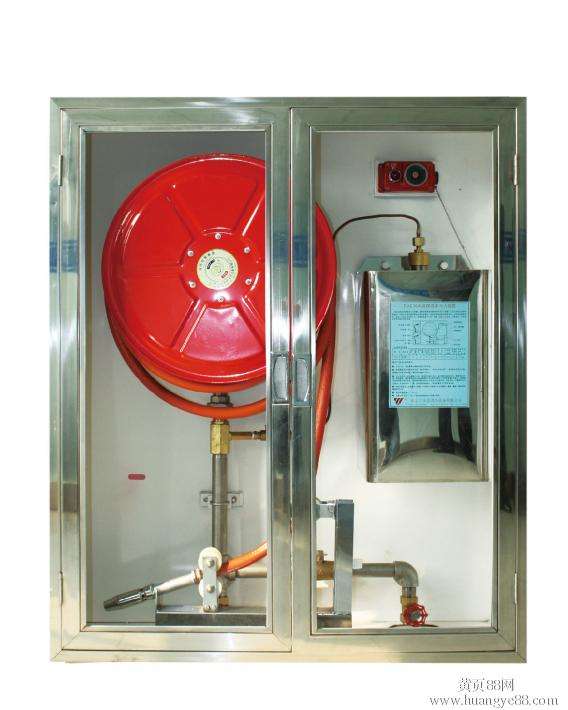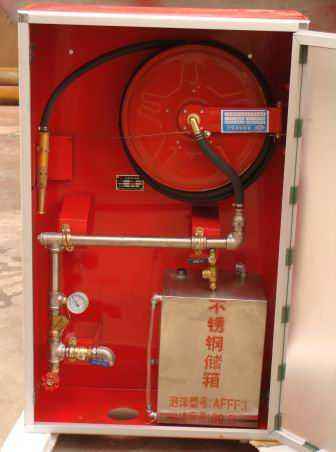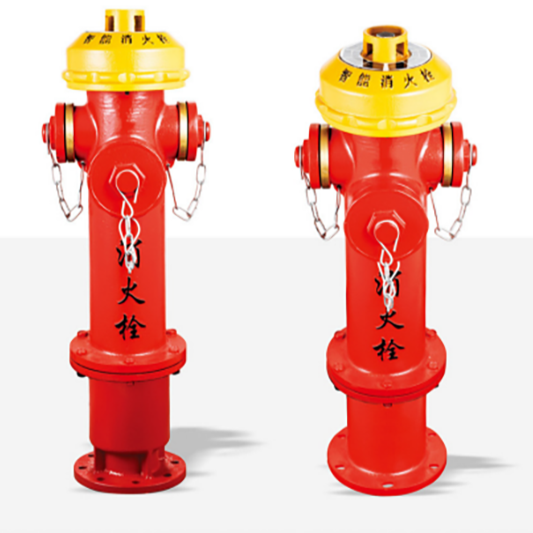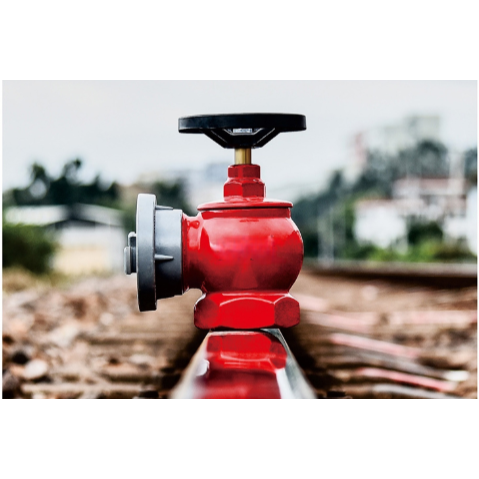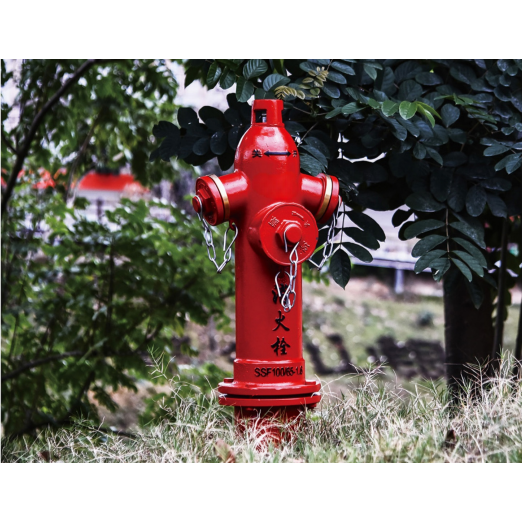


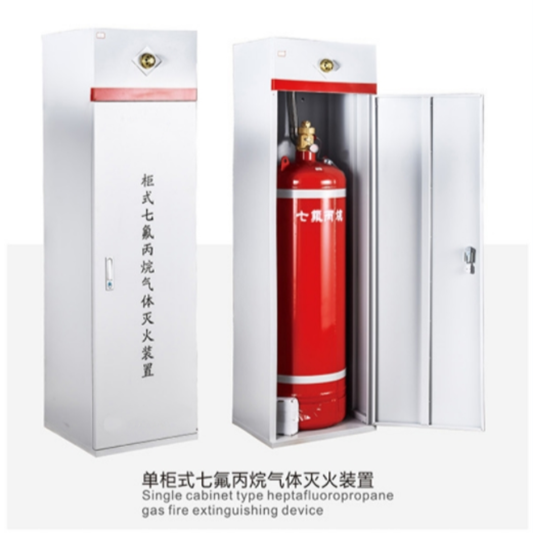
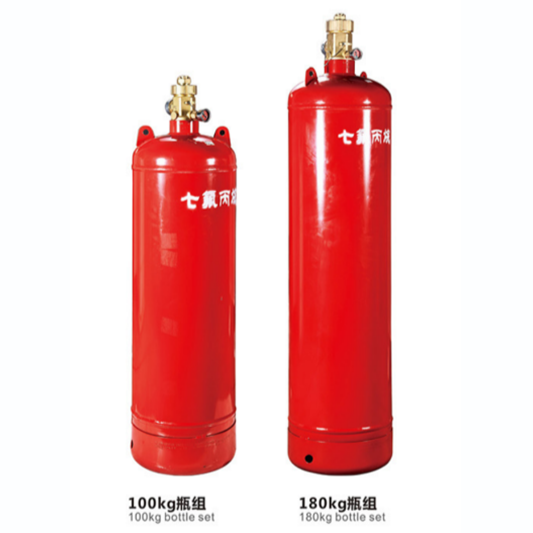






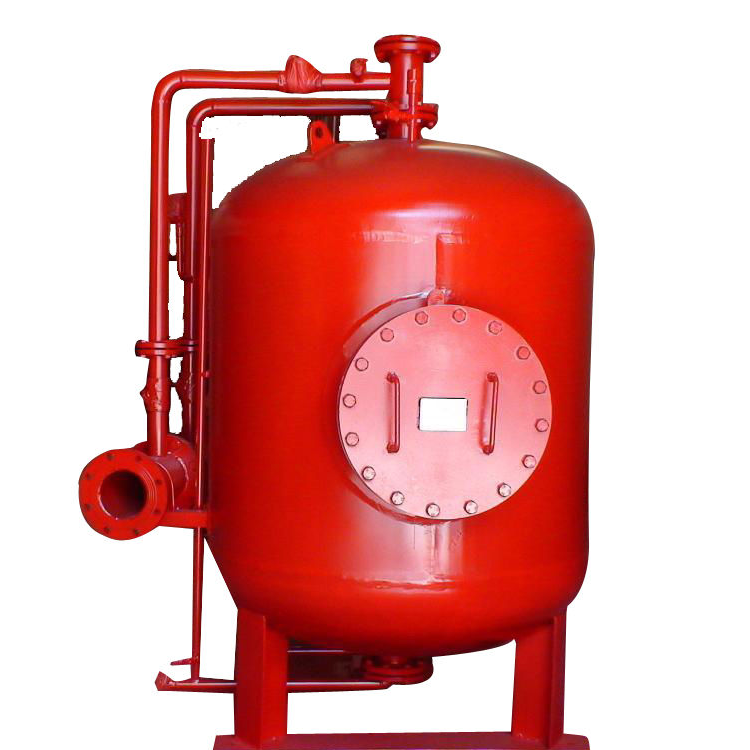
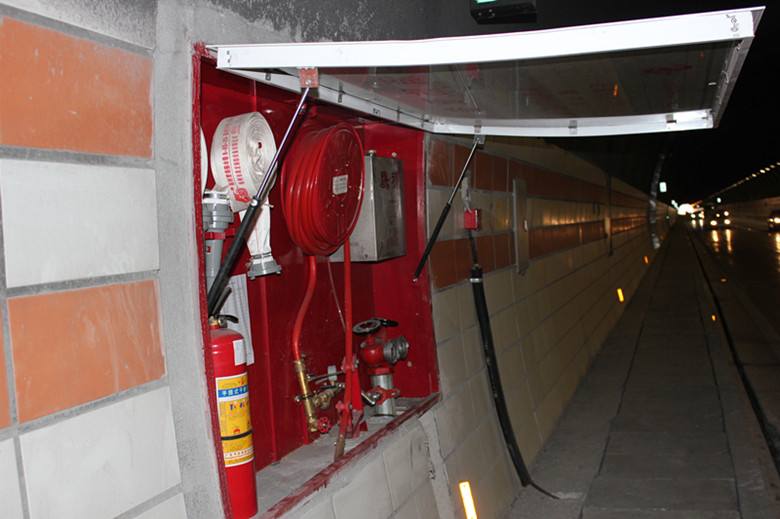
Tunnel fire hydrant wholesale prices, manufacturer supply, direct suppliers. Fire hydrants, officially known as fire hydrants, are fixed fire protection facilities primarily used to control flammable materials, isolate fuel sources, and extinguish ignition sources. They are divided into indoor and outdoor fire hydrants. Fire protection systems include outdoor fire hydrant systems, indoor fire hydrant systems, fire extinguisher systems, and may also include automatic sprinkler systems, water cannon systems, gas fire suppression systems, fire detection systems, water mist systems, etc. A fire hydrant set usually consists of a fire box + fire hose + connectors + hydrants + clips, etc. Fire hydrants are mainly used for fire trucks to draw water from the municipal water supply network or outdoor fire hydrant network for fire extinguishing, and can also be directly connected to the fire hose for extinguishing fires. Therefore, the indoor and outdoor fire hydrant systems are also important fire protection facilities for fire fighting. Selection points: 1. When the building is within a 150m radius of the municipal fire hydrant protection and the fire water supply does not exceed 15L/s, outdoor fire hydrants may not be required. 2. Outdoor fire hydrants should be evenly distributed around high-rise buildings and should not be concentrated on one side of the building. 3. The outdoor fire hydrants of civil air defense projects should be no less than 5m from the entrance. 4. The outdoor fire hydrants of parking lots should be set along the perimeter of the parking lot, and the distance from the nearest row of cars should not be less than 7m, and the distance from gas stations or warehouses should not be less than 15m. 5. Outdoor fire hydrants should be placed in locations convenient for fire truck use. 6. Outdoor fire hydrants are preferably above ground; when underground hydrants are used, they should have clear signage. In cold regions, underground hydrants should be used; in non-cold regions, above-ground hydrants are preferred, and anti-collision models can be used when conditions permit. 7. The above-ground outdoor fire hydrant should have one hydrant port with a diameter of 150mm or 100mm and two with a diameter of 65mm. The underground outdoor fire hydrant should have one hydrant port each with a diameter of 100mm and 65mm. 8. The protection radius of outdoor fire hydrants should not exceed 150m, and the spacing should not exceed 120m. 9. The distance from the outdoor fire hydrant to the roadside should not exceed 2m, and the distance to the exterior wall of the building should not be less than 5m.