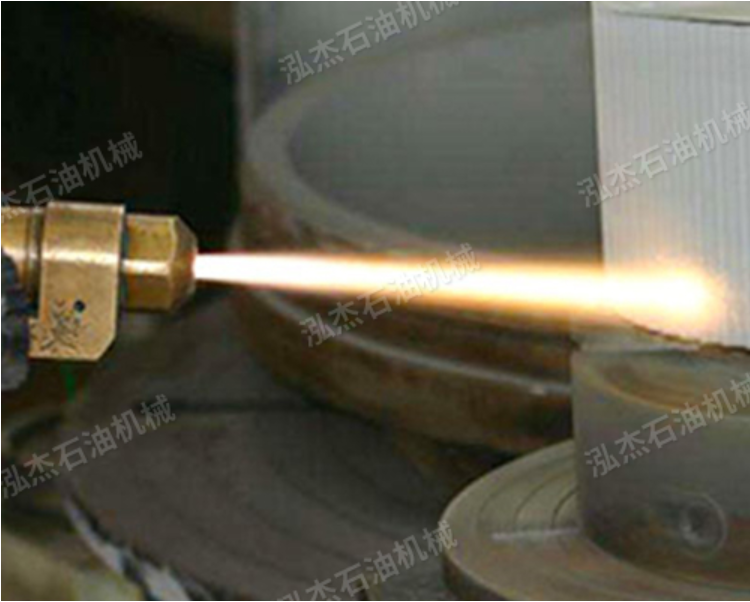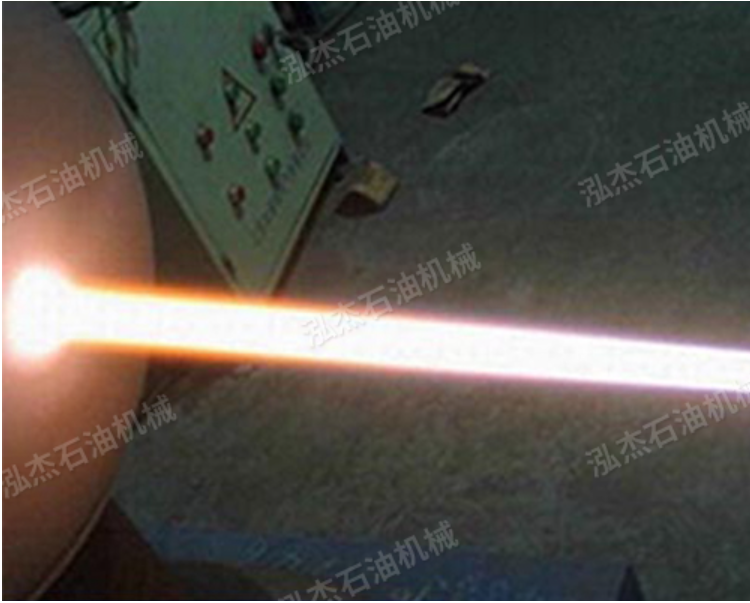

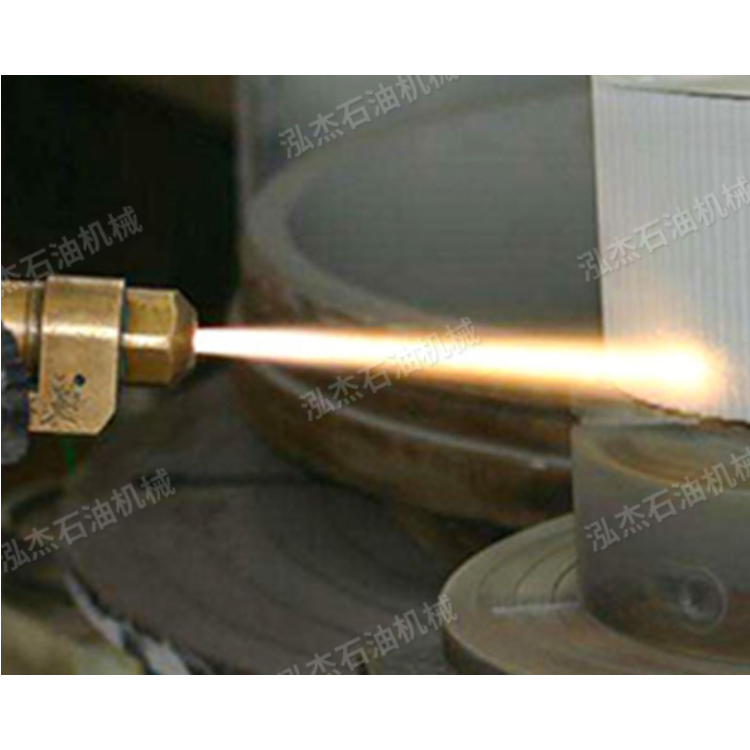


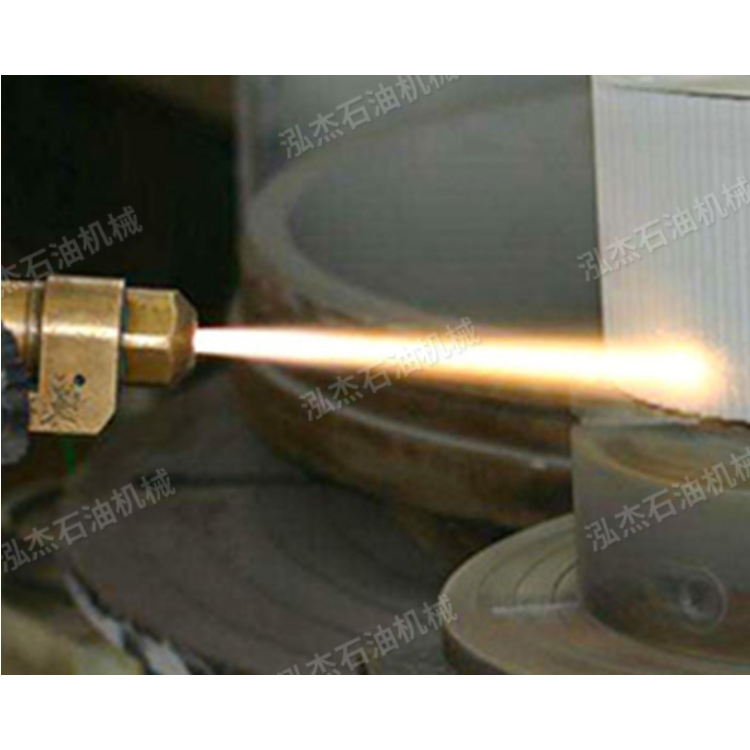







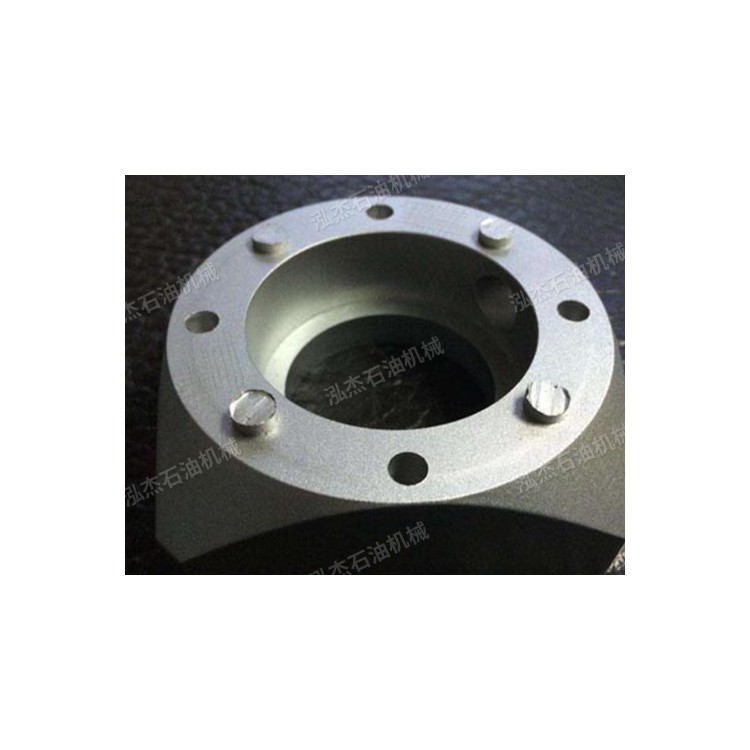

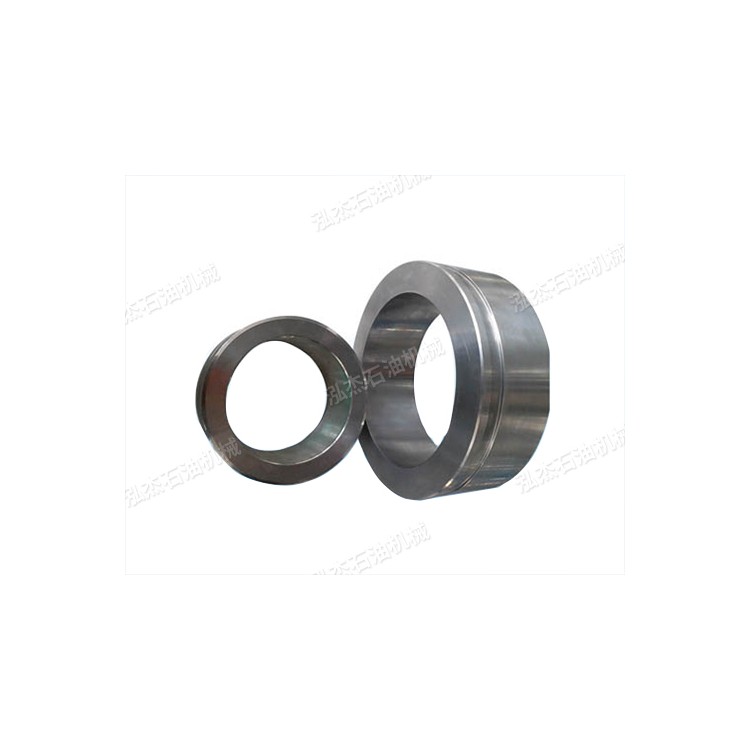
Supersonic CoatingThe core of the equipment is the spray gun, which consists of three parts: the combustion chamber (capable of fully heating and accelerating the spray material particles), the Laval nozzle (capable of accelerating the flame flow to supersonic speed), and the isometric long nozzle (capable of fully heating and accelerating the spray material particles).
Supersonic spraying boasts high hardness, low porosity, low surface roughness, excellent wear and corrosion resistance, and has a wide range of applications in industry, particularly in anti-corrosion and wear-resistant materials. The operation of supersonic arc spraying is versatile, allowing for the achievement of high-performance coatings across a broad skill range. Once developed, this equipment has been widely adopted.
This supersonic spraying process requires a high level of skill from the operator, typically performed by experienced technical personnel to ensure the spraying effect. When conducting supersonic spraying, the following process should be followed:
Surface Cleaning: Primarily utilizes mechanical methods such as steel balls, supplemented by alkaline cleaning solutions, to remove rust and oil污 from pipeline surfaces and other loose layers. The cleanliness reaches Sa3 grade to ensure a strong bonding foundation for supersonic coating.
2. Surface Roughening: Common methods include sandblasting and electro-processing, which serve to enhance the mechanical bond between the coating and the substrate. Standard roughness ranges from 6.5 to 25.
3. Base Coating: The expansion coefficient of the base layer is very close to that of the substrate, primarily to enhance the bonding strength and thermal shock resistance of the working layer.
4. Spray Work Layer: The work layer is on the outer surface, directly contacting the smoke. The spray coating formed by the supersonic spray equipment boasts excellent resistance to temperature corrosion and abrasion.
5. Sealing Treatment: After the coating is formed, it has a certain porosity, especially permeable porosity. Using a high-temperature, wear-resistant, and corrosion-resistant sealing coating to seal the orifices of the spray layer can enhance the performance of the supersonic spray coating.
Based on the principle of supersonic spraying, the performance of the coating is determined by the state of the particles prior to deposition, including their velocity, temperature, and melting condition. The speed of the particles plays a crucial role in the performance of the coating.
When particles impact the surface, high speed can create greater impact, with particles exhibiting strong deformation capabilities, which is beneficial for enhancing the adhesion and density of the coating. The surface characteristics of hypersonic spraying are due to the high particle velocity, which has been widely applied in the industry.