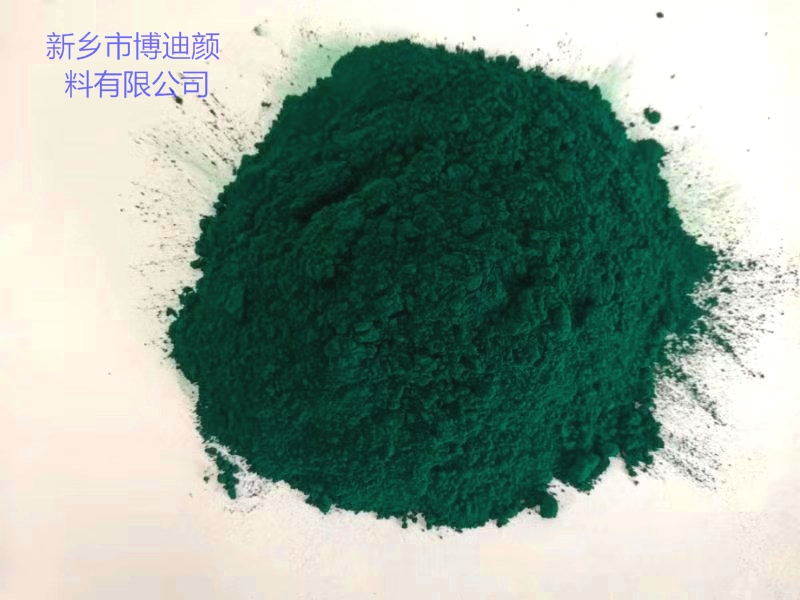









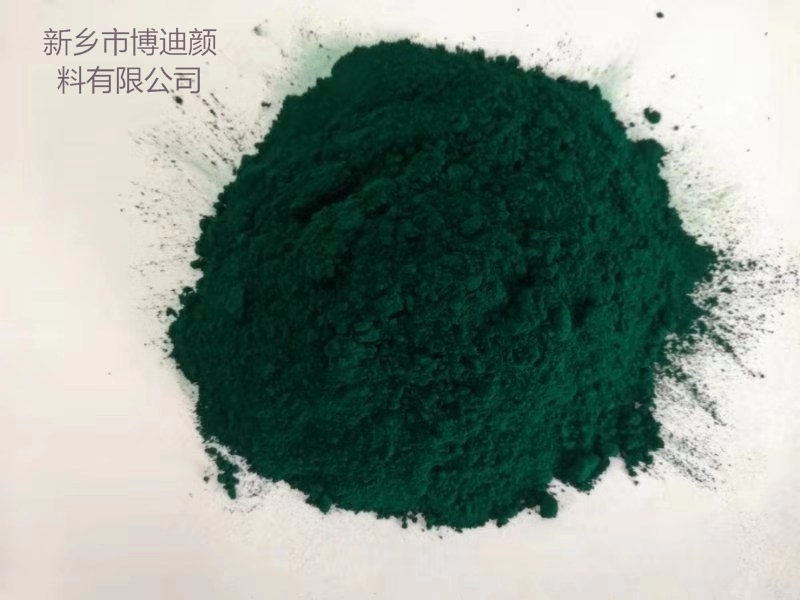
Generally, organic pigments can be classified by their chemical structural types into azo, phthalocyanine, and heterocyclic categories, and by color spectrum into yellow, orange, red, purple, blue, green, and other types. Among them, azo and heterocyclic pigments are primarily yellow, orange, red, and purple varieties; phthalocyanine pigments dominate the blue and green spectrum in organic pigments. Phthalocyanine pigments combine excellent durability, high color fastness, safety, and environmental friendliness, and are relatively cost-effective, making them an indispensable organic pigment in the blue and green spectrums. Currently, the production of phthalocyanine pigments accounts for about 28% of the total organic pigment production. With the increasing environmental protection requirements and the development of specialized pigment varieties, it is expected that the demand for phthalocyanine series pigments will continue to rise and possess good development potential.