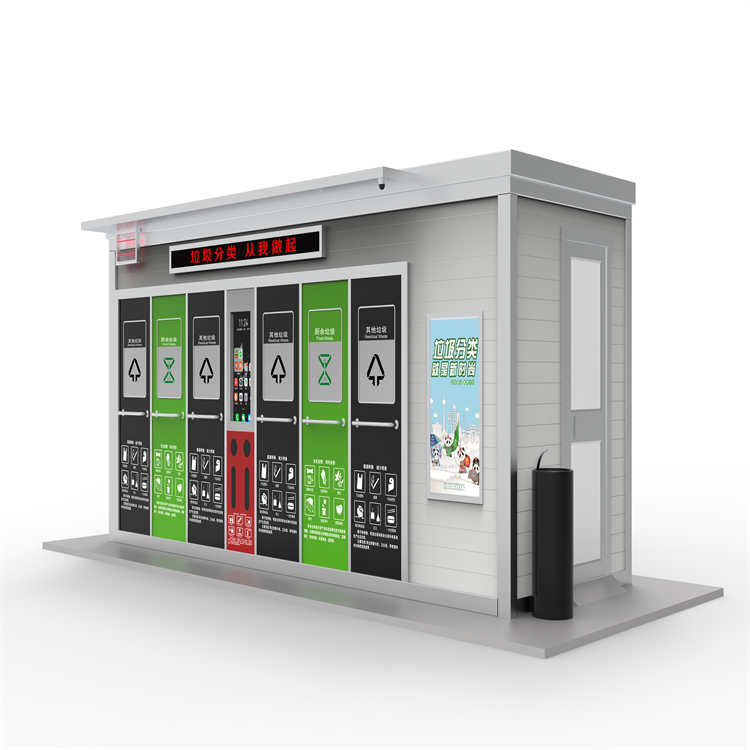










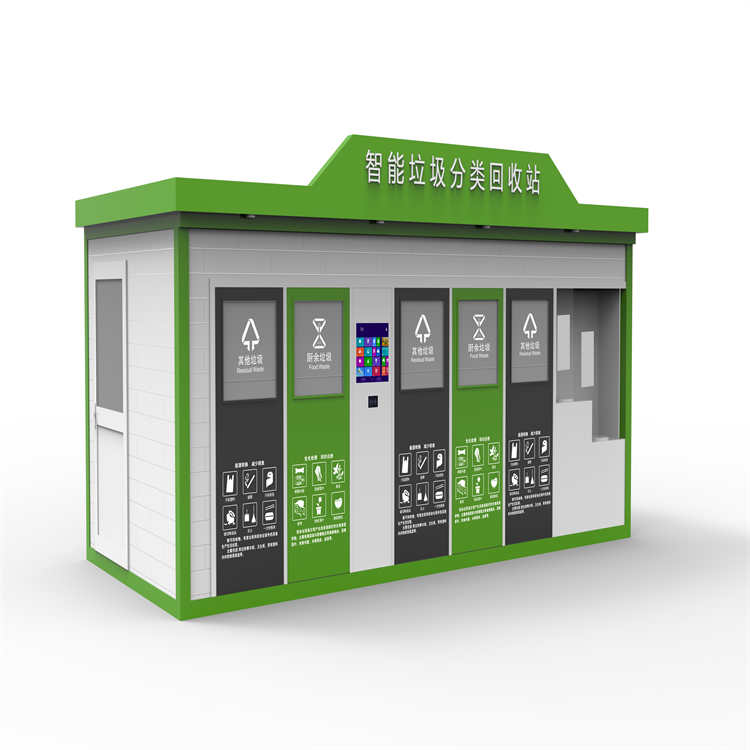
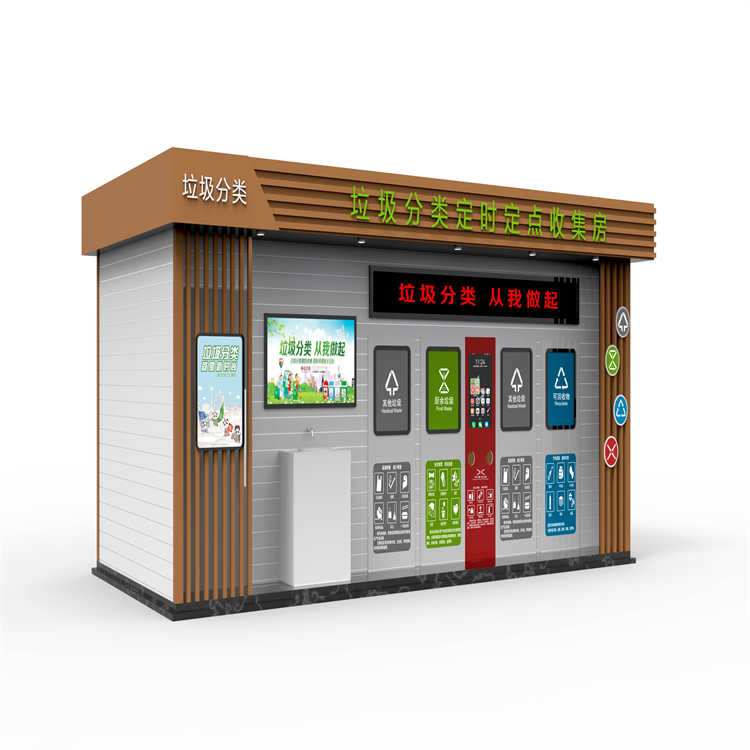

Waste rooms are an indispensable part of urban management, primarily used for centralized storage and disposal of domestic waste. With the acceleration of urbanization, the amount of waste generated increases year by year, making the construction and management of waste rooms particularly important.
Firstly, the design of the waste room should consider its functionality and environmental friendliness. Generally, waste rooms should have good ventilation systems to reduce the unpleasant odors produced by decomposing waste. Additionally, the structure of the waste room should be waterproof and moisture-proof to prevent rainwater seepage and leakage of waste liquids, which could lead to environmental pollution. Moreover, the location of the waste room should be far from residential areas to minimize the impact on residents' lives.
Next, the management of the waste room is crucial. Managers must regularly clean and disinfect the waste room to ensure timely waste disposal and prevent accumulation. Additionally, the waste room should be equipped with separate bins to encourage residents to sort waste, enhancing recycling rates. Through sorted disposal, the total amount of waste can be effectively reduced, improving the utilization of recyclables, and promoting the recycling of resources.
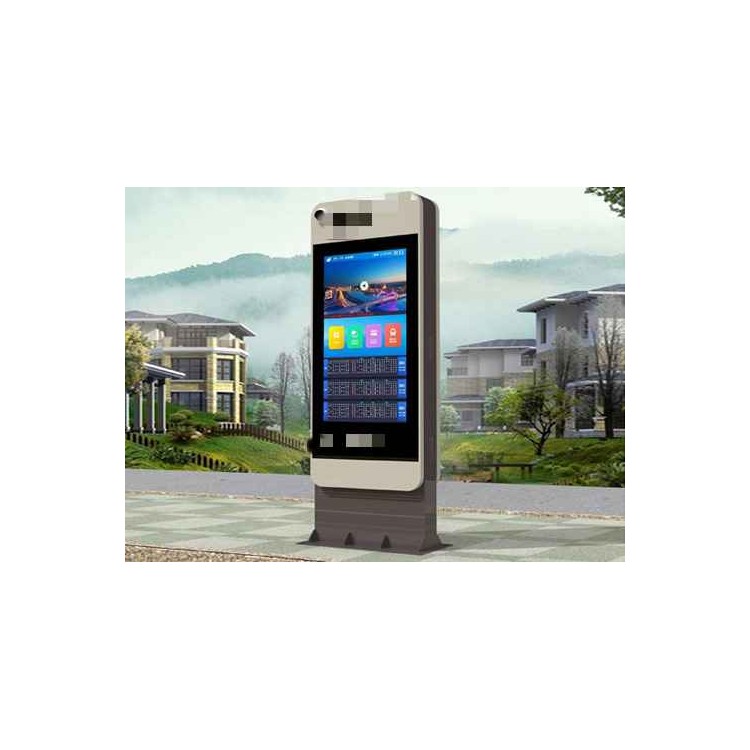
In addition, the construction of waste rooms should be integrated with intelligent management. By introducing smart monitoring systems, usage can be monitored in real-time, ensuring timely waste collection to avoid environmental issues caused by overflow. Furthermore, through data analysis, waste collection routes can be optimized, enhancing the efficiency of waste management.
The construction and management of waste rooms is not just a responsibility; resident participation is equally important. Through education and publicity, enhance residents' environmental awareness, encourage their active involvement in waste sorting and disposal, and foster a good community environment.
In summary, as a crucial facility in urban waste management, the design, management, and community involvement of waste stations are key factors in ensuring city cleanliness and sustainable development. Through scientific and rational planning and management, waste stations can effectively meet the city's waste disposal needs and contribute to the construction of a beautiful city.