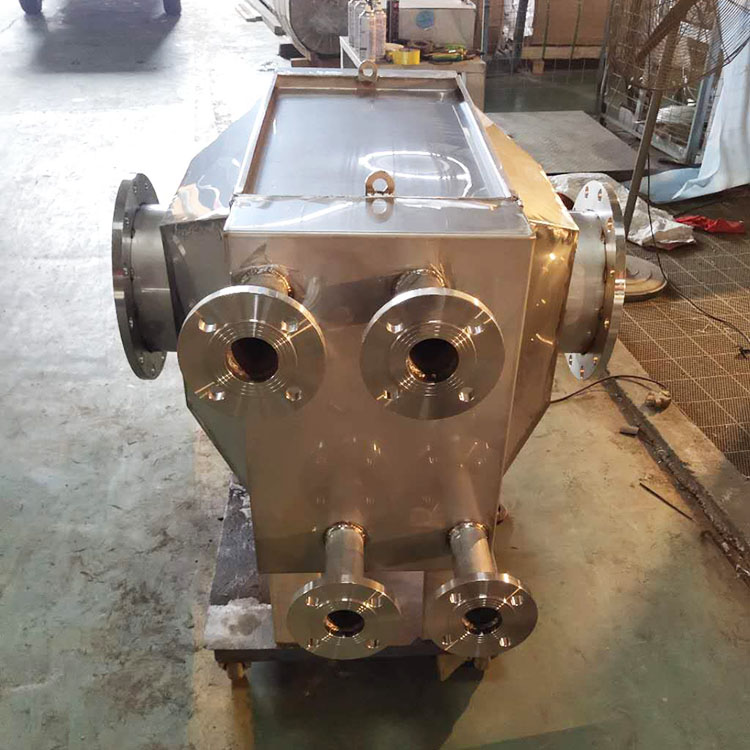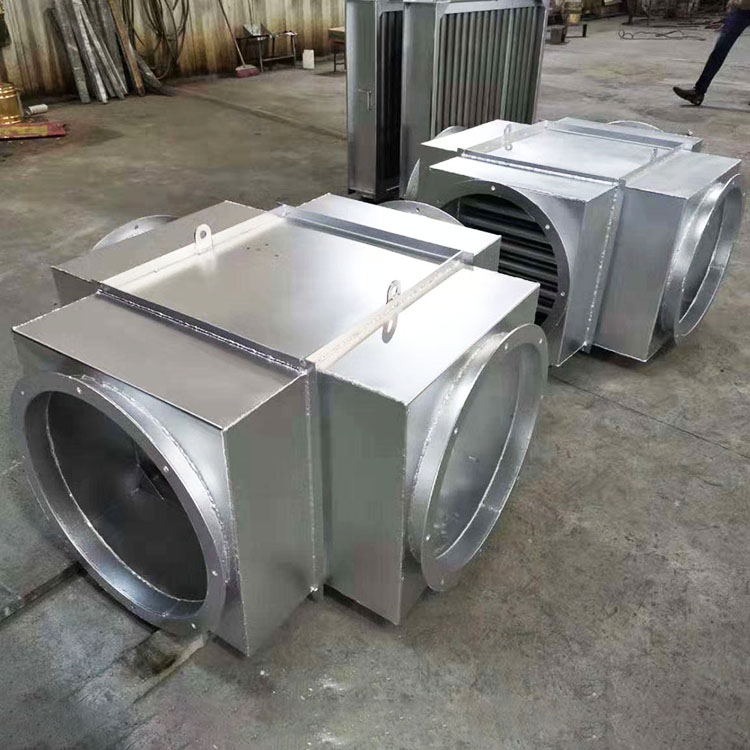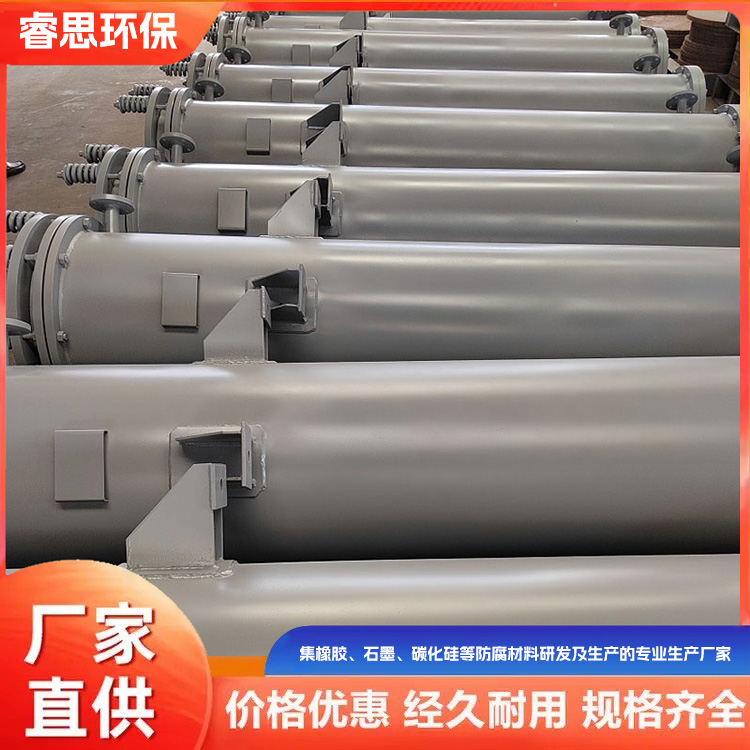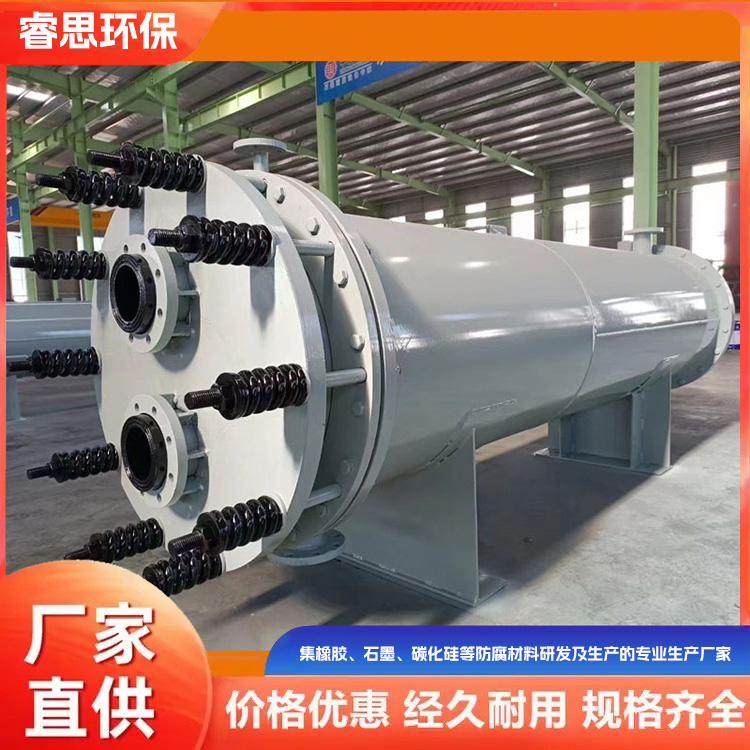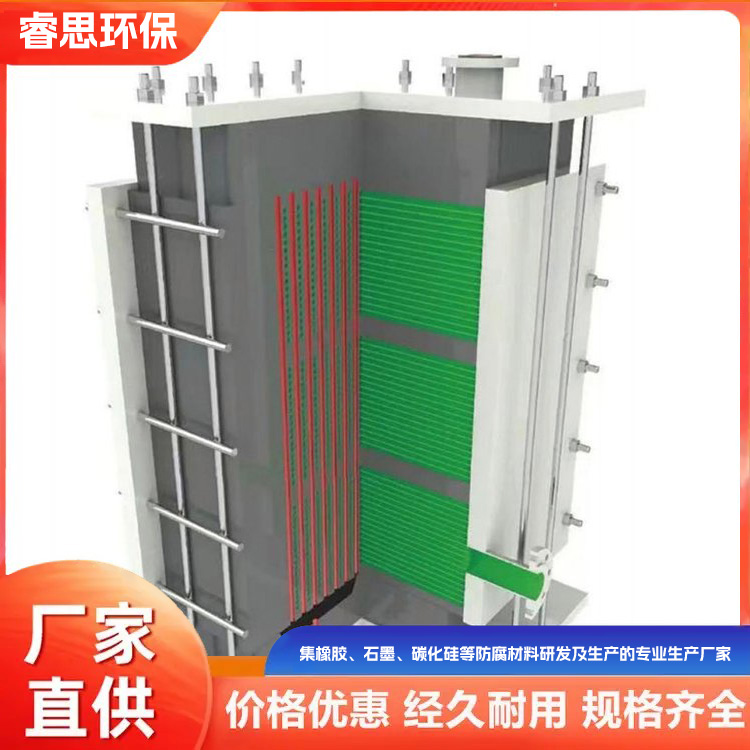

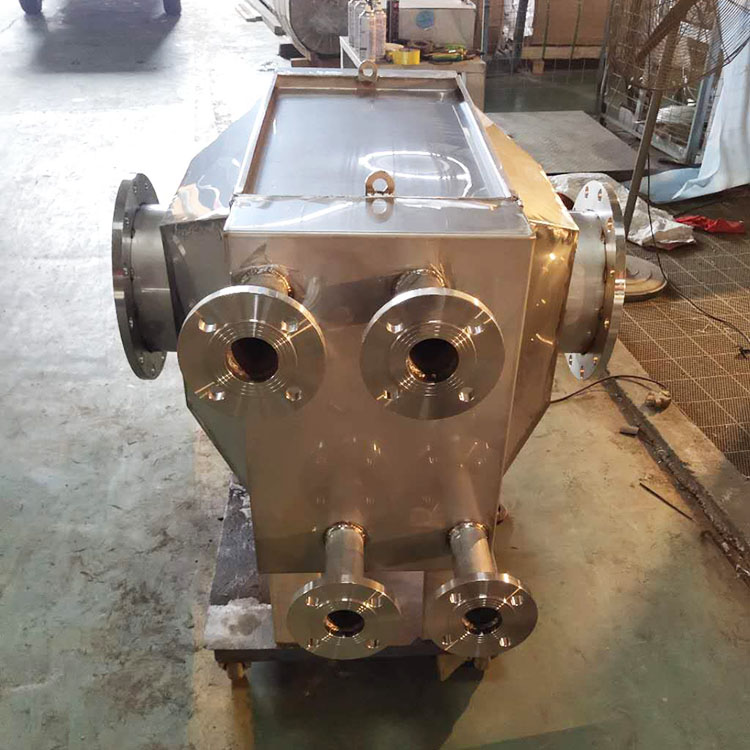

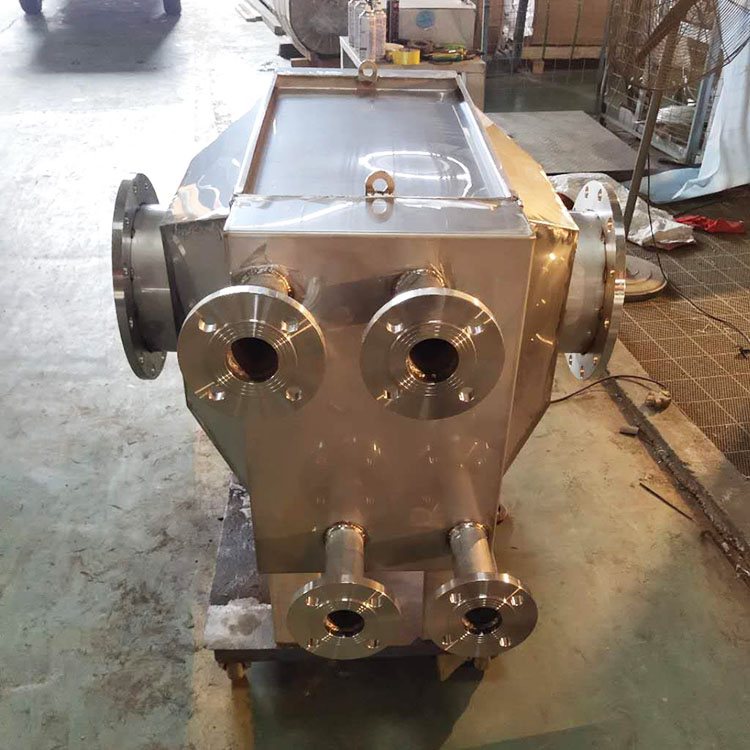
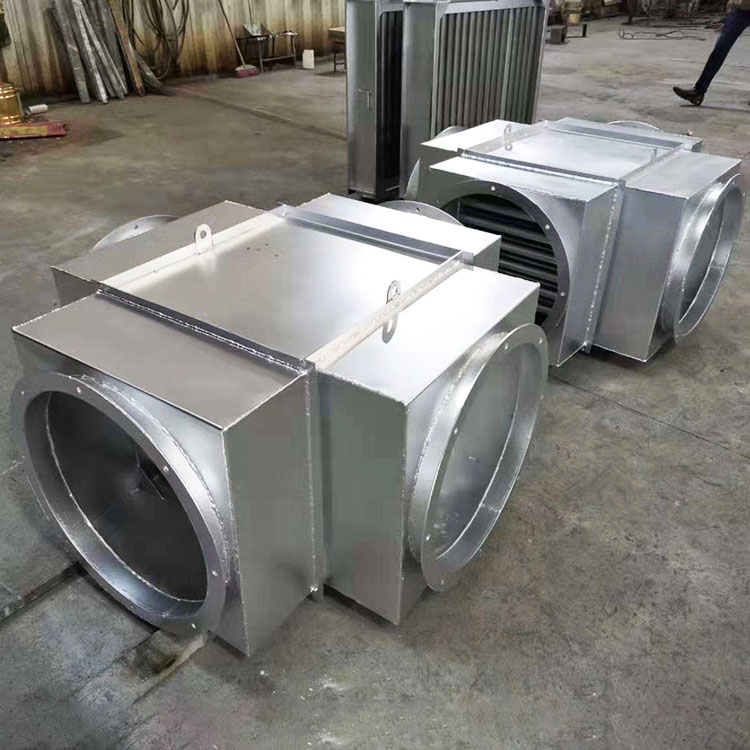
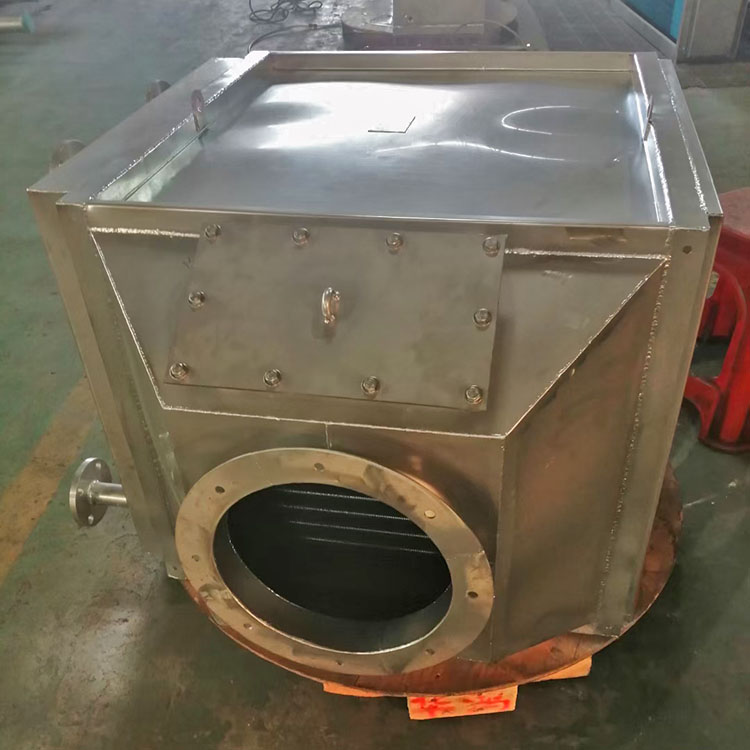


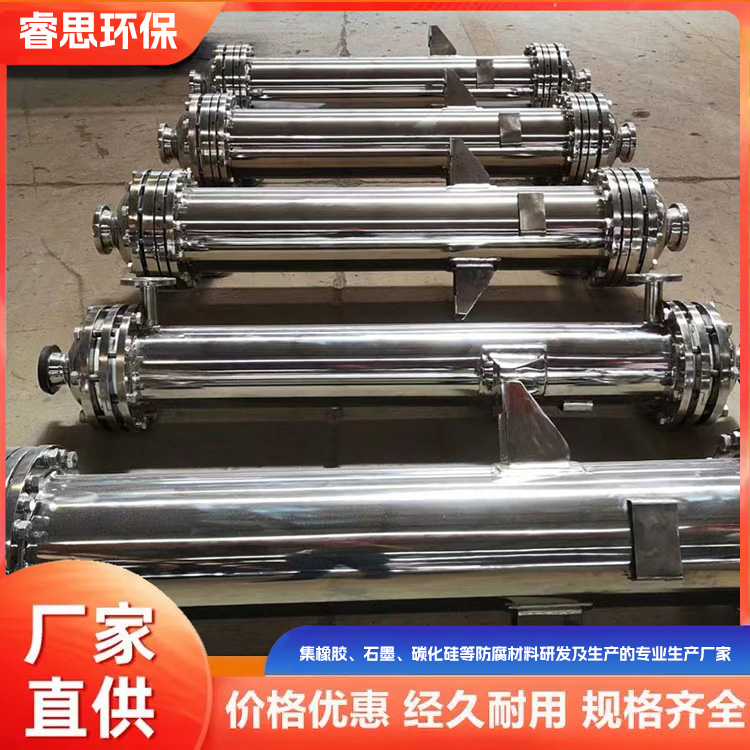
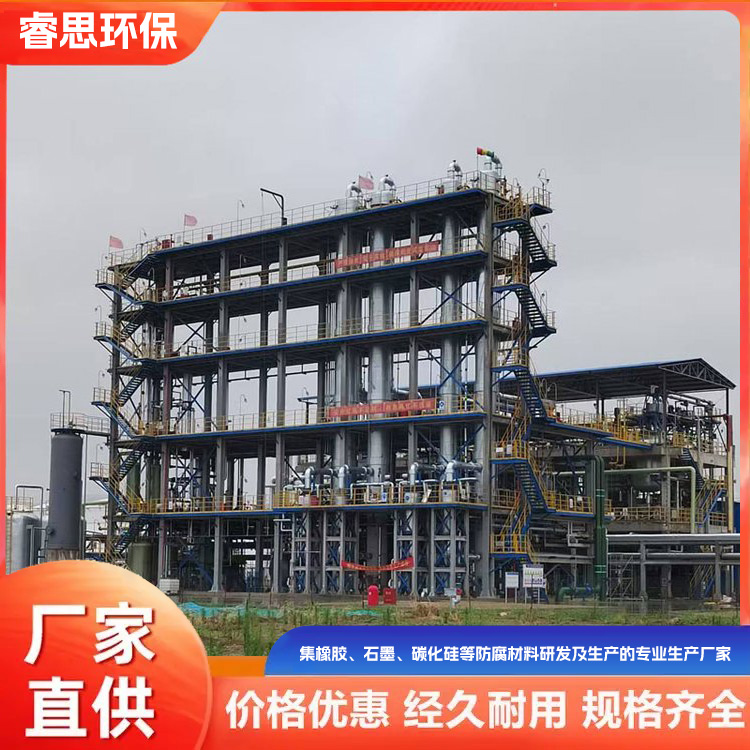
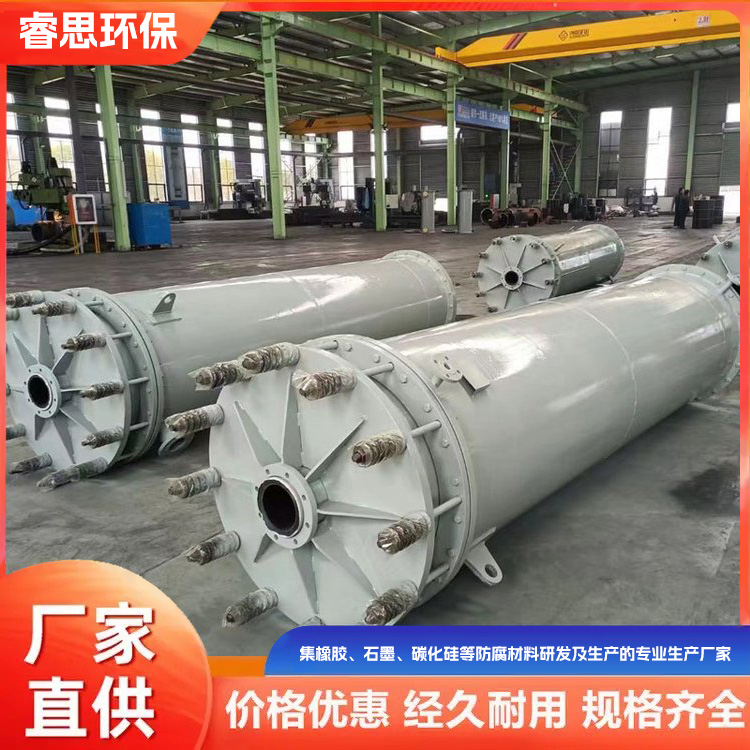
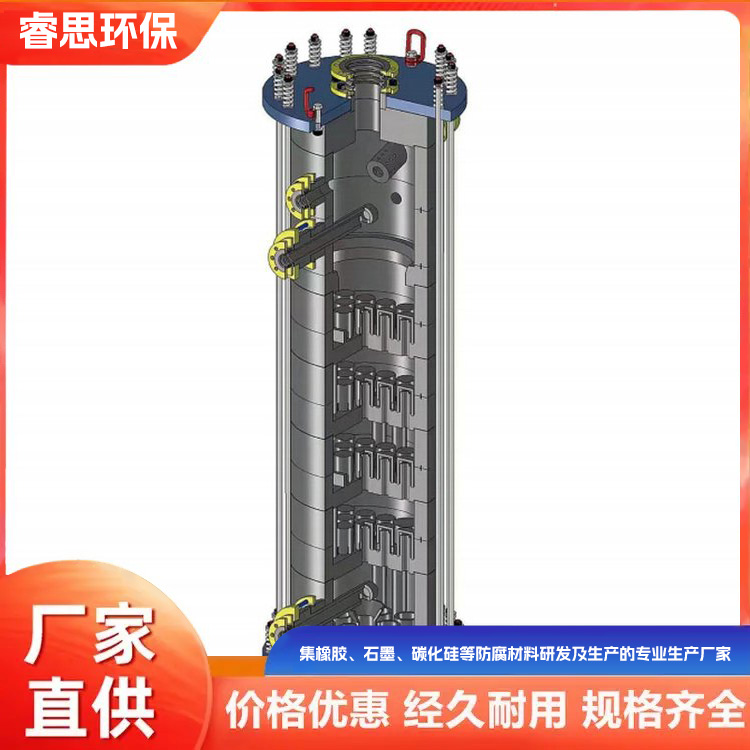





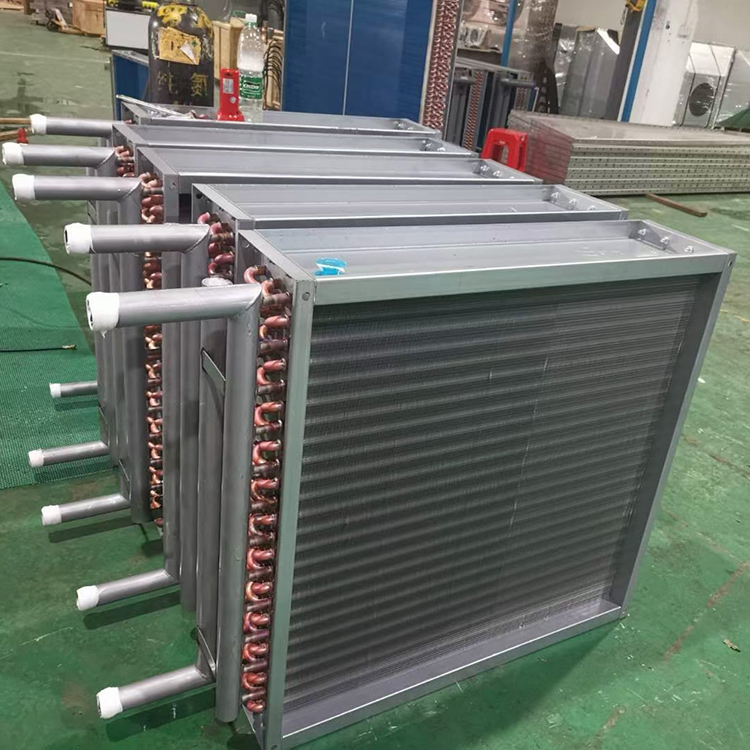
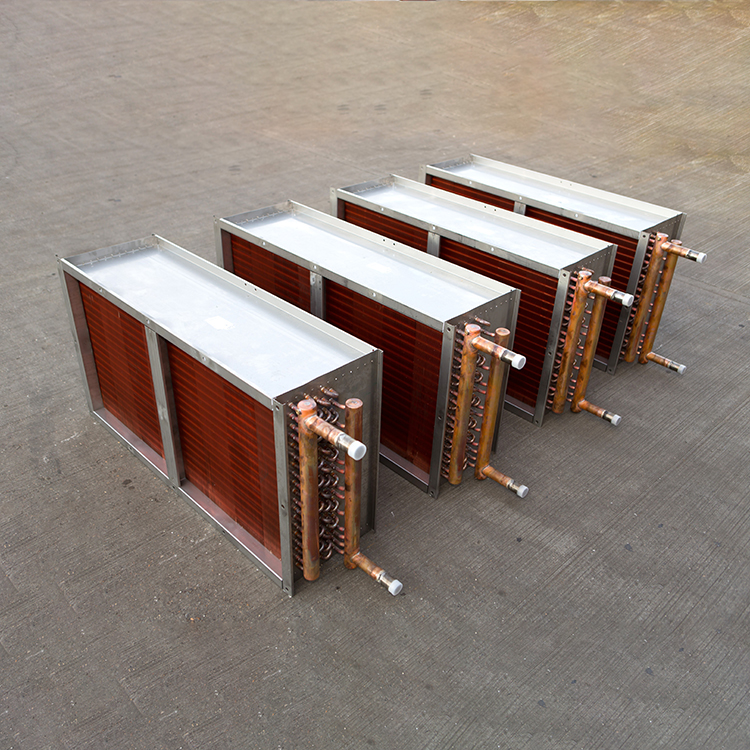
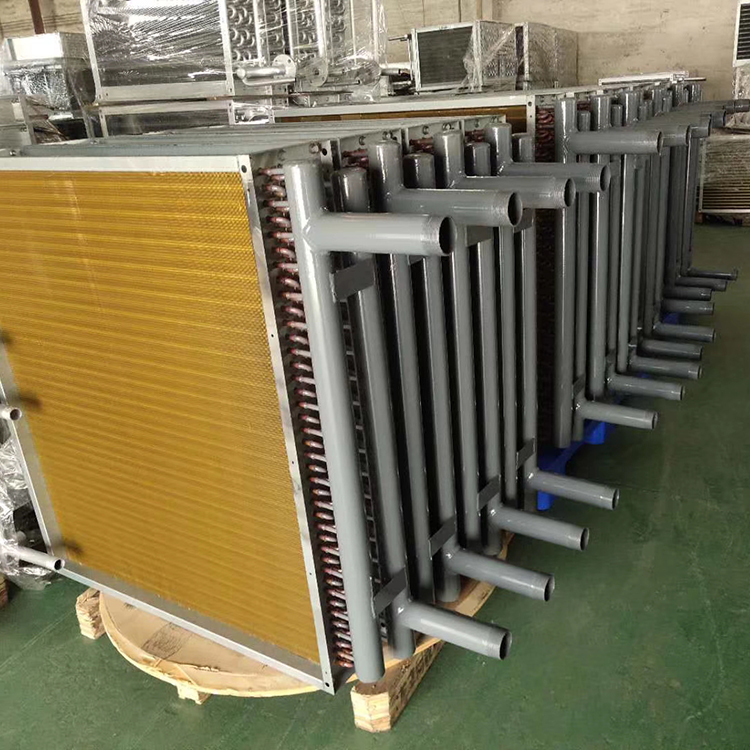
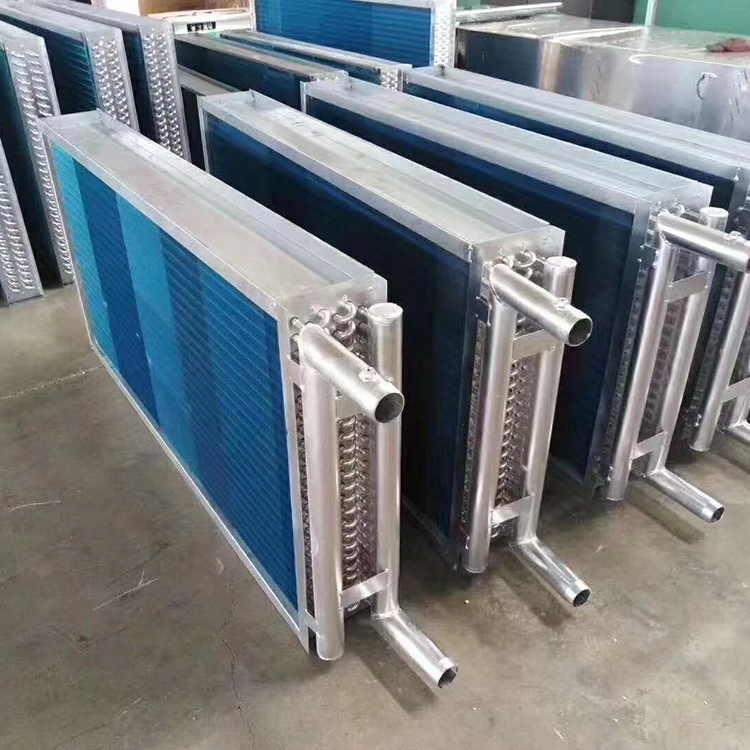
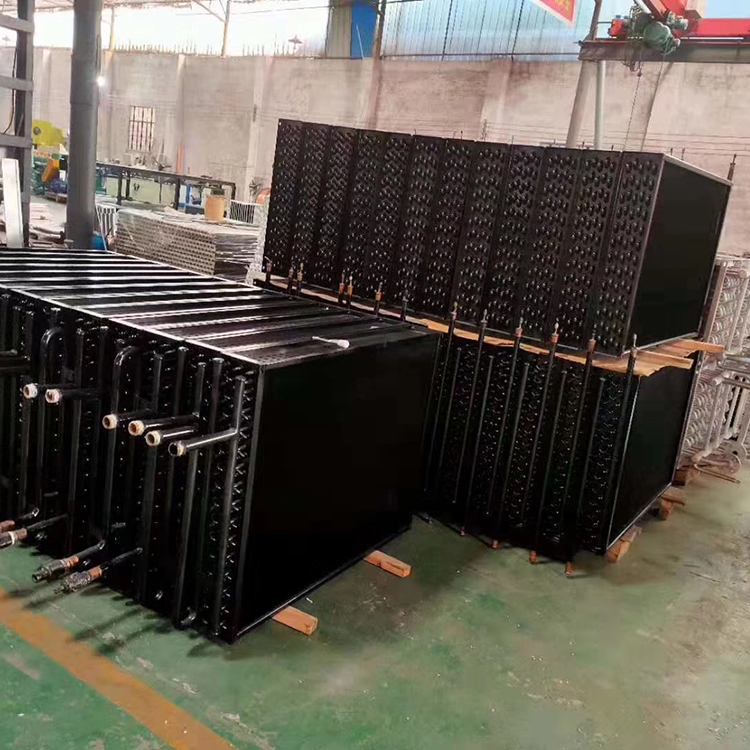
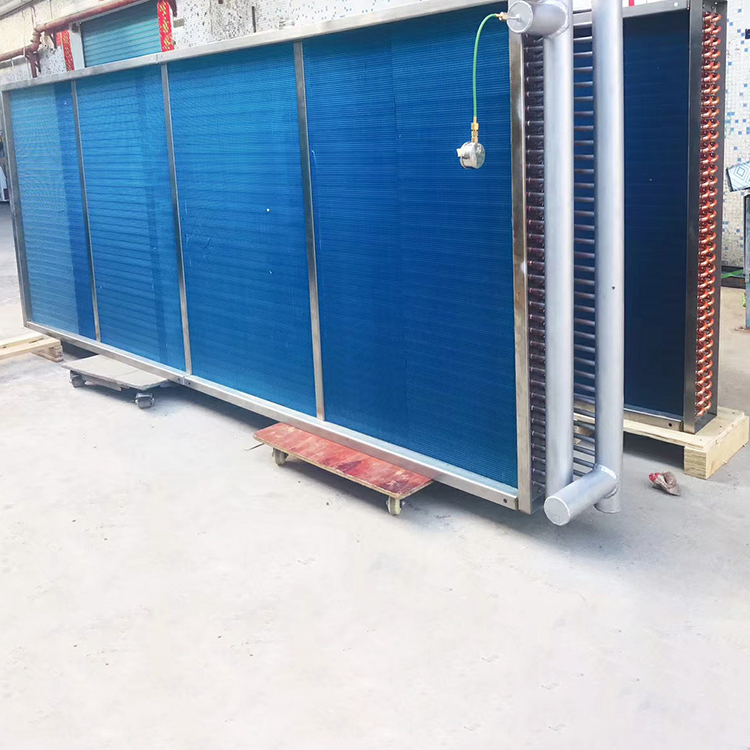
A waste heat recovery heat exchanger is a heat exchanger that is suitable for both flue gas and exhaust gas or high-temperature waste water boiler exhaust gas as heat medium to heat air. It is widely used in air heating and cooling for processes such as chemical engineering, textile dyeing and finishing, machinery, chemical fiber, food, rubber, metallurgical coating, wood drying, leather, and plastic.
The waste heat recovery system employs air-to-air heat exchange, extracting heat from high-temperature waste smoke to generate new air for production or heating purposes. There is also an air-to-water heat exchange method, which extracts heat from high-temperature waste smoke to produce hot water, used for pot water replenishment or domestic bathing. The heat exchange tubes are made of φ21x2.0mm seamless steel tubes, wrapped around with 15x0.5mm corrugated steel strips to form spiral fin tube bundles. These tubes have fins arranged in a spiral pattern with three rows of cross-flow baffles. The fins come in three sizes: 5mm (D), 6mm (Z), and 8mm (X) spacing. The material can be stainless steel or carbon steel.
The heat medium pressure of the waste heat recovery heat exchanger is below 2.2 MPa, and the temperature is within 350°C. The cooling tubes and fins are wound by a special winding machine, ensuring tight and stable contact, excellent heat transfer performance, corrosion resistance, long service life, attractive appearance, easy installation, and convenient management.
Industrial emissions release large quantities of high-temperature waste gases, smoke, and waste heat, which not only waste thermal energy but also pollute the environment. Heat recovery and heat exchange equipment utilize the extracted heat energy from the emitted waste heat and smoke to produce hot air, hot water, or hot oil, which are then returned for use in industrial production. This approach achieves the goals of high efficiency, energy conservation, and environmental protection.