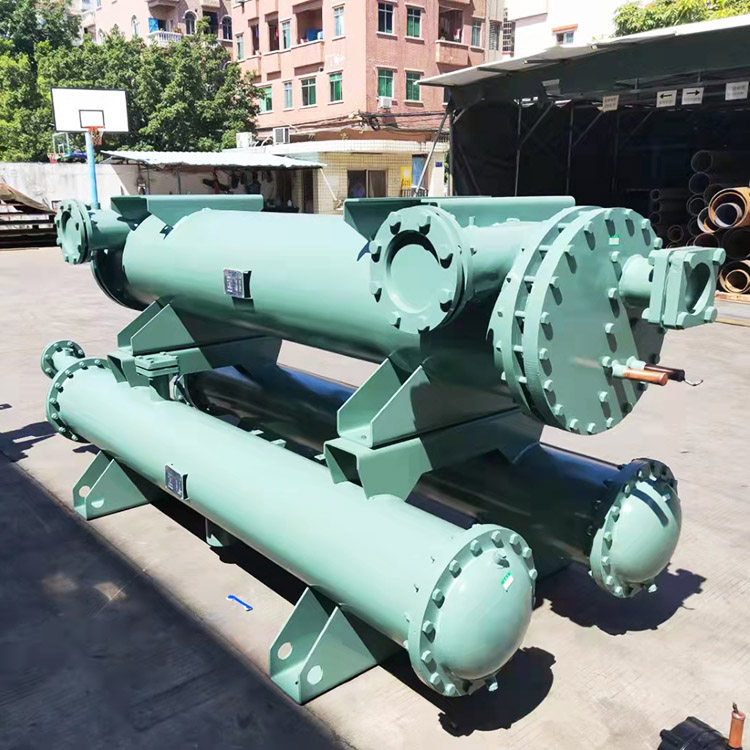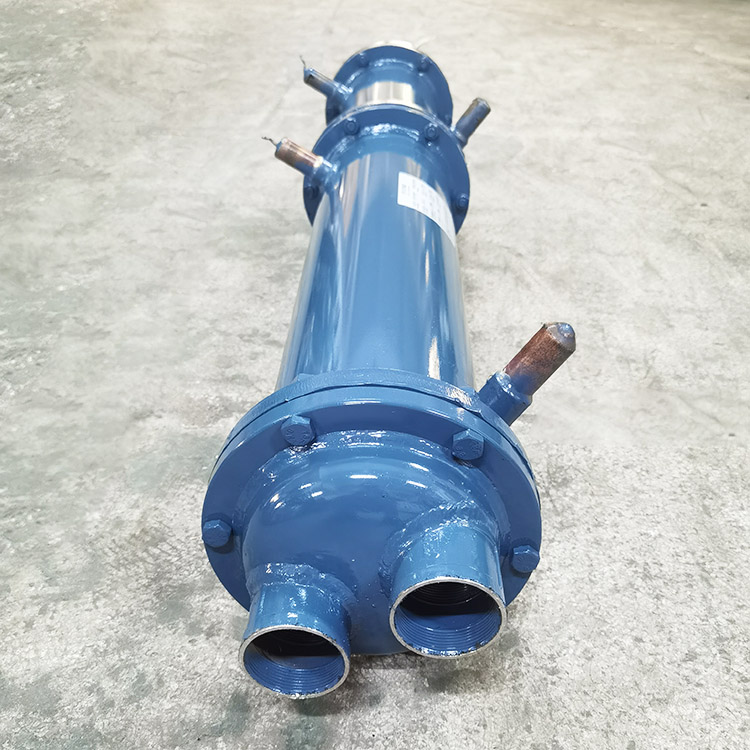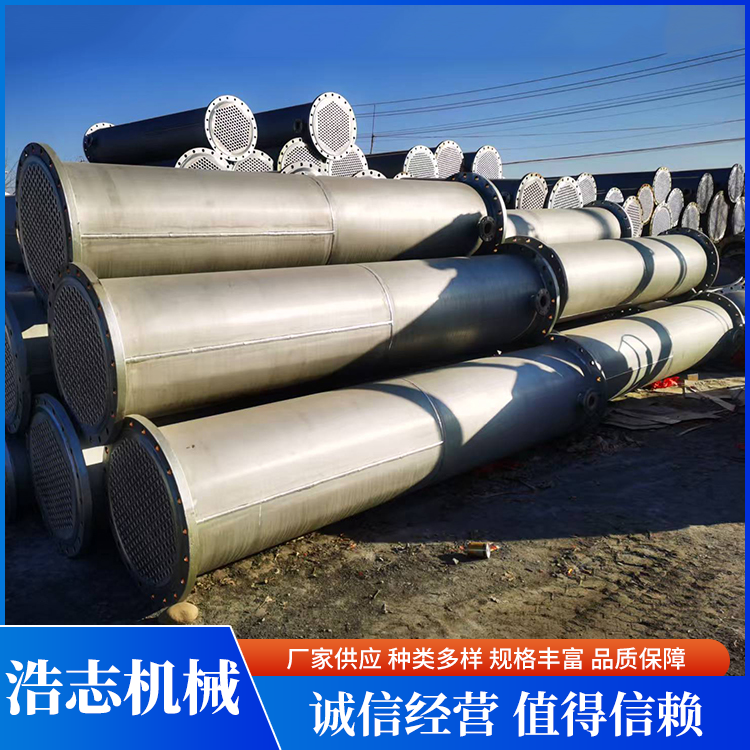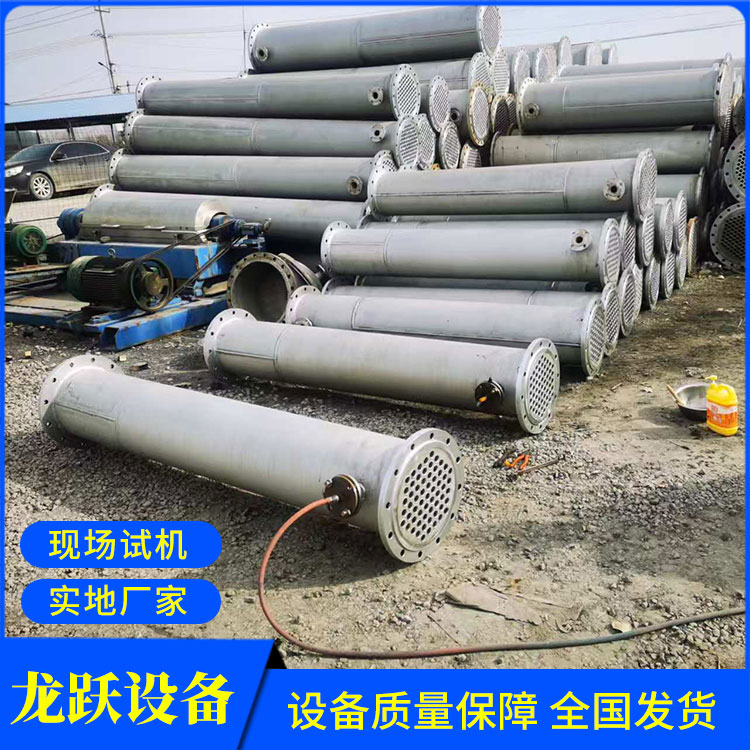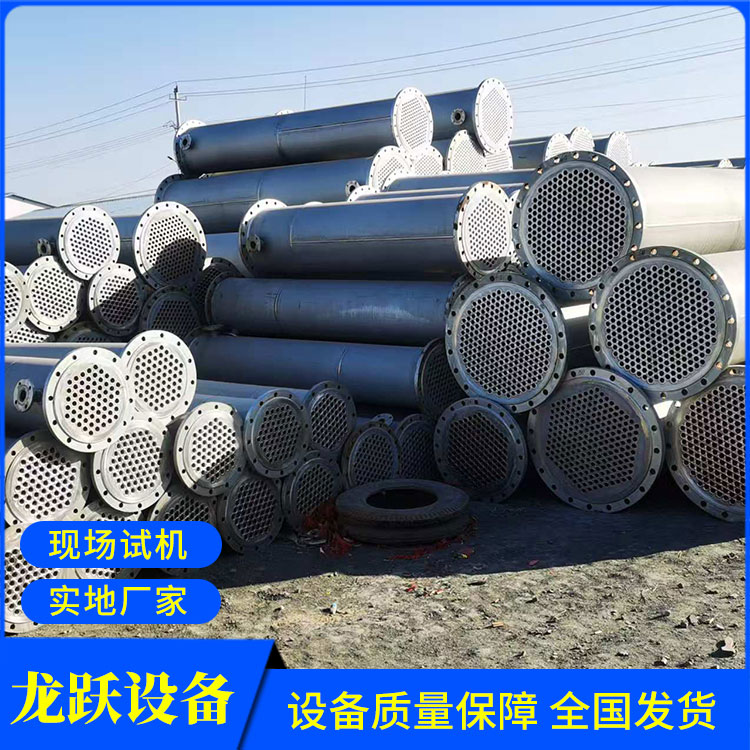

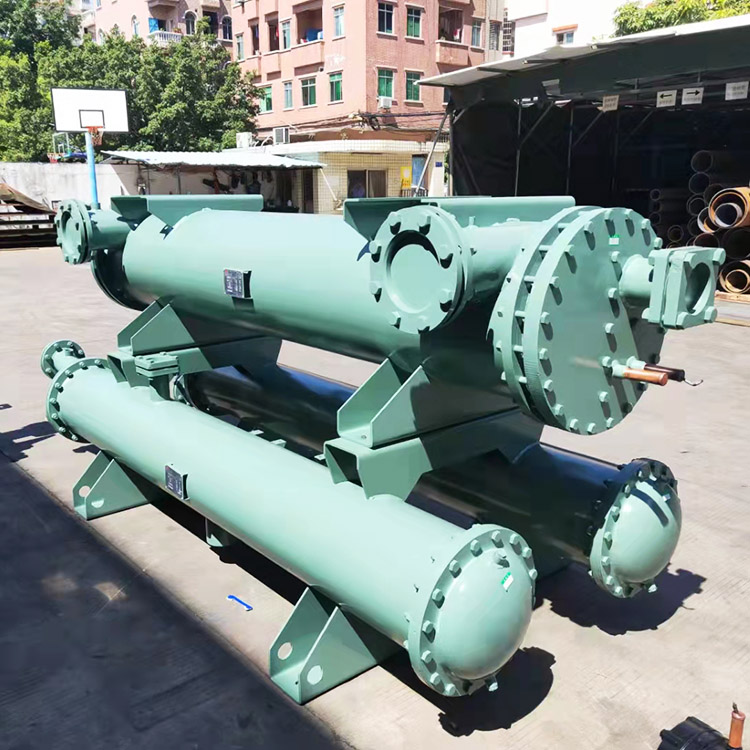


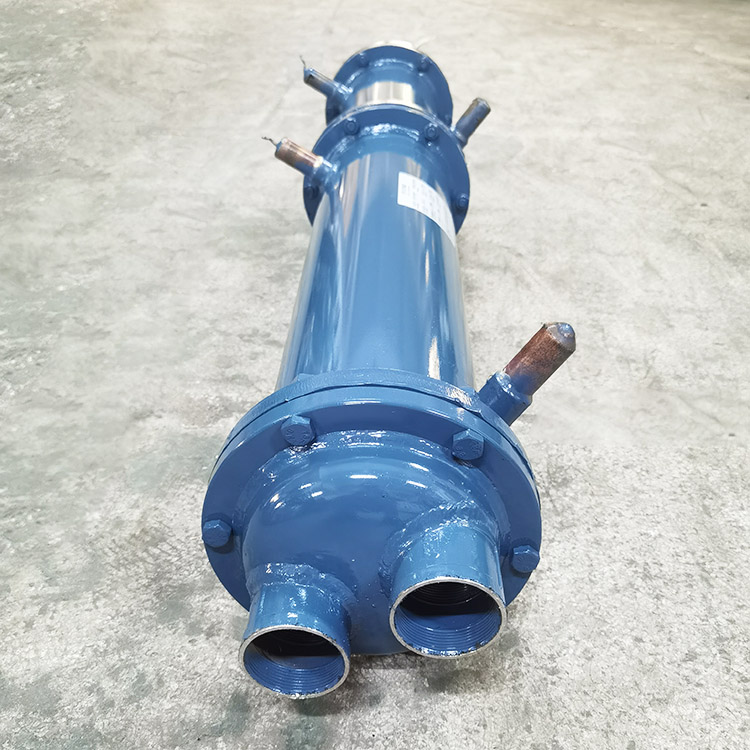


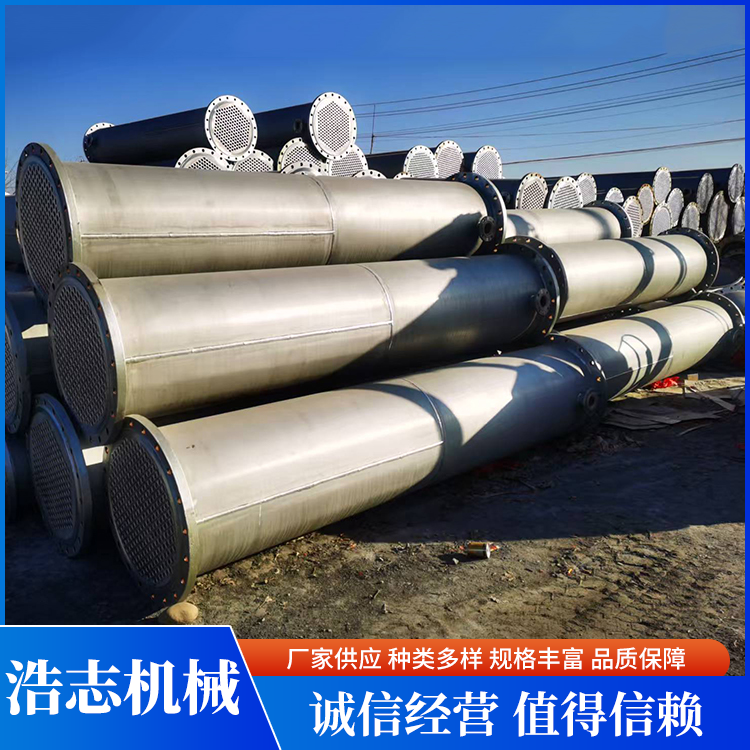
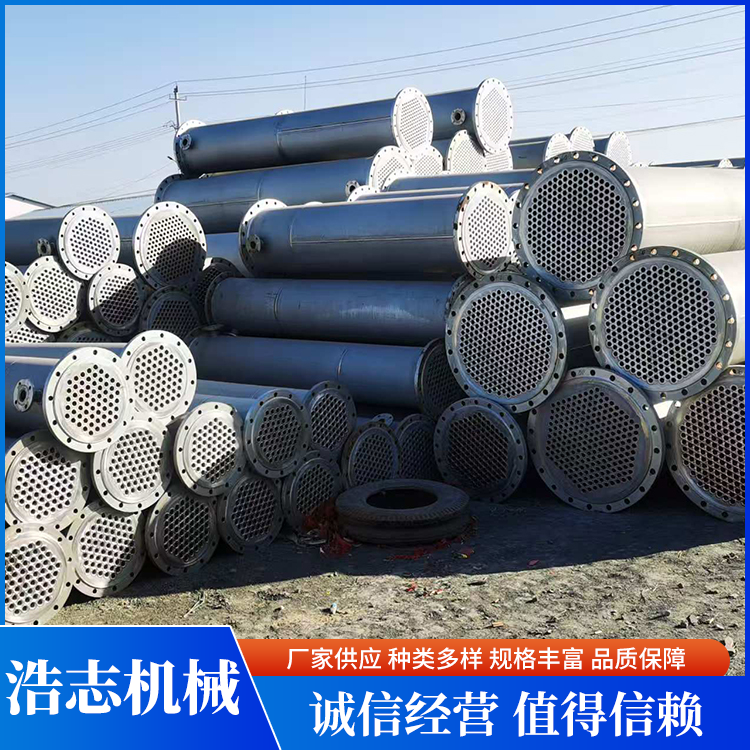
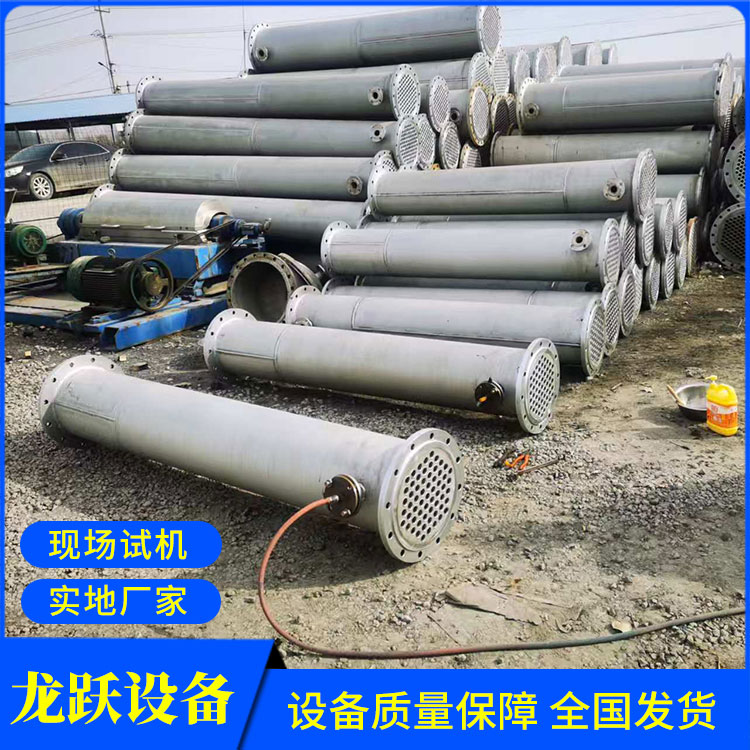





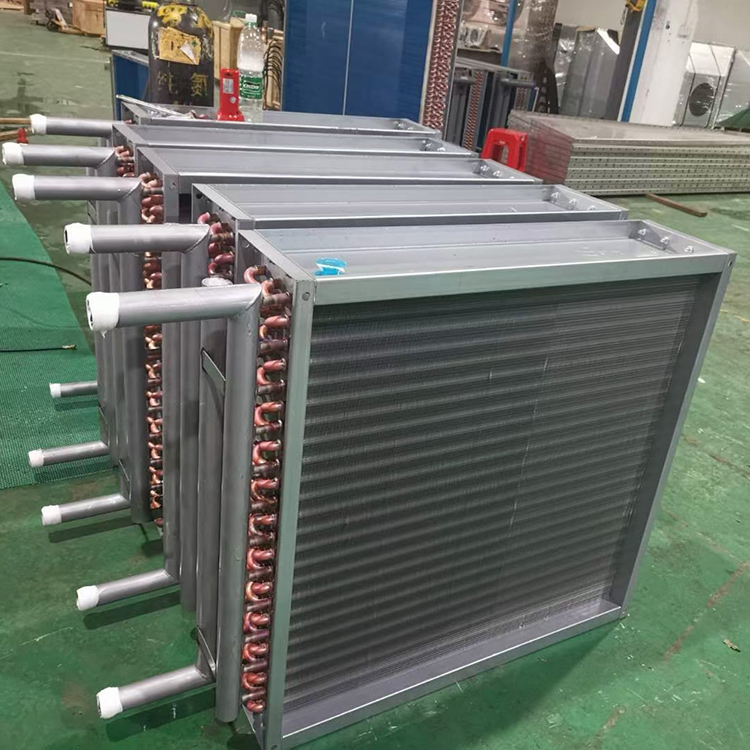
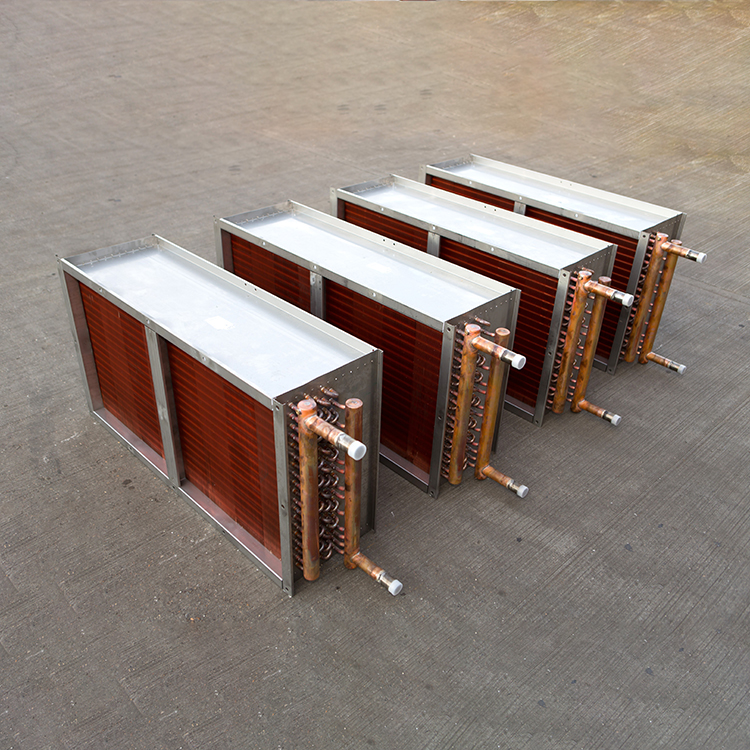
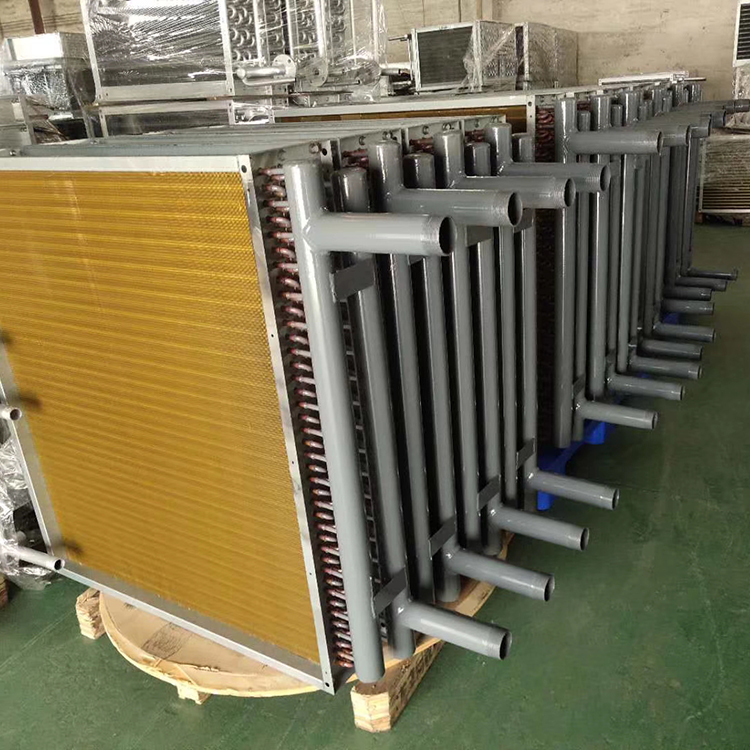
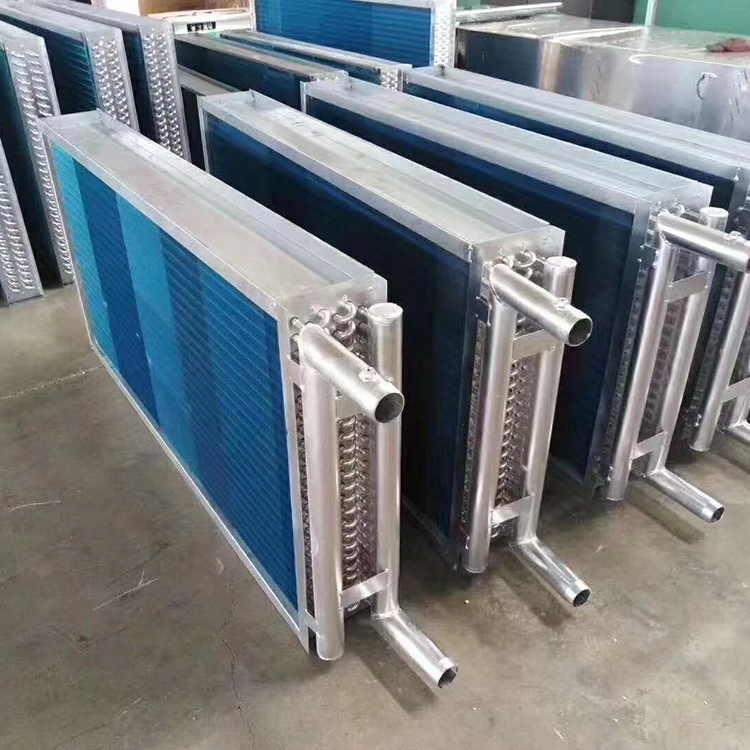
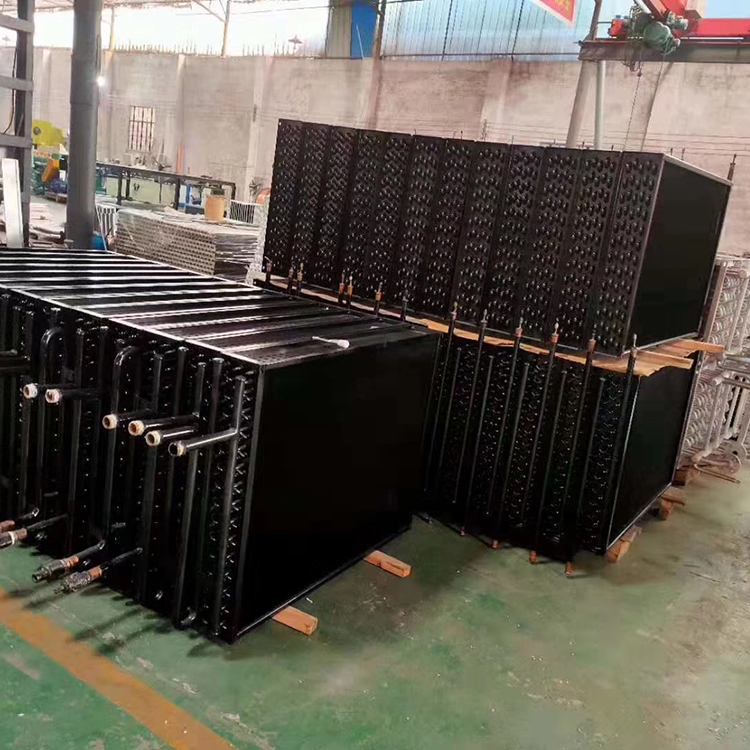
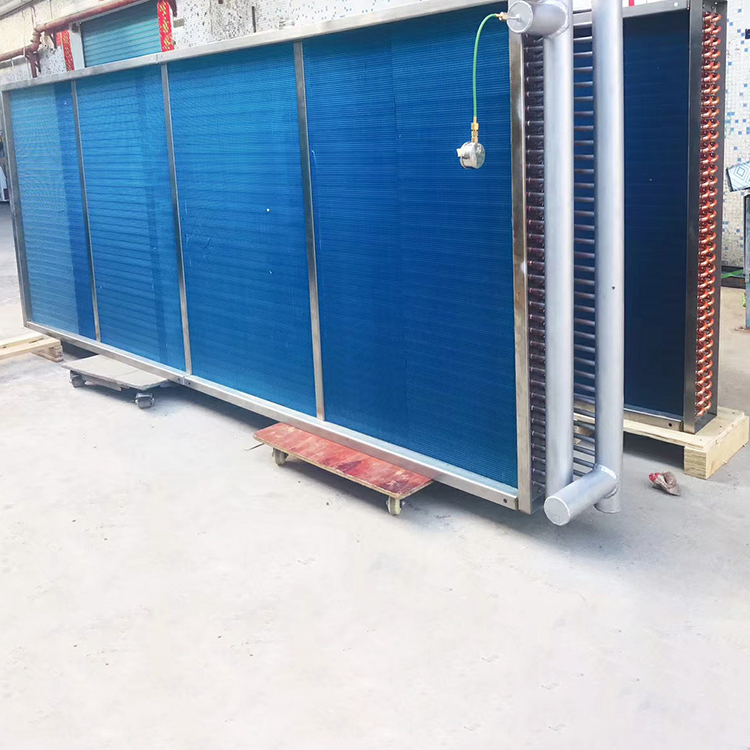
Shell-and-tube condensers, also known as tube-and-shell or longitudinal-tube condensers, are typical wall-type heat exchangers with a long history of industrial application and continue to hold a leading position among all heat exchangers. The main components of a shell-and-tube condenser include the shell, tube bundle, tube plate, and end caps. The shell is typically circular, housing parallel tube bundles with the ends of the bundles securely fastened to the tube plate.
Two fluids are used for heat exchange inside a shell-and-tube heat exchanger, one flowing inside the tubes (tubular pass), and the other flowing outside the tubes (shell pass). The wall of the tube bundle constitutes the heat transfer surface. To enhance the heat transfer coefficient of the fluid outside the tubes, a certain number of transverse baffle plates are typically installed within the shell. These baffles not only prevent short-circuiting of the fluid, increase fluid velocity, but also force the fluid to cross the tube bundle multiple times along a specified path, significantly increasing turbulence. Common baffles include crescent-shaped and disc-shaped types, with the former being more widely used. Each time the fluid passes through the tube bundle is called a tubular pass, and each time it passes through the shell is called a shell pass. To increase the fluid velocity inside the tubes, appropriate baffles can be set in the end caps to evenly divide all the tubes into several groups. This allows the fluid to pass through only a portion of the tubes each time and cross the tube bundle multiple times, known as multi-pass. Similarly, to increase the fluid velocity outside the shell, longitudinal baffles can be installed within the shell to make the fluid pass through the shell space multiple times, referred to as multi-shell pass. Inside a tube heat exchanger, due to the different temperatures of the fluids inside and outside the tubes, the temperatures of the shell and tube bundle are also different.