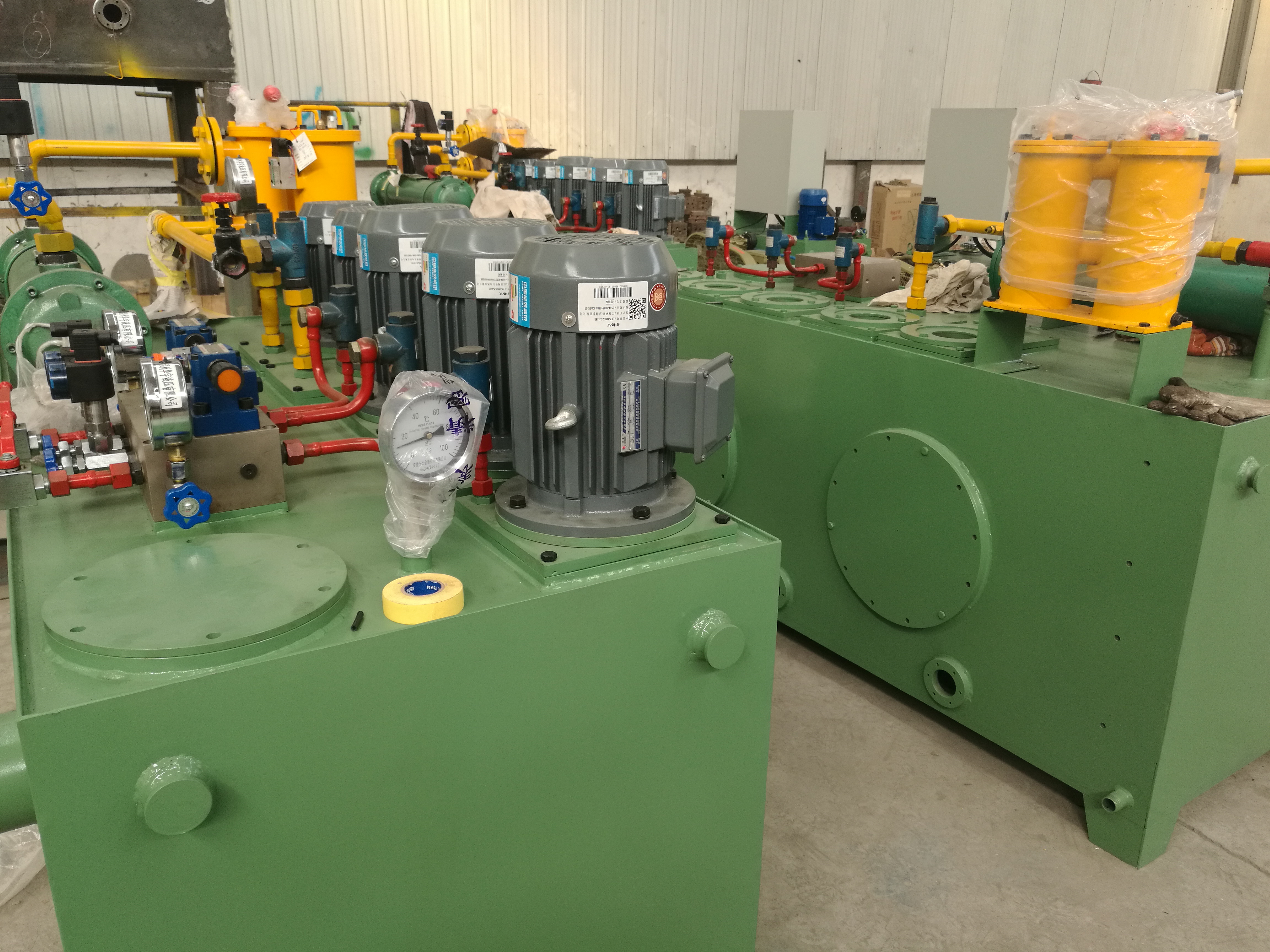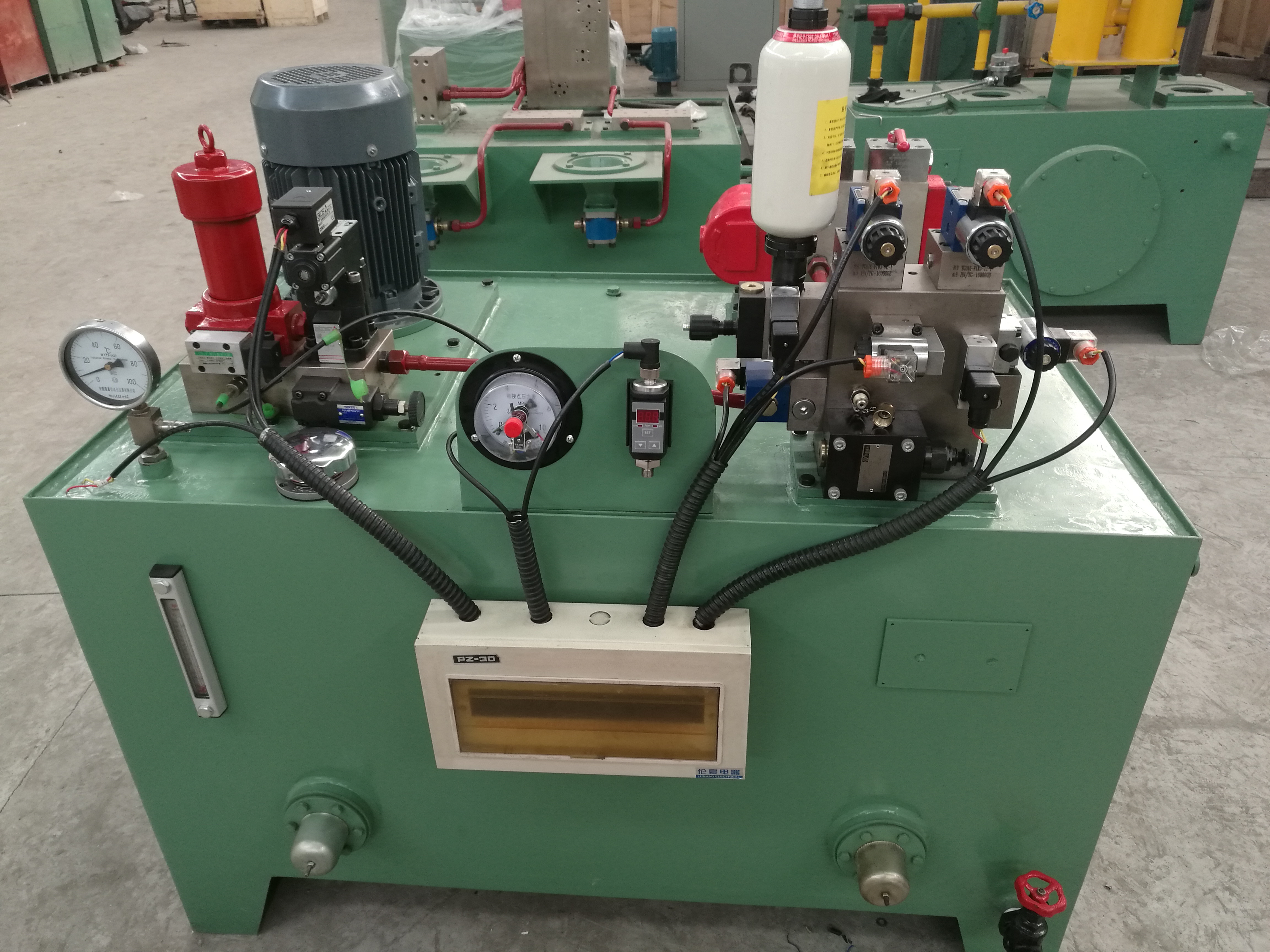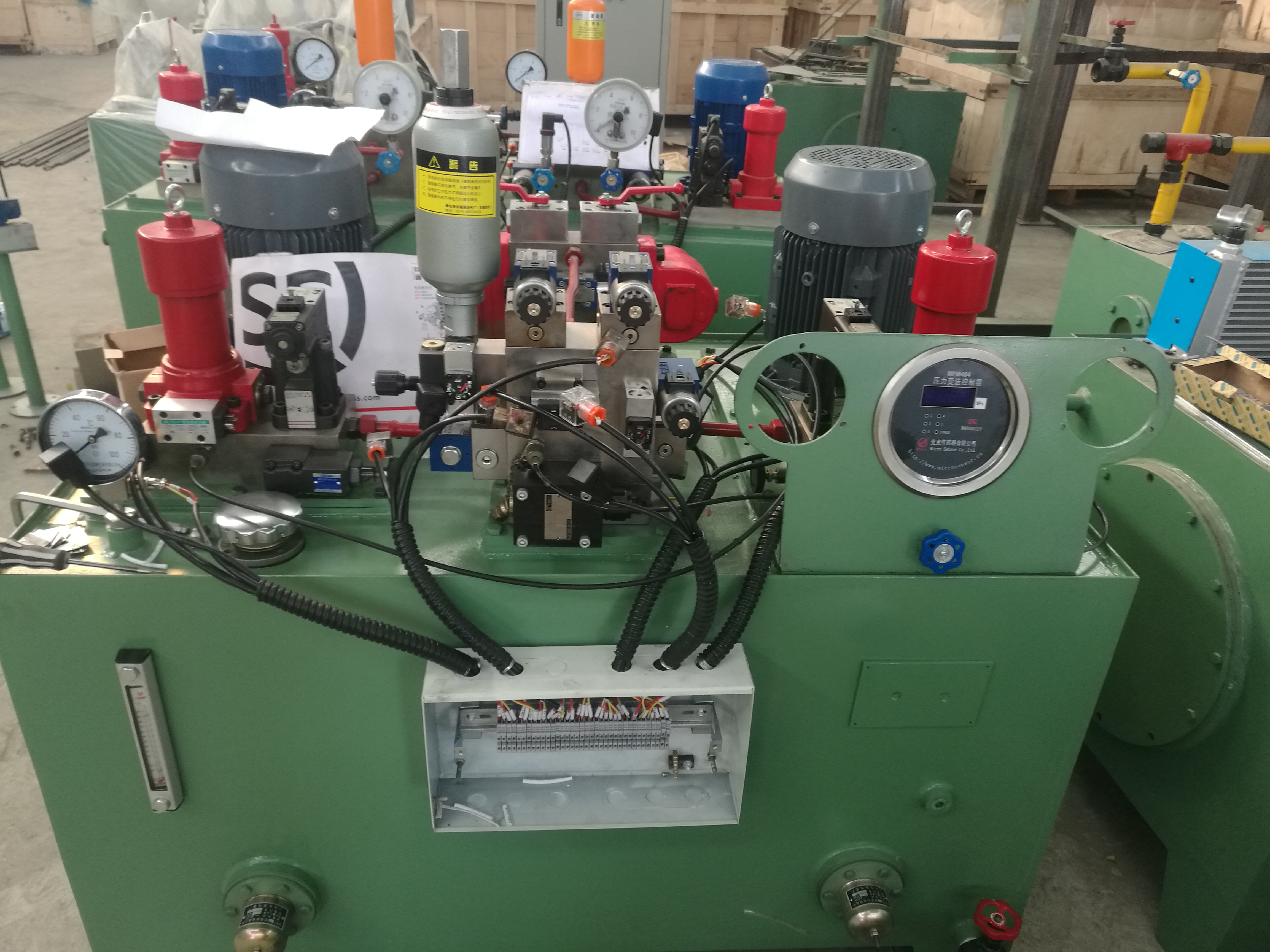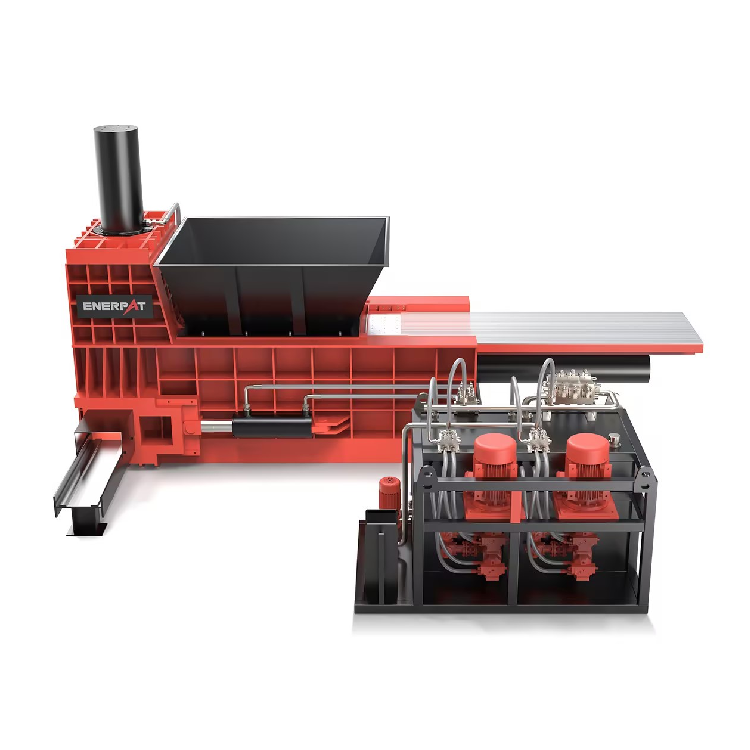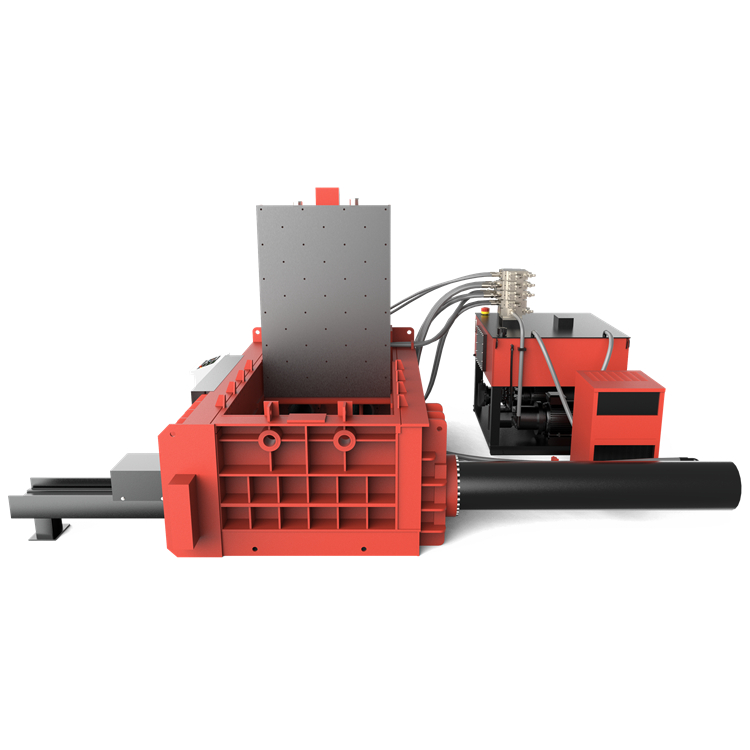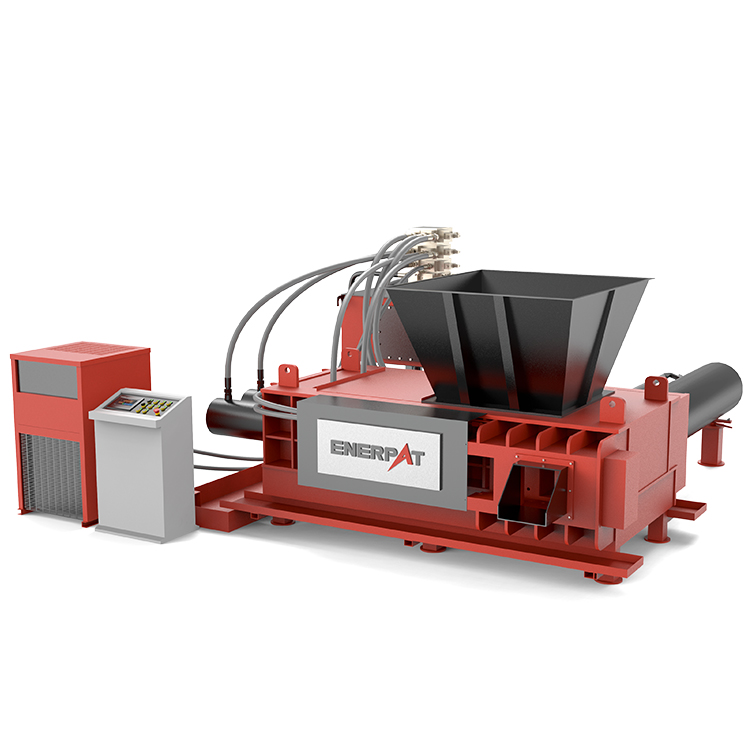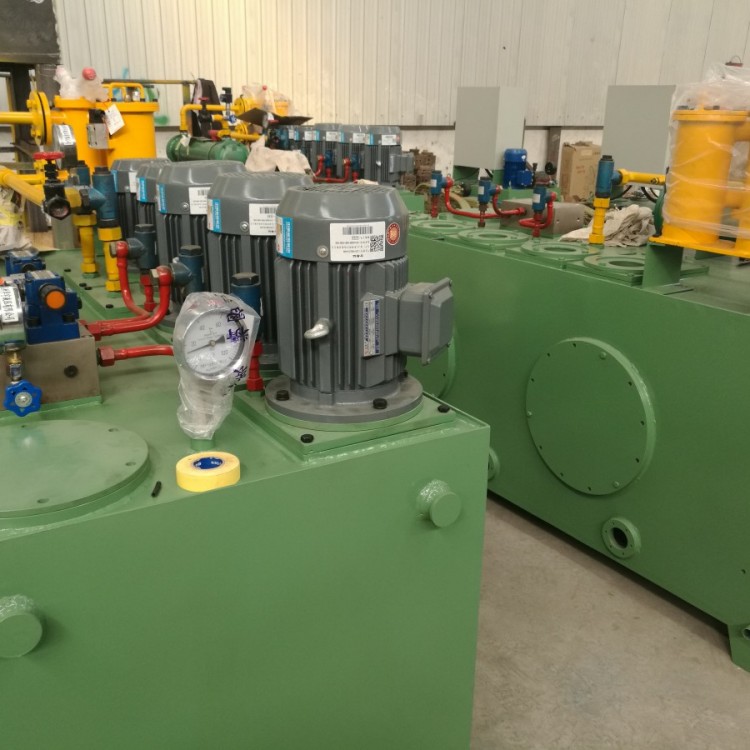

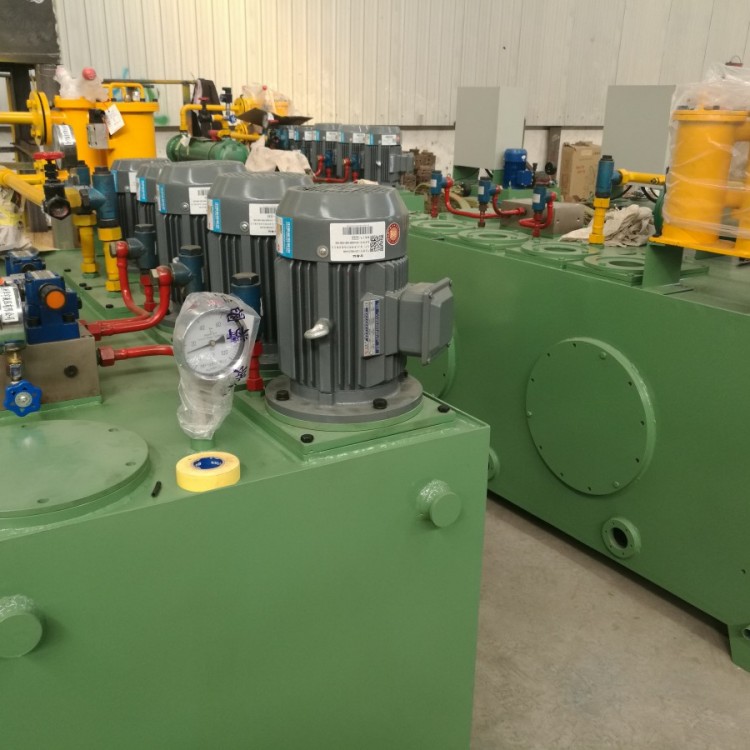

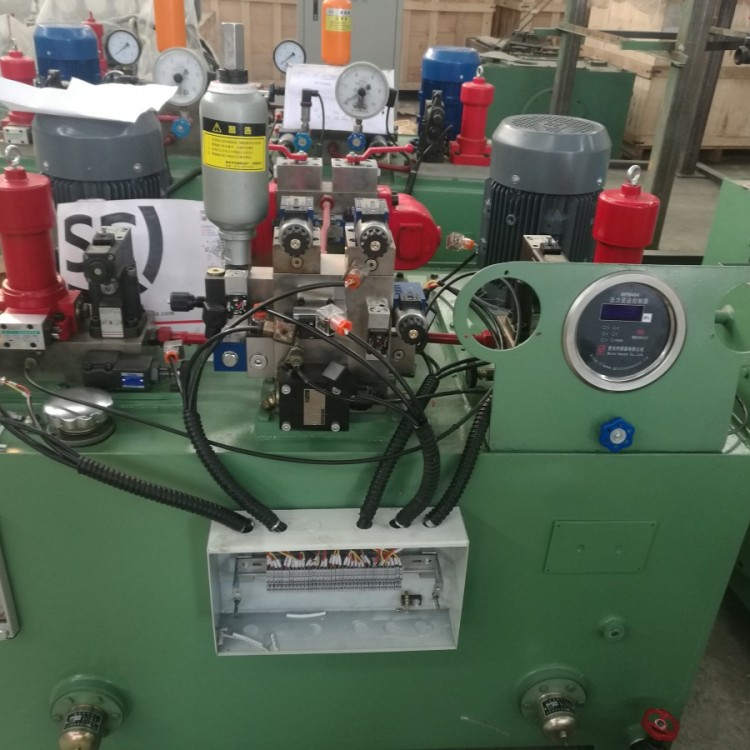


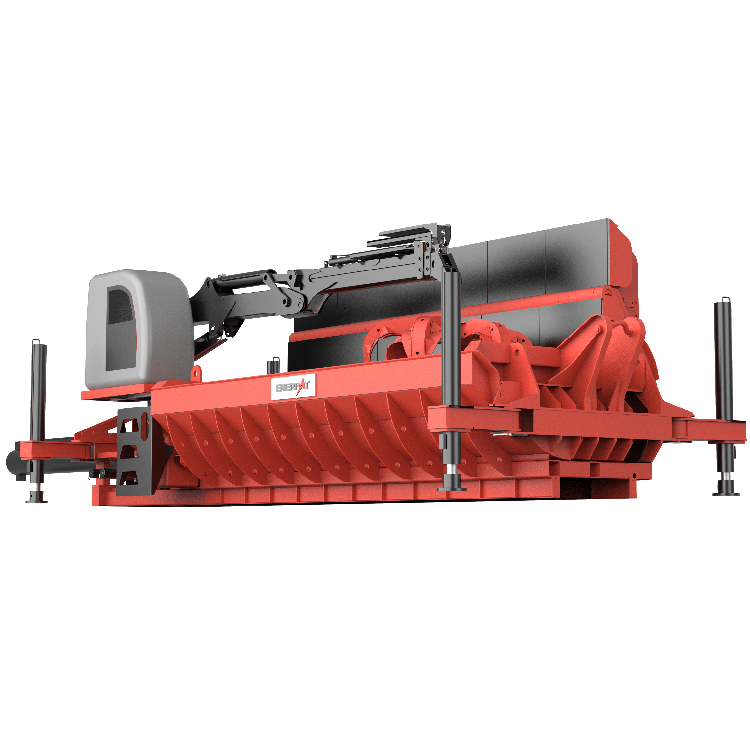
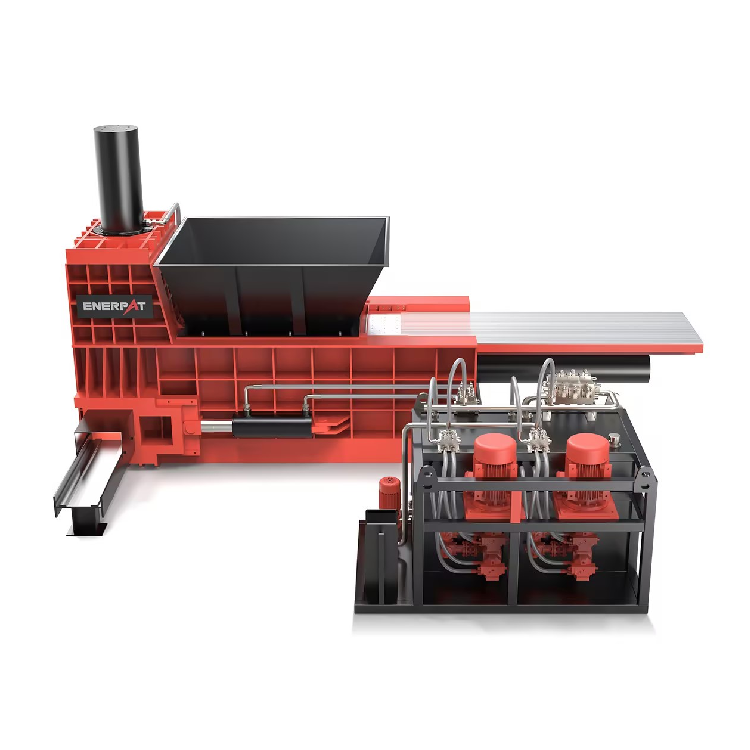
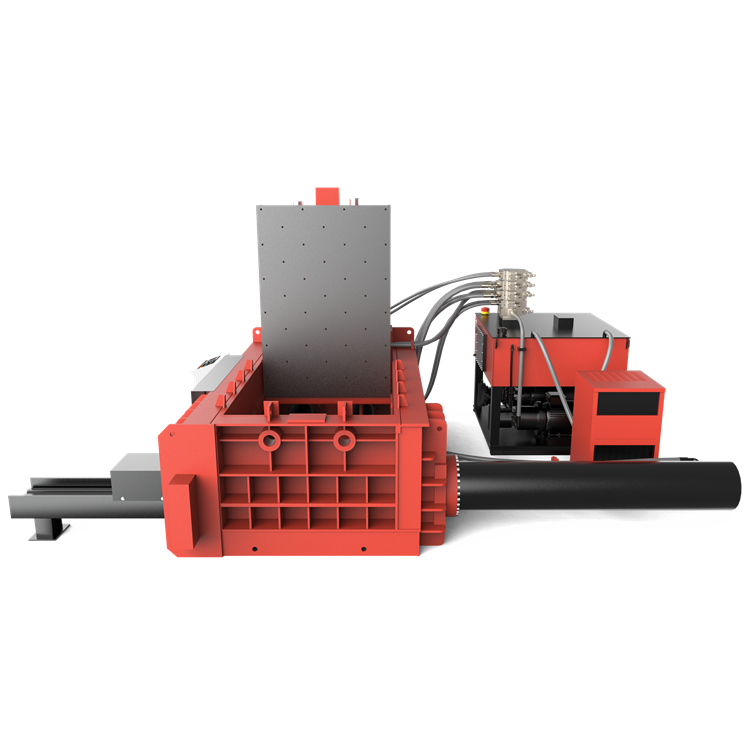
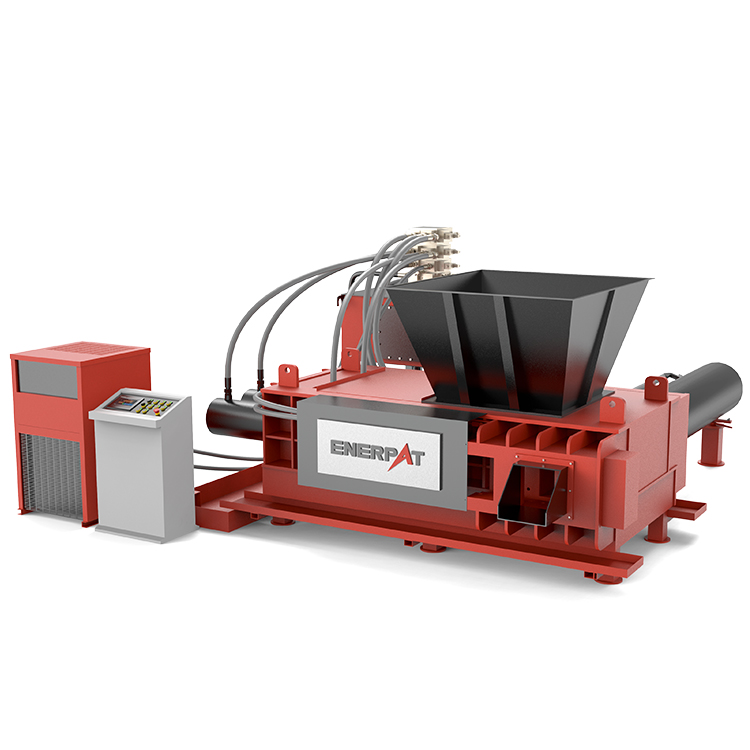





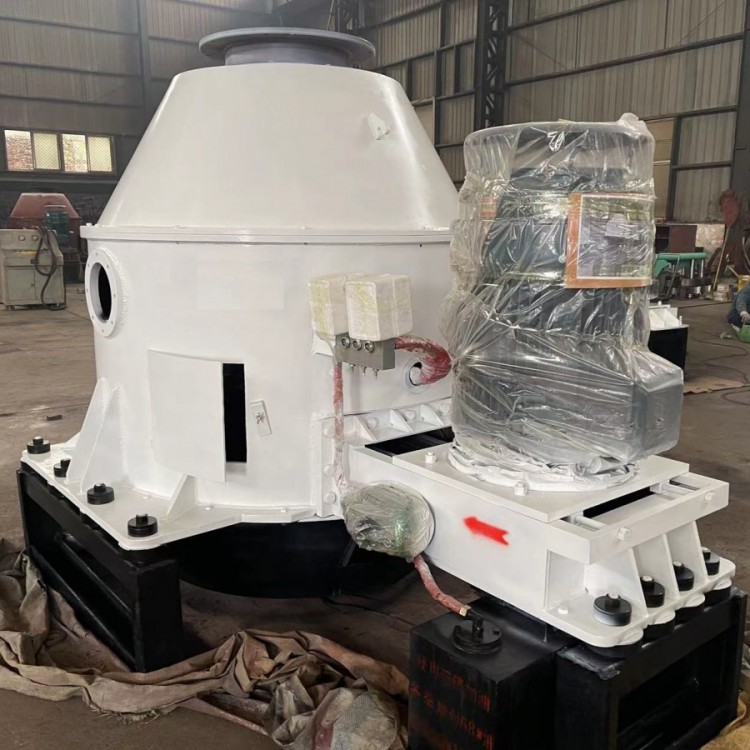

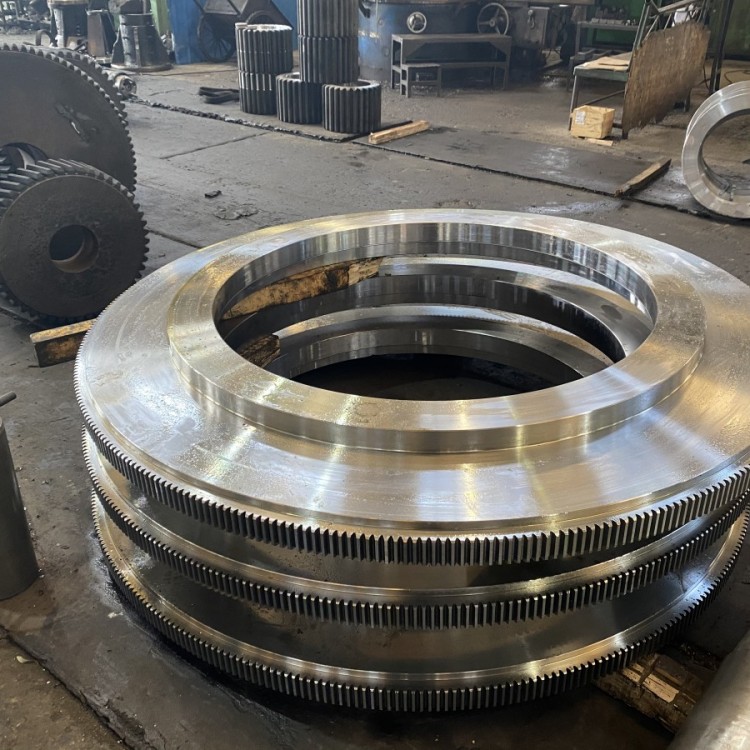

A hydraulic station is a crucial power system in industrial production, widely used for driving and controlling various heavy machinery. It converts mechanical energy into hydraulic energy through hydraulic devices, transmitting it to the terminal actuators that require power, thereby enabling equipment control and efficient operation.

The core components of a hydraulic station include: hydraulic pumps, hydraulic cylinders, hydraulic valves, pipeline hydraulic tanks, etc. Its operating principle is: the hydraulic pump吸取 hydraulic oil from the tank and delivers it at high pressure through the pipeline system. The pipeline transmits the high-pressure oil to the hydraulic cylinder or other actuating mechanisms, thereby driving them to produce the necessary push, pull, rotation, and other movements. Various hydraulic valves in the system are responsible for controlling the hydraulic energy, achieving adjustments in flow rate, pressure, direction, and more.
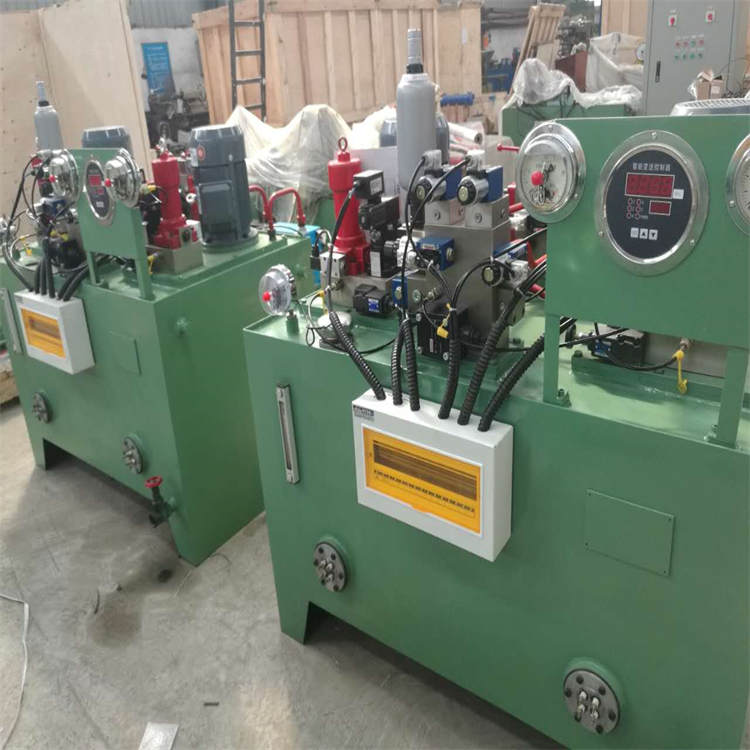
Hydraulic power units are divided into two main categories: fixed-displacement and variable-displacement. The former uses a fixed-displacement pump, which maintains a constant and unchanging flow rate. The latter employs a variable-displacement pump, allowing the flow rate to automatically adjust according to the load requirements. Different application scenarios correspond to different types of hydraulic power units.
The main features of the hydraulic station include:
High power density: The hydraulic system can transfer high power in a small space, with a power density far exceeding that of mechanical transmission. This allows for the wide application of hydraulic drive in heavy machinery.
Control: The hydraulic system features rapid response and stable reliability, capable of handling parameters such as load positions, speeds, and torques. This is crucial for applications requiring precise control.
Flexible versatility: Hydraulic pipeline connections are versatile, allowing for multi-point power distribution. Even in confined spaces, power transmission can be achieved through pipeline layout.
High Temperature/Load Resistance: The hydraulic system employs high-performance hydraulic oil, capable of withstanding extreme conditions such as high temperatures and pressures in harsh environments.
Simple and Durable: The hydraulic station features a straightforward design without complicated gears or couplings, ensuring reliability and low maintenance costs.

Hydraulic stations are widely used in construction and engineering machinery, metallurgical machinery, and marine engineering fields. Taking excavators as an example, their hydraulic systems consist of power units (hydraulic pumps), actuating units (hydraulic cylinders), and control units (hydraulic valves). By adjusting the hydraulic valves, the digging and rotation actions of the bucket can be controlled, enhancing work efficiency and precision.
In the field of marine engineering, hydraulic systems play a crucial role in offshore drilling platforms and ship loading and unloading equipment. These devices operate in harsh environments, demanding high reliability from the hydraulic systems. To meet this requirement, marine hydraulic stations typically employ multi-loop redundant designs to enhance the system's fault tolerance.
In recent years, with the advancement of Industry 4.0 and intelligent manufacturing, hydraulic stations have been moving towards digitalization and intelligence. Through embedded controllers, sensors, and other intelligent components, critical parameters of the hydraulic system can be monitored and optimized in real-time. Additionally, the application of cloud platforms, big data, and other information technologies has made remote diagnostics and predictive maintenance of hydraulic equipment possible.
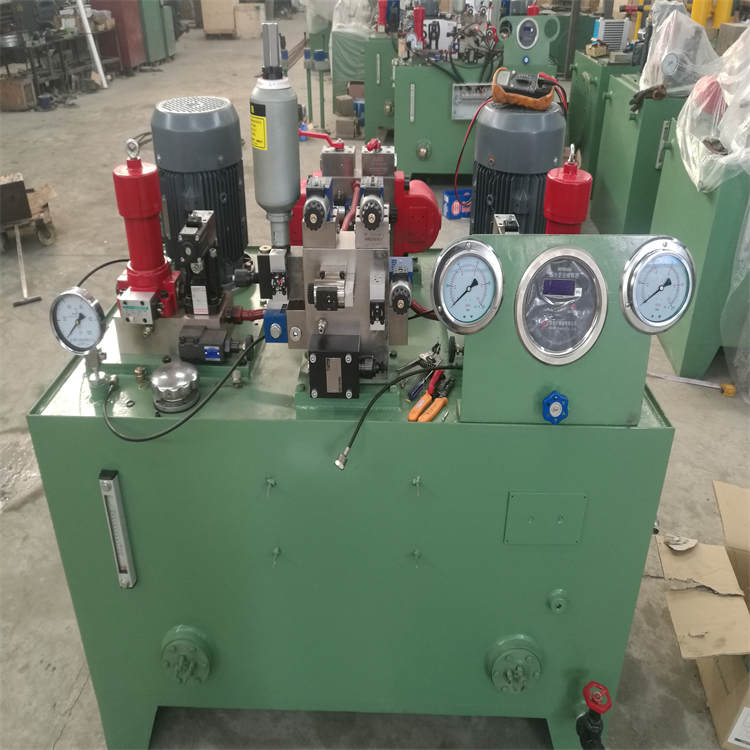
At the same time, the energy-saving and environmental protection of hydraulic systems is gaining more attention. Advanced components such as variable pumps and servo valves, along with intelligent control strategies based on operating conditions, significantly enhance the overall energy efficiency of hydraulic systems. Moreover, the use of environmentally friendly hydraulic oils has reduced the environmental impact of hydraulic systems.
In summary, hydraulic stations, as crucial industrial power systems, play an indispensable role in enhancing production efficiency and ensuring the safe and reliable operation of equipment. With the continuous advancement of related technologies, hydraulic stations are bound to evolve towards greater intelligence and sustainability, injecting new momentum into mechanical equipment across various fields.