






Tianjin Rust Conversion Primer Supplier - Sales - Price - Order【Tianjin Shunfeng New Material Co., Ltd.】
Epoxy ester primer is widely used as a rust-inhibiting primer for metal and mechanical surfaces, particularly suitable for steel structures, metal equipment, pipelines, and anti-corrosion coatings on mechanical products. Additionally, zinc propylene epoxy ester primer is mainly used for coating the substrates of aluminum and light metals.
Technical Specifications
Viscosity: Typically 50 (cups - 4#)
Fineness: Zinc yellow epoxy primer ≤ 50μm, iron red epoxy primer ≤ 60μm (another term for ≤60mm, to be determined according to product standards)
Drying Time: Surface dry (25°C) ≤ 2 hours, fully dry (25°C) ≤ 24 hours
Adhesion: ≤2 grade
Hardness: ≥0.4
Saltwater Resistance: No bubbling or rusting after soaking in 3% NaCl solution at 25°C for 48 hours
Installation Instructions
Surface Treatment: The steel surface must be shot blasted to reach the Sa2.5 grade as specified by GB8923 or be manually and mechanically rust-removed to achieve the St3 grade. Acid pickling for rust removal is also an option.
Painting Methods: Options include airless spraying, air spraying, roller coating, or brush painting.
During airless spraying, the nozzle diameter is typically 0.4 to 0.5 mm, with an outlet pressure of 12 to 15 MPa.
During air spray, the nozzle diameter is 2.0 to 3.0 mm, and the air pressure is 0.3 to 0.4 MPa.
When rolling or brushing, it is advisable to add a suitable thinner (such as XC105) in an amount of 0-3% (based on the weight of the paint).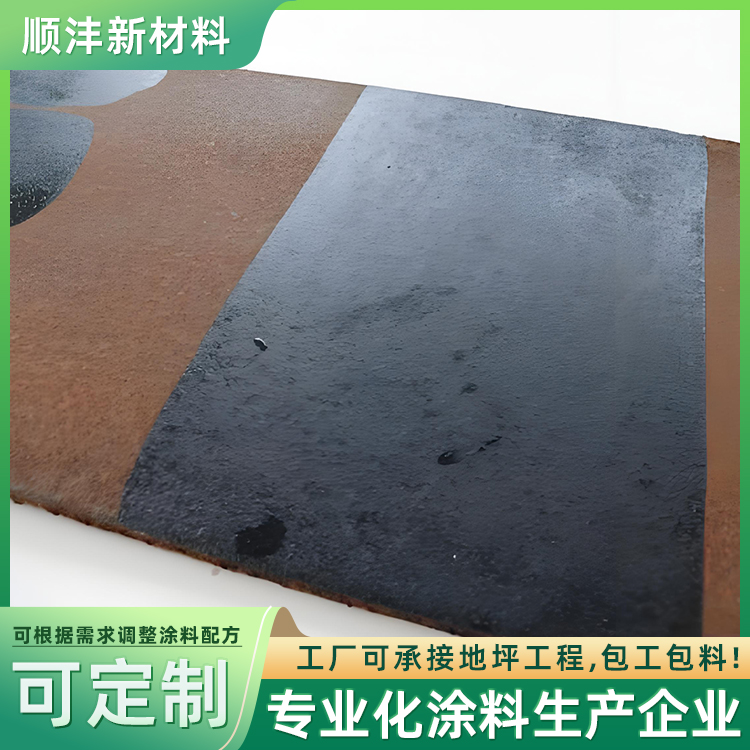
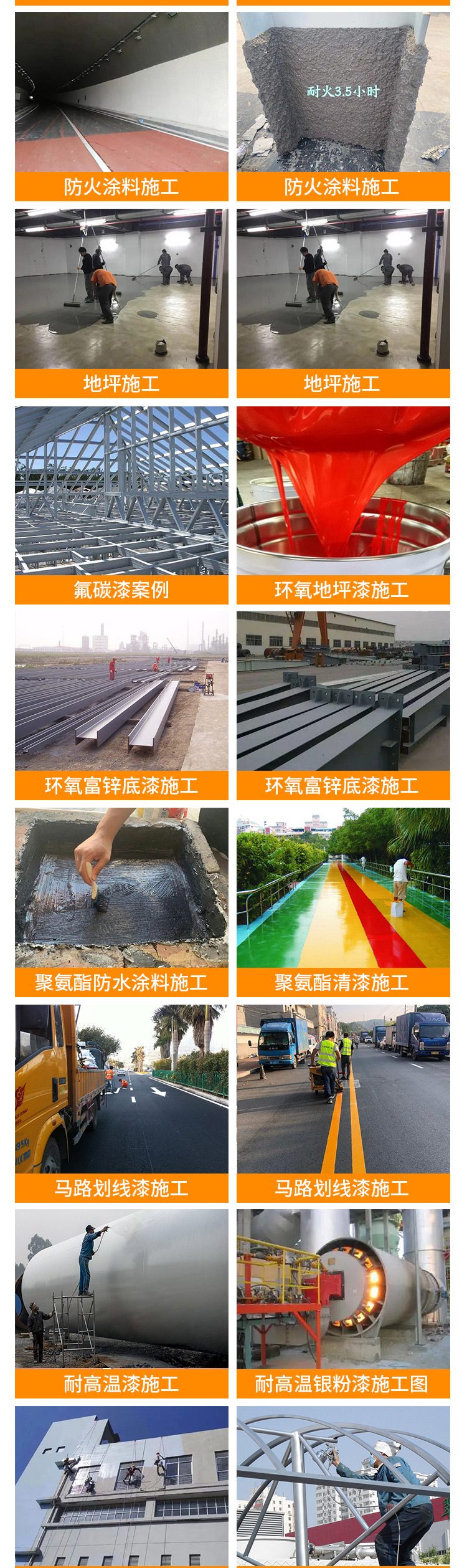
Epoxy ester primer is widely used as a rust-inhibiting primer for metal and mechanical surfaces, particularly suitable for steel structures, metal equipment, pipelines, and anti-corrosion coatings on mechanical products. Additionally, zinc propylene epoxy ester primer is mainly used for coating the substrates of aluminum and light metals.
Technical Specifications
Viscosity: Typically 50 (cups - 4#)
Fineness: Zinc yellow epoxy primer ≤ 50μm, iron red epoxy primer ≤ 60μm (another term for ≤60mm, to be determined according to product standards)
Drying Time: Surface dry (25°C) ≤ 2 hours, fully dry (25°C) ≤ 24 hours
Adhesion: ≤2 grade
Hardness: ≥0.4
Saltwater Resistance: No bubbling or rusting after soaking in 3% NaCl solution at 25°C for 48 hours
Installation Instructions
Surface Treatment: The steel surface must be shot blasted to reach the Sa2.5 grade as specified by GB8923 or be manually and mechanically rust-removed to achieve the St3 grade. Acid pickling for rust removal is also an option.
Painting Methods: Options include airless spraying, air spraying, roller coating, or brush painting.
During airless spraying, the nozzle diameter is typically 0.4 to 0.5 mm, with an outlet pressure of 12 to 15 MPa.
During air spray, the nozzle diameter is 2.0 to 3.0 mm, and the air pressure is 0.3 to 0.4 MPa.
When rolling or brushing, it is advisable to add a suitable thinner (such as XC105) in an amount of 0-3% (based on the weight of the paint).