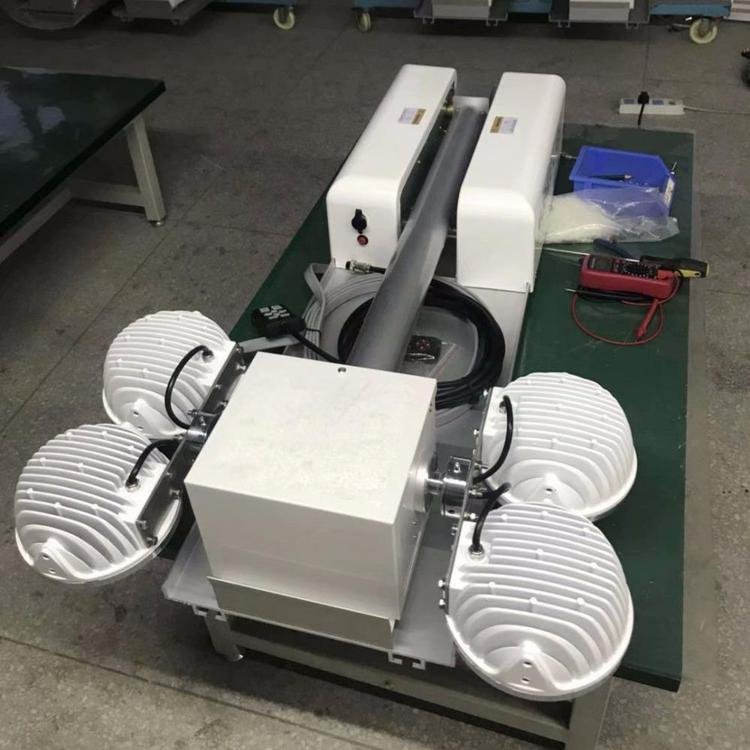


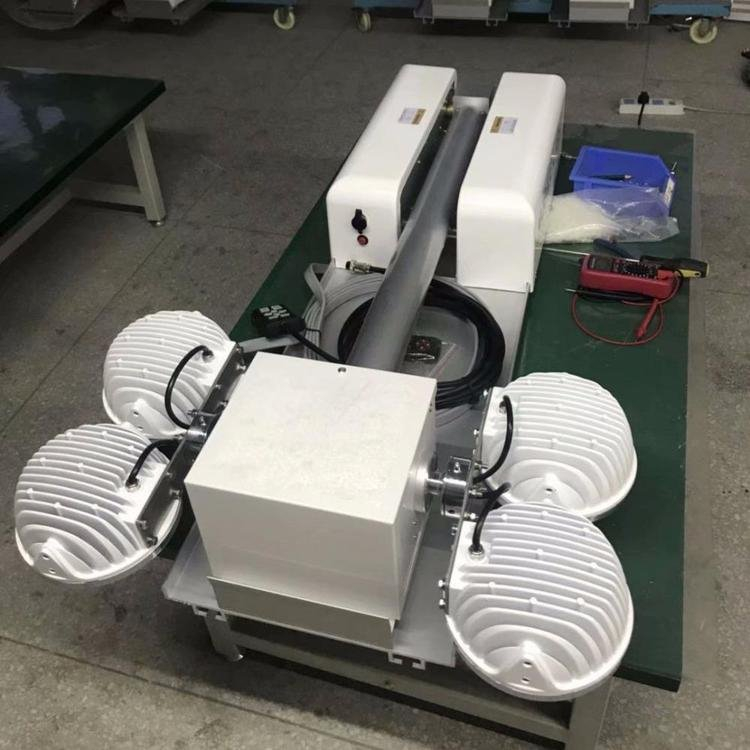
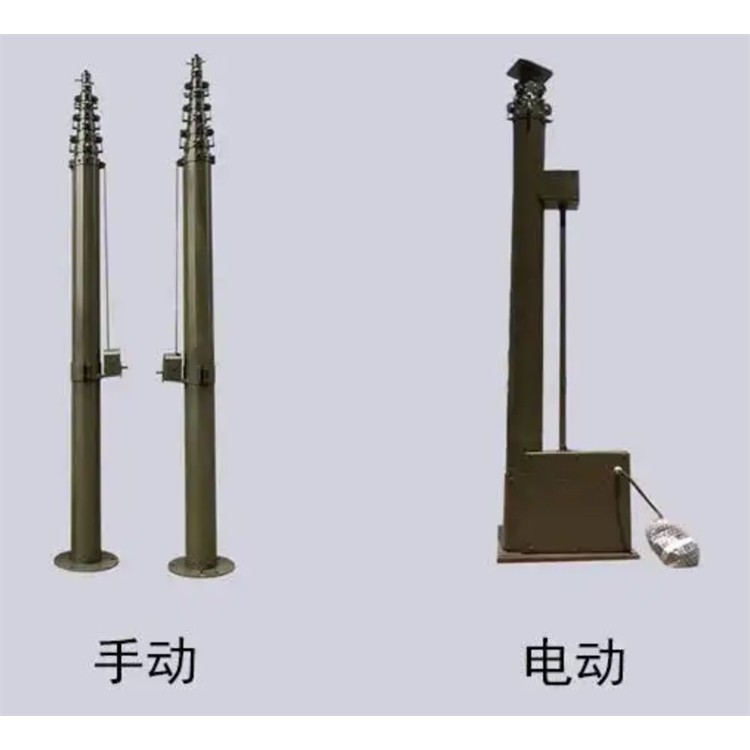


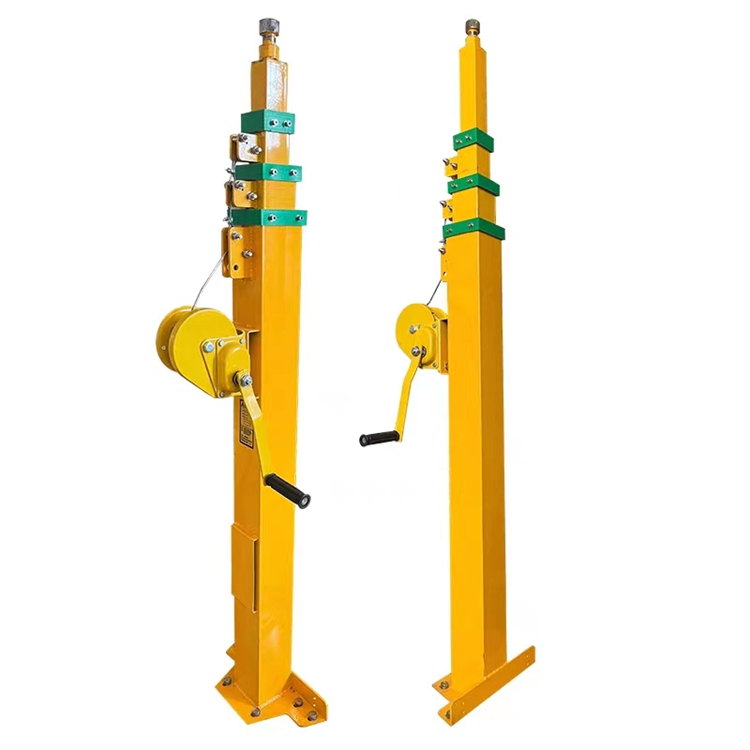





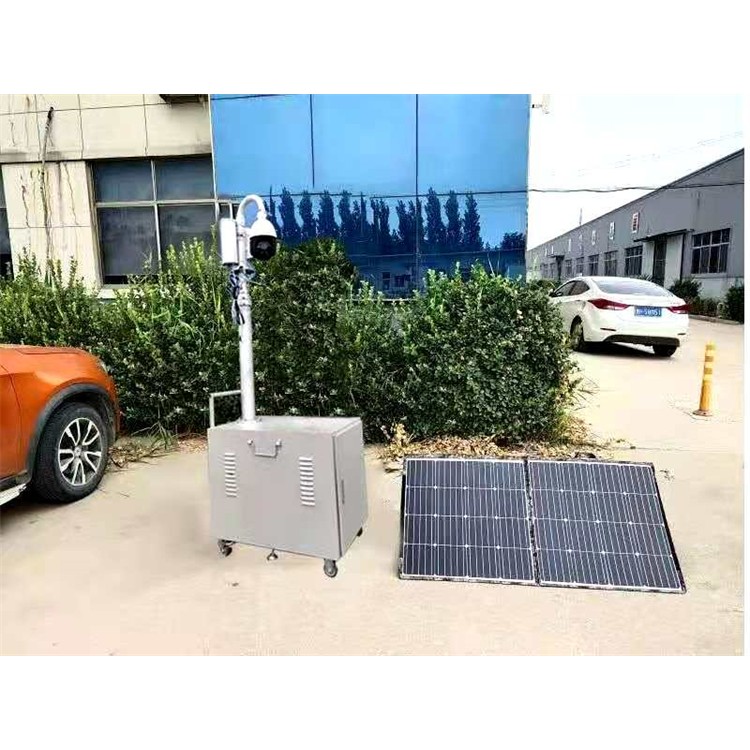
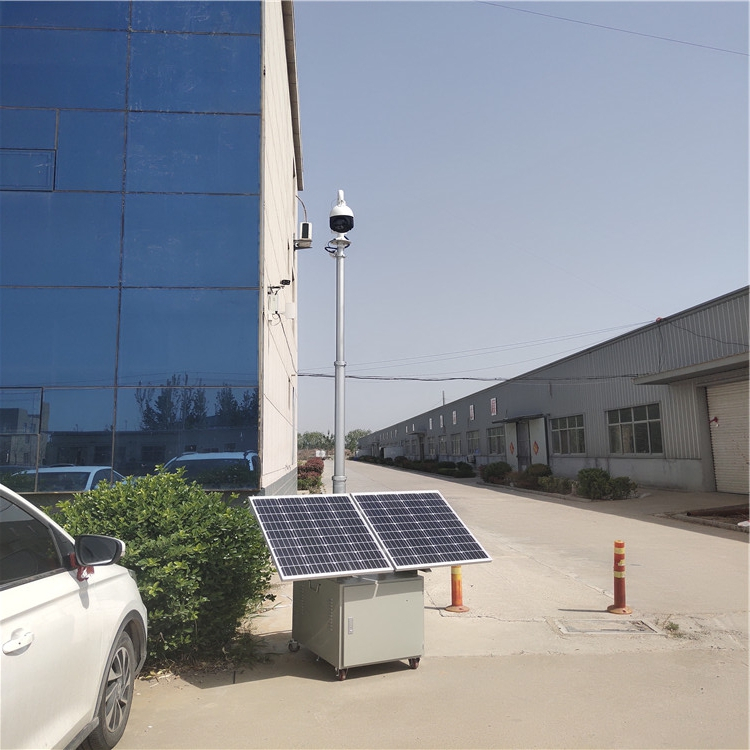
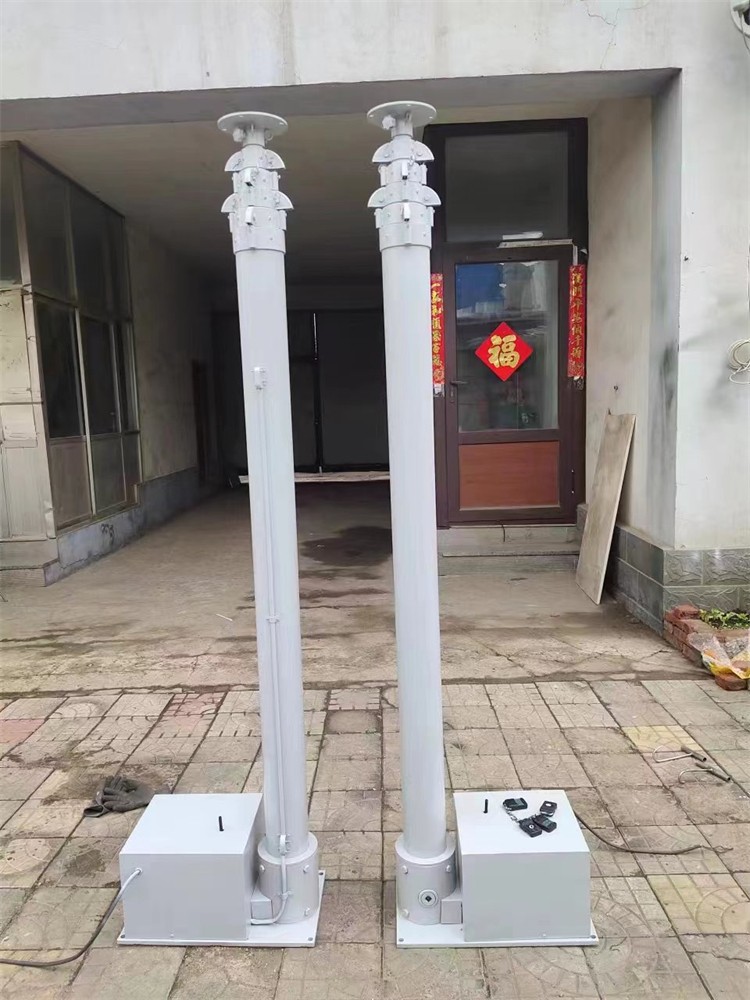
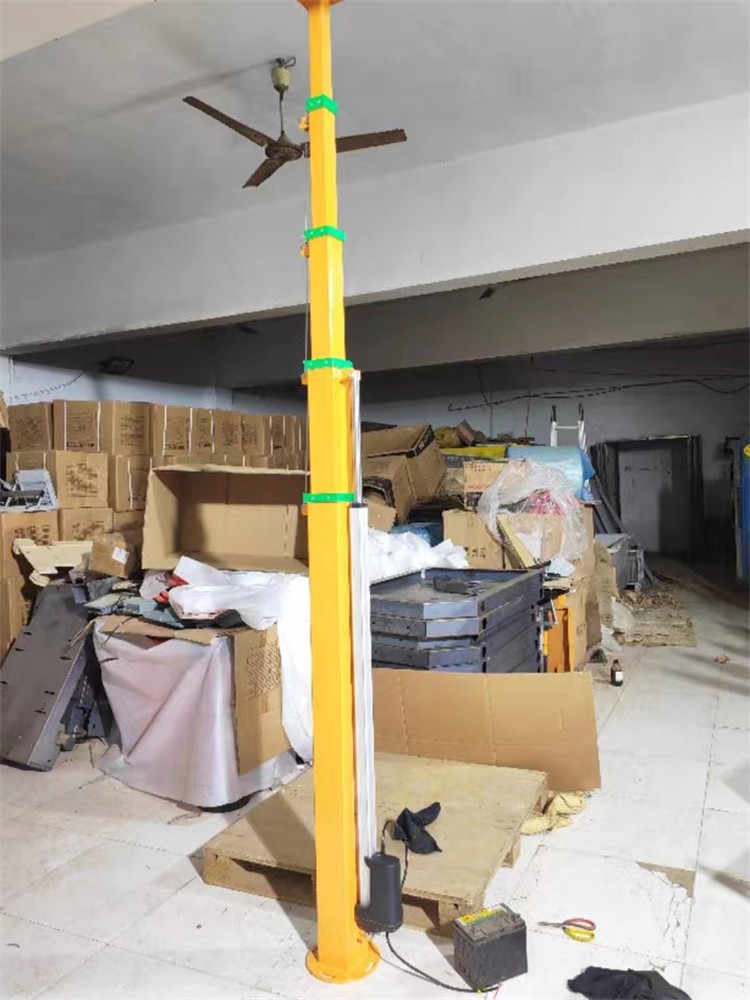
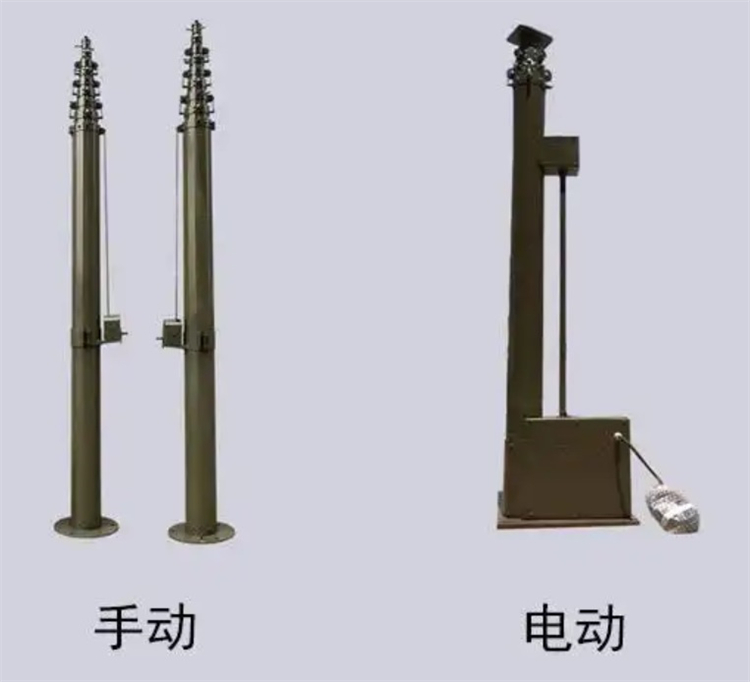
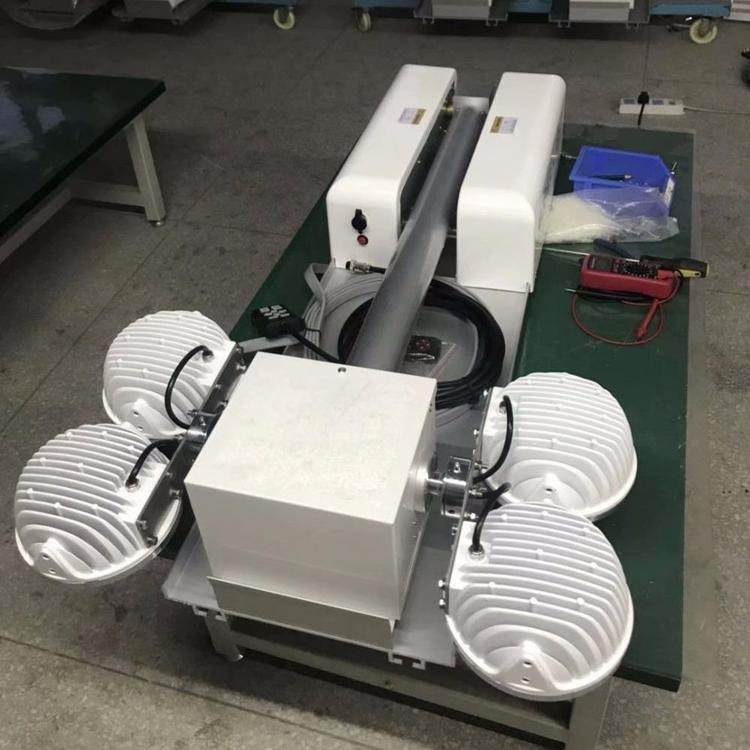
Electromagnetic lifting rod, also known as an electromagnetic push rod, is a device that converts the rotational motion of a motor into linear motion. Below is a detailed introduction to the electromagnetic lifting rod:
I. Working Principle
The working principle of the electric telescopic pole primarily relies on the rotational motion of the motor, converting this rotation into linear motion through internal transmission mechanisms (such as screw threads, gears, etc.), thereby enabling the pole's up and down movement. It may contain components like AC motors, reduction gear sets, threaded screw transmission sets, aluminum alloy square tube poles, motor gear housing, lifting control switches, electric/manual conversion switches, and limit switches, among others. These components work together to allow the electric telescopic pole to control both the lifting height and speed.
II. Structural Features
Material SelectionThe shaft of an electric lifting rod is typically made of aluminum alloy, which boasts advantages such as light weight, high strength, and corrosion resistance, making it suitable for use in various environments.
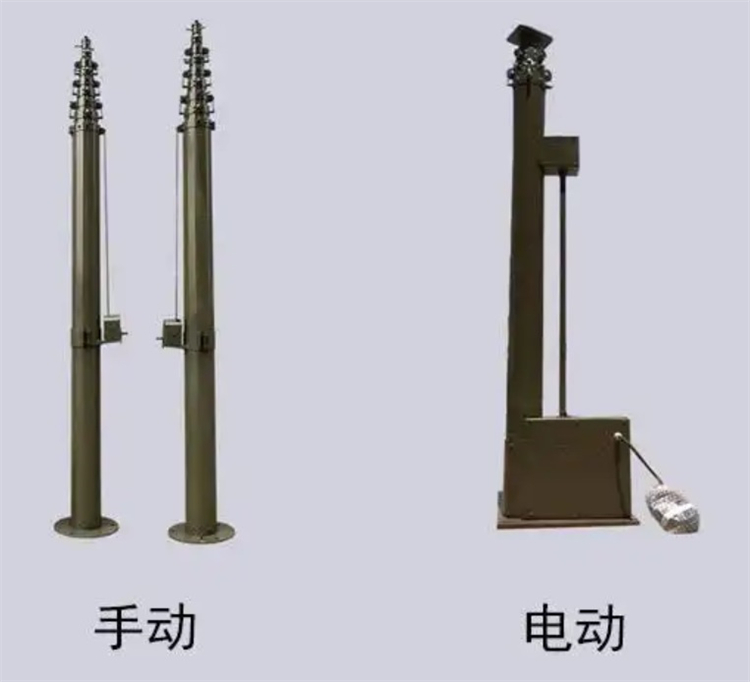
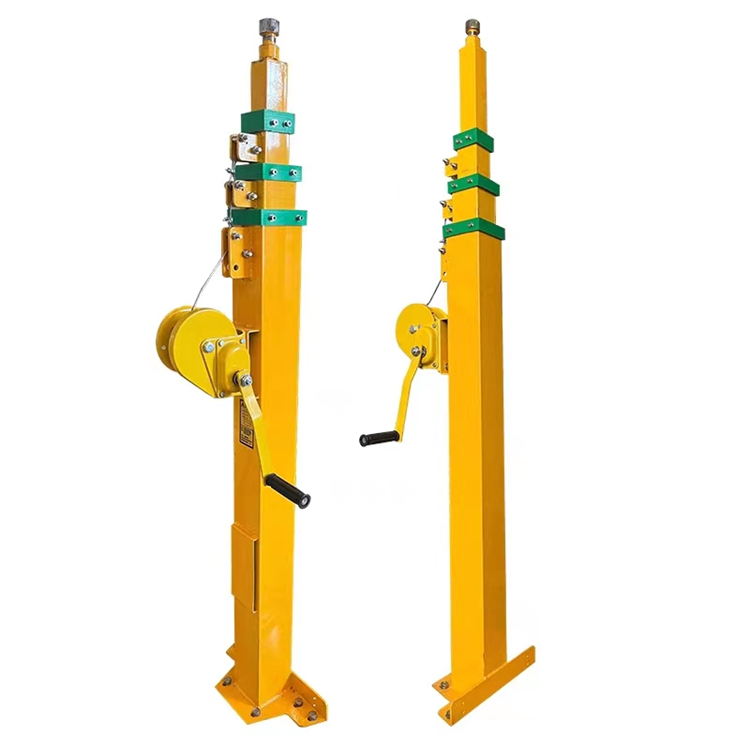
Lifting ModeElectric lifting posts generally come with both electric and manual lifting modes to meet the usage needs in different scenarios. In electric mode, the lifting post can perform lifting and lowering actions quickly and accurately; in manual mode, it allows for lifting and lowering operations during power outages or emergencies.
Transmission MethodThe electric lifting rod utilizes screw or gear transmission methods to achieve lifting and lowering of the rod by controlling the movement of the transmission mechanism. This transmission method offers advantages such as high stability, precision, and low noise.
Section 3: Application Fields
The electric lifting rod has a wide range of applications, primarily including the following aspects:
Industrial sectorElectric lifting columns can improve work efficiency and reduce labor costs in material handling on the production line, warehouse management, and logistics within the factory.
Business SectorIn shopping malls and supermarkets, electric lifting posts can quickly and accurately adjust product placement, enhancing the shopping experience.
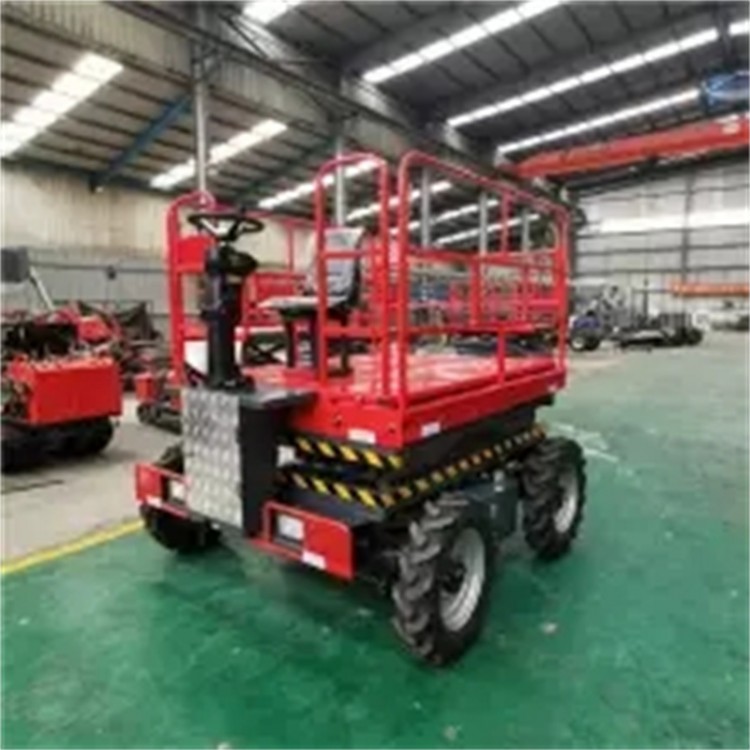
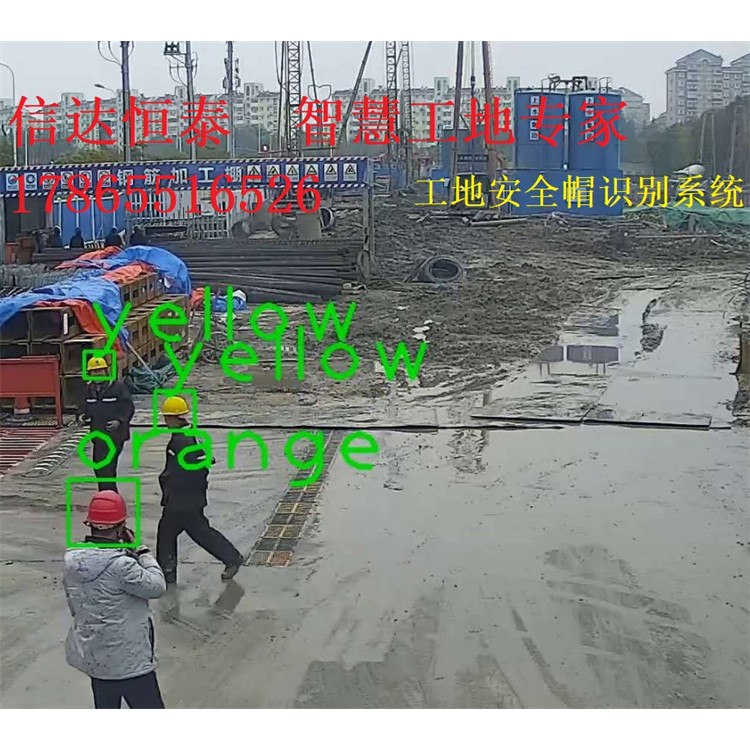
Construction fieldIn the construction industry, electric lifting rods are commonly used in high-altitude operations, such as window installation and maintenance, as well as for assisting personnel movement or the transportation of materials.
Other FieldsAdditionally, electric lifting rods are widely used in various fields such as agriculture, power and transportation, broadcasting and media, exploration and scientific research, emergency relief, and forest fire prevention.
Advantages:
No additional wind-resistant ropes or support structures are needed; the self-standing design simplifies the installation process and reduces site requirements.
Electric drive enhances efficiency and reduces labor costs.
High load capacity with adjustable lifting height, catering to diverse usage requirements across various scenarios.
The structural design is rational and stable, ensuring the safety and reliability of the equipment during the lifting and lowering process.
Some products feature intelligent control functions, such as height display and fault alarms, enhancing the equipment's intelligence level and user experience.