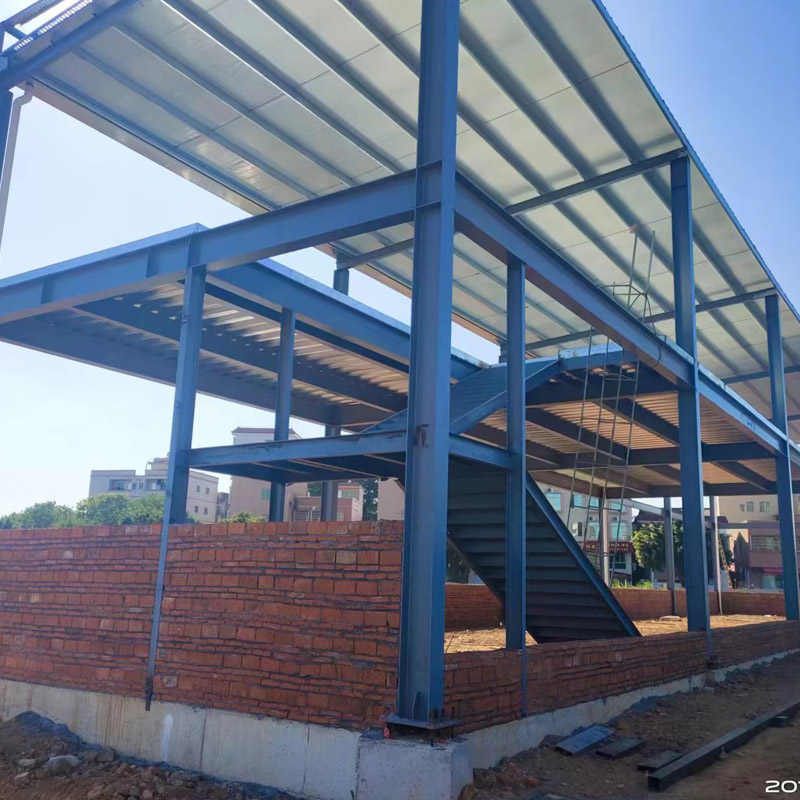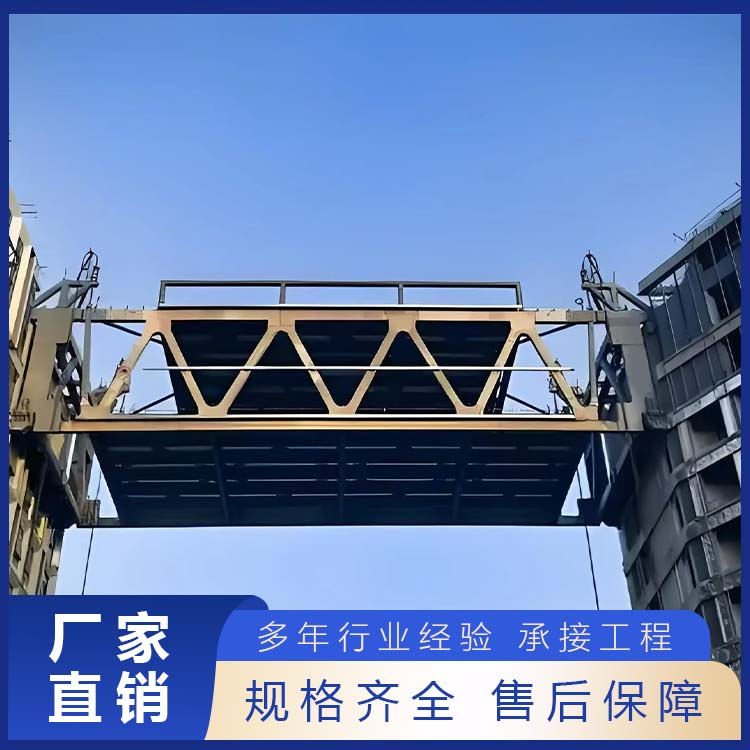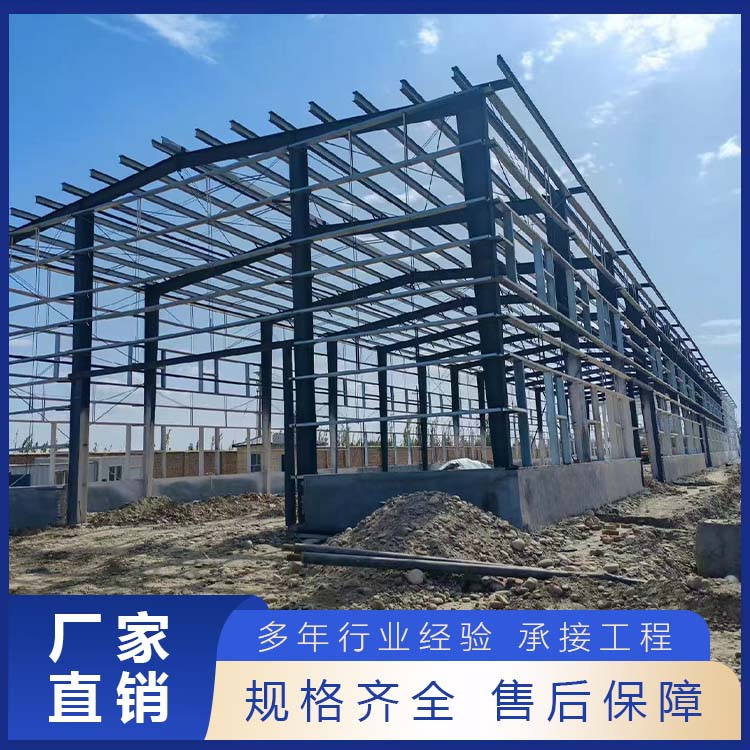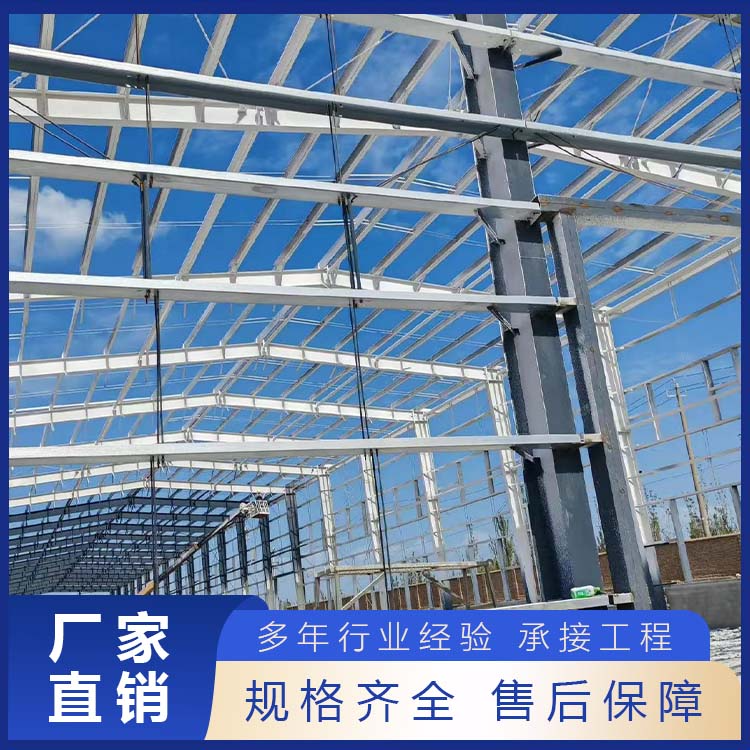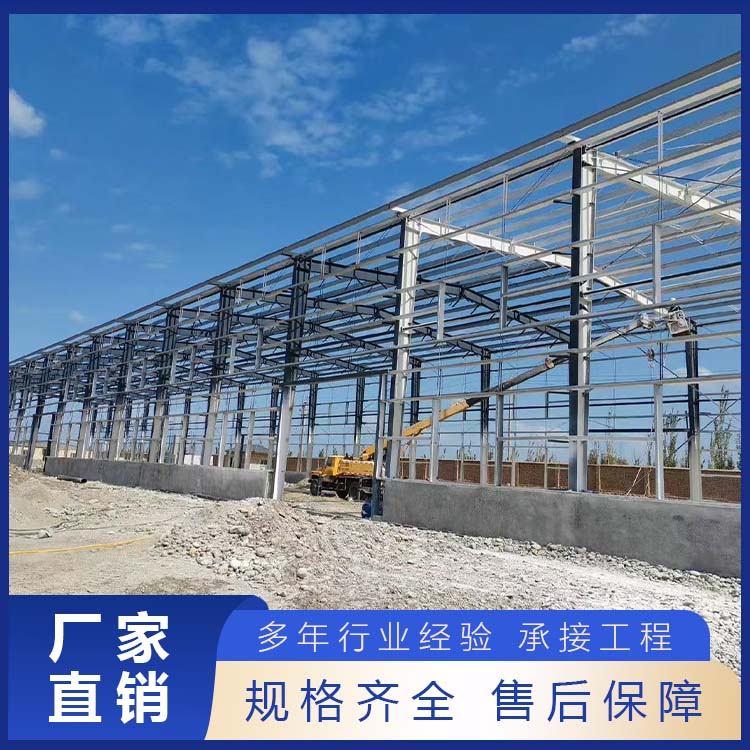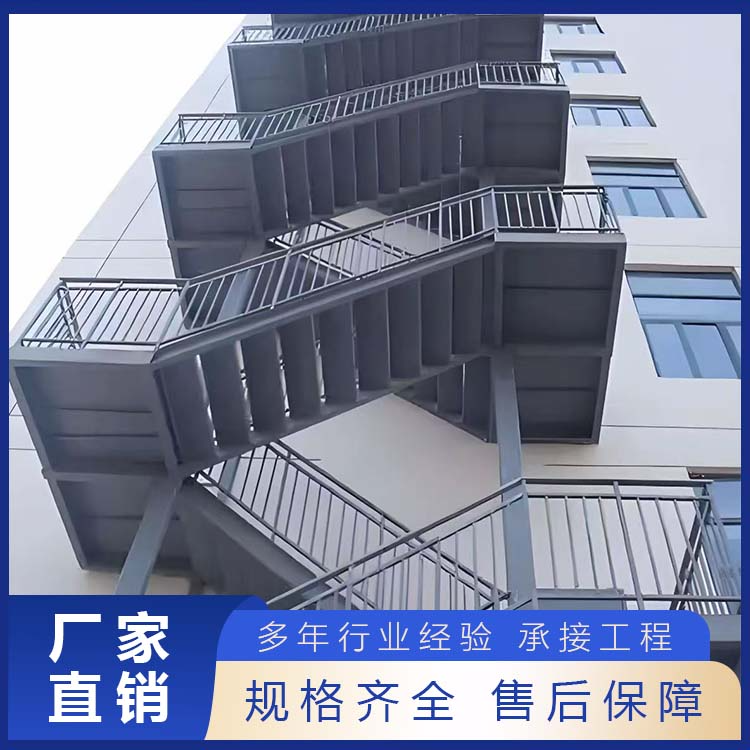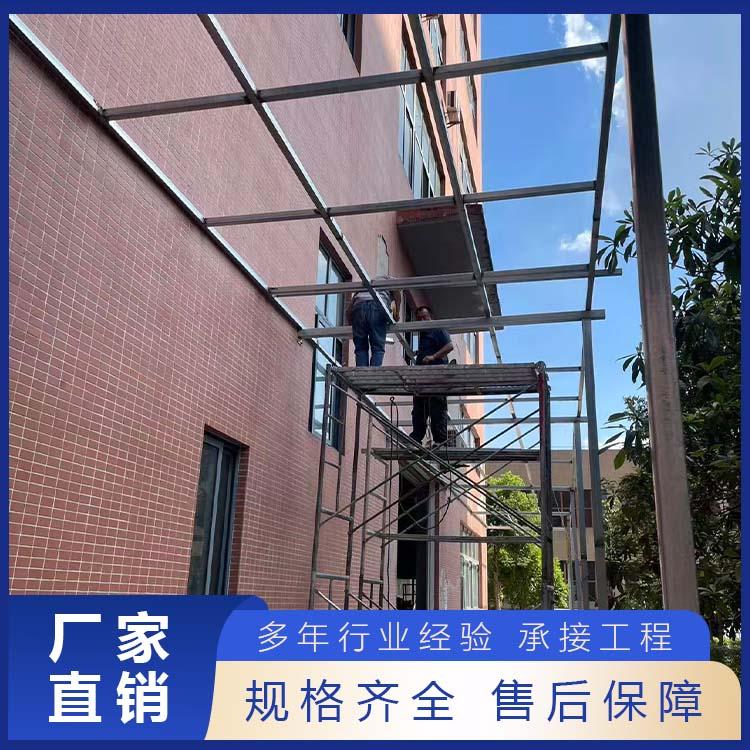
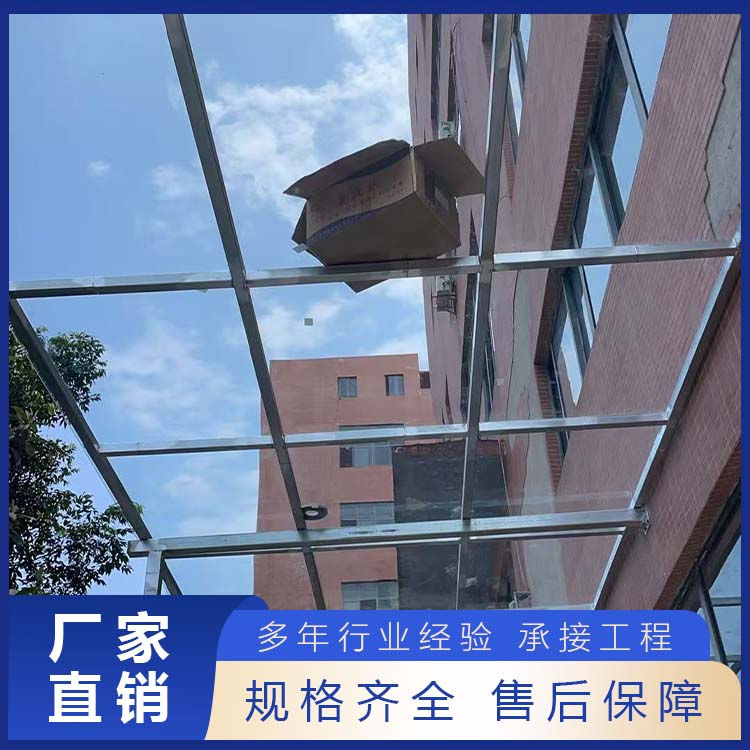
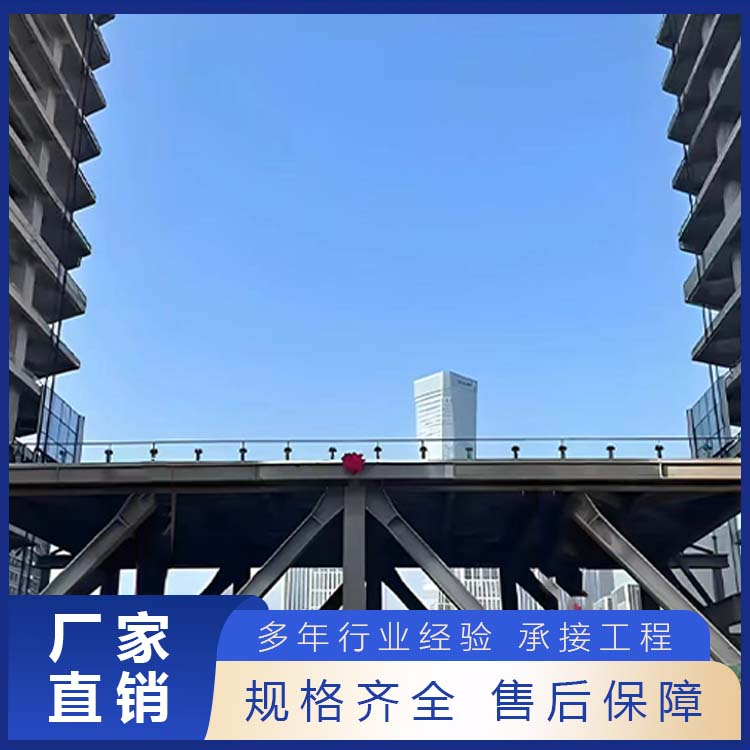
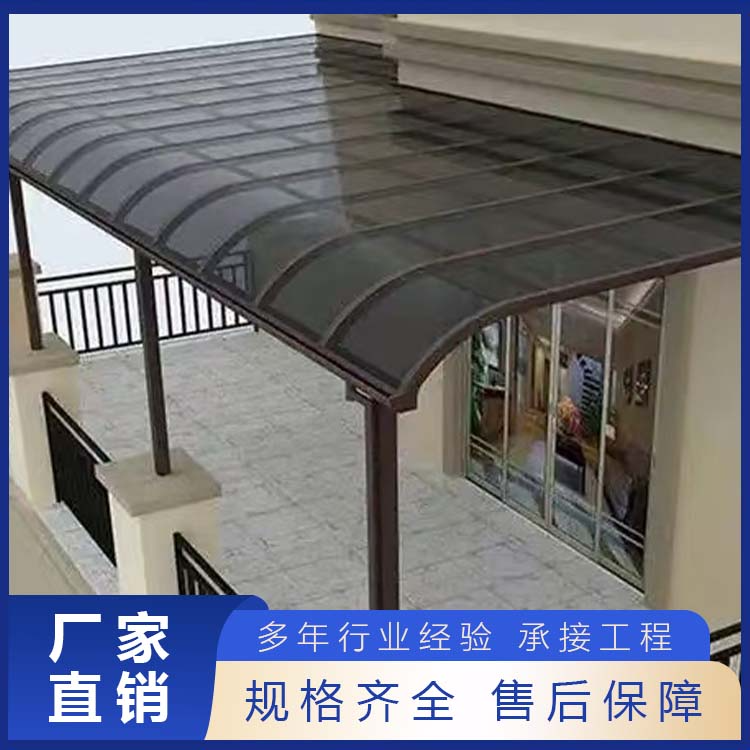
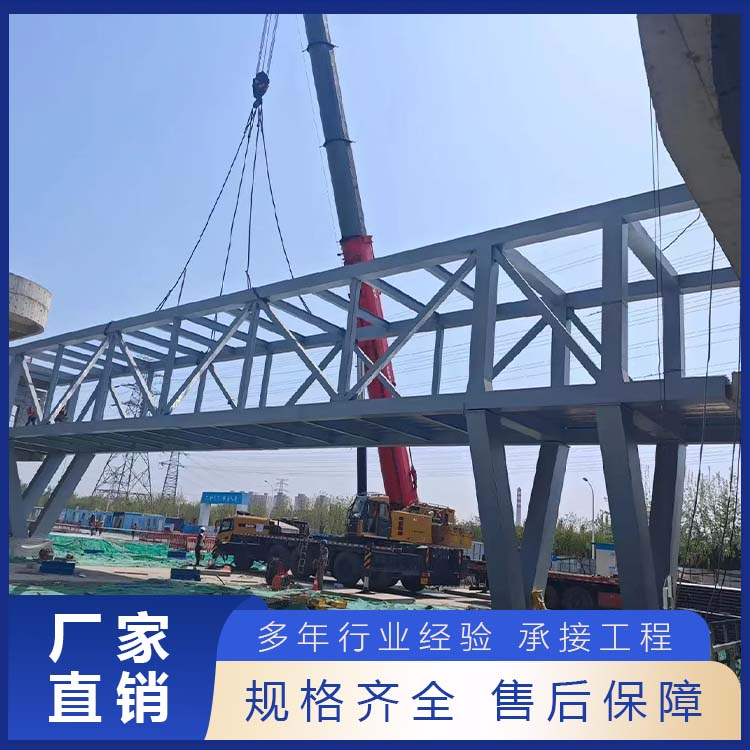





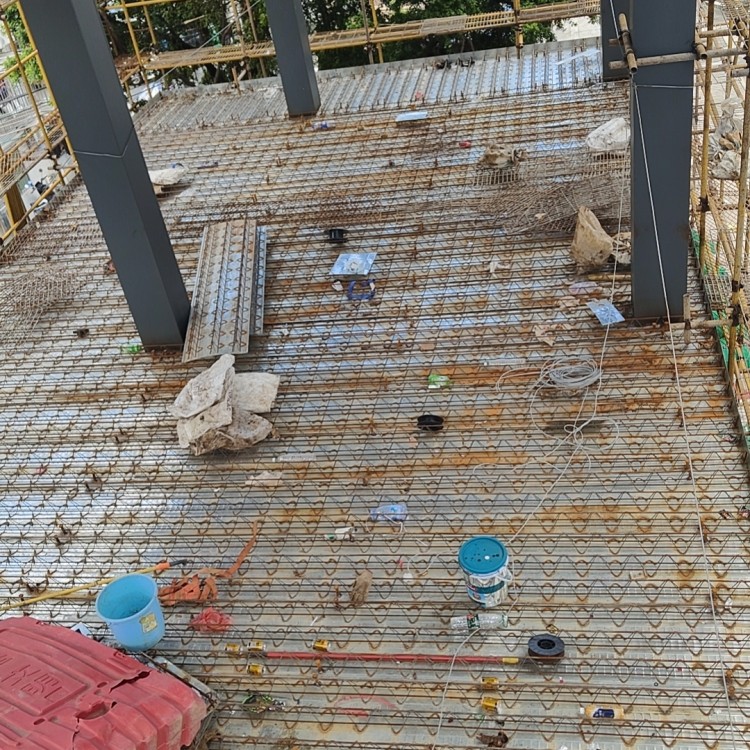

Structural steel engineering, as a significant structural form in the modern construction field, boasts numerous remarkable advantages:
High strength, light weight
High-strengthSteel possesses high tensile and yield strength, capable of bearing substantial loads, which has led to its widespread application in large-span and high-rise buildings.
LightweightCompared to concrete structures, steel structures have a lower unit volume weight. Under the same load and span, the total weight of a steel structure building is lighter, about half that of a reinforced concrete structure, which helps reduce the pressure on the foundation and cut down on the cost of foundation engineering.
Two: Fast construction speed, short project duration
Standardized productionSteel structural materials can be produced in a standardized manner, with a short processing and manufacturing cycle, significantly enhancing construction efficiency.
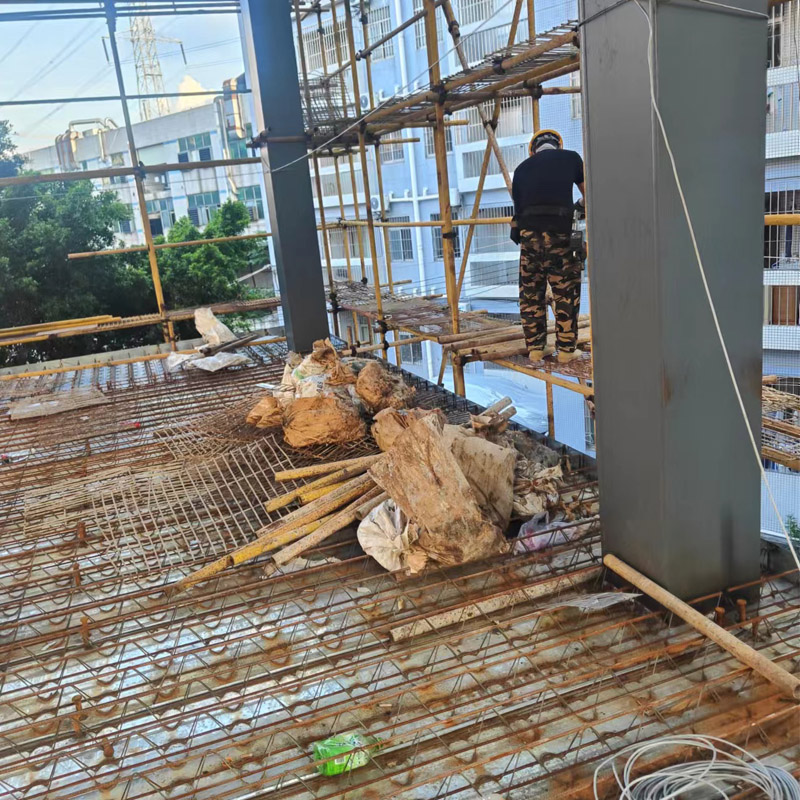
Rapid assemblyStructural steel components can be quickly assembled on-site, reducing wet work in traditional construction like concrete pouring, thereby shortening the construction period. Statistics show that the duration of steel structure projects can be at least one-third shorter than that of traditional housing systems, with a 1,000-square-meter building potentially completed in just 20 days.
Flexible and adaptable
Flexible spatial layoutThe large open space design of the steel structure engineering allows for flexible partitioning of the interior space, catering to the needs of different users.
Easy to move and disassembleSteel structure buildings are easy to disassemble and reassemble, with good recyclability, suitable for temporary constructions or buildings that require frequent changes in use.