










Overview of Network Flooring
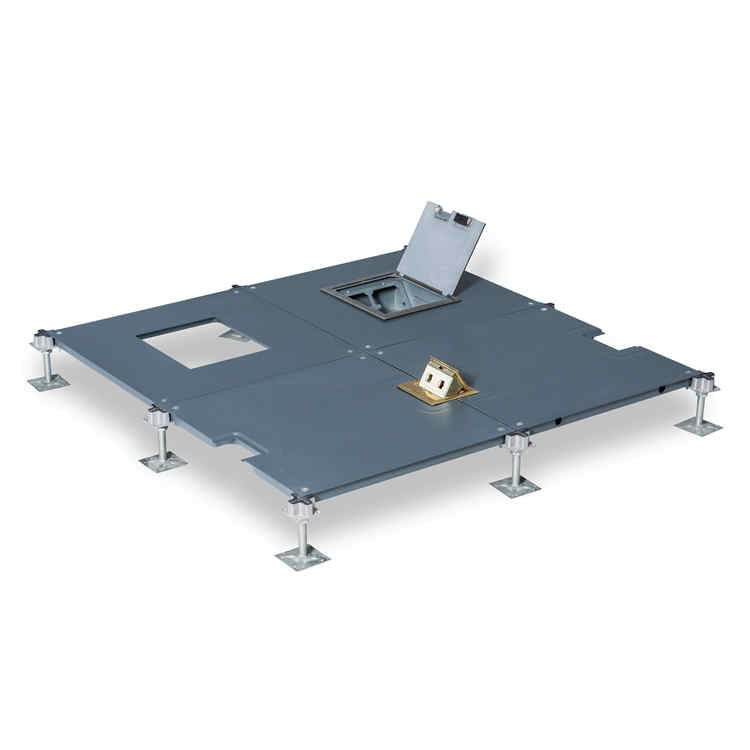
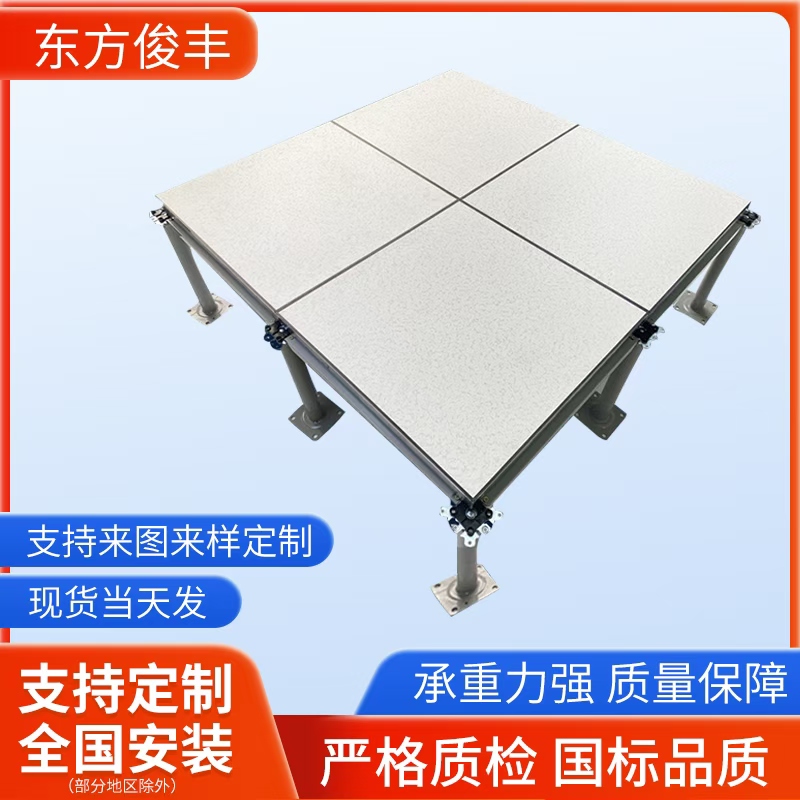
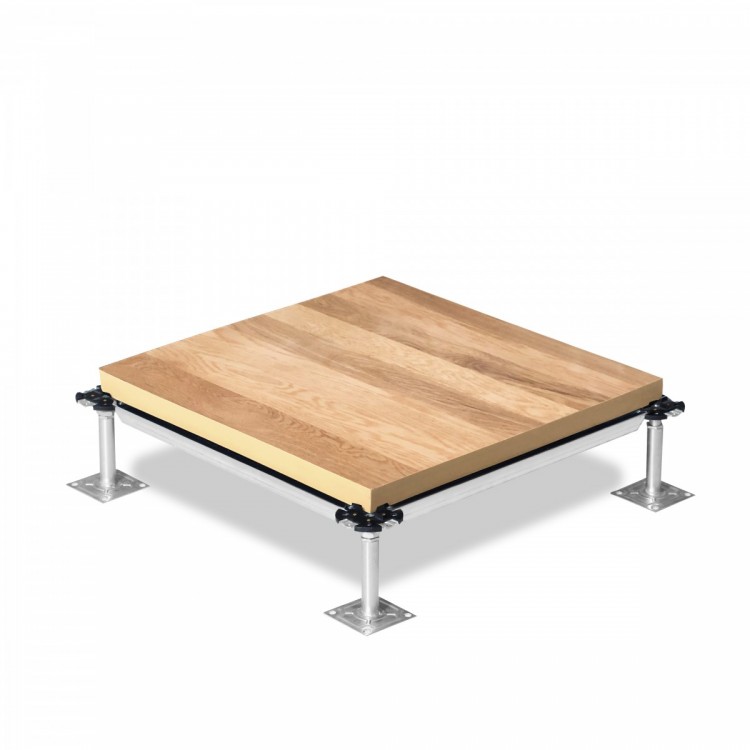
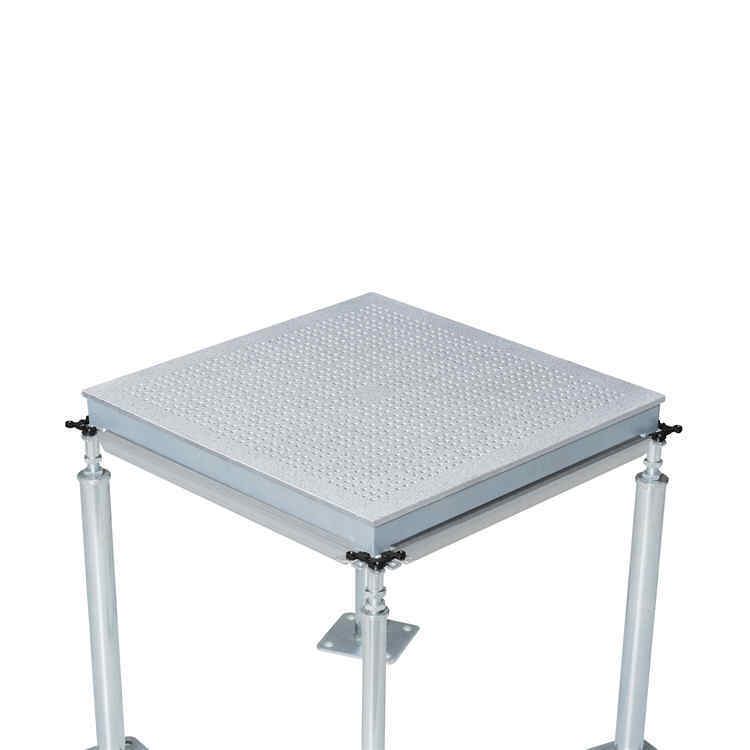
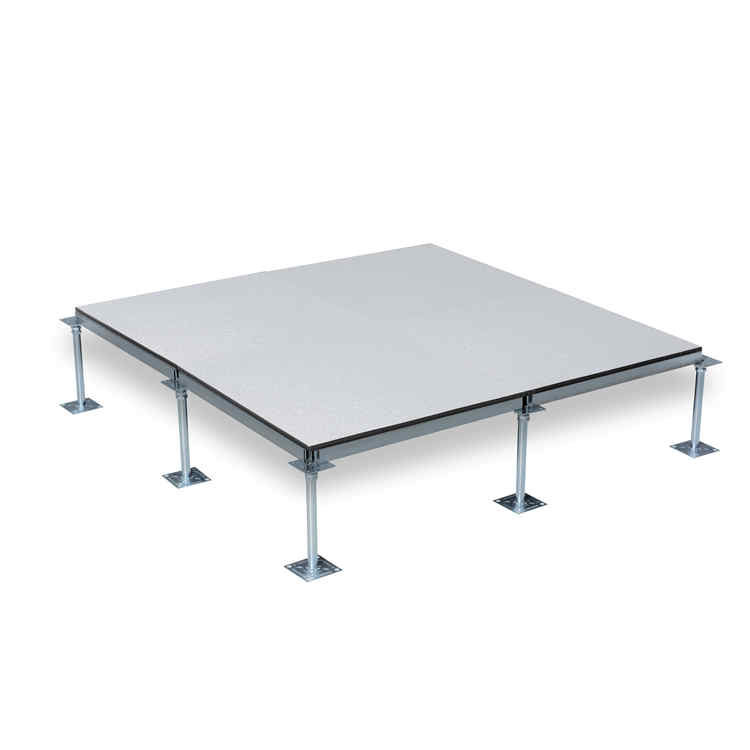
Network flooring, also known as raised access floor, is a specialized floor system primarily used in data centers, server rooms, and office buildings where efficient space usage and flexible cabling are essential. Its core function is to provide an adjustable and easily manageable pathway for cables and pipes, allowing them to be concealed beneath the floor, maintaining aesthetics and facilitating future maintenance and expansion.
Primary Structure
Laminate flooring typically consists of the following components:
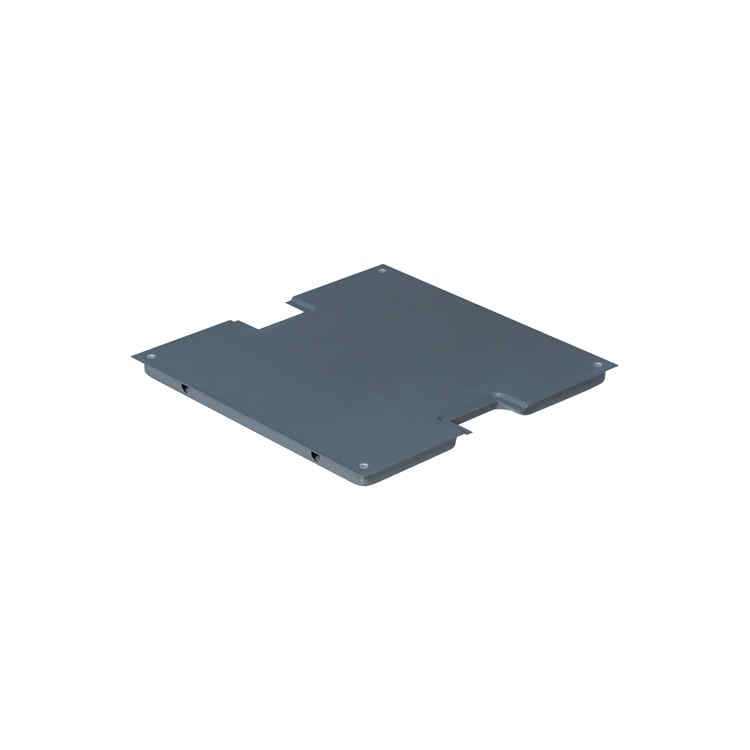
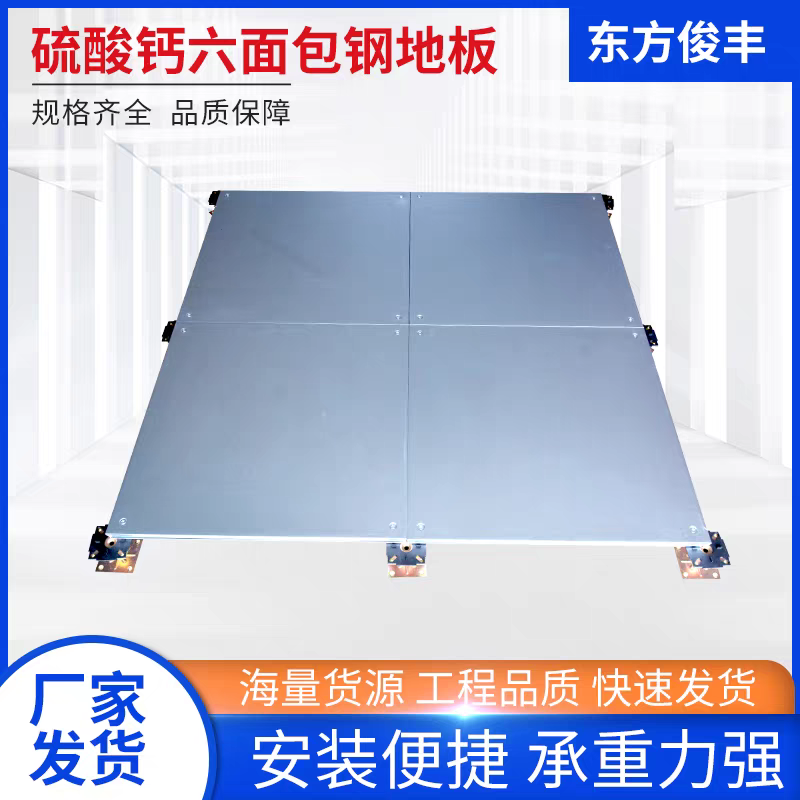
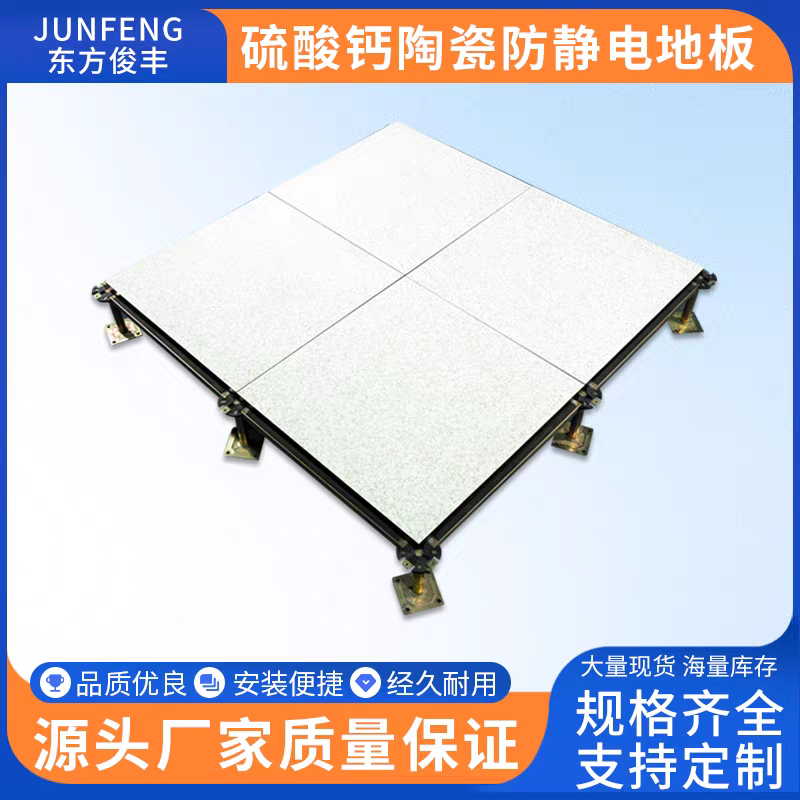
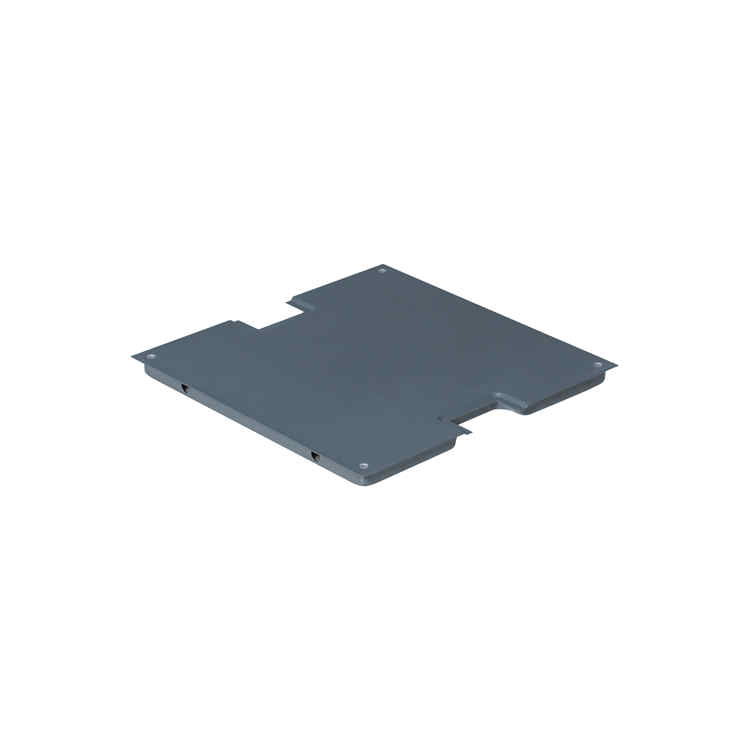
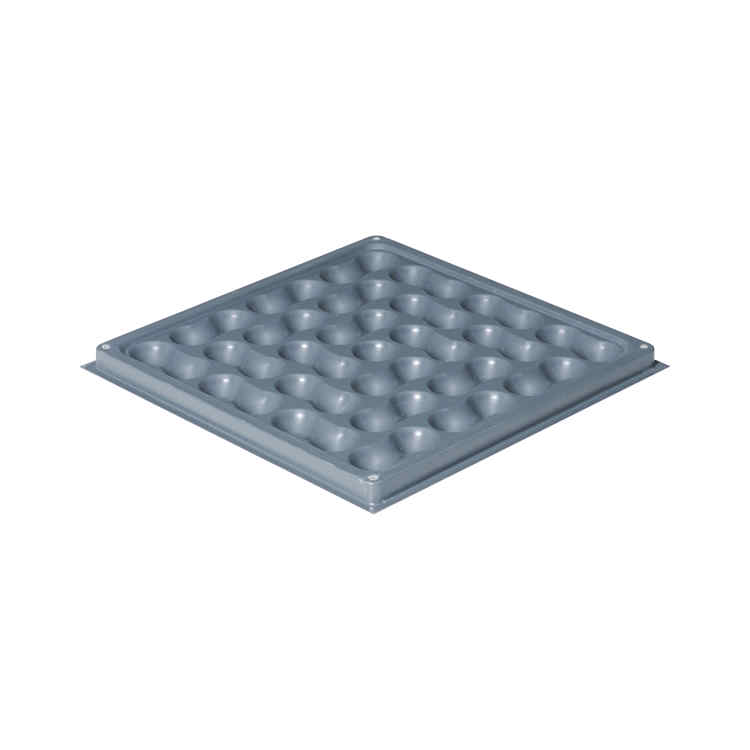
Flooring panelsTypically made of calcium sulfate, aluminum alloy, and other materials, it features pressure resistance, wear resistance, and corrosion resistance.
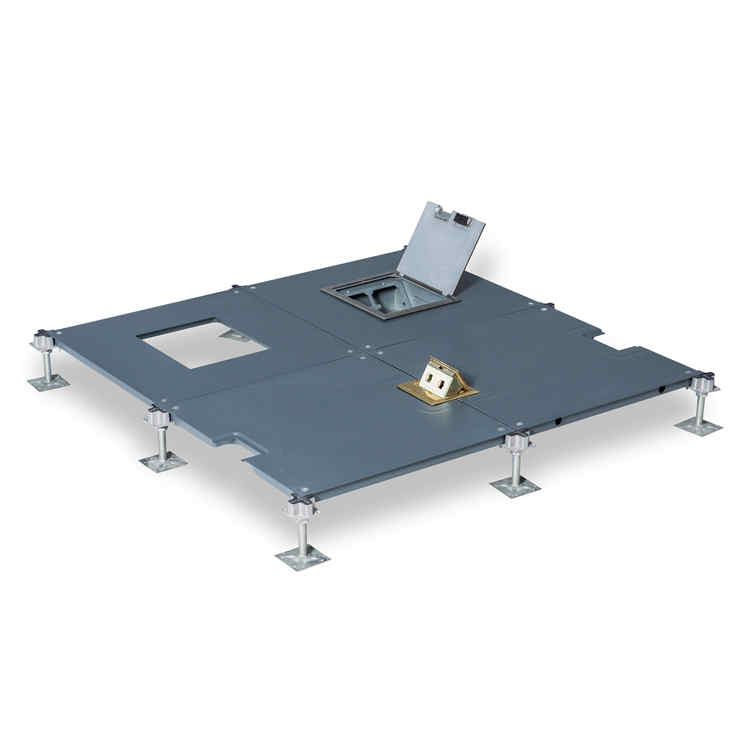
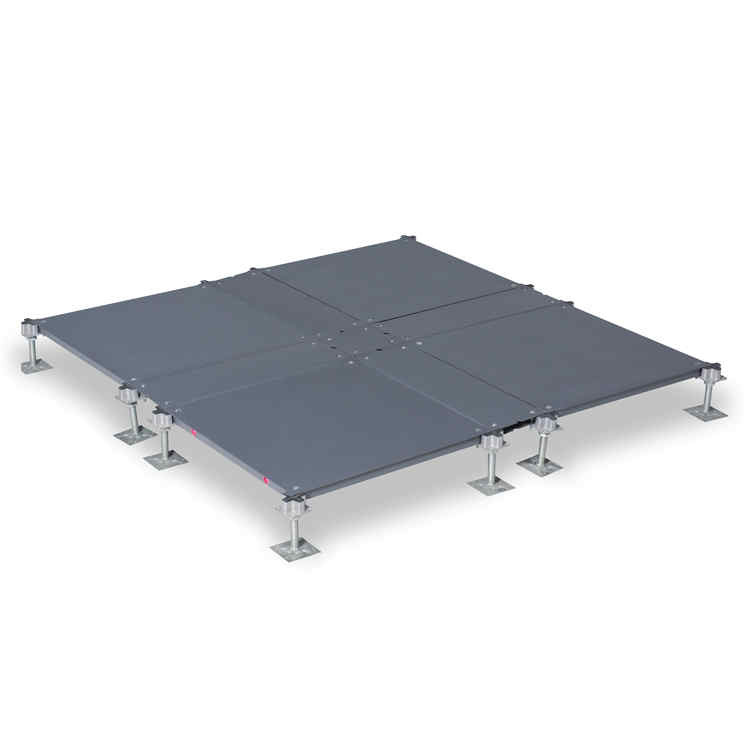
Supporting StructureIncluding brackets and pillars, providing support for the panels, assisting in bearing the weight above, and ensuring the ground stability.
BaseUsed for securing supporting structures, which can be made of concrete, metal, and other materials, ensuring the stability of the entire system.
Key Features and Advantages
Flexibility
The design of the network flooring system allows users to freely adjust the layout underneath the floor according to their needs. Reconfiguring cables and pipes is easy when adding new equipment or adjusting existing ones, saving time and effort.Easy to maintain
Through the network flooring system, effective cable management and equipment maintenance can be achieved. As cables are concealed underground, it reduces obstacles encountered during routine maintenance, enhancing work efficiency.Excellent heat dissipation performance
The network flooring design allows air to circulate freely beneath the floor, aiding in cooling equipment, reducing the temperature in server rooms, and enhancing the efficiency and lifespan of the equipment.Safety
High-quality network flooring made with fire-resistant materials offers superior safety performance in high-risk environments such as server rooms. Additionally, the system can withstand heavy loads, ensuring the ground's load-bearing capacity.Aesthetics
Network flooring can conceal cables and pipes, maintaining the overall aesthetics of rooms such as server rooms. Additionally, various surface treatments are available to cater to different aesthetic needs.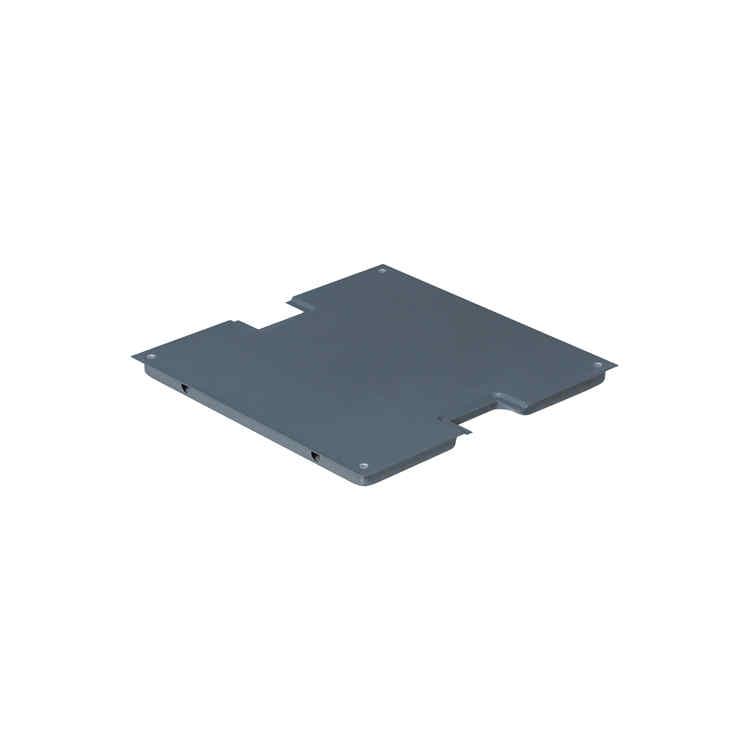
Application Fields
Data Center
In data processing and storage-intensive environments, network flooring efficiently manages cables, enhances air circulation, and protects equipment from malfunctions.Data Center
Its load-bearing capacity and flexible configuration make network flooring an ideal choice for server rooms.Office Building
In large open-plan offices, network floors offer flexible layouts to meet the needs of various departments.Lab
In a lab environment where equipment stability and safety are crucial, network flooring offers a solution to ensure smooth experimental procedures.