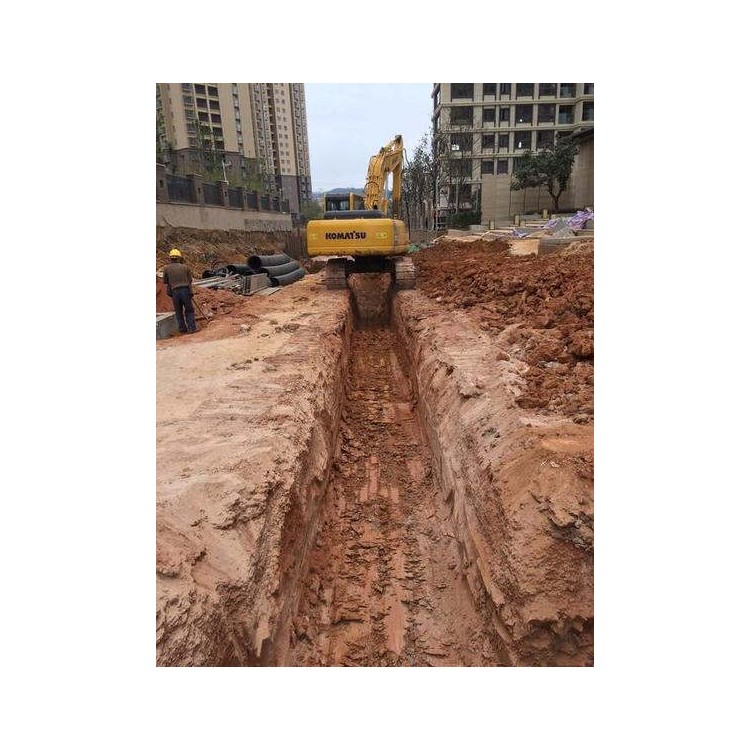

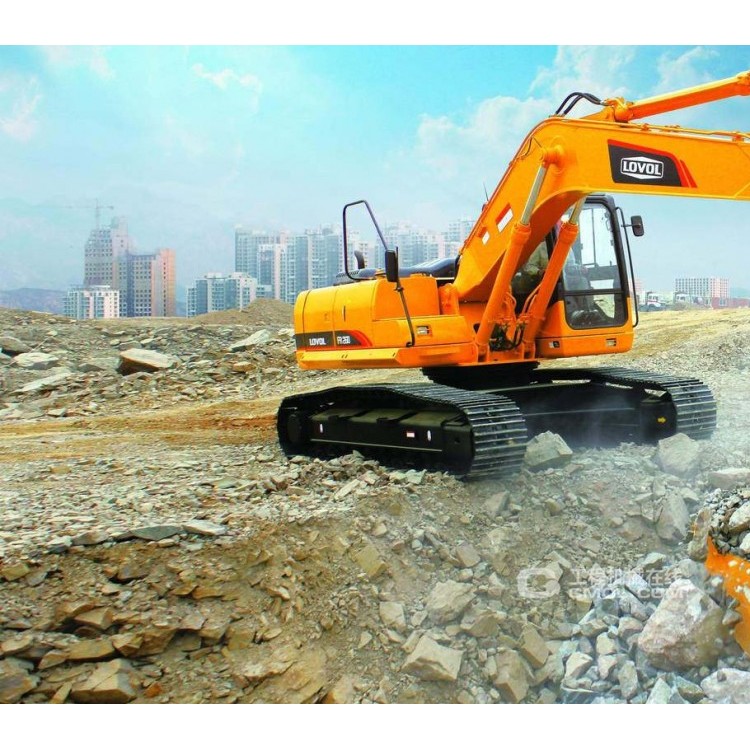










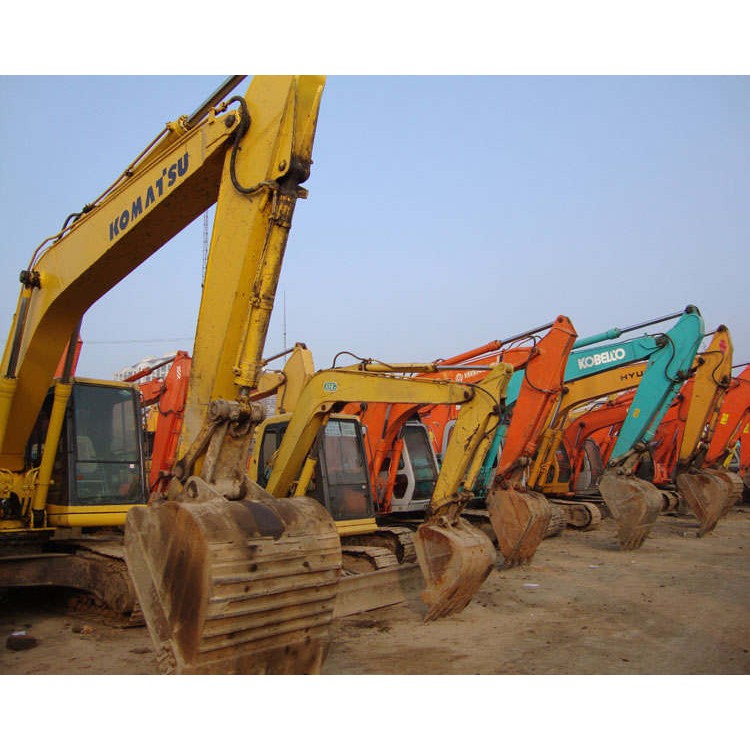
Here are some key points regarding excavator rentals:
I. Rights and Obligations of the Lessor and Lessee
The lessor shall ensure the excavator is in good working condition, equipped with all necessary accessories, and delivered to the lessee on time for use.
Lessee is obligated to use the excavator as agreed and must not lend, rent out, or damage the equipment without authorization.
For instance, strictly adhere to operational guidelines and avoid tasks exceeding the excavator's load capacity.
II. Rental Fees and Payment Methods
Be clear about the rental calculation method, whether it's by day, month, or by the amount of work.
If calculated by the day, the rent is a fixed amount; if by the volume of work, the price per cubic meter or per ton must be determined.
Regulate the time and method of rent payment, such as on a specific date each month via bank transfer or cash.
Section 3: Equipment Usage Scope and Operating Hours
Limit the excavator's operating area to prevent lessees from using it in unauthorized locations.
Agreed daily working hours, and whether overtime and overtime pay are included and calculated.
IV. Maintenance and Repair
Establish who is responsible for routine maintenance, typically the lessor handles major repairs while the lessee is responsible for daily upkeep.
For example, the lessee is responsible for regular checks of engine oil and filters, while the lessor handles major engine repairs.
If the excavator encounters a malfunction during use, both parties should communicate and negotiate the repair matters promptly.
V. Insurance and Liability
The lessor shall purchase necessary insurance, such as equipment insurance and third-party liability insurance.
For instance, in the event of property damage or personal injury to third parties during excavator operations, the insurance is responsible for the corresponding compensation.
The responsibility for accidents caused by the lessee's improper operation is clearly borne by the lessee.
Section 6: Return of Equipment
Lessee shall return the excavator on time after the lease term expires, ensuring the integrity and normal condition of the equipment.
In case of damage or missing parts, compensation shall be made in accordance with the agreement.
The lessor should conduct an inspection and acceptance upon receiving the returned excavator.
Article 7: Liability for Breach of Contract
Both parties should agree on the breach of contract liability for any party that violates the contract terms.
For example, if the lessee fails to pay rent on time, a late fee should be imposed; if the lessor fails to deliver the excavator on time, the corresponding rent should be reduced or waived.
Clear dispute resolution methods, such as negotiation, arbitration, or litigation.
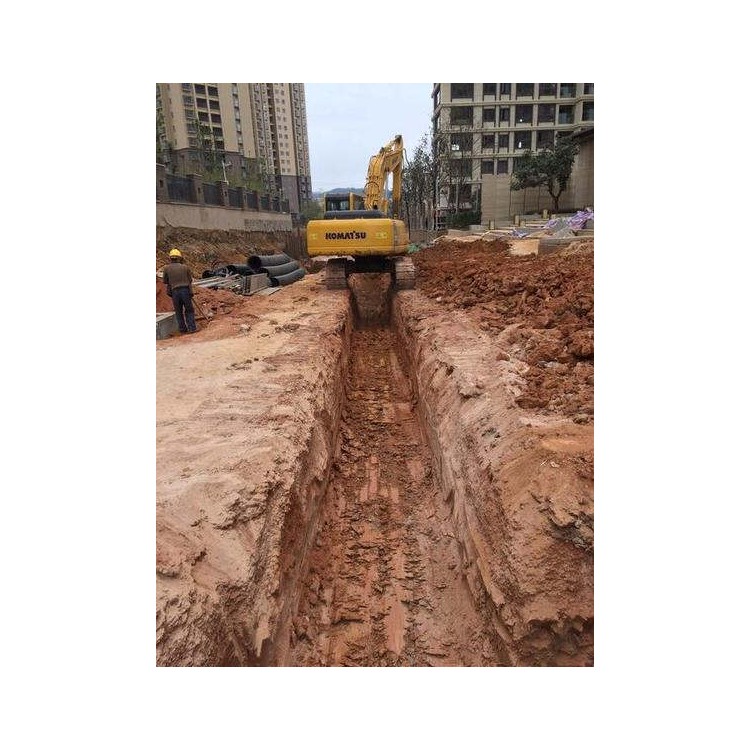
In summary, during the excavator rental process, both parties should enter into a detailed lease agreement, clearly specifying the aforementioned major matters to safeguard their respective rights and interests.