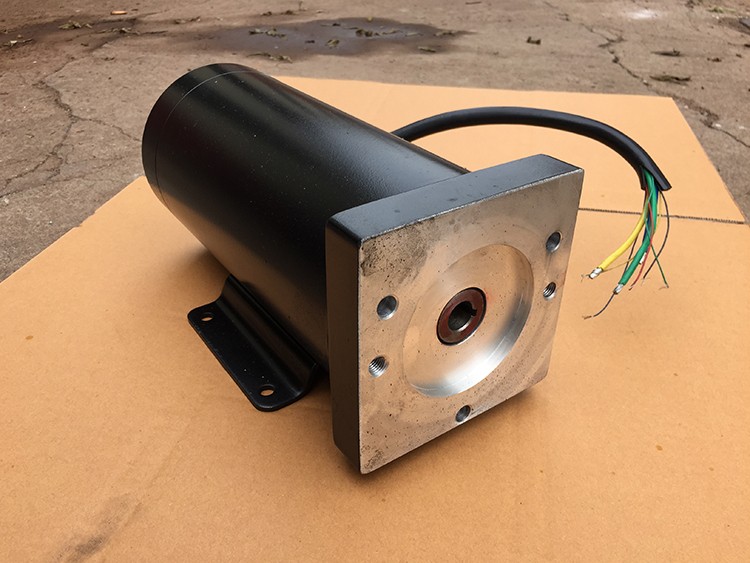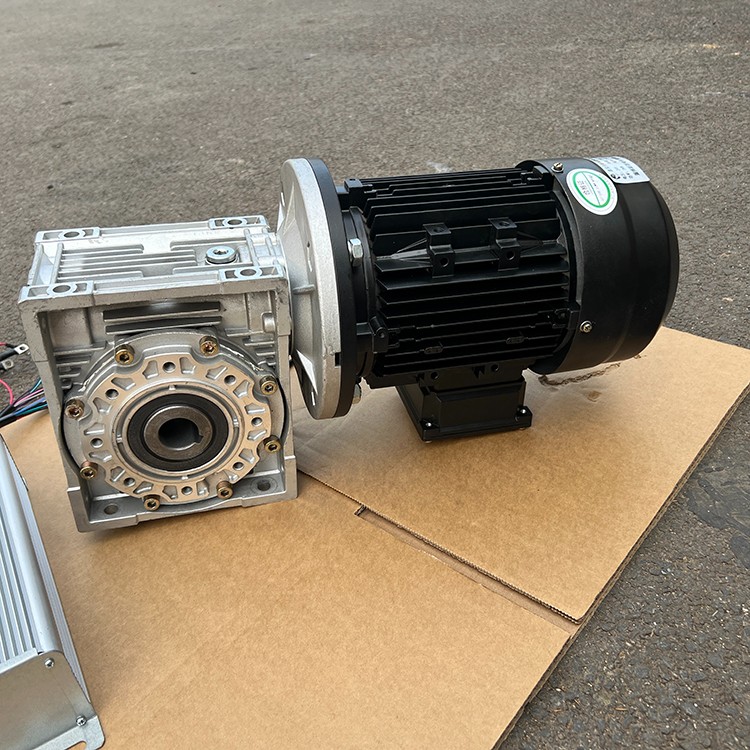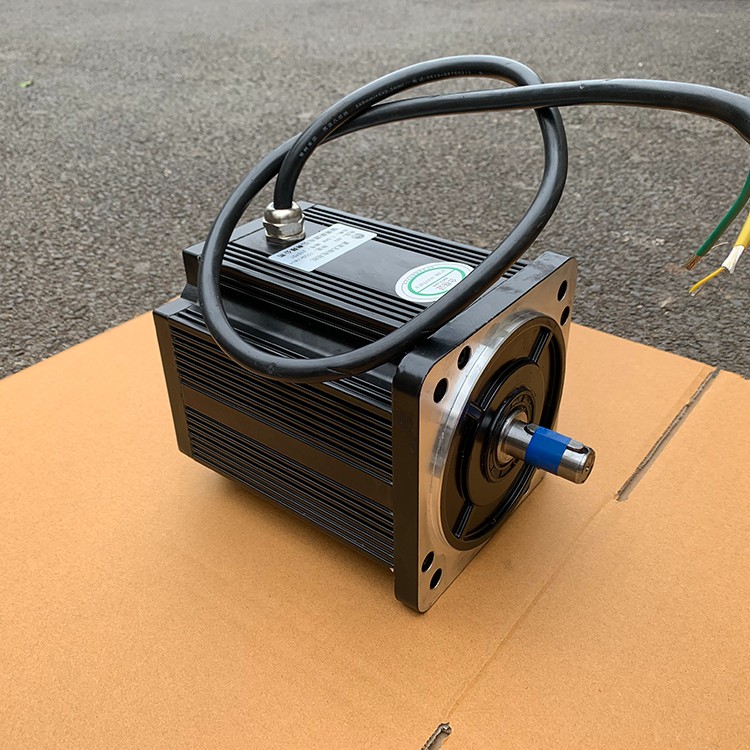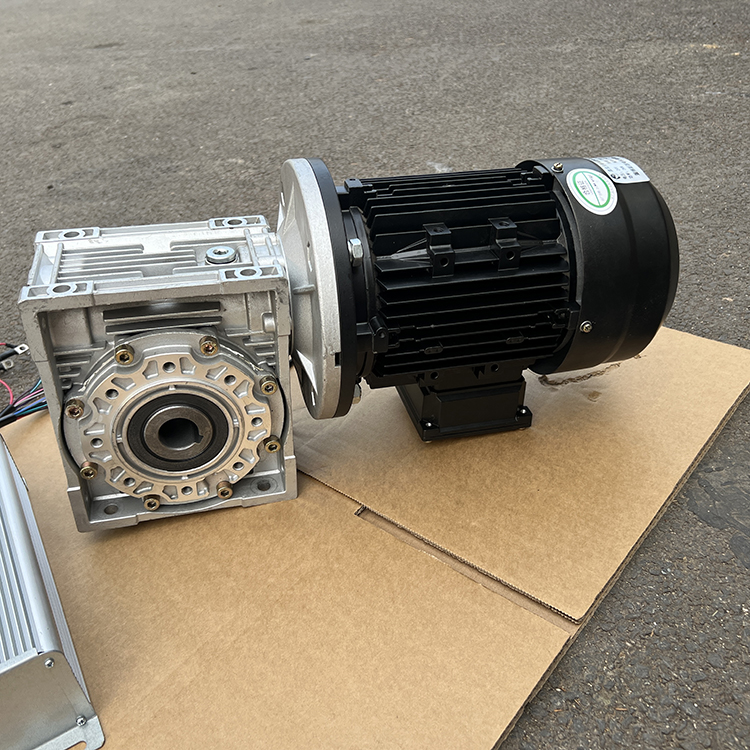

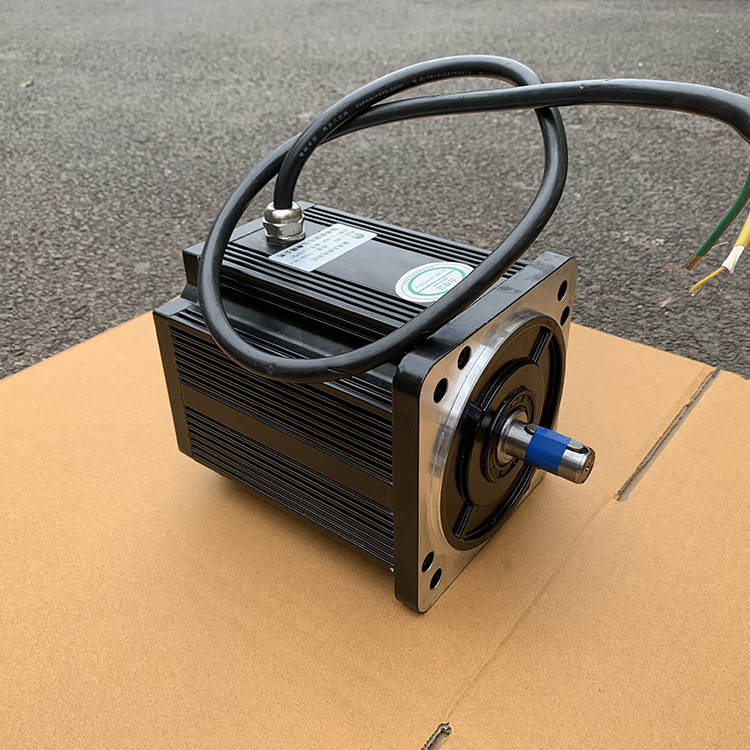


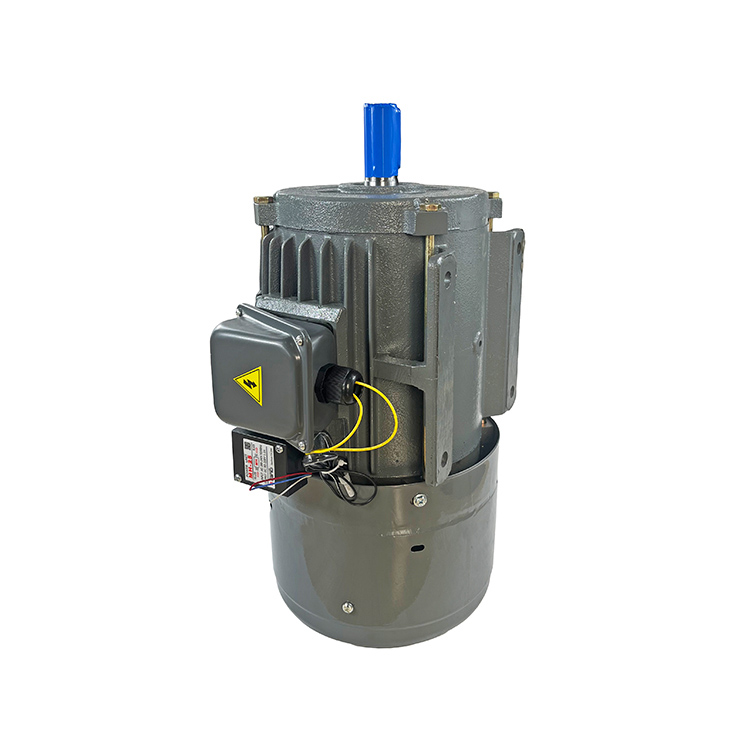
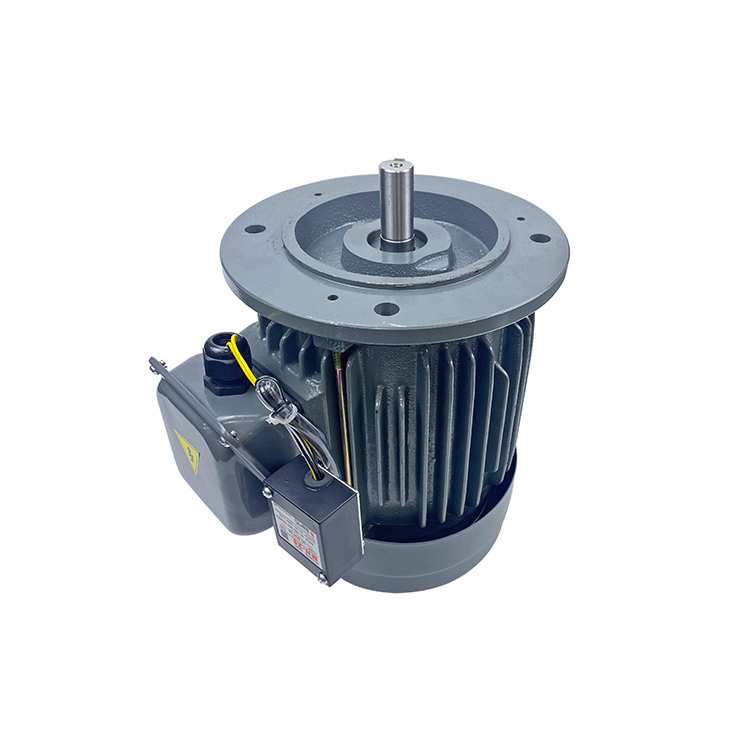
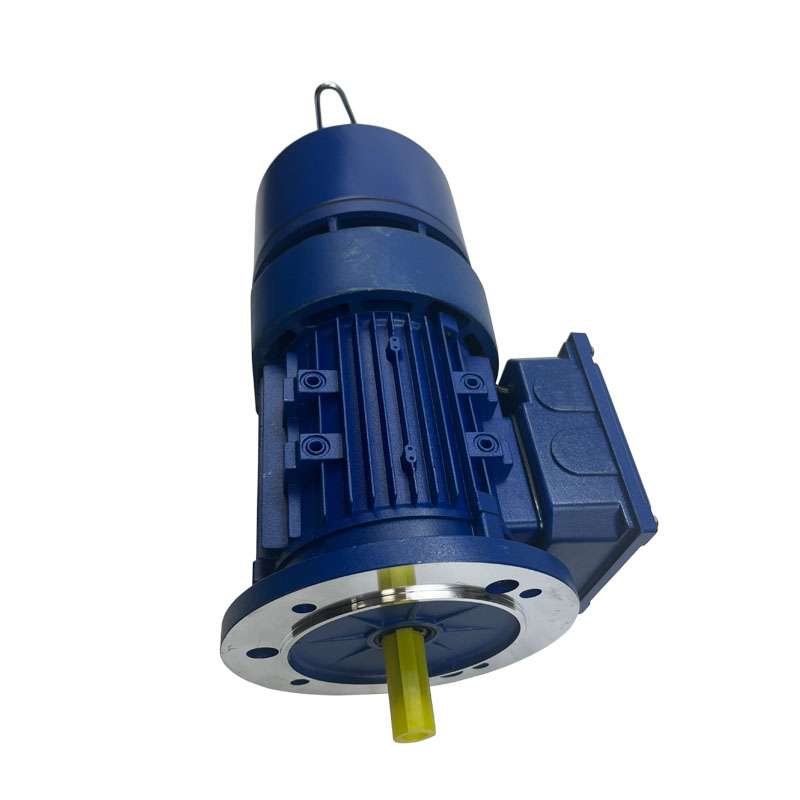






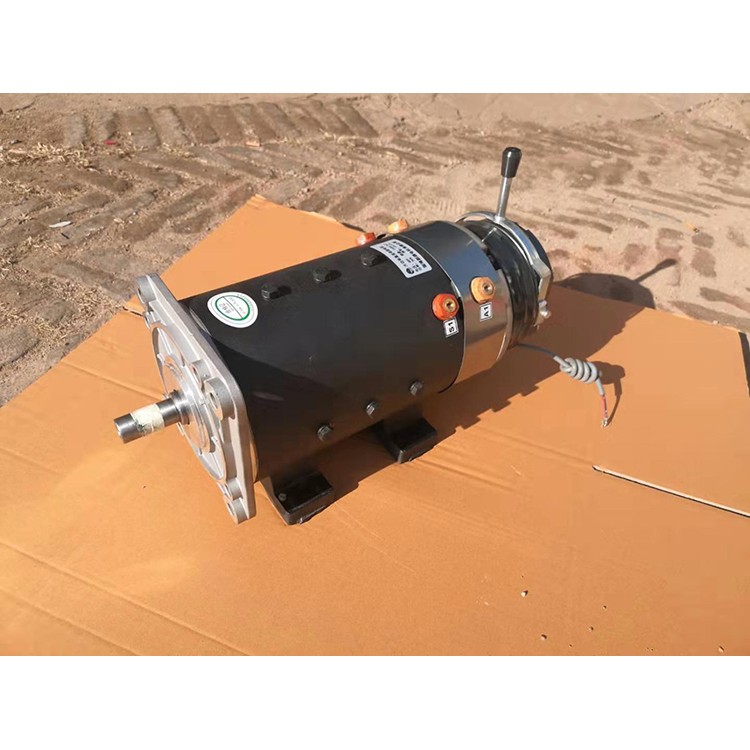

Brushless DC Motor
I. Product Introduction
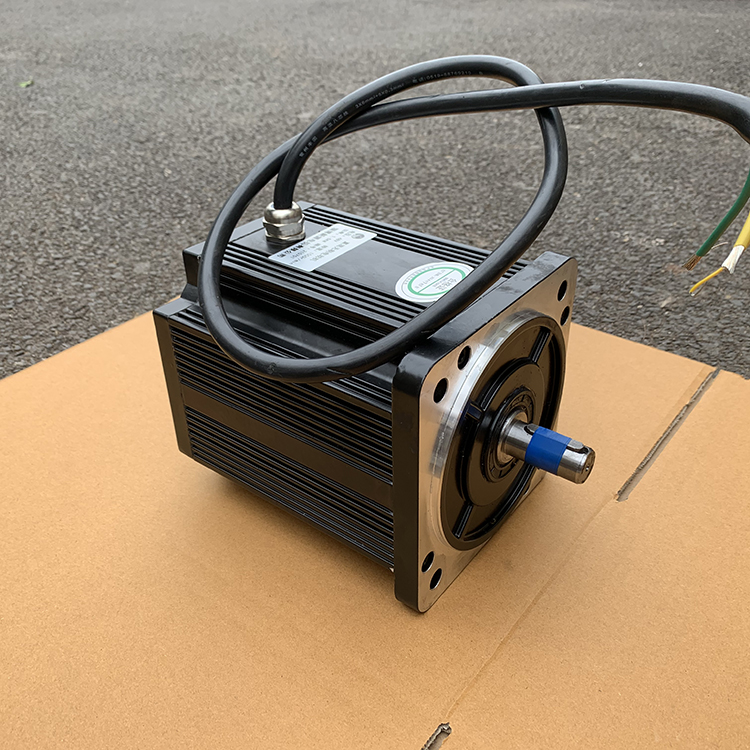
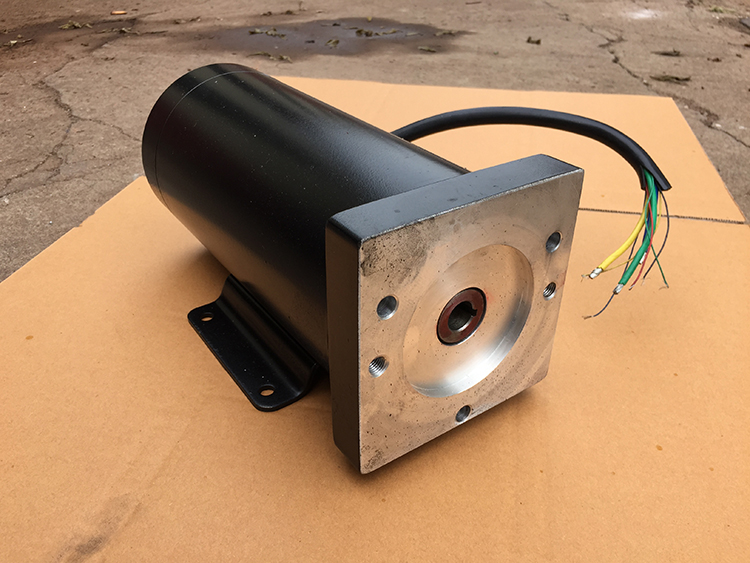
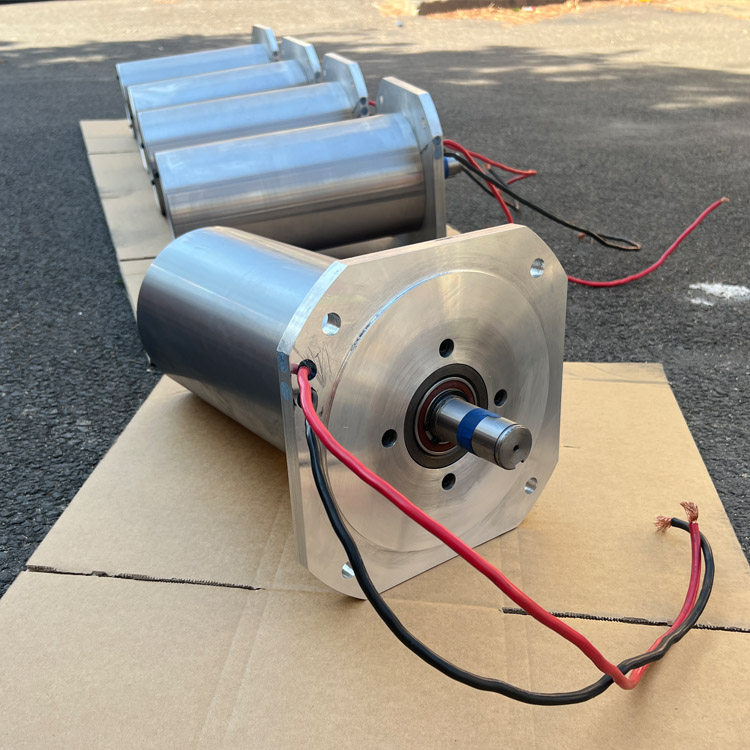
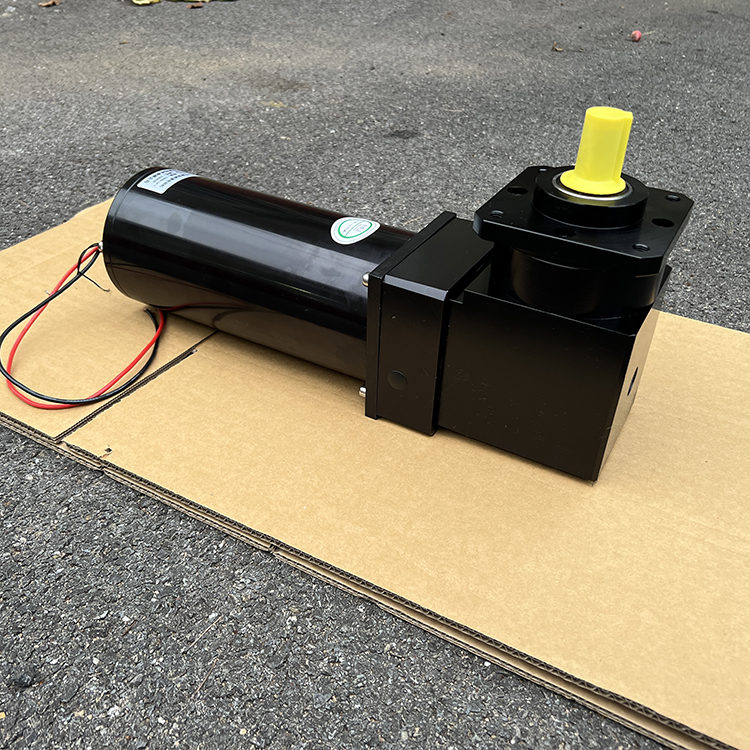
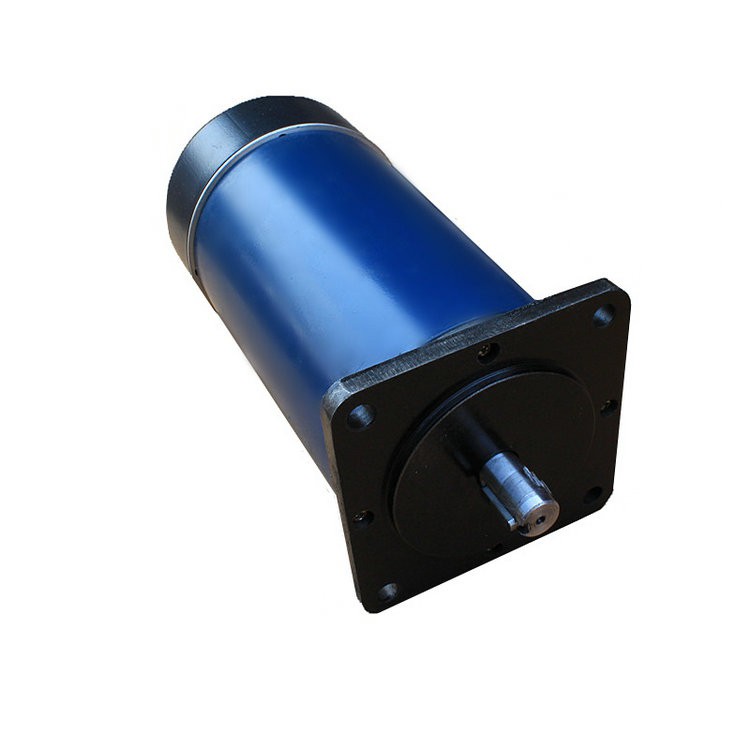
This motor eliminates the brush, resulting in a direct change of no electrical sparks produced during the brush motor's operation. This significantly reduces interference to remote radio equipment from the sparks. Without the brush, the motor experiences greatly reduced friction during operation, running smoothly with much lower noise. This advantage supports the stability of model operation.
This motor lacks brushes, so the main wear occurs in the bearings. From a mechanical standpoint, the motor is almost maintenance-free, requiring only dusting maintenance when necessary. Comparing this with brushed motors, the advantages of the brushless motor are clear. However, not everything is perfect; brushed motors excel in low-speed torque and have a high torque, making them irreplaceable in certain applications. Nonetheless, with the decreasing cost of brushless controllers and the advancement of brushless technology and market competition, brushless power systems are rapidly developing and becoming widespread, which has greatly promoted the development of model sports.
II. Cleaning Method:
1. Ensure compliance with cleanliness requirements for motor parts. During the repair process, different parts have varying cleanliness requirements. During assembly, mating parts have higher cleanliness requirements than non-mating parts, moving mating parts higher than static mating parts, and mating parts higher than non-mating parts. For surfaces that are painted, electroplated, or bonded, high cleanliness standards are essential. When cleaning, different cleaning agents and methods must be used according to the specific requirements to ensure the necessary cleaning quality.
2. Prevent corrosion of motor parts; any degree of corrosion on the parts is not permitted. When parts need to be stored after cleaning, consider the rust-preventing properties of the cleaning fluid or other rust-prevention measures.
Ensure safe operation and prevent fire from polluting the environment.
III. Structure
Its structure includes: stator, rotor, brushes, and commutator.
4. Working Principle
The principle is to convert the alternating electromotive force induced in the armature winding into direct current electromotive force by the commutator's cooperation with the brush's reversing action when it is drawn out from the brush end.
The main structure of a brushed DC motor consists of the stator, rotor, and brushes. It generates rotational torque through a rotating magnetic field, thereby outputting kinetic energy. The brushes continuously contact and rub against the commutator, playing a role in conducting electricity and changing phases during rotation.
Placing a coil in a magnetic field, as current flows through it, the coil is repelled by one magnetic pole and attracted by the other, causing it to rotate continuously. During rotation, reversing the current flow through the coil maintains its continuous spinning. The motor contains a component called a commutator, which is powered by brushes located above it and moves with the rotation. By changing the brush position, the direction of the current can be altered. The commutator and brushes are essential structures for the rotation of a DC motor.