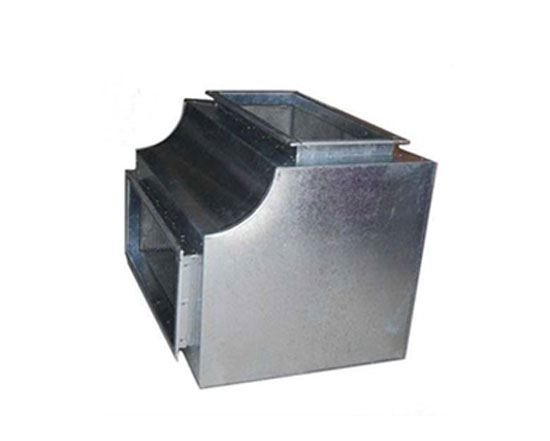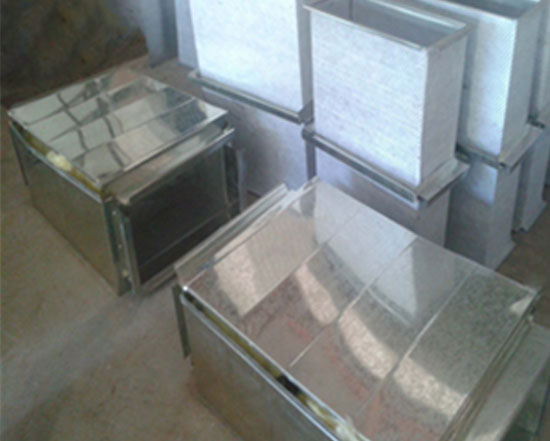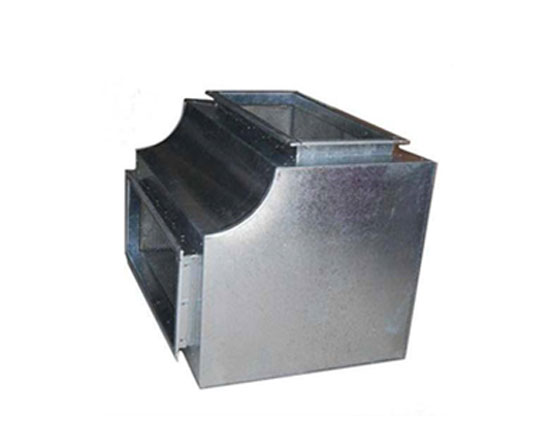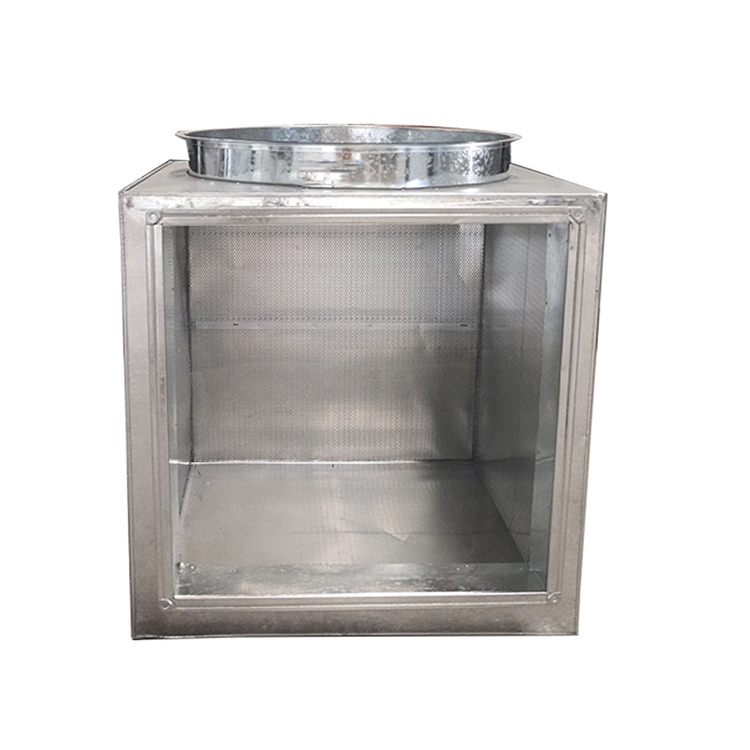

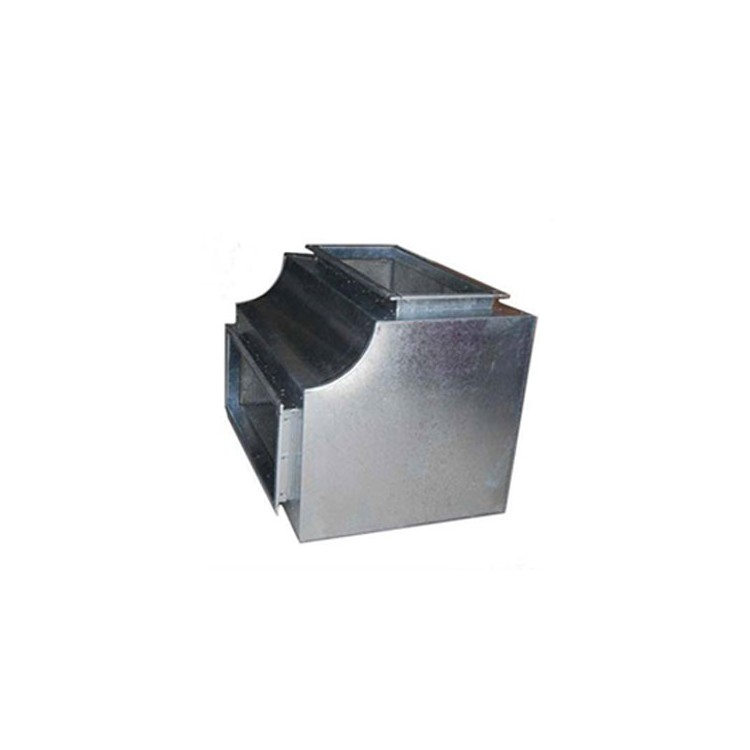

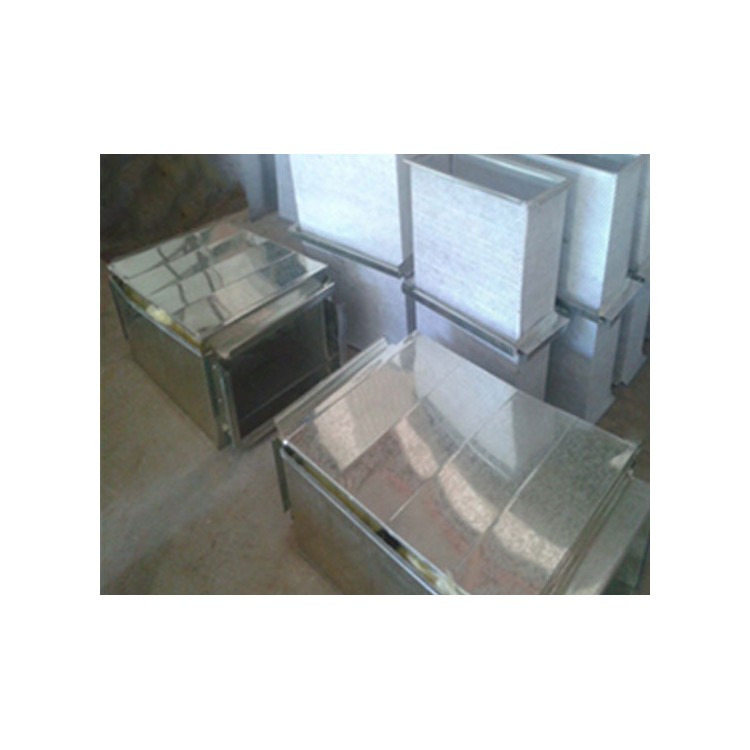
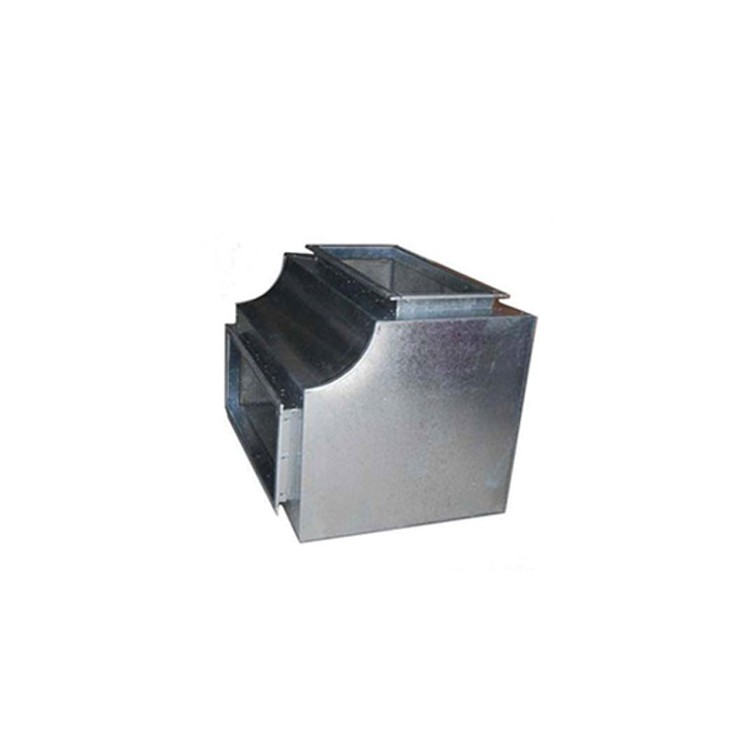


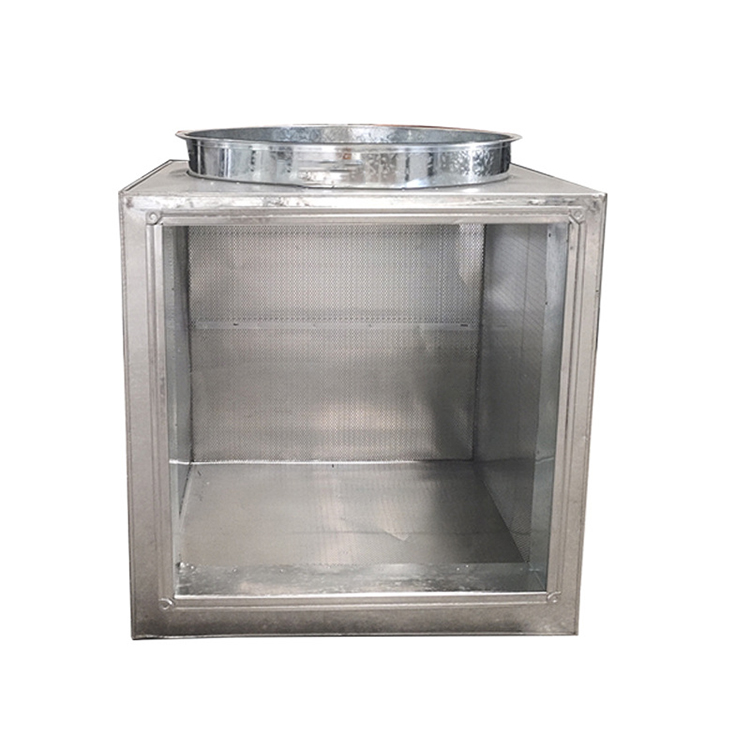





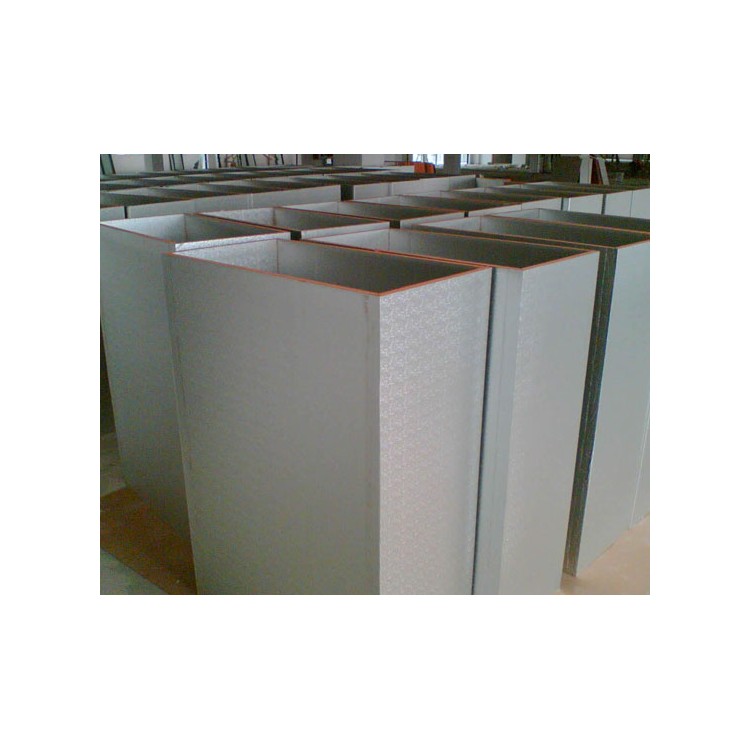
The static pressure box is an essential accessory for the air distribution system, designed to reduce dynamic pressure, increase static pressure, stabilize airflow, and minimize airflow vibration.
I. Function
Reduce Noise
Effectively reduces air flow noise in ventilation systems by slowing down high-speed airflow upon entering the static pressure chamber, thereby minimizing noise generated by air movement.
For locations with high noise requirements, such as libraries and laboratories, the role of the silencer box is particularly important.
Uniform Air Distribution
The design ensures uneven airflow from the fan is thoroughly mixed and buffered within the static pressure box, resulting in a more uniform discharge airflow.
This is crucial for areas requiring even air distribution, such as cleanrooms and air-conditioned rooms, ensuring that each zone receives the appropriate airflow and velocity.
Enhance system stability
By increasing static pressure, pressure loss within the piping system can be compensated, ensuring the stability of the entire ventilation system's pressure.
Especially in complex ventilation duct layouts, the static pressure box can balance the pressure of different branch pipes, enhancing the system's reliability and stability.
II. Structural Features
Box material
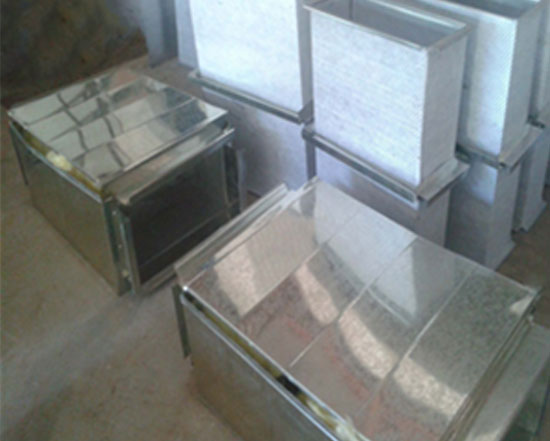
Generally made of metallic materials (such as galvanized steel sheets, stainless steel, etc.) or non-metallic materials (such as fiberglass, plastics, etc.).
Materials vary in characteristics; metallic ones are sturdy and durable, while non-metallic ones offer advantages such as corrosion resistance and lightweight.
Internal Structure
Internally, baffles or sound-absorbing materials are typically installed to optimize airflow and reduce noise.
The deflector guides airflow more smoothly, reducing vortices and resistance; the sound-absorbing material absorbs airflow noise, enhancing the acoustic performance of the ventilation system.
Section 3: Installation and Maintenance
Installation Location
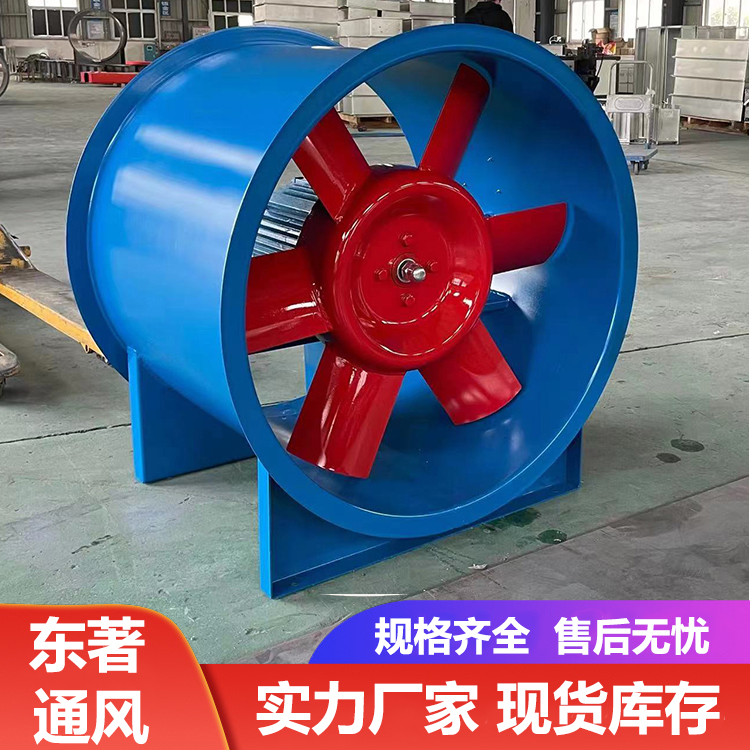
The static pressure box is commonly installed at the outlet of the ventilation system fan or between the air handling equipment and the supply duct.
The selection of installation location should consider the system layout, spatial constraints, and impact on air flow distribution.
Maintenance and care
Regularly inspect the internal condition of the static pressure box, clean out accumulated dust and debris, and ensure the airflow passage is clear.
Inspect the soundproofing material for any damage or aging, and replace it promptly if necessary.
For metal static pressure boxes, pay attention to check for rust and perform anti-corrosion treatment promptly.