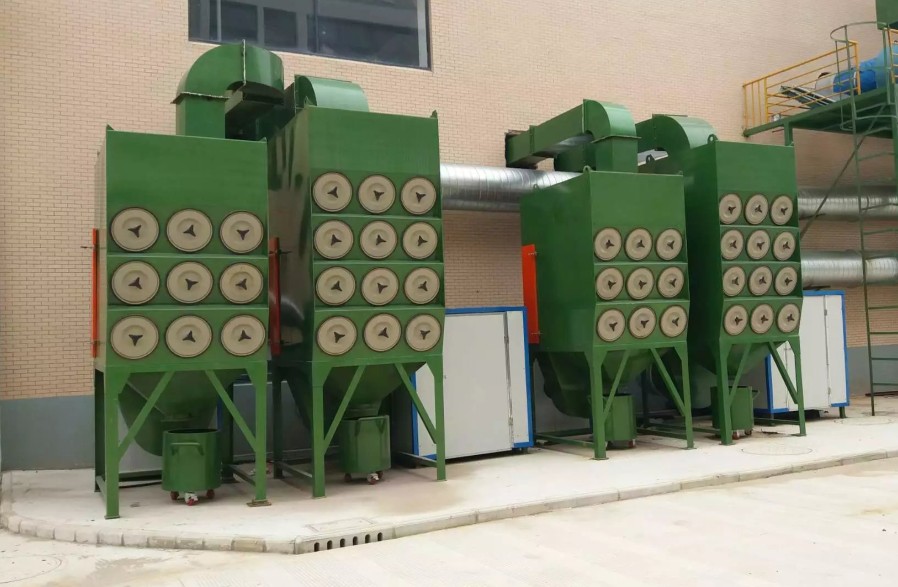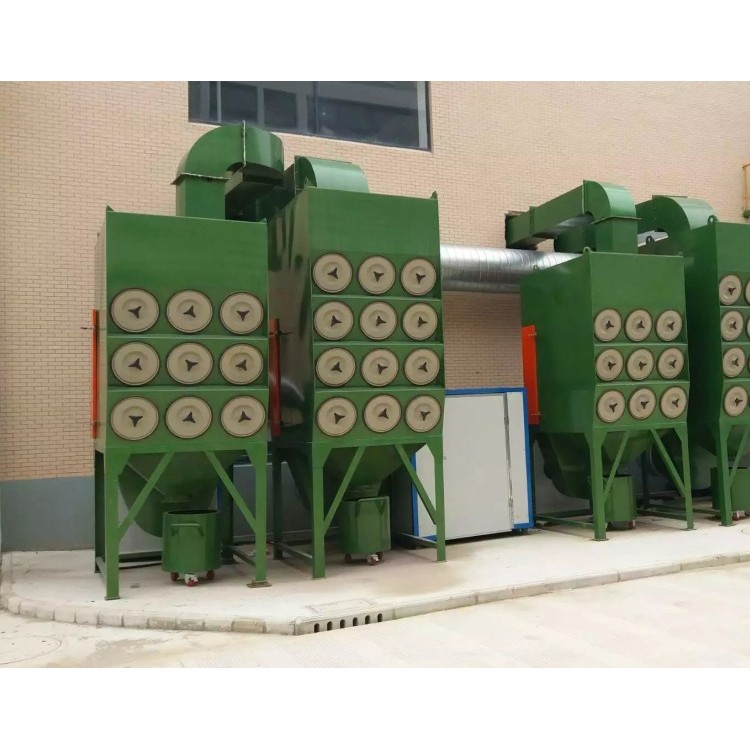

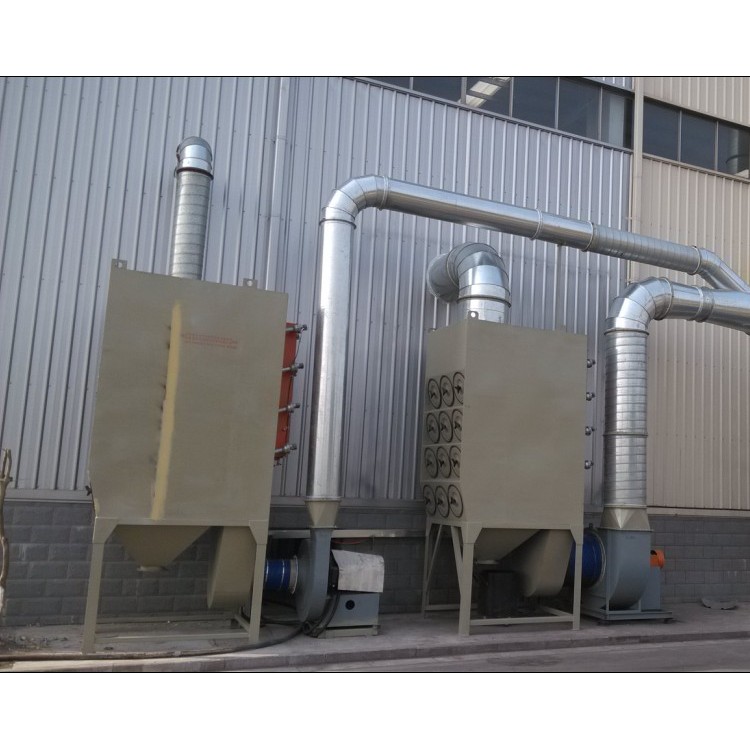
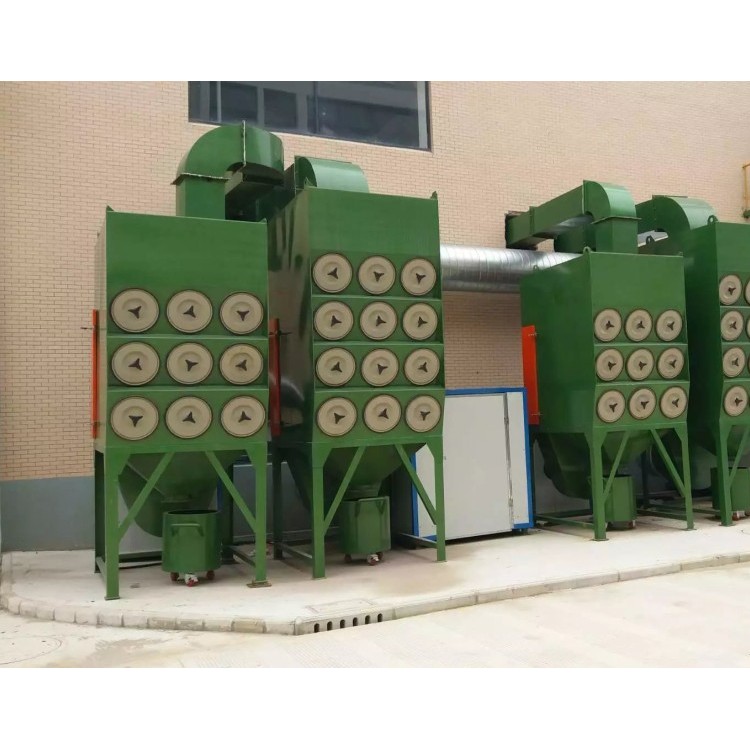


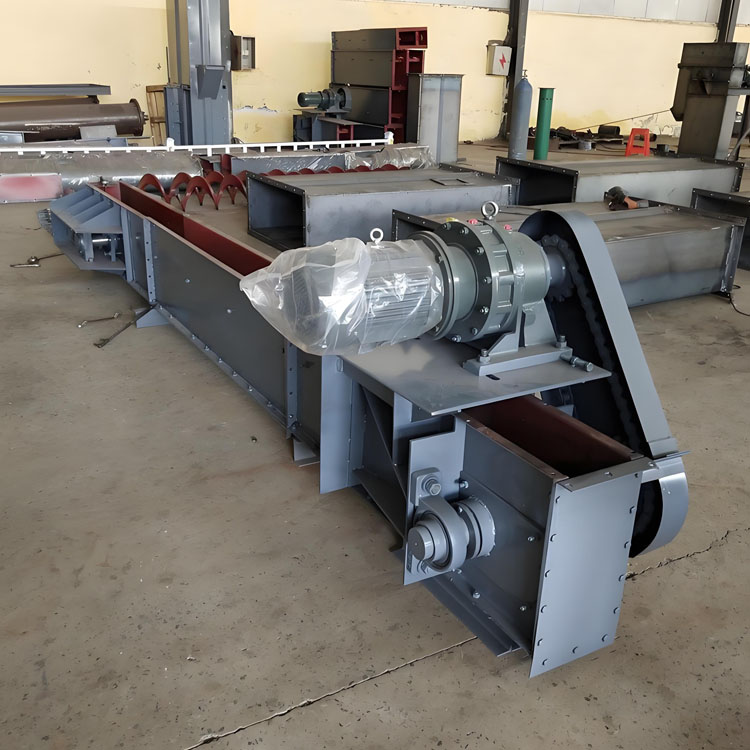
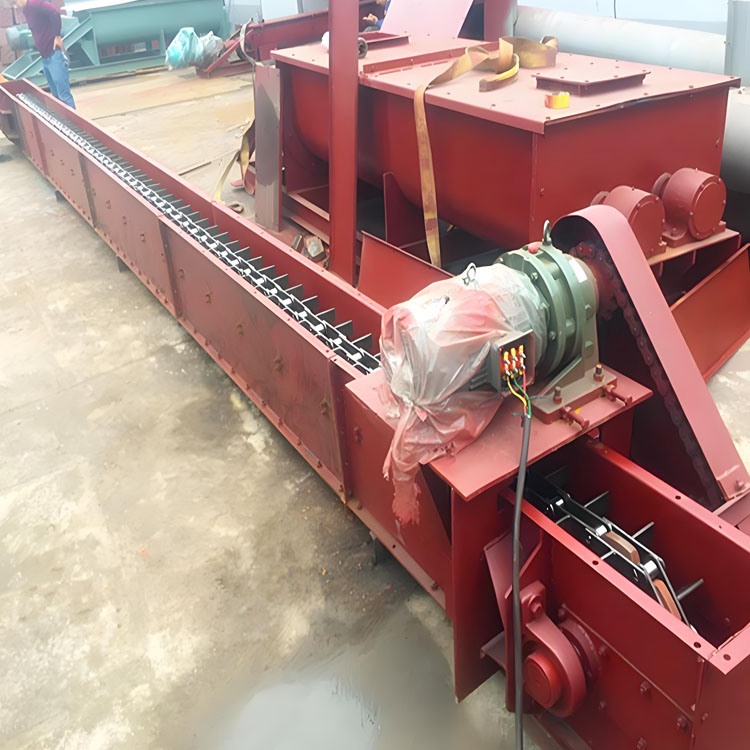

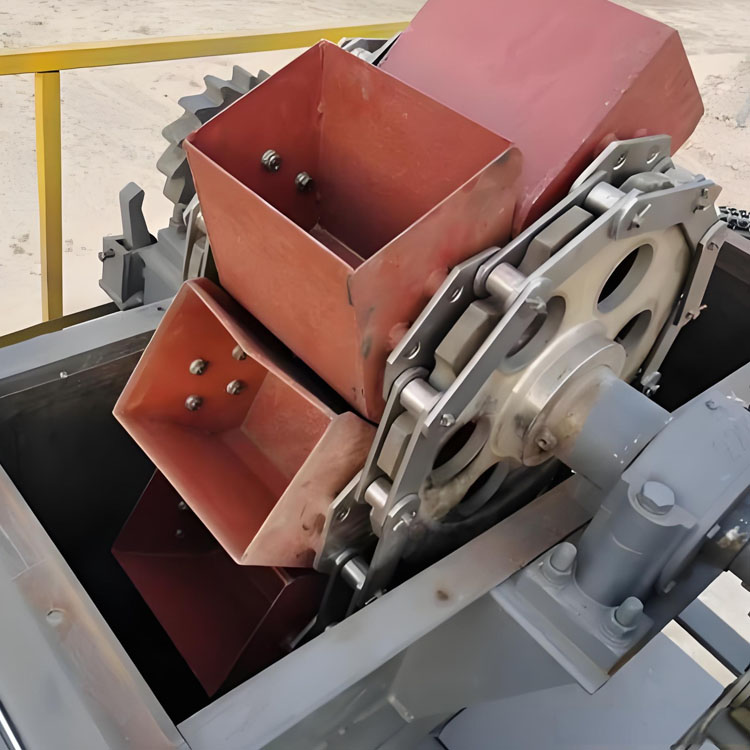
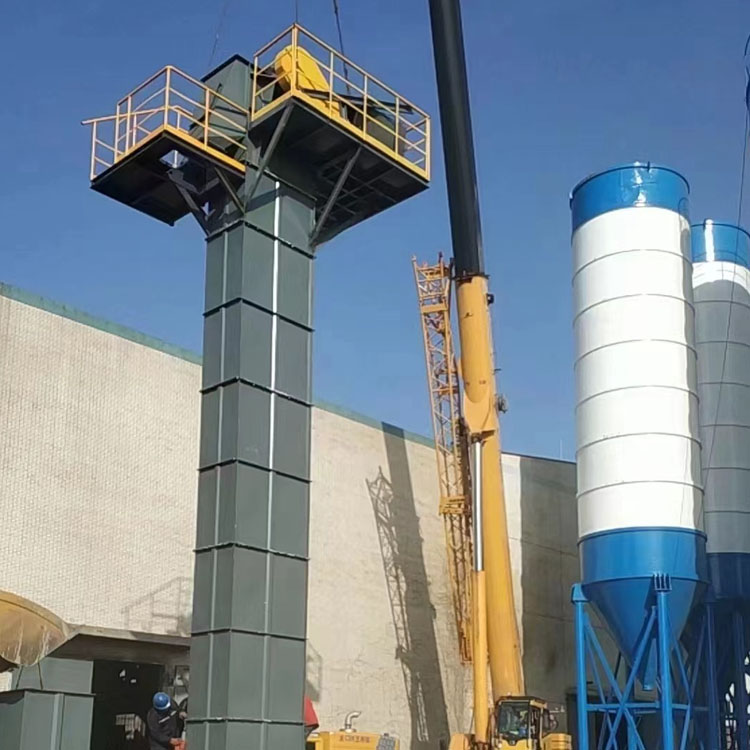







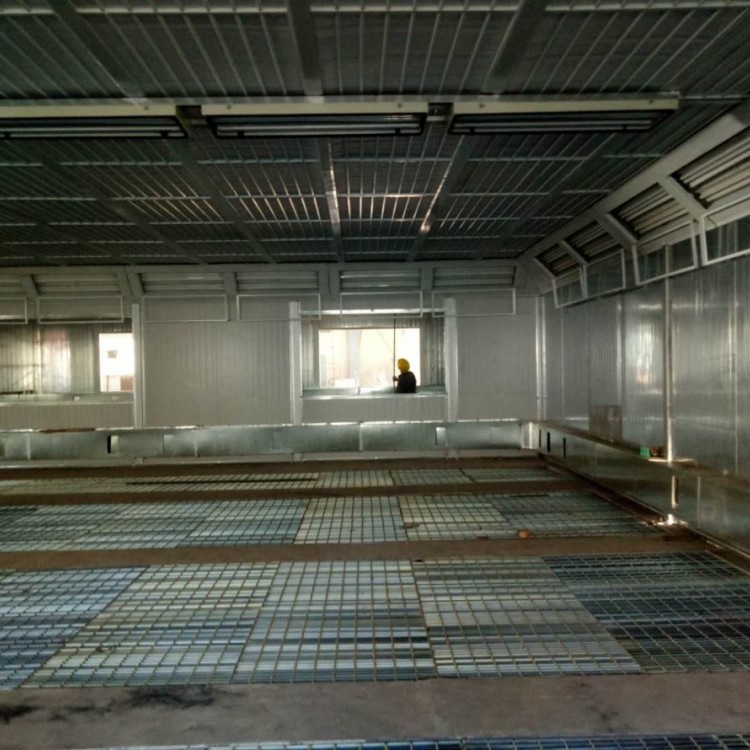
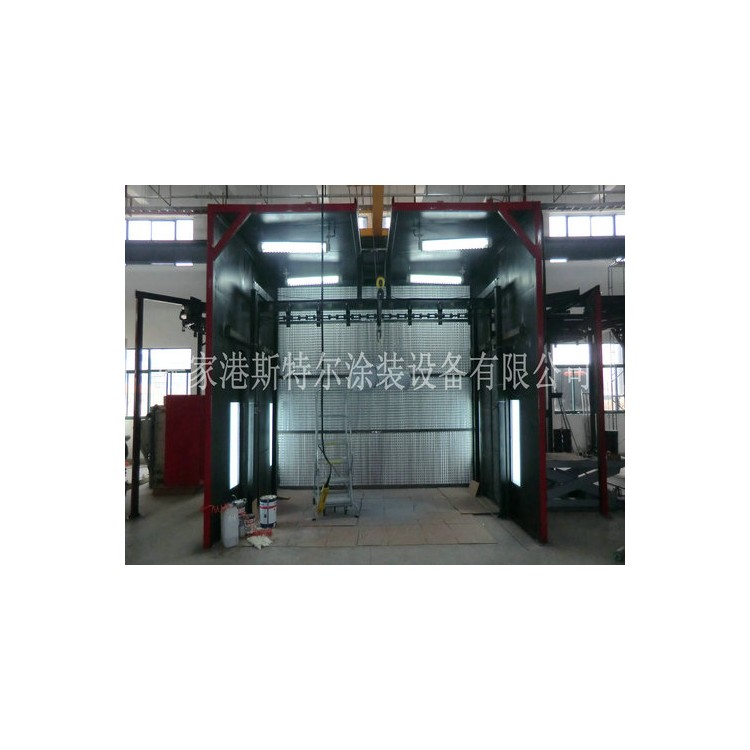
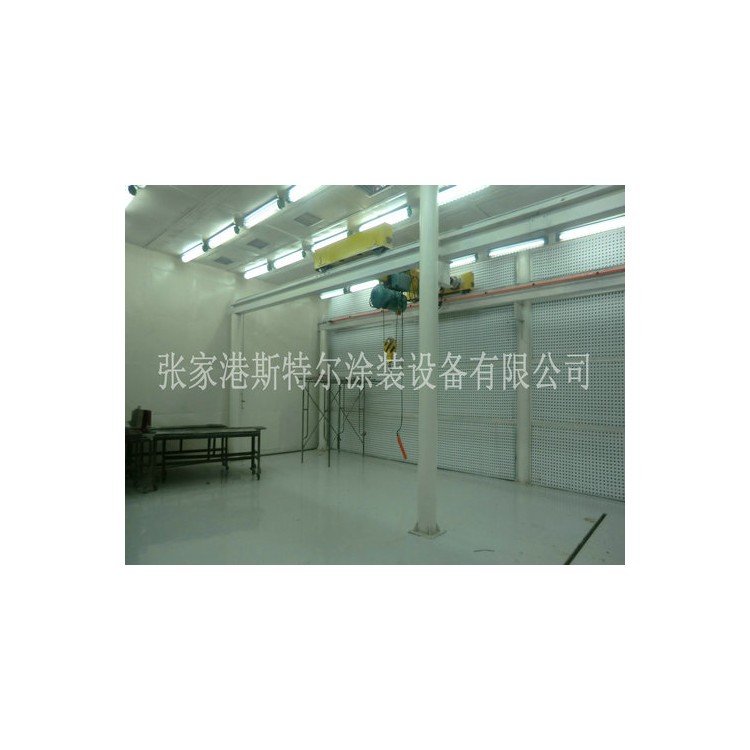
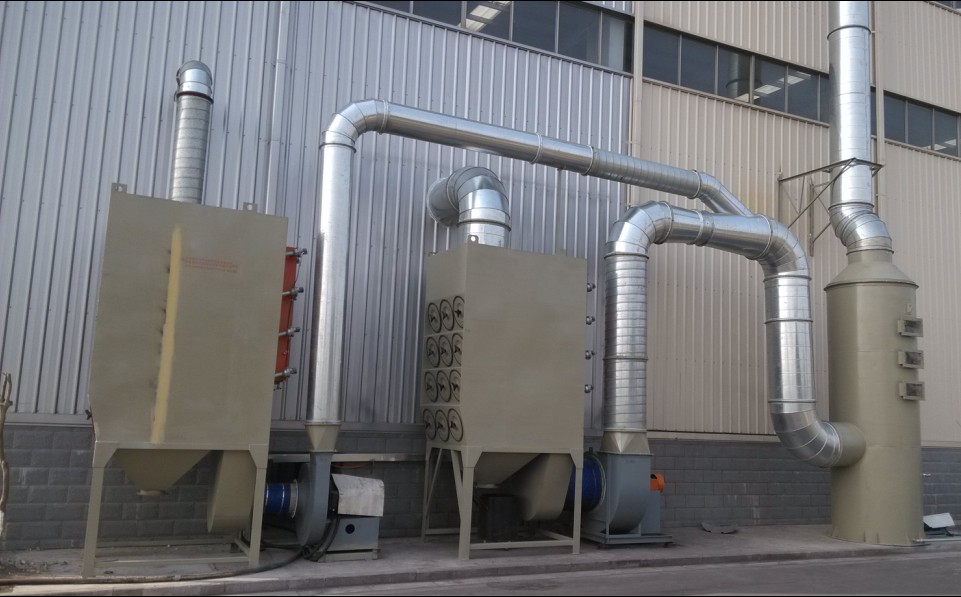
The dust removal system consists of components such as suction and exhaust ducts, dust collection points, modular filter cartridge dust collectors, exhaust fans, and exhaust chimneys.
Principle of Dust Removal System:
The dust removal system in the sandblasting room employs an upward air intake and downward exhaust, circulating dust collection method. Clean air enters the sandblasting chamber from the top of the room, and the dust removal fan draws the polluted air inside through various suction ports into the dust collector for collection and processing.
Due to the dust suction inlets of the environmentally friendly pneumatic recovery sandblasting room being all located beneath the honeycomb sand collection floor, the airflow always drives the dust downward, keeping it confined to the lower portion of the sandblasting room. As a result, the dust concentration above 0.5 meters in the room is very low, ensuring a good working environment.
Dust removal fan exhaust pipe can be terminated into the exhaust chimney as required, meeting the standard requirements for达标排放.
Due to structural reasons, traditional shot blasting rooms typically position the dust extraction outlets at the top, resulting in a downward or horizontal flow of dust. Consequently, during sandblasting operations, the dust concentration inside the shot blasting room remains high, visibility is low, and the working environment is poor.
Modular filter cartridge dust collector
Modular filter cartridge dust collectors are a key component in the sandblasting room dust removal process, directly affecting indoor air quality and outdoor emissions standards.
Filter element arrangement is reasonable, equipped with high-pressure pulse air-pulse cleaning system
The structure facilitates the even distribution of dusty gas across the filter elements inside the deduster, and is also beneficial for the dust that is instantaneously ejected during backblowing cleaning to fall back down, reducing the possibility of secondary adsorption.
The dust collector is equipped with a mobile dust bin, featuring a quick-connection structure with the collector. It is well-sealed yet easy to open, allowing cleaning staff to effortlessly open it, pull it to the designated spot for dust treatment, and even perform cleaning tasks while the dust collection system is in operation. It avoids secondary dust飞扬 and environmental pollution due to the need for additional containers for transportation.
The dust collector meets national environmental protection standards with an emission of ≤120mg/m³, particle collection size <5um, resistance <400Pa, good air permeability, low resistance, low energy consumption, and reliable filtration performance.
The dust collector features an aesthetically pleasing, refined, and stable overall design. The filter elements are assembled using high-speed connection methods, making their disassembly and assembly extremely convenient, reducing the physical labor intensity of workers and improving working conditions.
All filter cartridges are made with imported filter materials, featuring the following performance characteristics:
Filter Material: Polyester Fiber, thickness 0.75mm
Heat Resistant: 80℃
Air Permeability: 220 m³/m²/h
Weight: 240g/m²
Filter Precision: 0.5um - 5um
Filter Resistance: ≦ 45 Pa
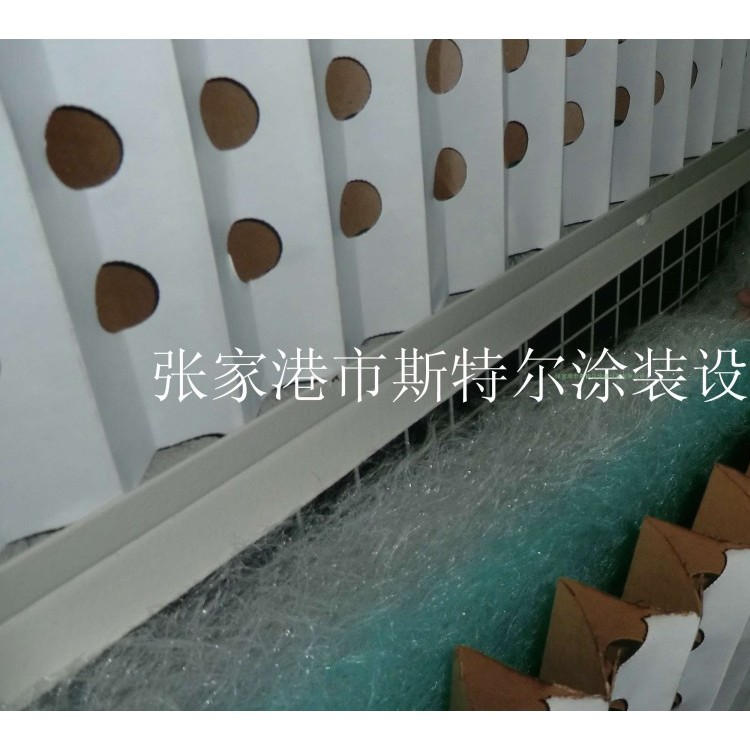
As shown in the figure, the filter cartridge is constructed in a folded cylindrical shape, with an outer diameter of 325mm, an inner diameter of 220mm, and a height of 660mm. A standard filter cartridge has a filtration area of 12m², whereas a dust collector bag of the same size has only a filtration area of 0.6m². Therefore, choosing a filter cartridge dust collector can significantly reduce the dust collector's volume and save space on the equipment.
The dust collector's cleaning method is a key technology for its efficient operation. This dust collector utilizes a pulse reverse-jet cleaning method. The working principle is as follows: When the pulse control instrument sends a signal, the pulse control valve's exhaust port opens, releasing the pressure from the pulse valve's back pressure chamber, creating a pressure difference on both sides of the diaphragm. Due to the pressure difference, the diaphragm moves, the pulse valve opens, and compressed air is then released through the nozzle holes of the pulse valve from the air tank (the gas emitted from the nozzle is known as the primary wind). As the high-speed airflow passes through the Venturi inducer, it induces several times the volume of the primary wind of surrounding air (referred to as the secondary wind) into the filter cylinder, creating an instantaneous positive pressure inside the cylinder, thereby achieving the cleaning purpose. The frequency and number of the automatic pulse reverse-jet, including the reverse-jet time, are all controlled electrically and can be flexibly adjusted according to actual usage requirements.
By increasing the dust collector's filtration area, the filtration wind speed can be reduced, thereby lowering the dust emission. The filtration wind speed of this filter tube dust collector is 0.5-0.9 m/min.
The dust collector consists of a storage ash barrel and a handcart, allowing operators to conveniently transport the waste from the ash cylinder to the disposal location.