








Obstacles, rubber roads, cones, reflective cones, ice cream cones, road signs, road stakes, highways, EVA reflective cones, plastic
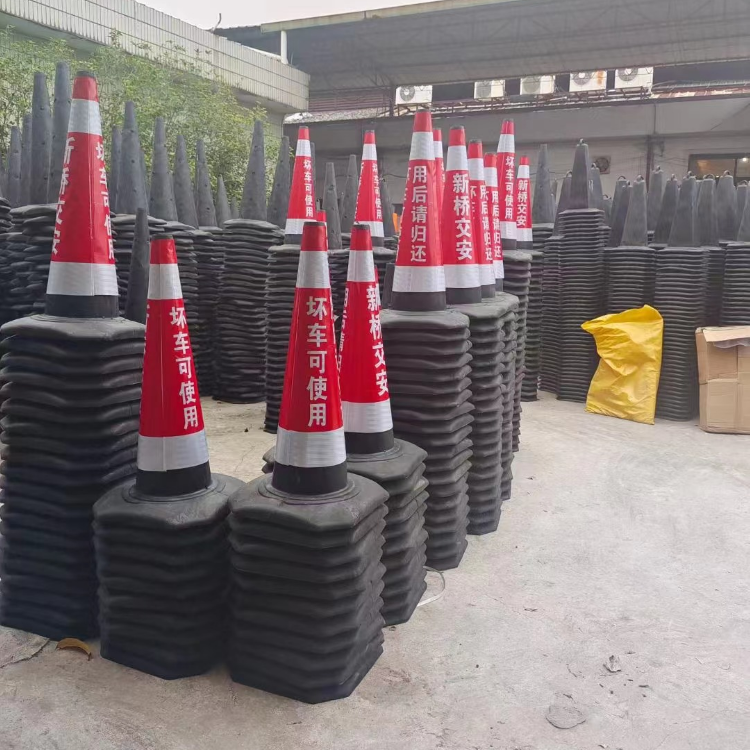
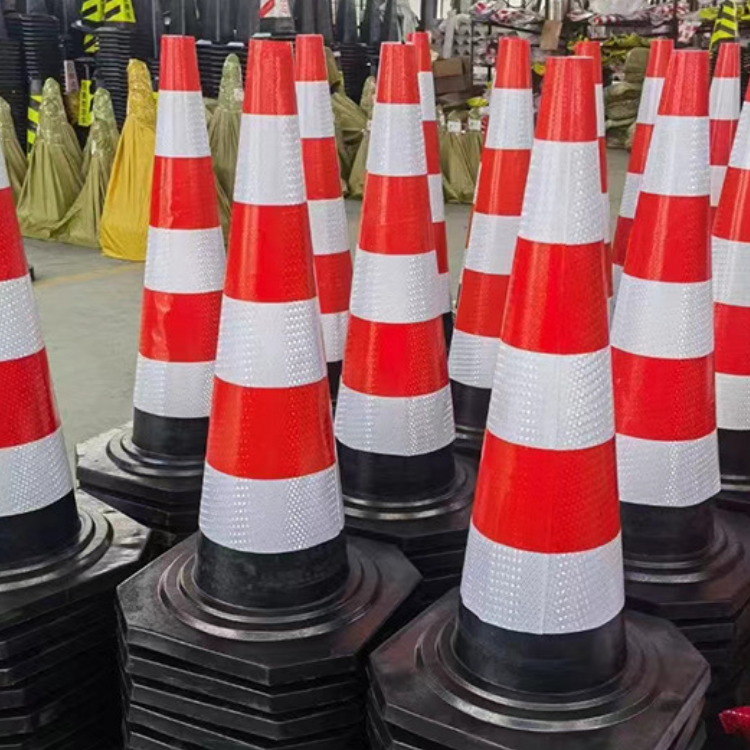
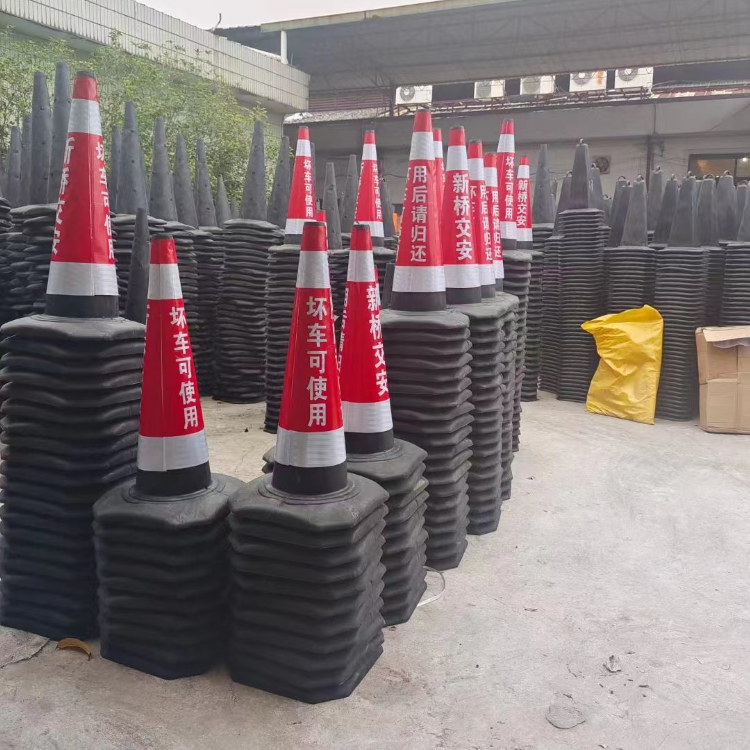
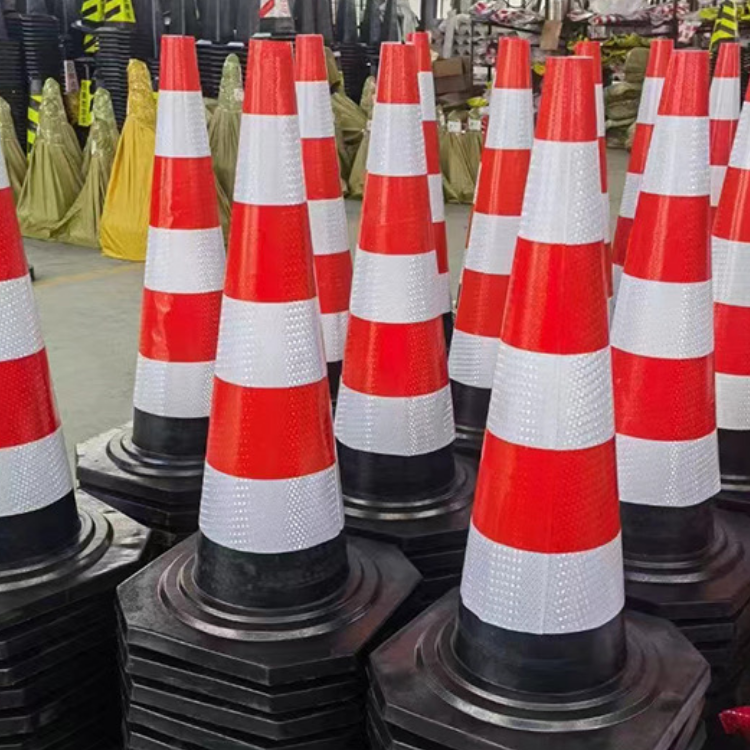
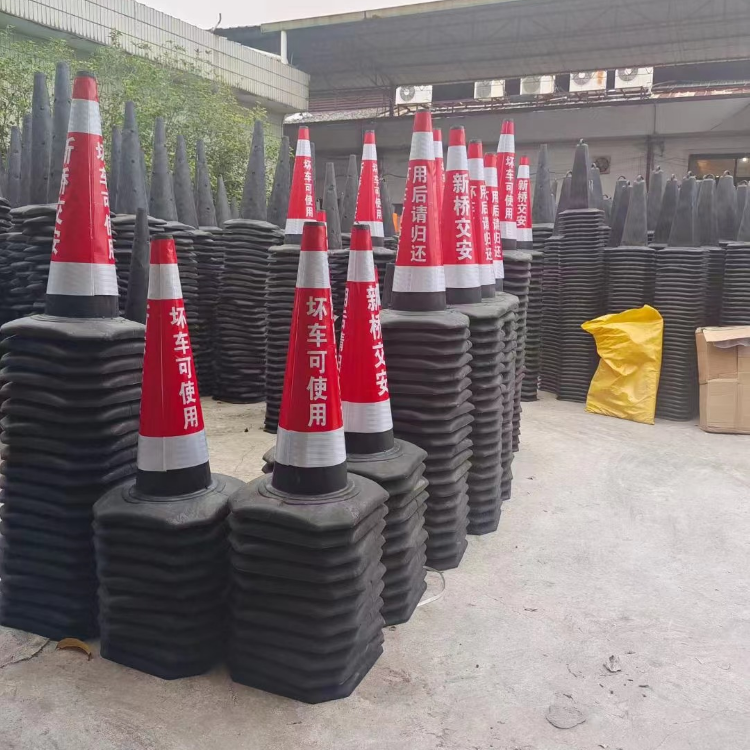
The reflective materials used on the surface of the cone include PVC reflective cone sleeve and reflective powder, which customers can choose according to their specific situation.
Features:
1. Has good flexibility, resistance to car rolling, and will not be damaged by hard object impact.
2. It has the advantages of sun protection, wind and rain resistance, heat resistance, cold resistance, no cracking, no discoloration, etc.
3. The white and red colors are eye-catching and can reflect dazzling light at night, making it clear to the driver.
Scope of application:
Maintenance of highways, sports venues, residential areas, hazardous areas, and road construction sites that require temporary separation of traffic flow, guidance of traffic, directing vehicles to bypass hazardous sections, and protection of construction site facilities and personnel safety.
A typical traffic cone is a cone-shaped or cylindrical road sign with fluorescent warning colors such as red, blue, yellow, green, etc. It is mostly made of synthetic resin, and to increase the visibility of the driver, a reflective strip is usually attached to the traffic cone.
In addition, due to the low durability of thermoplastic materials, they may be damaged through long-term use, oxidation, or in cold climates. To solve this problem, traffic cones made of ethylene/vinyl acetate copolymers have been widely used in cold regions. EVA has good stability, good aging resistance and ozone resistance, and is non-toxic, so its damage rate is very low in cold weather. Some traffic cones are made of elastic materials, which are not easily damaged even when rolled and can automatically return to their original state.