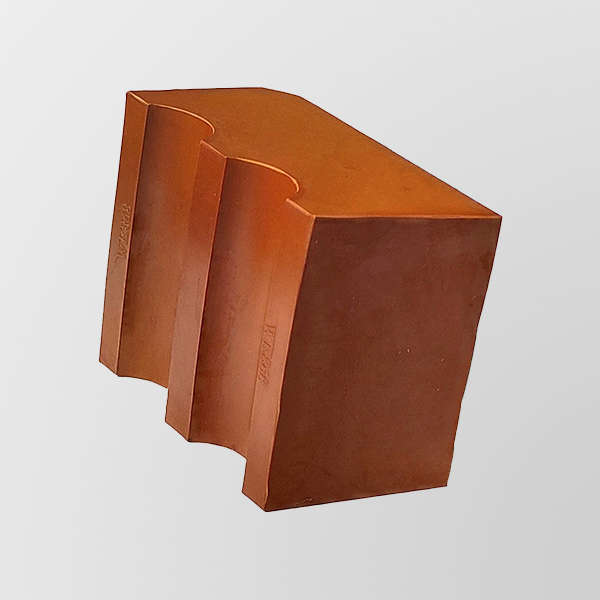





Our company has long been engaged in retail and wholesale of engineering plastics such as PC, PC/ABS, PETG/PCTG, POM, PA nylon series, special engineering plastics such as PEI, PES, PPSU, PEEK, PVDF, thermoplastic elastomers such as TPV, TPEE (Haicui TPC-ET), TPX
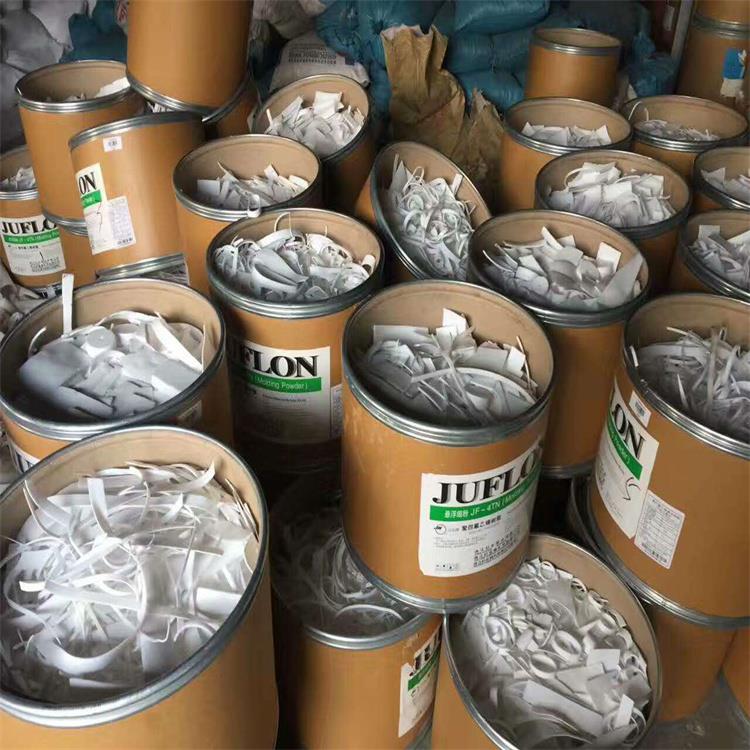
In addition, our company has been recycling factory waste materials, waste plastics, water outlets, etc. at high prices for a long time!
TPV Santoprene 203-50 insulation belongs to thermoplastic rubber body, which is mainly composed of two parts. One is the continuous phase, which refers to the substance that disperses other substances in the dispersed system. The mechanical properties of continuous relative adhesive play an important role, especially in some conductivity related properties such as diffusion, permeation, thermal conductivity, adhesion, swelling, etc., which have a significant impact,
The influence of his other dispersed phase system is relatively limited. Dispersed phase refers to the dispersed substance in colloid chemistry, also known as dispersed phase, while continuous medium is called continuous phase.
For example, in alloy solid sol, the phase exists in the form of small and dispersed particles within the alloy. In alloy steel, there is a dispersed distribution of fine particles, which have nail holes and enlarged phase interfaces at grain boundaries, increasing the strength and hardness of the alloy.
Usually, rubber needs to be combined with softening oil or plasticizers, and chemical agents and some auxiliary additives are also essential. In addition, in order to reduce costs or improve certain performance, some inorganic fillers are added.
TPV Santoprene 203-50 Brief Introduction:
Thermoplastic rubber, polyolefin alloy thermoplastic elastomer (also known as artificial rubber or synthetic rubber), abbreviated as TPV, is a physical term that describes how an object moves or deforms under external forces in physics and mechanics. Elasticity has connections but completely different meanings in different fields.

TPV Santoprene 181-55MED TPV/can be pressurized and heated; Sterilization by high-pressure sterilizer; Biocompatible/Medical/Healthcare Applications
TPV Santoprene 201-55 TPV chemical resistance; Creep resistance; Electrical equipment; Automotive applications; AUT /
TPV Santoprene 201-55W255 TPV copper contact stability; Low compression set; Oz/home appliance components; shim; sealing element
TPV Santoprene 201-64 TPV chemical resistance; Creep resistance; Electrical equipment; Automotive applications; AUT /
TPV Santoprene 201-67W171 TPV Recyclable Material
TPV Santoprene 201-73 TPV chemical resistance; Creep resistance; Electrical equipment; Automotive applications; AUT /
TPV Santoprene 201-80 TPV chemical resistance; Electrical insulation; Fatig/home appliance components; Automotive applications; AUT /
TPV Santoprene 201-87 TPV chemical resistance; Electrical insulation; Fatig/home appliance components; Automotive applications; AUT /
TPV Santoprene 203-40 TPV chemical resistance; Electrical insulation; Fatig/home appliance components; Automotive applications; AUT /
TPV Santoprene 203-50 TPV chemical resistance; Electrical insulation; Fatig/home appliance components; Automotive applications; AUT /
TPV Santoprene 211-45 TPV chemical resistance; Anti fatigue; Good Colora/automotive applications; shim; sealing element
TPV Santoprene 241-55 TPV chemical resistance; Anti fatigue; Good Colora/plumbing parts
TPV Santoprene 241-64 TPV chemical resistance; Anti fatigue; Good Colora/plumbing parts
TPV Santoprene 241-73W236 TPV chemical resistance; Copper contact stability; Fat//plumbing parts
TPV Santoprene 241-80W236 TPV chemical resistance; Copper contact stability; Fat//plumbing parts
Many plastics and rubbers can form TPV, but only a few blends have practical value after dynamic processing. Commercially available blends include PP+PE+EPDM, PP+NBR, PP+ACM, PS+SEBS agents, and some auxiliary additives are also essential. In the book "Thermoplastic Elastomers" published by Chemical Industry Press, a review was conducted on 99 rubber/plastic blends prepared from 11 types of rubber and 9 types of plastics. The study found that in order to obtain dynamic rubber/thermoplastic blends with good performance. Mainly includes: industrial review, synthesis technology and engineering, resin modification and alloys, molding processing and equipment, material testing and application, plastic additives and blending, new technology and product development, foreign dynamics, plastic market, Chinese plastic patents, mainly involving new technologies and products such as plastic raw materials, plastic modification and additives, molding processing, molds and equipment, instrument testing, synthesis technology, etc,
Thermoplastic elastomer TPV, also known as synthetic rubber or synthetic rubber. Its products not only have the excellent properties of high elasticity, aging resistance, and oil resistance of traditional cross-linked rubber, but also have the characteristics of easy processing and wide processing methods of ordinary plastics. It can be produced by injection molding, extrusion, blow molding and other processing methods, and the edges and corners of the water nozzle can be directly reused after crushing. By simplifying the processing process and reducing processing costs, thermoplastic elastomer TPE/TPR materials have become a substitute for traditional rubber. Their environmental friendliness, non toxicity, comfortable hand feel, and exquisite appearance make products more creative. Therefore, it is also a more humanized and high-quality new synthetic material, and a globally standardized and environmentally friendly material.
TPV Santoprene 203-50 has a wide range of applications: automotive industry, daily necessities, electronic and electrical appliances
Commonly used in the automotive industry
1. Automotive sealing strips and sealing components series;
2. Car dust covers, mudguards, ventilation ducts, buffers, corrugated pipes, intake pipes, etc;
3. High voltage ignition wire for automobiles. Can withstand voltage of 30-40KV and meet UL94 V0 flame retardant requirements;
For the convenience and trust of our customers, our company supports express delivery, logistics goods delivery, and payment collection!
We always adhere to the business philosophy of "integrity management, customer-oriented", and constantly strive to fully cooperate with customers in price consultation, logistics distribution, processing and production, etc!
Related reminder: In order not to affect the material performance, the raw materials should be stored in a cool and dry place, away from direct sunlight or high temperatures. In order to reduce product defect rates and improve production efficiency, before production use, follow the safety information and physical performance table related to the materials to obtain detailed information. During production and processing, the resin emits an odor when subjected to high temperatures, which may cause discomfort to some people, such as irritation to the nose or respiratory tract. It can usually be used safely!
TPV Santoprene 203-50 Insulation Plastic Processing:
Also known as plastic molding processing. It is a general term for various processes that convert synthetic resins or plastics into plastic products, and is a large production sector in the plastics industry. Plastic products are a general term for household, industrial, and other products that are processed using plastic as the main raw material. All products produced through injection molding, vacuum forming, and other processes using plastic as raw material. Plastic is a type of synthetic polymer material with plasticity.
It forms three essential synthetic materials in daily life, along with synthetic rubber and synthetic fibers. Specifically, plastic is a material mainly composed of natural or synthetic resins, with various additives added, which can be molded into a certain shape under certain temperature and pressure conditions, and maintain its shape at room temperature.