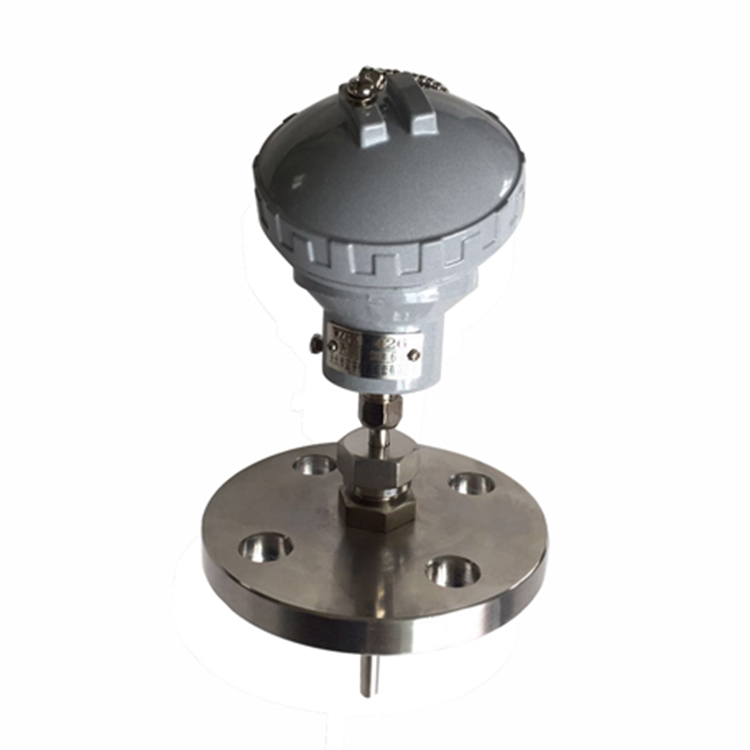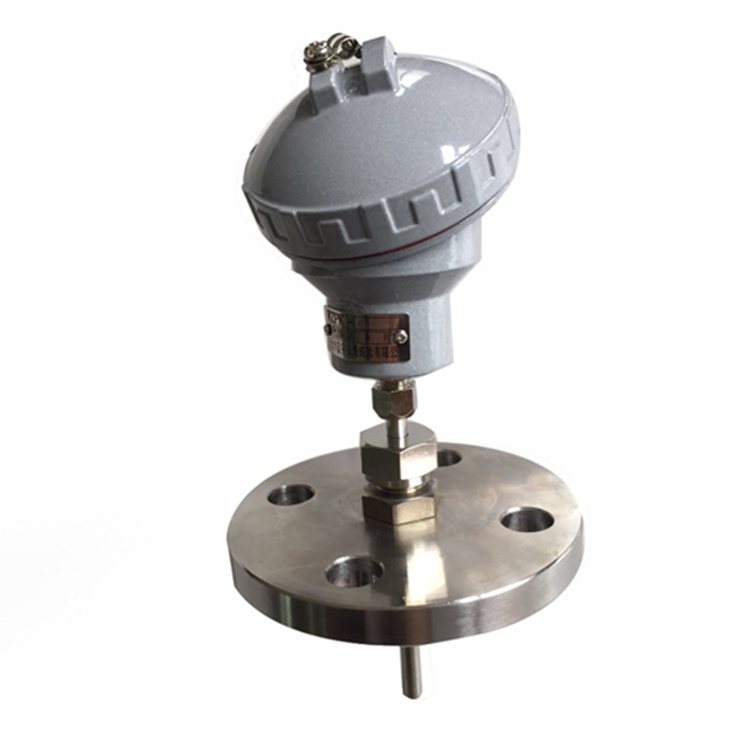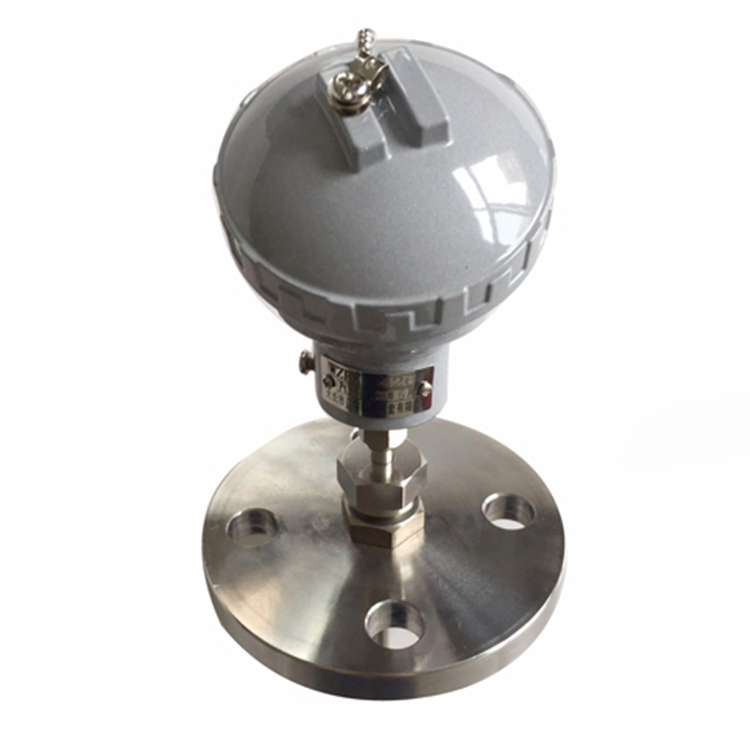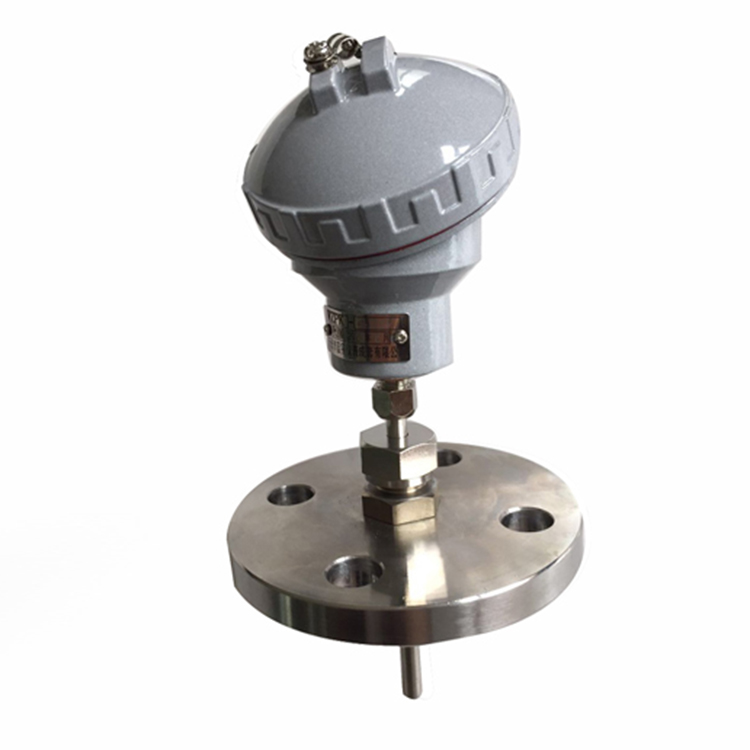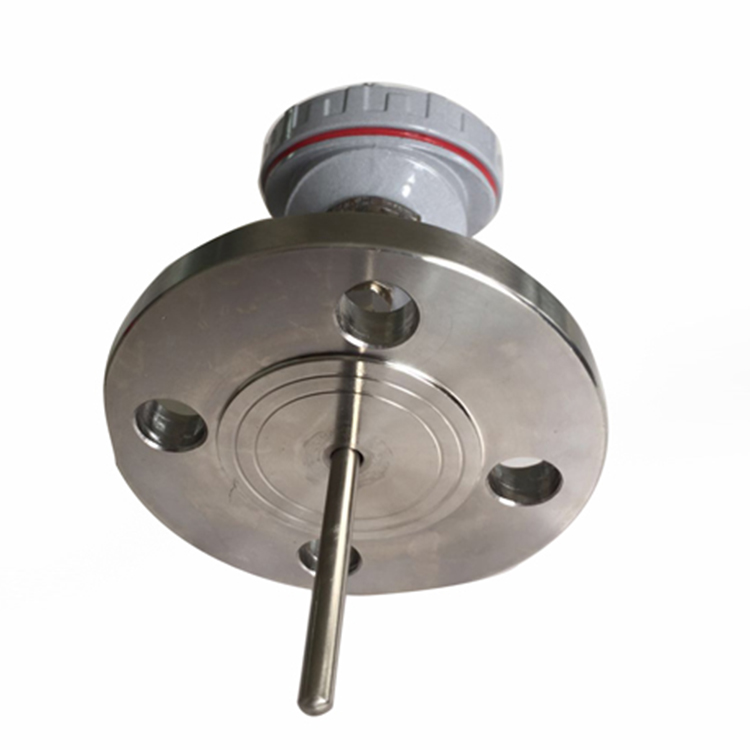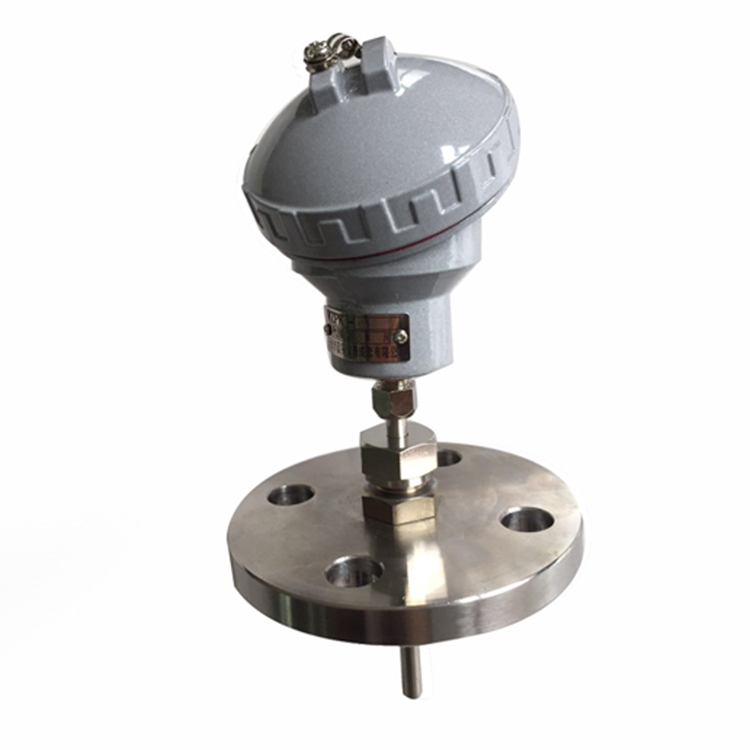


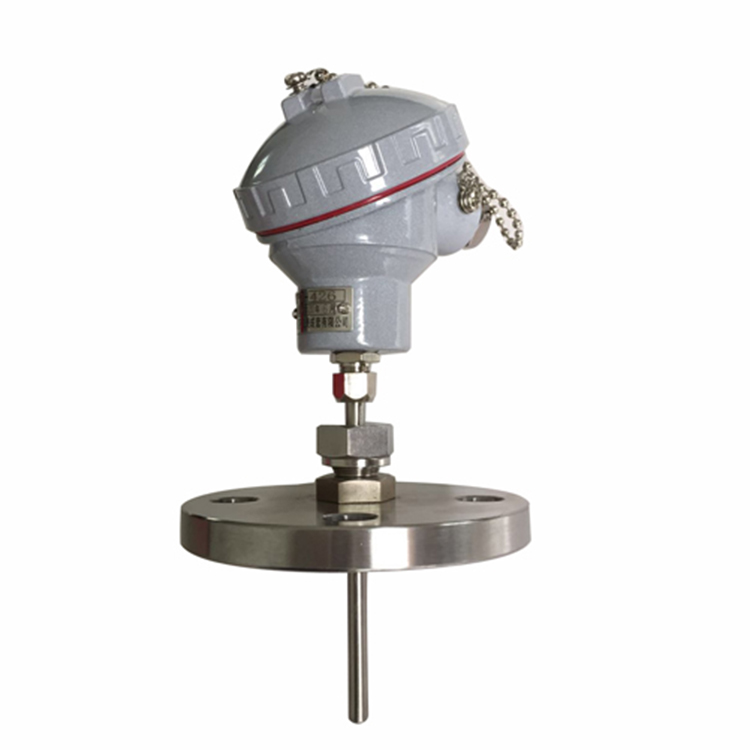


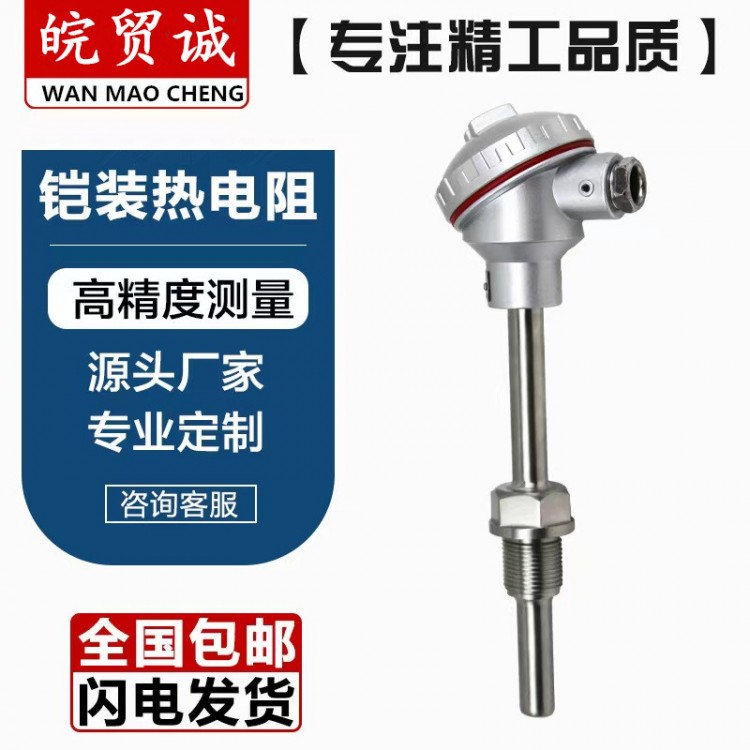








thermal resistor
thermal resistor(thermal resistor)It is a commonly used temperature detector in medium and low temperature areas. Thermal resistance temperature measurement is based on the characteristic that the resistance value of metal conductors increases with temperature. Its main features are high measurement and stable performance. among whichplatinum resistance thermometerThe measurement is high, and it is not only widely used in industrial temperature measurement, but also made into a standard reference instrument. Thermistors are mostly made of pure metal materials, with platinum and copper being the most commonly used. In addition, materials such as nickel, manganese, and rhodium have begun to be used to manufacture thermistors. There are many types of temperature sensing materials commonly used in metal thermistors, with platinum wire being the most commonly used. In addition to platinum wire, metal thermistor materials for industrial measurement also include copper, nickel, iron, and iron-Nickel, etc.
thermal resistor
Spring type temperature sensing element with good anti vibration performance;
High temperature measurement;
High mechanical strength, good high temperature and pressure resistance;
Imported thin film resistor components with reliable and stable performance.
working principle
The temperature measurement principle of thermal resistance is based on the characteristic that the resistance value of a conductor or semiconductor changes with temperature to measure temperature and temperature related parameters. Most thermistors are made of pure metal materials, with platinum and copper being the most commonly used. Currently, materials such as nickel, manganese, and rhodium have been used to manufacture thermistors. Thermistors typically require the transmission of resistance signals through leads to computer control devices or other secondary instruments.
Main types
Ordinary type thermistor
According to the temperature measurement principle of thermal resistance, the change in the measured temperature is directly measured by the change in the resistance value of the thermal resistance. Therefore, the change in resistance of various wires such as the lead wires of the thermal resistance body will have an impact on temperature measurement.
Armored thermistorArmored thermistor is composed of temperature sensing elements(Resistor body)A solid body composed of lead wires, insulation materials, and stainless steel sleeves, with an outer diameter generally ofφ2--φ8mmXiao KedaφmmCompared with ordinary thermistors, it has the following advantages:Small size, no air gap inside, low measurement lag in terms of thermal inertia;
Good mechanical performance, vibration resistance, and impact resistance;
Can bend, easy to install
Long service life
End face thermistor
The end face thermistor temperature sensing element is made of specially processed resistance wire wound tightly against the end face of the thermometer. Compared with general axial resistance thermometers, it can more accurately and quickly reflect the actual temperature of the measured end face, and is suitable for measuring the end face temperature of bearing shells and other components.
Explosion proof thermistor
Explosion proof thermistor uses a special structure of junction box to make its shell explosivemixed gasExplosions caused by sparks or arcs are limited to the junction box and will not cause explosions on the production site. Explosion proof thermal resistance can be used forBla--B3cTemperature measurement in explosive hazardous areas within the designated zone.
Related models: WZPK-240-00 WZPK2-240-00 WRNK-74-00 NKWRE2-12-00