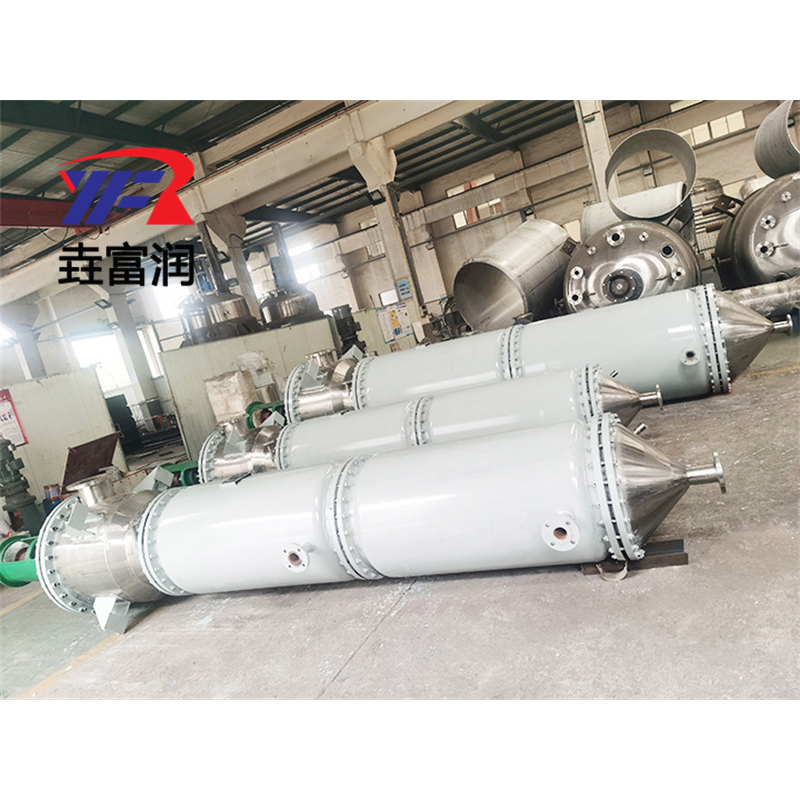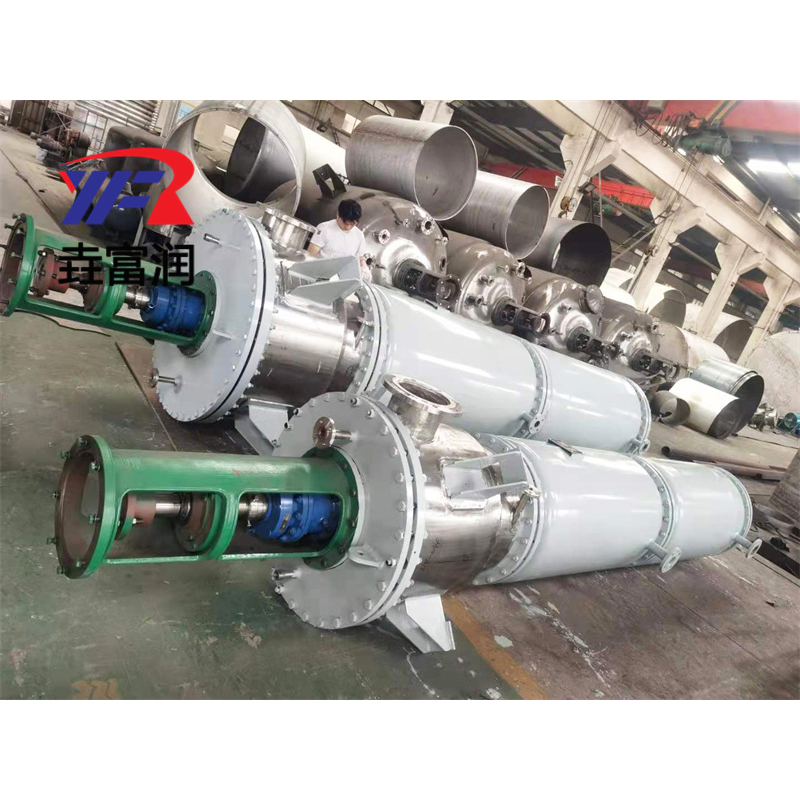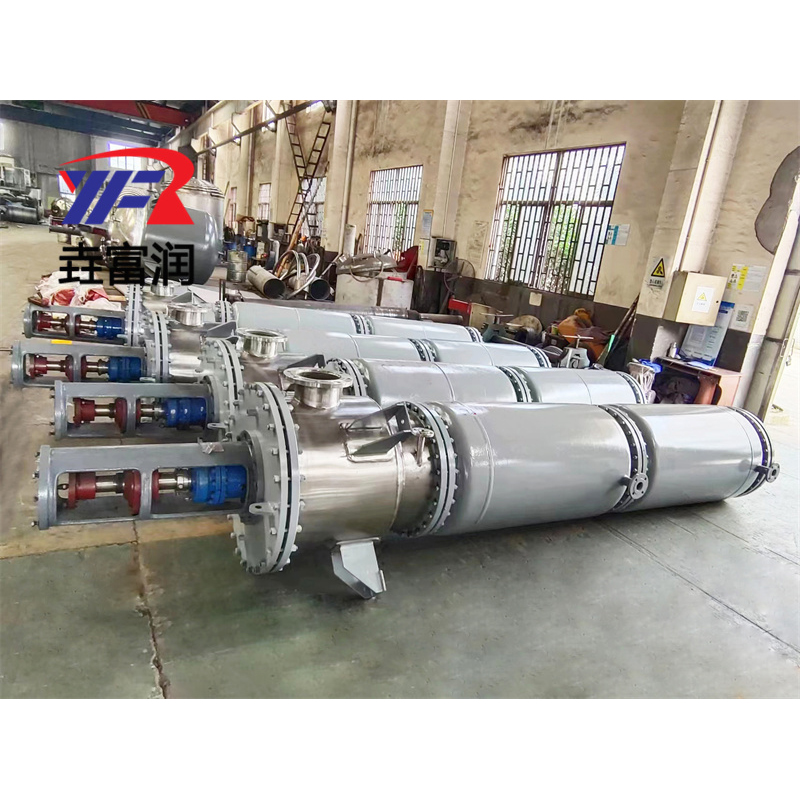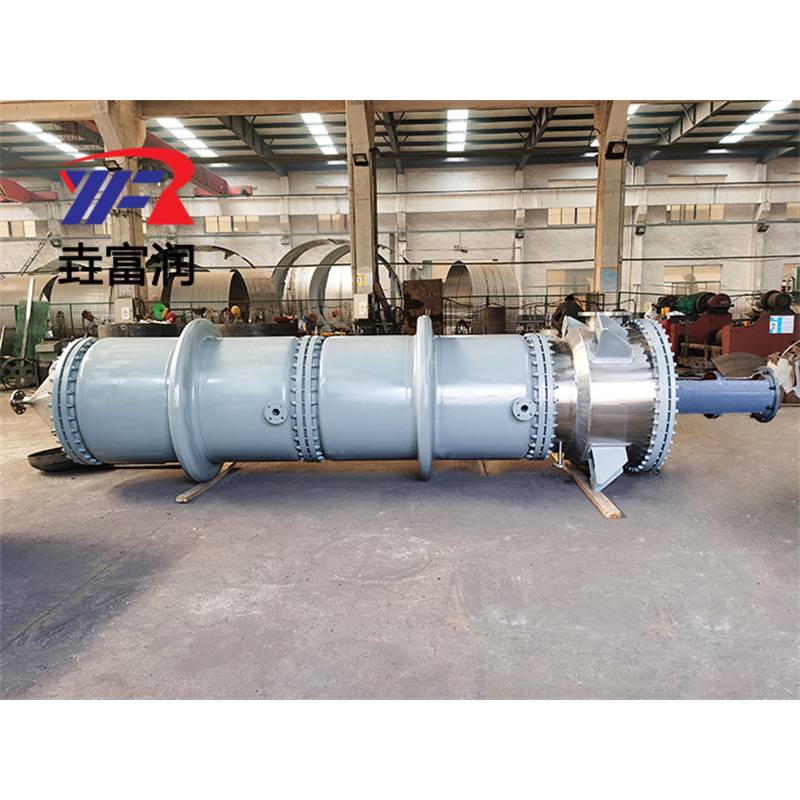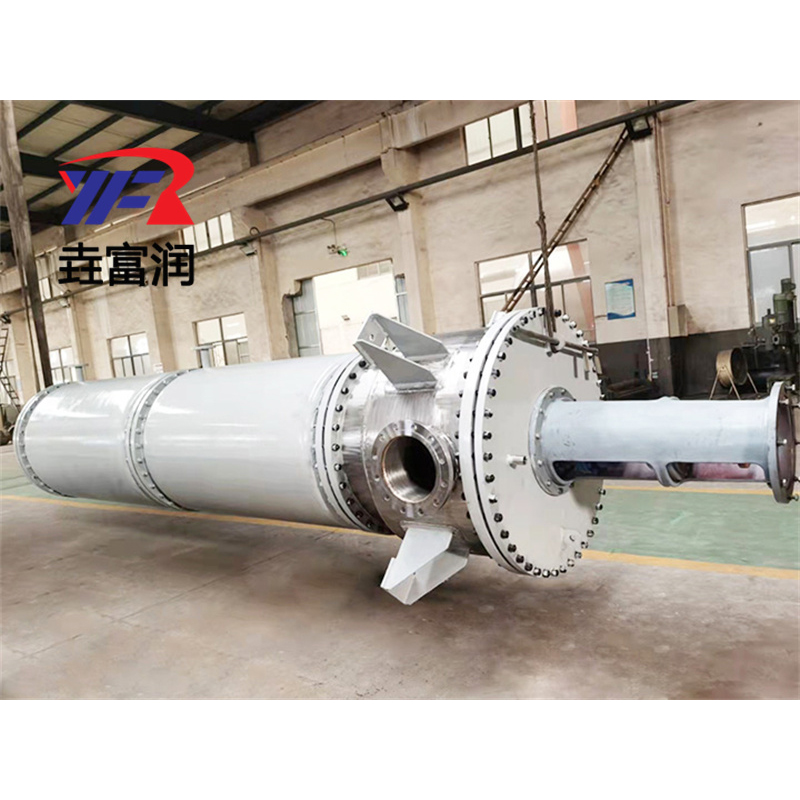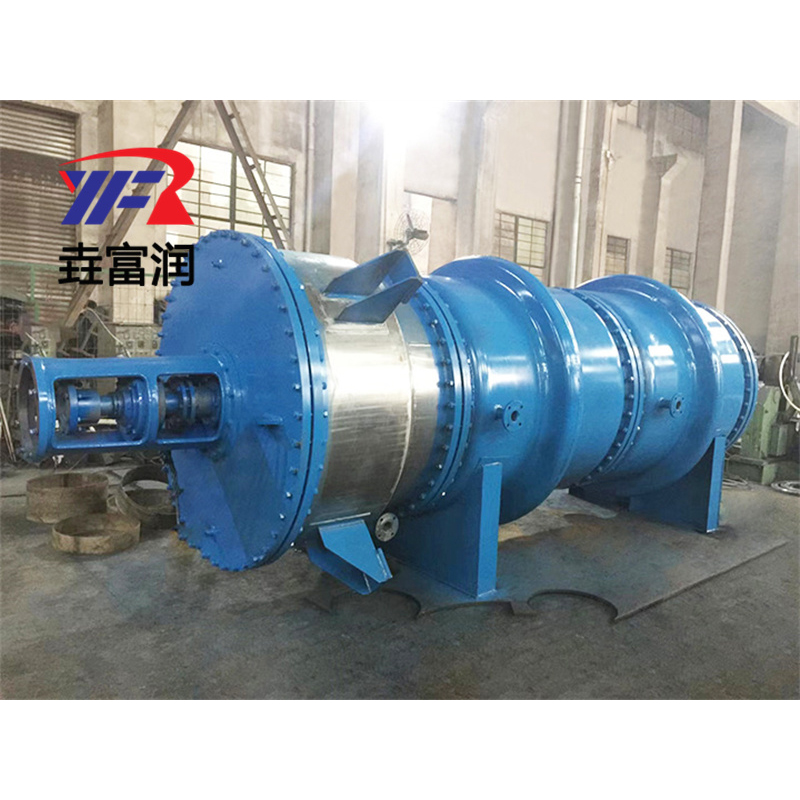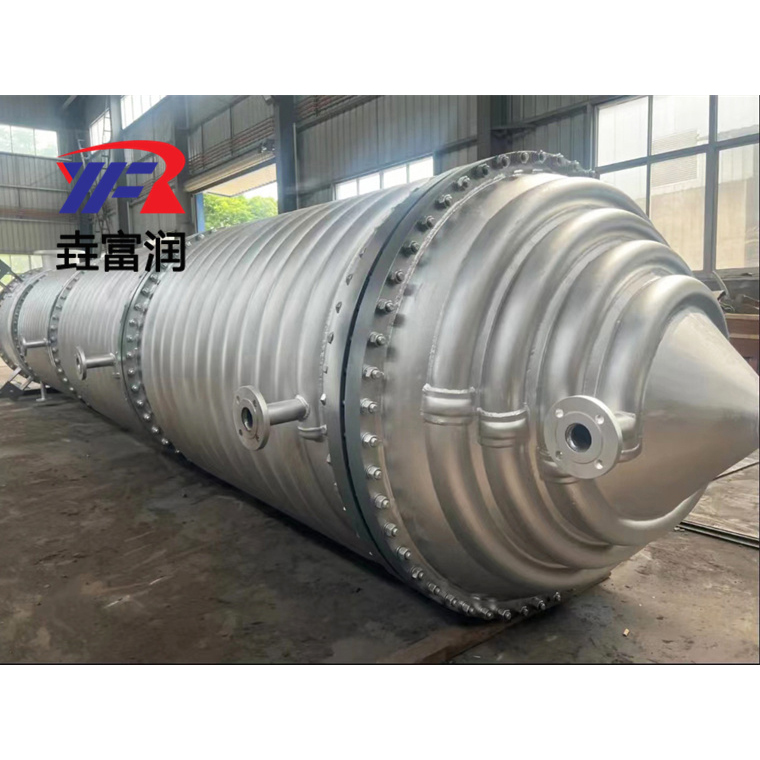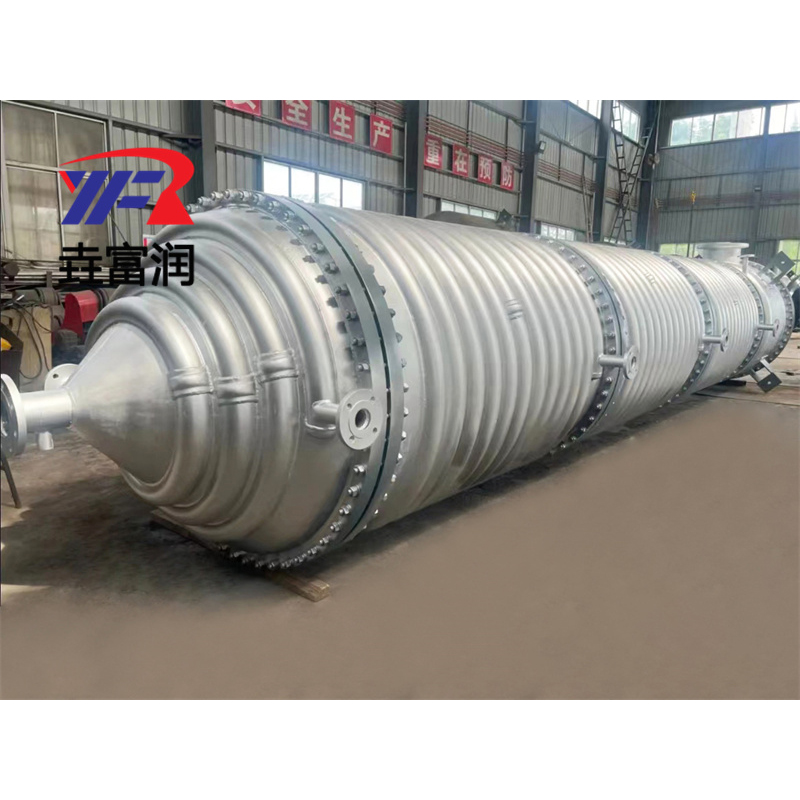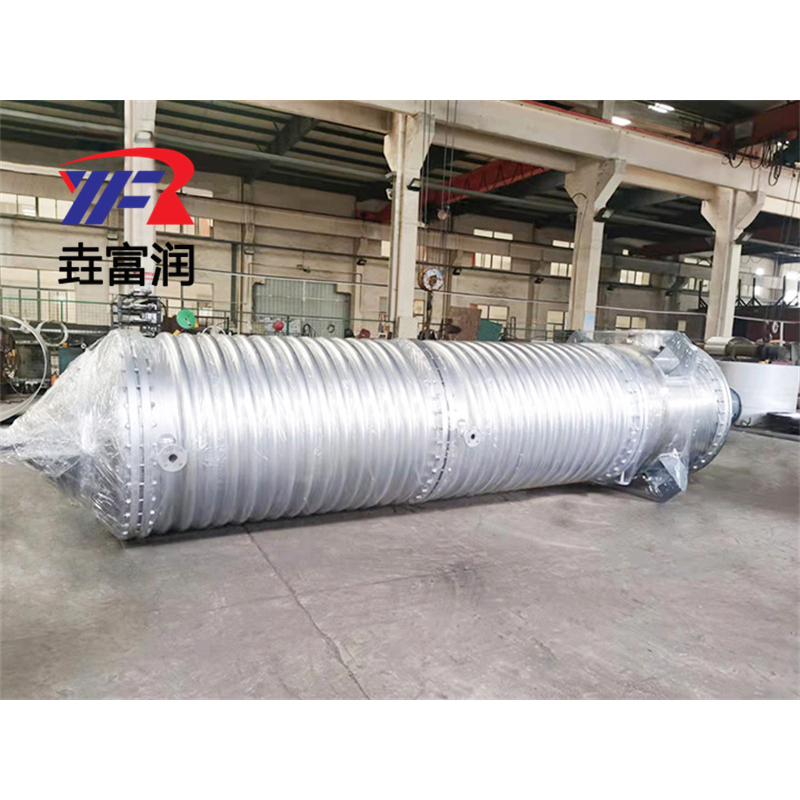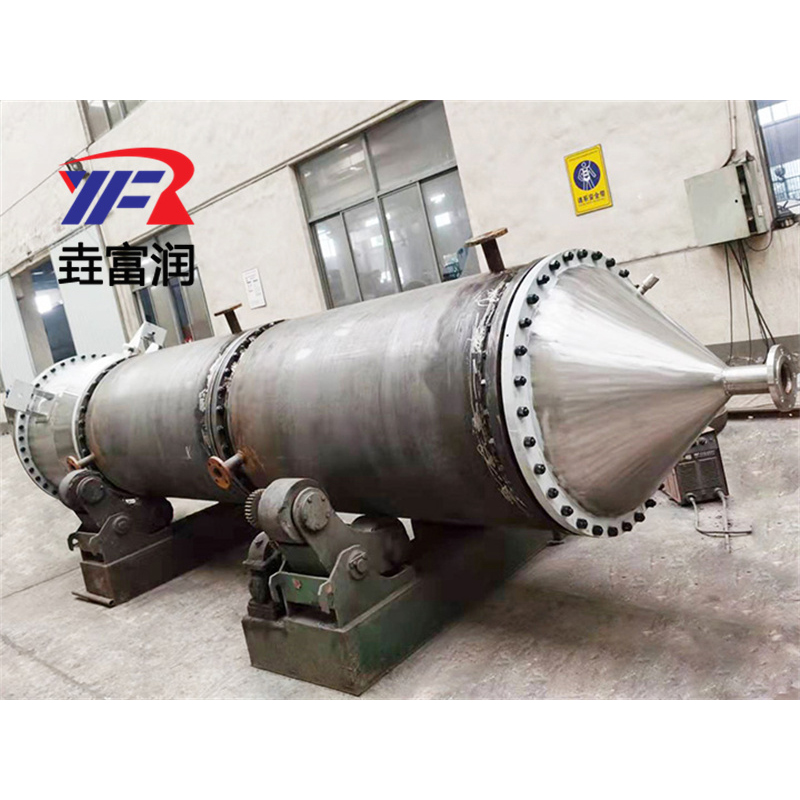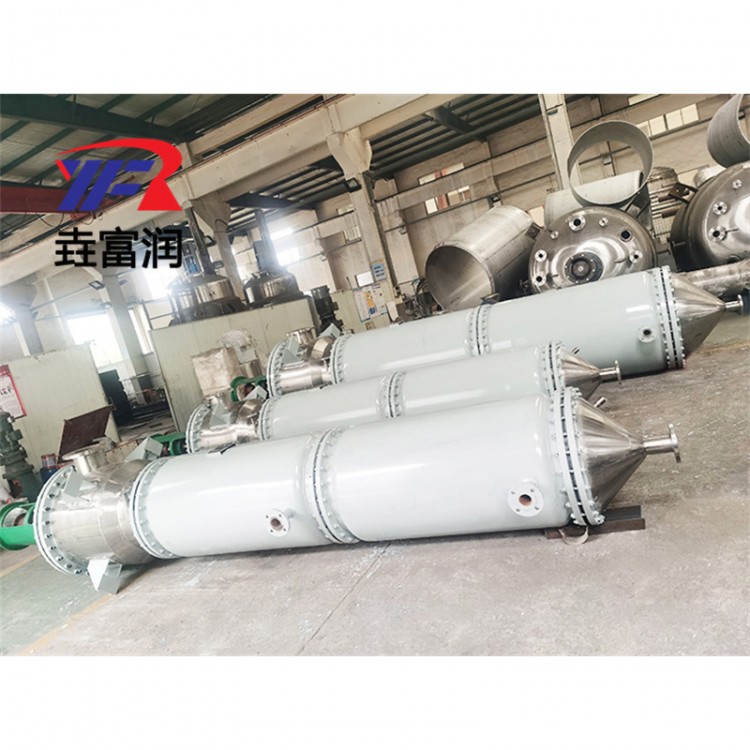
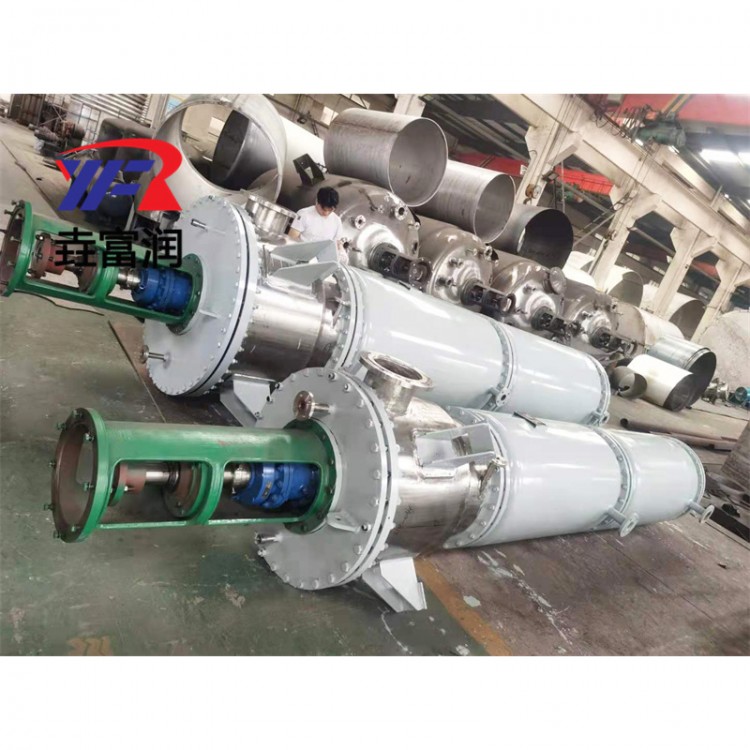






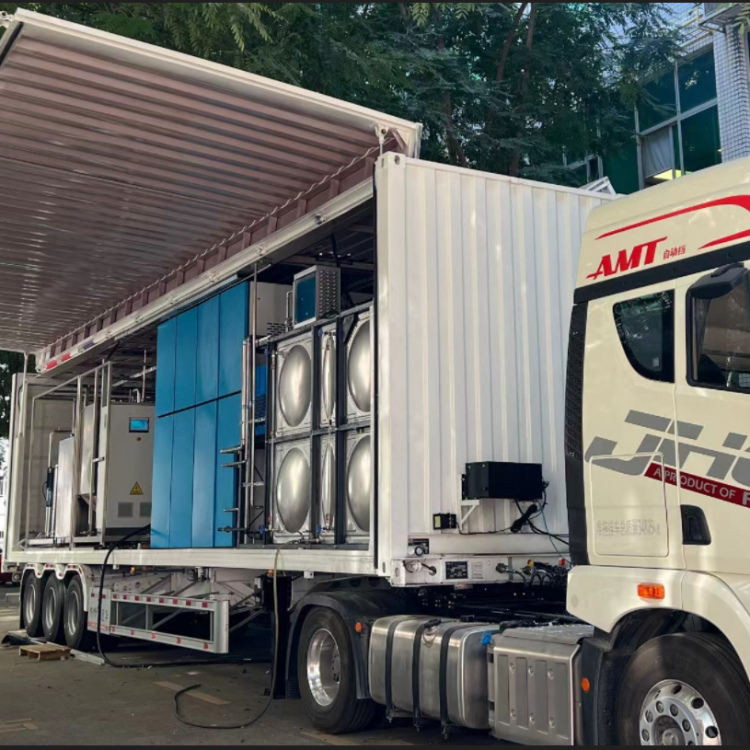
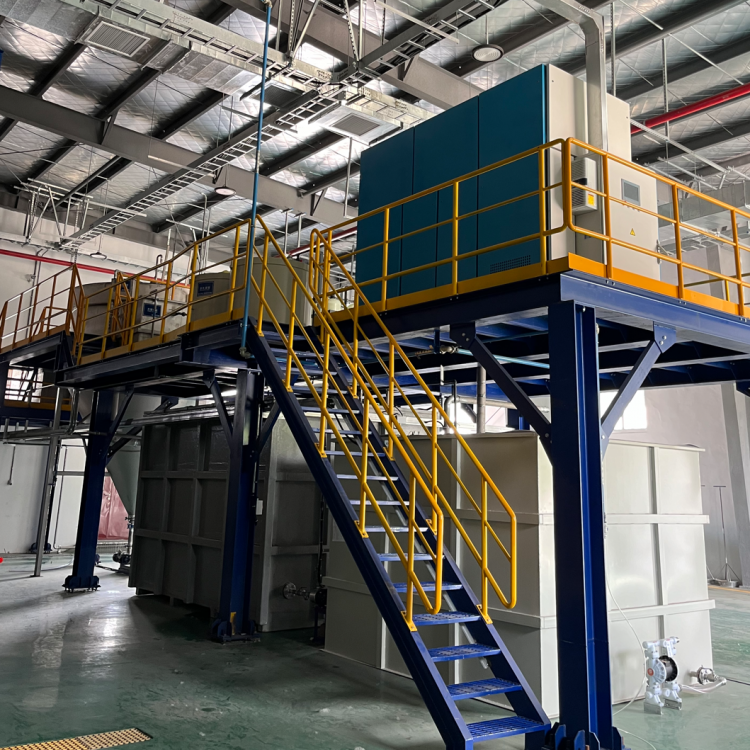
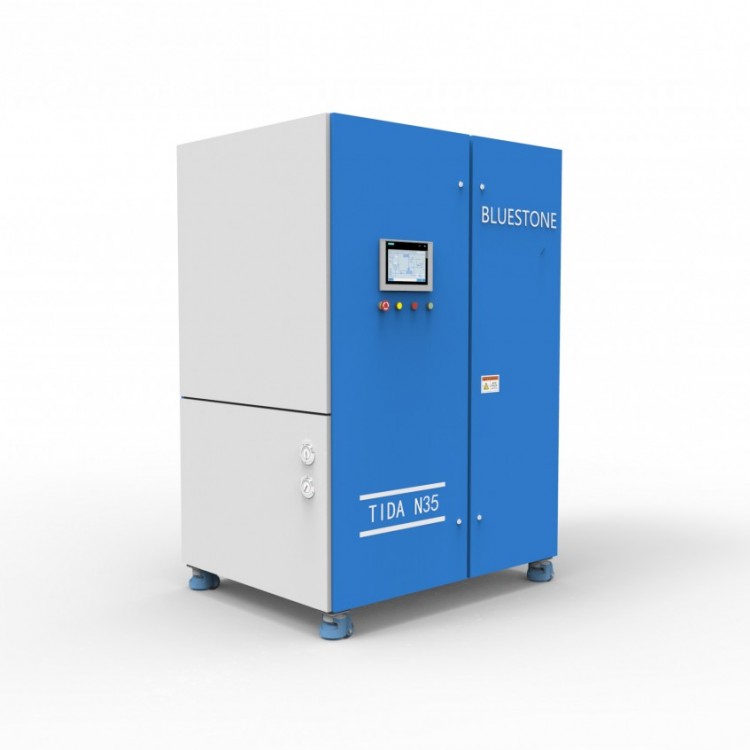
Technical Specifications:
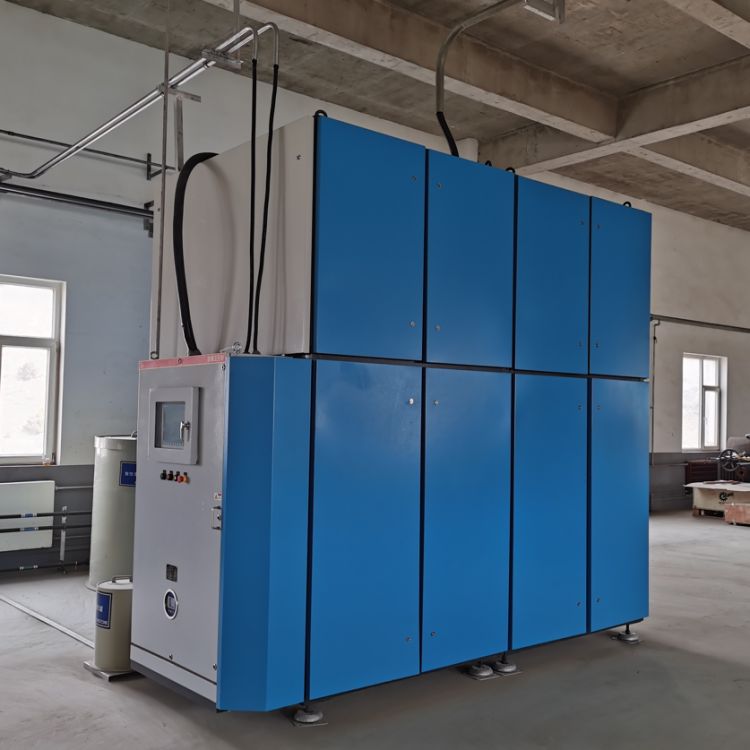
Model: NOVA 750
Processing Capacity: 750L/h (per hour) | 4,500m³/y (per year)
Unit Energy Consumption: 55 kWh/m³
Dimensions (L*B*H): 3808*1568*2924 (Unit: mm)
Minimum Installation Area: 50 sqm
Product Features:
Due to differences in production processes, processing objects, and production management levels, high-concentration organic wastewater exhibits variability in both quality and volume, and is prone to cause issues like scaling and corrosion in equipment. This makes the treatment of high-concentration organic wastewater significantly more challenging than that of conventional wastewater. For high-concentration organic wastewater generated by a specific enterprise's production process, achieving discharge standards post-treatment is relatively straightforward. However, with China's increasingly stringent environmental protection requirements, and the growing trend of water scarcity and increased saltwater discharge, the ultimate goal is to achieve "zero" or "near-zero" discharge of industrial wastewater. This necessitates the research and development of technologies and equipment that are both economically effective and can recover water, thereby significantly reducing the discharge of high-concentration organic wastewater, such as surface treatment wastewater, emulsion wastewater, and waste cutting fluid.
The MVR evaporator's evaporation process technology offers an efficient and energy-saving treatment method for these industrial wastewater with high COD, high salinity, and poor biodegradability. The MVR evaporator equipment is the most economical and effective industrial wastewater treatment method for difficult organic wastewater, surface treatment wastewater, oily wastewater, and waste cutting fluid, with abundant practical results in industrial wastewater treatment hubs like Guangdong, Jiangsu, and Zhejiang.
Based on the MVR evaporator (Mechanical Vapor Recompression) technology, the evaporation process utilizes vacuum heating to separate water from wastewater. Contaminants such as oils, additives, heavy metals, and salts, which are non-volatile, remain in the wastewater as concentrates. The condensation heat of steam is used to heat and vaporize the wastewater, with most energy being recycled. The low-temperature evaporation under vacuum conditions further reduces the energy required for boiling, significantly lowering the equipment's energy consumption compared to conventional evaporation processes. This makes the equipment both energy-efficient and environmentally friendly. Its advantages are particularly pronounced in the treatment of emulsified wastewater, cutting fluid wastewater, and machining wastewater processes.