
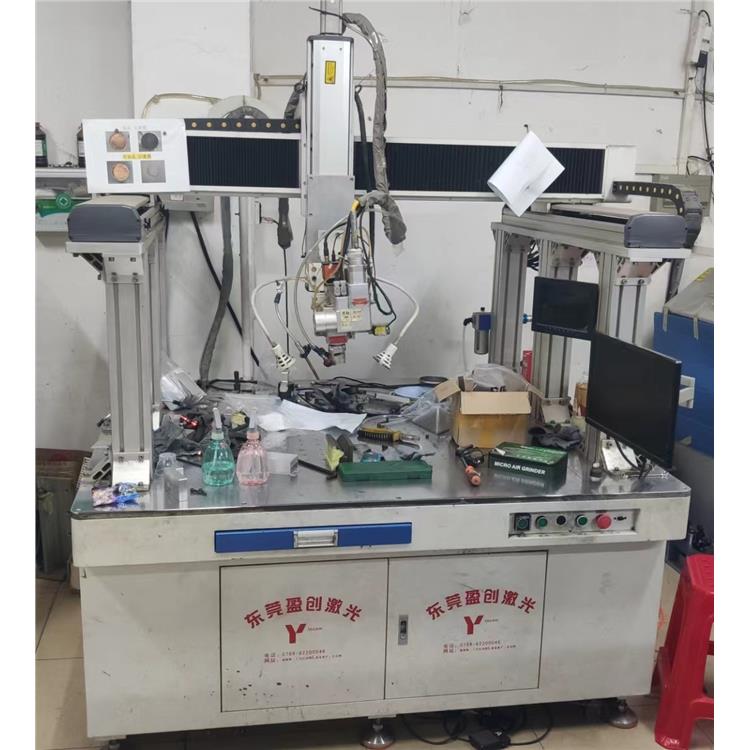














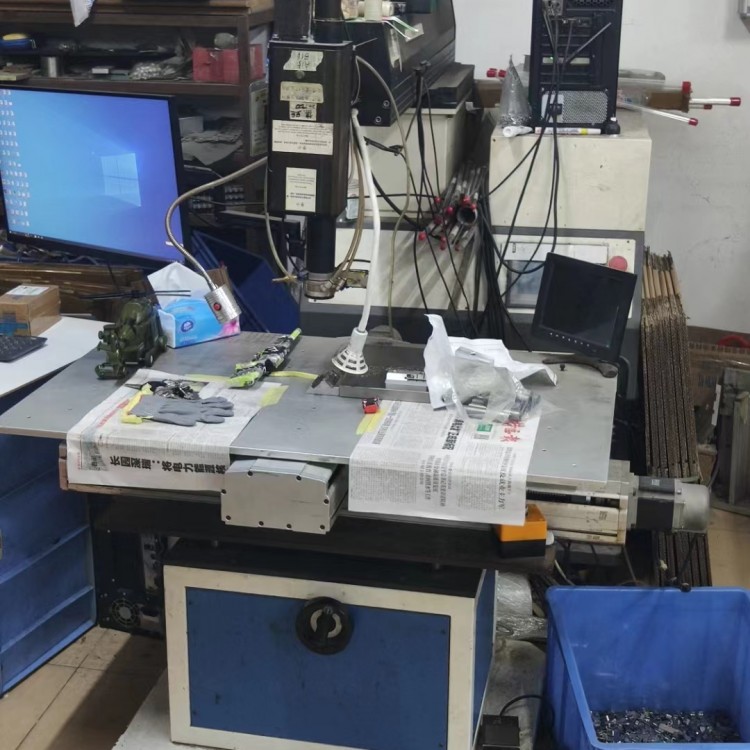


Copper nose laser welding processing is a type of welding technique commonly used for the connection and repair of copper products. Laser welding offers the following advantages over traditional welding methods:
High Precision: The laser beam can be focused on a small area, enabling high-precision welding, suitable for welding on delicate parts.
2. **Small Heat Affected Zone**: Due to the rapid heating and quick cooling process of laser welding, the heat affected zone around the welding area is small, reducing deformation and welding stress.
3. **Rapid Welding Speed**: Laser welding is fast, enhancing production efficiency and ideal for mass production.
4. **Non-contact Processing**: Laser welding is a non-contact processing method that can avoid physical damage to the workpiece surface.
5. **Versatile**: Capable of welding materials of various thicknesses and shapes, especially suitable for complex structures or hard-to-reach components.
When performing laser welding on copper fittings, the following points should be noted:
Material Preparation: Ensure the welding surface is clean, free of oil and oxidation, to guarantee welding quality.
**Laser Parameter Settings:** Adjust laser power, focal length, welding speed, and other parameters reasonably based on the material's properties and thickness.
Welding Path Design: Reasonably design the welding path to ensure even and strong welds.
Equipment Maintenance: Regular maintenance of laser welding equipment to ensure its proper operation and welding quality.
Copper nose laser welding processing is widely used in industries such as electronics and automotive. If you have specific project requirements, you can consult with laser welding service providers for further assistance.
Copper terminal laser welding processing boasts the following characteristics:
1. **High Precision**: Laser welding achieves exceptional welding precision, suitable for welding small parts and meeting stringent requirements for welding position and dimensions.
2. **Fast Welding Speed**: The laser welding process is rapid, significantly enhancing production efficiency, and is ideal for mass production.
3. **Small Heat Affected Zone**: Laser welding has a minimal heat affected zone, reducing thermal damage to surrounding materials and ensuring that the performance of the welding area and the properties of adjacent materials remain unaffected.
4. **Contactless Processing**: Laser welding involves welding with a laser beam, without contacting the workpiece, reducing physical wear and contamination. It is suitable for applications that require high welding quality.
5. **High Versatility**: Laser welding is capable of joining various types of metal materials and can handle complex shapes with ease.
6. **High Flexibility**: Laser welding is not restricted by workpiece shape or size, suitable for design plans, capable of various welding methods, and highly adaptable.
7. **High Welding Strength**: Laser welding produces weld joints with significant strength, typically matching or exceeding the strength of the base material.
8. **Aesthetically Pleasing Welds**: Post-laser welding, the welds are smooth and flat with a good appearance, reducing the complexity of subsequent processing.
These features have led to the wide application of laser welding for copper terminals in industries such as electronics and electrical.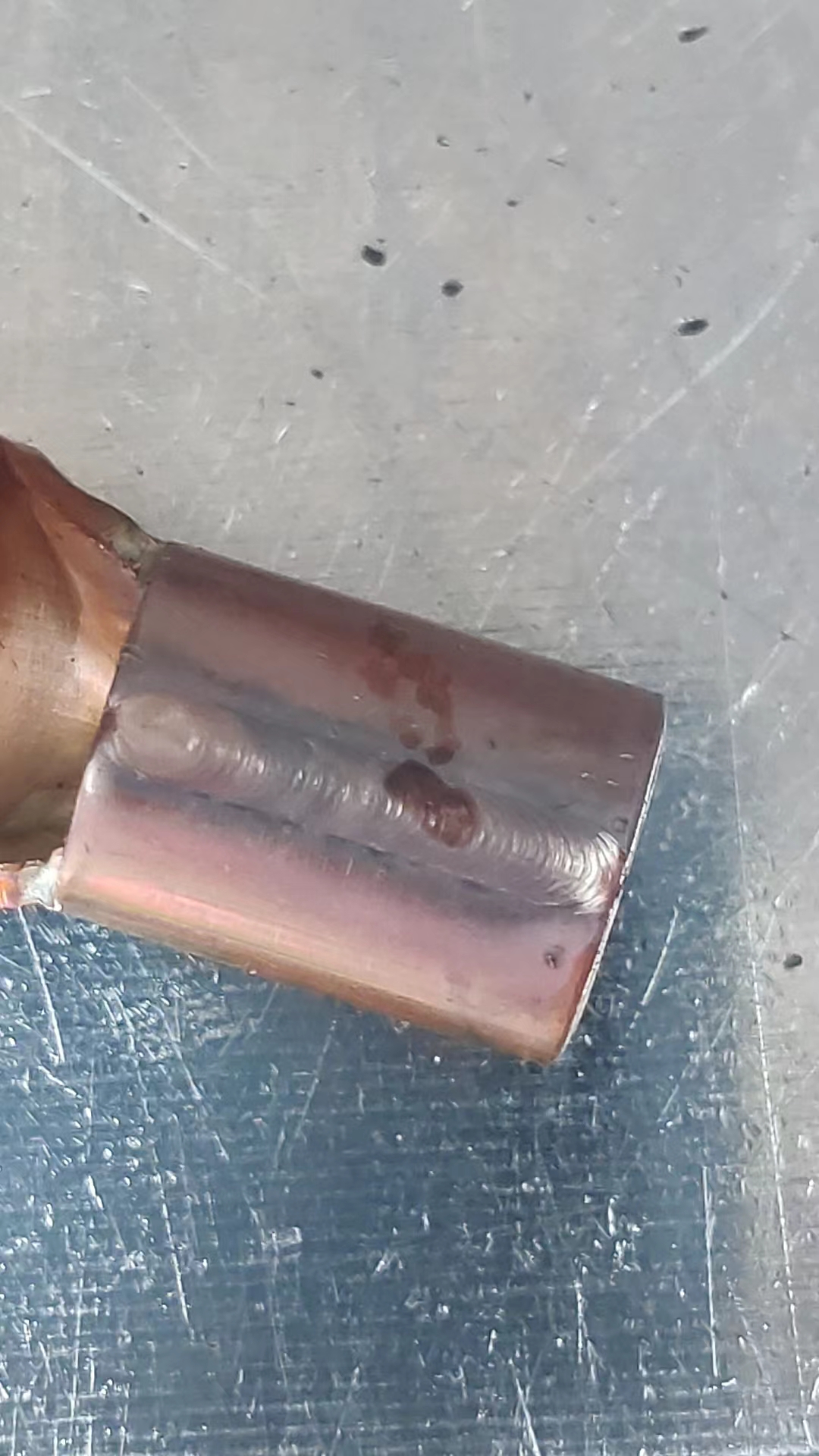
Plug end laser welding processing has the following characteristics:
1. **High Precision**: Laser welding achieves precise welding results, suitable for connecting micro components and meets the stringent precision requirements of electronic devices.
2. **Small Heat Affected Zone**: Laser welding has a small heat affected zone, reducing the thermal impact on surrounding materials during the welding process, thereby lowering the risk of deformation and damage.
3. **Fast Welding Speed**: Laser welding is quick, enhancing production efficiency and ideal for mass production.
4. **Contactless Processing**: Laser welding is a form of contactless processing that applies mechanical pressure to the workpiece, suitable for welding delicate materials.
5. **Versatile**: Capable of welding various materials such as metals and plastics, with strong adaptability to different materials to meet the needs of various products.
6. **High Automation Level**: Laser welding equipment is typically compatible with automated production lines, enhancing production automation and intelligence.
7. **Aesthetically Pleasing Weld Joints**: Laser welding produces smooth, neat welds with a pleasing appearance, meeting modern product standards for aesthetics.
8. **High Welding Strength**: Laser welding achieves a high level of welding strength, meeting the product's usage requirements.
Overall, plug terminals laser welding processing is widely used in the electronics industry for its precision and efficiency.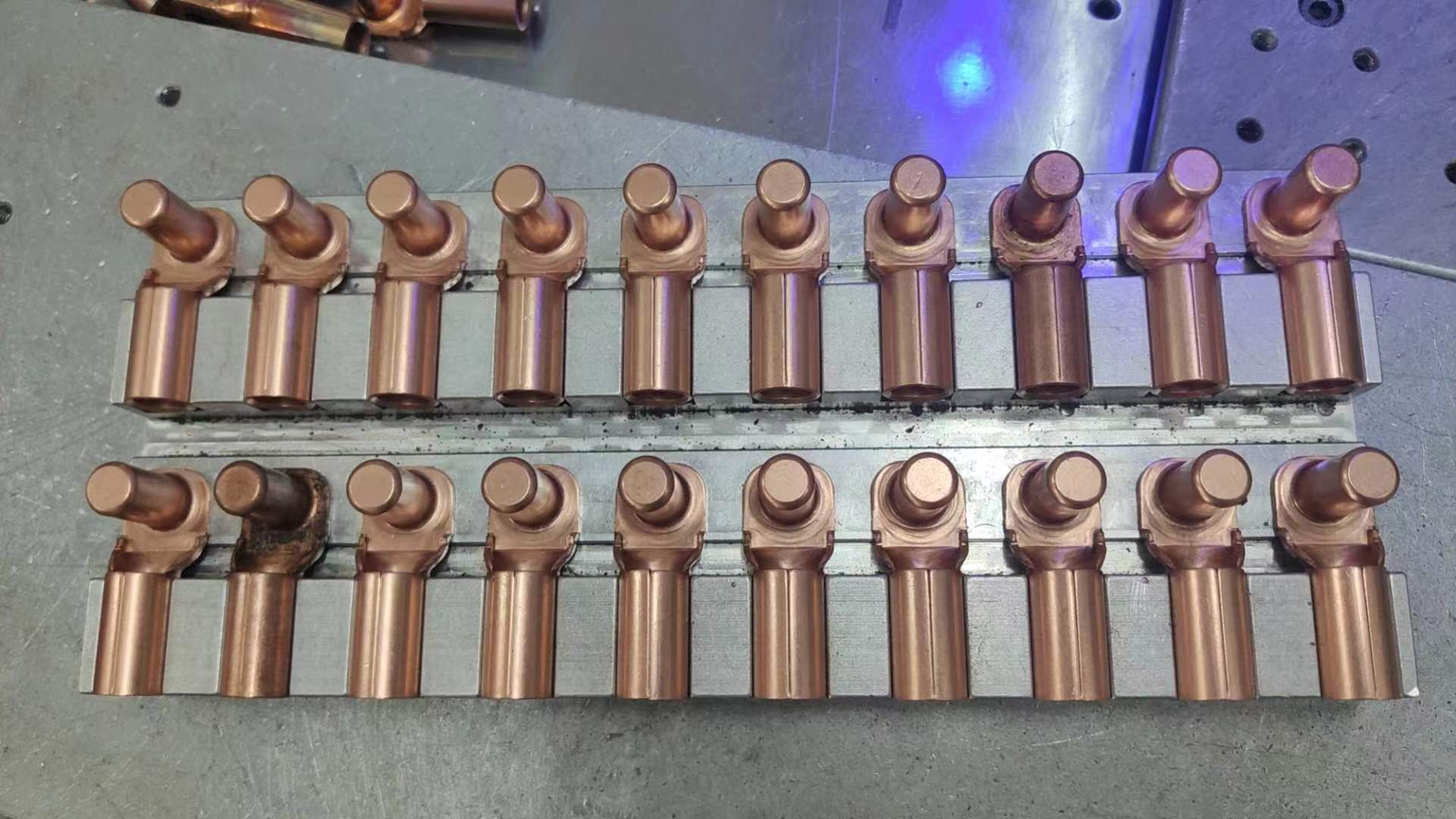
Line speed terminal laser welding processing is a high-precision welding technique featuring the following characteristics:
1. **Rate**: Laser welding is fast, significantly reducing welding time and enhancing production efficiency.
2. **High Precision**: Laser welding achieves fine welding, suitable for complex workpiece shapes and small components, with small weld points and minimal heat-affected areas.
3. **Excellent Welding Quality**: Laser welding boasts high strength and密封性, effectively reducing welding defects such as gas pores and cracks.
High Degree of Automation: Laser welding equipment can achieve automated production, enhancing production stability and consistency.
5. **Wide Range of Applicable Materials**: Laser welding is suitable for a variety of materials, including metals, plastics, and their composites, with strong adaptability to materials.
6. **Environmental Friendliness**: The laser welding process generates a substantial amount of waste, reducing environmental pollution.
7. **Minimal Heat Affected Area**: As laser welding is focused on the welding point, the heat-affected zone is small, reducing thermal damage to surrounding materials.
8. **Process Flexibility**: Adjusts laser parameters according to different workpieces and requirements to achieve various welding modes.
Laser welding of wire-end terminals is widely used in industries such as electronics and automotive.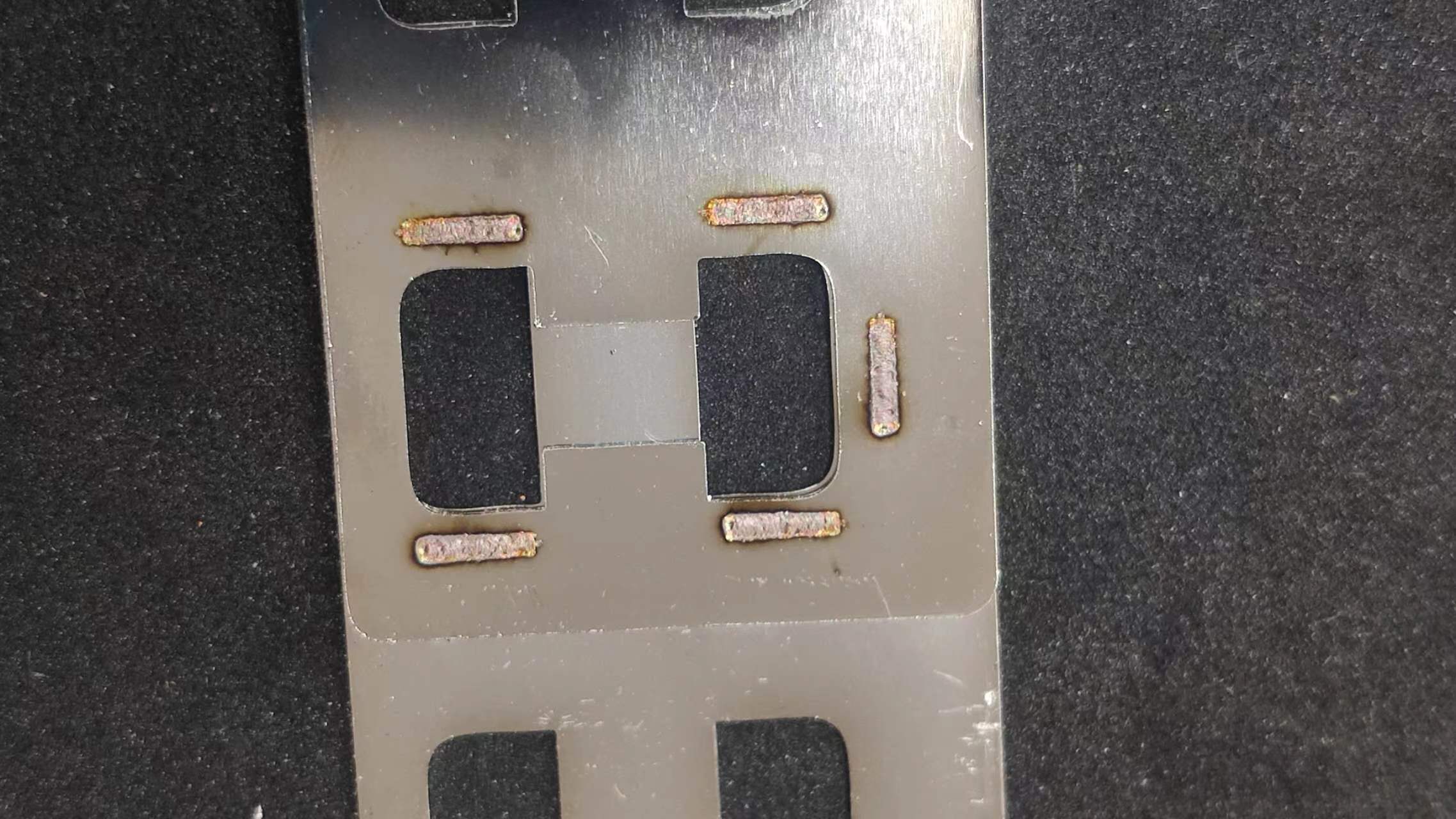
Copper alloy terminal laser welding processing features include:
High Precision: Laser welding achieves high precision welding, suitable for processing complex-shaped brass terminals, ensuring the quality and consistency of the weld seams.
2. **Small Heat Affected Zone**: Laser welding has a small heat affected zone, effectively preventing deformation and stress concentration in brass during the welding process, thereby enhancing the mechanical properties of the welded components.
3. **Rapid Welding Speed**: Laser welding is fast, ideal for mass production, and helps to improve production efficiency.
4. **High Adaptability**: Laser welding is capable of joining copper terminals of varying thicknesses and shapes, offering strong adaptability.
5. **High Automation Level**: Laser welding is easily integrated with automated equipment, enabling automated production, reducing labor costs, and improving production efficiency.
6. **Enhanced Material Performance**: During the laser welding process, the rapid heating minimizes oxidation of copper and welding defects, thereby improving the material properties of the weld joint.
7. **Reduced Post-Welding Processes**: Laser welding typically requires fewer post-welding procedures, thereby reducing production costs and lead times.
In summary, laser welding of copper terminal is a type of welding technique that meets the demands of modern industrial production.
Laser welding of copper terminals is widely used in various fields, mainly including:
1. **Electronics Industry**: Copper terminals are commonly used to connect circuit boards and other electronic components. Laser welding achieves precise welding, enhancing the product's reliability and durability.
2. **Electrical Equipment**: Copper terminals are used for cable connections in electrical equipment. Laser welding ensures excellent conductivity and strength, reducing contact resistance.
3. **Automotive Industry**: In automotive manufacturing, copper terminals are used for connections between cables and electrical components, where laser welding meets the requirements of high strength and corrosion resistance.
4. **New Energy**: In electric vehicles and renewable energy equipment, the connection and welding technology of copper terminals is crucial, and laser welding offers a high-precision solution for connections.
5. **Household Appliances**: Copper terminals are commonly used for power connections and internal wiring in household appliances. Laser welding enhances assembly efficiency and connection quality.
6. Laser Welding: Due to strict requirements for welding quality in electronic devices, laser welding technology is widely used.
Overall, copper terminal laser welding processing, due to its high precision and excellent welding results, has become a connection technology in multiple industries.
WeChat Official Account

Scan to follow Official Account



















